

In a world rife with uncertainties, the mere thought of a nuclear event sends chills down the spine. While no one ever hopes to witness such a catastrophe, nature has equipped certain creatures with remarkable resilience. From microscopic marvels to everyday insects, these organisms have adapted to withstand conditions that humans can scarcely imagine. In this fascinating exploration, we delve into the lives of 11 incredible creatures that could survive a nuclear blast, revealing their unique capabilities and the science behind their indestructibility.
Tardigrades The Ultimate Survivors
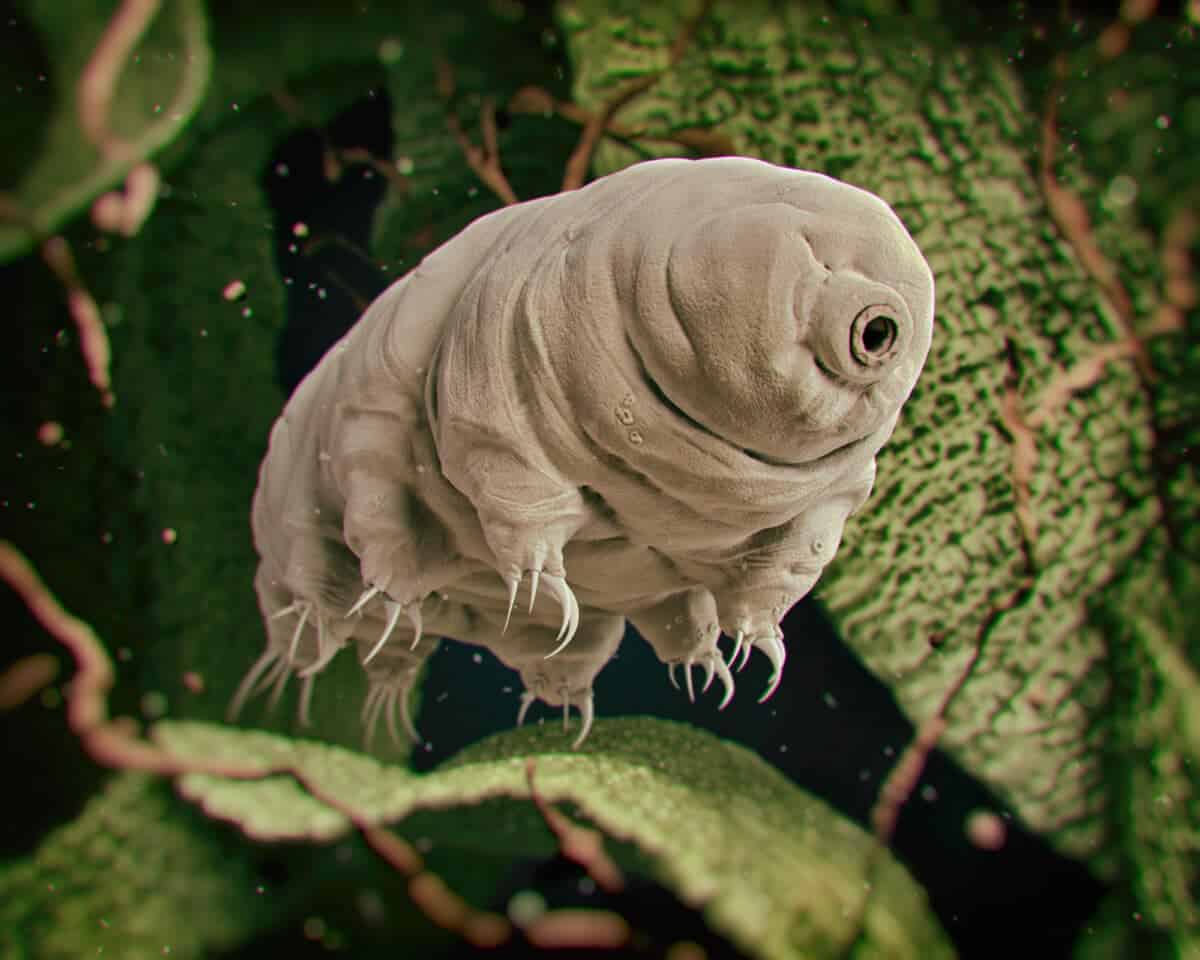
Often referred to as “water bears,” tardigrades are microscopic creatures renowned for their incredible robustness. These tiny organisms can endure extreme temperatures, high radiation levels, and even the vacuum of space. Tardigrades achieve this through a process known as cryptobiosis, where they essentially desiccate their bodies, halting all metabolic processes. This state allows them to survive harsh environments, including the aftermath of a nuclear explosion.
Cockroaches Not Just a Nuisance
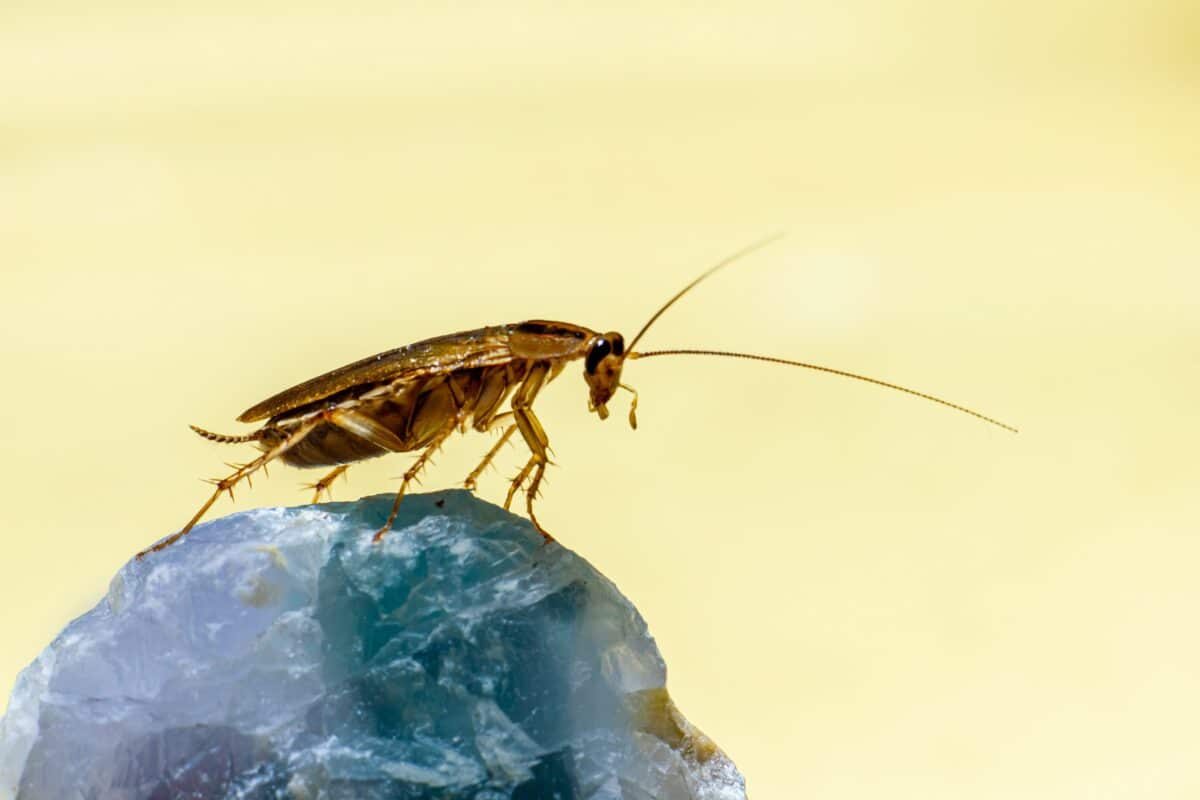
Cockroaches have long been infamous for their association with post-apocalyptic survival. While not entirely invincible, these resilient insects can withstand significantly higher levels of radiation than humans. Their rapid reproductive cycle and ability to thrive on minimal resources make them likely contenders for nuclear survival. Cockroaches’ simple bodily structure contributes to their hardiness, allowing them to recover quickly from radiation damage.
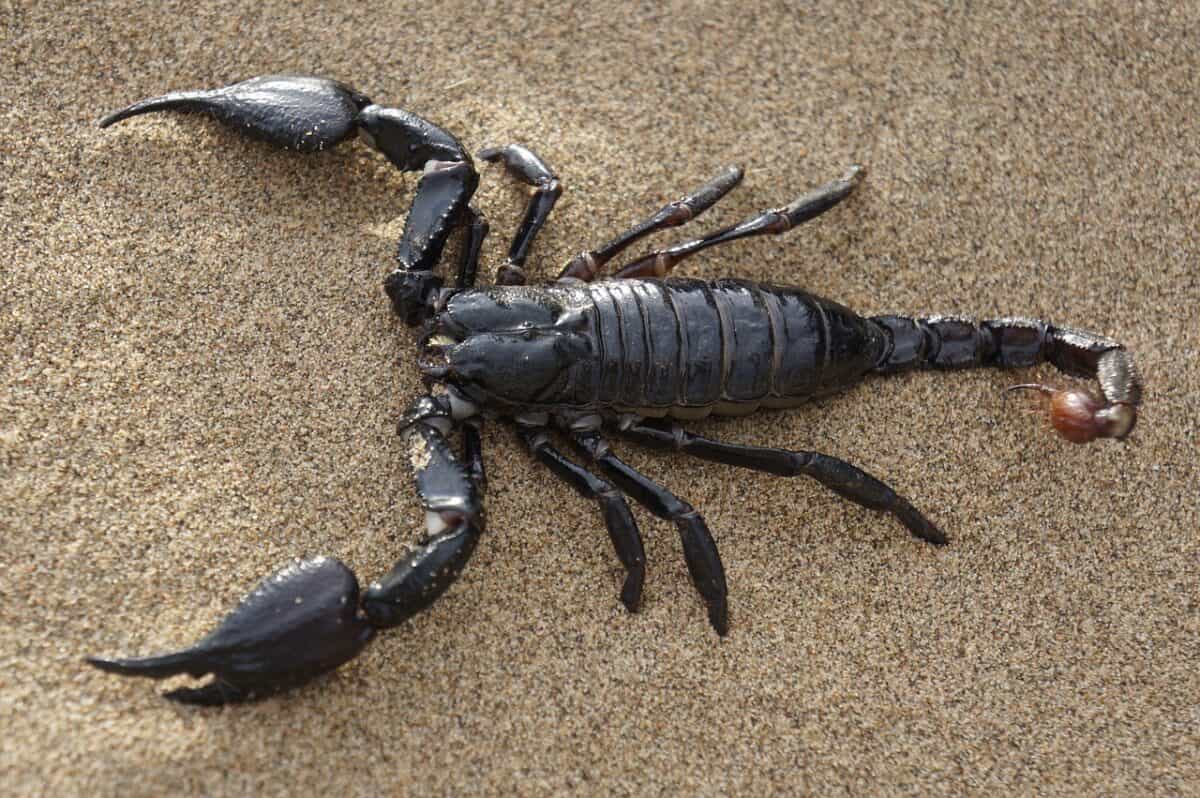
Scorpions Unfazed by Radiation

Scorpions are fascinating arachnids with a natural resistance to ionizing radiation. This resilience stems from their ability to repair damaged DNA more efficiently than many other organisms. Furthermore, scorpions can endure long periods without food and survive significant environmental changes, making them well-suited to survive in a post-nuclear world.
Deinococcus radiodurans Microbiological Marvel
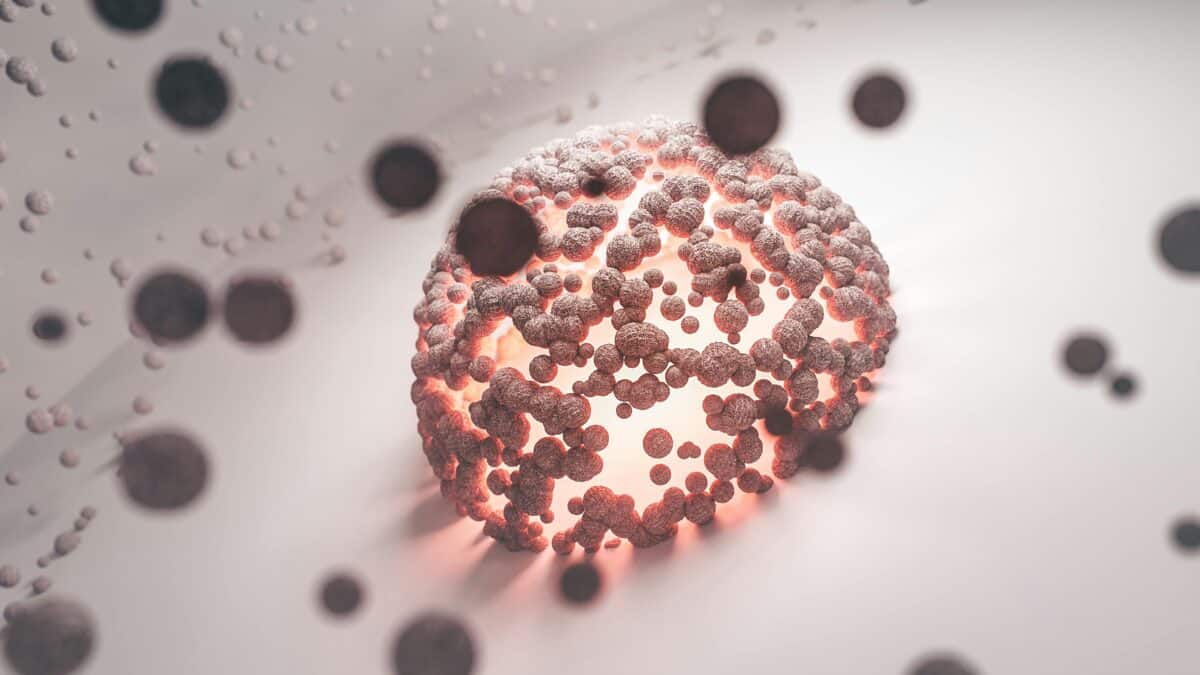
Often labeled “Conan the Bacterium,” Deinococcus radiodurans holds the Guinness World Record for its extraordinary resistance to radiation. This bacterium can endure doses of radiation thousands of times higher than what would be lethal to a human. Its uncanny ability to repair its DNA efficiently allows it to survive environments saturated with ionizing radiation, such as those following a nuclear explosion.
Bristle Worms The Resilient Detritivores

Bristle worms, primarily marine annelids, exhibit a remarkable tolerance to radiation, especially in deep-sea environments where radiation from nuclear tests and waste might accumulate. Their ability to thrive in such conditions is linked to their simple body structures and efficient regenerative processes. Bristle worms consume detritus and play a crucial role in marine ecosystems, potentially surviving nuclear fallouts by depending on their hardy nature.
Fruit Flies Masters of Evolution

Fruit flies are known for their rapid life cycle and genetic malleability. These characteristics have made them a staple in genetic studies and contribute to their radiation resilience. Fruit flies possess a high degree of adaptability and an expedited evolutionary process, allowing them to quickly develop and propagate mutations that confer radiation resistance.
Planarian Worms The Regeneration Experts

Planarian worms are celebrated for their extraordinary regenerative abilities. They can regenerate entire body parts, an ability that extends to repairing radiation-induced damage. Their robust stem cell population is the key to this regenerative prowess, enabling them to survive and adapt to radioactive environments.
Rats Pioneers of Adaptability

Rats have demonstrated a notable degree of resilience to adverse conditions, including radiation. While they may not possess the highest radiation tolerance, their adaptability, rapid reproduction, and diverse diet give them a significant survival advantage in post-nuclear scenarios. Their ability to quickly occupy and exploit a variety of habitats makes them formidable survivors.
Woodlice The Terrestrial Crustaceans
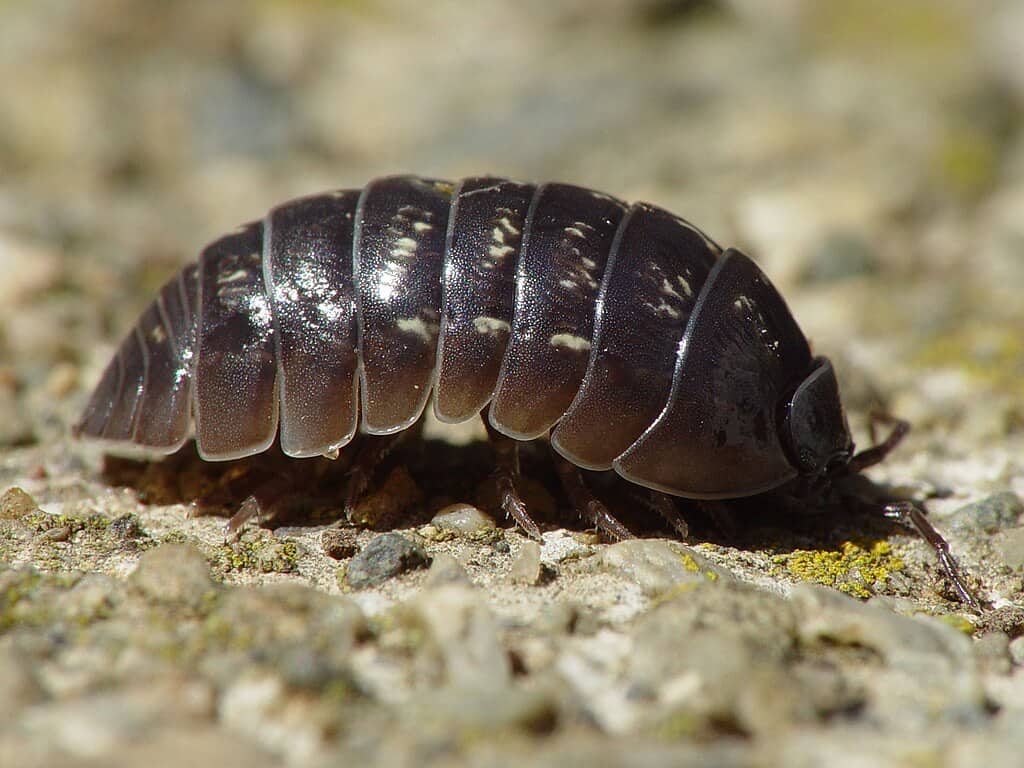
Woodlice, sometimes called pill bugs, have shown surprising resilience to radiation. These terrestrial crustaceans have a hard exoskeleton that offers some protection from environmental extremes. Their ability to live in moist, dark environments shields them from immediate fallout and provides them with a niche in which they can thrive post-exposure.
Ants The Highly Organized Colonizers
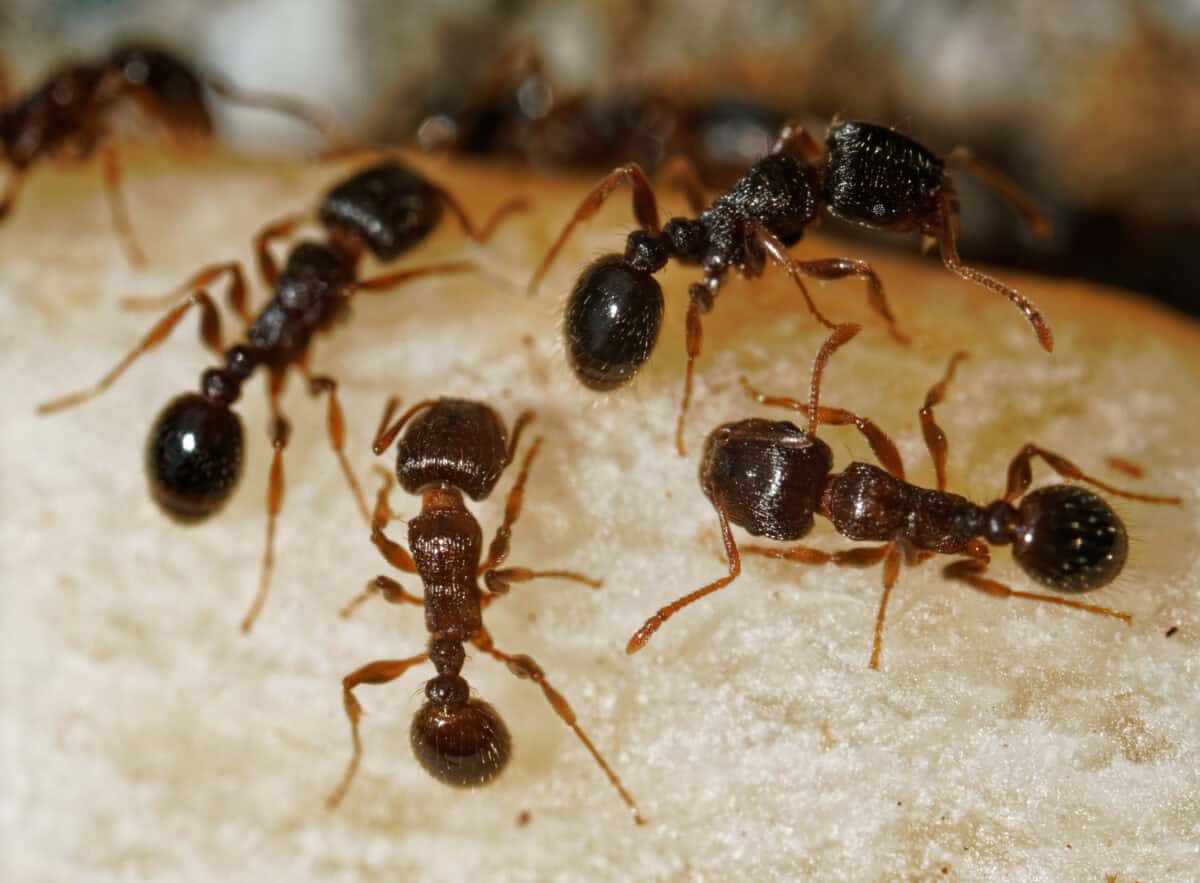
Ants, with their structured social systems and cooperative behaviors, are adept at enduring various environmental challenges, including radiation. Ant colonies consist of specialized roles and efficient communication, enabling them to adapt swiftly to changing circumstances. Their prolific nature and community-based resilience give them a survival edge in nuclear conditions.
Millipedes The Chemical Defenders

Millipedes secrete chemical compounds that render them unpalatable to predators, a trait that may assist in radiation survival by maintaining their place in the food chain. Their capacity to inhabit moist and sheltered environments helps them avoid direct exposure to fallout, coupled with a simple physiological structure that aids in withstanding increased radiation levels.
Conclusion: Nature Resilience in the Face of Catastrophe
The planet harbors an astonishing array of life forms that have evolved to survive the harshest of conditions, including nuclear blasts. From the microscopic tardigrades to the resourceful rats, these organisms exemplify nature’s adaptability and resilience. While humans may never fully harness these creatures’ survival mechanisms, studying them offers valuable insights into genetic resilience, environmental adaptation, and the indomitable spirit of life on Earth.

As a little kid, I fell in love with nature, wildlife, and animals. Living in the USA, South Africa, Italy, China and Germany gave me the opportunity to discover the world's Wildlife. My favorite animals are Mountain Gorillas, Siberian Tigers, and Great White Sharks.
I'm a certified PADI Open Water Diver, went to Everest Base Camp and Trekked Gorillas in Uganda. I hold a Master of Science in Economics and Finance.
Please send any feedback to feedback@animalsaroundtheglobe.com
- Oceanography Says a Layer of Water Exists in the Pacific That Has Not Mixed With the Surface in Over a Thousand Years and What Lives There Defies Current Classification - June 26, 2026
- 12 Wild Animals That Build Homes Better Than Humans - June 26, 2026
- 13 Flight Patterns That Defy Gravity - June 26, 2026