
There are places on Earth where history and nature collide in the most spectacular way. Think crumbling ruins overtaken by creatures that have existed for millions of years. Ancient temples where jaguars still prowl. Mountain citadels shared with bears who’ve claimed the territory as their own.
It’s wild to imagine that while tourists snap selfies at some of the world’s most visited sites, unique and sometimes endangered wildlife carries on with life right alongside them. These aren’t just monuments frozen in time. They’re living, breathing ecosystems where the past meets the present in ways you wouldn’t expect. Ready to discover where adventure and biodiversity come together?
The Galapagos Islands: Darwin’s Living Laboratory
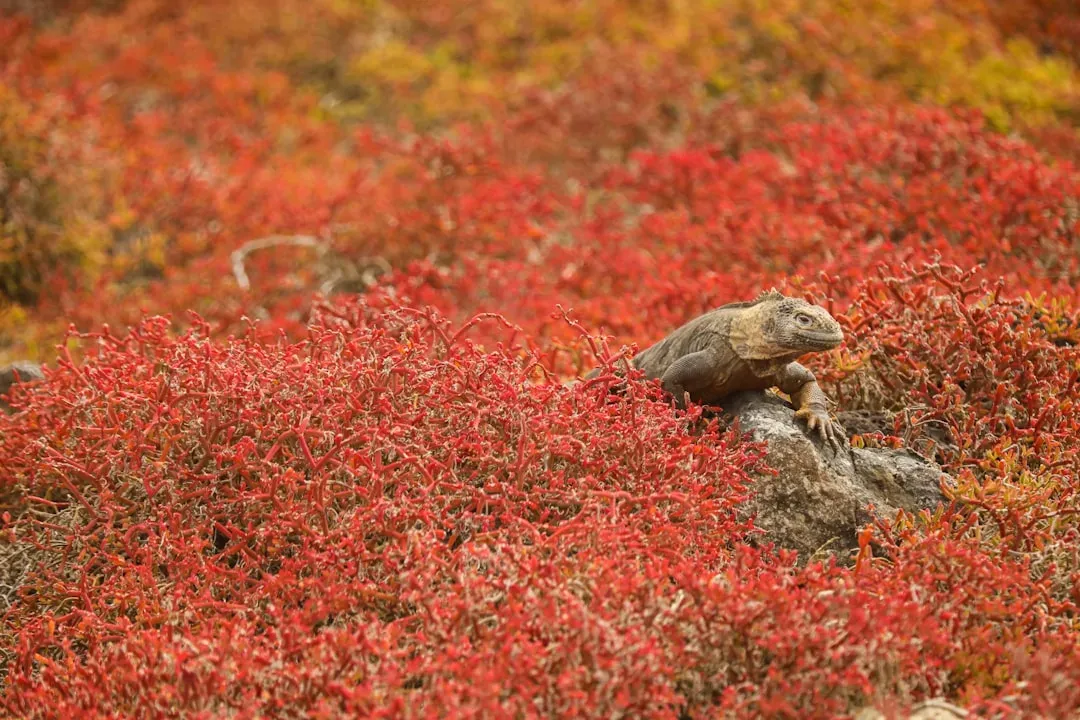
The Galapagos Islands are home to some of the highest levels of endemism anywhere on the planet, with about 80% of the land birds, 97% of reptiles and land mammals, and more than 30% of the plants found nowhere else on earth. This remote volcanic archipelago off Ecuador’s coast continues to captivate scientists and travelers alike.
Giant tortoises, iconic species found only on these islands, are the largest living tortoise in the world. Favorites include marine iguanas, flightless cormorants, and Galapagos penguins – the only penguin species found in the Northern Hemisphere. What makes this place truly remarkable is how wildlife evolved without fear of humans, allowing visitors extraordinarily close encounters that would be impossible elsewhere.
Machu Picchu: Where Spectacled Bears Roam Ancient Inca Ruins
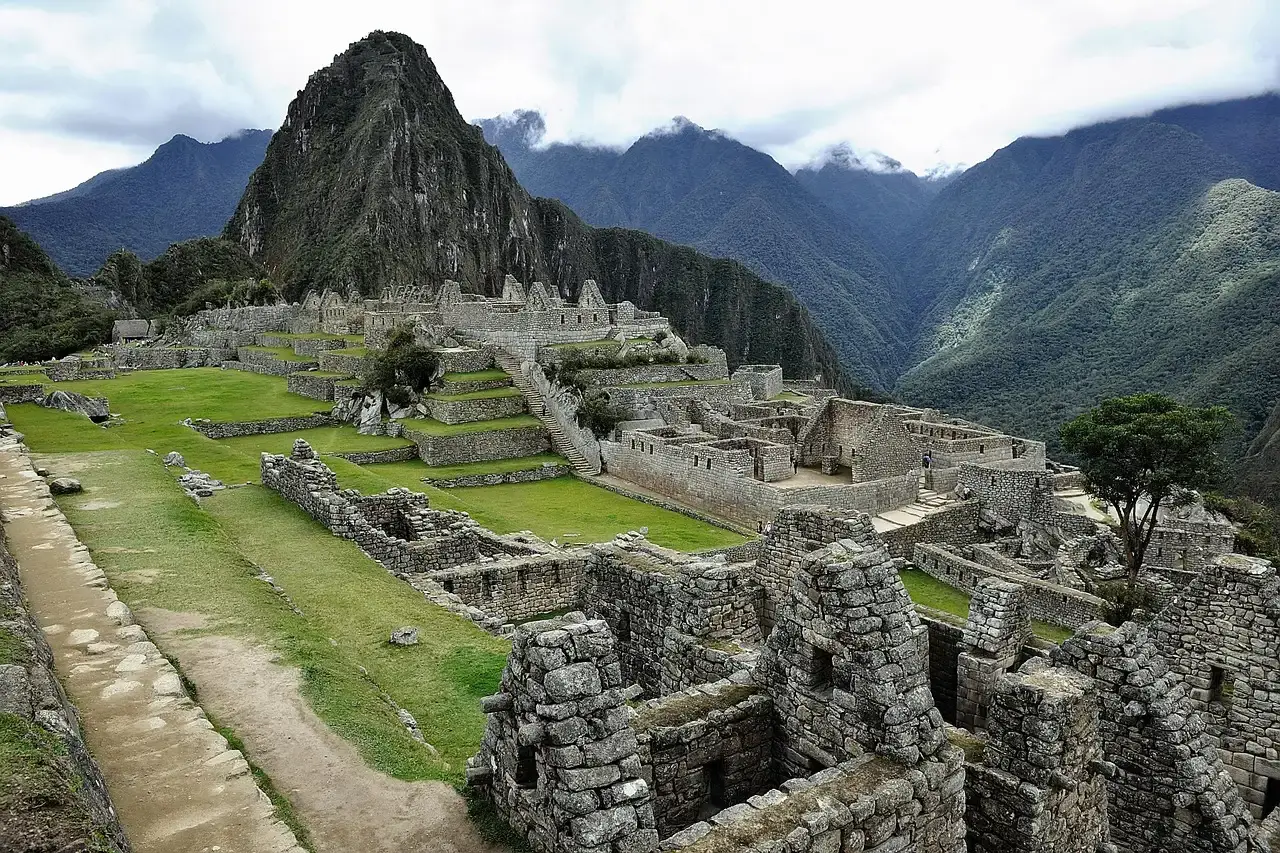
Most people visit Machu Picchu for its breathtaking Inca architecture, but few realize they might encounter South America’s only bear species wandering through the terraces. It’s estimated that the Historic Sanctuary of Machu Picchu is home to approximately 70 spectacled bears, a population protected by the Peruvian State.
It has become common to see spectacled bears with their cubs playing near the buildings of Machu Picchu, visible from very early morning until around 4 in the afternoon, though they only stay for a few minutes. In May 2024, the first ever GPS collars were deployed on two spectacled bears in Machu Picchu with the hopes that tracking them would lead to identifying key breeding and feeding grounds. These shy creatures with distinctive white markings around their eyes prefer the cloud forests surrounding the citadel, making sightings both rare and magical.
Serengeti National Park: The Greatest Wildlife Show on Earth
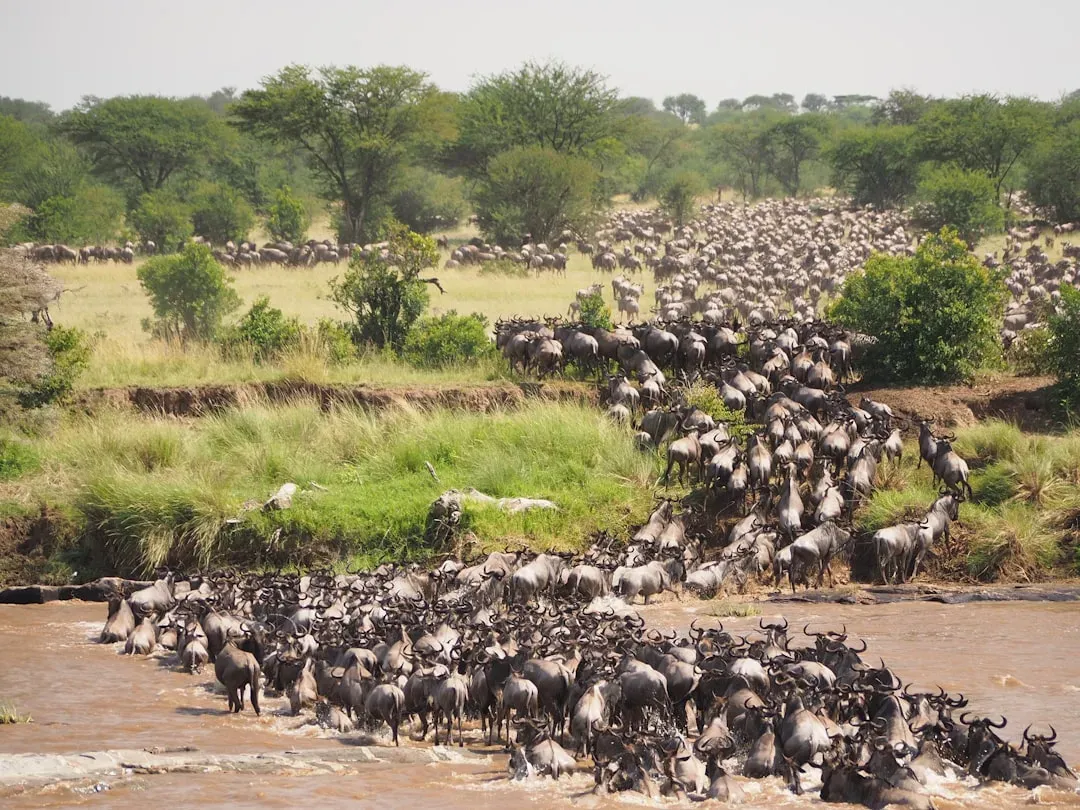
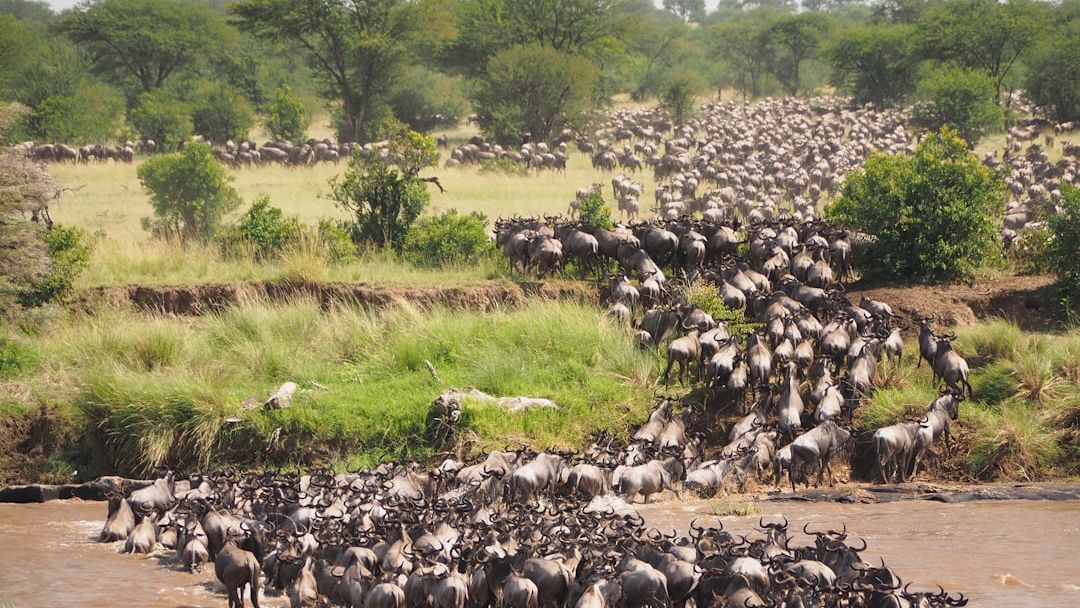
The Serengeti National Park in Tanzania is an iconic wildlife destination, renowned globally for the Great Migration – a spectacular annual movement of millions of wildebeests and zebras. Honestly, nothing quite prepares you for the scale of this natural phenomenon.
The journey for roughly two million wildebeest starts in the south of the Serengeti with the birth of half a million calves between January and March, forming an 800 kilometer trek that is the largest mammal migration on earth. The Serengeti is also renowned for its large lion population and is one of the best places to observe prides in their natural environment, with approximately 70 large mammal and 500 bird species found there. The sheer drama of predator-prey interactions during river crossings, where crocodiles wait patiently for their chance, creates scenes that wildlife documentaries have made legendary.
Yellowstone National Park: America’s Wildlife Sanctuary
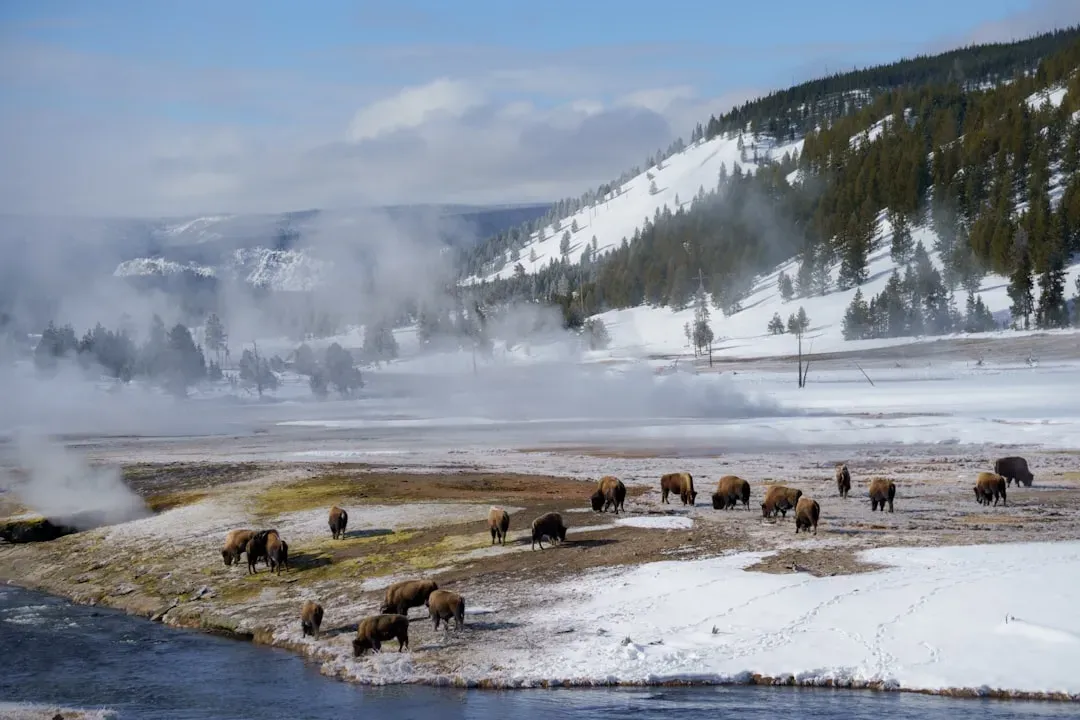
As the world’s first national park, Yellowstone holds a special place in conservation history. Yellowstone is an iconic 2.2-million acre volcanic playground with 67 different mammal species (the largest concentration in the country’s lower 48 states), including freely-roaming bison, elk, grey wolves, and both black and grizzly bears.
Yellowstone National Park is the only place where bison have lived uninterrupted since prehistoric times. The reintroduction of grey wolves in the 1990s became one of the most successful rewilding projects ever undertaken, demonstrating how a single species can restore balance to an entire ecosystem. The Lamar Valley, often called America’s Serengeti, offers some of the most reliable wildlife viewing on the continent.
The Everglades: Florida’s River of Grass
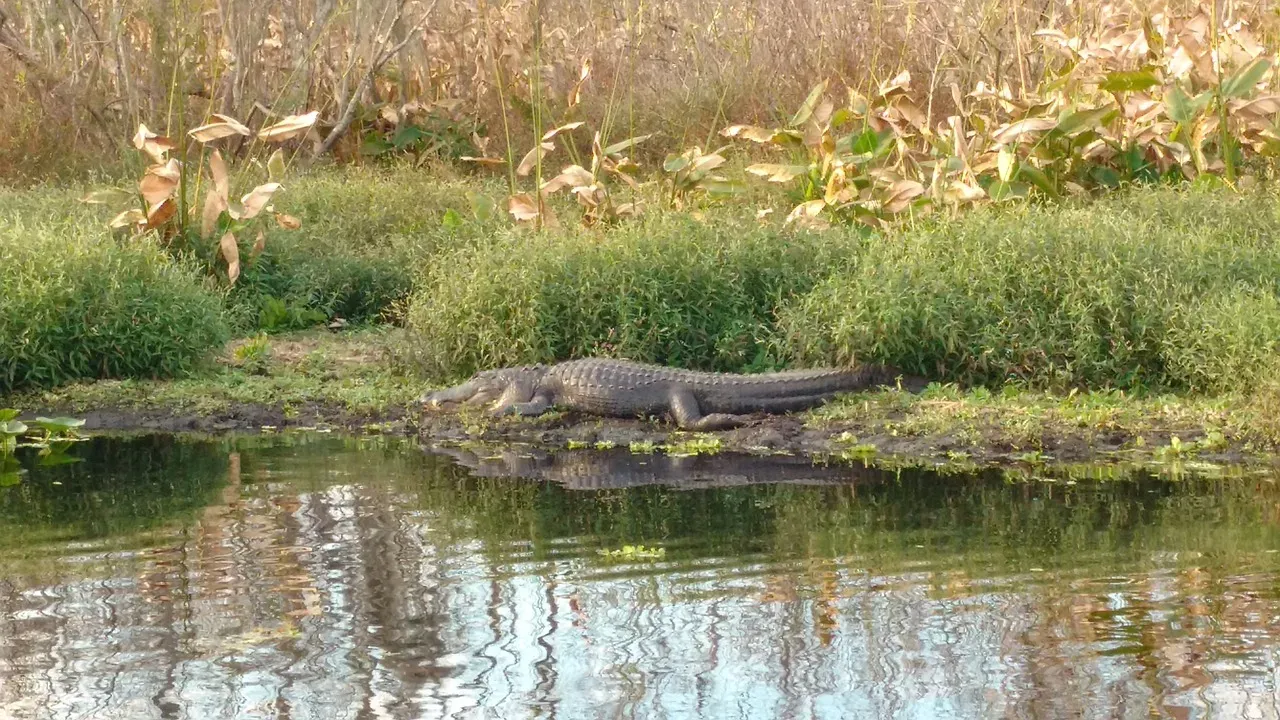
The Everglades in Florida loom large in the American psyche – a wild, untamed place that is also one of the most important wildlife habitats in the country, providing a haven for some of America’s rarest and most endangered species like the manatee, American crocodile and the elusive Florida panther.
This unique wetland ecosystem is unlike anything else in North America. Found in the very southern part of Florida, the Everglades National Park is home to a wide range of unique and interesting animals, including North American Crocodiles and Alligators that the park is famous for, along with Florida Panthers and American black bears. The slow-moving water creates a habitat that supports an incredible diversity of wading birds, reptiles, and fish species that have adapted to this distinctive environment.
Antarctic Peninsula: The Last Great Wilderness
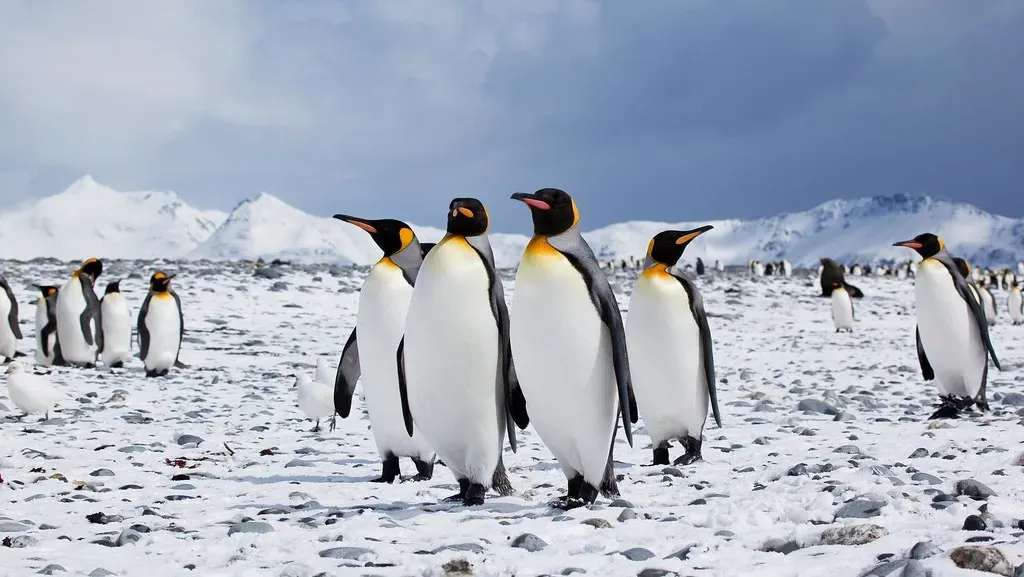
The Antarctic Peninsula is home to vast penguin colonies and a pristine wilderness of icebergs, making it an unparalleled place to see animals anywhere in the world as one of the best wildlife destinations because it offers visitors the chance to explore one of the most untouched natural environments on the planet.
The wildlife here has evolved to survive in one of Earth’s harshest climates. Massive colonies of emperor and Adelie penguins dot the icy shores, while leopard seals patrol the waters and humpback whales breach against backdrops of towering glaciers. The sheer isolation means that conservation efforts face unique challenges, but also that human impact has been relatively minimal compared to other continents.
Kruger National Park: Africa’s Big Five Haven
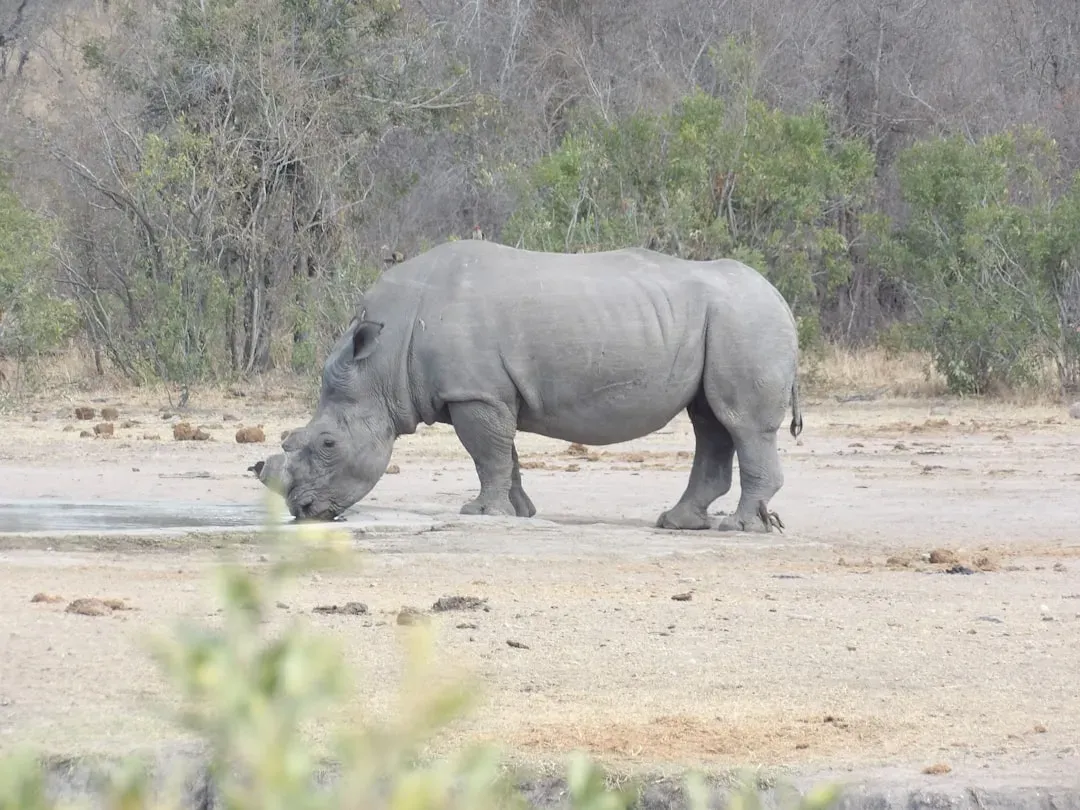
South Africa’s Kruger National Park is a top contender among the best wildlife destinations in the world, renowned for Big Five sightings with rich birdlife and diverse ecosystems. This legendary reserve has become synonymous with the African safari experience.
Covering nearly two million hectares, Kruger provides one of the most accessible big game viewing experiences on the continent. The park’s well-maintained roads and infrastructure make it possible for visitors to self-drive, though guided safaris reveal layers of ecological complexity that casual observers might miss. The concentration of predators here, particularly lions and leopards, creates dramatic wildlife encounters that rival any destination worldwide.
Great Barrier Reef: An Underwater Monument
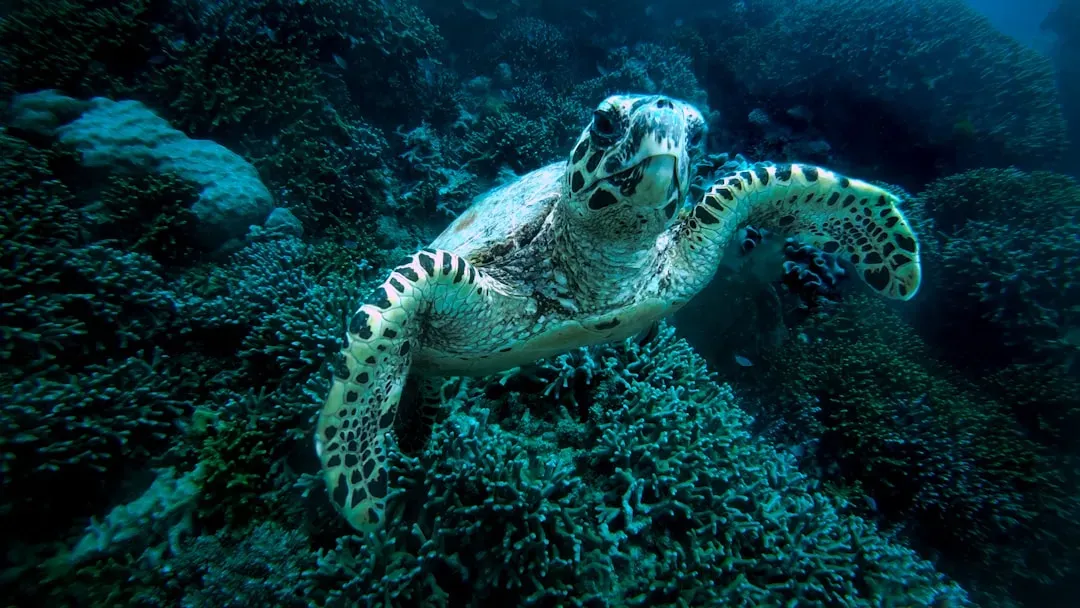
Australia is distinguished by its high levels of endemism, with many species found nowhere else on Earth, including marsupials, monotremes and rich marine life around the Great Barrier Reef that define its unique natural heritage. This living structure, visible from space, represents the largest coral reef system on the planet.
The biodiversity beneath the surface is staggering. Thousands of fish species, hundreds of coral types, sea turtles, dolphins, and reef sharks create an underwater ecosystem of breathtaking complexity. Climate change and coral bleaching have threatened this natural wonder, making conservation efforts more urgent than ever. Still, experiencing the kaleidoscope of colors and life forms while snorkeling or diving remains one of the most profound wildlife encounters available anywhere.
Conclusion
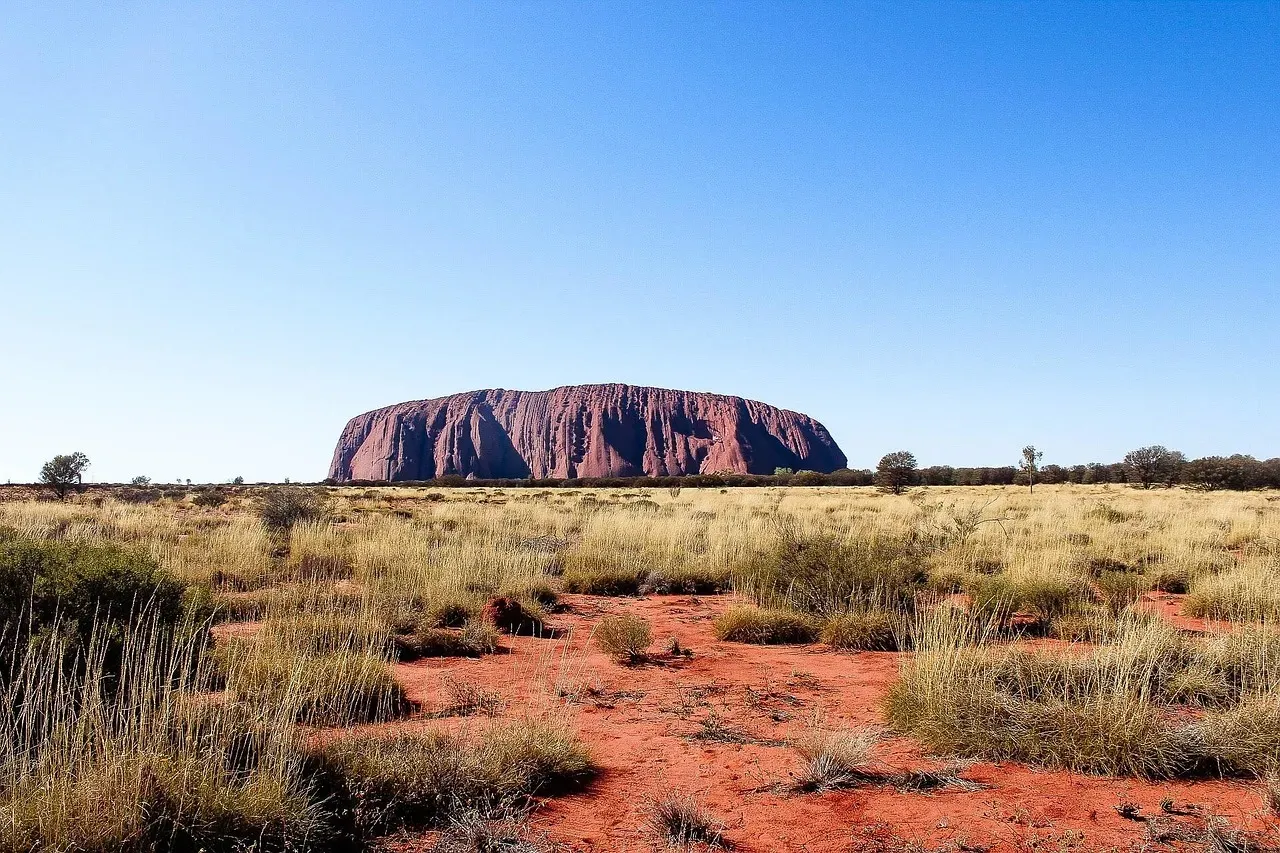
These landmarks prove that nature and human history aren’t separate stories. They’re intertwined in ways that make both more meaningful. When a spectacled bear walks through Machu Picchu or a penguin waddles across Antarctic ice near research stations, we’re reminded that wildlife doesn’t recognize our boundaries or timelines.
It’s hard to overstate how important these places are. They’re not just tourist destinations or photo opportunities. They’re refuges for species that exist nowhere else, classrooms for understanding evolution and adaptation, and hopefully, inspiration for future conservation. The real question is whether we’ll protect them well enough that future generations can experience the same wonder. What’s the landmark that would top your bucket list?
