


In the vast tapestry of Earth’s biodiversity, birds hold a special place. These feathered marvels have captivated human imagination for millennia with their songs, flight, and remarkable adaptations. Yet today, we face a sobering reality: 112 bird species globally have lost at least half of their populations in recent decades. This silent crisis is unfolding across forests, wetlands, grasslands, and oceans. From the charismatic Snowy Owl to the lesser-known Spoon-billed Sandpiper, birds that once filled our skies in abundance are disappearing at an alarming rate. The causes span habitat destruction, climate change, invasive species, and pollution—all largely attributable to human activity. This article explores the depth of this crisis, examines the species most affected, investigates the underlying causes, and highlights the conservation efforts that offer hope for reversing these declines before it’s too late.
The Scale of Bird Population Decline

The loss of half or more of 112 bird species’ populations represents one of the most significant biodiversity crises of our time. According to the comprehensive State of the World’s Birds report, nearly half of all bird species worldwide are in decline, with one in eight species threatened with extinction. In North America alone, bird populations have decreased by nearly 3 billion birds since 1970—a staggering 29% reduction.
The most alarming aspect of this decline is its acceleration; species that were once common and widespread are now rapidly disappearing from their historical ranges. This isn’t merely about numbers—it’s about the unraveling of ecological relationships that have evolved over millions of years. Birds serve as pollinators, seed dispersers, pest controllers, and indicators of environmental health. Their decline signals fundamental disruptions to ecosystems that ultimately support all life, including humans.
Most Vulnerable Bird Groups

Certain bird families are experiencing disproportionate population crashes. Grassland birds have suffered the steepest declines, with species like the Eastern Meadowlark and Bobolink losing over 70% of their numbers since the 1970s due to agricultural intensification and habitat conversion. Shorebirds represent another highly vulnerable group, with long-distance migrants like the Red Knot and Semipalmated Sandpiper facing threats across their hemispheric migration routes.
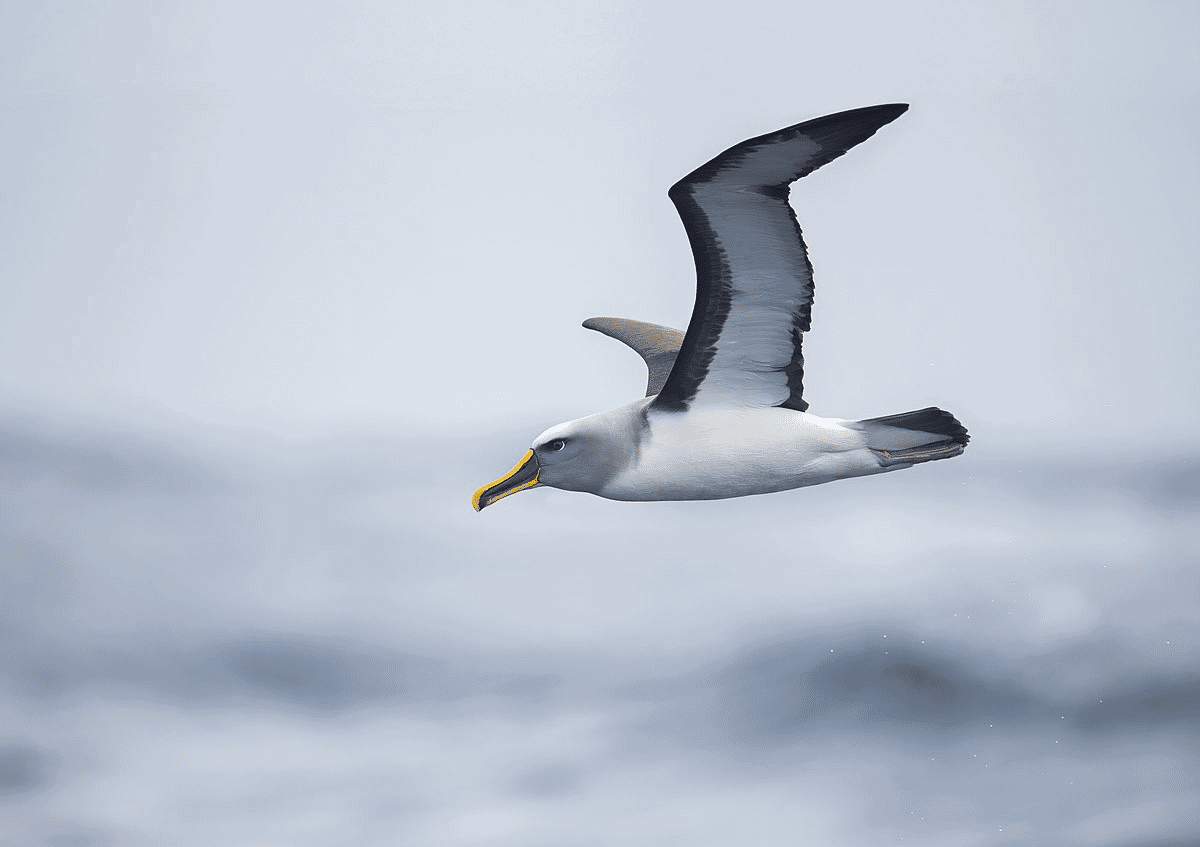
Seabirds, particularly albatrosses and petrels, confront multiple threats from commercial fishing bycatch, plastic pollution, and introduced predators on breeding islands. Forest specialists are also disappearing at alarming rates, especially those requiring old-growth or primary forest conditions. Certain taxonomic groups like Hawaiian honeycreepers face extreme endangerment due to their limited ranges and vulnerability to introduced diseases. The diversity of affected species highlights that no habitat type or region is immune to the forces driving bird declines.
Habitat Loss and Fragmentation

Habitat destruction remains the single greatest threat to bird populations worldwide. Every year, approximately 10 million hectares of forest are cleared globally, eliminating crucial nesting, roosting, and foraging habitat for countless species. Wetlands, which support extraordinarily high bird diversity, continue to be drained for agriculture and development, with over 87% of global wetlands lost since 1700. Grasslands face similar pressures, with more than 50% of temperate grasslands converted to agriculture or development.
Beyond outright destruction, habitat fragmentation creates isolated bird populations vulnerable to genetic bottlenecks and local extinctions. Edge effects alter microclimate conditions and increase predation risk. For many specialized birds, like the Cerulean Warbler or Black-throated Blue Warbler, fragmented forests cannot provide the ecological conditions they’ve evolved to require. The quality of remaining habitat is also deteriorating through selective logging, understory removal, and simplified plant communities, further compromising birds’ ability to find food and shelter.
Climate Change Impacts
Climate change is rapidly emerging as an existential threat to birds worldwide. Rising temperatures are disrupting critical timing relationships between bird migration, breeding, and food availability. Studies show that spring arrival of insects now often precedes the return of migratory birds, creating phenological mismatches that reduce breeding success. Warming temperatures are pushing species’ ranges poleward and to higher elevations, but many birds cannot shift quickly enough. Alpine specialists like the American Pipit and Ptarmigan face “mountain-top extinction” as suitable habitat disappears entirely.
Rising sea levels threaten coastal birds, with over 80% of important shorebird habitat at risk of inundation. More frequent and intense storms, droughts, and wildfires directly kill birds and destroy habitat. Ocean acidification and warming disrupt marine food webs that seabirds depend upon. For long-distance migrants already stressed by habitat loss, climate change creates an additional burden that many populations cannot withstand. The Rusty Blackbird, which has lost 85-95% of its population, exemplifies how climate change can accelerate declines by altering the boreal wetlands it depends on.
Agricultural Intensification

Modern industrial agriculture has transformed vast landscapes once suitable for birds into ecological deserts. The expansion of monocultures has eliminated the diverse plant communities that supported insect prey and provided nesting sites. Mechanical tilling destroys ground nests of species like the Horned Lark and Vesper Sparrow. Early and frequent mowing of hayfields destroys nests and kills fledglings of grassland specialists like the Bobolink. Perhaps most concerning is the widespread use of neonicotinoid insecticides and other agricultural chemicals, which eliminate insect food sources for birds.
A 2019 study linked neonicotinoids to a rapid decline in insectivorous birds across North America. Intensive grazing practices remove the structural diversity in vegetation that many ground-nesting birds require. The conversion of diverse agricultural landscapes with hedgerows, fallow fields, and mixed farming to simplified, chemically-intensive systems has created vast areas where birds simply cannot survive. Species like the Northern Bobwhite, once abundant in agricultural landscapes, have declined by more than 80% as farming practices have intensified.
Invasive Species and Predators

Invasive species have devastated bird populations, particularly on islands where birds evolved without mammalian predators. Introduced rats, cats, and mongoose have driven dozens of island endemics to extinction and threaten hundreds more. In Hawaii alone, 33 of 55 endemic bird species have gone extinct largely due to introduced predators and diseases. On the mainland, feral and free-ranging domestic cats kill an estimated 2.4 billion birds annually in the United States alone. Invasive plants like kudzu, cheatgrass, and purple loosestrife transform habitats, eliminating native plant species that birds depend on for food and nesting.
In wetlands, invasive plants like Phragmites outcompete native vegetation, reducing habitat quality for species like the Least Bittern and Black Tern. Invasive insects like the emerald ash borer kill millions of trees, eliminating nesting sites and altering forest composition. Even some introduced bird species, like European Starlings and House Sparrows, outcompete native cavity-nesters for limited nesting sites. The cumulative impact of these invasive species interactions creates ecological traps that contribute significantly to bird population collapses.
Hunting and Illegal Wildlife Trade

While regulated hunting is sustainable for many bird species, uncontrolled hunting and poaching continue to threaten vulnerable populations. In the Mediterranean region, an estimated 25 million birds are illegally killed each year, targeting species like European Turtle Doves, which have declined by over 78% in recent decades. In Asia, the cage bird trade has decimated populations of songbirds, particularly in Indonesia where species like the Bali Myna have been pushed to the brink of extinction. Subsistence hunting in tropical forests targets larger birds like curassows, guans, and hornbills, which are particularly vulnerable due to their low reproductive rates.
Even legal hunting can impact populations when combined with other threats; the once-abundant American Woodcock has declined by 55% since 1970 despite hunting regulations. Intentional persecution of predatory birds continues in many regions, with raptors shot or poisoned despite legal protections. The cumulative impact of hunting pressure, especially on long-lived species with naturally low reproductive rates, can push already-stressed populations past recovery thresholds.
Collisions with Human Structures
As human infrastructure expands, birds face deadly obstacle courses during migration and daily movements. Collisions with buildings kill an estimated 600 million birds annually in the United States alone, with glass windows creating invisible barriers that birds cannot perceive. High-rise buildings with reflective surfaces and night lighting are particularly lethal during migration seasons. Communication towers claim an additional 6.8 million birds yearly, with guy wires and illumination attracting and disorienting nocturnal migrants.
Wind turbines, while crucial for renewable energy, kill hundreds of thousands of birds annually, with certain sites and turbine designs posing greater risks to raptors and migratory species. Power lines cause both collision and electrocution deaths, particularly for larger birds like eagles, cranes, and pelicans. Even seemingly benign structures like fences can be deadly for low-flying species like grouse and ptarmigan. The cumulative toll of these collision deaths, while often overshadowed by habitat loss, represents a significant mortality factor for species already in decline. For species like the Whooping Crane, with fewer than 850 individuals remaining, even occasional collisions can impede recovery efforts.
Light and Noise Pollution

The spread of artificial light and anthropogenic noise represents an often-overlooked threat to bird populations. Light pollution disrupts natural behaviors and migration patterns, with studies showing that artificial light can disorient migrating birds, causing them to circle illuminated structures until exhausted. Cities and industrial sites create sky glow that can be detected hundreds of kilometers away, interfering with birds’ ability to navigate by stars. Bright lighting along coastlines disorients seabird fledglings, causing them to fly inland rather than out to sea. Noise pollution masks natural sounds that birds rely on for communication, mate selection, and predator detection.
Research has demonstrated that birds in noisy environments experience reduced breeding success, altered song characteristics, and disrupted predator-prey relationships. Even protected areas are increasingly affected by light and noise from adjacent development. For species already stressed by habitat loss and other threats, these sensory pollutants create additional physiological stress and behavioral disruptions that can compromise survival and reproduction. Light and noise impacts are particularly concerning because they can degrade even otherwise suitable habitat, effectively reducing the functional area available to sensitive species.
Success Stories in Bird Conservation

Despite the sobering statistics, numerous conservation success stories demonstrate that bird population declines can be reversed with targeted action. The Bald Eagle, once reduced to 417 breeding pairs in the contiguous United States, has recovered to more than 71,400 pairs following DDT bans and habitat protection. California Condors, down to just 27 individuals in 1987, now number over 500 thanks to captive breeding and reintroduction efforts. Kirtland’s Warbler populations have increased tenfold since the 1970s through habitat management and cowbird control. International cooperation has benefited migratory species; the Western Hemisphere Shorebird Reserve Network now protects crucial habitat at 108 sites across 17 countries.
Seabird restoration projects have successfully eradicated invasive predators from breeding islands, allowing species like the Bermuda Petrel to recover from near extinction. Innovative approaches like “bird-friendly” building designs, sustainable agricultural practices, and citizen science monitoring are scaling up conservation impact. These successes demonstrate that with appropriate resources, scientific knowledge, and political will, even severely depleted bird populations can recover. The key ingredients in these success stories include habitat protection and restoration, removal of specific threats, and policies that incorporate birds’ ecological needs into land-use decisions.
Citizen Science and Public Engagement

The scale of bird conservation challenges requires engagement beyond professional scientists and conservation organizations. Citizen science programs have transformed our understanding of bird population trends while creating an army of conservation advocates. The Christmas Bird Count, running since 1900, provides over a century of data on winter bird populations. eBird, with over 100 million bird observations annually from volunteers worldwide, generates real-time distribution maps that inform conservation decisions. Breeding Bird Surveys and other monitoring programs provide critical data on population trends. Beyond data collection, public engagement creates political support for bird conservation.
Backyard habitat programs have enrolled millions of property owners in creating bird-friendly landscapes. Bird tourism generates economic incentives for conservation, with birders spending an estimated $41 billion annually in the United States alone. Educational programs in schools and communities create emotional connections to birds and their conservation needs. This democratization of bird conservation expands its reach and effectiveness, creating a constituency for policy changes and habitat protection. The passion of amateur birders, combined with scientific expertise, creates a powerful force for reversing population declines.
Innovative Conservation Approaches

Meeting the challenge of reversing bird declines requires innovative approaches that address threats at landscape and hemispheric scales. Conservation genomics now guides captive breeding programs for critically endangered species, preserving genetic diversity essential for adaptation to changing conditions. Satellite tracking of migratory birds reveals previously unknown stopover sites and migration corridors in need of protection. Habitat connectivity models identify critical areas for conservation to maintain gene flow between isolated populations.
Working lands conservation integrates bird habitat into productive agricultural and forestry landscapes through practices like delayed haying, rotational grazing, and selective timber harvest. Market-based approaches like bird-friendly coffee certification create economic incentives for habitat preservation. Precision conservation uses remote sensing and artificial intelligence to identify the most critical areas for targeted protection efforts. Novel partnerships between conservation organizations, indigenous communities, and corporations create sustainable funding mechanisms for long-term habitat protection. Climate-smart conservation strategies anticipate range shifts and prioritize climate refugia where birds can persist as temperatures rise. These innovative approaches complement traditional conservation methods, expanding the toolkit available for addressing complex, multi-faceted threats to bird populations.
Conclusion: The Path Forward

The loss of half or more of 112 bird species’ populations represents both an ecological tragedy and a call to action. These declines reflect broader environmental degradation that threatens human well-being as well as biodiversity. Yet the path forward is clear, if challenging. We must rapidly expand habitat protection, focusing on the most critical sites for threatened species while creating landscape-level connectivity. Climate action must accelerate to prevent scenarios where birds cannot adapt quickly enough to changing conditions.
Agricultural practices must evolve to balance food production with biodiversity conservation. Individual actions—from making windows bird-safe to supporting bird-friendly products—collectively create meaningful change when millions participate. Most importantly, we must recognize that these bird declines are not inevitable; they reflect choices about how we use land, energy, and resources. With different choices guided by both ecological knowledge and ethical consideration of other species, we can create a world where birds thrive alongside human communities.

From exploring the marine wonders in the Azores and witnessing the vast savannas of Kenya, to delving deep into the rich biodiversity of South Africa and traversing iconic landscapes in Australia and the US like Yellowstone, Chris's experiences are vast.
With a penchant for diving alongside sharks, the ocean holds a special place in his heart.
Through his academic insights, he champions wildlife conservation, striving with 'Animals Around The Globe' to cultivate a profound connection between humans and animals, enhancing our mutual appreciation.
Connect with him at Feedback@animalsaroundtheglobe.com.
- The Largest Clam Ever Dredged Up From U.S. Waters - July 22, 2026
- How Animated Films Shape What Kids Believe About Animals - July 22, 2026
- The Most Iconic Animals Saved from Extinction in the U.S. - July 22, 2026