
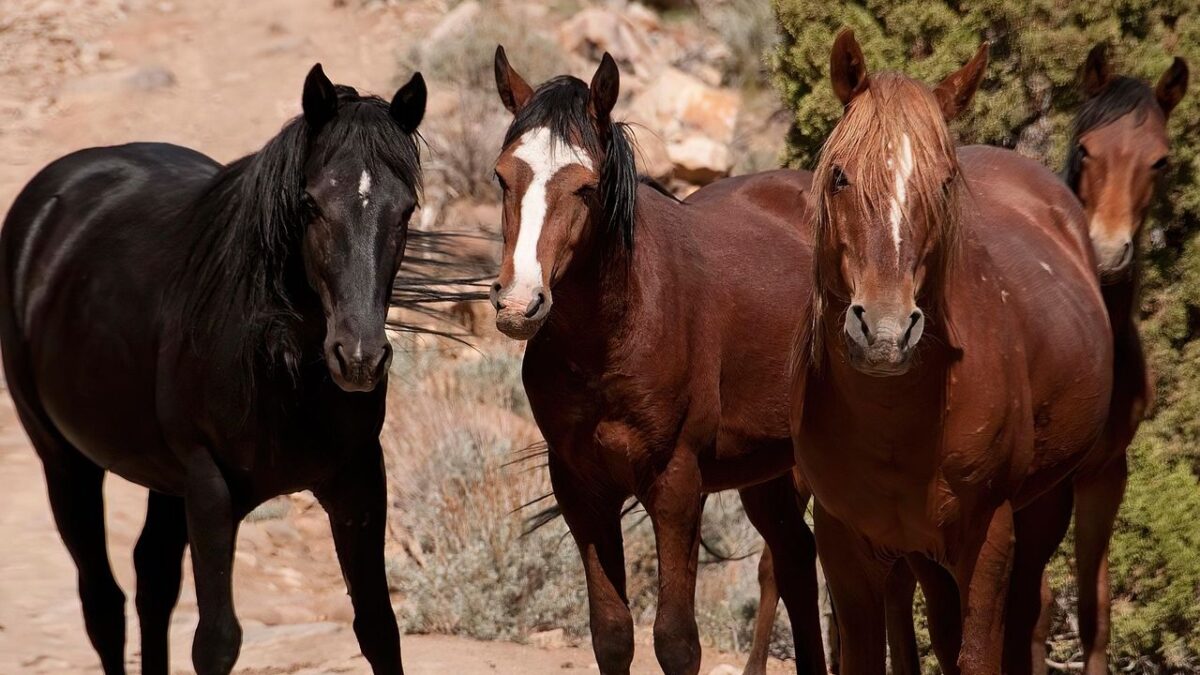
There is something about a wild horse galloping across an open plain that stops you cold. Mane flying, hooves thundering, completely unbothered by the world around it. It’s one of those rare sights in nature that feels almost mythological, like you’ve stumbled into a scene from another era entirely. Honestly, no other animal quite captures the spirit of the American West the way the mustang does.
These incredible animals have a story that stretches back millions of years, and yet most people know surprisingly little about them beyond the romanticized image. There’s genuine science, shocking history, and even some political controversy woven into every herd thundering across Nevada’s high desert. So buckle up, because what lies ahead might surprise you more than you’d expect. Let’s dive in.
1. Horses Actually Originated in North America – Then Vanished
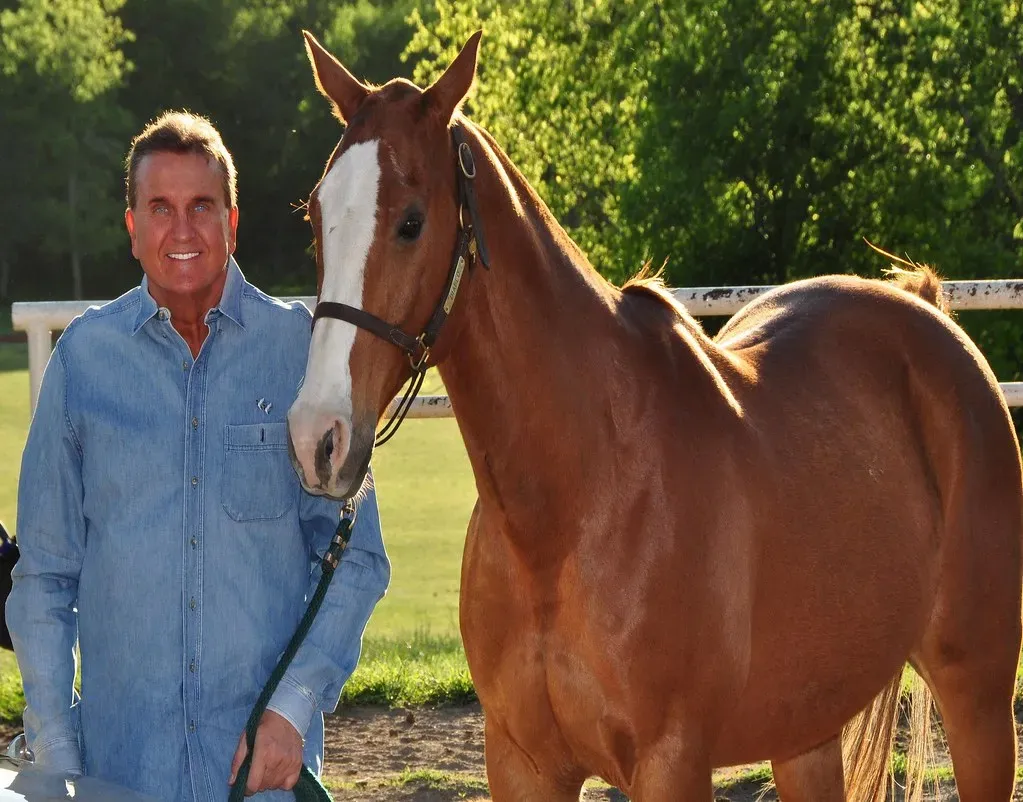
Here’s the twist that almost nobody talks about at dinner. Horses belong to the genus Equus, which evolved in North America about 4 million years ago, before spreading out to the rest of the world. Think about that for a second. The very continent that the mustang now symbolizes is actually where the horse’s entire evolutionary story began.
The last truly wild horses of America died out about 10,000 years ago. The leading theories point to climate change and the arrival of human hunters as the likely culprits. So for thousands of years, North America was completely horseless.
In 1493, on Christopher Columbus’ second voyage to the Americas, Spanish horses were brought back to North America, first to the Virgin Islands. They were introduced to the continental mainland by Hernán Cortés in 1519. In other words, the mustang is not a foreign species stumbling into a strange land. It is, in many ways, a homecoming.
2. The Name “Mustang” Comes From a Spanish Word Meaning “Stray”
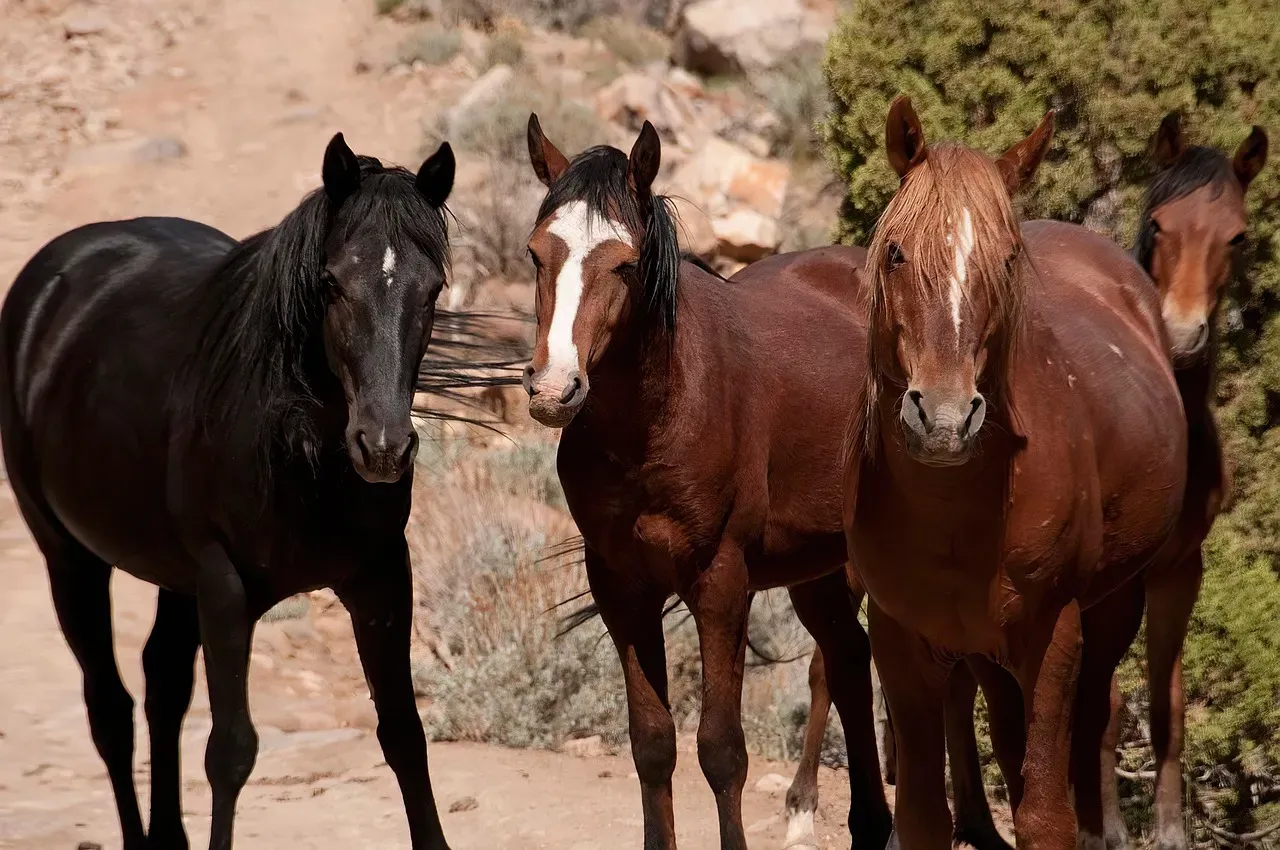
Mustang comes from the Spanish word mesteño, meaning a “stray” or “ownerless beast.” It’s a fitting name, honestly. These were horses that had slipped the leash of civilization and reclaimed something wild in the landscape of the American West.
According to the Oxford English Dictionary, the English word mustang was likely borrowed from two essentially synonymous Spanish words, mestengo and mostrenco. English lexicographer John Minsheu glossed both words together as ‘strayer’ in his dictionary of 1599. So the word is surprisingly old, older than America itself.
I find it poetic that a word meaning “ownerless” became the name for one of the most powerfully symbolic animals in the national identity. There’s a kind of freedom baked right into the etymology.
3. They Are Technically Feral, Not Truly Wild
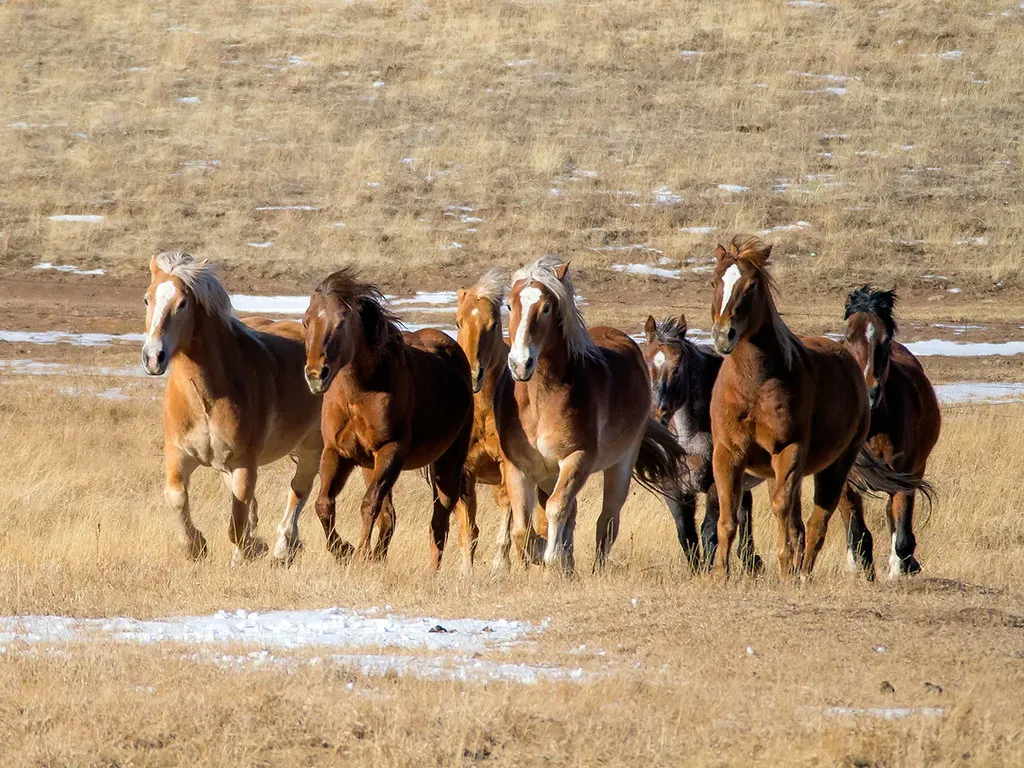
This one tends to ruffle a few feathers. The mustang is a free-roaming horse of the Western United States, descended from horses brought to the Americas by the Spanish conquistadors. Mustangs are often referred to as wild horses, but because they are descended from once-domesticated animals, they are actually feral horses.
The distinction matters more than it might seem. The only truly wild horses live in Asia: The Przewalski horses of Mongolia have never been domesticated by anyone. Mustangs, by contrast, carry the genetic legacy of domesticated Spanish breeds that were released, escaped, or abandoned over centuries.
The original mustangs were Colonial Spanish horses, but many other breeds and types of horses contributed to the modern mustang, now resulting in varying phenotypes. Picture it as a centuries-long mixing bowl of breeds, all shaped by the raw demands of survival. The result is arguably tougher and more adaptable than almost any purebred horse alive.
4. Their Population Once Numbered in the Millions
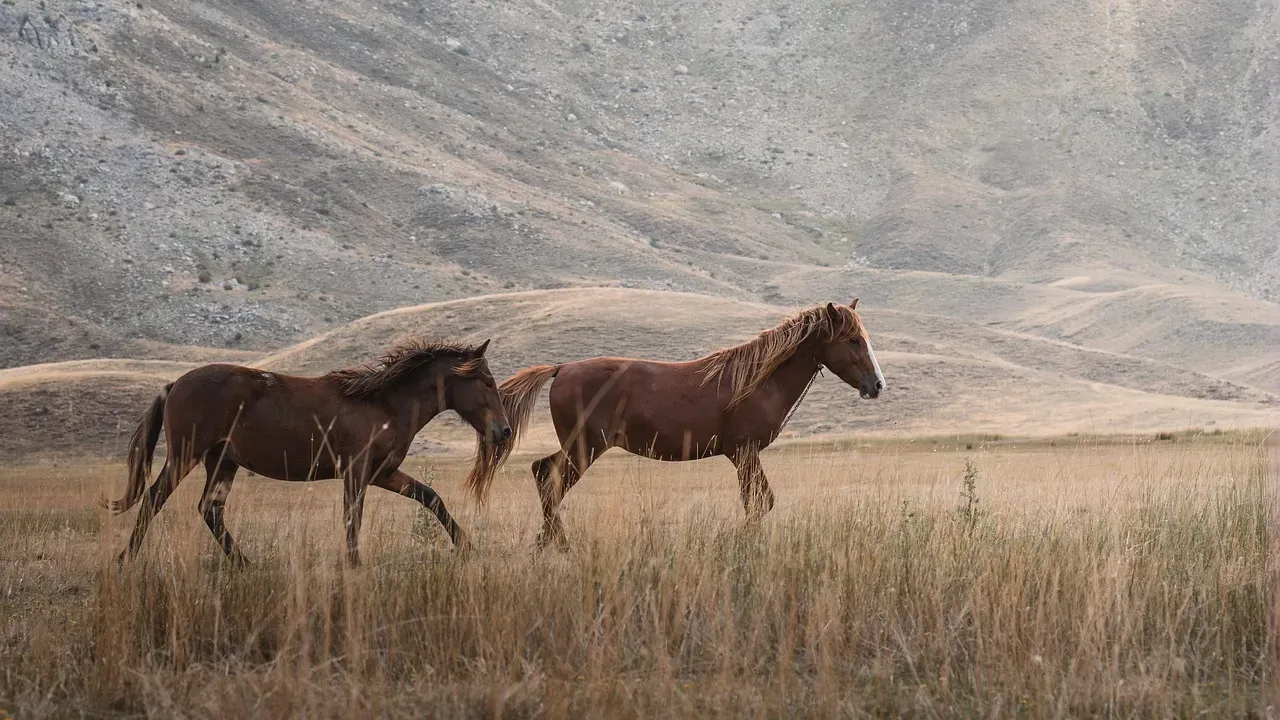
Let that sink in. At their peak, the American West was home to an almost unimaginable number of these horses. Some sources simply state that “millions” of mustangs once roamed western North America. In 1959, geographer Tom L. McKnight suggested that the population peaked in the late 1700s or early 1800s, and the “best guesses apparently lie between two and five million.”
By the late 1800s, more than a million mustangs roamed the Texas frontier. So many mustangs that early maps of the region labeled the plains with just two words: “Wild Horses.” That is a staggering detail. A map annotation that reads simply “wild horses” because there was nothing else that needed to be said.
By the early 20th century, the story had taken a dark turn. There were about 2 million mustang horses roaming the North American terrain in 1900; by 1971, their population had been reduced to just 17,300. That collapse is one of the most dramatic population crashes in American wildlife history.
5. Wild Mustangs Transformed Native American Cultures Almost Overnight
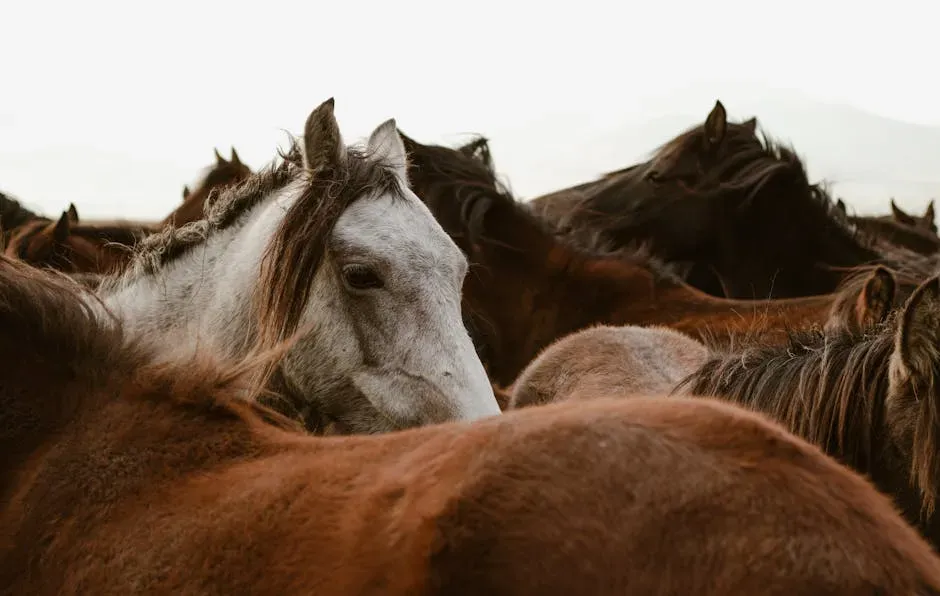
The reintroduction of horses to North America through Spanish colonization revolutionized Native American cultures, particularly those of the Great Plains. Tribes such as the Comanche, Lakota, and Blackfoot transformed from predominantly pedestrian hunters into formidable mounted warriors and more efficient buffalo hunters within just a few generations. That is a civilizational shift happening in what amounts to a historical blink of an eye.
Horses replaced the dog as a pack animal and changed Native cultures in terms of warfare, trade, and even diet – the ability to run down bison allowed some people to abandon agriculture for hunting from horseback. It’s hard to overstate how seismic this was. An entire way of life, restructured around a single animal.
The horse became a symbol of freedom, power, and survival, profoundly influencing the social, economic, and spiritual aspects of Native American life. The horse became a valuable possession and a commodity traded for wives and other necessities and luxuries. Horses became symbols of wealth and prestige.
6. A Mustang Herd Is Run More by Mares Than by Stallions
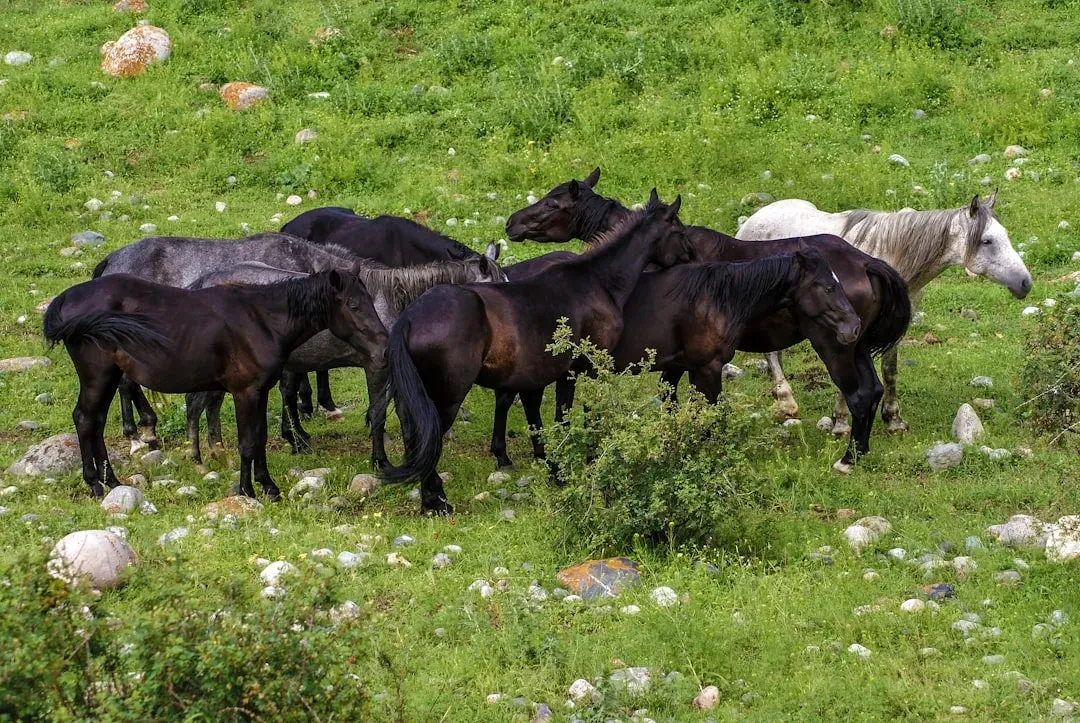
Movies have given us a very specific image of the dominant stallion ruling his herd with an iron hoof. The reality is actually far more interesting. Contrary to popular belief, the herd stallion is not the “ruler” of a harem of females. Rather, the horse that tends to lead a wild or feral herd is most commonly a dominant mare.
The mare “guides the herd to food and water, controls the daily routine and movement of the herd, and ensures the general wellbeing of the herd.” When the herd travels, the stallion is usually at the rear and apparently drives straggling herd members forward, keeping the herd together. Think of it like this: the mare is the navigator, and the stallion is security detail.
Between family bands range bachelor mustangs – adolescents biding time before starting their own harem by wooing mares from afar. Young males who haven’t yet won mares of their own band together in “bachelor groups,” a setup that is somehow both wild and endearingly relatable.
7. Mustangs Are Remarkably Hardy and Built for Survival
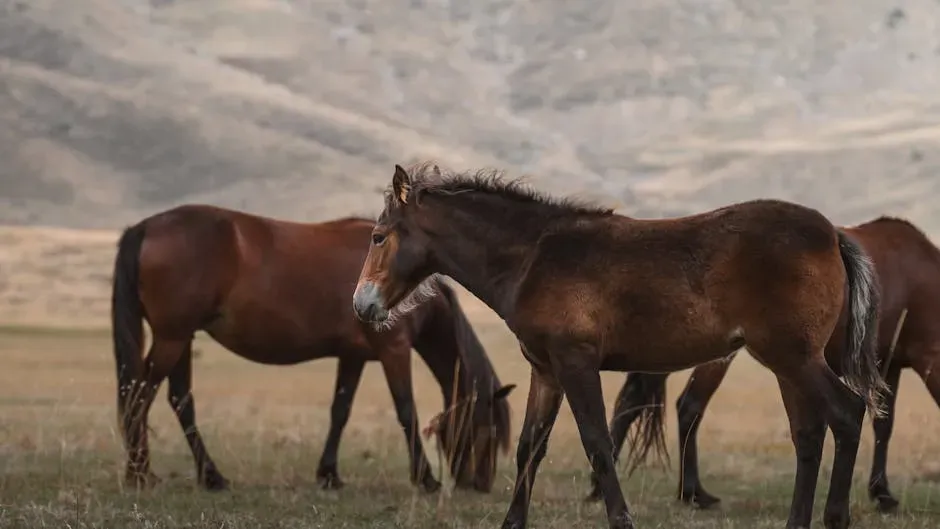
There’s a reason ranchers in the old West prized captured mustangs above fancy imported breeds. Mustangs have muscular bodies and hard hooves, which makes them suitable for scouting and trail riding. Those hard hooves aren’t just cosmetic. They’re the product of generations of horses navigating rocky, unforgiving terrain without any human care.
These horses frequently travel long distances, which is why it’s perfect that they have harder and more durable hooves than domesticated horses. Mustang bands may wander 15 relentless miles or more in a single day. That’s roughly a half marathon, every single day, often across desert or mountain terrain.
The durability of the wild horse or mustang is matched by its ability to readily reproduce: a herd population can double in size every four years. That rapid reproduction is both their strength and part of what makes their management so complicated in the modern era.
8. The Slaughter of Mustangs in the 20th Century Was Shocking
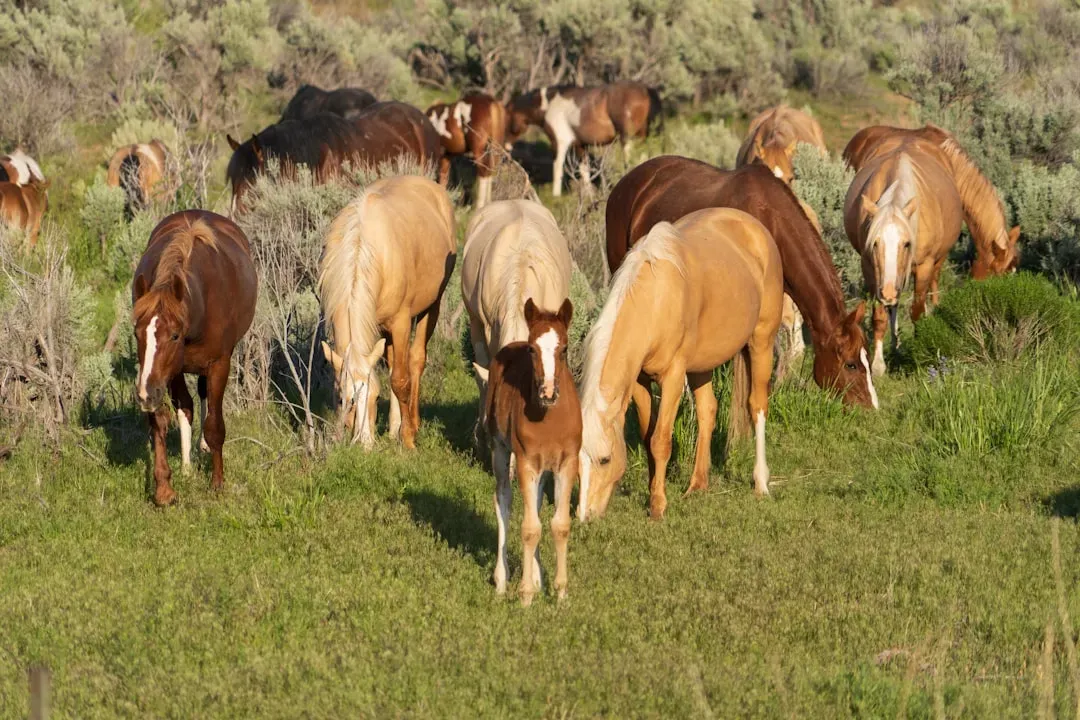
This chapter of the mustang story is not one that tends to make it into the romantic Western mythology. It should. As populations increased, wild horses were thought of as vermin, which set off decades of dramatic animal abuse, driven by capitalism. A 1920 tourism ad in Popular Mechanics encouraged tourists to travel to the West to shoot horses for sport. In 1922, Ken-L Ration started using wild-horse meat for dog food, because it was abundant and considered low value.
During the next two decades, nearly 2 million mustangs went to slaughterhouses, where their meat became dog chow and their hides were used for making baseballs. Baseballs. Let that image settle for a moment.
By the 1920s, tractors began replacing horses on American farms. No longer a resource, the wild horse became a pest and a nuisance, seemingly of use to no one. The speed of that shift, from cherished working partner to disposable pest, is genuinely disturbing to consider.
9. “Wild Horse Annie” Almost Single-Handedly Saved Them
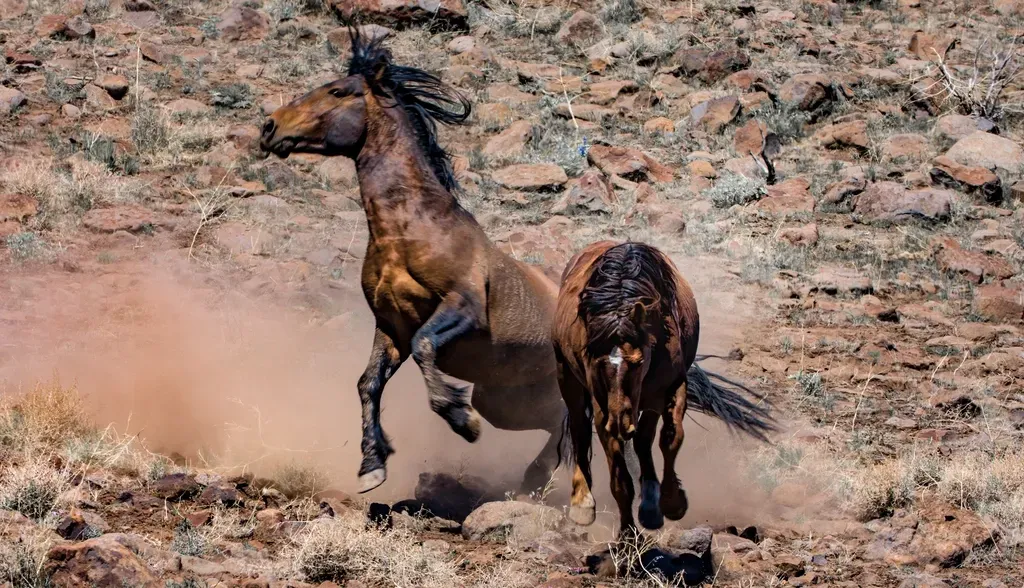
If the mustang has a patron saint, her name is Velma Johnston, better known as Wild Horse Annie. Wild Horse Annie Johnston almost single-handedly got the Wild Horses and Burros Act passed, protecting the mustangs on public lands. Her campaign began after she witnessed horses being rounded up and brutally treated, loaded into trucks bound for slaughterhouses.
Johnston’s “Pencil War” invited others, including thousands of school-aged children, to join her in writing letters to Congress asking for change on behalf of the shrinking mustang population. Congress responded by passing the 1959 Wild Horse Annie Act, followed by the 1971 Wild Free-Roaming Horses and Burros Act.
In 1971, the United States Congress recognized that “wild free-roaming horses and burros are living symbols of the historic and pioneer spirit of the West, which continue to contribute to the diversity of life forms within the Nation and enrich the lives of the American people.” The language of that declaration still gives me chills, honestly. It’s rare for Congress to write poetry, but they came close that day.
10. Nevada Is the Capital of Wild Horse Country
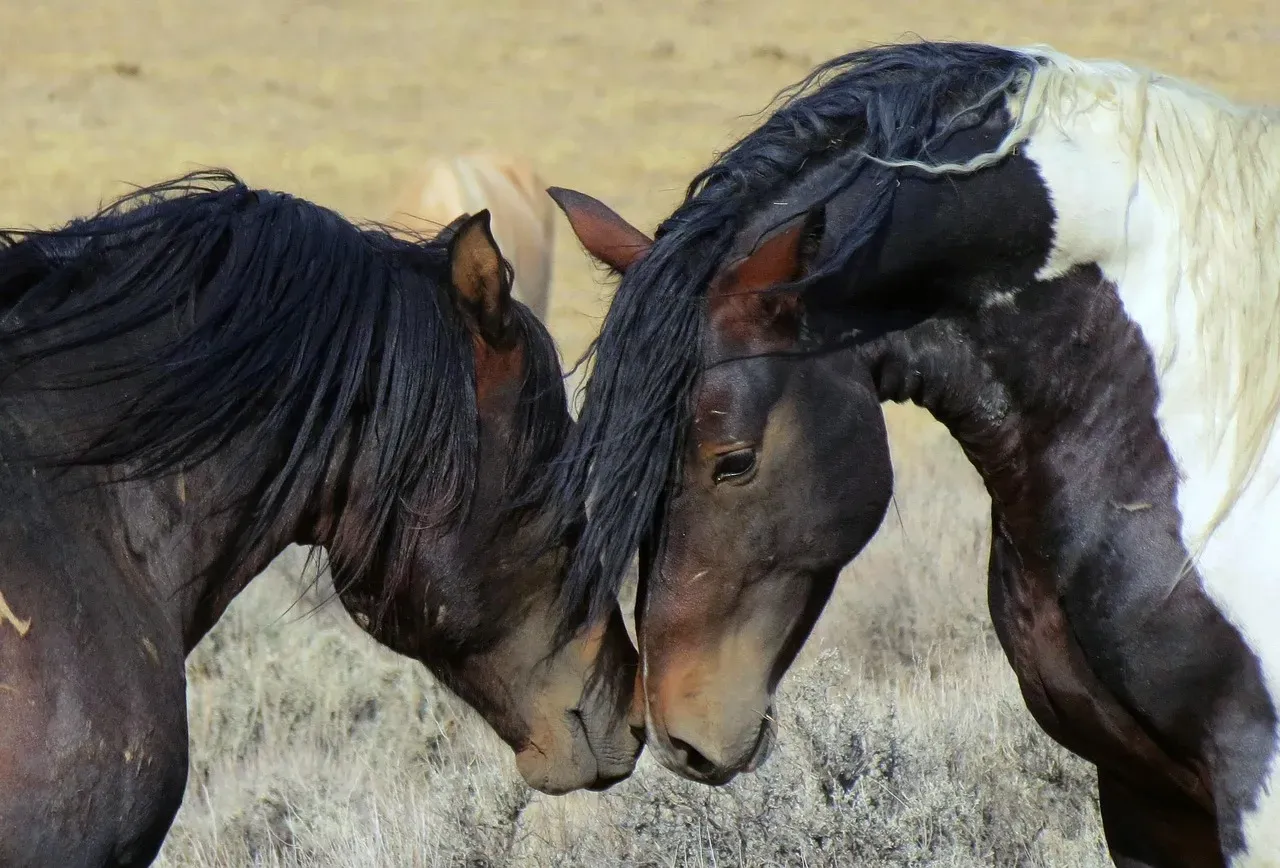
If you want to see wild mustangs today, Nevada is your best bet. In Nevada, there are more wild horses than all game animals combined. That is a remarkable statistic. It says a lot about both how thoroughly the mustang has reclaimed certain landscapes and how sparse other wildlife populations have become.
Nevada is home to nearly half of the nation’s free-roaming horse population. Many of those horses are part of the Virginia Range herd, which occupies a region in the western part of the state. This region has become something of a de facto sanctuary for the species, a last great stronghold on the range.
The BLM manages wild horses and burros in 177 herd management areas across 10 western states. The herds of these areas are unique in history, genetics, coloring, and size. Each herd has developed its own personality over generations. It’s not unlike comparing different regional accents – same species, wildly different character.
11. Some Mustang Breeds Are Genetically Unique to a Single Location
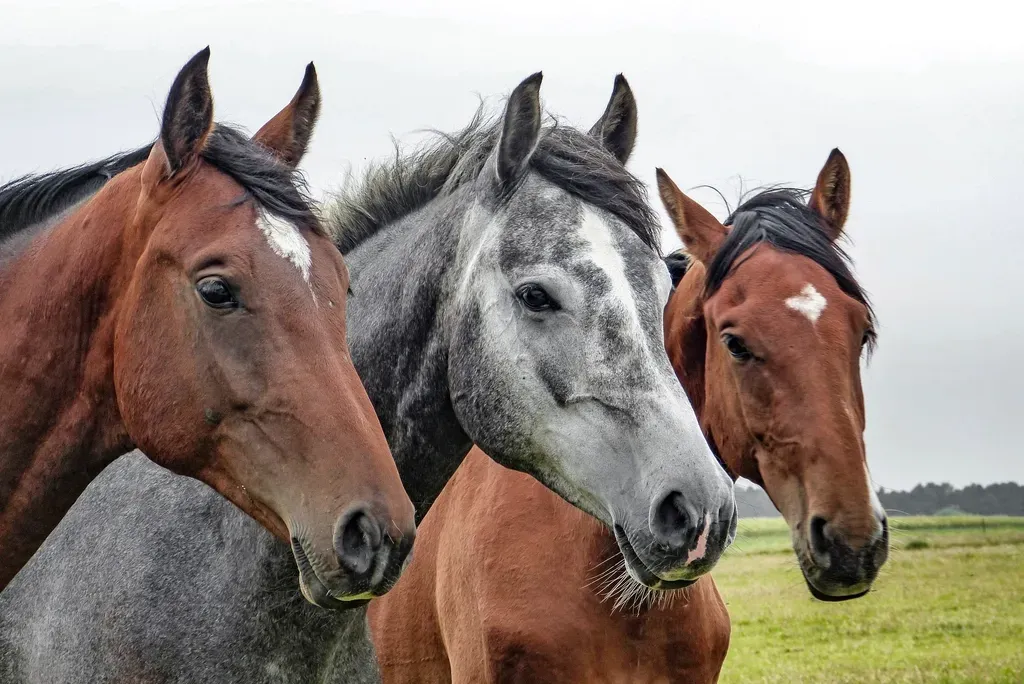
The variety within the mustang world is stunning, and it goes far deeper than coat color. The free-roaming horses of Theodore Roosevelt National Park in Medora, North Dakota, have a unique genetic makeup specific to this herd of horses, not found anywhere else in the world. That’s extraordinary. A gene pool found literally nowhere else on the planet.
Hailing from the Beaty Butte region of Oregon, Kiger mustangs are famous for their signature dun color with dorsal stripes. Standing between 13 to 16 hands, Kiger mustangs have compact, muscular bodies, barb heads, and well-crested necks. Blood marker analysis has confirmed that the Kiger is among the breeds with the most direct Spanish ancestry, essentially a living relic of the conquistador era.
Colonial Spanish mustangs are unique in that they have five lumbar vertebrae instead of the typical six. These horses are also rarer because there are currently two herds of this breed in America – the Corolla Wild Horses and the Shackelford Banker ponies – that roam North Carolina’s beaches. Yes, wild horses on the beach. It’s as extraordinary as it sounds.
12. The Mustang’s Future Remains Uncertain and Deeply Contested
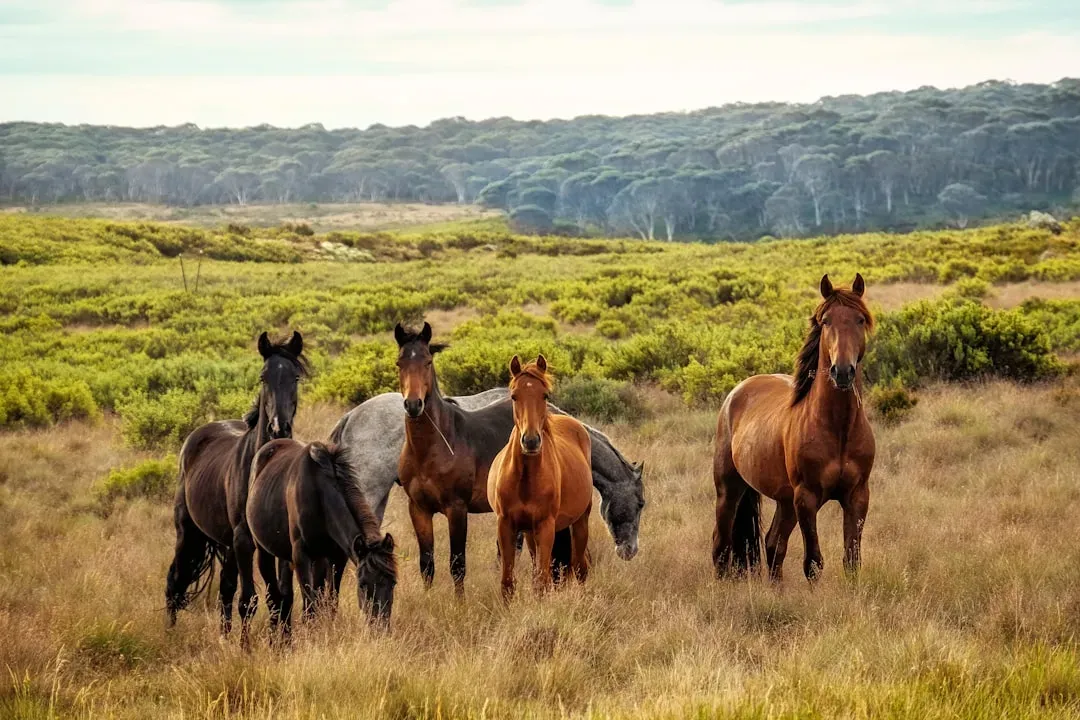
It would be nice to wrap this all up with a tidy, hopeful ending. The truth is more complicated. Mustang herd sizes can multiply rapidly, increasing by over 20% every year, so population control presents a challenge. When unmanaged, population numbers can outstrip the forage available, leading to starvation. The very resilience that saved them from extinction is now part of the management crisis.
Controversy surrounds the sharing of land and resources by mustangs with the livestock of the ranching industry, and also with the methods by which the BLM manages their population numbers. The most common method of population management is rounding up excess population and offering them to adoption. There are inadequate numbers of adopters, so many once free-roaming horses now live in temporary and long-term holding areas.
Evolving cultural conversations about American identity, western heritage, and environmental ethics will likely determine whether future generations witness free-roaming mustangs across public lands or merely encounter their legacy in museums and historical accounts. The mustang’s future may ultimately depend on society’s willingness to accommodate wilderness in an increasingly developed landscape. That is a question worth sitting with.
A Final Thought
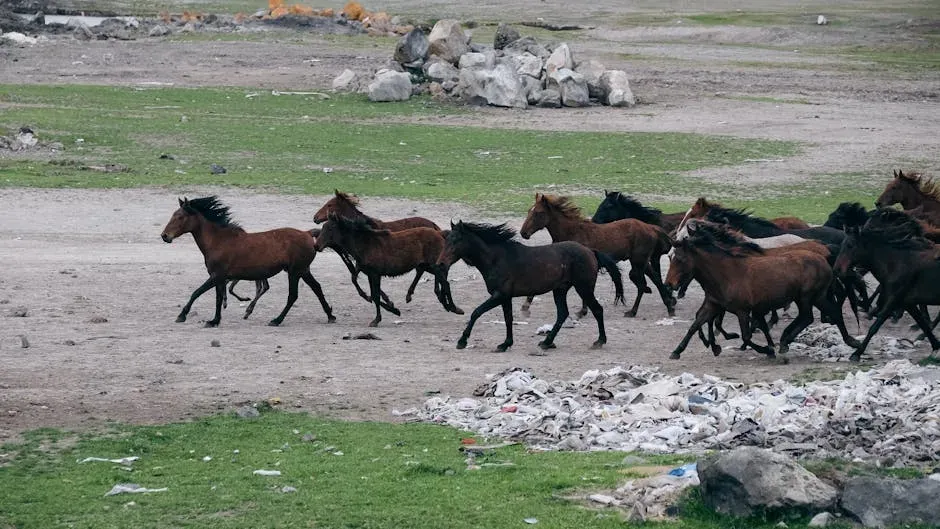
The wild horses of the American West are not just animals. They are a mirror. They reflect back at us everything we love and everything we’ve destroyed about the natural world. They survived extinction, survived slaughter, survived bureaucracy. They are still out there, right now, somewhere in the Nevada desert or the Montana foothills, doing what they have done for centuries – running free.
The wild horse is so ingrained in the American imagination that even those who have never seen one know what it stands for: fierce independence, unbridled freedom, the bedrock ideals of the nation. Whether we protect that legacy or let it fade is a choice that still belongs to us.
So here’s a question worth taking with you: if a country’s truest values are reflected in the things it chooses to protect, what does it say about us – what we’ve done to the mustang, and what we still might do? Tell us your thoughts in the comments.
