
Living with dogs can feel like navigating an endless maze of mixed signals. One moment your furry friend seems perfectly content, the next they’re displaying behaviors that leave you scratching your head in confusion. The truth is, dogs communicate in ways that often contradict our human assumptions.
Most of us have fallen into the trap of projecting human emotions onto our canine companions. We see what we expect to see rather than what’s actually happening. This disconnect can lead to misunderstandings that affect both our relationship with our dogs and their overall wellbeing.
Tail Wagging Doesn’t Always Mean Happy
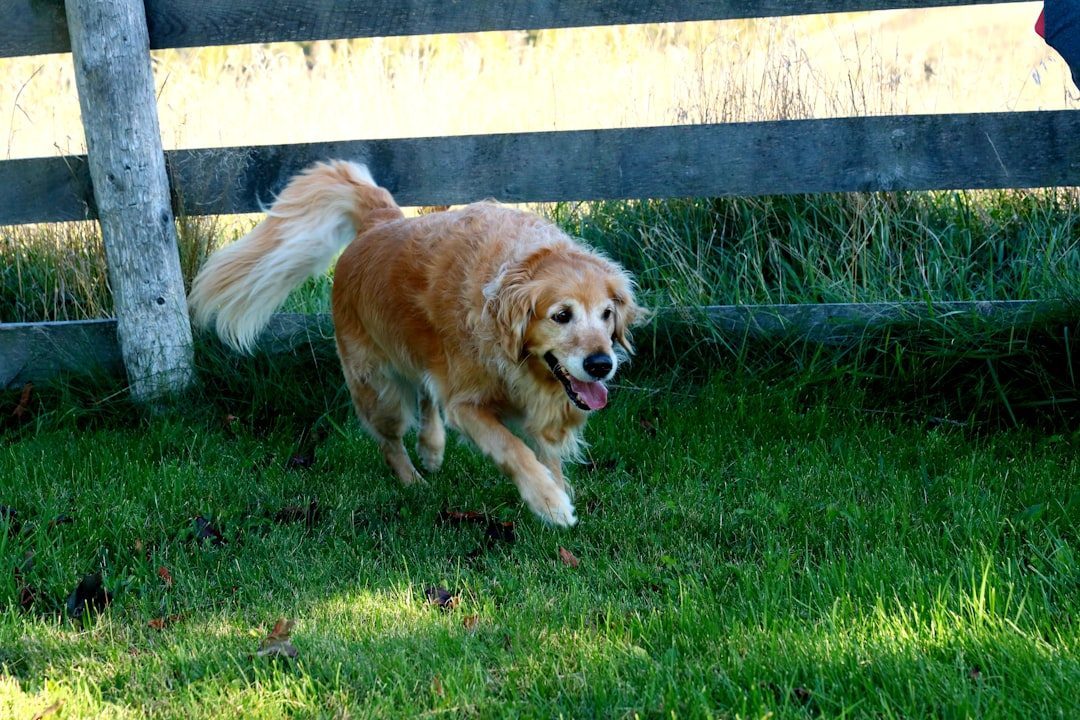
Contrary to popular beliefs, tail wagging isn’t always a sign of friendliness. It depends on how the tail is moving. The speed, height, and stiffness of the wag can convey different emotions. A fast, high wag might indicate excitement or arousal, while a slow, low wag could signal insecurity or potential aggression. A tick tock motion of a tail means your dog is feeling uncertain or alerted to a potential danger.
If a wag is parallel to the ground, loose, and broad – a classic Golden retriever “the sky is blue, the birds are singing” swoop – chances are the dog is feeling fine and dandy. But if the tail is held low and is wagging in a tight, fast arc, the dog may be feeling nervous, anxious, or excited, or be showing submission. Sometimes that wagging tail is actually your dog’s way of saying they need space, not belly rubs.
Yawning Often Signals Stress, Not Tiredness
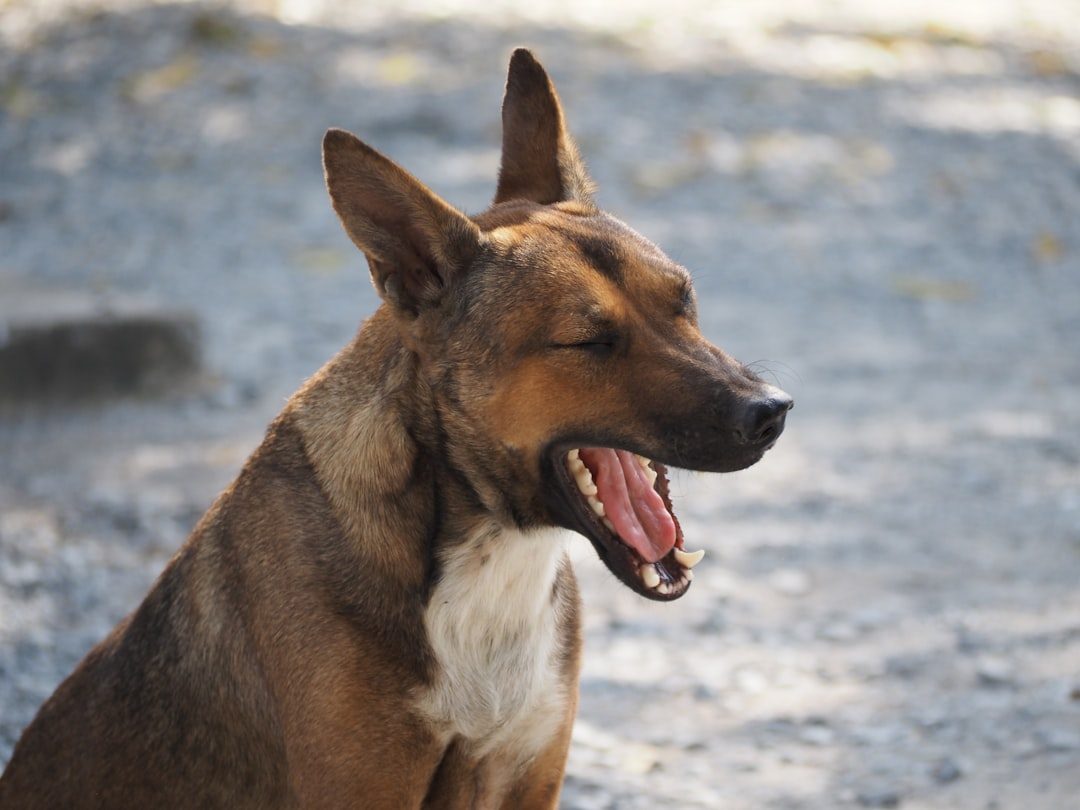
Although you might think lack of sleep would cause dog yawning, the meaning isn’t always that they’re tired. They may be interested in napping, but could also be showing a sign of fear or stress. If your dog appears to yawn at an increased rate around a new person, don’t rush the introduction. They’re either picking up vibes they don’t feel comfortable with or is fearful for a less-obvious reason.
Stress and anxiety – Yawning can also be a sign of stress and anxiety in dogs. Excessive yawning often occurs due to stress, anxiety, or discomfort. Think of it as your dog’s version of taking a deep breath during a tense situation. When you notice frequent yawning, look around for potential stressors in their environment.
Growling Can Actually Be Playful Communication
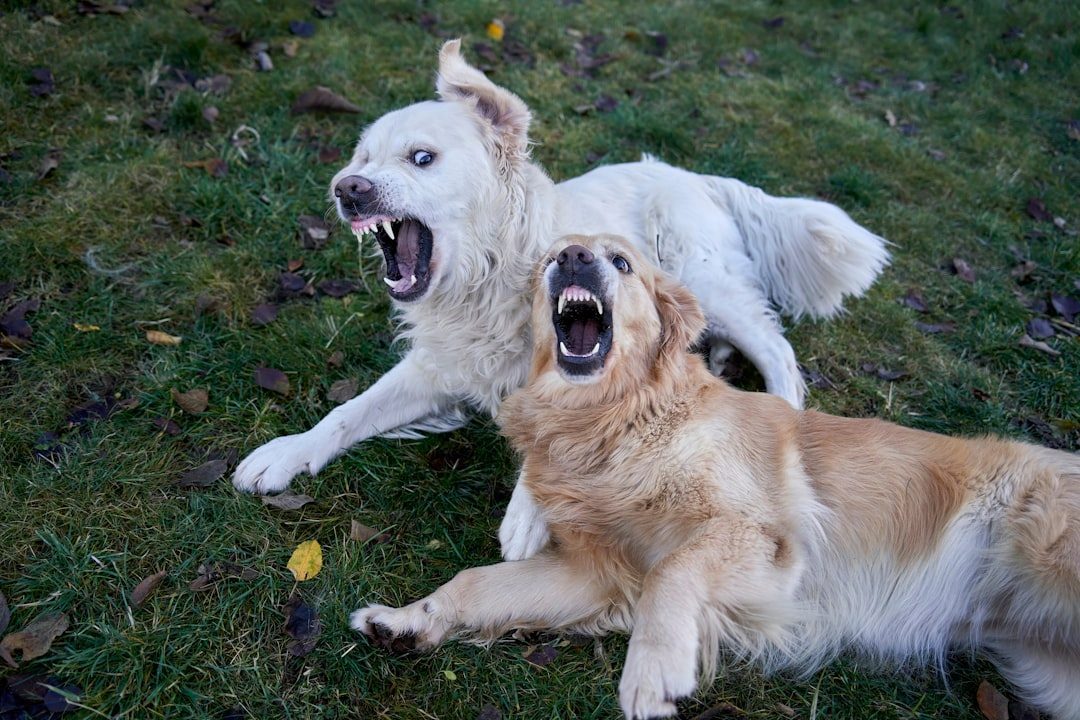
While growling can appear aggressive to people, it’s a dog’s way of expressing discomfort, fear, or stress. It’s often a warning signal, not always a sign of aggression. Understanding the context and triggers behind the growl is crucial.
It is perfectly normal for dogs to growl as they are playing tug. You may also notice your dog growling during play with another dog. This is normal as well. Of course, there are some growls that are threatening, so each growl must be interpreted in the context of the circumstances at the time. The key is reading the entire body language package, not just focusing on the sound itself.
Submissive Urination Isn’t a House Training Issue
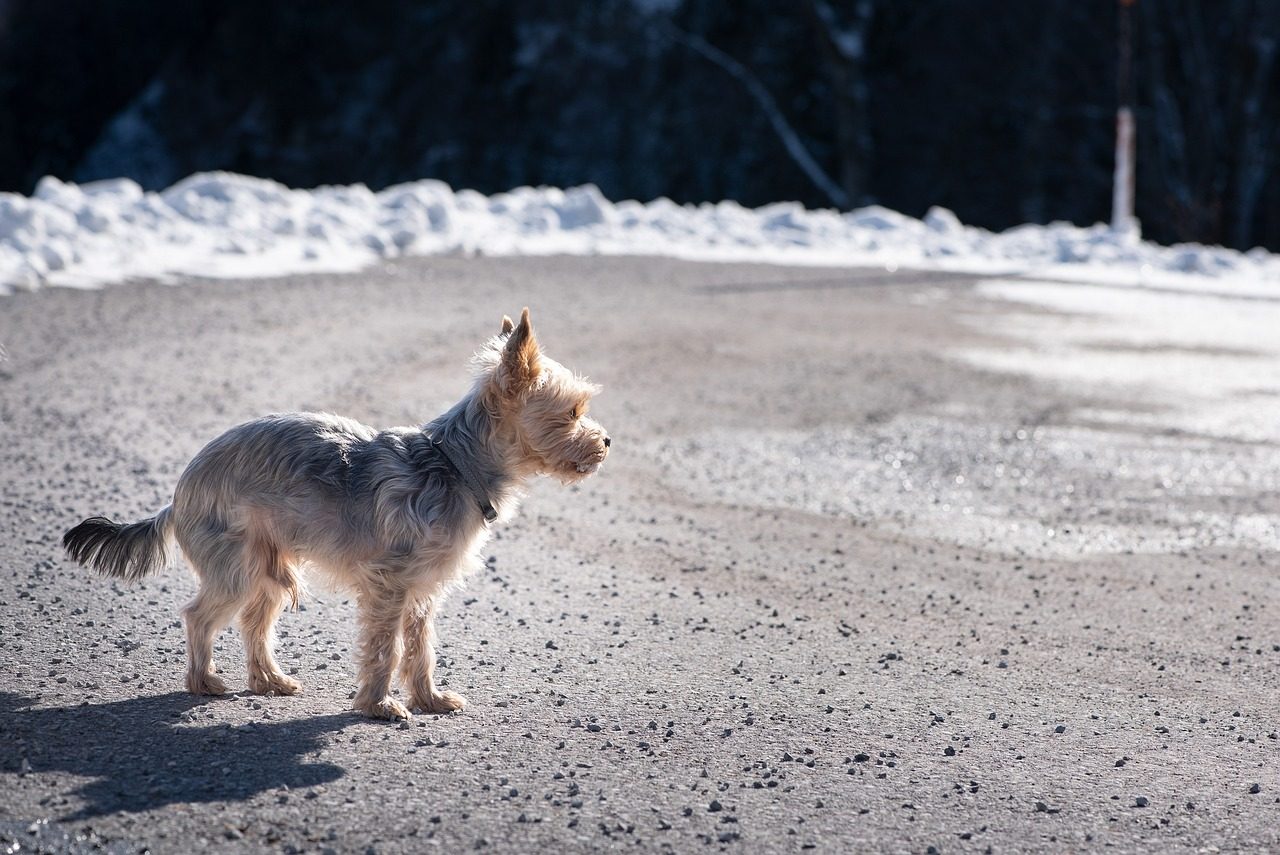
Some dogs urinate when they’re excited or anxious, especially during greetings or when meeting new people or animals. This behavior is misunderstood as a house-training issue or disobedience, but it’s usually a submissive gesture.
If the dog is a particularly shy or anxious dog, greet them from the side and not head on. Avoid direct eye contact and punishment of this behavior. If your dog is particularly excited avoid contact until they have settled down. Punishing this behavior only increases anxiety and makes the problem worse.
Dogs Don’t Actually Feel Guilty

Dogs don’t feel guilty. You know the look: you come home to a chewed-up shoe, an upended garbage can, or an accident on the floor. You say the typical things, “Bad dog, shame on you!” And then, you get the look. Because we tend to attribute human emotions to dogs, we think the dog feels guilty.
What we interpret as guilt is actually appeasement behavior or anxiety about your reaction. He’s not mad at you; he lives in the moment and doesn’t plot payback for something you’ve done. Chances are he’s bored or has been alone too long. That hangdog expression is their way of trying to defuse your obvious displeasure.
Sitting on You Isn’t About Dominance
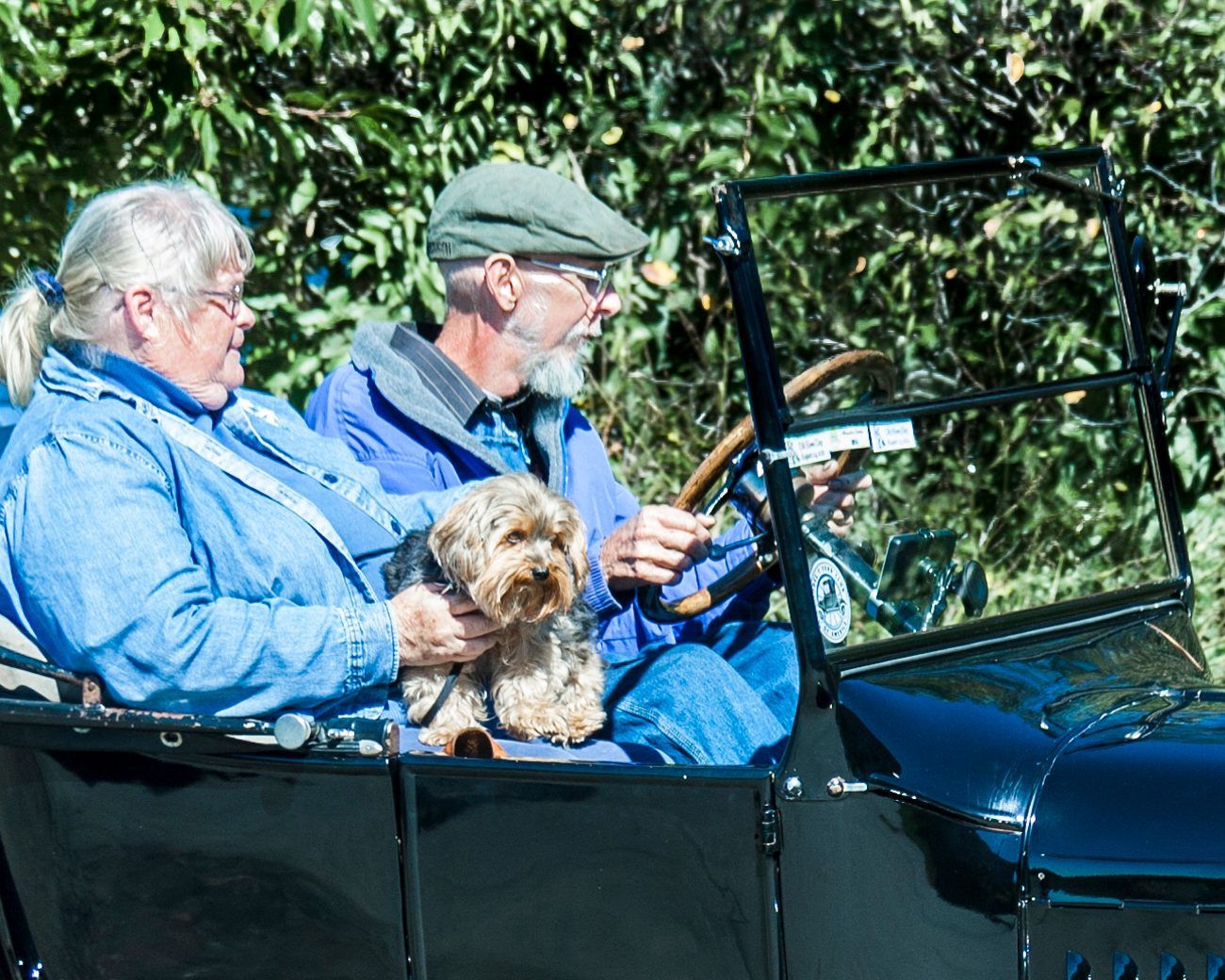
This is often mistaken for possessive behavior, but is most often a sign of anxiety or nervousness. “Dominance” is rarely the problem; your dog is probably trying to feel safer by staying close.
Rather than asserting control, your dog is seeking comfort and security from you. “Dominance” is rarely the problem; your dog is probably trying to feel safer by staying close. Anxiety is often more than a dog trainer is qualified to help with so discuss the behavior with your veterinarian and see if your dog would benefit from a referral to a veterinary behavior specialist. It’s actually a compliment to your bond together.
Lip Licking Means Anxiety, Not Hunger
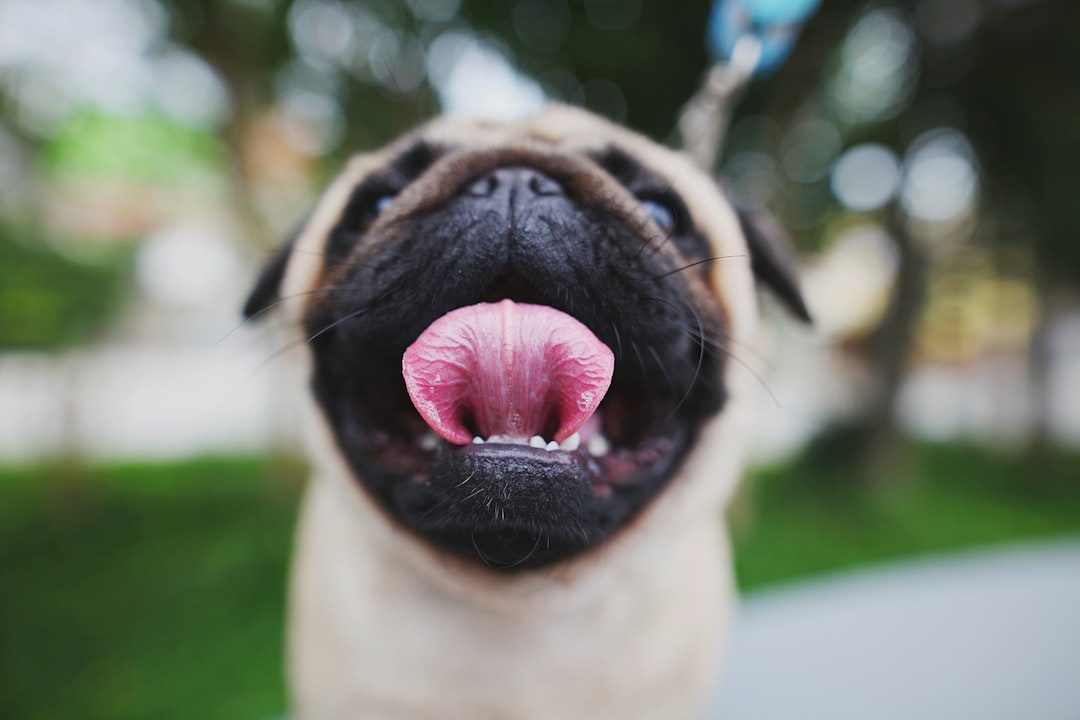
Most dogs yawn or lick their lips – signs of discomfort or anxiety. When dogs lick their lips repeatedly without food around, they’re usually signaling stress or uncertainty about their current situation.
A dog licks his lips if he’s stressed or uncertain. Sometimes, this body language can mean that your canine buddy is sexually active. In addition, if you see him licking the lips of other dogs, you should know that he isn’t ready to make friends with them. It’s their way of trying to self-soothe during uncomfortable moments.
Head Tilting Shows Confusion, Not Just Cuteness

A dog tilts his head if he’s uncertain about something he’s really interested in. He may also show this behavior when waiting for more information, especially from a trainer, or he may tilt his head to listen to a sound.
While we find head tilts adorable, they typically indicate your dog is processing confusing information or trying to better understand what you’re asking. They’re essentially saying they need clarification. This behavior often appears during training sessions when dogs are working hard to figure out what you want from them.
Avoiding Eye Contact Shows Respect, Not Defiance
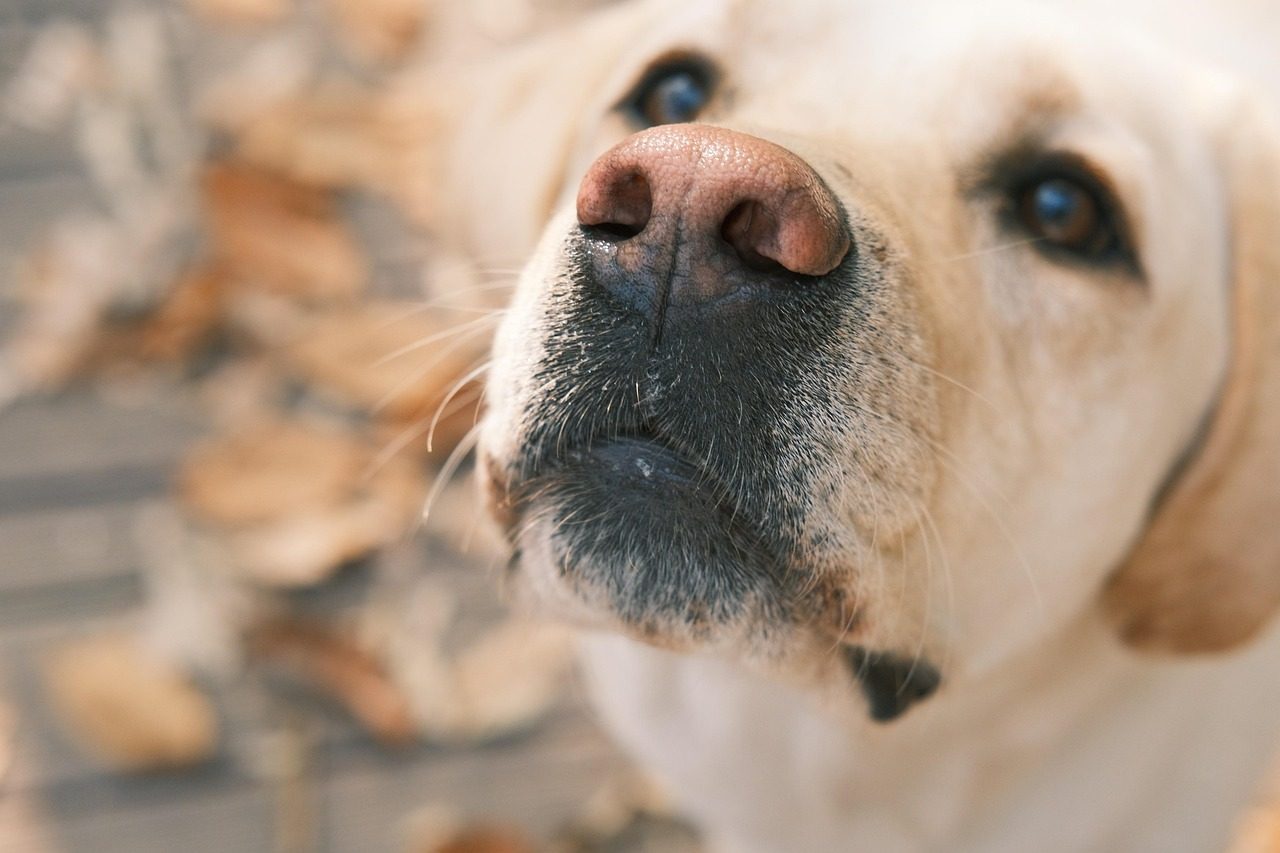
At other times, it’s in direct contrast with what that same signal means to a human, such as when it comes to yawning or looking away. In dog culture, direct eye contact can be considered rude or threatening.
Direct prolonged eye contact can be interpreted by dogs as a challenge or sign of dominance. Avoid staring intensely and instead use soft, gentle glances to communicate friendliness. If your dog stares intently back, it may be a sign they feel threatened or dominant. When your dog looks away, they’re actually being polite and showing deference.
Paw Raising Indicates Uncertainty, Not Pointing
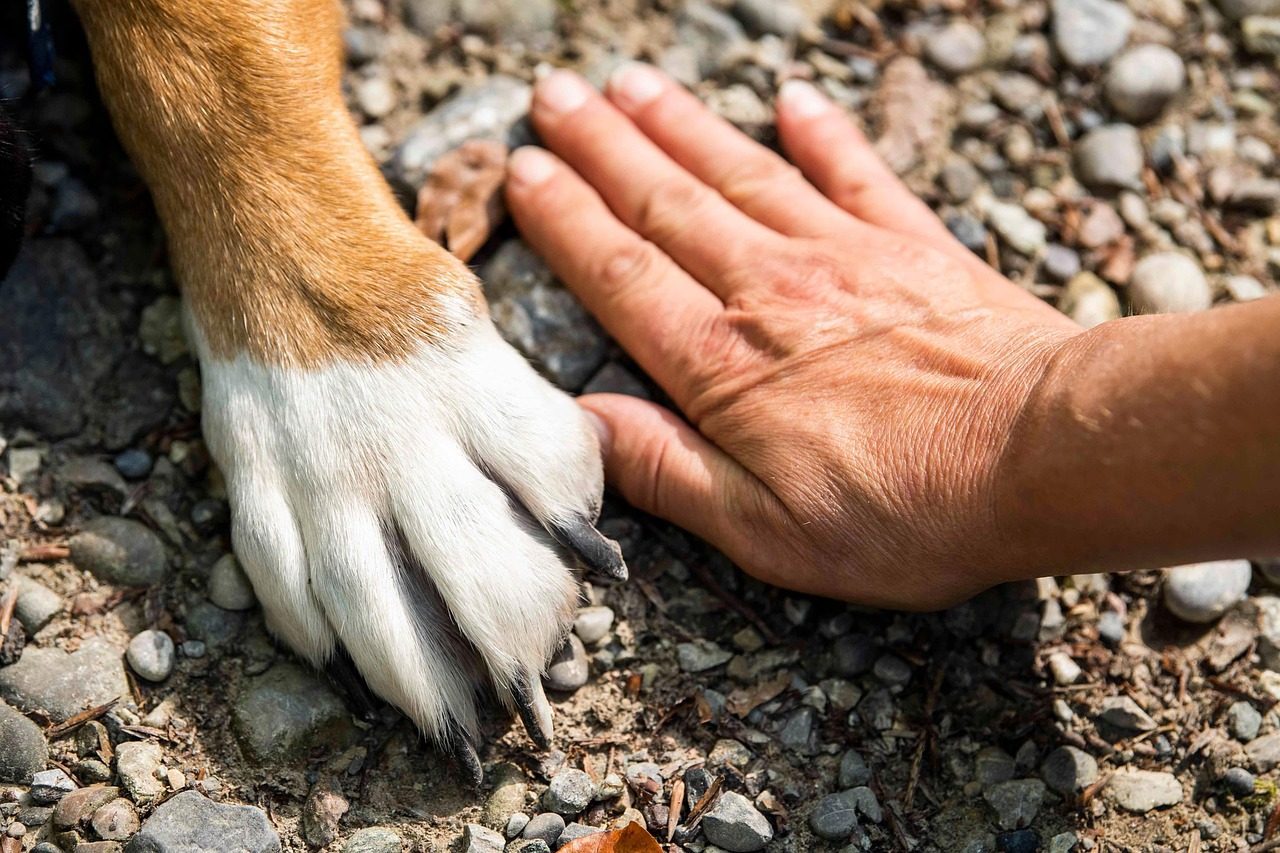
A less easily understood signal is the paw raise. In pointing breeds like the English Setter, the paw raise is part of pointing behavior, where the dog indicates nearby prey. But outside of this context, a raised paw often indicates that a dog is uncertain about a situation or perhaps feels a bit insecure.
Note that the dog is sitting with a raised paw, which is a sign of appeasement. Note that the dog is sitting with a raised paw, which is a sign of appeasement. This subtle gesture is your dog’s way of saying they’re not quite sure what’s expected or how to react to the current situation.
Destructive Behavior Signals Boredom, Not Spite

Dogs chew and dig for various reasons, including boredom, teething, and exploration. These behaviors are natural but can become problematic if not properly managed. Chewing and digging are often cries for help. Dogs need regular exercise and mental stimulation to be their healthiest. Chewing and digging can be signs that they are not getting enough stimulation.
Your dog isn’t plotting revenge when they destroy your favorite shoes while you’re away. Chances are he’s bored or has been alone too long. Dogs need a variety of different types of mental and physical stimulation, and some breeds crave human contact. Left alone too long, ignored, or missing playtime, he may find other, more destructive outlets.
Rolling Over Can Signal Fear, Not Invitation for Belly Rubs
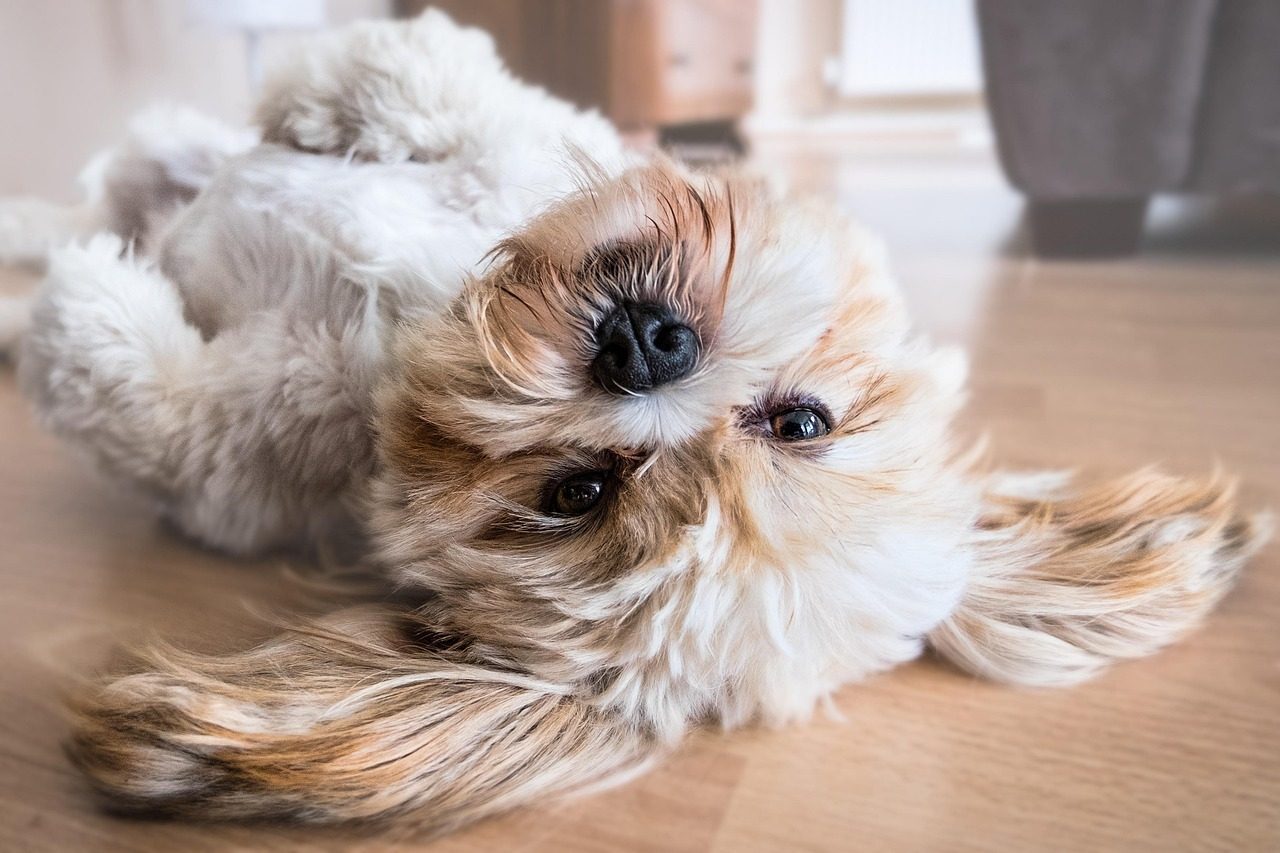
If they’re extremely anxious, they’ll roll on their back, displaying their belly and throat. “Dogs who expose their belly can be acting submissive, telling other dogs that they are no threat and don’t want to a challenge. Other times, a dog will roll over and expose its belly because they know that this often results in us humans giving them an awesome tummy scratch,” Madson said. “Dogs who feel very comfortable in their environment have no problem laying on their back and exposing their belly – which means they feel safe.”
Context matters enormously here. A relaxed dog in a comfortable environment showing their belly is very different from a frightened dog using this as an appeasement gesture. Some cunning canines use this belly-up posture with tails wagging side to side to lure unsuspecting people for growl, or even worse, bite attacks. These dogs make direct, hard stares and tense their bodies – warning signals that they are about to growl, snap or bite.
Conclusion
Understanding our dogs’ true communication signals transforms our relationships with them in profound ways. When we stop projecting human emotions and start recognizing canine body language for what it really means, we become better companions and advocates for our four-legged friends.
If you learn what your dog is saying, you will develop a deeper bond of trust and respect. Plus, your newfound understanding of your dog’s emotional state can help you predict their behavior and prevent problems before they arise. The next time your dog displays one of these seemingly contradictory behaviors, take a moment to consider what they might actually be trying to tell you. What surprising dog behavior have you misinterpreted? Share your experiences in the comments below.
