
Your dog’s cold, wet nose isn’t just adorable. It’s a scientific marvel that puts our human capabilities to shame. Think about it like this: while you’re struggling to locate leftovers in your fridge, your dog already knows what you ate three days ago, who visited yesterday, and whether your neighbor’s cat wandered through the backyard last week. Dogs experience the world through scent in ways we can barely imagine, building entire “odor images” that are richer and more detailed than anything we see with our eyes.
Some breeds, though, take this superpower to extraordinary levels. These are the dogs whose noses can track a person across more than a hundred miles, detect diseases before symptoms appear, or find someone buried under rubble. Their abilities aren’t magic. They’re the result of centuries of careful breeding, specialized anatomy, and an almost obsessive dedication to following their noses wherever they lead.
Let me walk you through twelve remarkable breeds that represent the absolute peak of canine scent detection. Whether you’re considering adding one of these incredible dogs to your family or you’re simply fascinated by what makes them tick, understanding their unique talents will give you a whole new appreciation for the power of the canine nose. So let’s dive in.
1. Bloodhound: The Unrivaled Champion
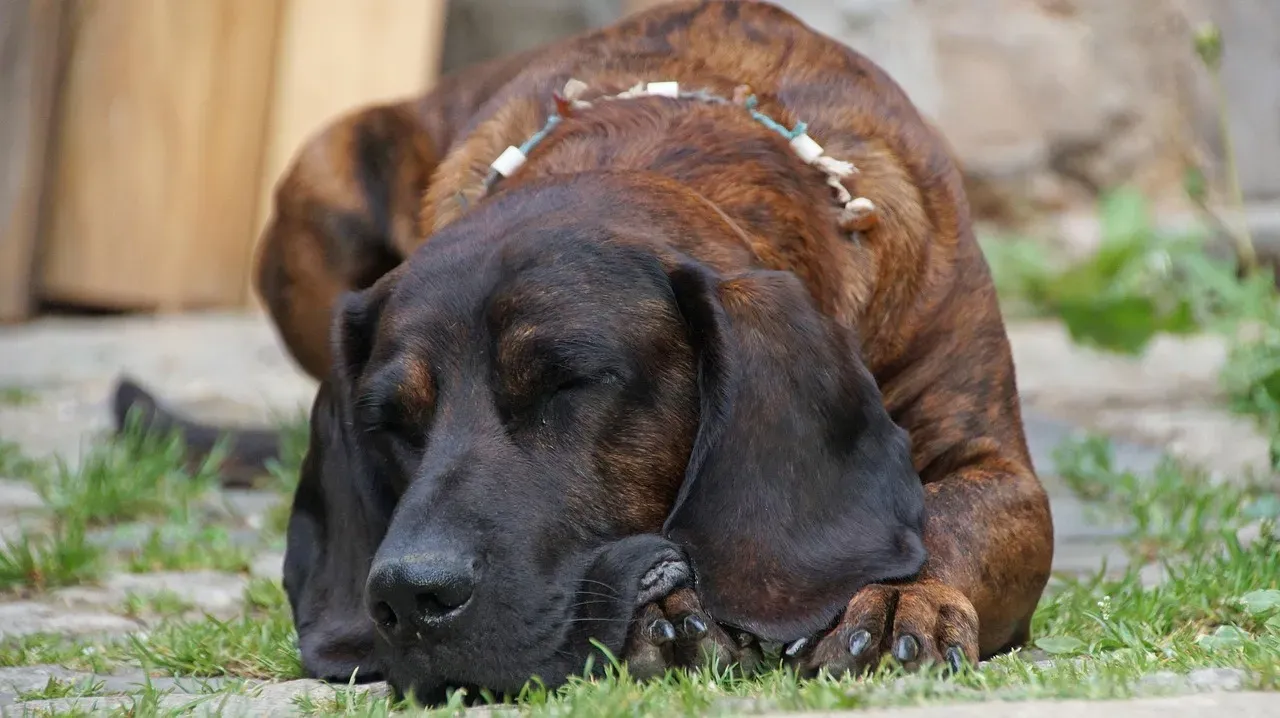
The Bloodhound possesses an astounding 300 million scent receptors, making this breed the undisputed king of the scent world. Compare that to a human’s measly five million and you start to understand why these dogs are legendary.
Their loose, wrinkled skin around the face helps trap scent particles and long, drooping ears that drag on the ground collect odors and sweep them into the nostril area. Everything about a Bloodhound’s physical design exists to optimize scent detection. This dog can follow a scent for over 130 miles and can also follow a scent trail over 300 hours old, which is simply mind blowing when you think about it.
Law enforcement agencies worldwide rely on Bloodhounds because their work has been so accurate that evidence trailed by a Bloodhound has been accepted in courts of law. These gentle giants aren’t aggressive trackers despite popular misconceptions. They’re patient, persistent, and incredibly affectionate family companions who just happen to have the most powerful nose on the planet.
2. Basset Hound: The Low Riding Specialist
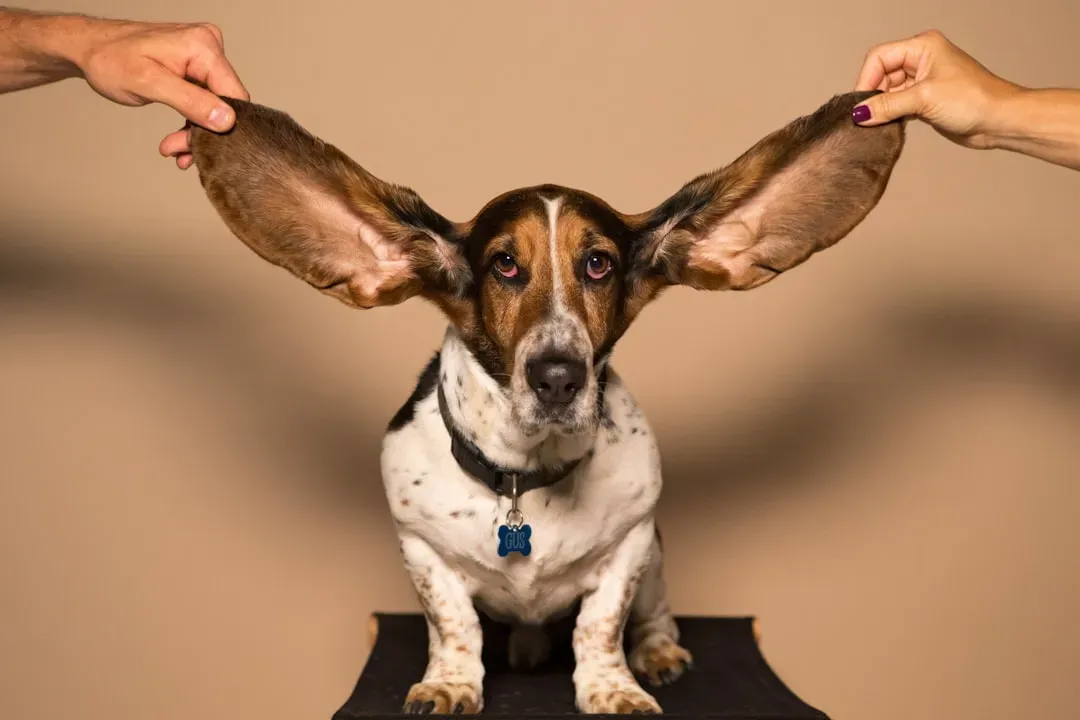
Basset Hounds may waddle along at what seems like a leisurely pace, but don’t let that fool you. Those long ears help to stir smells up toward the nose, and the droopy skin on the face holds the smell close, for maximum olfactory impact. Their entire body is engineered for ground scenting.
Their low stature keeps them incredibly close to scent trails on the ground, giving them an advantage when tracking rabbits, deer, and other game. What I find fascinating is that Basset Hounds have roughly the same number of scent receptors as their taller Bloodhound cousins, but their temperament is quite different.
Their signature slow pace isn’t laziness; it’s deliberate scent processing. A Basset takes their time because they’re thoroughly analyzing every molecule of scent information available. They’re stubborn, yes, but also deeply thoughtful workers who won’t be rushed through their investigative process. If you’re looking for a scent hound who doubles as a couch companion, the Basset Hound offers the best of both worlds.
3. Beagle: Small Package, Big Nose
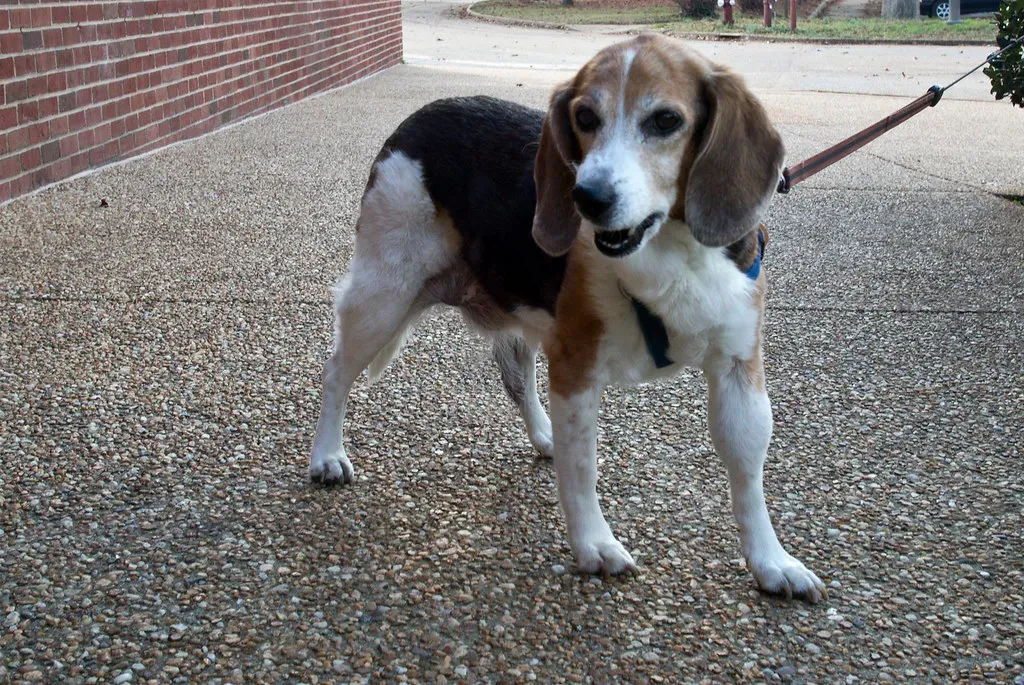
Beagles have just as many scent receptors as the German Shepherd, which is impressive considering their compact size. These merry little hounds are relentless when they catch an interesting smell.
They’re commonly used as narcotics and agriculture detector dogs with the U.S. Customs & Border Patrol. At airports across the country, you’ll spot the “Beagle Brigade” cheerfully working their way through luggage, sniffing out prohibited food items and agricultural products. Beagles who have been on the job for a while have a 90 percent success rate and can recognize nearly 50 distinct odors.
Beagles are food motivated almost to a fault, which makes them excellent detection dogs but also means you need to keep your kitchen secured. They’re vocal, energetic, and incredibly loving with families and children. Their noses will lead them on grand adventures if given half a chance, so secure fencing is essential. Honestly, I think Beagles embody pure joy wrapped in fur and powered by an unstoppable nose.
4. German Shepherd: The Air Scenting Expert
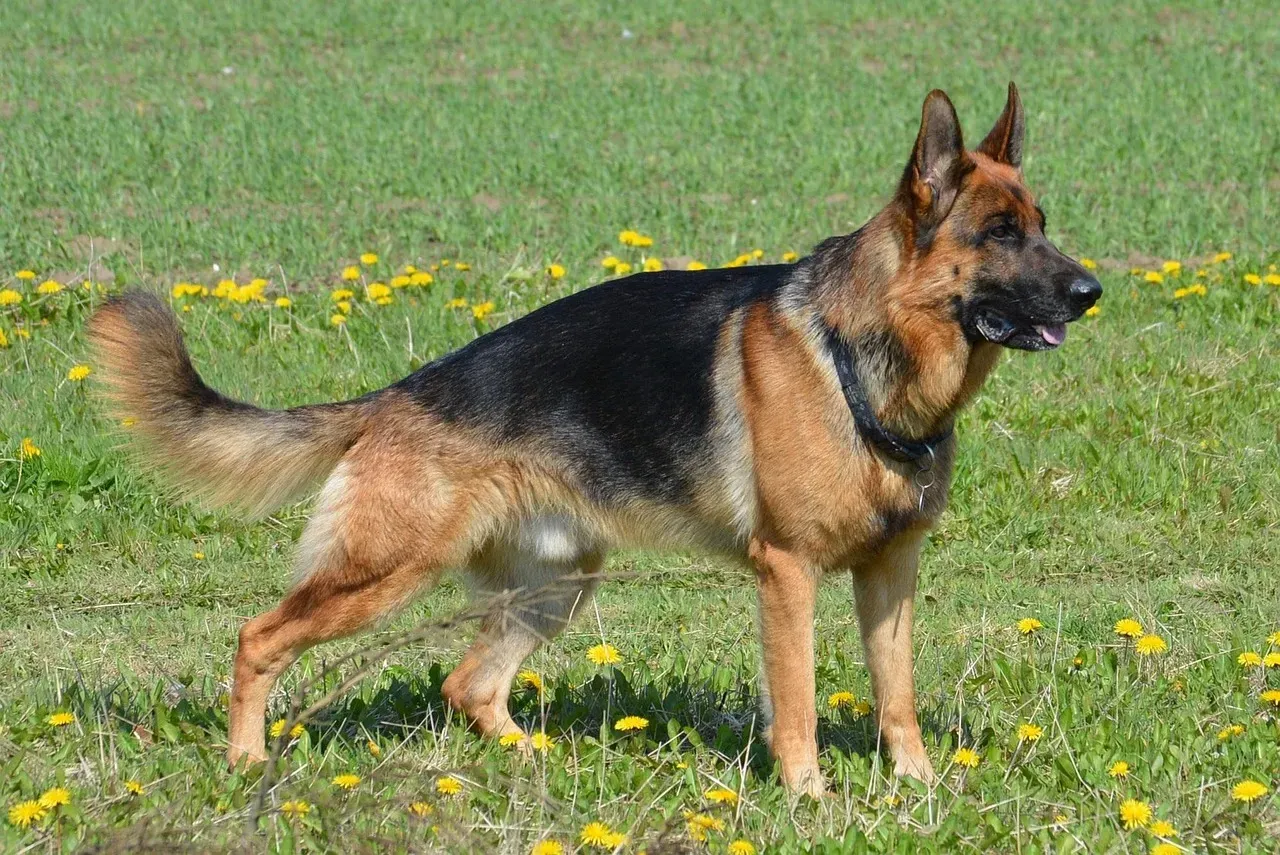
German Shepherds have 225 million scent receptors in their nose, and what makes them particularly special is their scenting style. One of the things they’re known for is their ability to air scent; rather than keeping their nose to the ground, they cast about for human scent that is carried by the wind.
This makes German Shepherds incredibly versatile for search and rescue operations where ground trails might be contaminated or washed away. They can detect human scent floating on air currents, allowing them to locate people even when traditional tracking methods fail.
German Shepherds are known as the world’s leading police and military dogs and work tirelessly in Search & Rescue and narcotics detection due to their keen sense of smell. Their trainability, intelligence, and work ethic make them ideal partners for demanding scent detection tasks. They’re loyal, protective, and thrive when given important jobs to do.
5. Labrador Retriever: The Versatile Worker
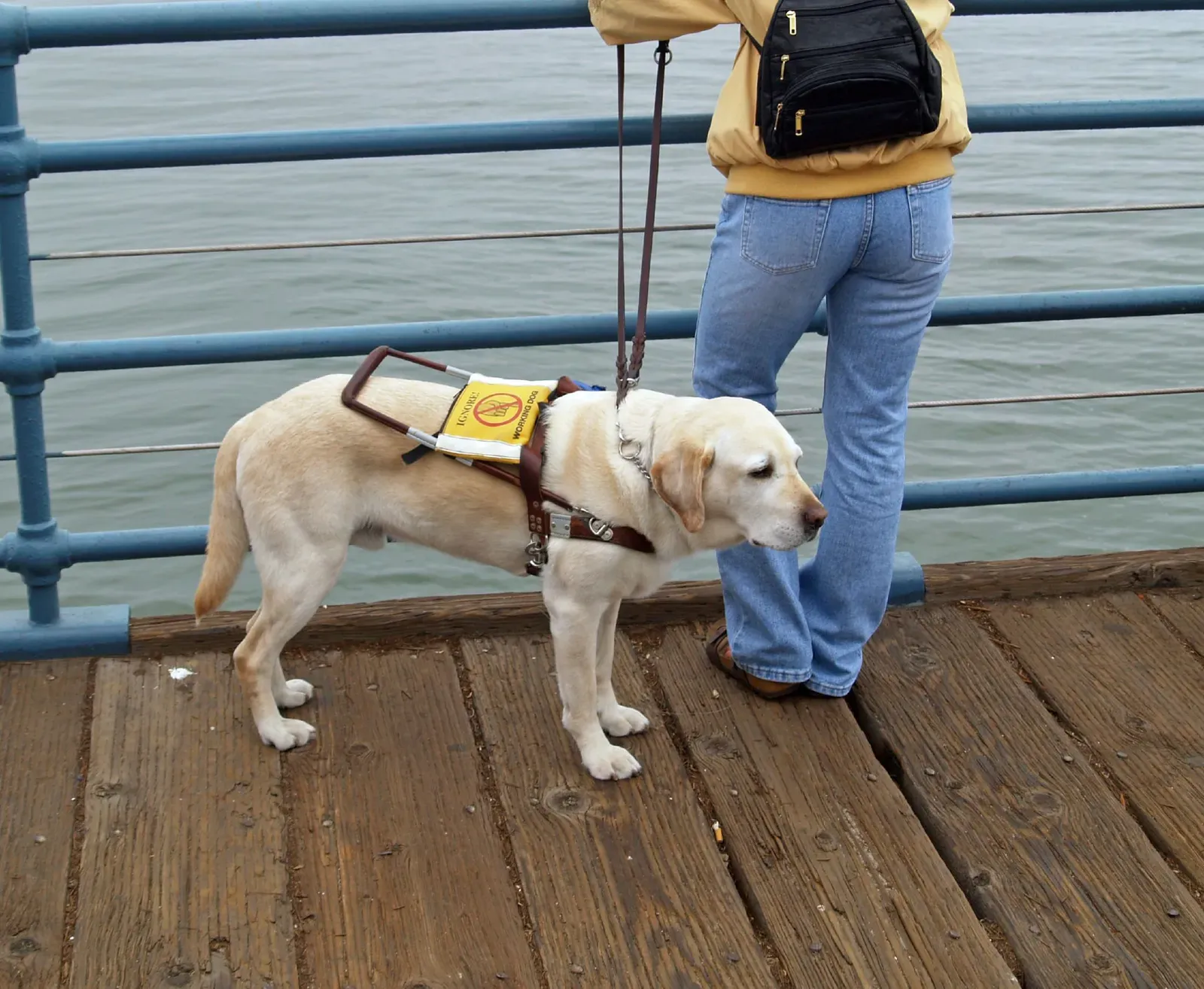
Labrador Retrievers consistently rank as one of America’s most popular breeds, and their exceptional nose plays a huge role in that versatility. They are widely used as Search and Rescue dogs, and have even been trained to sniff out cancer from patients’ breath.
Labs excel at seemingly every type of detection work imaginable. From arson investigation to bomb detection to medical alert services, these dogs adapt beautifully to whatever scent work they’re trained for. Their friendly, eager to please temperament makes training relatively straightforward.
What I love about Labs is they transition seamlessly from serious working roles to playful family companions. They’re patient with children, enthusiastic about outdoor activities, and possess that classic Labrador smile that melts hearts everywhere. German shepherd dogs, Belgian shepherd dogs and Labradors are commonly used for detection work due to their high stamina and high trainability.
6. Belgian Malinois: The Intense Tracker
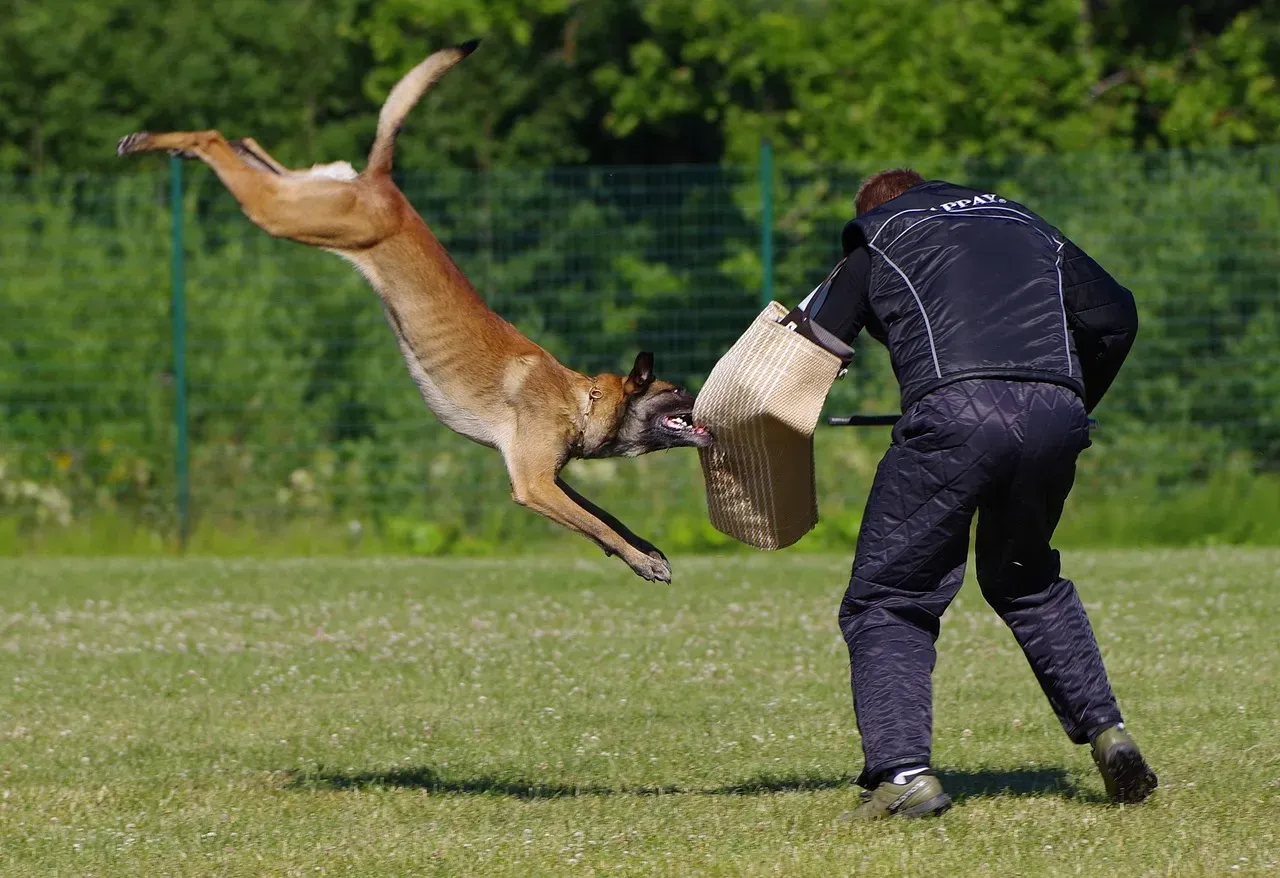
The Belgian Malinois looks similar to a German Shepherd but brings even more intensity to scent work. These dogs are the Navy SEALs of the canine world, favored by military and elite police units worldwide for explosive detection and tactical operations.
The Belgian Malinois is a popular military working dog that uses its keen nose to detect explosives. Their drive and focus are unmatched. When a Malinois locks onto a scent, they pursue it with single minded determination that’s honestly a bit intimidating to witness.
These aren’t dogs for casual owners. Belgian Malinois need extensive mental and physical stimulation, structured training, and clear leadership. In the right hands, though, they’re absolutely brilliant working partners who form incredibly strong bonds with their handlers. They thrive on having important jobs and take their work very seriously.
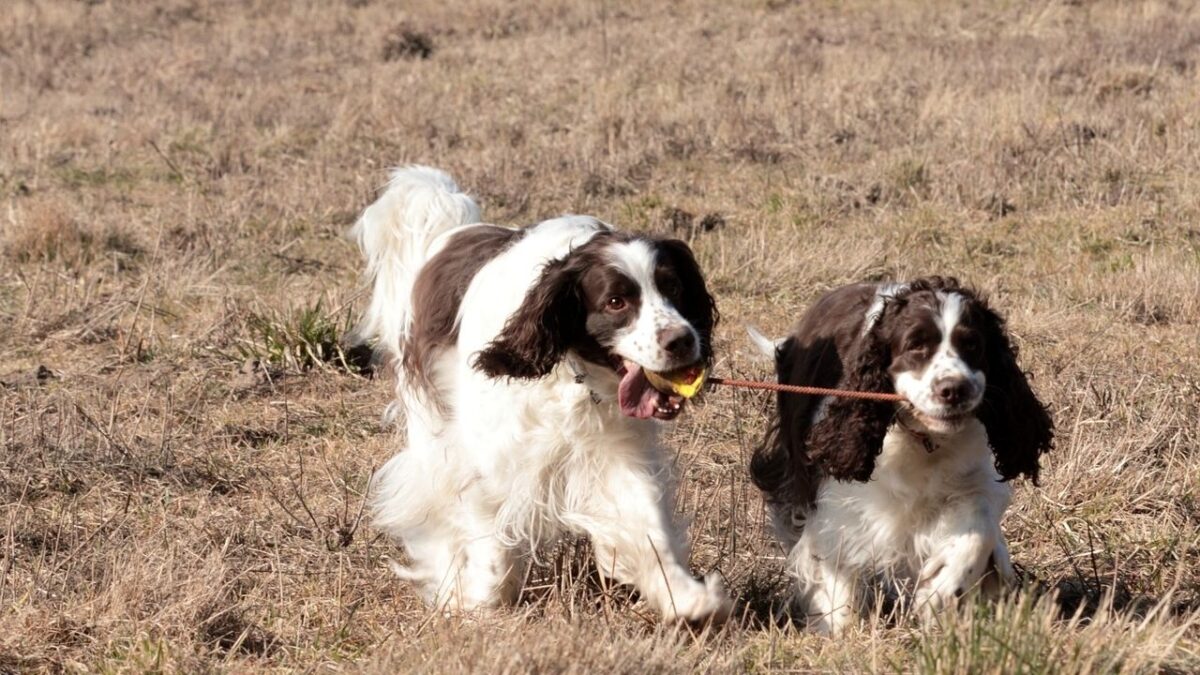
7. English Springer Spaniel: The Field Expert
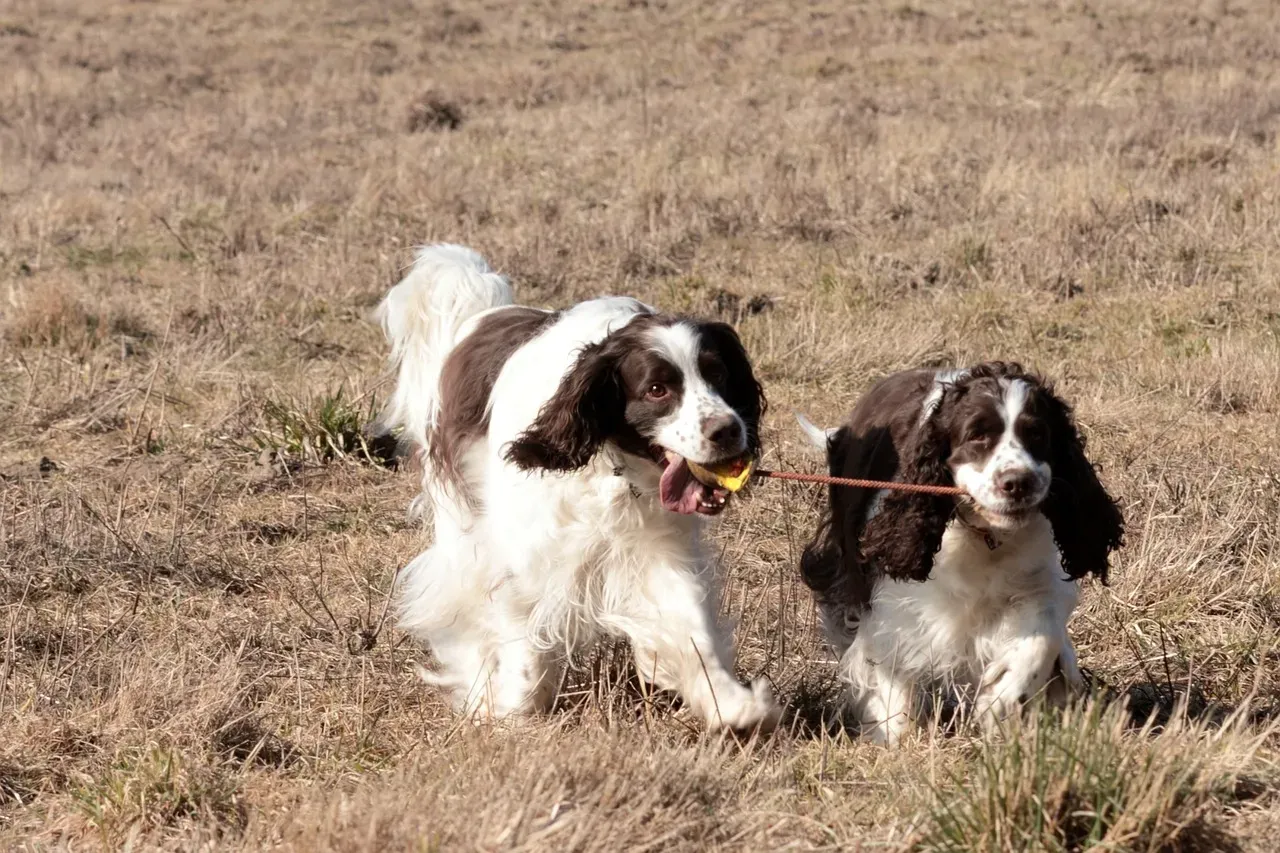
Field type Springers are highly prized by hunters for their good nose, which is liver colored or black with broad nostrils. These energetic sporting dogs were bred to flush game birds, and their noses help them locate hidden prey in dense cover.
What’s remarkable is the breadth of scents these dogs have been trained to detect. English Springers have been trained to detect such diverse odors as explosives, narcotics, fake currency, bee hives, and human remains. That versatility demonstrates not just a powerful nose but also remarkable intelligence and trainability.
Springers are enthusiastic, affectionate dogs who form close bonds with their families. They need plenty of exercise and mental challenges to stay happy. Field bred Springers tend to be more energetic than show bred lines, so consider which type fits your lifestyle best.
8. Coonhounds: The Specialized Hunters
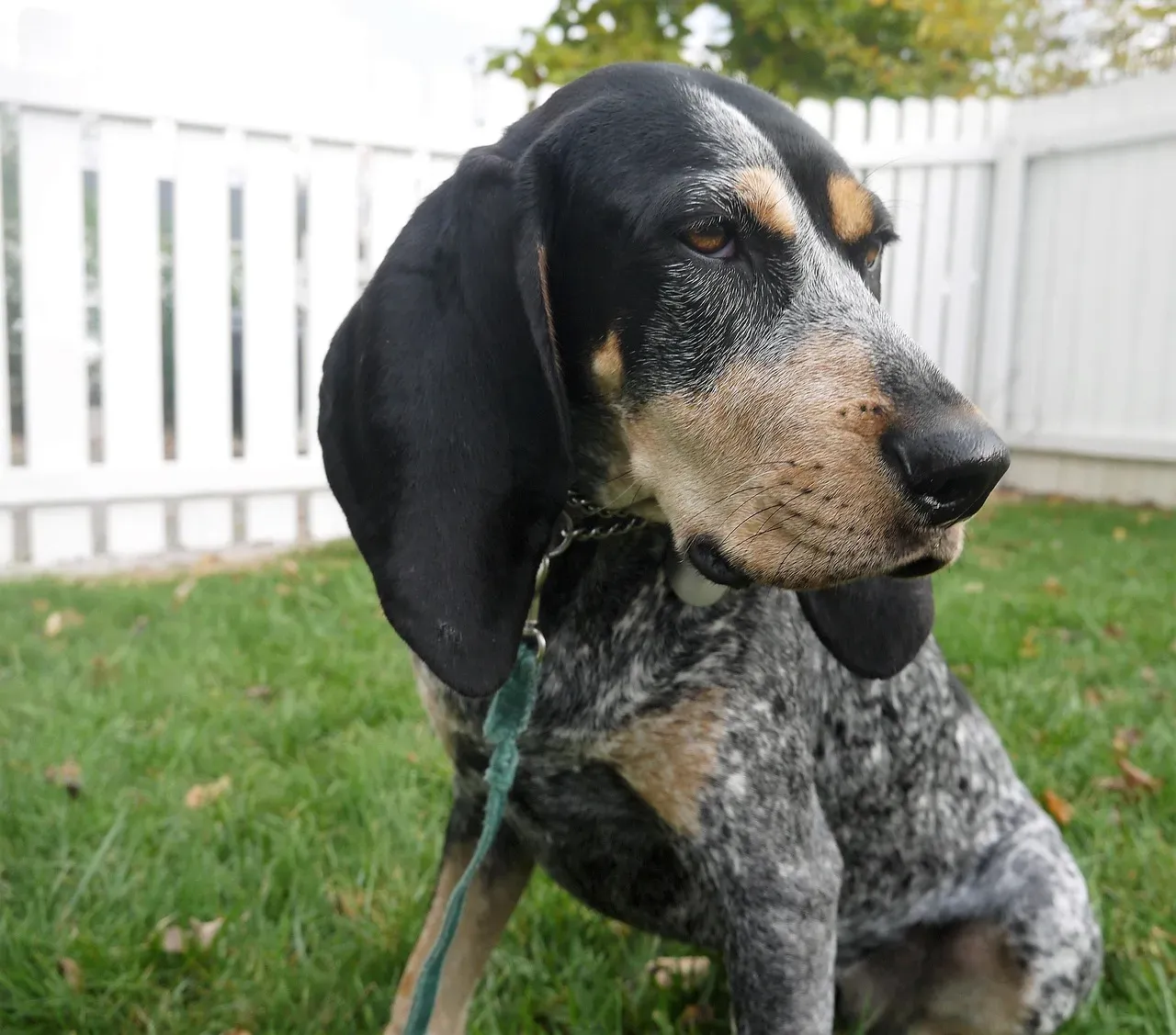
The Coonhound family includes several breeds like the Black and Tan, Bluetick, Redbone, and Treeing Walker, each with exceptional scenting abilities. The various Coonhound breeds have highly effective noses but different styles of scenting; some have “hot” noses, meaning they work best on a fresh trail, while others are said to be “cold nosed,” able to follow an old, or “cold,” trail with little trouble.
These hounds were developed to track and tree raccoons and other game, often working through the night across challenging terrain. They’re vocal dogs who use distinctive baying calls to communicate with hunters about what they’ve found.
The Bluetick Coonhound is a steady, determined hunter that can stay on the most intricate of tracks and can also follow very faint scents. Coonhounds make loyal, good natured family pets but need outlets for their powerful hunting instincts. Scent games, tracking activities, and plenty of outdoor time keep these dogs content.
9. Golden Retriever: The Allergy Alert Specialist
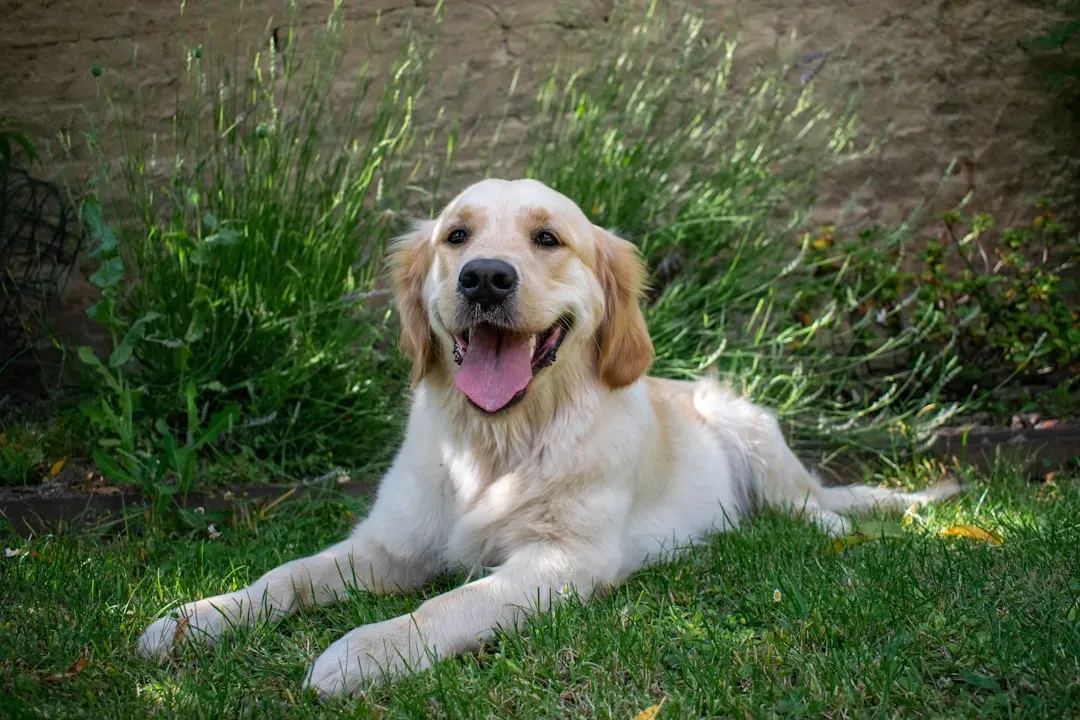
Golden Retrievers aren’t always the first breed people think of for scent work, but they absolutely deserve recognition. Golden Retrievers use their sense of smell in a variety of detection work, and they excel as Search and Rescue and allergy alert dogs.
Their gentle temperament makes them particularly well suited for medical alert work, especially for children with severe allergies. A Golden Retriever can detect trace amounts of allergens like peanuts and alert their person before dangerous exposure occurs. That ability genuinely saves lives.
Rather than keeping their nose to the ground, they cast about for human scent that is carried by the wind, making them effective air scenters like German Shepherds. Goldens combine exceptional scenting ability with patience, trainability, and that trademark gentle nature. They’re wonderful family dogs who can also perform seriously important work when needed.
10. Dachshund: The Underground Expert
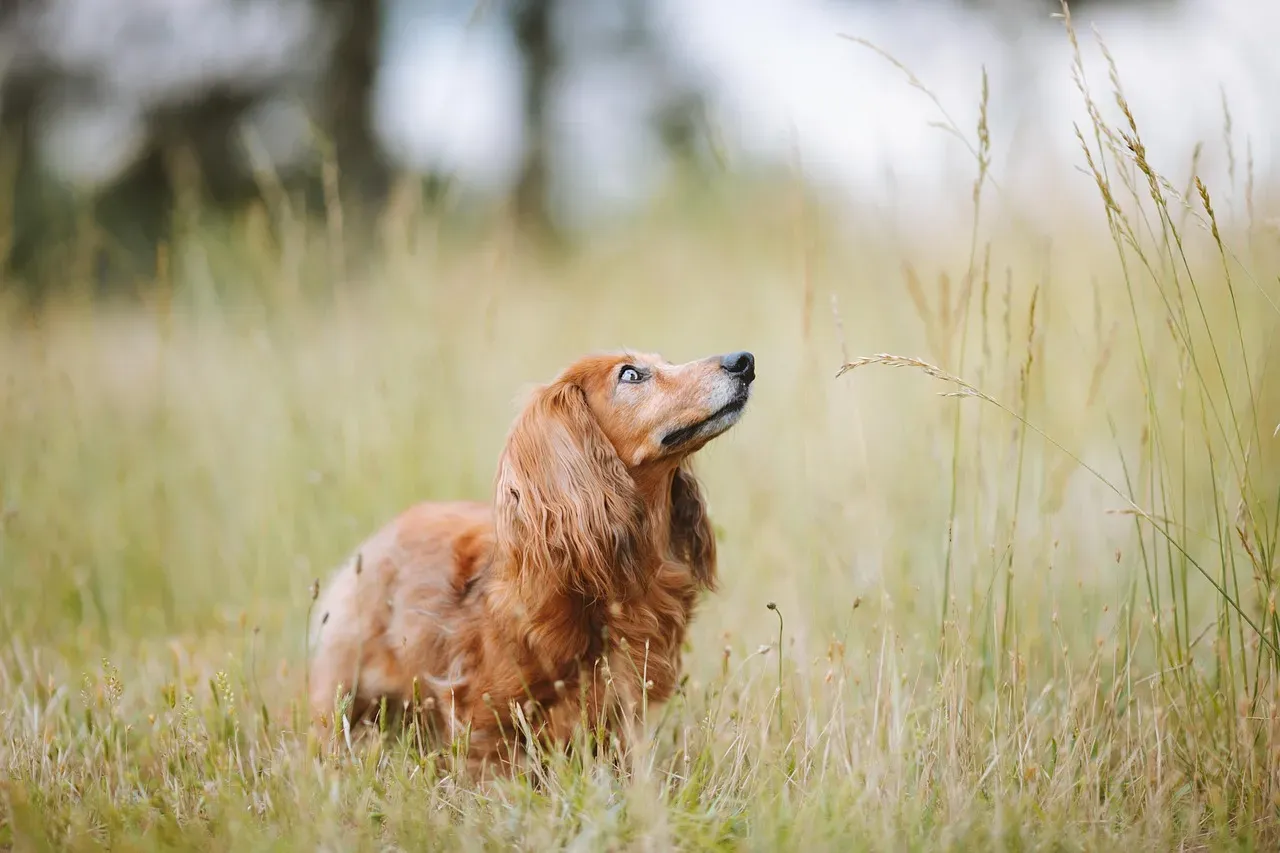
Don’t let their small size fool you. Dachshunds were bred specifically for hunting, and their sense of smell is formidable. Dachshunds are eager hunters that use their sharp sense of smell in above and below ground work and were originally bred to hunt badgers.
Their low, long bodies and powerful front legs allow them to pursue prey into burrows and underground tunnels where larger dogs can’t follow. That takes courage and an exceptional ability to track scent in challenging, confined spaces.
These little dogs have big personalities and surprising determination. They’re clever, sometimes stubborn, and fiercely loyal to their families. While modern Dachshunds may not hunt badgers anymore, they still possess all those instincts. Giving them scent enrichment activities satisfies their natural drives and keeps them mentally sharp.
11. German Shorthaired Pointer: The All Purpose Athlete
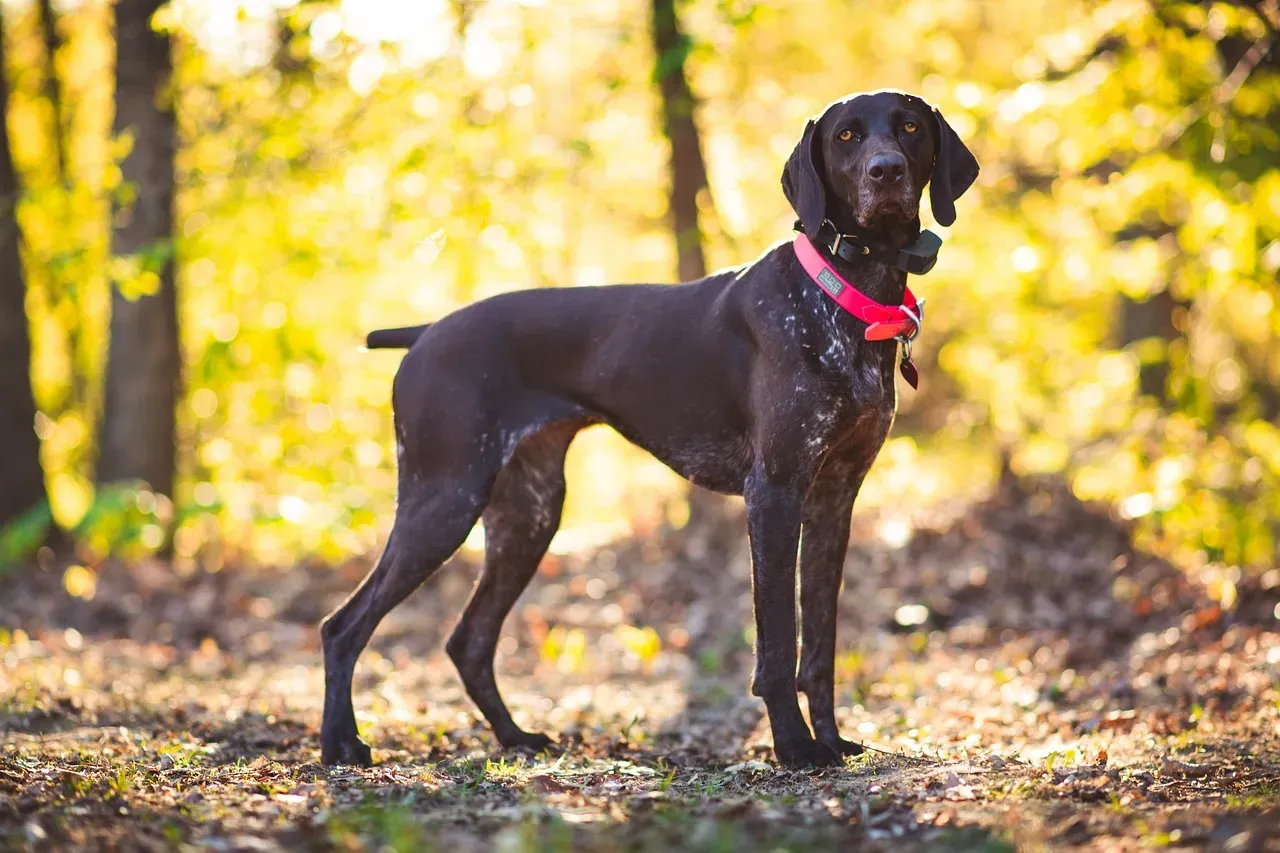
The German Shorthair has outstanding scenting and trailing ability in the field; holding their large brown nose low, they follow ground scent intensely. These versatile hunting dogs excel at tracking, pointing, and retrieving game.
Their athletic build and incredible stamina allow them to work for hours across varied terrain. They’re equally comfortable in water, woods, or open fields, adapting their scenting techniques to whatever environment they’re working in.
German Shorthaired Pointers need active owners who can provide vigorous daily exercise and mental challenges. They’re affectionate, loyal dogs who bond closely with their families but can become destructive if their needs aren’t met. Channel that energy into scent work, hiking, or dog sports and you’ll have an amazing companion.
12. Pointer: The Bird Finding Specialist
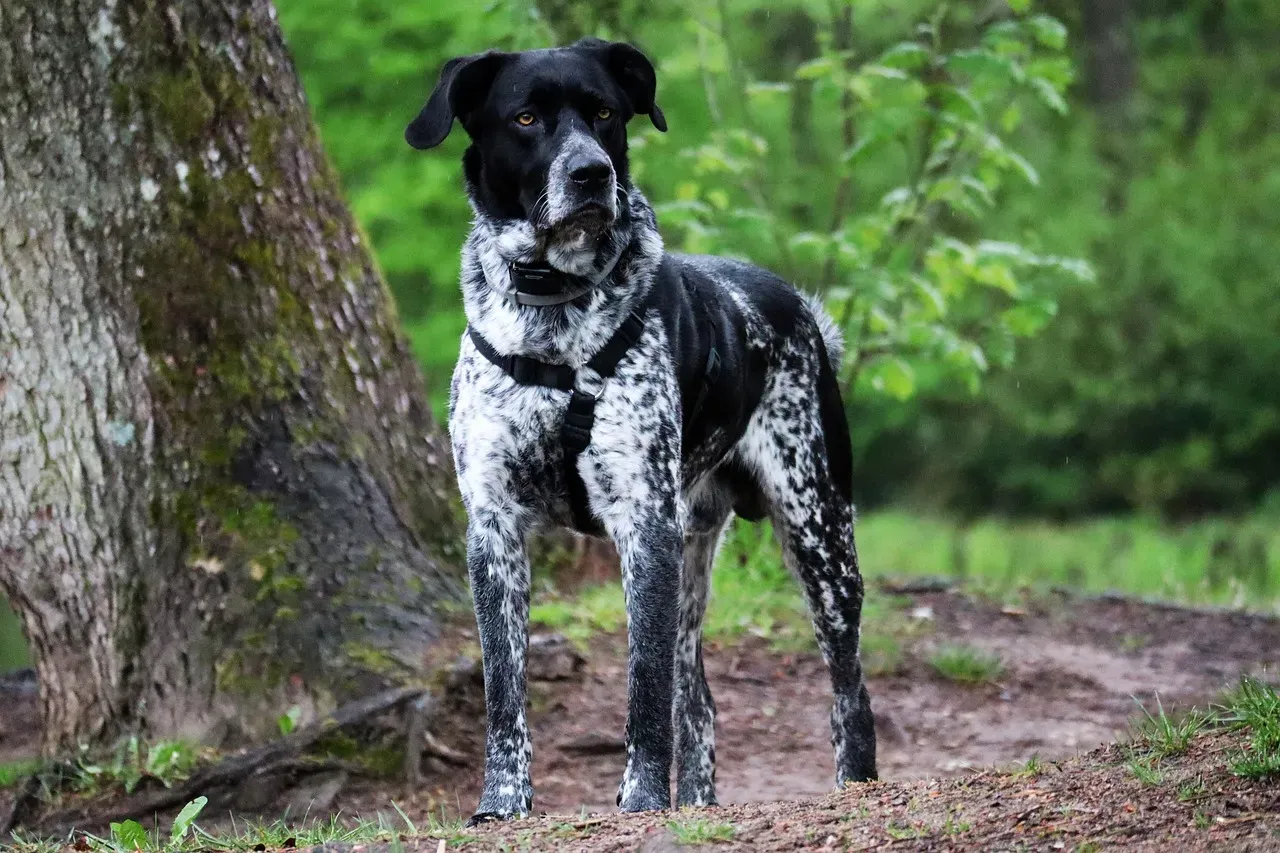
Hunters admire the Pointer for their bird finding ability and say they have the best nose of all the pointing breeds; they have a long, deep muzzle with wide open nostrils which they use to seek out their feathered finds.
Pointers work differently than tracking hounds. They use air scenting to locate game birds, then freeze in that classic pointing stance to indicate exactly where the bird is hiding. It’s a beautiful demonstration of scent work combined with incredible self control.
These elegant dogs are graceful, athletic, and intensely focused when working. They need space to run and regular opportunities to use their natural abilities. Pointers form devoted bonds with their families and bring both beauty and function to the table. Watching a Pointer work is like observing art in motion, powered entirely by that remarkable nose.
Understanding and Supporting Your Scent Hound
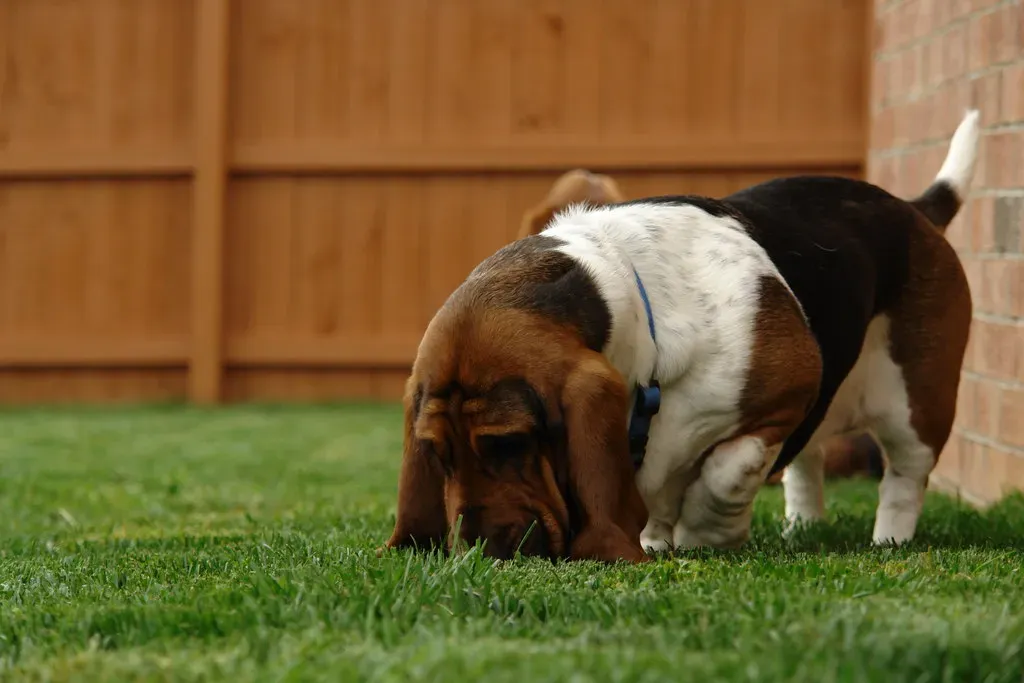
Living with a breed that possesses an extraordinary sense of smell means adapting to their unique needs. These dogs don’t just smell things. They read the world through scent, gathering information we can’t even begin to perceive.
Provide regular scent enrichment through hide and seek games, nose work classes, or simply allowing extended sniffing time on walks. What seems like your dog dawdling is actually them gathering crucial environmental information. Let them sniff. It’s mentally stimulating and deeply satisfying for scent oriented breeds.
Secure fencing is absolutely essential because an interesting scent can override even the best training. These dogs will follow their noses with remarkable determination. Keep them safely contained and always use leashes in unfenced areas.
Watch for signs of frustration if your scent hound isn’t getting enough mental stimulation. Destructive behavior, excessive barking, or escape attempts often indicate a dog whose powerful nose needs more appropriate outlets. The solution isn’t punishment but rather channeling those instincts into constructive activities.
Remember that some health conditions can affect a dog’s sense of smell. A variety of diseases can decrease a dog’s sense of smell, such as canine distemper and nasal mites. Regular veterinary care helps ensure their incredible noses stay healthy. Pay attention to changes in how enthusiastically your dog investigates scents, as decreased interest could signal underlying issues.
These remarkable breeds remind us that dogs experience reality in fundamentally different ways than we do. What would you give to experience the world through a Bloodhound’s nose for just one day? The depth and detail of information they gather from a single sniff would probably overwhelm our human brains completely. That’s the magic and mystery of the canine nose, and these twelve breeds represent the absolute pinnacle of that extraordinary gift. What’s your take on these incredible scent detectives? Have you experienced their nose power firsthand?
