
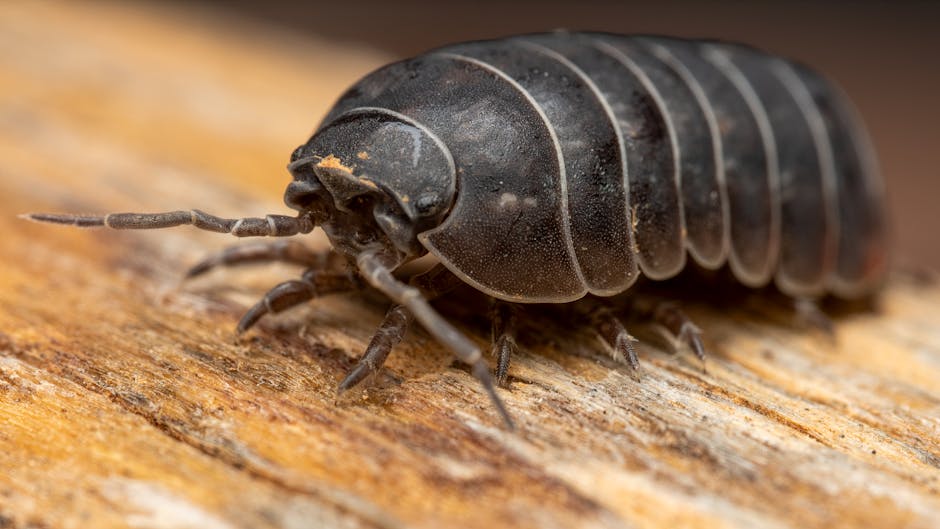
The ocean is the last great frontier on our own planet. Think about that for a second. We have mapped the surface of Mars in more detail than we have mapped the floor of our own seas. Humans have explored just a tiny fraction of the deep seafloor, an area roughly the size of Rhode Island. What is lurking in the rest of it? Honestly, the answer is more extraordinary than most science fiction writers could imagine.
From creatures that glow in the pitch-black dark, to animals that survive crushing pressures that would flatten a submarine, the deep ocean is home to life that seems almost impossible. These are not legends or ancient myths. They are real, they are weird, and scientists are still discovering brand new ones every single year. Let’s dive in.
The Ghostly Snailfish: The Deepest Fish Ever Recorded
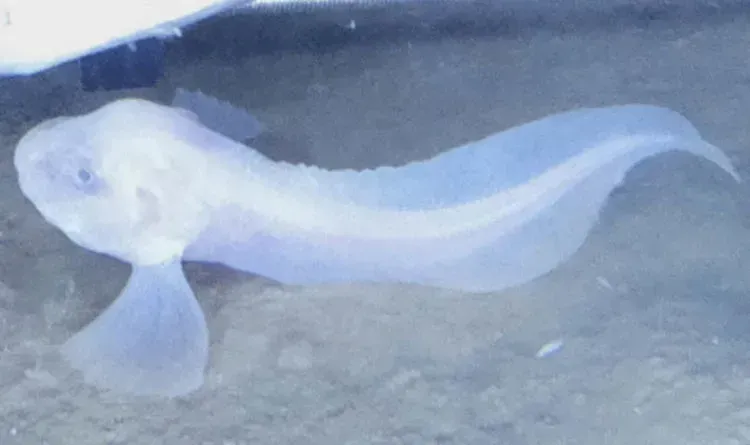
It sounds like something from a fever dream. A pale, translucent fish, drifting through absolute darkness at a depth that would kill virtually any other vertebrate on Earth. Snailfish have been spotted swimming at a mind-boggling 27,000 feet below the surface in ocean trenches, earning the title of the deepest-living fish ever discovered.
Their bodies resemble partially melted candles, gelatinous and semi-transparent with no scales, and special chemical compounds in their cells prevent their proteins from being crushed under extreme pressure. Without those compounds, they would simply cease to exist at those depths.
Advanced underwater technology has helped researchers describe new snailfish species, and snailfish are now among the fish families with the most new species being formally described. Scientists believe dozens more are still out there, waiting.
The Anglerfish: Evolution’s Most Terrifying Matchmaker
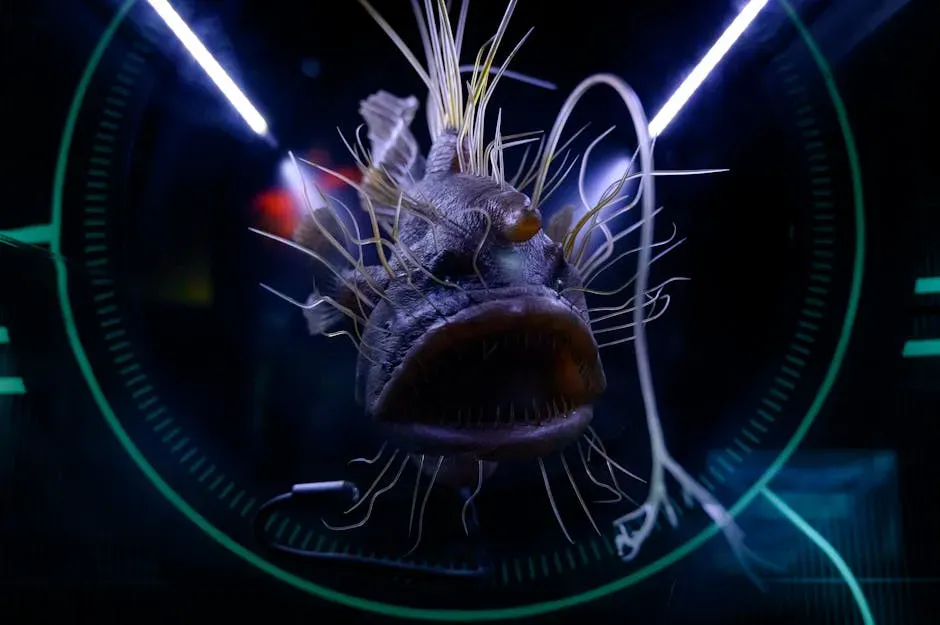
Few creatures embody the weirdness of the deep sea quite like the anglerfish. Female anglerfish dangle a bioluminescent lure from their heads like an underwater fishing rod, and this natural lantern, powered by light-producing bacteria, attracts curious prey in the pitch-black abyss.
Here is where things get genuinely strange. Males are tiny parasites that permanently fuse to females, losing their eyes and internal organs until they are nothing but sperm-producing appendages. I know it sounds crazy, but that is real biology. Not metaphor. Actual biology.
The anglerfish is a masterclass in extreme adaptation. Every feature, from the glowing lure to the expandable stomach that can consume prey larger than itself, is a direct response to an environment where food is desperately scarce and every opportunity must be seized.
The Viperfish: Nightmare Fuel With Fangs to Match
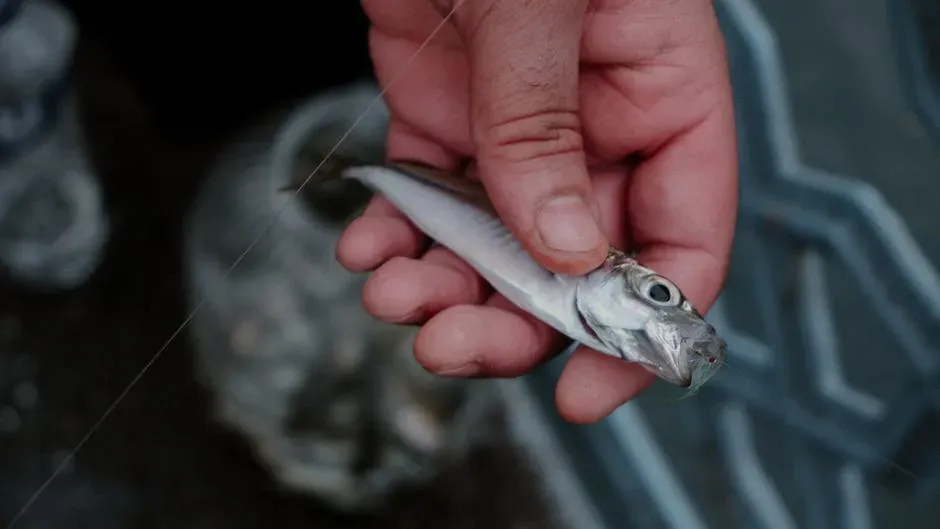
Sporting a mouthful of fangs too large to close their jaws around, viperfish are the stuff of nightmares, and their needle-like teeth can be up to one-third of their body length, impaling prey that is lured by their glowing chin barbel.
The viperfish lives in the mesopelagic zone, also known as the twilight zone, typically between 600 and 1,500 meters deep. During the day they sink into even darker, colder waters. At night, they rise to shallower depths to hunt. Think of it like a daily commute, except the commute involves impaling things with enormous transparent fangs.
What makes the viperfish especially remarkable is how it uses bioluminescence not just as a lure, but potentially as camouflage. These mysterious realms, where sunlight never penetrates and pressure would crush a submarine, have produced animals with jaw-dropping adaptations, from glowing body parts to nightmare-inducing teeth.
The Siphonophore: The Longest Animal on Earth Is Not a Whale
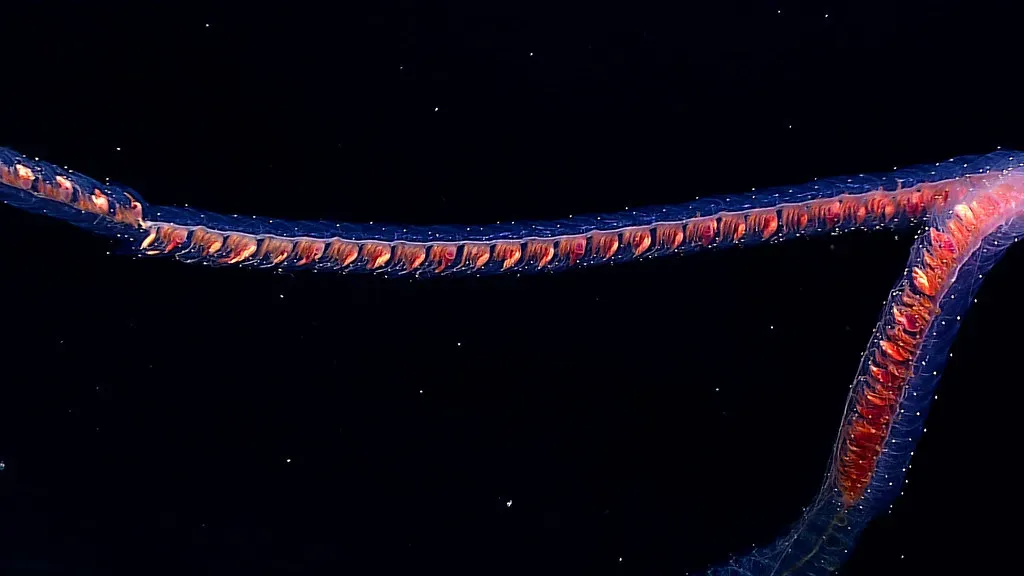
Most people assume the blue whale is the largest animal that has ever existed. They are wrong about one thing. In the depths of our oceans lurks the longest animal on Earth, not a whale or squid, but a siphonophore, a colonial organism that can stretch an incredible 150 feet through the water. These ethereal creatures are not actually single animals but rather colonies of specialized individuals called zooids, each performing specific functions like feeding, reproduction, or defense.
Trailing behind the main body like deadly fishing lines, their tentacles can extend for dozens of meters, armed with millions of stinging cells capable of paralyzing fish and crustaceans, and recent deep-sea expeditions have discovered specimens longer than blue whales.
A siphonophore is essentially a living city, a superorganism where each tiny resident has a job. Some members swim. Some sting. Some digest. None survive independently. It is one of nature’s most mind-bending biological arrangements, and it drifts silently through the deep ocean largely unseen.
Mirabestia maisie: A Brand New Branch of Life
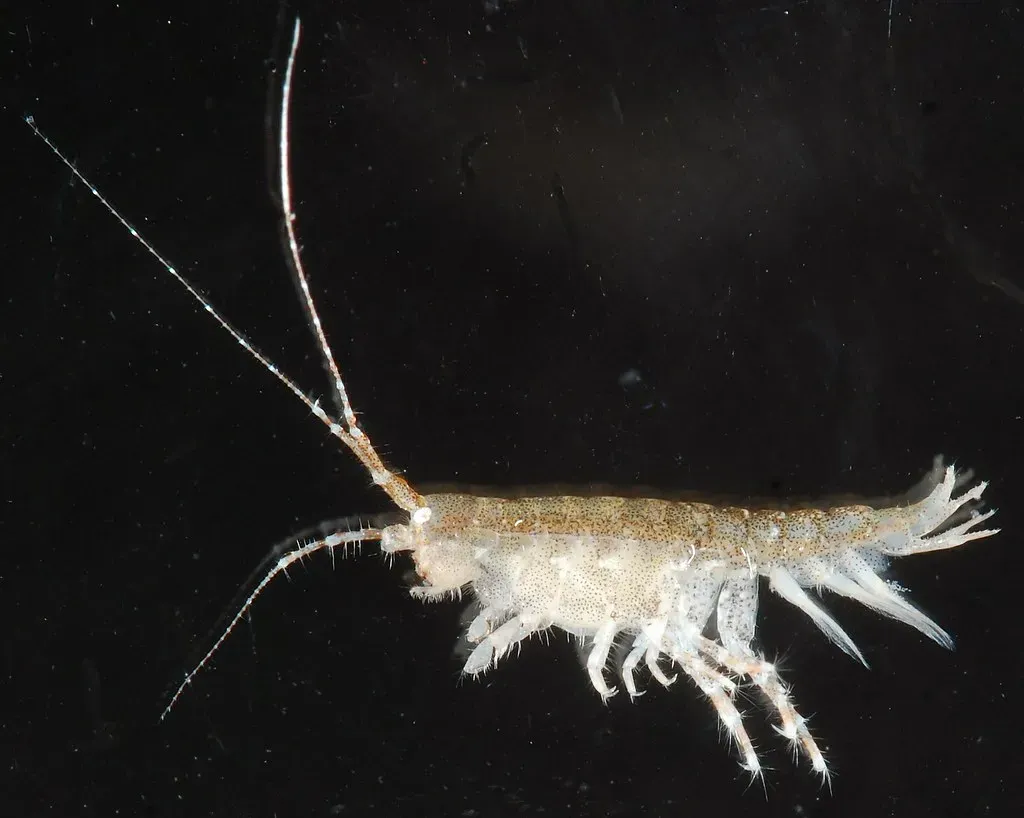
In March 2026, researchers announced one of the most extraordinary discoveries in recent deep-sea science. In a remarkable deep-sea breakthrough, researchers discovered 24 new species of amphipods in the Pacific’s Clarion-Clipperton Zone, including a rare, entirely new superfamily. That last part is the jaw-dropper.
Finding a member of a new superfamily, a broad branch above families, almost never happens in animals that scientists have sorted for centuries. The new paper describes Mirabestia maisie from about 2.6 miles down and puts it in a family of its own, because the animal’s limbs and mouthparts broke expected patterns while gene sequences supported its isolation.
Researchers explained the significance of the new evolutionary branch this way: discovering it is like knowing that carnivorous mammals exist, knowing bears and cats exist, and then suddenly finding dogs for the first time. That is how significant this find truly is.
Poseidon’s Squid: Found Inside a Whale’s Stomach
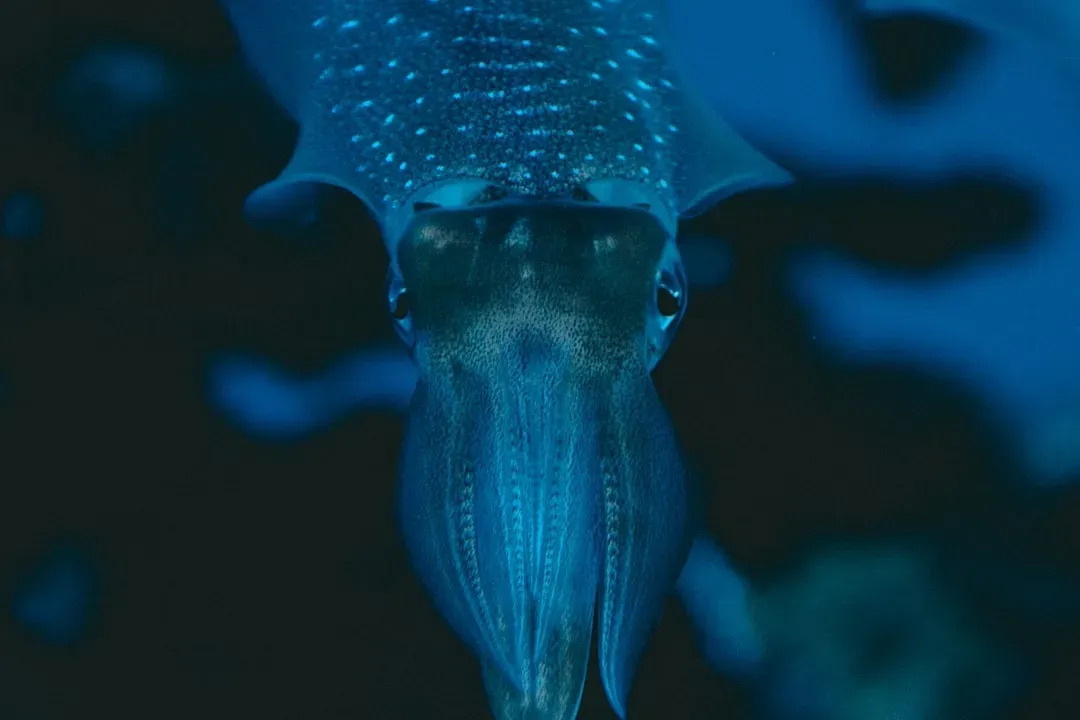
Here is a discovery story that genuinely sounds made up. Poseidon’s Squid, Mobydickia poseidonii, is one of the most remarkable deep-sea discoveries of 2025. While revising a group of deep-sea squids, scientists discovered that a single specimen collected in the 1950s did not belong to any known squid family, and this one-of-a-kind squid specimen was found in the stomach of a sperm whale.
It is so distinctive that researchers established not only a new species and genus but an entirely new family called Mobydickidae, and this squid represents a separate branch of the squid family tree that had gone unnoticed for decades inside a museum collection.
Unlike many deep-sea squids, Poseidon’s Squid lacks glowing light organs and has a pale, gelatinous body. These unusual features made it clear that this animal did not belong in any existing squid family, and a sperm whale unknowingly delivered to science an entirely unknown branch of ocean life. You genuinely cannot make this stuff up.
The Vampire Squid: Not Actually a Squid, Not Actually a Vampire
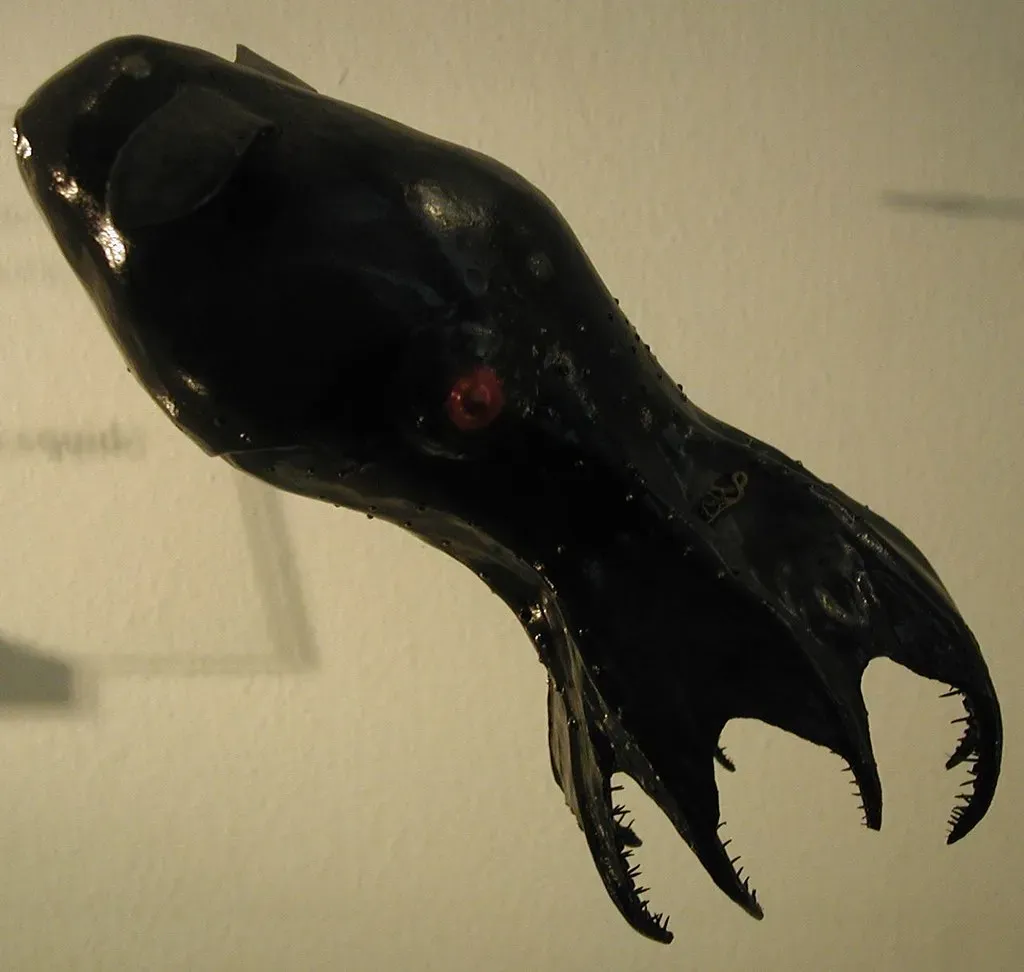
The vampire squid carries one of the ocean’s most misleading names. It is neither a true squid nor an octopus, but rather its own ancient order entirely, a living fossil that has changed little in hundreds of millions of years. Marine snow is on the menu for this cephalopod, and two thin, sticky tentacles collect drifting bits of dead plankton, poop, mucus, and other organic material sinking from the waters above. By scavenging on the snow sinking from the surface, it helps capture carbon and lock it away in the ocean’s depths.
It produces blue light in its body tissues as well as green glowing mucous secretions, an adaptation that may be used to deter predators. So it glows. In the dark. While eating floating particles of marine debris.
Let’s be real, the vampire squid sounds like something a child invented, but it is real and it plays an important ecological role. By processing and redistributing organic matter falling from above, it contributes to the deep ocean’s carbon cycle in ways scientists are still working to fully understand.
The “Death Ball” Sponge: A Carnivorous Killer in the Southern Ocean
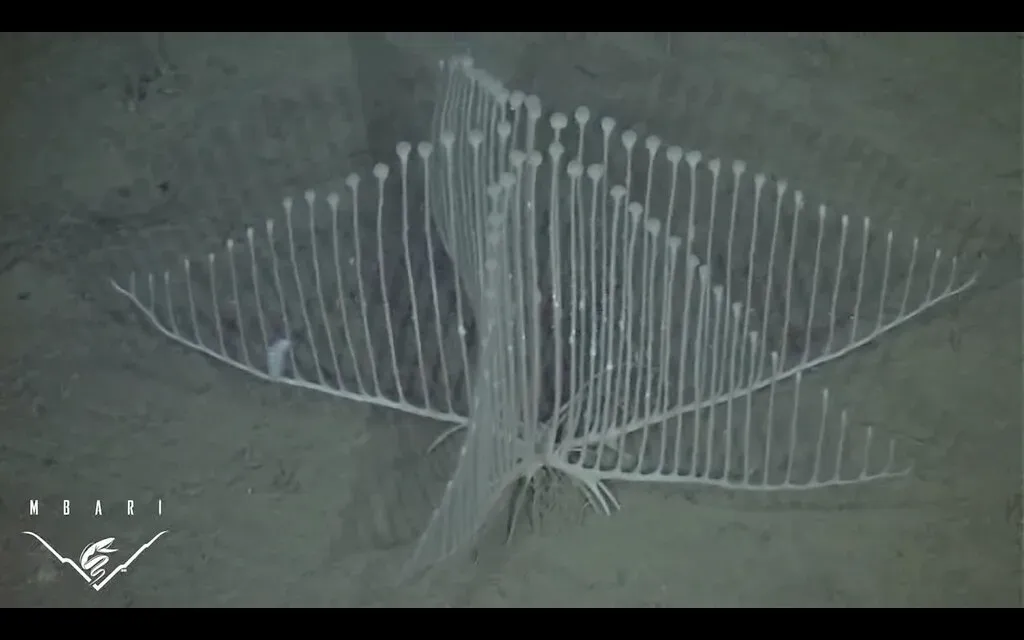
Researchers have discovered 30 previously unknown deep-sea species in the remote ocean surrounding Antarctica, and a carnivorous sponge researchers dubbed the “death-ball sponge” is among the most bizarre animals already identified. A carnivorous sponge. Those two words should not be able to sit next to each other, and yet here we are.
Unlike their shallow-water relatives, deep-sea creatures like carnivorous sponges do not rely on photosynthesis, instead extending sticky structures to capture microscopic food particles, and their intricate structures create habitats for countless other deep-sea creatures.
The Southern Ocean, which completely encircles Antarctica, is described by researchers as still extremely under-sampled. The list of other finds from recent expeditions includes new armored and iridescent scale worms, sea stars, and crustaceans, as well as rare gastropods and bivalves that evolved to live in volcanic and hydrothermal habitats. Every dive down there turns up something new.
Tubeworms and Deep Trench Communities: Life Without Sunlight
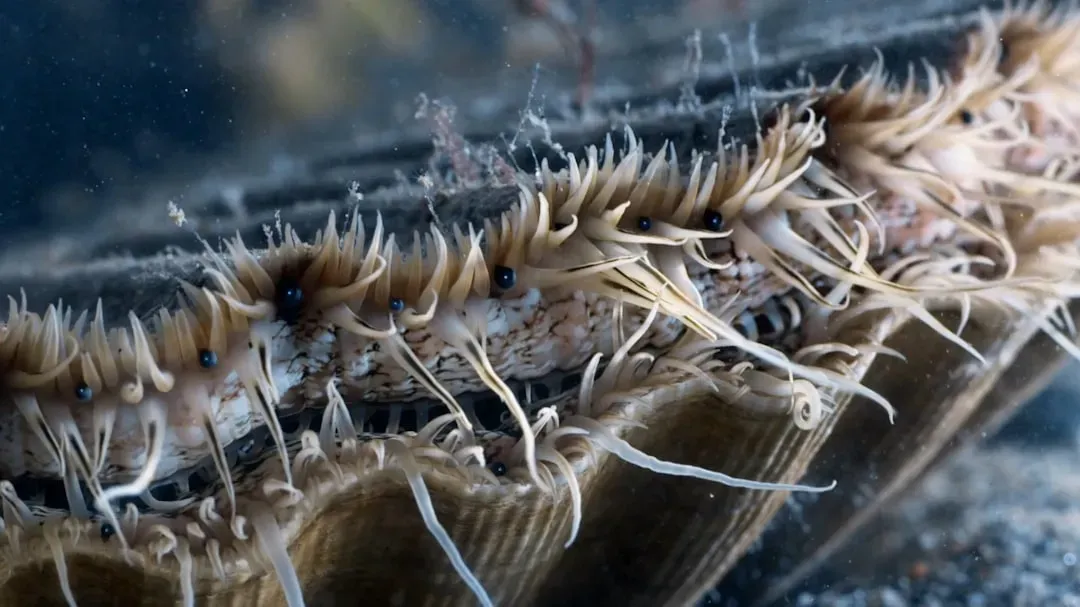
Researchers traveling along the Kuril-Kamchatka and Aleutian trenches in the northwest Pacific Ocean used a manned submersible to find tubeworms and mollusks flourishing at over 31,000 feet deep. That depth, to put it plainly, is almost incomprehensible.
It was there that scientists found something remarkable: entire communities of animals rooted in organisms able to derive energy not from sunlight but from chemical reactions. Through a process called chemosynthesis, deep-sea microbes are able to turn compounds like methane and hydrogen sulfide into organic compounds, including sugars, forming the base of the food chain.
This was the deepest community of chemosynthetic life ever discovered, and that finding suggests that wildlife communities may be more common in these extremely deep trenches than scientists once thought. It is one of those discoveries that quietly rewrites what we thought we knew about where life is possible.
Ferreiraella populi: The Deep-Sea Creature Named by the Internet
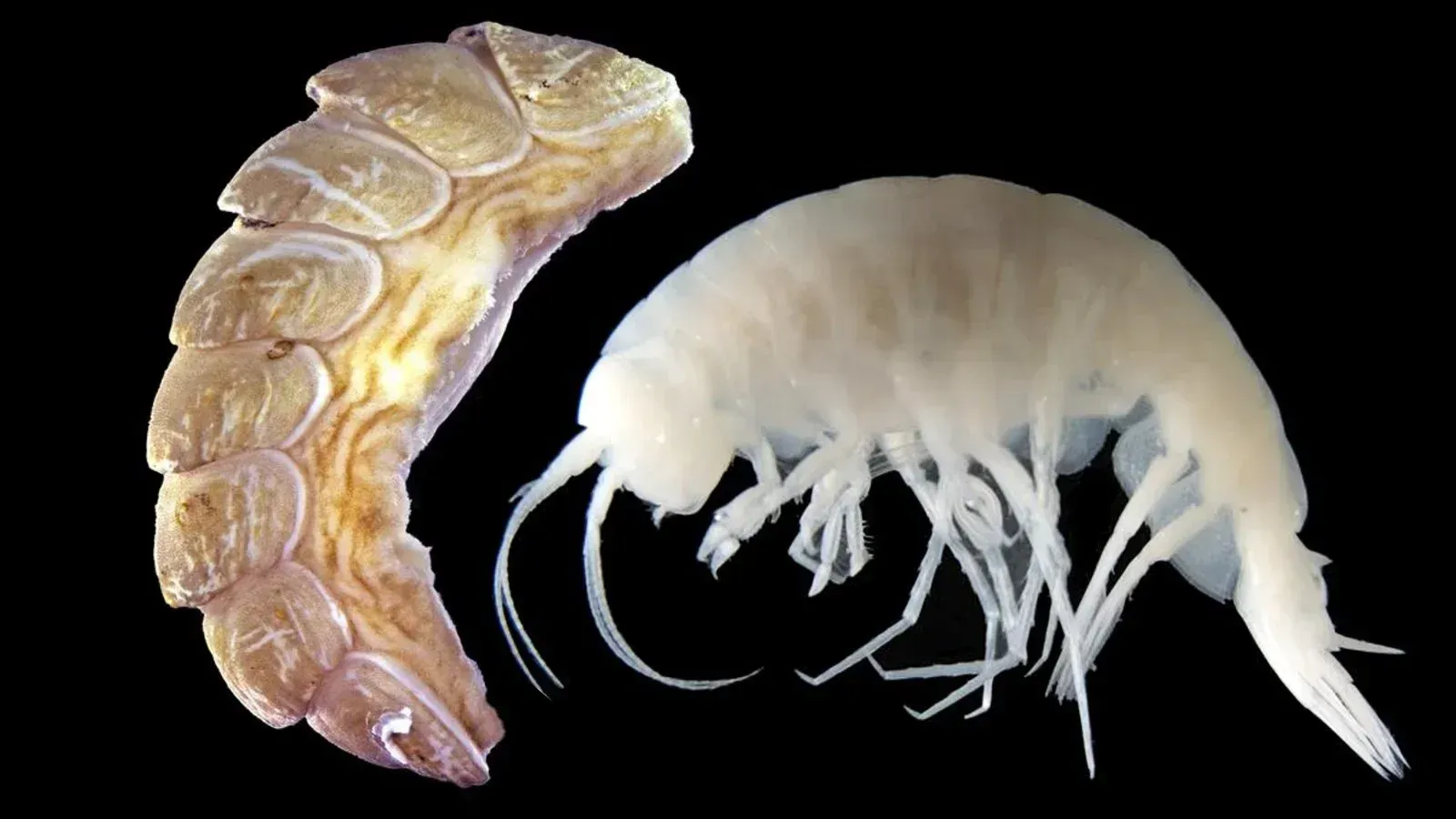
Not all deep-sea discovery stories are purely scientific. After appearing in a popular YouTube video, a rare chiton found nearly three miles beneath the ocean surface sparked a global naming effort, drawing more than 8,000 suggestions from people around the world. That is the internet at its best.
Scientists ultimately chose the name Ferreiraella populi, meaning “of the people,” honoring the public that helped bring it into the scientific record. The species was first found in 2024 in the Izu-Ogasawara Trench at a depth of 5,500 meters, and it belongs to a rare group of mollusks known for living only on sunken wood in the deep sea.
The discovery adds to a lineage of chitons that has received little scientific attention and supports growing evidence that deep-sea wood-fall ecosystems host highly specialized communities that remain largely unknown. Sunken logs on the ocean floor. Hosting entire ecosystems. It is hard not to feel a little humbled by all of this.
Bathynomus vaderi: The Darth Vader Isopod
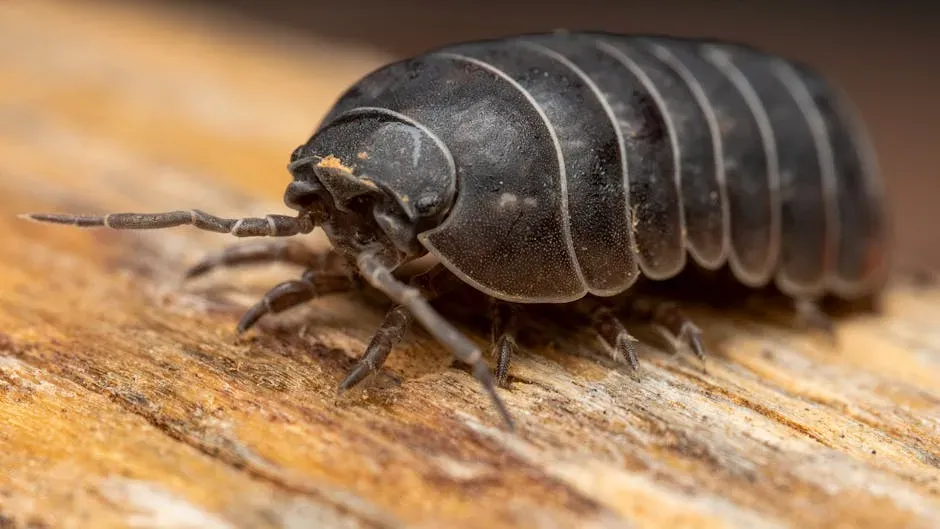
I think this one might be my personal favorite purely for the name. This giant isopod, Bathynomus vaderi, was named after the Sith Lord Darth Vader because of the resemblance of its head with the helmet of that Star Wars character, and it was discovered in the seafood markets of Quy Nhon City in Vietnam. Yes, a seafood market. Not a research vessel.
That such a large animal was hiding in plain sight, unknown to science but part of a growing culinary trend for deep-sea crustaceans, highlights the critical need for studying marine biodiversity. Despite ongoing economic pressure from fisheries, the biology of Bathynomus vaderi, its distribution, and the size and health of wild populations remain entirely unknown.
This creature is a reminder that new species are not always found by submersibles in remote trenches. Sometimes they are on a dinner plate before science even gets a chance to name them. That reality is both fascinating and more than a little alarming.
Animals Living Beneath the Seafloor: Life Below the Bottom
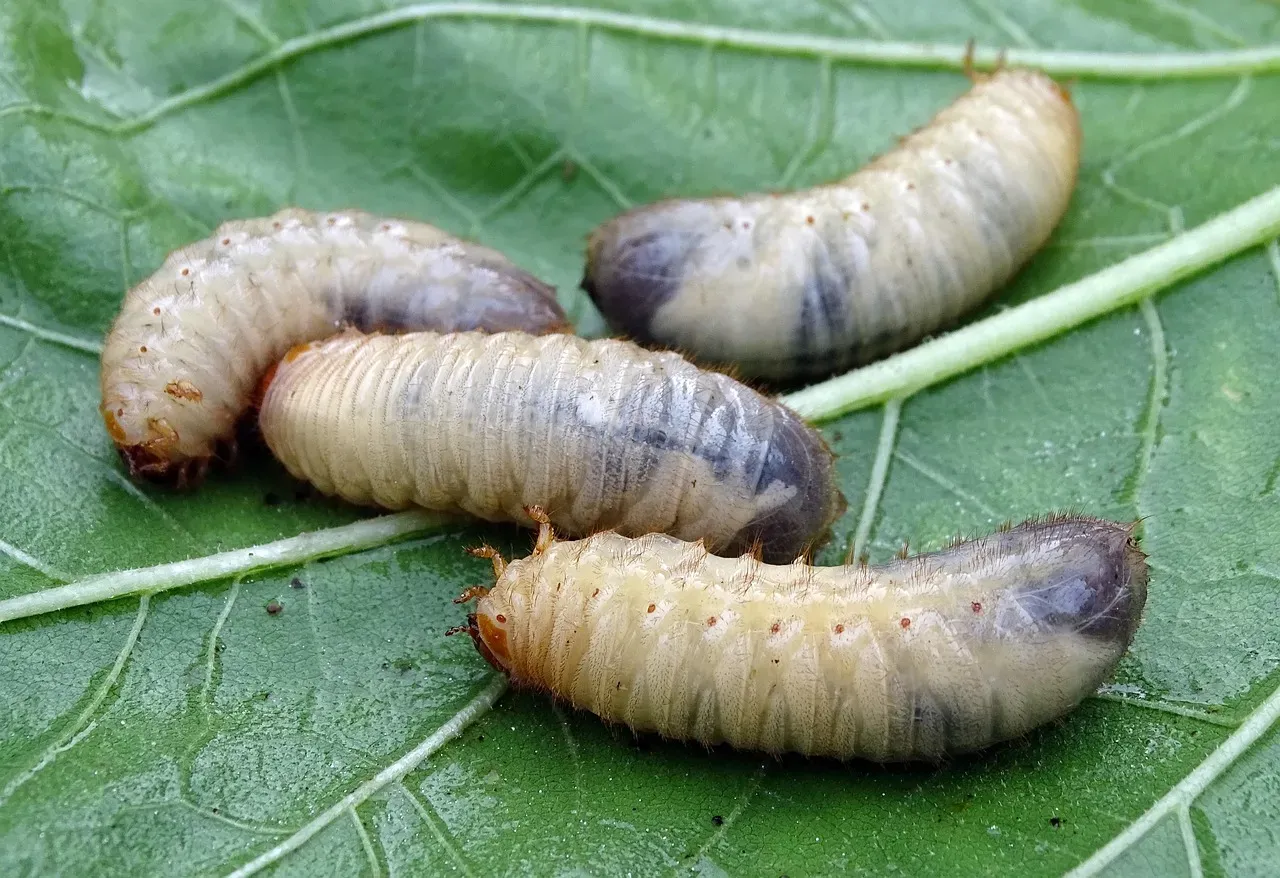
Just when you think the ocean cannot get any stranger, scientists went and discovered that life exists not just on the ocean floor, but underneath it. Animal life is flourishing underneath the seafloor according to research of deep-sea hydrothermal vents, and while previous studies had found microbes living underground near vents, this is the first reported discovery of larger animals such as worms and snails in the underground habitat.
Tubeworm larvae, sea snails, and marine worms were uncovered living in tiny caves underneath the ocean floor, revealing that life is interconnected below and above it. It is almost like discovering a basement beneath a basement.
Hydrothermal vents are openings in the seafloor where the Earth’s tectonic plates meet and seawater mixes with magma from below the Earth’s crust, and around these vents there is an explosion of life that continues to astonish researchers. The question this raises is wild: if life thrives below the ocean floor here on Earth, could something similar exist beneath the icy oceans of Europa or Enceladus?
Conclusion: The Deep Ocean Still Holds Its Greatest Secrets
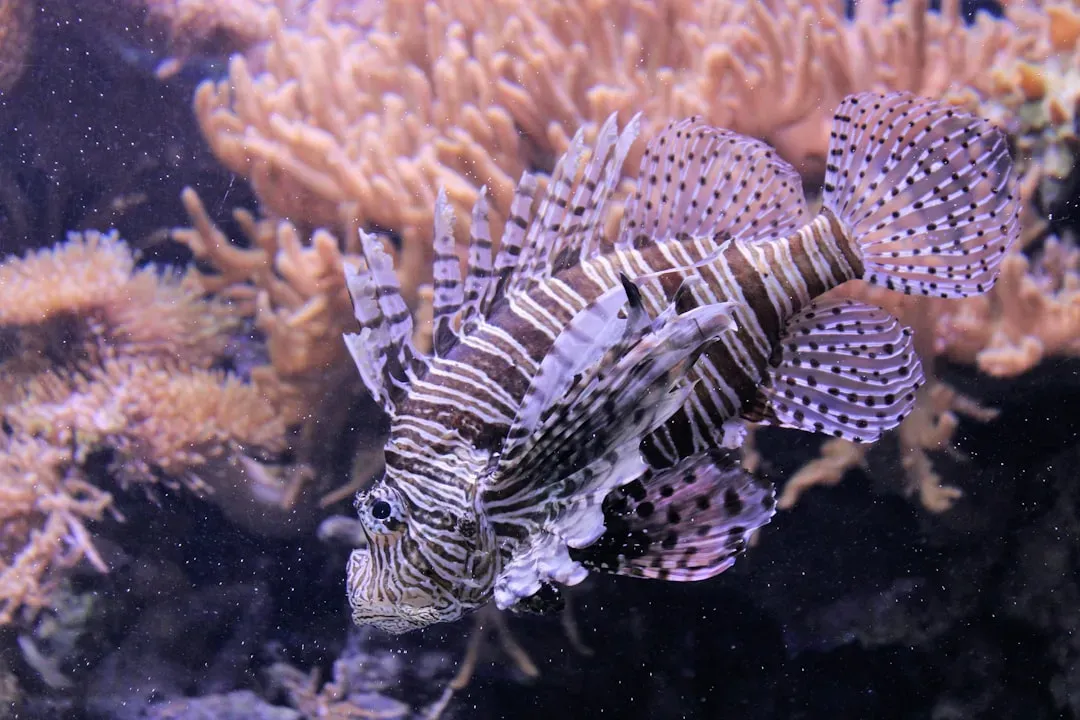
One million species live in the sea, but we have only discovered about one third of them, because they live in deep parts of the ocean that are hard to explore. That number alone should make you pause. The ocean is not an empty expanse. It is a crowded, ancient, and largely unknown world.
Every new expedition redraws the map of what is possible. Creatures that glow, creatures that feed on chemicals instead of sunlight, creatures named by schoolchildren and internet users, creatures discovered inside the stomachs of whales. The deep ocean does not follow the rules we expect life to follow.
There is something quietly inspiring about the fact that in 2026, with all the technology humanity has built, the planet’s most alien landscape is right here beneath our feet, beneath the waves. As one researcher put it, the 24 new species they described are “a drop in the ocean, literally, of how many more we have to describe.” What do you think is still down there, waiting to be found? Tell us in the comments.
