
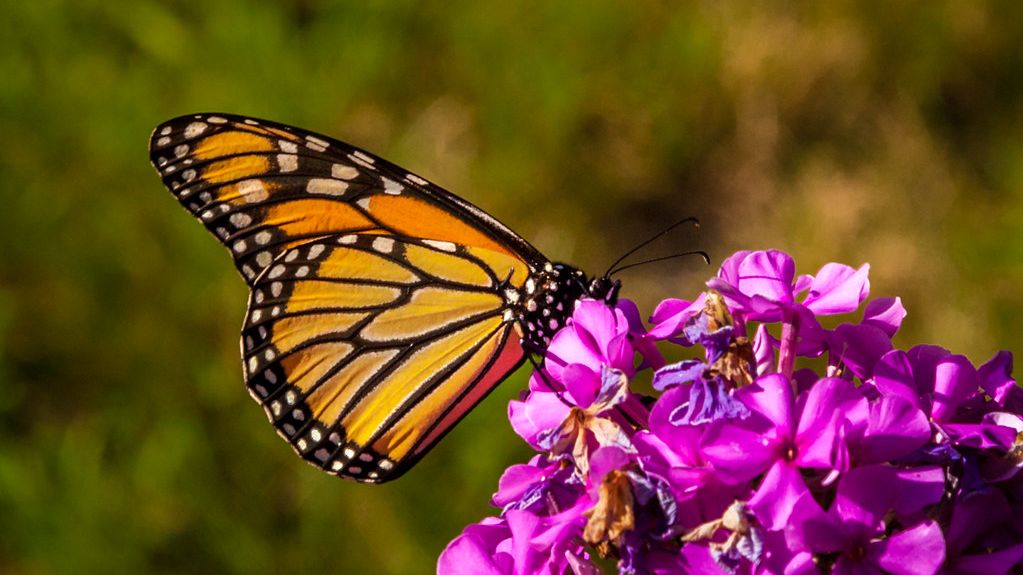
May is when butterfly activity genuinely starts to build. Overwintered adults begin emerging, fresh migrants push northward, and the first flush of spring warmth pulls both gardeners and pollinators outdoors at the same time. It’s a narrow, golden window, and the right flowers can make your garden an unmissable stop on every butterfly’s route.
Butterflies are drawn to nectar-rich blooms, bright colors, sunny spaces, and gardens that offer flowers throughout the growing season. The specific flowers you choose in May, though, make a real difference. Some plants pack far more nectar and visual pull than others, and knowing which ones to plant can turn a modest garden into a living, fluttering spectacle.
Lavender: The Scented Runway Butterflies Never Miss
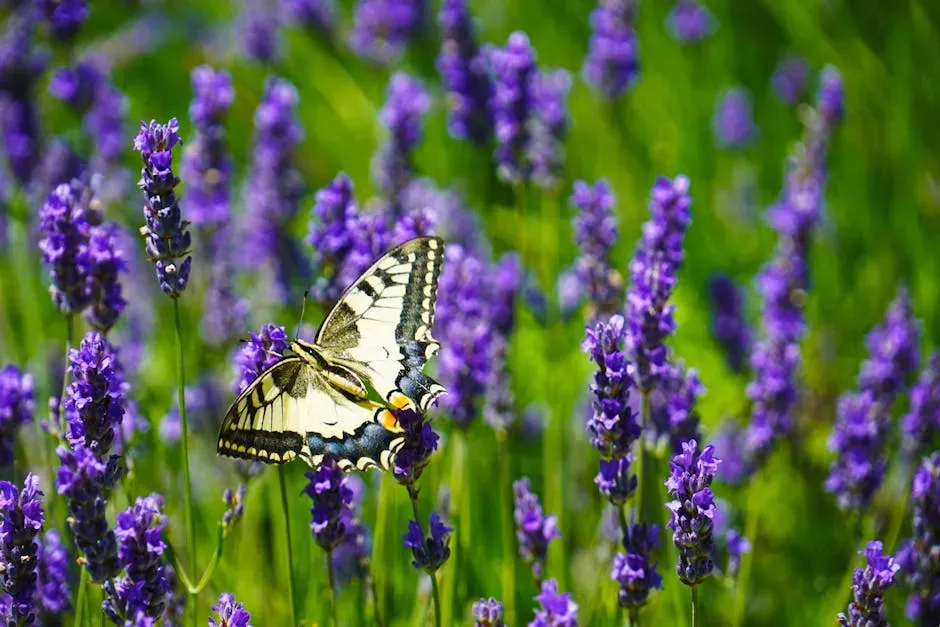
Lavender’s spiky aromatic flowers are a favorite summertime food source for adult butterflies, including cabbage white, hairstreak, monarch, sachem, and silver-spotted skipper. Its fragrance reaches butterflies from a surprising distance, functioning almost like a beacon they follow toward your border.
One thing about lavender: it blooms early and continues until hard frost. That extended season makes it one of the most reliable investments you can make for a May garden, since it’s already open and waiting for the first wave of arrivals.
Catmint: The Long-Season Workhorse
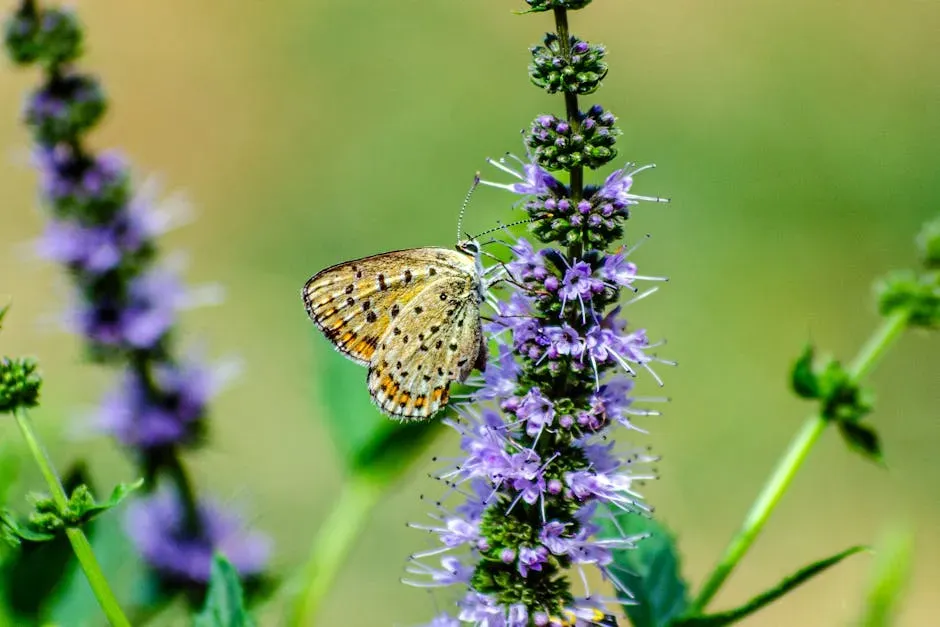
Catmint is an easy-care mint relative that blooms over an exceptionally long time, making it a reliable season-long nectar source for many pollinators, including hummingbirds, honeybees, and many types of butterflies. It’s one of those plants that does the work quietly and consistently without requiring much from you in return.
Hardy in zones 3 to 9, catmint blooms from late spring all the way through fall, which means it’s perfectly positioned to catch just as the season opens. “Walker’s Low” catmint is known to be an irresistible treat for monarch butterflies and hummingbirds.
Purple Coneflower: A Prairie Native With Real Pull
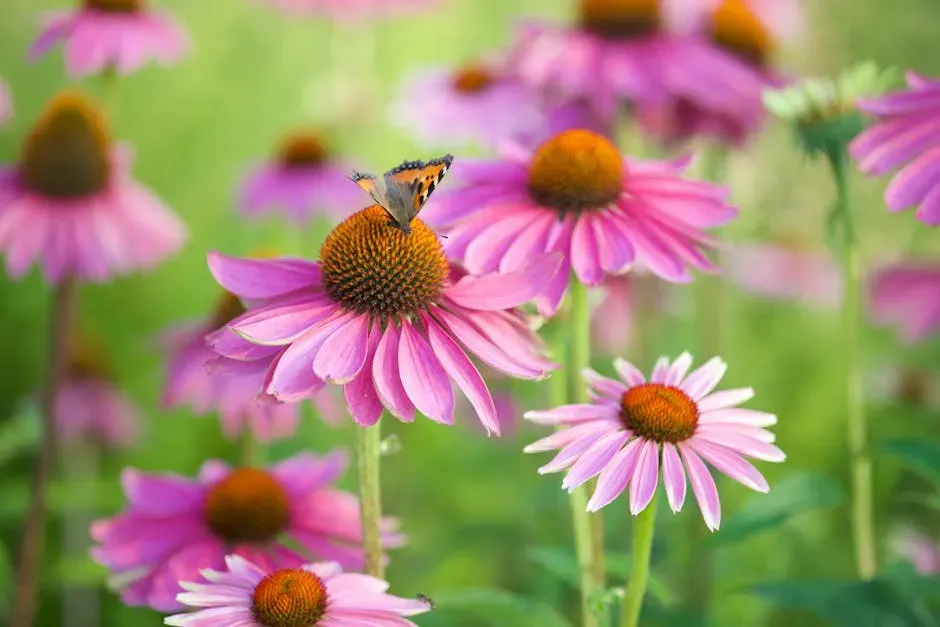
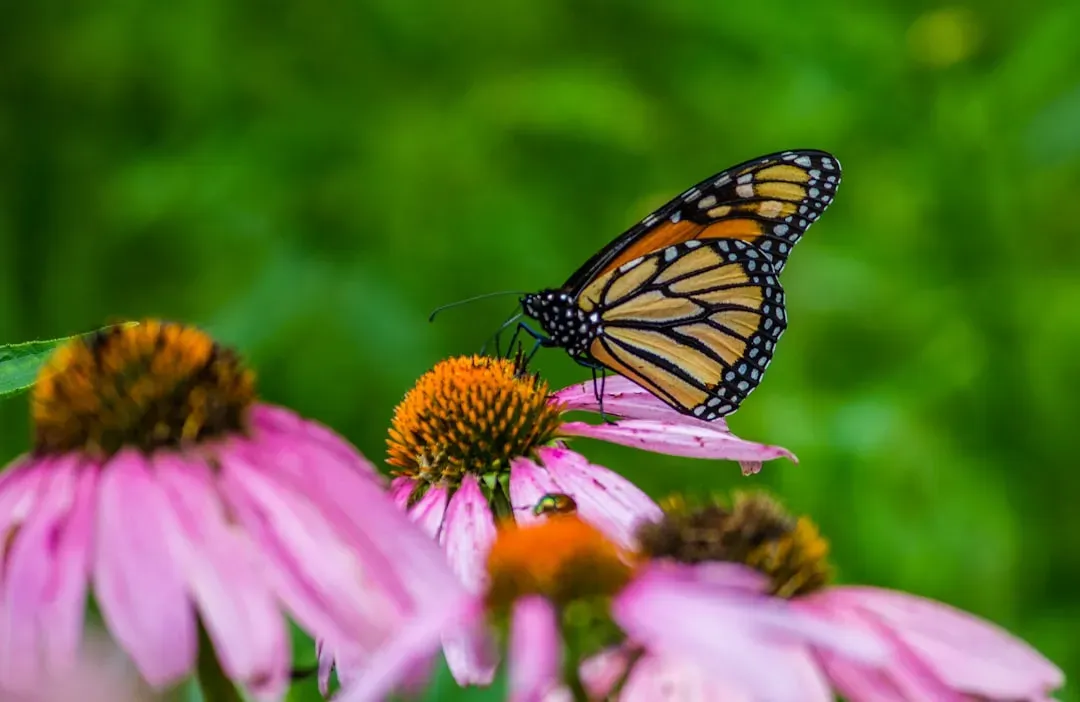
Native to prairies, fields, and open woodlands of North America, coneflower attracts a variety of butterfly species, including monarchs and different types of swallowtails, skippers, fritillaries, and admirals. Few flowers carry as wide a guest list as this one.
Purple coneflower is truly one of the hardest-working, most rewarding plants you can add to any butterfly-friendly garden. Plant them in groups of three or more for the best visual effect and to create a stronger nectar source. That cluster effect is more than aesthetic; it genuinely makes your garden easier for passing butterflies to detect from the air.
Milkweed: Non-Negotiable for Monarchs
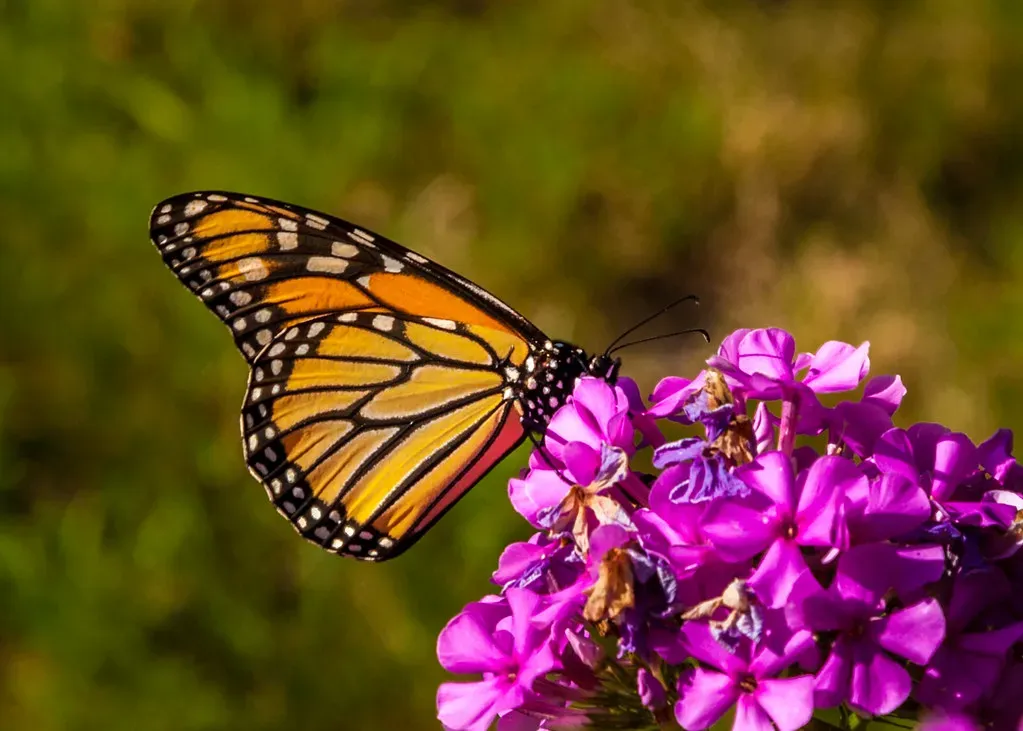
Milkweed plants are must-host plants for monarch butterflies, and five different types are especially useful: common milkweed, swamp milkweed, whorled milkweed, the prairie-native showy milkweed, and the orange-blooming butterfly milkweed. No other plant on this list plays as critical a role in butterfly reproduction.
Milkweeds produce abundant nectar that is excellent for adult butterflies, bees, and other pollinators. Milkweed is essential for monarch butterflies, which use it as a host plant, making it one of the most important butterfly garden plants you can grow. Plant it in May and you give monarchs a fighting chance.
Verbena: A Butterfly Magnet in Any Garden Format
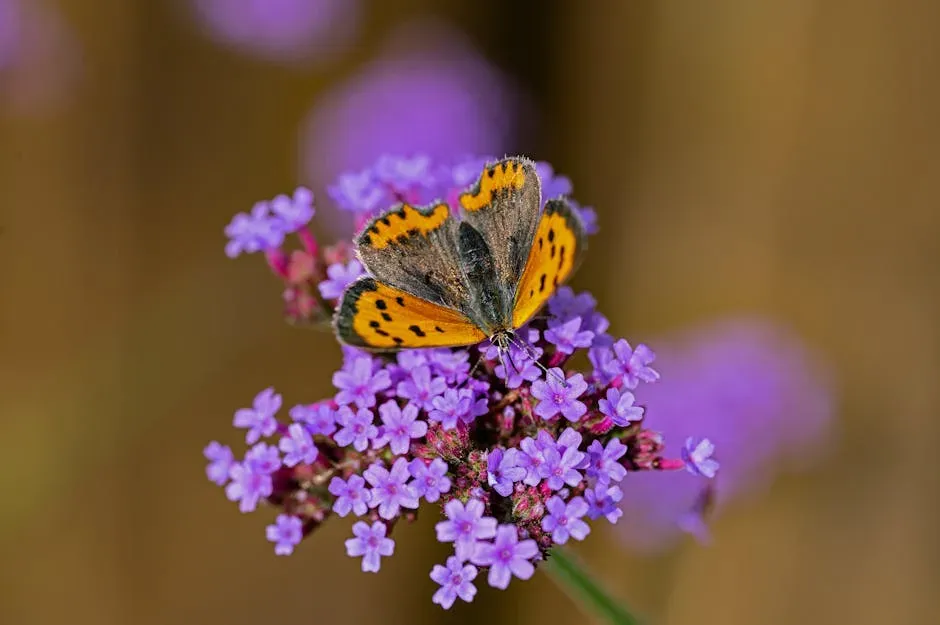
One of the best flowering plants for attracting a wide range of butterflies, shrub verbena blooms continuously during the time of year when adults are most active. Cabbage white, monarch, red admiral, skippers, and swallowtails are just a few of the many different butterflies that will feed on its flowers.
Verbena is a butterfly magnet for borders, hanging baskets, and containers, with light airy blooms that flower until frost. Flat-topped flowers such as verbena provide a safe place for butterflies to perch while feeding, which makes it easier for multiple species to land, rest, and stay longer in your garden.
Salvia: Spikes That Speak Every Butterfly’s Language
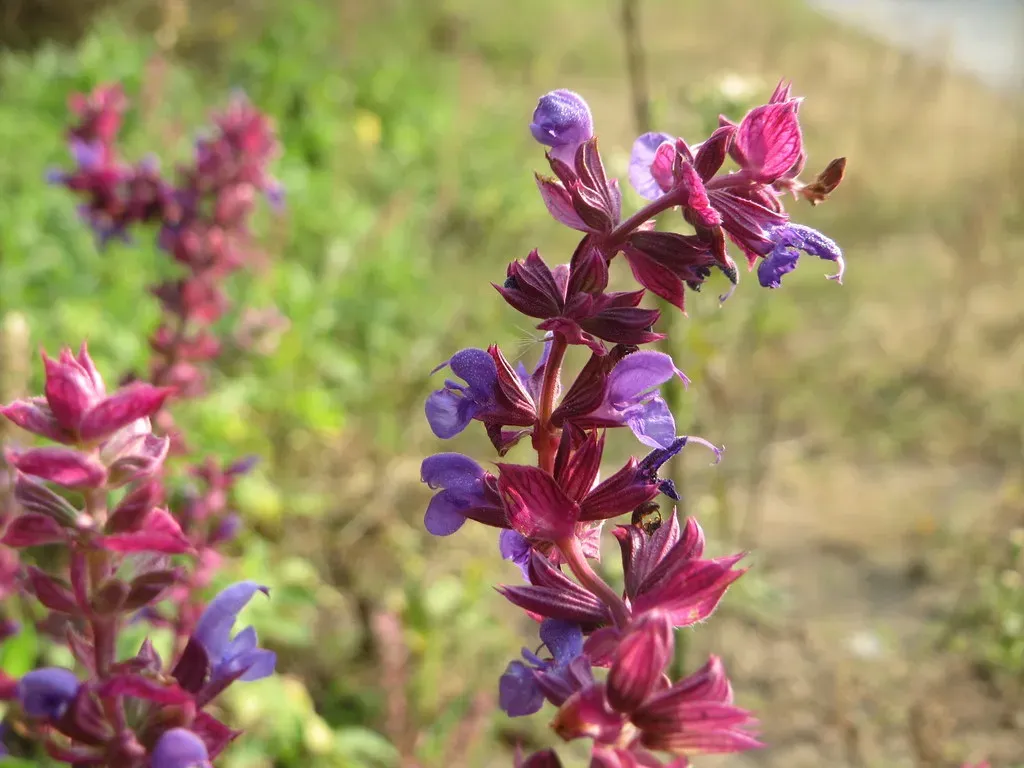
This mint relative with scented foliage is long-lived, reliable, and drought-tolerant, and its spiky or tubular flowers appeal to many butterfly species, including American lady, cabbage white, and different types of skippers, swallowtails, and sulfurs. The tubular structure of salvia blooms is particularly well suited to the long proboscis butterflies use to drink nectar.
Blue salvia forms tall, willowy wands of soft blue or white flowers that attract a wide range of different butterfly species, and it never seems to slow down, showing off its color right up until hard frost. For May planting, it starts producing almost immediately after being set into the ground.
Lantana: The Heat-Tough Crowd-Pleaser
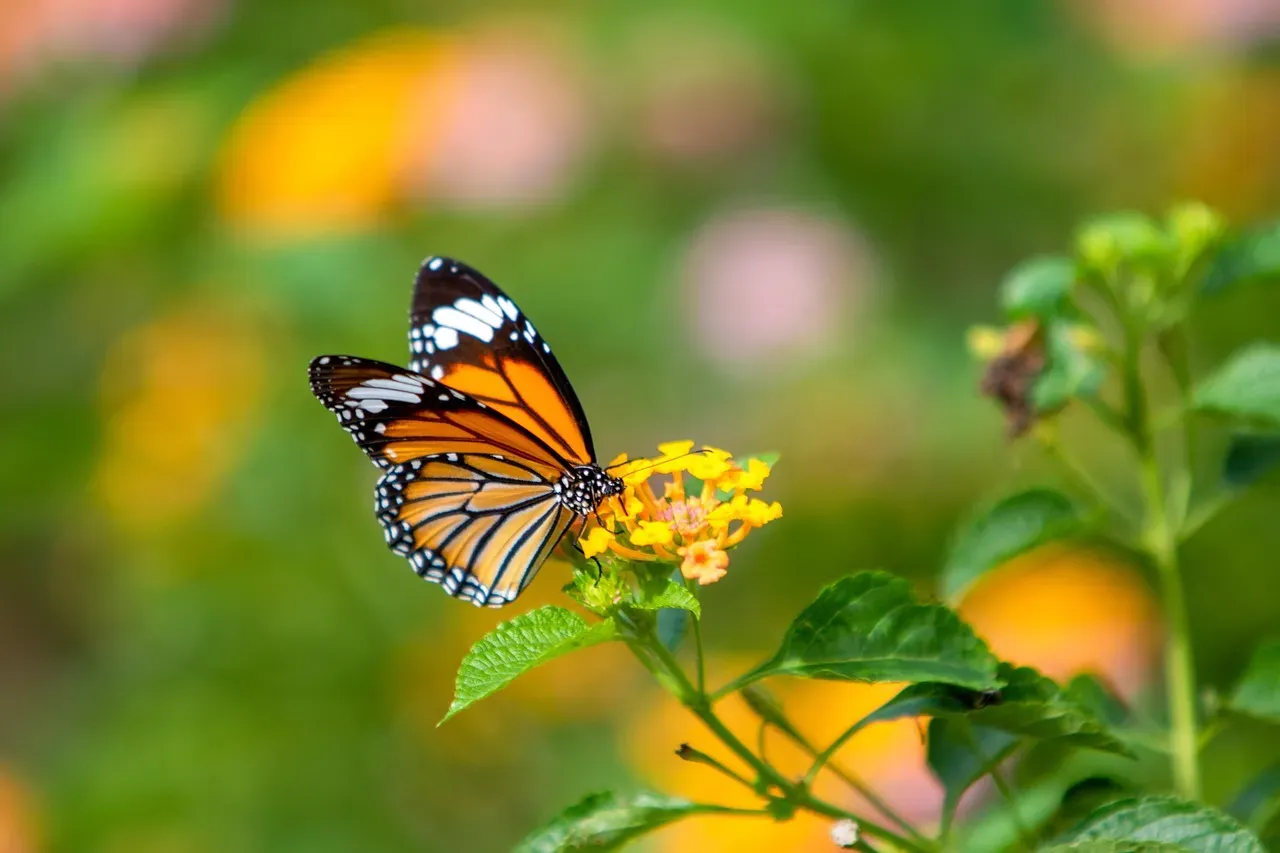
Walk past a lantana in full bloom and you will almost always spot a butterfly nearby. This tough, sun-loving plant produces dense clusters of tiny flowers in bold shades of orange, yellow, red, and pink, often all on the same plant at the same time. That multicolor effect is rare in a single plant and genuinely hard for butterflies to ignore.
Because lantana blooms right through the fall, it’s a top pick for butterflies such as monarchs and Gulf Fritillary that migrate in autumn. Start it in May and you’ll carry momentum all the way through the season. It attracts butterflies and tolerates heat well, making it reliable even in dry spells when other plants struggle.
Yarrow: The Natural Landing Pad
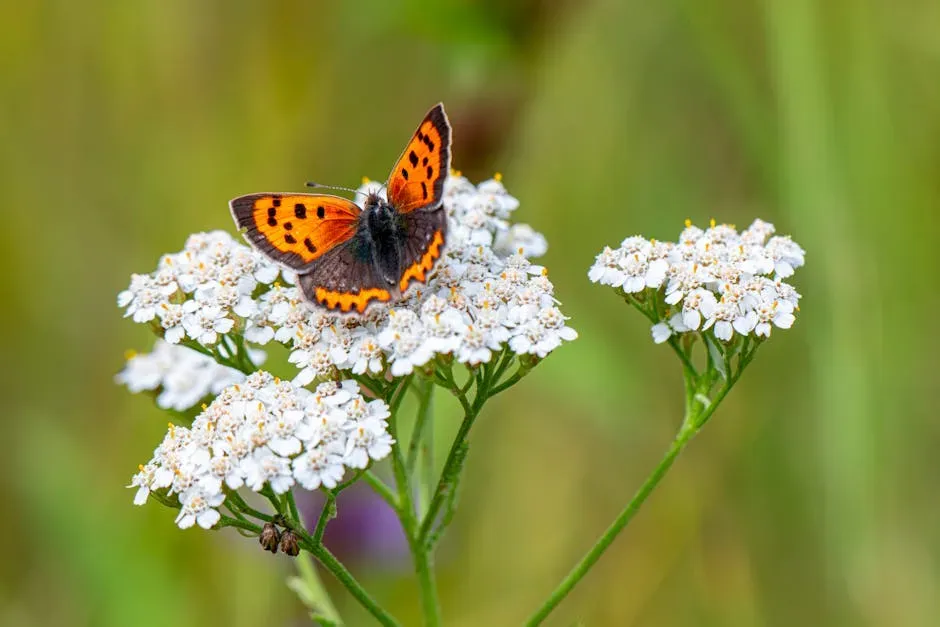
Yarrow has been growing wild in meadows and roadsides for centuries, and butterflies have always known where to find it. Its broad, flat-topped flower clusters act like a natural landing platform, making it easy for butterflies to walk around and feed from dozens of tiny blooms at once. That design is one of the reasons so many species are drawn to it.
This hardy perennial blooms from late spring through midsummer and often reblooms if you cut it back after the first flush of flowers fades. It thrives in full sun and well-drained or even dry soil, handling tough conditions in all kinds of locations without much complaint. That resilience alone makes it worth a spot in your May garden.
Phlox: Fragrant Clusters That Linger
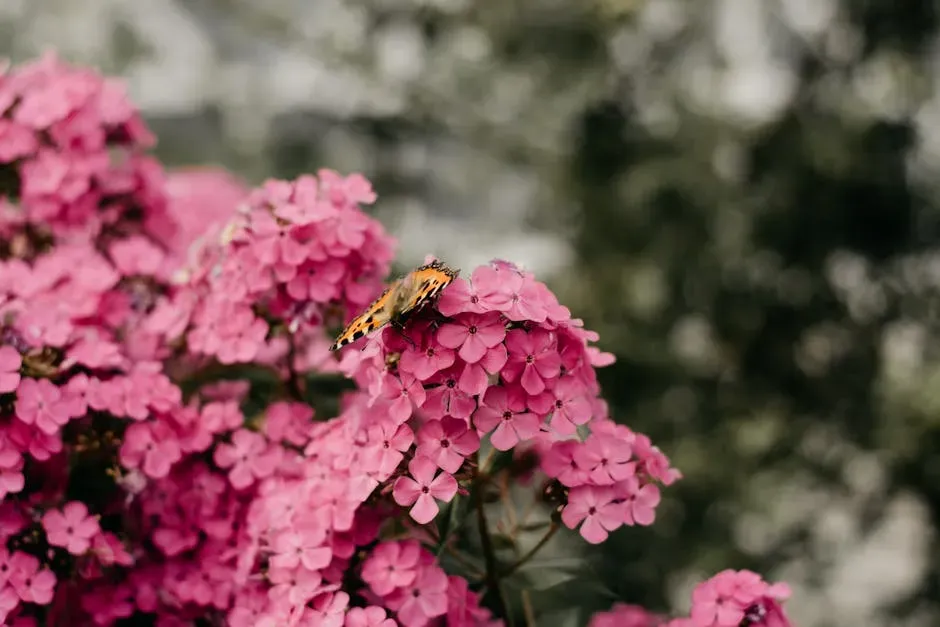
Phlox provides a reliable source of nectar through its clusters of long-blooming star-shaped flowers, which appeal to many butterflies including swallowtails, silvery checkerspot, and clouded sulfur. The sweet fragrance carries well, which helps draw butterflies in before they even spot the blooms visually.
Phlox is a low-growing, spreading plant that forms a blanket of blooms all summer, and perennial varieties are great for year-round groundcover. Most garden phlox will grow in USDA hardiness zones 4 to 8. Planted in May, it builds steadily into a carpet that butterflies return to day after day.
Black-Eyed Susan: The Wildflower That Rarely Disappoints
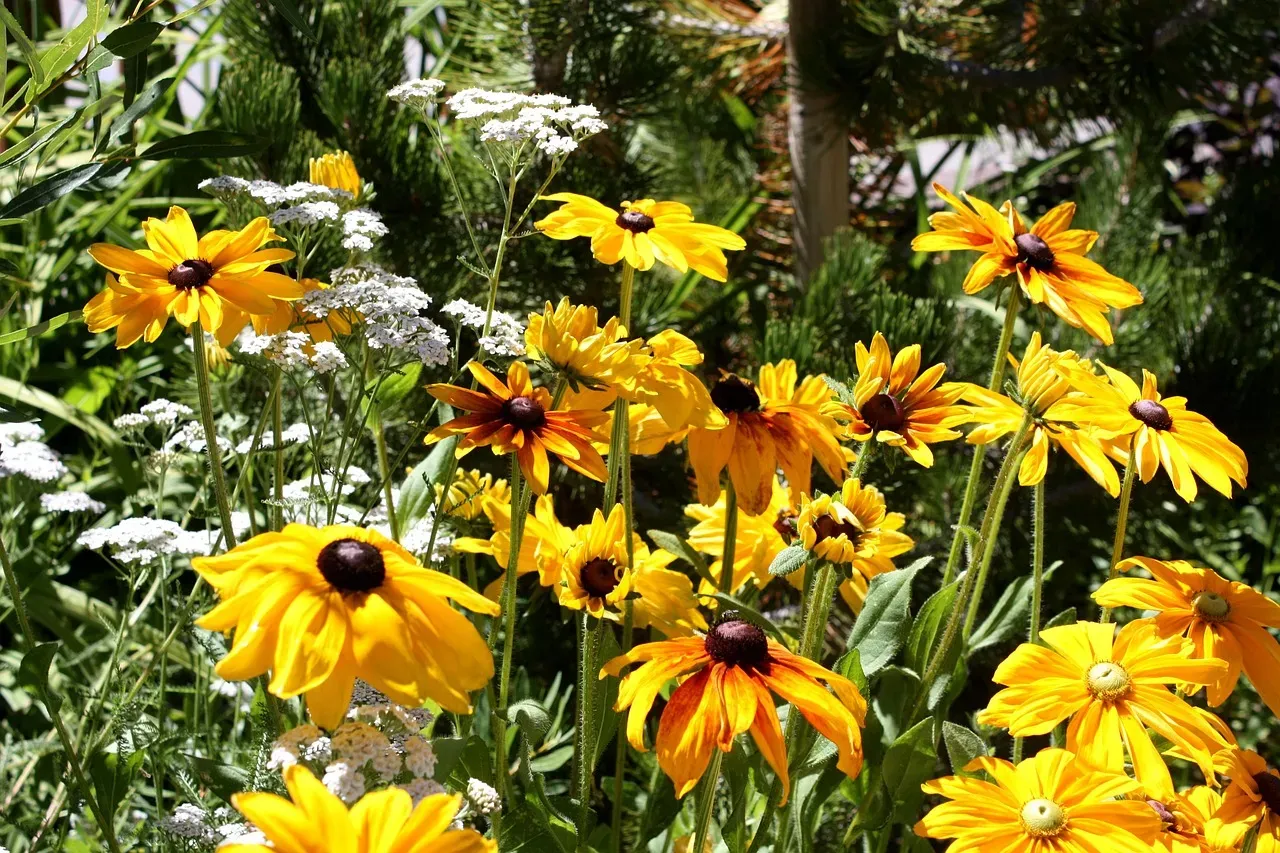
Native to open woodlands, prairies, meadows, and roadsides, this common wildflower has daisy-like flowers that appeal to many butterflies, including great spangled fritillary, pearl crescent, silvery checkerspot, and spring azure. The fact that so many different species respond to it makes it one of the more versatile choices for a mixed planting.
This beloved native wildflower is easy to grow in sunny spots and will re-seed itself readily. The bright yellow blooms with dark-brown centers are instantly recognizable, and many varieties have been created and are available, including those with orange petals and bi-color blooms. It’s one of those low-effort plants that delivers a lot in return.
Bee Balm: Tubular Nectar, Immediate Results
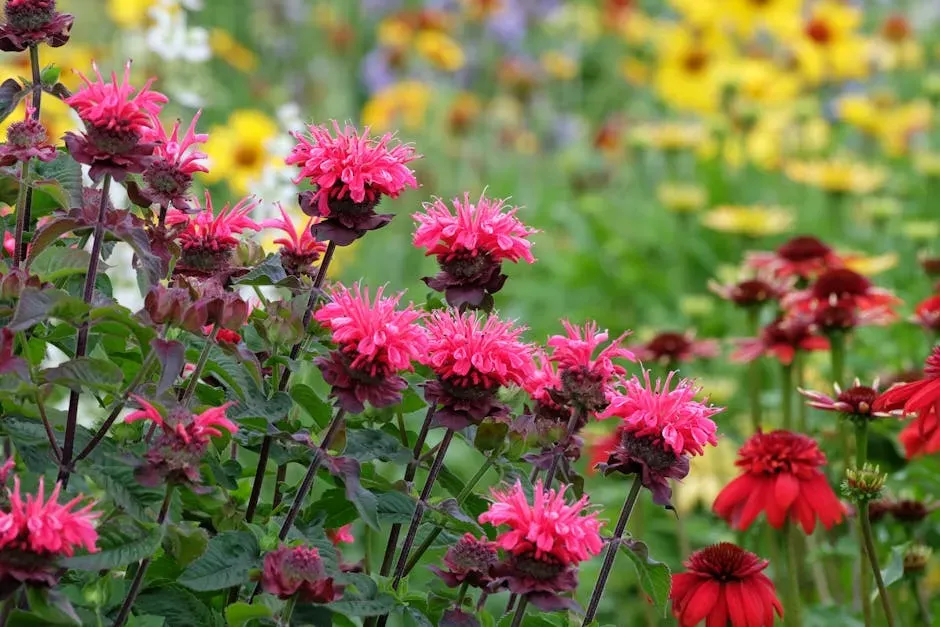
Tubular nectar-rich bee balm flowers are a food source for a wide range of pollinating insects and butterflies, including checkered white, silver-spotted skipper, swallowtails, and fritillaries. A reliable long-lived perennial, bee balm grows in most regions and is virtually care-free.
Bee balm attracts butterflies, bees, and hummingbirds, and its bright shaggy blooms add cottage garden charm. It spreads gradually over time, which actually works in your favor: a wider clump means more blooms, more nectar, and more butterflies arriving in May and staying through summer.
Blazing Star: The Vertical Statement That Stops Wings Mid-Flight
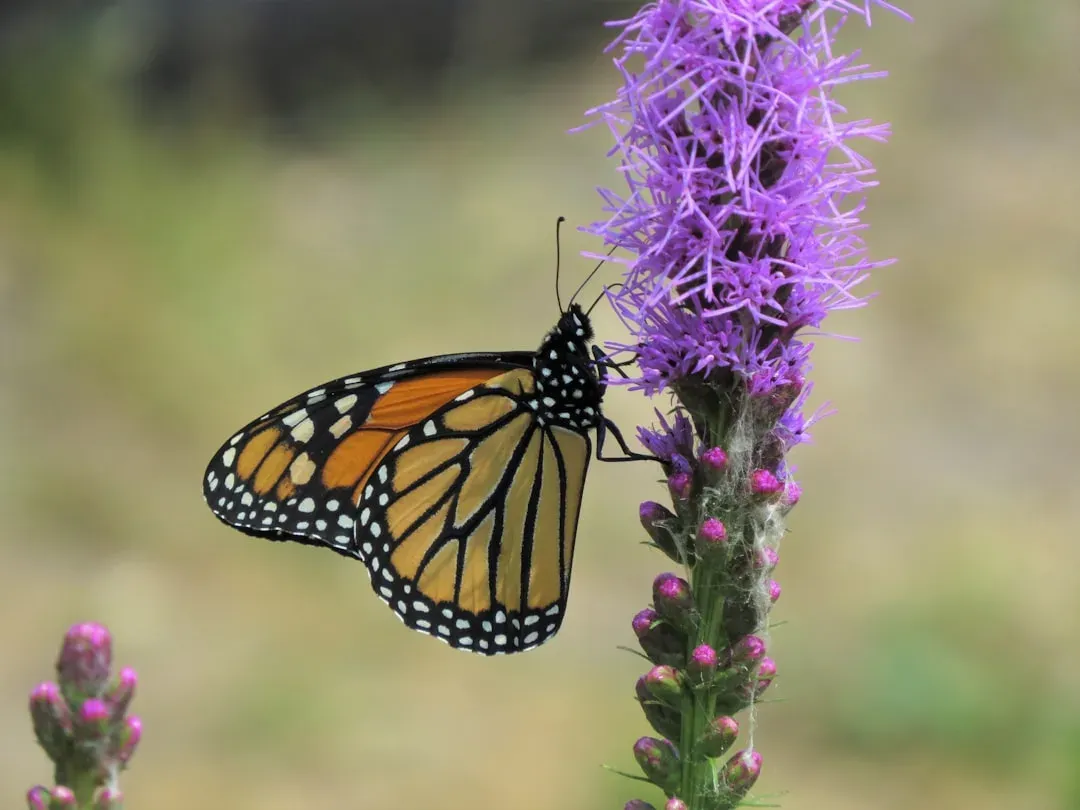
Also called gayfeather, blazing star is a sturdy North American prairie native that produces spiky flowers throughout summer, attracting buckeyes, monarchs, swallowtails, and many other butterflies. Its tall purple spires are visually distinctive in a garden bed, and butterflies respond to that height from considerable distance.
The tall spikes of purple flowers of the blazing star serve as an eye-catching attraction for butterflies. This plant prefers sunny spots and well-drained soil, offering a striking vertical element to the garden while providing nectar for visiting butterflies. Pair it with lower-growing plants like verbena or yarrow and you create a layered garden that serves multiple butterfly species at once.
Conclusion: A May Garden Worth Flying To
In recent years, butterfly population numbers have declined as habitat shrinks due to industrial farming and development. Gardeners can help support butterflies and other pollinators by adding natives and other wildlife-friendly plants to their yards. The 12 flowers in this list are a practical, well-grounded starting point for doing exactly that.
Flowers of similar colors grouped together are more attractive to both butterflies and people. Selecting a variety of nectar-producing plants to provide flowers in bloom throughout the season will entice a continuous succession of new visitors to your yard. You don’t need an elaborate landscape to make a difference. A few well-chosen plants placed in a sunny spot is genuinely enough to shift what shows up in your garden each May.
The quiet truth about butterfly gardening is that you’re not just decorating a space. You’re building a small but functioning piece of habitat, one bloom at a time. That’s a thing worth doing.
