
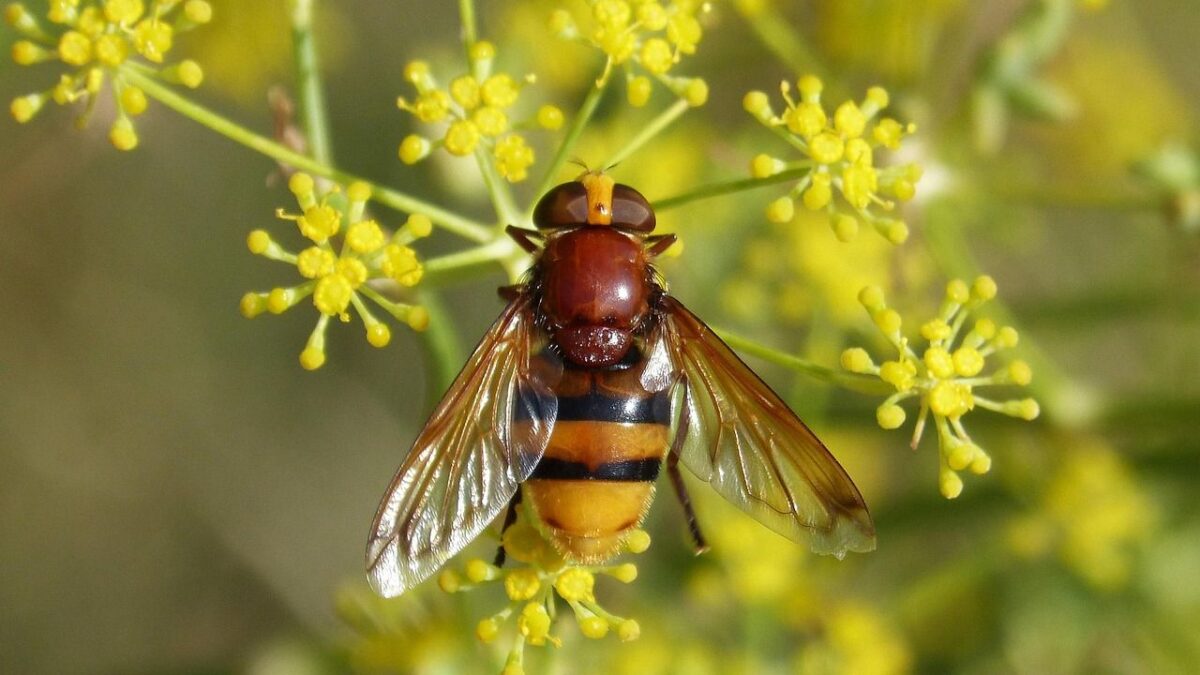
Most gardeners plant marigolds and petunias and then wonder why the bees never seem particularly impressed. There’s a reasonable explanation for that, and it starts with understanding what honeybees are actually after. They’re not looking for the showiest blooms in the garden. They’re foraging for reliable, high-quality nectar and pollen, and many common bedding plants simply don’t deliver.
In general, herbs and garden perennials are far better for bees, while most annual bedding plants are less attractive to them. Many of those popular annual flowers have been bred for showy appearance or vigorous growth and simply don’t produce enough pollen and nectar to serve as good food plants for bees or butterflies. The fragrant herbs below change the entire dynamic of a garden. They’re generous with nectar, accessible in flower structure, and many of them stay productive from late spring right through early fall.
Lavender: The Undisputed Pollinator Magnet
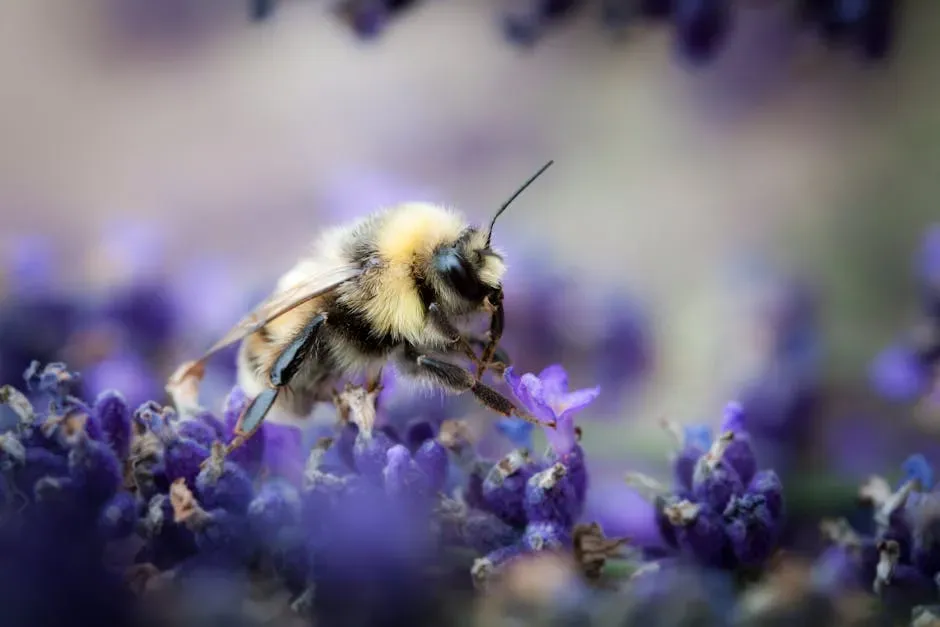
Lavender is a garden superstar, adored by bees, butterflies, and even hummingbirds. Its fragrant purple flowers don’t just add aesthetic appeal; they’re also a source of high-energy nectar.
Lavender blooms for an extended period, providing a consistent food supply for pollinators, including honeybees throughout the season. That long bloom window is part of what makes it so valuable.
There are four major varieties of lavender attractive to bees and many hybrids, so it’s worth choosing a variety that fits your specific growing climate. Planting a couple of different cultivars can extend the flowering period by several weeks and keep the bees coming back longer.
Oregano: A Surprising Bee Powerhouse
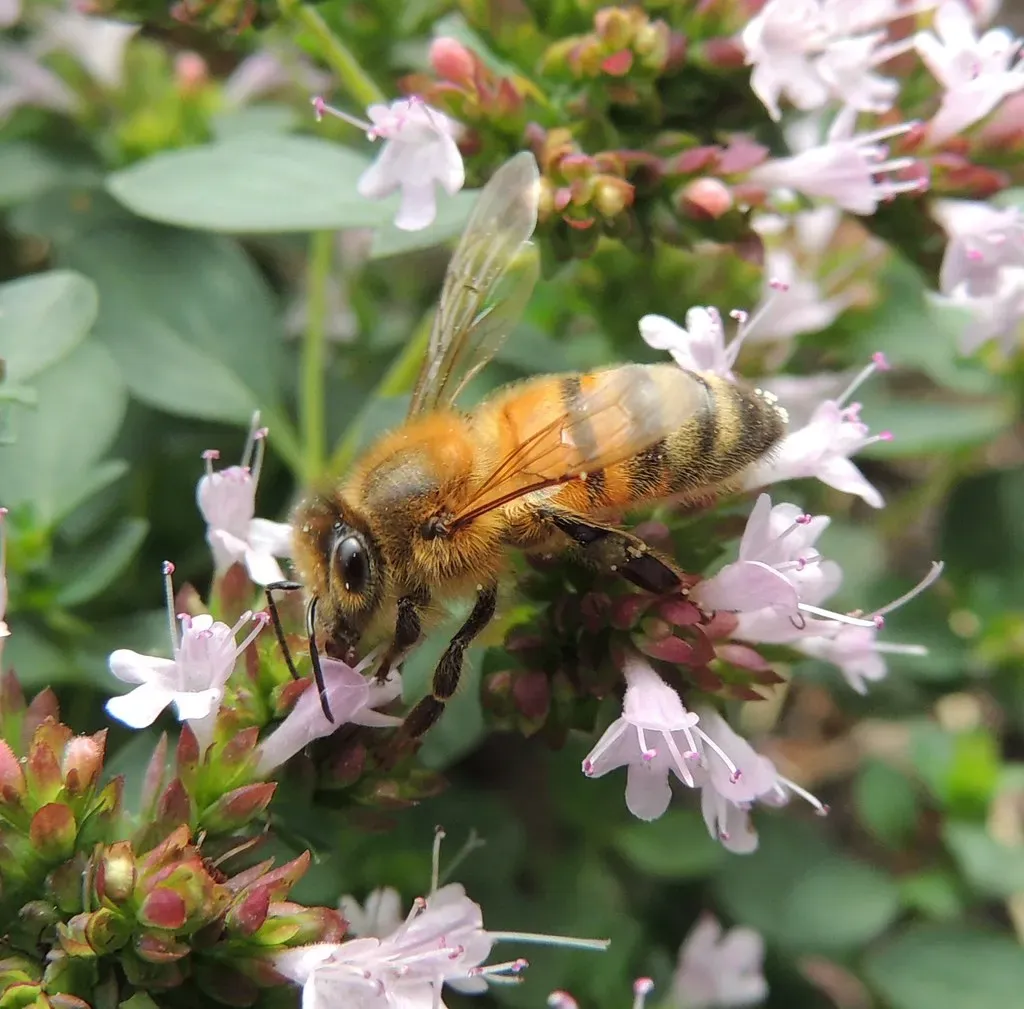
Oregano is an aromatic, perennial herb that, when flowering, is a real magnet for honeybees. Originating from the Mediterranean, this beautiful plant thrives best in a sunny spot with well-draining soil.
Fragrant, culinary oregano and marjoram are loved by all kinds of bees, including bumblebees, honeybees, and a range of solitary bees. In one study, as many as 21 different bee species were observed visiting oregano shrubs within a given period, making it one of the most broadly attractive herbs for pollinators.
Oregano produces clusters of small, pinkish-purple flowers that are highly attractive to bees and butterflies, and it’s also a hardy, low-maintenance plant. Few herbs offer that combination of culinary value and ecological generosity so reliably.
Thyme: Small Flowers, Big Bee Traffic
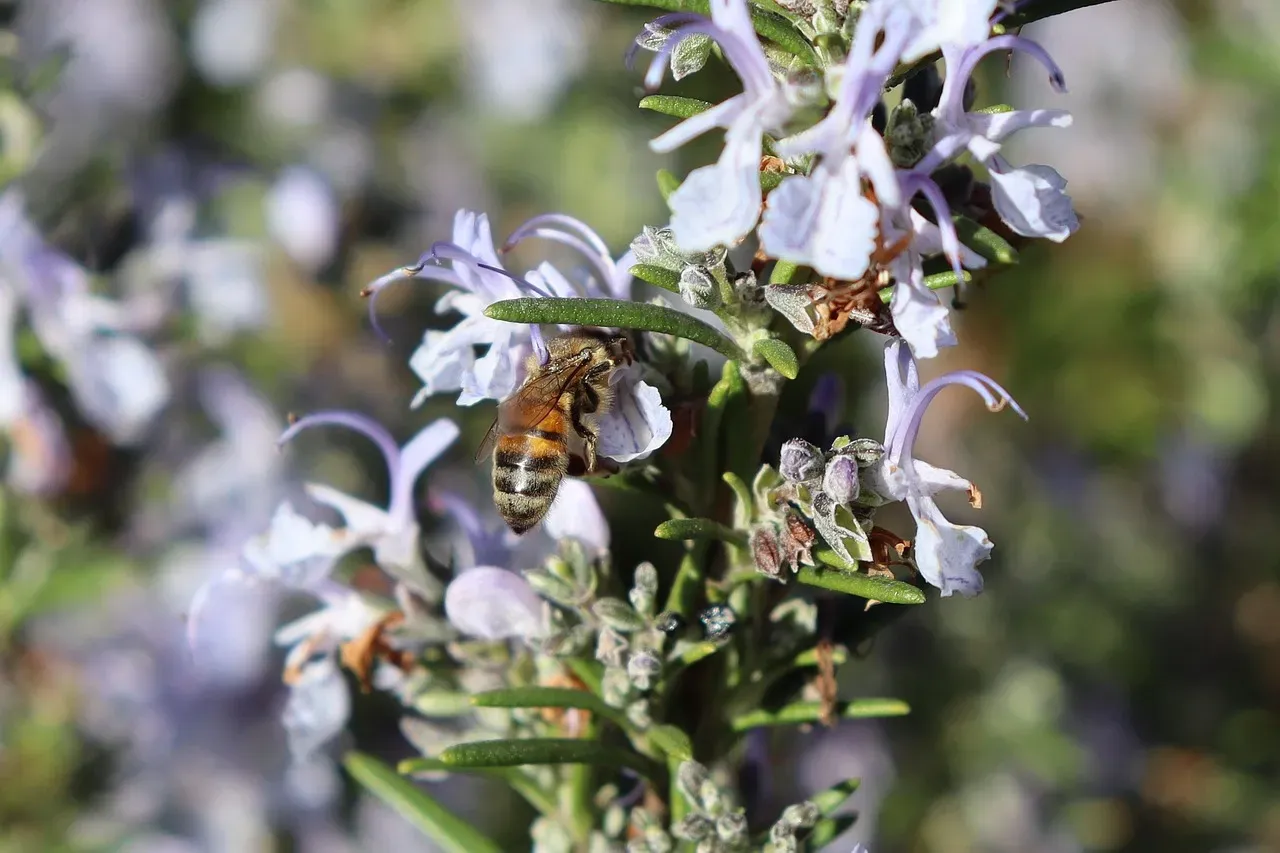
Thyme is a low-growing herb that produces clusters of tiny, nectar-rich flowers. It’s particularly attractive to honeybees and mason bees.
You can grow a herb “carpet” by planting thyme in paving cracks and enjoy the aroma when you walk on it, and it works just as well in a pot. It’s fantastic for honeybees, bumblebees, mason bees, and leafcutter bees.
Research suggests that thyme not only provides nectar and pollen for bees but may also help maintain bee health by providing natural protection against bacteria and diseases. Other pollinators such as butterflies are drawn to thyme as well. That medicinal dimension makes it one of the most quietly remarkable herbs in the garden.
Borage: The Rapid-Fire Refueling Station
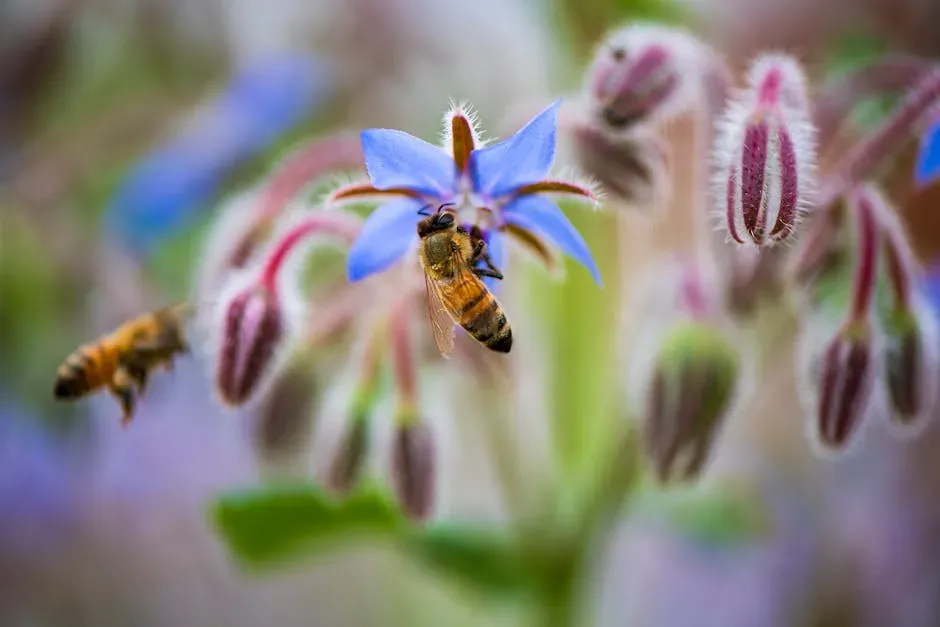
Borage is known for its star-shaped blue flowers, which are a favorite among bees. It’s a prolific bloomer, producing flowers continuously throughout the growing season.
Bees love borage, also known as “starflower.” Its shallow, bright blue blooms attract bees with short tongues, like the buff-tailed bumblebee. That accessibility matters more than most people realize. Flowers with deep tubes exclude short-tongued species entirely.
Look for the annual Borago officinalis, which self-seeds so you shouldn’t need to buy plants every year. Once established, borage essentially tends to itself, reappearing each season without any effort on your part.
Lemon Balm: The Understated Bee Favorite
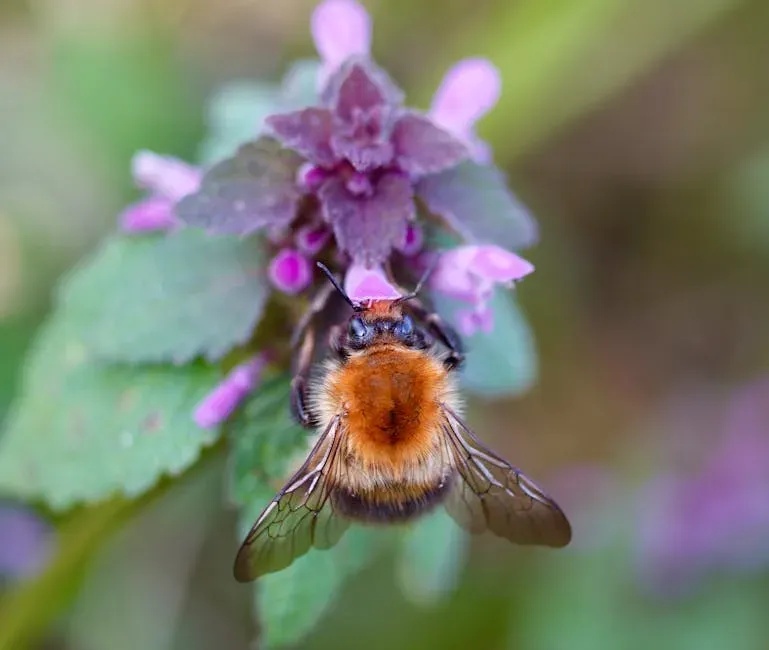
Lemon balm is an essential bee attractor and very easy to grow in a bee-friendly garden. Its small white flowers are a treat for honeybees, bumblebees, and Common Carder Bumblebees and bloom during the summer.
The scent of lemon balm has been shown to repel mosquitoes and other unwanted bugs, but when it flowers, it brings in bees, butterflies, and other beneficial insects. If you’re planting lemon balm, make sure to give it plenty of space because it likes to spread.
As an early bloomer, lemon balm kicks off the pollinator season in early spring, making it one of the first reliable food sources available to bees emerging from winter. That early timing alone earns it a place in any serious pollinator garden.
Sage: A Drought-Tough Bee Draw
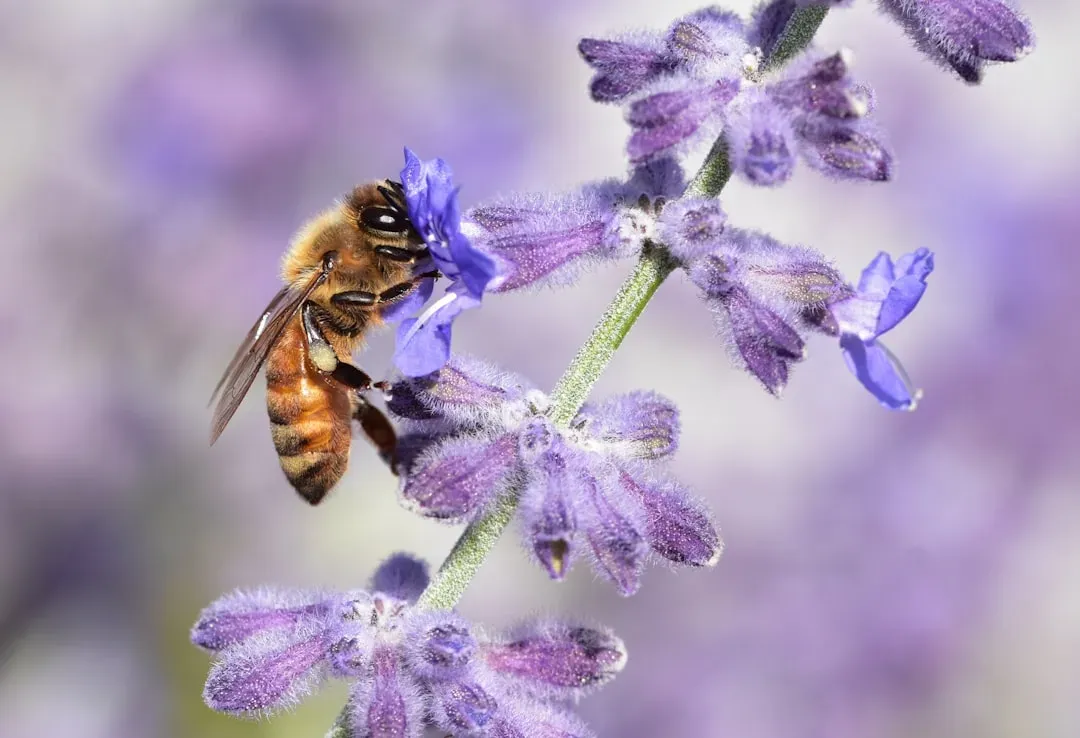
Sage produces spikes of purple or blue flowers that attract bees, butterflies, and hummingbirds. It’s a drought-tolerant herb that thrives in full sun.
Sage is a fantastic culinary herb with fragrant leaves and has many close relatives that are wonderful ornamental plants. Letting the stems flower provides valuable pollinator food, and then cutting off the spent flower heads tidies the plant while encouraging new shoots and leaves.
Many types of sage will perform very well in containers, making them a good choice for a backyard patio. The lovely purple flowers will attract many types of bees and butterflies. For gardeners working with limited ground space, this container versatility is a genuine bonus.
Anise Hyssop: The Pollinator Crowd-Pleaser
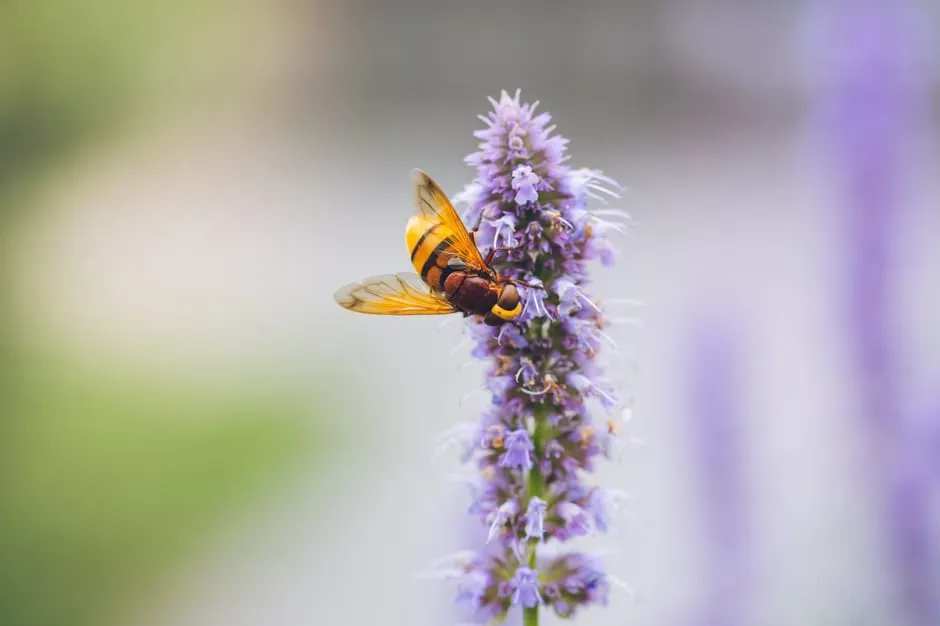
Anise hyssop is a wonderful, aromatic bee plant and herb, and the leaves are sometimes used to make a tea or eaten in salads. It’s one of those herbs that tends to surprise gardeners the first time they see a truly established clump in full bloom.
Anise hyssop is in the Lamiaceae, or mint, family and a real pollinator favorite. It’s super easy to grow and produces tons of blue to purple blooms that are beloved by bees and butterflies.
As a late bloomer, anise hyssop ensures that pollinators have sustenance well into early fall, bridging a gap that many gardens leave open. That late-season reliability is harder to come by than most people expect.
Marjoram: A Pollinator Hotspot in Summer
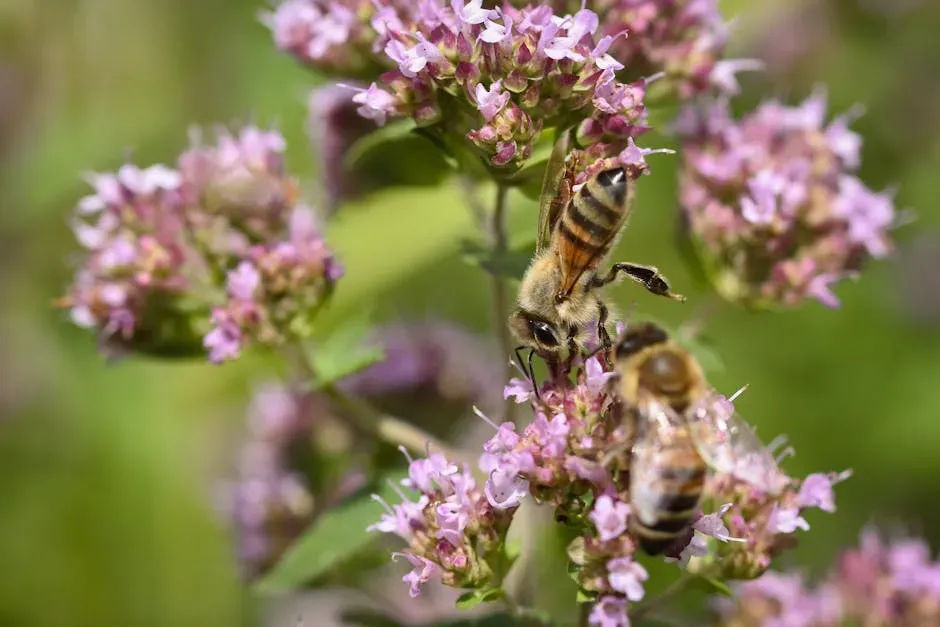
Origanum vulgare, or marjoram, is a pollinator hotspot loved by butterflies, bees, and lone bees, with a flowering period running from July through September.
Marjoram is popular with a number of pollinating bee species such as honeybees, bumblebees, furrow bees, and leafcutter bees. They produce pinkish-white flowers during the summer and early fall which contain sweet nectar that bees love.
Sweet marjoram is a member of the oregano family, very strongly scented and beautiful in the sunny garden, with fuzzy gray-green foliage and small flowers that honeybees visit on a daily basis. That daily return visit pattern speaks to just how consistently rewarding it is as a nectar source.
Rosemary: Year-Round Interest With a Bee Bonus
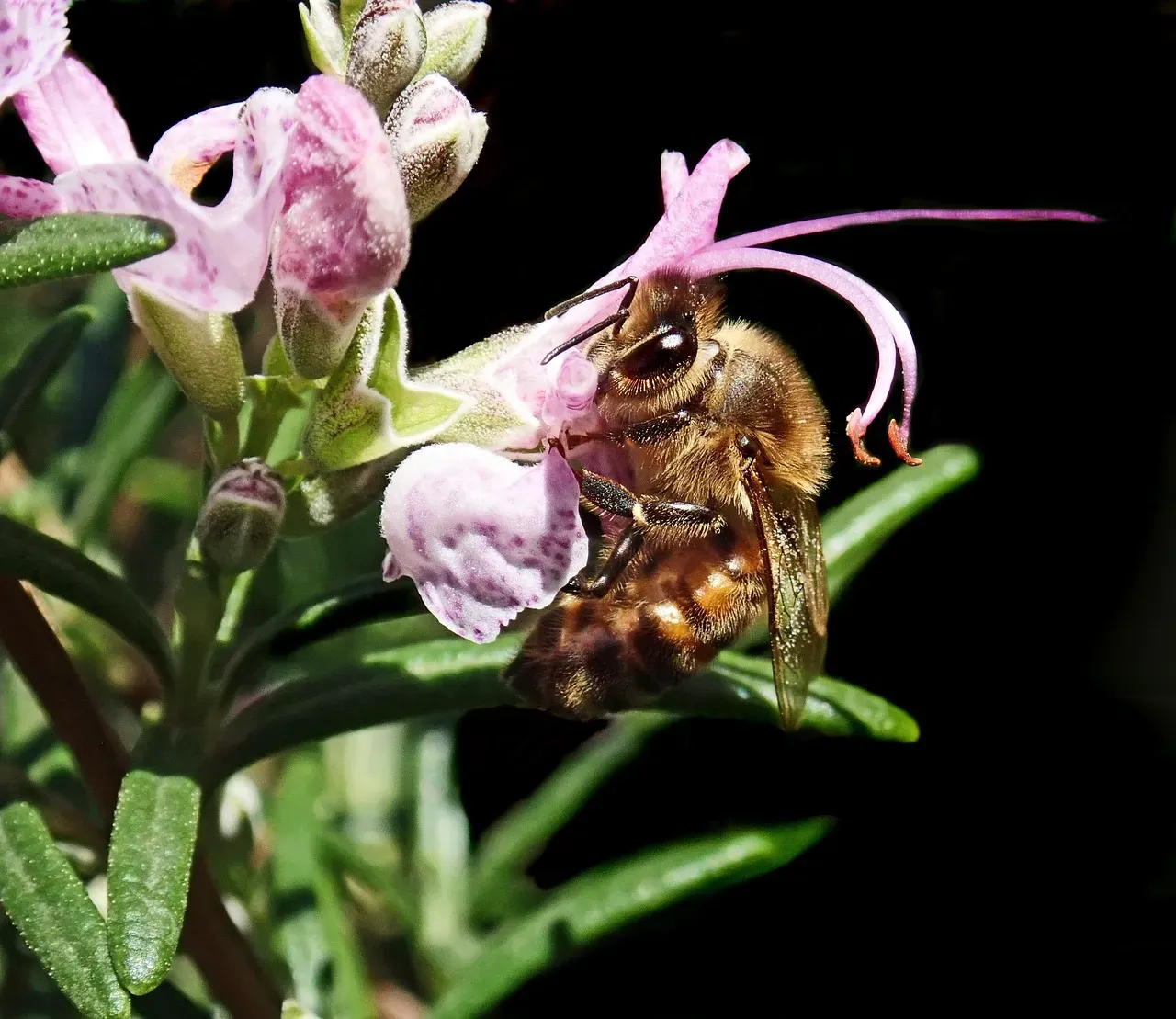
Rosemary is a fragrant herb that produces small, blue flowers that are loved by bees. It’s evergreen in many climates, providing year-round interest and nectar.
Rosemary’s flared blue-purple flowers attract mason bees, flower bees, bumblebees, and honeybees throughout the flowering season. The density of bloom on a well-established rosemary shrub can make it genuinely spectacular to watch.
Rosemary can enhance the flavor of savory dishes, providing both culinary and aesthetic appeal in addition to its pollinator benefits. It’s one of the few garden plants that earns its space three ways at once: in the kitchen, in the landscape, and as a bee resource.
Fennel: The Tall, Umbrella-Shaped Bee Beacon
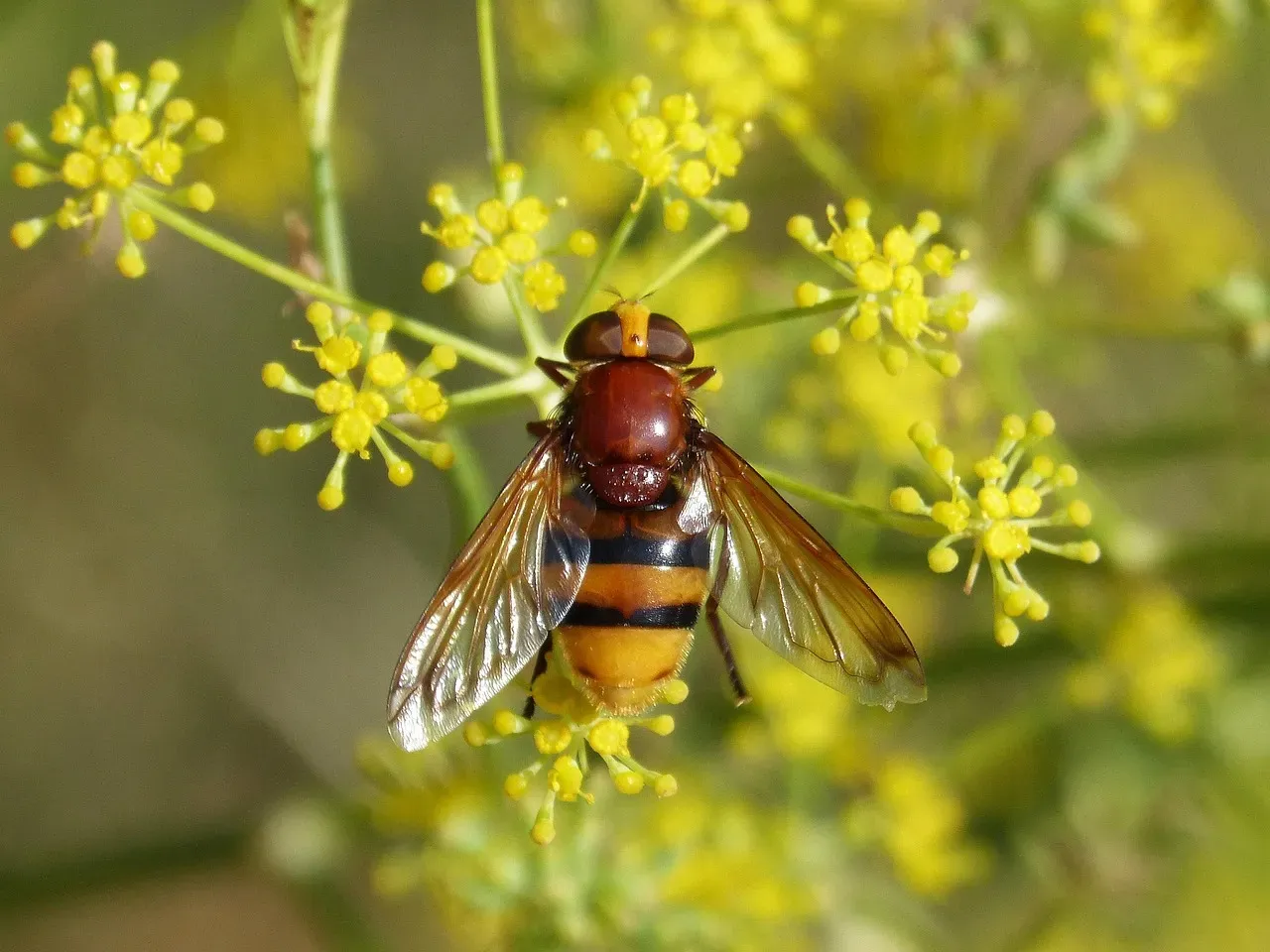
Fennel produces large, umbrella-shaped clusters of yellow flowers that attract a variety of pollinators, including bees, butterflies, and beneficial wasps. Those broad flower platforms function like open landing pads, accessible to almost any visiting insect.
Fennel adds a unique flavour similar to anise and can be used to flavour fish or coleslaw. It produces yellow flowers rich with pollen and nectar that bumblebees, honeybees, and mining bees are drawn to. The flowers bloom in mid to late summer and grow best in an area that receives full sunlight.
Fennel also grows tall, sometimes reaching head height in a warm spot, which makes it visible from a distance and allows foraging bees to spot it from farther away. That visual range adds real practical value in a mixed garden setting.
Chives: Early Color and Reliable Bee Traffic
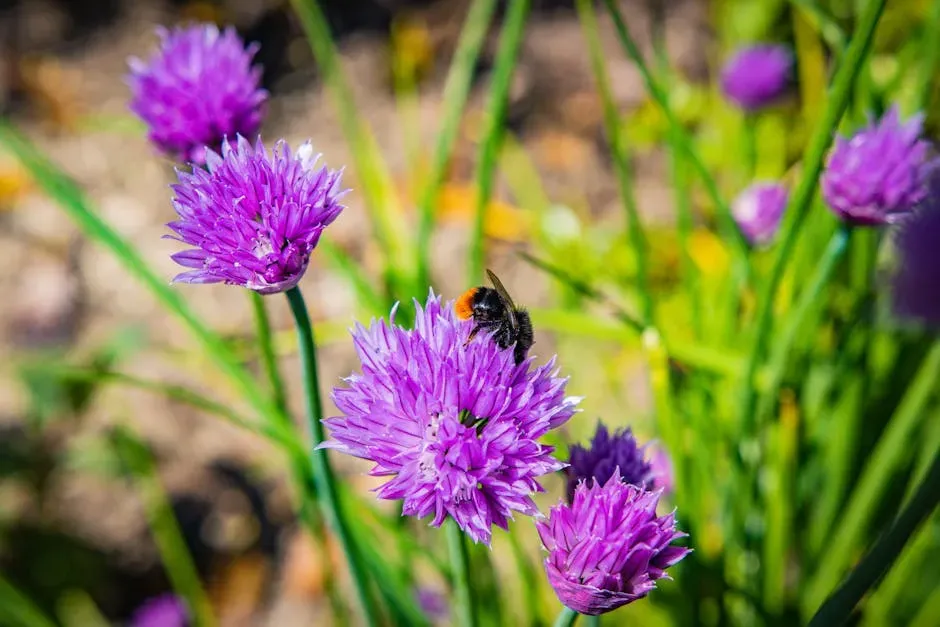
Chives produce spherical clusters of purple flowers that are highly attractive to bees. In addition to being a culinary herb, chives are easy to grow and can be used as an ornamental border.
Chives are easy to grow in pots or a window box. Snip with scissors at the base of the plants to encourage more leaves to grow. The edible purple flowers feed bumblebees, honeybees, mason bees, and leafcutter bees.
Even if you’ve just got a small pot to plant up, chives are easy to grow, come back year after year, and flower with attractive mauve clusters in early summer. You can still snip the leaves to add flavour and colour to your meals. Few herbs are this easy to work into a small space while still delivering meaningful pollinator value.
Mint: The Vigorous, Bee-Busy Spreader
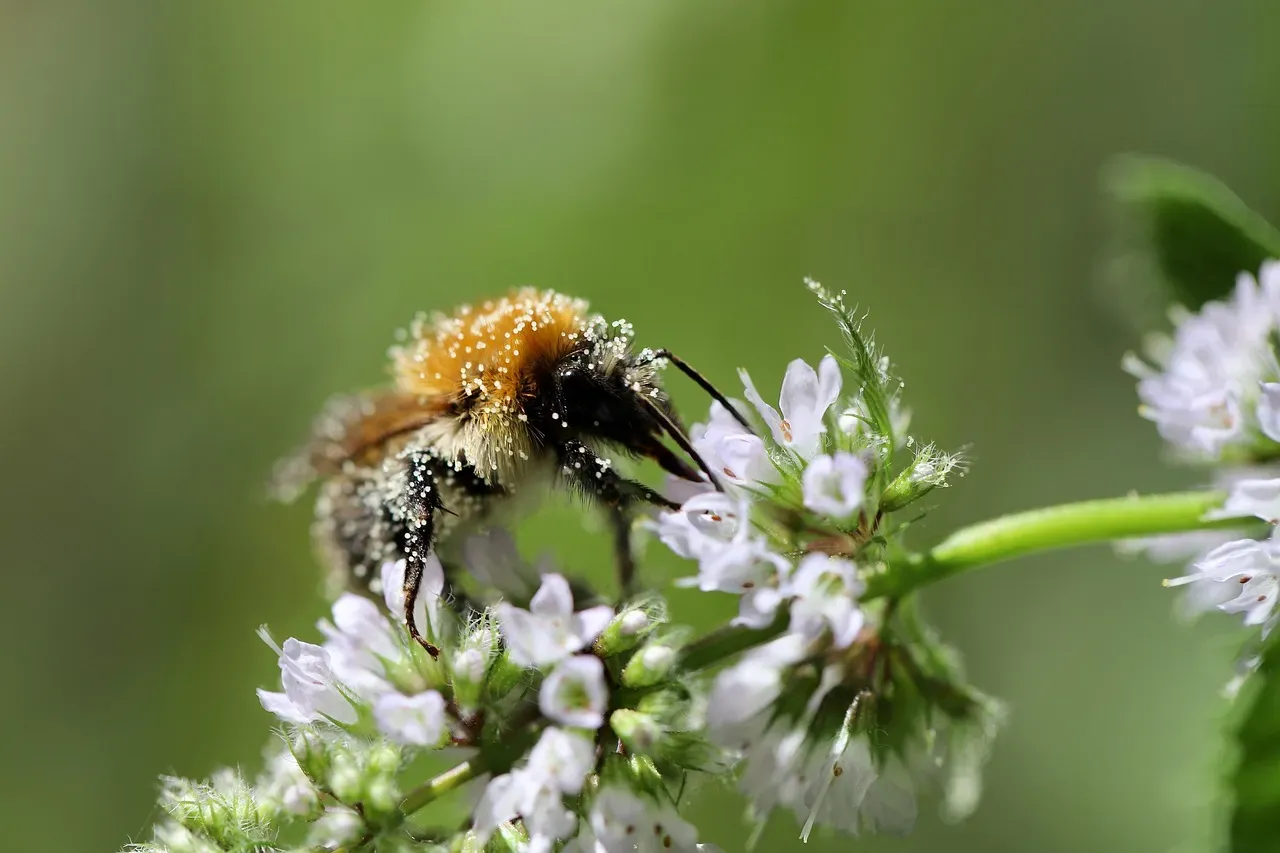
Mint is one of the most popular herbs that attract pollinators, and for good reason. With its fragrant leaves and vibrant growth habit, it has become a favorite among gardeners and wildlife enthusiasts alike.
There are numerous varieties of mint to choose from, including peppermint, spearmint, chocolate mint, and pineapple mint, each offering slightly different fragrance profiles while remaining strongly attractive to bees. The variety alone makes it worth experimenting with more than one type.
If you want to plant mint in the ground, consider it for contained areas of the garden. Once it takes hold, it will colonize areas where few other plants dare to grow. A pot is often the wiser choice for most garden situations, keeping the plant manageable while still delivering its full bee-attracting benefit.
Conclusion: A Smarter Kind of Pollinator Garden
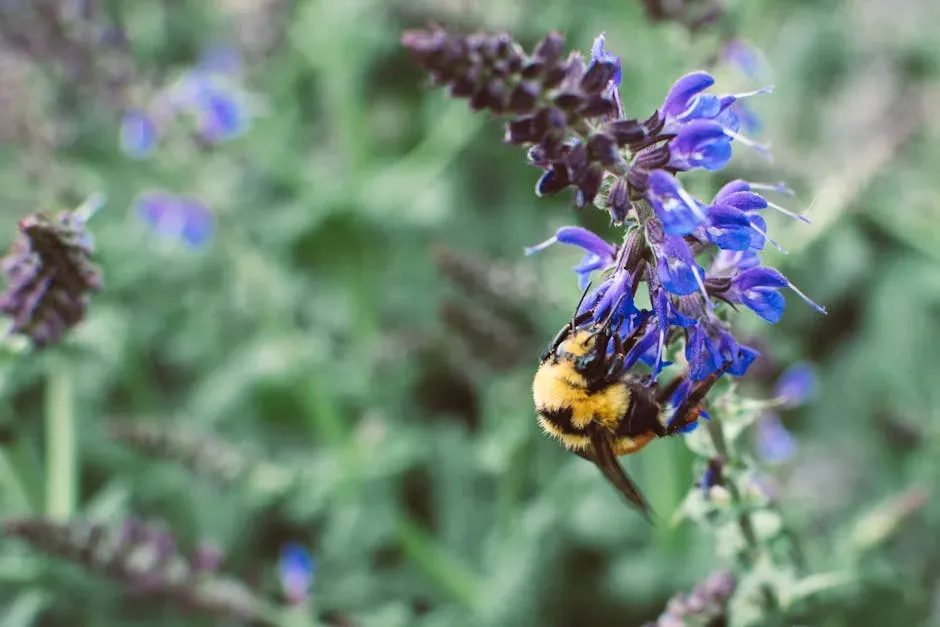
Herb gardens are an excellent resource for bees because they flower over a long period of time, and herbs grow fairly large and produce lots of flowers. That simple fact reframes what a pollinator garden can actually look like.
Allowing herbs to flower rather than harvesting them too early provides essential nectar and pollen for pollinators. Grouping the same herb species together also makes it easier for pollinators to find and feed from them. These small decisions in how you manage the garden make a meaningful difference.
Pollinators need food throughout the year. Incorporating herbs that bloom at different times creates ongoing support: early bloomers like lemon balm kick off the season in early spring, mid-season bloomers like lavender and bee balm provide support through summer, and late bloomers such as anise hyssop ensure pollinators have sustenance into early fall.
A traditional flower bed built around petunias and impatiens offers a certain kind of beauty. An herb garden in full bloom offers something more useful: a living, fragrant kitchen pantry that also happens to be one of the most productive pollinator habitats you can create in a domestic garden. The bees will notice the difference long before you do.
