
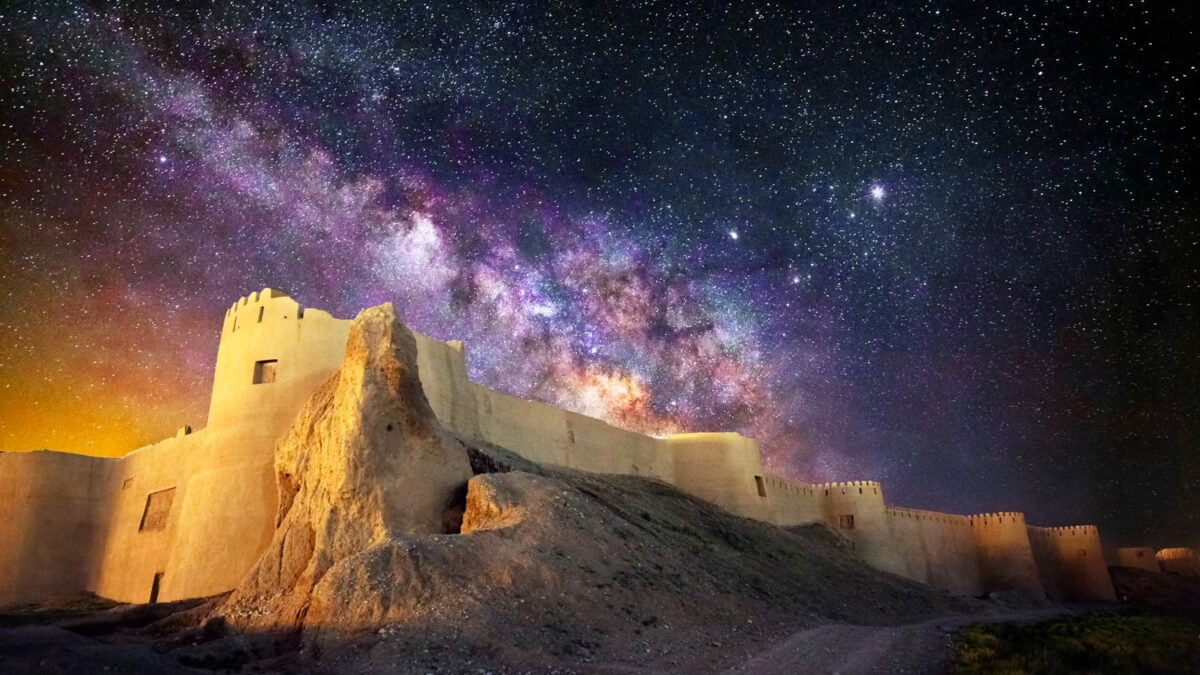
Every corner of America whispers secrets, but we’ve stopped listening. Between the throngs snapping selfies at Mount Rushmore and the tour buses clogging Independence Hall, something essential has slipped through the cracks. There’s a deeper narrative carved into this land, one that doesn’t make it onto commemorative coffee mugs or classroom posters. These stories belong to communities who built cities, fought for survival, and shaped the nation’s soul without ever seeing their faces etched in marble. The monuments that hold these truths stand quietly, often overlooked, sometimes crumbling, always waiting.
Walking past them feels different than visiting the famous landmarks. There’s no gift shop, no guided tour with rehearsed jokes. Just stone, earth, and memory demanding your attention. So let’s dive in.
The African Burial Ground National Monument, New York
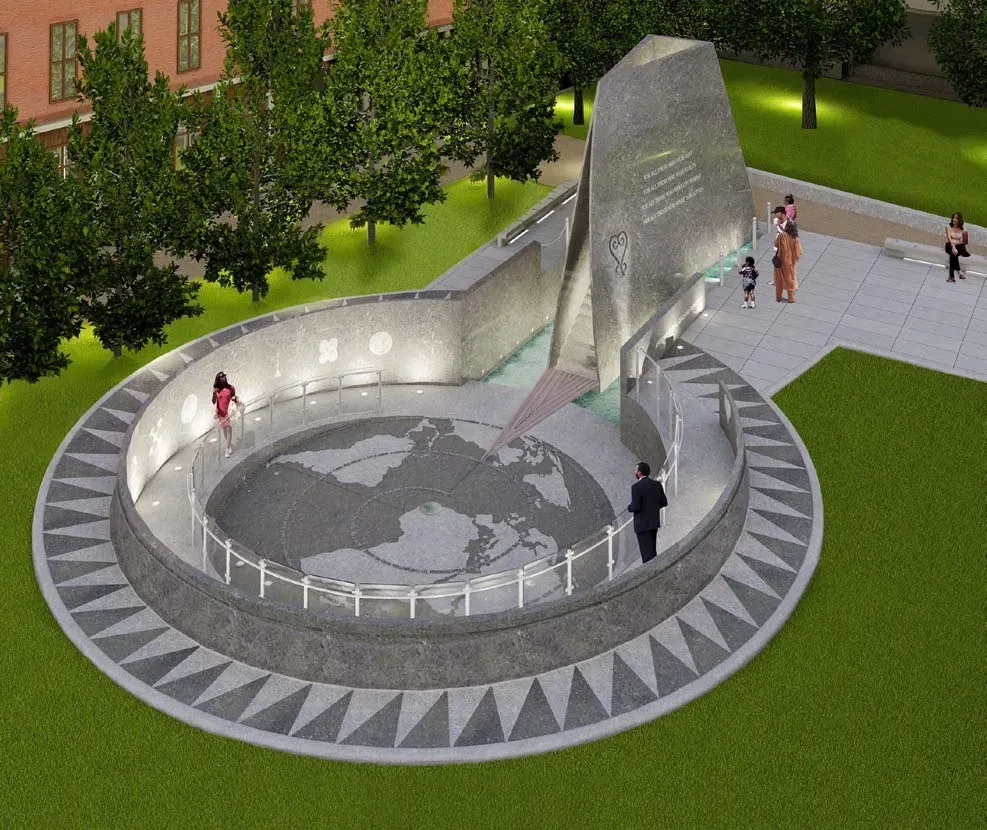
Construction workers in 1991 accidentally uncovered the remains of over 15,000 free and enslaved Africans buried during the 17th and 18th centuries beneath the towering skyscrapers of Lower Manhattan. Honestly, it’s hard to imagine that thousands of souls rested forgotten while millions walked over them daily. This sacred ground had been paved over and forgotten as the city grew.
Today, a dignified memorial marks this rediscovered cemetery where ceremonies honor the ancestors, and the site’s visitor center reveals the untold stories of early Black Americans who helped build New York while their contributions were erased from history books. The simplicity of the memorial feels deliberate, almost defiant. Here’s the thing: sometimes silence speaks louder than bronze statues. What would you discover if you dug beneath your own city streets?
Deer Medicine Rocks, Montana
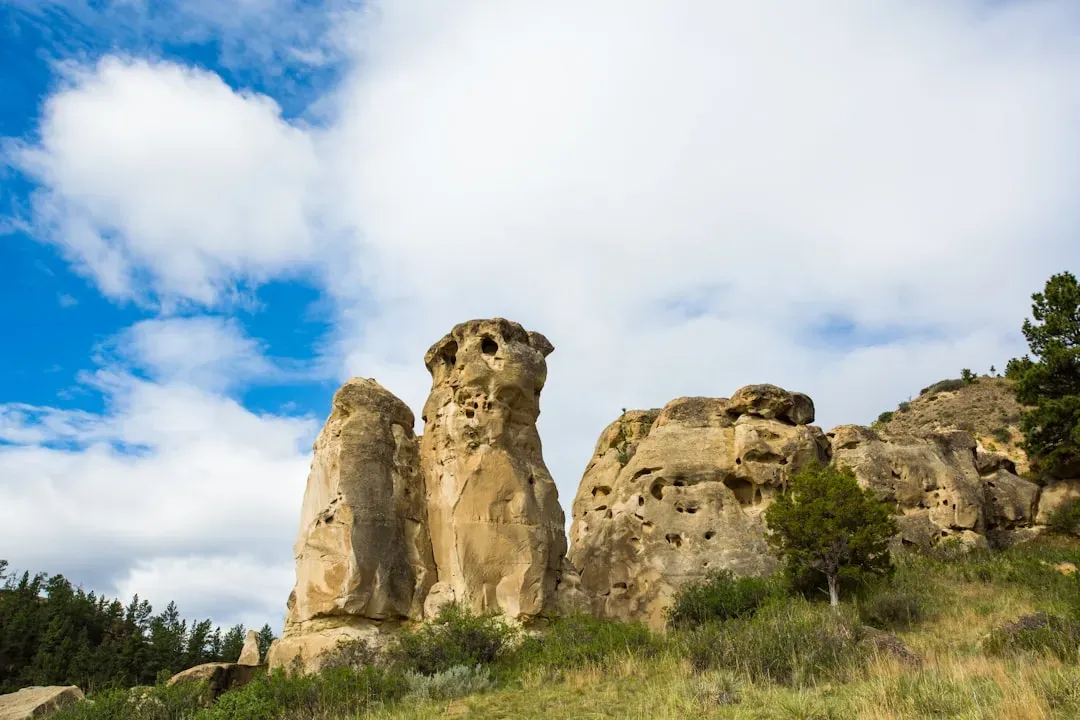
Hidden in the Montana plains stands a sandstone masterpiece etched with the visions of Native American history, earning its place as a National Historic Landmark because of Sitting Bull’s vision of soldiers falling upside down into camp, which foretold victory at the Battle of Little Bighorn, with the rock’s surface telling stories through hundreds of petroglyphs, some dating back 3,000 years. Let’s be real, this isn’t the kind of monument that makes headlines.
Still, what makes these rocks extraordinary isn’t just their age. The carvings represent millennia of Indigenous presence, dreams, and prophecies that came true. Think about that for a second: three thousand years of human experience preserved in stone while most of us can barely remember what happened last month. The vast Montana landscape surrounding these rocks adds to their mystery, creating a space where past and present feel uncomfortably close.
New Echota, Georgia
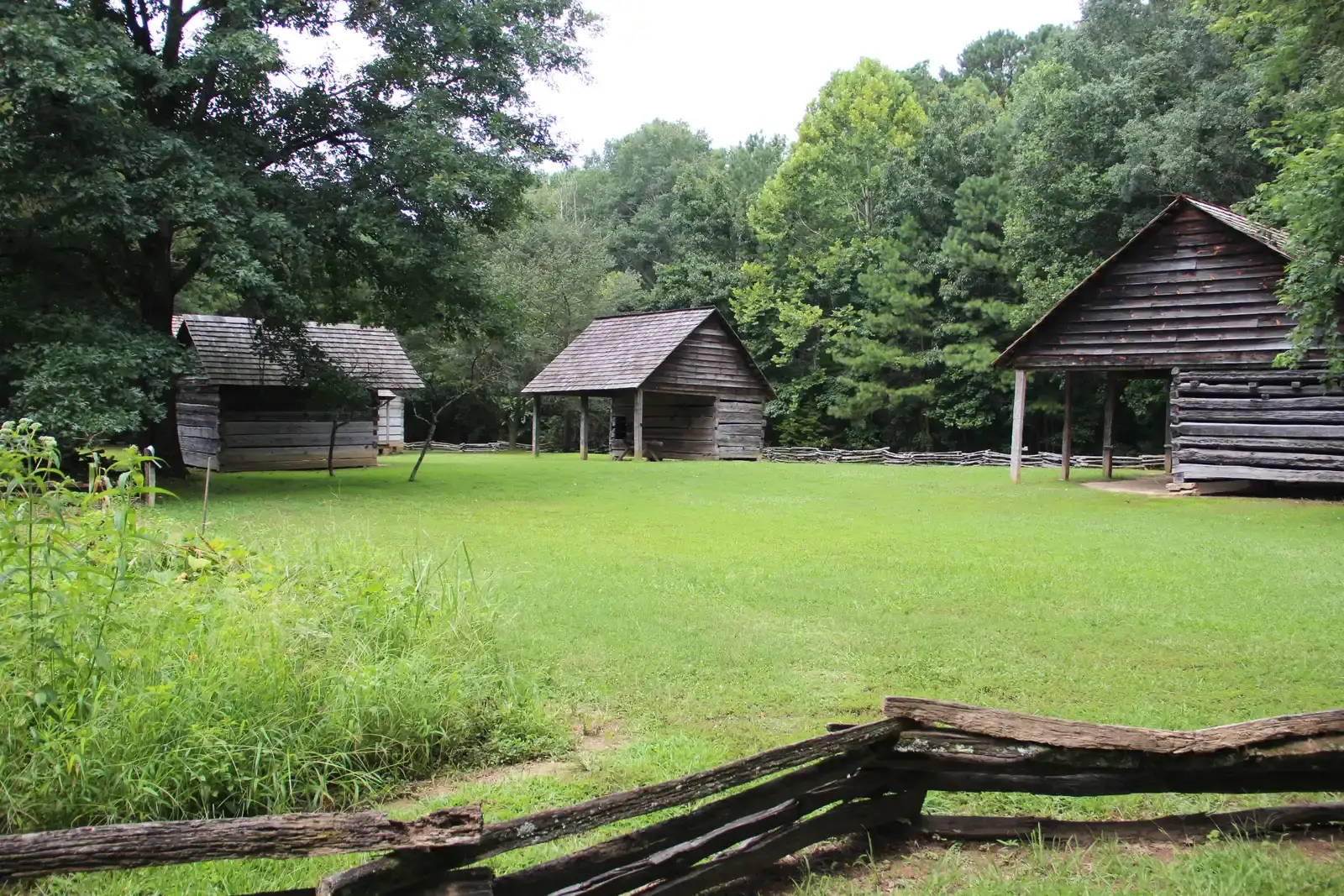
Walking through this reconstructed town feels like stepping into a forgotten chapter of American history, as New Echota served as the capital of the Cherokee Nation from 1825 until the forced removal known as the Trail of Tears. The buildings stand as ghosts of a thriving Indigenous government that was systematically dismantled. The site features the original Supreme Court building and reconstructions of the Council House where tribal laws were created, with the print shop that housed the Cherokee Phoenix being most remarkable as the first Native American newspaper printed in both English and Cherokee using Sequoyah’s revolutionary syllabary.
Walking through New Echota, you realize how advanced this civilization was. They had their own newspaper, judicial system, and constitution. The tragedy isn’t just what happened here, but how thoroughly this chapter gets glossed over in mainstream American education.
Ocmulgee Mounds National Historical Park, Georgia
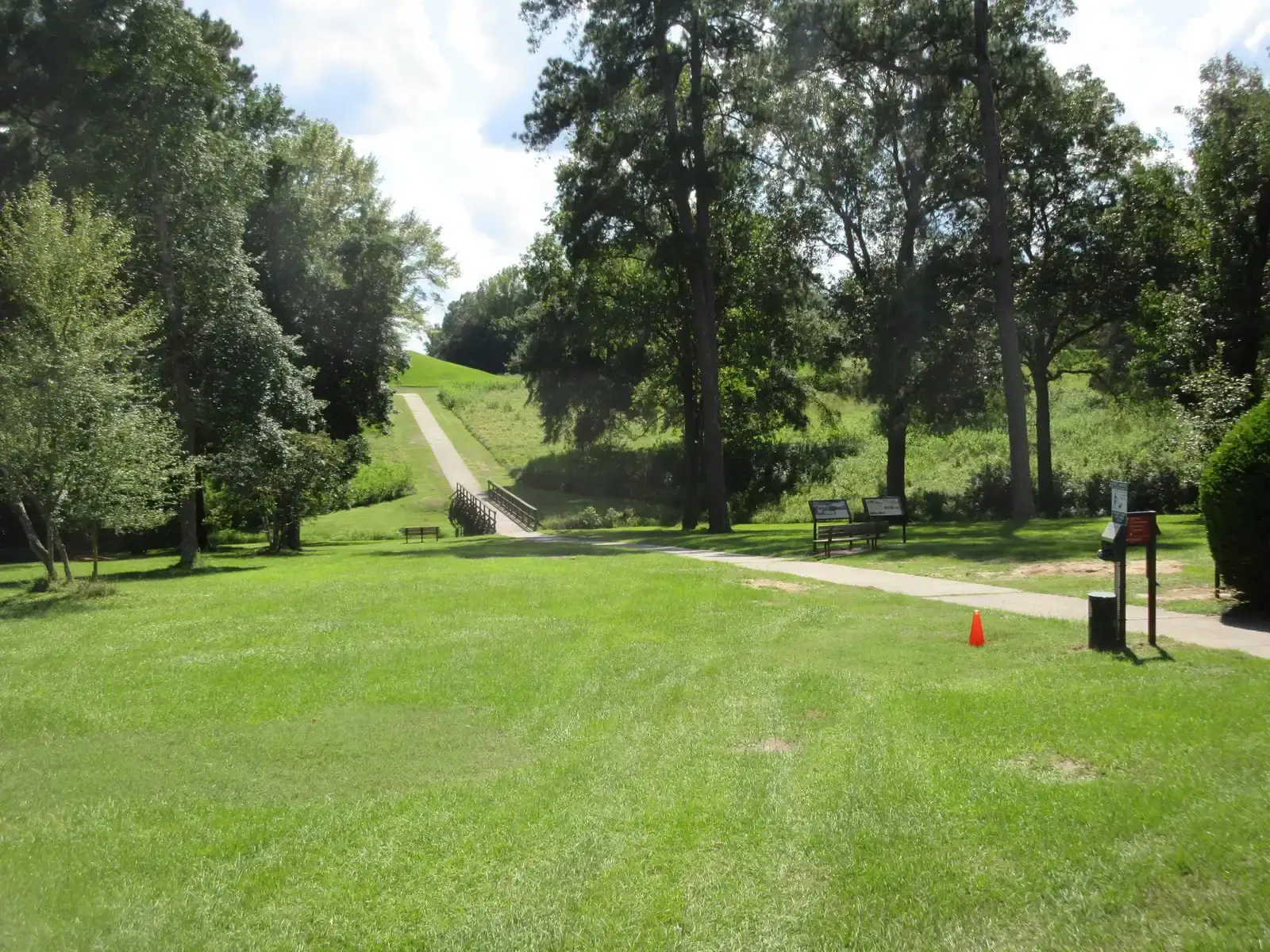
The Great Temple Mound towers seven stories high, offering panoramic views of the surrounding landscape, with archaeological excavations revealing a continuous human presence spanning an astonishing 17,000 years, and the reconstructed Earth Lodge with its original 1,000-year-old clay floor featuring a bird effigy allows visitors to step directly into the sacred space of the ancient ones. Seventeen thousand years. Let that sink in for a moment.
Around 1000 BCE small villages formed, but it wasn’t until 900 CE that a society emerged known as the Mississippans, who built the site’s trademark Ocmulgee Mounds out of dirt and clay, with circular earthen structures including temple mounds, a cornfield mound, and a funeral mound, and the importance of the Indigenous site is evidenced by the fact that the area is on track to becoming Georgia’s first national park. The vast majority of Americans drive past these mounds without a second thought, unaware they’re witnessing one of the oldest continuously inhabited places on the continent.
Scotts Bluff National Monument, Nebraska
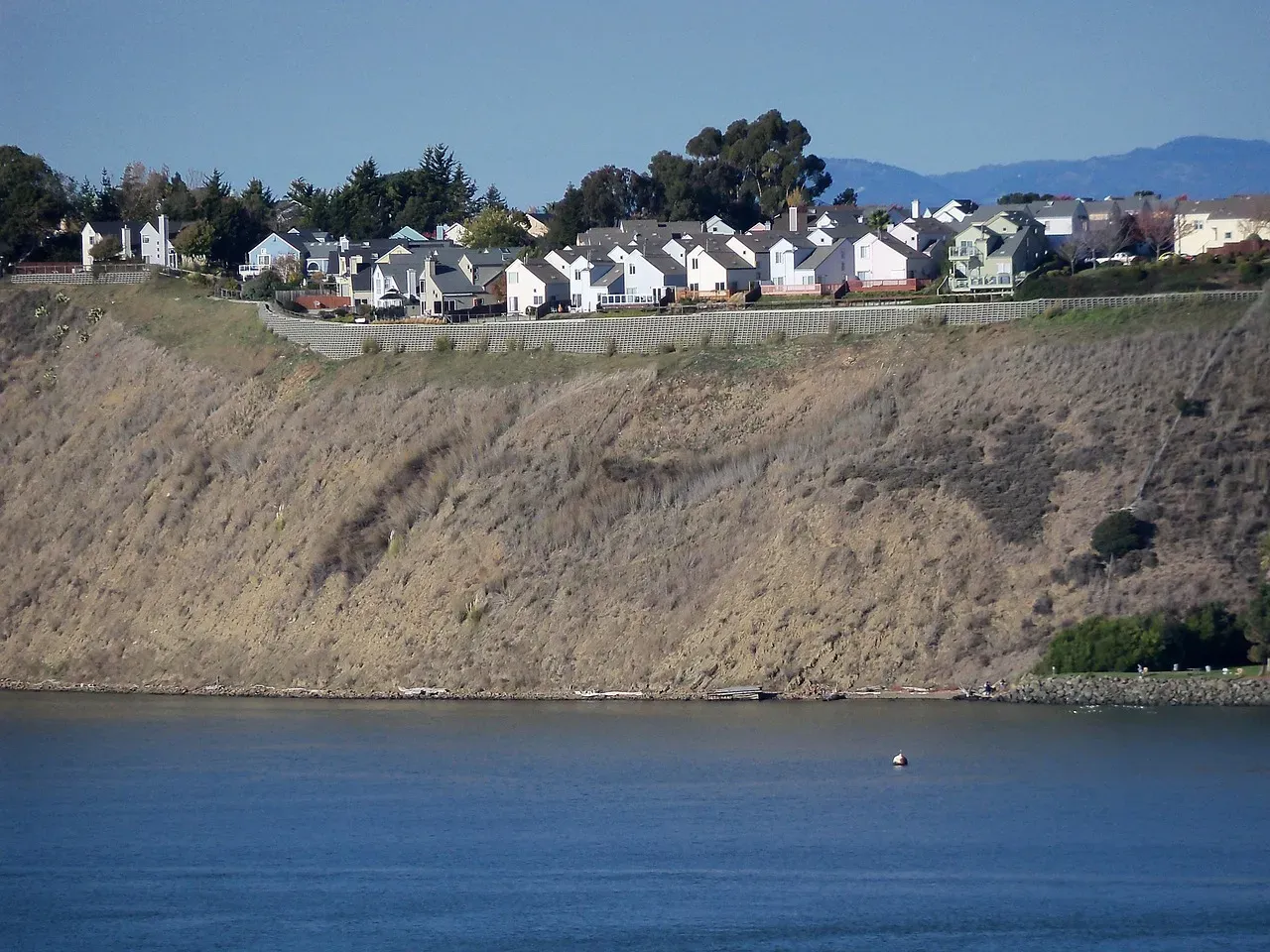
Rising 800 feet above the North Platte River, these dramatic cliffs served as a landmark beacon for pioneers traveling the Oregon Trail, with wagon wheel ruts still visible in the prairie telling the story of the 350,000 settlers who passed by these towering bluffs on their journey west. The sheer scale of the migration becomes real when you see those ruts carved permanently into rock. Roughly three hundred and fifty thousand people, all chasing the same dream westward.
Unlike the crowded national parks, you’ll often find yourself alone here, imagining the mix of hope and hardship felt by pioneers as they reached this crucial milestone on their westward journey. There’s something haunting about standing where so many stood before, knowing that for some this represented hope, while for Indigenous peoples watching from those same bluffs, it meant the beginning of the end. History is rarely simple.
Fort Mose, Florida
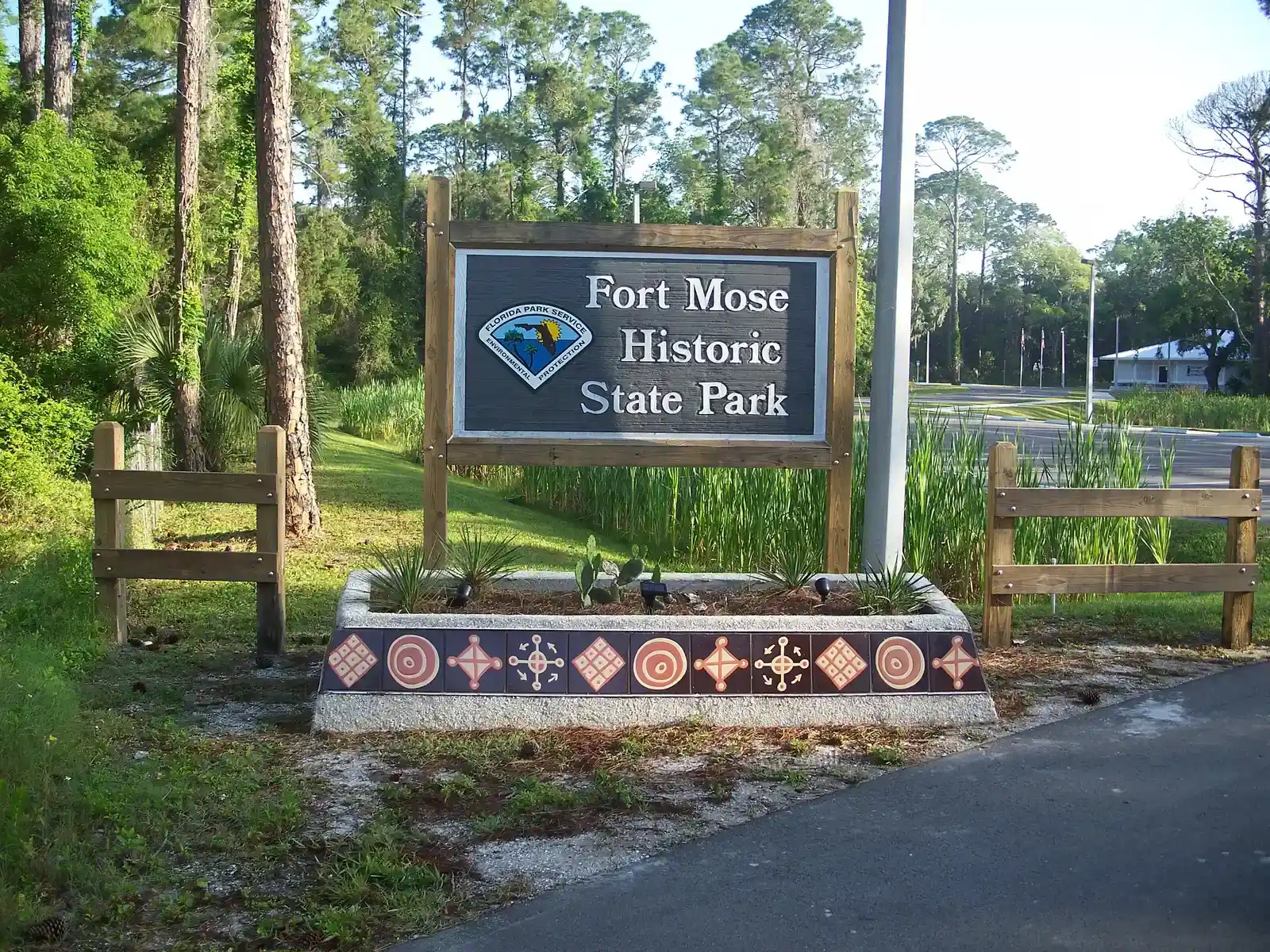
Nestled in Florida, Fort Mose was the first legally sanctioned free Black community in what is now the United States, established in 1738 offering sanctuary to those fleeing enslavement, embodying a beacon of hope and defiance. Before the Underground Railroad, before the Civil War, this place existed. I know it sounds crazy, but a full century before emancipation, free Black people were building lives here, defending Spanish territory in exchange for their freedom.
Its strategic importance during colonial conflicts is largely overlooked, overshadowed by tales of dominant fortresses, with Fort Mose’s legacy being one of resistance and resilience, preserving stories of freedom fought for and won. The fort itself is mostly gone now, swallowed by marsh and time. What remains is the knowledge that liberation took many forms, many paths, long before the history books decided to notice.
Little Bighorn Battlefield National Monument, Montana
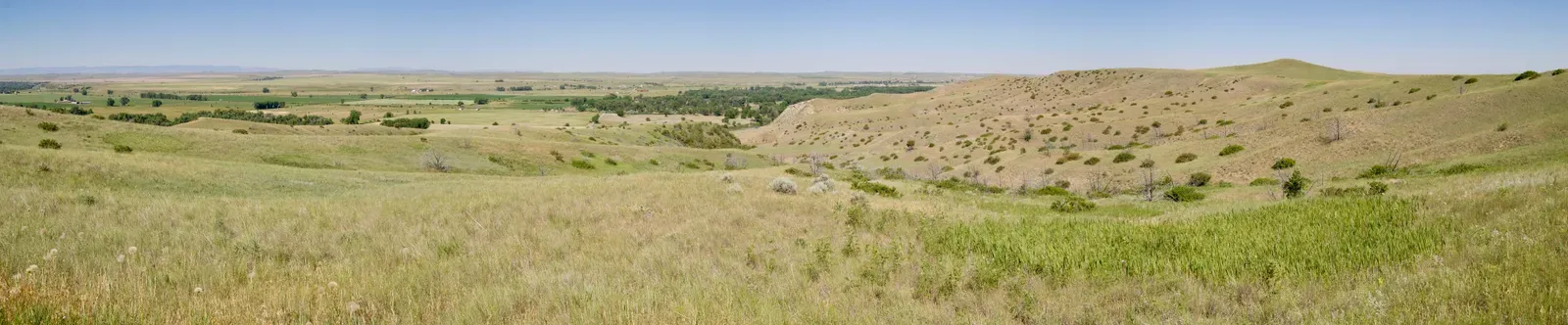
In 1991, Congress changed the name of the site from its previous name, Custer Battlefield National Monument, to Little Bighorn Battlefield to acknowledge the Native Americans who died there, and also ordered the construction of the Indian memorial, which was dedicated in 2003 with the theme ‘Peace Through Unity’. Think about that timeline for a second: it took until 2003 to properly memorialize the Indigenous warriors who fought to defend their land and way of life. More than 120 years after the battle itself.
The memorial stands as a belated acknowledgment that this wasn’t just Custer’s story. It was a clash of civilizations, a desperate defense by Lakota, Northern Cheyenne, and Arapaho peoples against encroachment and broken treaties. The dual monuments at the site now tell both sides, creating an uncomfortable but necessary conversation in stone and metal about whose version of history gets told first.
National Native American Veterans Memorial, Washington DC
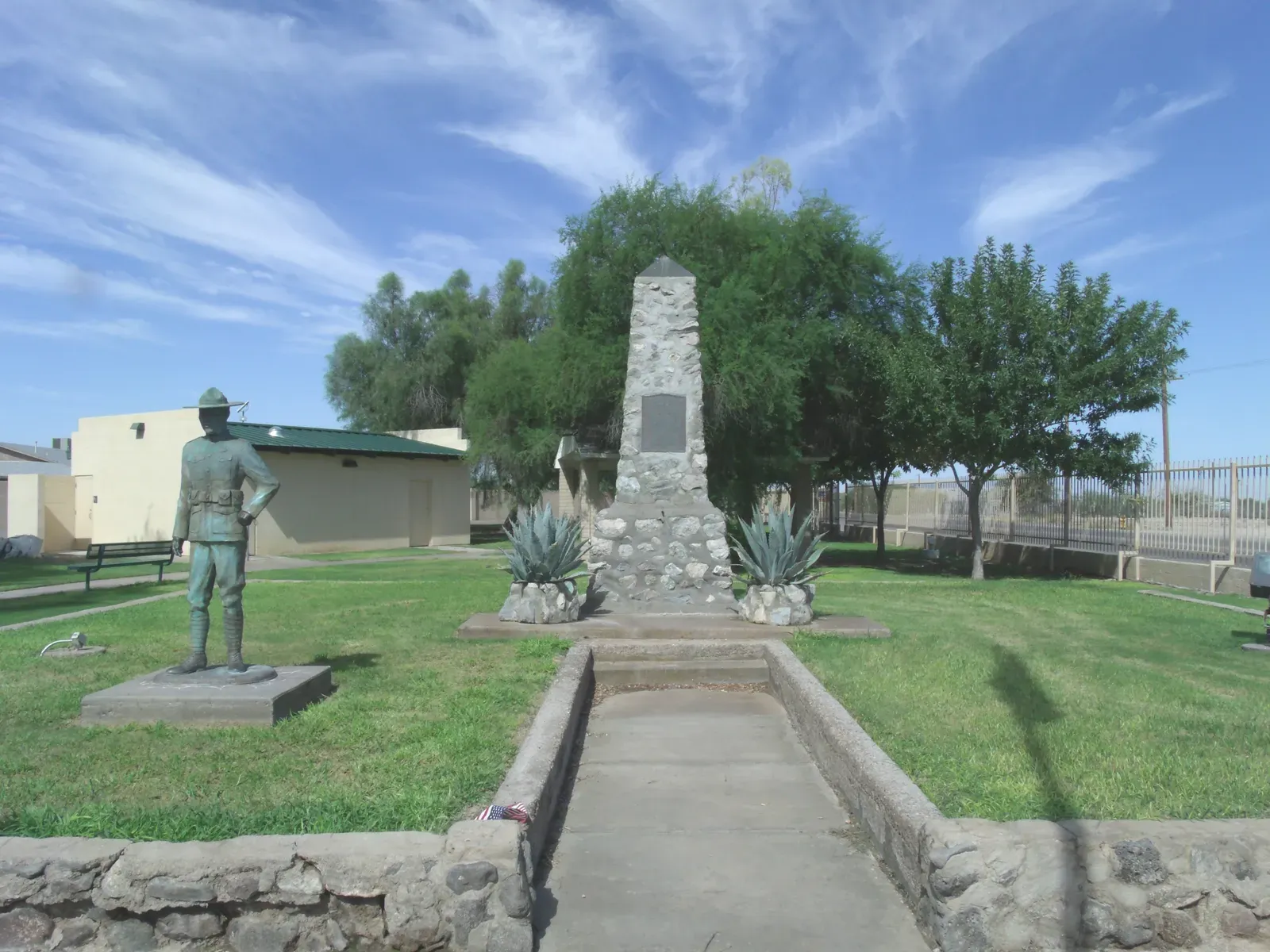
The National Native American Veterans Memorial opened on November 11, 2020, on the grounds of the National Museum of the American Indian in Washington, DC, was dedicated with a procession and ceremony on the National Mall on November 11, 2022, and this tribute to Native heroes recognizes for the first time on a national scale the enduring and distinguished service of Native Americans in every branch of the US military. For the first time on a national scale. In 2020. Let that timeline resonate for a moment.
An elevated stainless-steel circle balanced on an intricately carved stone drum, the design is simple and powerful, timeless and inclusive, incorporating water for ceremonies, benches for gathering and reflection, and four lances where veterans, family members, tribal leaders, and others can tie cloths for prayers and healing, creating an interactive yet intimate space for gathering, remembrance, reflection, and healing. Native Americans serve in the military at higher rates than any other ethnic group, yet this memorial arrived generations late.
Pompeys Pillar National Monument, Montana
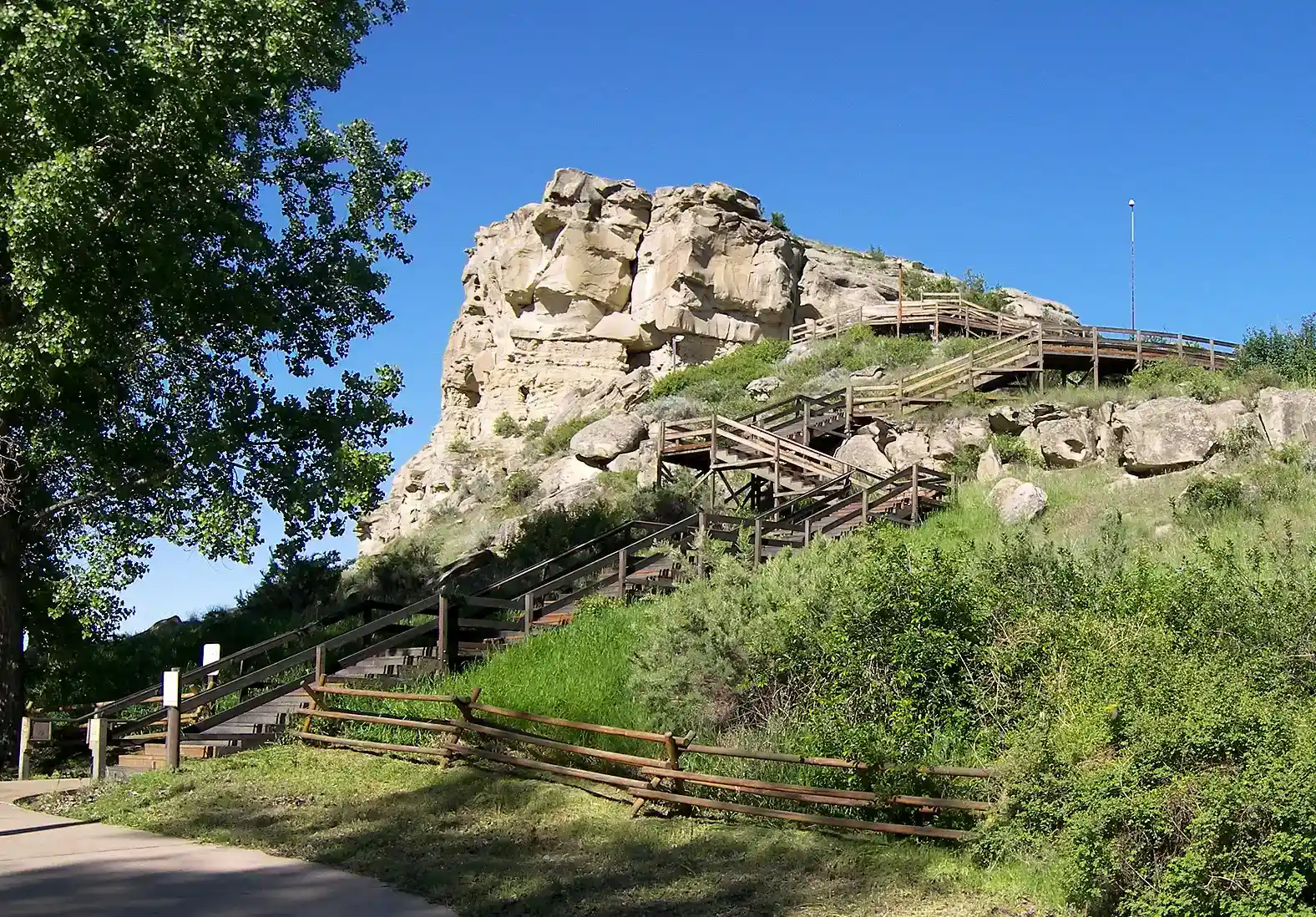
Folded into southwestern Montana, Pompeys Pillar is at once a striking natural wonder and an important historical landmark, with the rocky crag soaring some 200 feet above the Yellowstone River and rich with petroglyphs carved by Indigenous people, harboring rare physical evidence of the storied Lewis and Clark Expedition as William Clark carved his signature here back in 1806 and it’s still visible today. Clark’s signature remains the only visible mark from the expedition along the entire trail.
The Indigenous petroglyphs surrounding Clark’s carving create a fascinating juxtaposition. Native peoples recorded their stories here for centuries before Clark added his name, and they continued after. The pillar becomes a timeline of collision, of cultures intersecting whether they wanted to or not. Honestly, there’s something deeply American about that complicated layering of history.
The National Memorial for Peace and Justice, Alabama
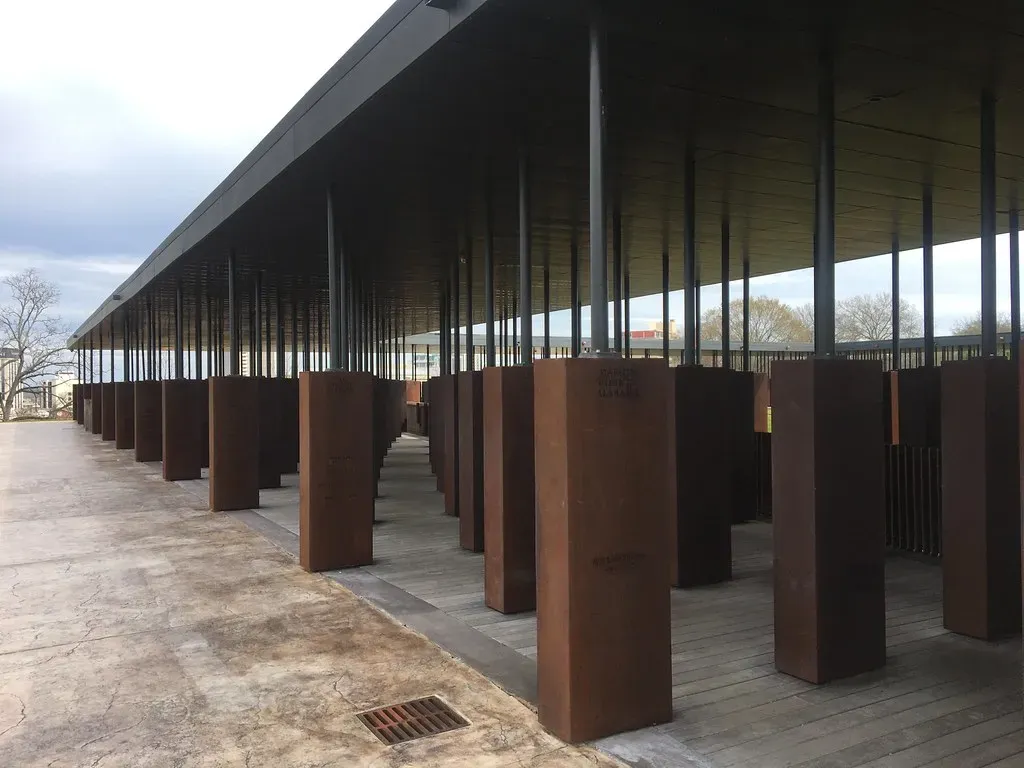
On a hilltop overlooking Montgomery is the nation’s first comprehensive memorial dedicated to the legacy of Black Americans who were enslaved, terrorized by lynching, humiliated by racial segregation, and presumed guilty and dangerous, with more than 4,400 Black people killed in racial terror lynchings between 1877 and 1950 remembered here, their names engraved on more than 800 corten steel monuments, one for each county where a racial terror lynching took place. Four thousand four hundred names. Each one a person, a family, a community shattered.
Racial terror lynchings were violent and public acts of torture that traumatized Black people throughout the country, tolerated and often aided by law enforcement and elected officials and designed to re-establish racial hierarchy after the Civil War, with lynching being terrorism that left thousands dead, significantly marginalized Black people politically, financially, and socially, and inflicted deep traumatic wounds on survivors, witnesses, and the entire African American community that fester to this day. This memorial doesn’t let you look away. That’s precisely the point.
Governors Island National Monument, New York
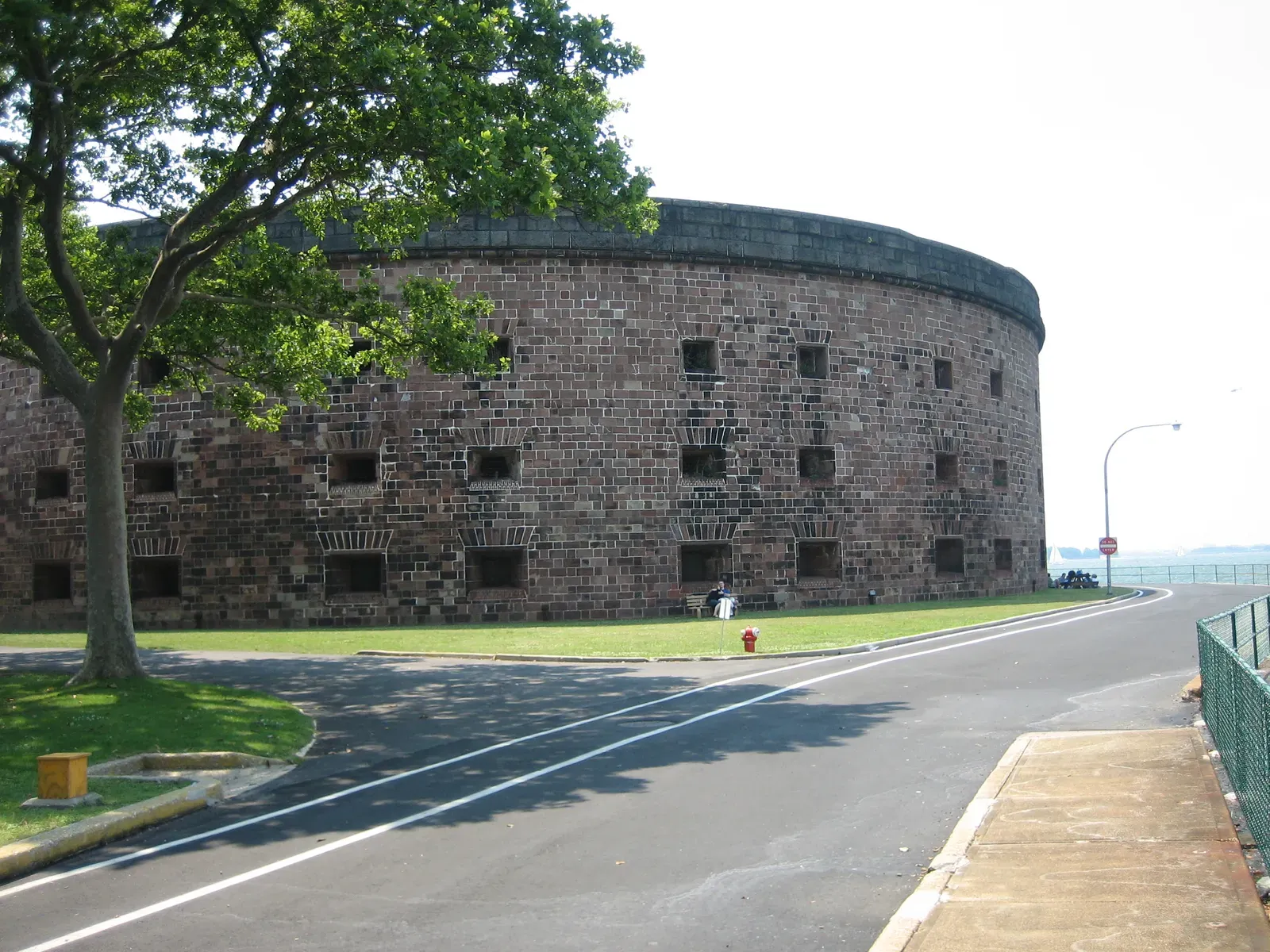
Perhaps lesser-known is Governors Island and its important military heritage, as the island served as a key post for the US Army from 1794 right up until 1966, with today’s historic defensive structures including Fort Jay and Castle Williams, both more than 200 years old, serving as reminders of this legacy. Just a ferry ride from Manhattan, this island guarded New York Harbor for nearly two centuries. Most New Yorkers have never been there.
Fort Jay and Castle Williams represent early American military architecture, built when the young nation genuinely feared invasion. The circular design of Castle Williams, built to deflect cannon fire, feels almost medieval. Walking through these fortifications, you’re transported to an era when New York was vulnerable, when America itself was still an experiment that might fail.
Montezuma Castle National Monument, Arizona
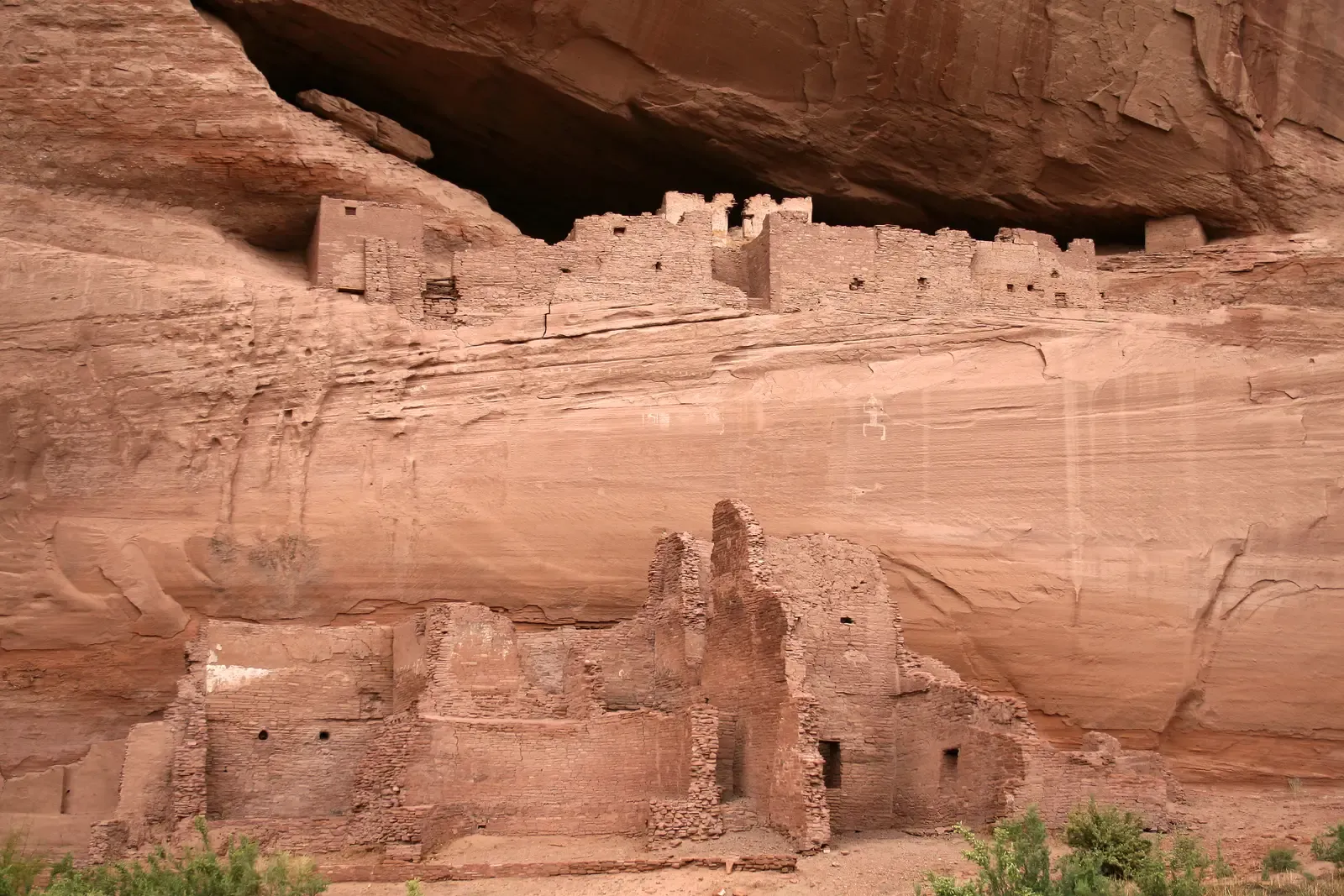
Montezuma Castle has been a National Monument since 1906, though its history stretches back much further, as this site preserves an impressive ancient cliff dwelling built by the Indigenous Sinagua people almost 1,000 years ago, a 20-room, multi-storey ‘castle’ carved into a limestone cliff face, often compared to a modern apartment block and standing in central Arizona, surrounded by sycamores whose wood was used to build support beams for the structure. The name itself is a misnomer – Montezuma never lived here, never even visited Arizona. Early settlers just assumed any impressive Indigenous structure must be connected to the Aztecs.
The Sinagua people engineered this dwelling with remarkable sophistication, positioning it high enough to defend yet accessible enough to live in comfortably. The structure has survived nearly a millennium of weathering, wars, and time. Meanwhile, most modern buildings barely last a century. There’s a lesson somewhere in that contrast about what we value and what actually endures.
Conclusion
These twelve monuments don’t tell America’s entire untouched story, but they’re a beginning. They ask uncomfortable questions about whose voices got amplified and whose got buried. Standing before them, you realize that history isn’t a single narrative marching triumphantly forward. It’s messy, contested, painful, and necessary. The stones and markers hold space for complexity in a world that increasingly demands simplicity.
What makes these sites sacred isn’t just what happened there, but what we choose to remember now. Every generation rewrites history slightly, emphasizing different truths, wrestling with inherited myths. These monuments give us something tangible to hold onto while we do that difficult work. So next time you’re planning a trip, skip the overcrowded landmarks everyone’s already seen. Seek out the quiet monuments, the overlooked stories, the uncomfortable truths. Did you expect that history could feel so personal, so immediate, so unresolved? What story will you uncover next?
