
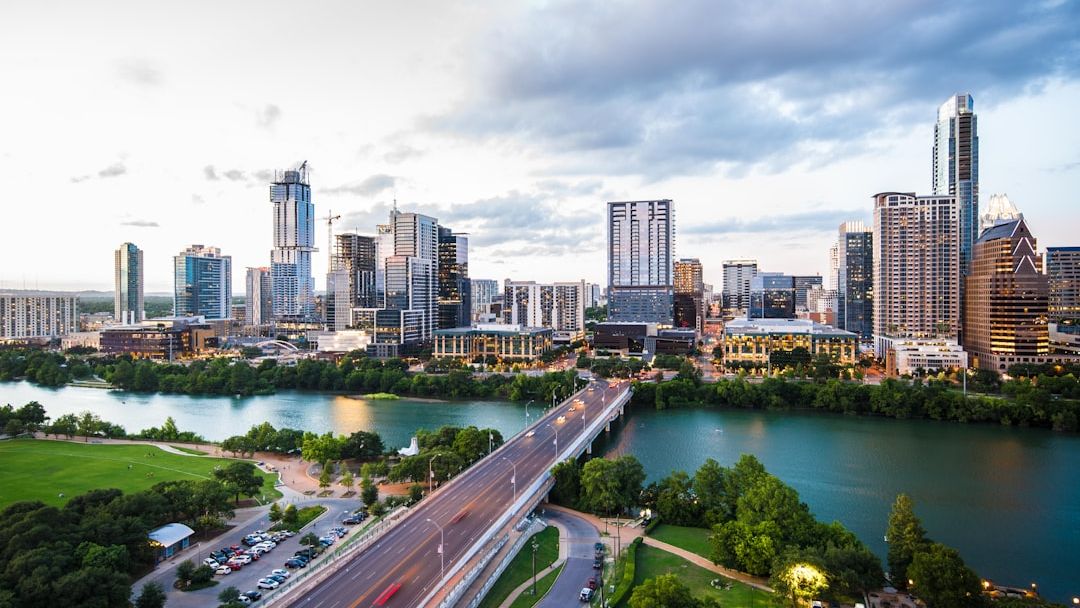
The ocean is rewriting America’s coastline faster than ever before. While we’ve always known that waves gradually shape our shores, the speed and intensity of coastal erosion happening right now is unprecedented. Rising seas, stronger storms, and human interference with natural processes are creating a perfect storm of destruction.
Scientists predict that just 30 years from now, erosion will have dramatically thinned an estimated 2,451.6 miles (36.06 percent) of sandy coastline in the United States. The states bearing the brunt of this crisis face more than just disappearing beaches. They’re confronting a future where entire communities could be underwater, billions in economic losses, and mass displacement of residents.
Louisiana: America’s Vanishing Wetland Paradise
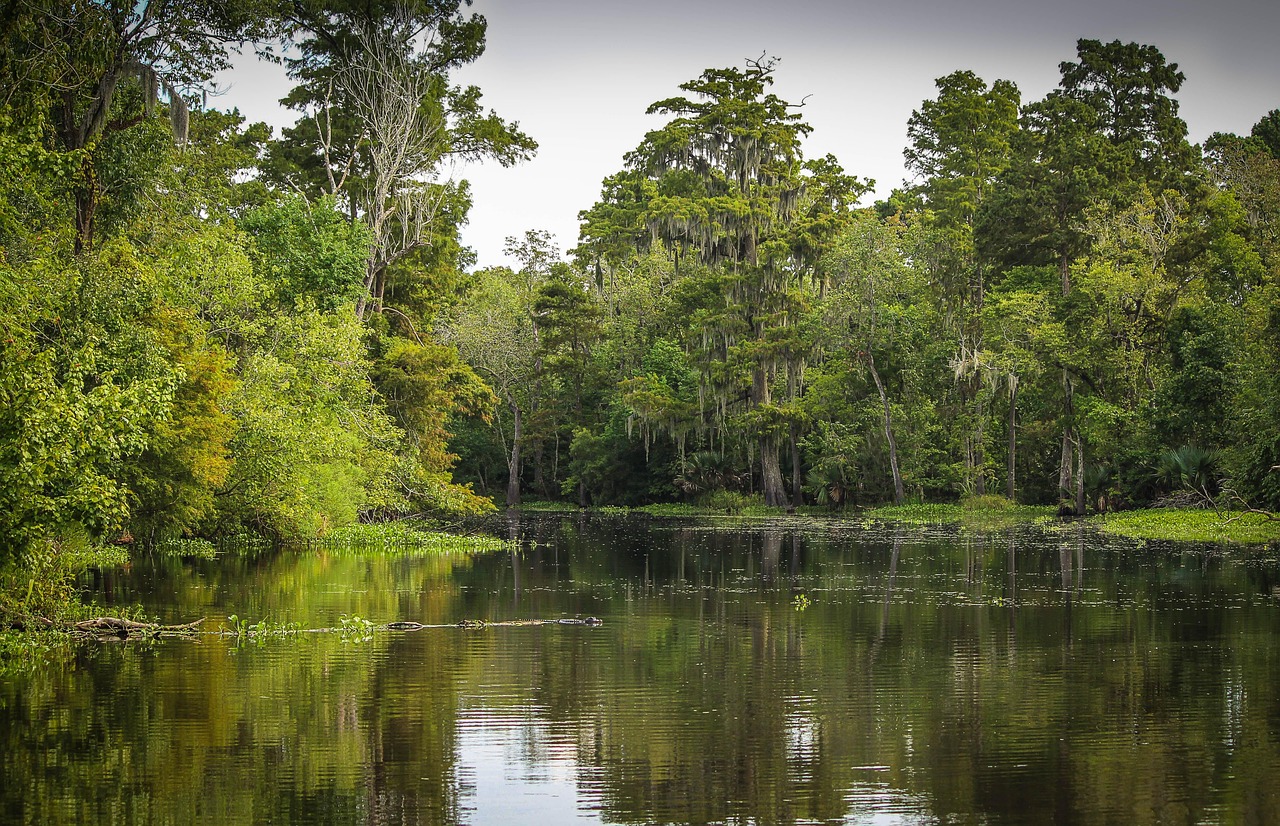
In the last century, coastal Louisiana has lost an estimated approximately 1,883 square miles of land, approximately the size of Delaware’s land area. That’s not a gradual loss stretching over centuries – that’s the disappearance of an entire state’s worth of land in just 100 years.
Louisiana is in the midst of a land loss crisis that has claimed nearly 2,000 square miles of land since the 1930s, and a scientific analysis confirmed that without action, we could lose up to another 3,000 square miles under the 2023 Coastal Master Plan higher environmental scenario over the next 50 years. The combination of sinking land and rising seas creates a double disaster that no other state faces quite as severely.
Florida: Where Paradise Meets Peril
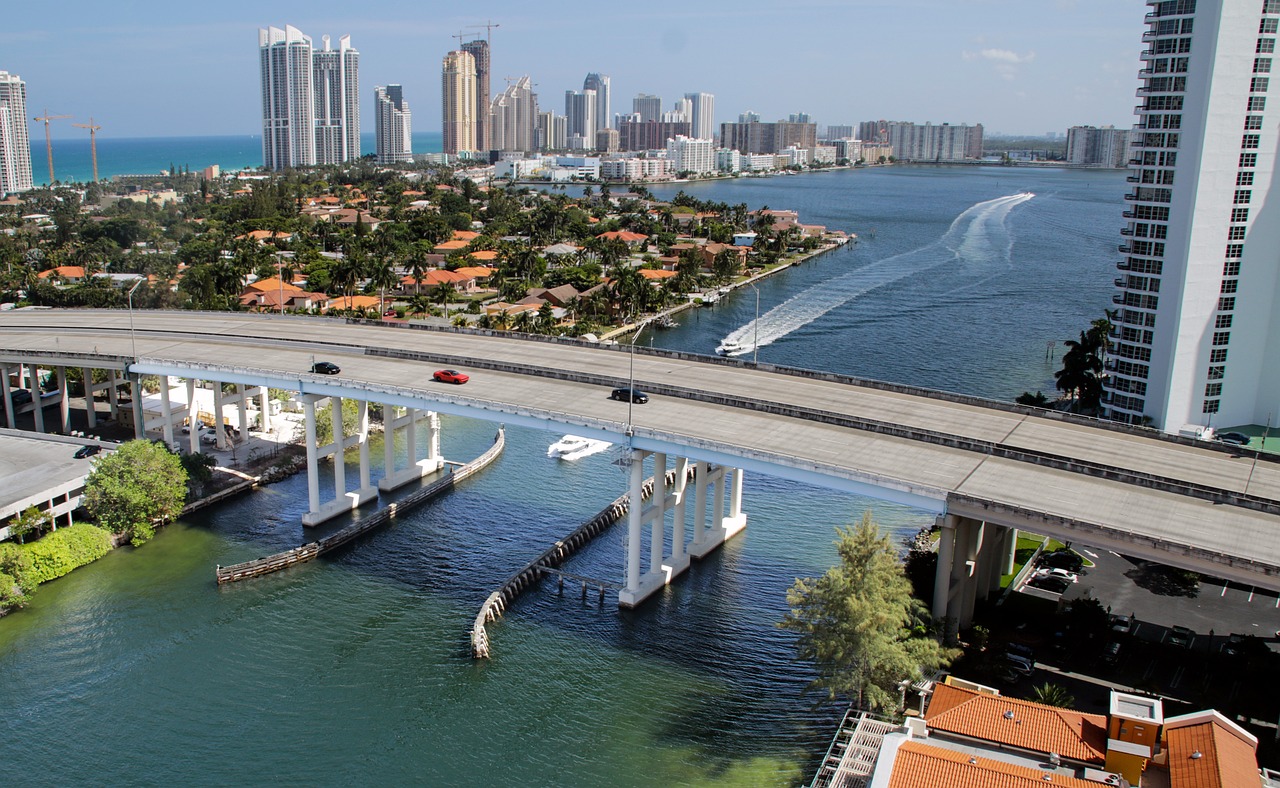
States on the East Coast and Gulf Coast, such as Florida, Virginia, North Carolina, and Louisiana, are expected to face the most severe consequences. Florida’s dual coastlines expose the state to erosion from both the Atlantic Ocean and the Gulf of Mexico.
Rising sea levels and urban development are accelerating coastal erosion at an alarming rate in Southern California with significant ripple effects on the region’s economy, though this pattern is even more pronounced in Florida. The state’s flat topography provides little natural protection against rising waters, leaving millions of residents vulnerable to both gradual erosion and sudden storm surge.
Texas: The Gulf Coast Giant Under Threat
The highest rates occur in Louisiana and Texas, due mainly to subsidence driven by the compaction of Holocene sediments. Texas faces a unique challenge where the land itself is sinking while waters rise around it.
Galveston, Texas, which is home to a coastal island on the outskirts of Houston, is one of Texas’ top tourist destinations. Even with 2,559 houses on the Galveston coast at risk due to the expected sea level rise by 2050, the housing market is still “somewhat competitive,” according to Redfin. This disconnect between risk and development continues to put more people in harm’s way.
North Carolina: Outer Banks on the Brink
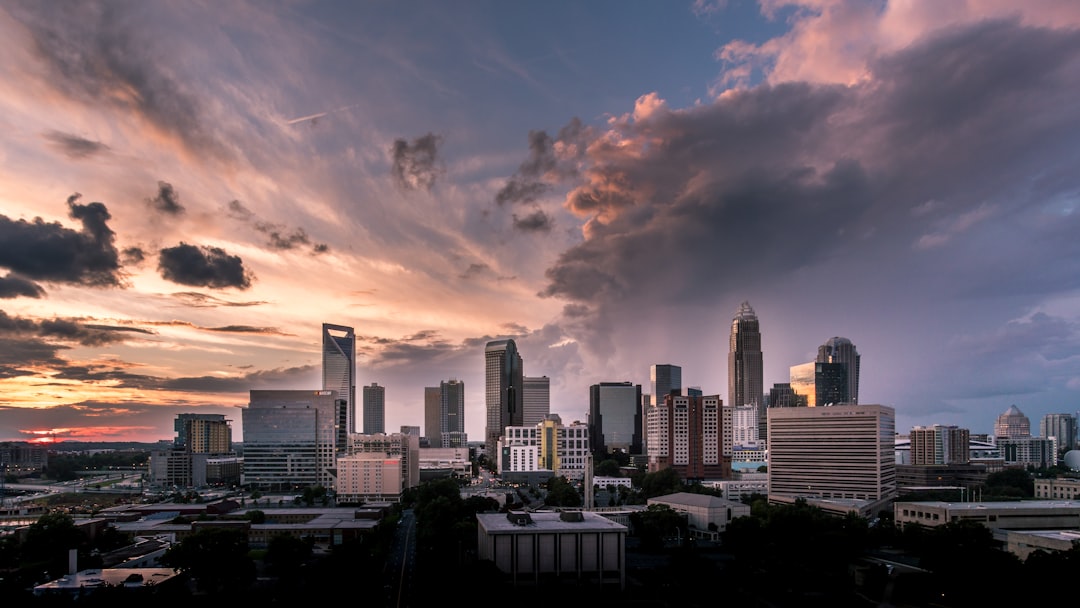
By 2050, sea level in the Outer Banks is expected to rise 15 to 22 inches, higher than the projected global average. Higher sea levels can contribute to increased flooding, erosion, and storm surge. The barrier islands that protect North Carolina’s mainland are themselves under siege.
Since 2020, at least 8 homes have collapsed into the ocean due to erosion rates exceeding 15 feet annually on Hatteras Island alone. These aren’t abstract statistics – they represent families watching their homes literally crumble into the sea.
Virginia: Military Might Meets Rising Seas
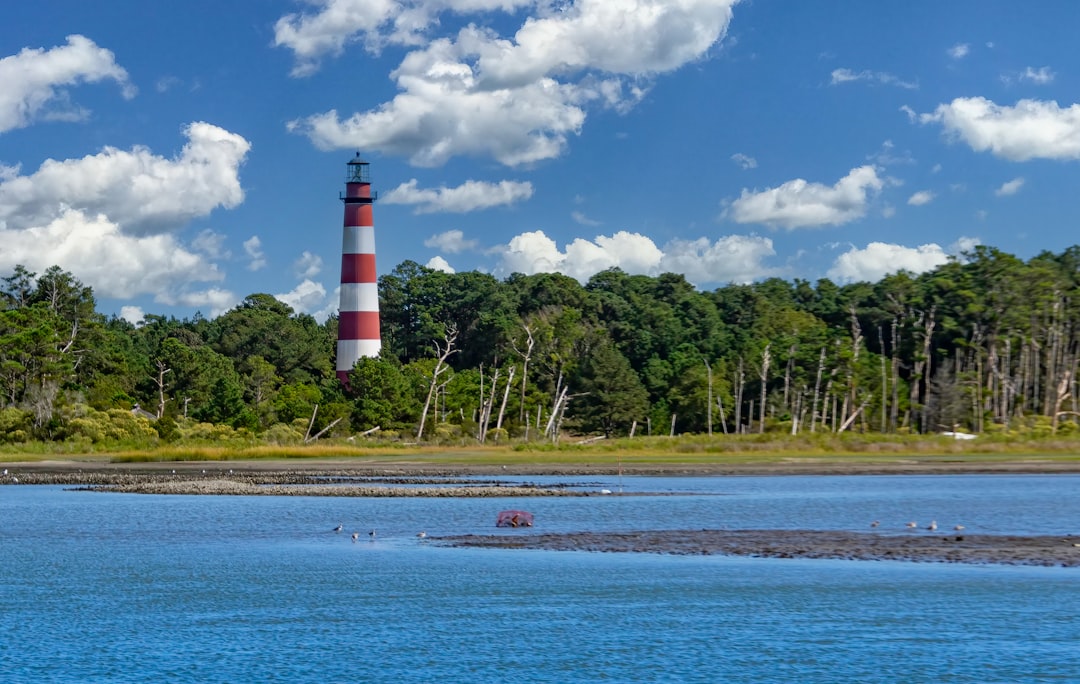
The state is ramping up efforts to protect people and the economy as southeast Virginia faces one of the fastest rates of relative sea-level rise in the country. Virginia’s challenge extends beyond civilian communities to critical military infrastructure.
164,000 people living in the region are at risk from coastal flooding impacts. That number is expected to nearly double by 2050, according to an analysis by Climate Central. The Hampton Roads region houses one of the world’s largest naval installations, making Virginia’s erosion crisis a matter of national security.
South Carolina: Low Country, High Risk
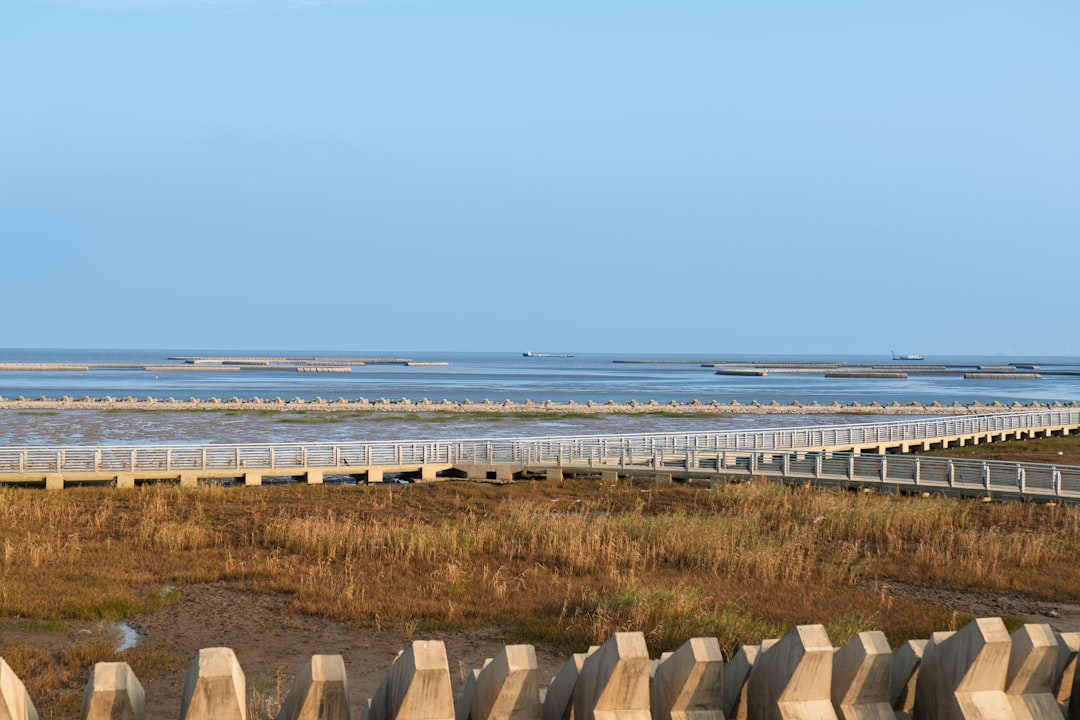
South Carolina’s aptly named Low Country faces an existential threat from rising seas. Twenty-four cities – including Tampa, Virginia Beach, Charleston and Galveston – have allowed at least 100 homes built in risk zones since 2010. Charleston continues developing in areas that scientists know will flood regularly within decades.
The state’s extensive marshlands and barrier islands provide natural protection, but they’re disappearing faster than they can rebuild themselves. Hurricane damage compounds the problem, with each major storm stripping away more protective coastline.
California: Golden State’s Eroding Edge
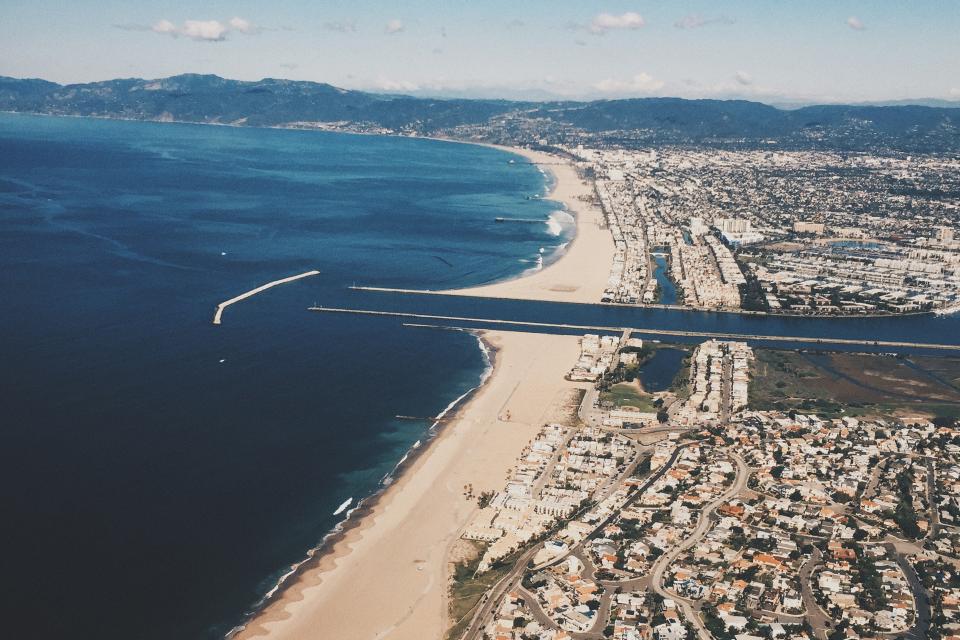
The study predicts a tripling of erosion rates by 2050, increasing from an average of 1.45 meters per year to 3.18 meters by 2100. Consequently, the annual sand requirement for beach nourishment could triple by 2050, with costs rising fivefold due to the global increase in sand prices.
California’s beaches aren’t just recreational spaces – they’re economic engines worth billions. In Southern California, beaches are receding between 0.75 and 1.24 meters per year. The state faces the impossible choice between spending enormous sums to maintain beaches or accepting their loss.
New Jersey: Garden State’s Disappearing Shore
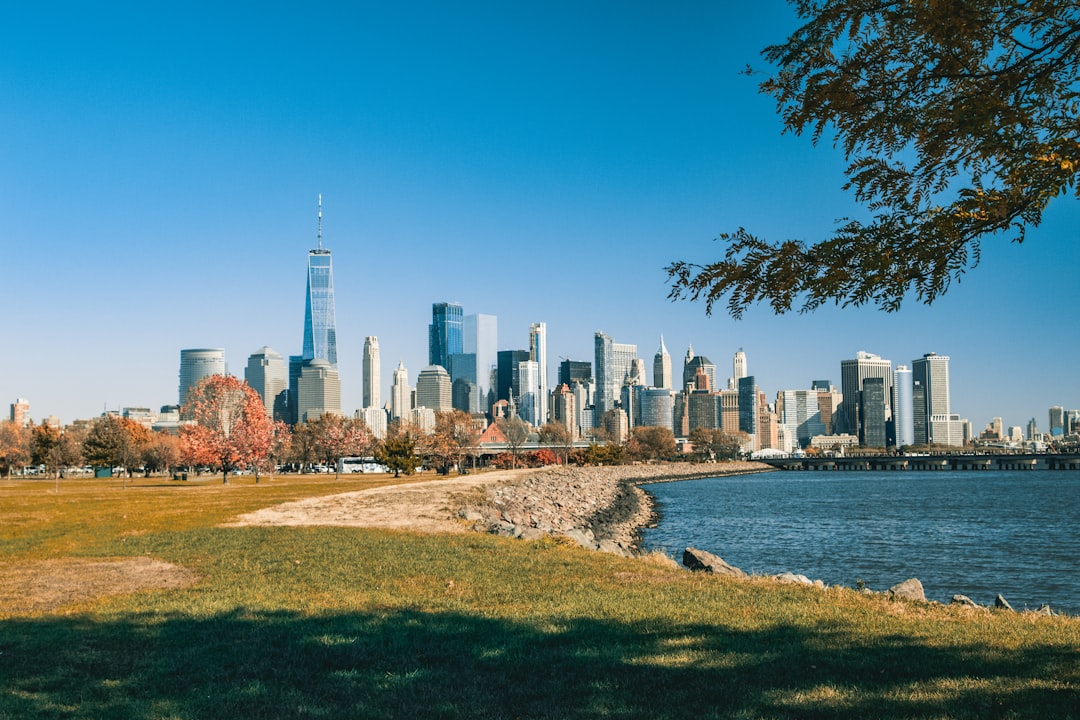
Ocean City, which sits on New Jersey’s coastline, has a string of beaches filled with attractions and residential properties. In May 2021, home prices in Ocean City, NJ were up 29.4% compared to the previous year, with a median selling price of $705,000.
Many homes in Ocean City are at risk of coastal flooding and erosion (38.2%), despite the increased housing prices. The disconnect between soaring property values and increasing flood risk creates a bubble that will inevitably burst as erosion accelerates.
Georgia: Peach State’s Coastal Crisis
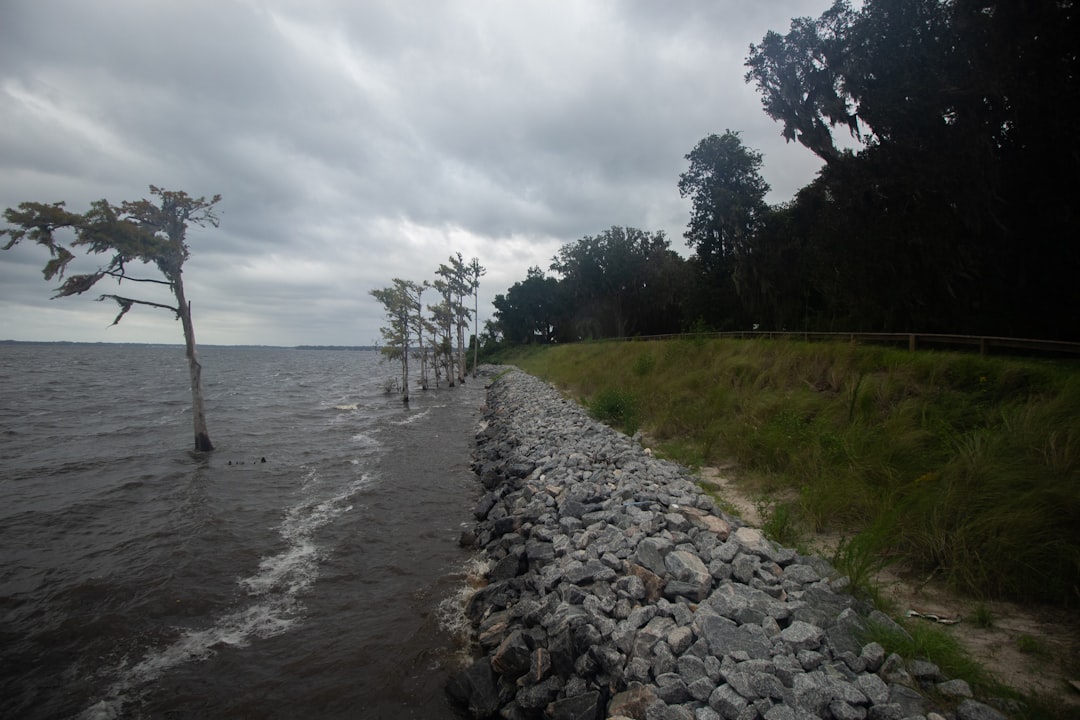
Georgia’s 100-mile coastline includes some of the most pristine barrier islands on the East Coast, but these natural treasures face mounting pressure from rising seas. The state’s unique geography, with its network of sounds and marshes, provides excellent natural flood protection – for now.
Savannah, Georgia’s historic coastal city, already experiences regular flooding during high tides combined with heavy rain. As sea levels continue rising, these nuisance floods will become permanent inundation, threatening one of America’s most beautiful historic districts.
Maryland: Chesapeake Under Siege
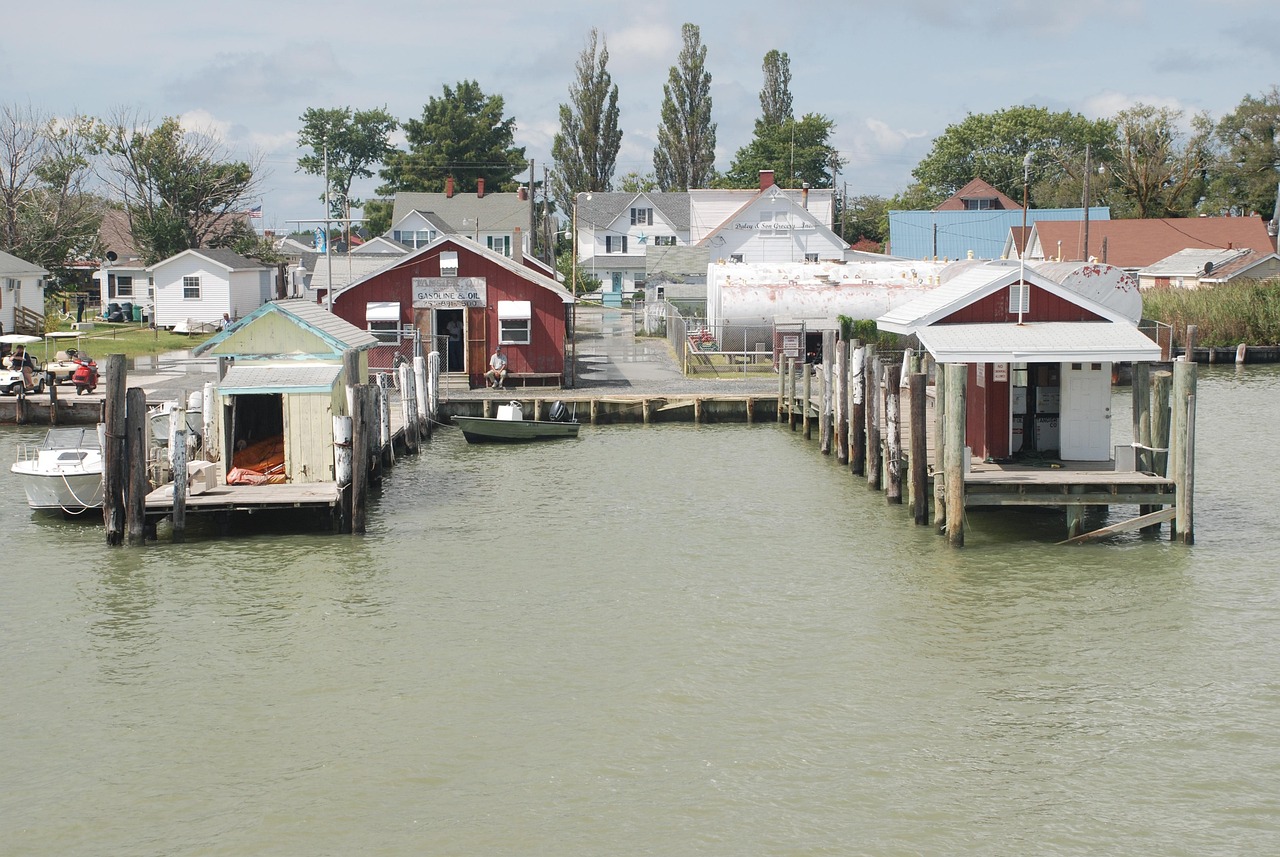
Maryland’s complex coastline includes both Atlantic Ocean frontage and the vast Chesapeake Bay system. Northern South Carolina, North Carolina, Virginia, Maryland, Delaware, New Jersey, and New York – Remapped with new elevation data based on Post-Sandy lidar from USGS and NOAA National Geodetic Survey shows the widespread concern about Mid-Atlantic erosion.
The Chesapeake Bay’s shallow waters and numerous tributaries make Maryland particularly vulnerable to sea level rise. Small increases in water levels translate to massive areas of newly submerged land, affecting everything from crab fishing to waterfront communities.
Alabama: Heart of Dixie’s Coastal Concerns
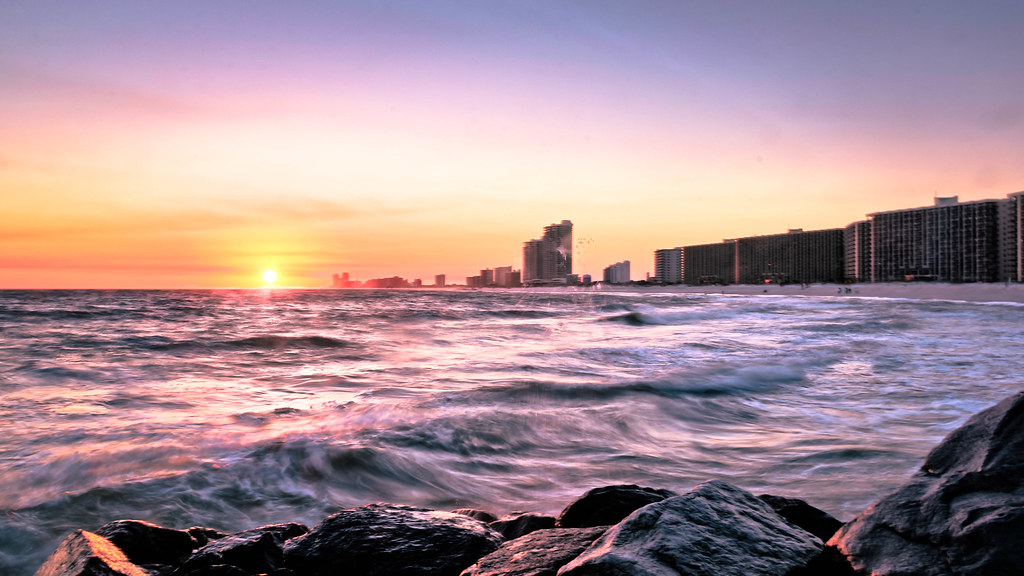
Alabama’s relatively short coastline doesn’t diminish the state’s vulnerability to erosion. Mobile Bay and the surrounding Gulf Coast face the same challenges as neighboring states, but with fewer resources to address them.
The state’s barrier islands, including Dauphin Island, have already experienced dramatic reshaping from hurricanes and ongoing erosion. These islands serve as crucial storm buffers for Mobile and other coastal communities, but they’re shrinking with each passing year.
Delaware: First State, Front Line of Crisis
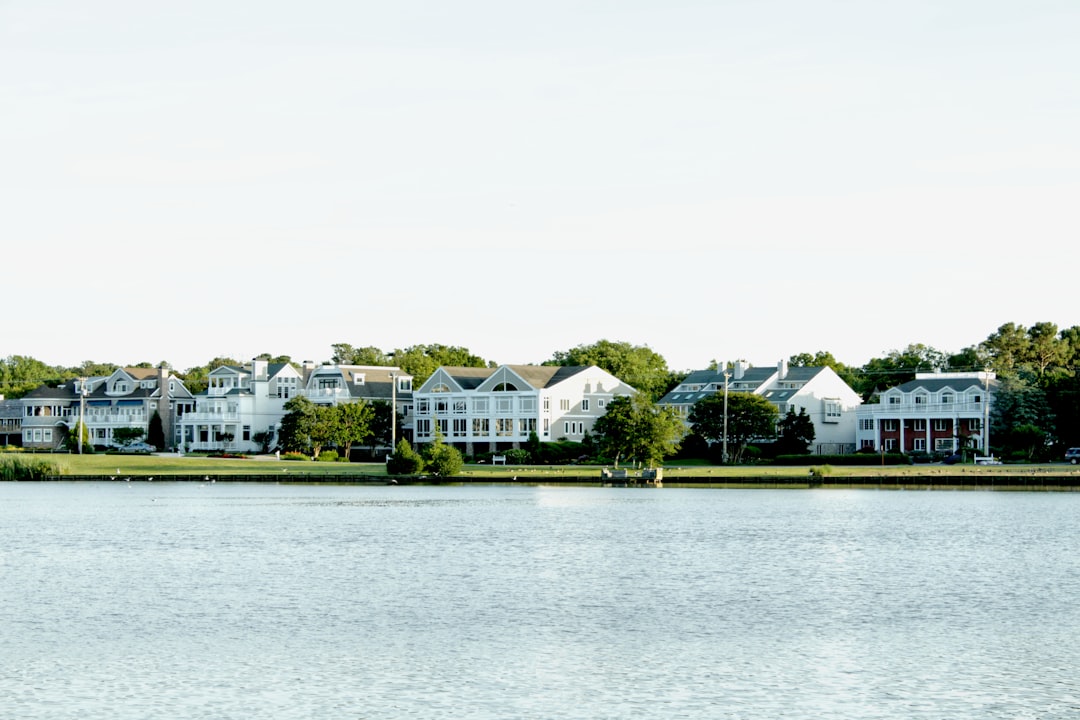
Delaware’s position on the Delmarva Peninsula puts the entire state at risk from rising seas. With much of the state sitting just feet above sea level, even modest sea level rise translates to significant flooding and erosion.
Rehoboth Beach and other resort communities face the challenge of maintaining their tourism economy while adapting to disappearing beaches. Maryland/Delaware border – Remapped to fix edge matching issue indicates ongoing efforts to accurately map the changing coastline.
The coastal erosion crisis facing these twelve states represents more than an environmental challenge – it’s a preview of America’s climate future. This projected rise will create a profound shift in coastal flooding over the next 30 years by causing tide and storm surge heights to reach higher elevations and extend further inland. The question isn’t whether these changes will happen, but how quickly communities can adapt to a rapidly changing coastline.
What strikes you most about these predictions – the speed of change or the scale of impact? Tell us in the comments.
