
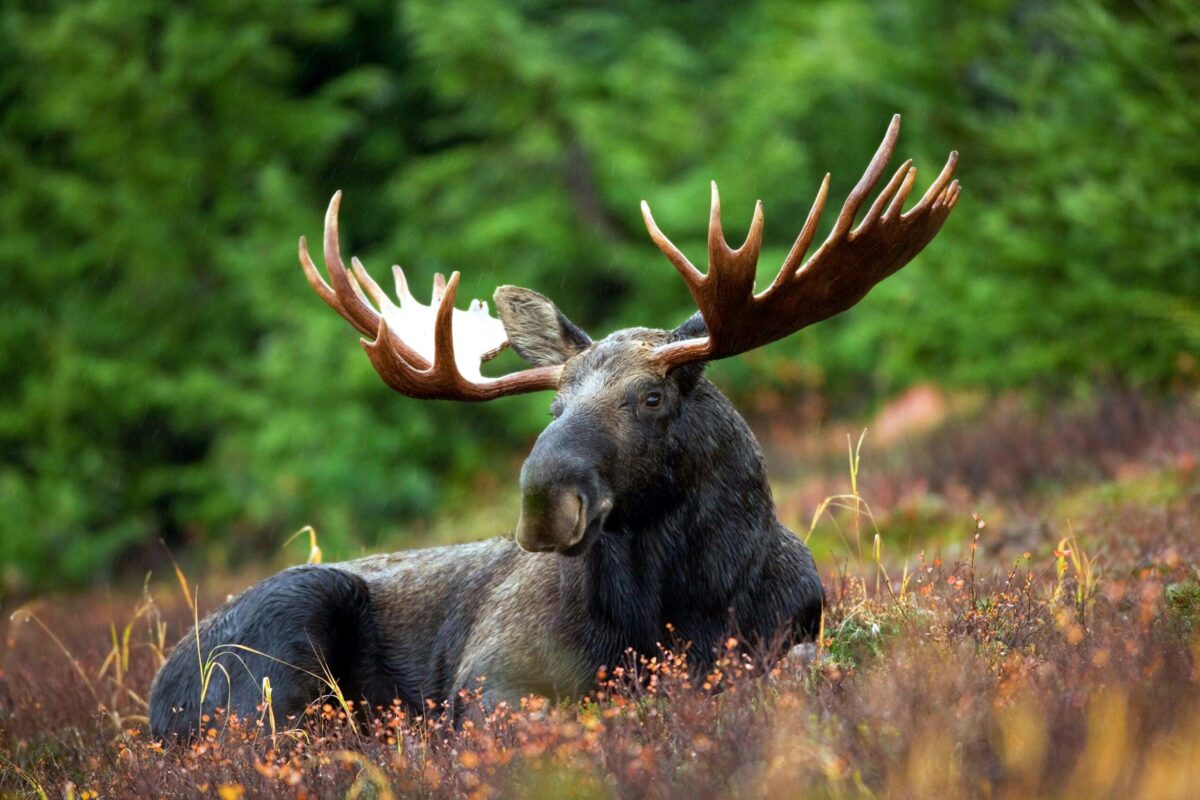


Picture the classic wildlife trip: July, a packed pullout, and a line of strangers pointing at a brown speck on a distant hill. That’s the version most travelers plan, and it’s why so many come home with blurry photos and a so-so story. This list is worth your click because at a surprising number of American parks, the real show begins after the summer crowds leave.
The reasons are simple and a little backward. Elk climb higher as summer temperatures rise, which puts them farther from the roads, and traffic spooks the animals that stay behind. Then September arrives. Bears enter hyperphagia and eat almost around the clock, and the elk rut usually starts in early September and runs through most of October. So which park puts on the best “off-season” show? One of these 13 even breaks the rule completely, and you may not guess which.
#13 – Voyageurs National Park, Minnesota: The Quiet-Water Advantage
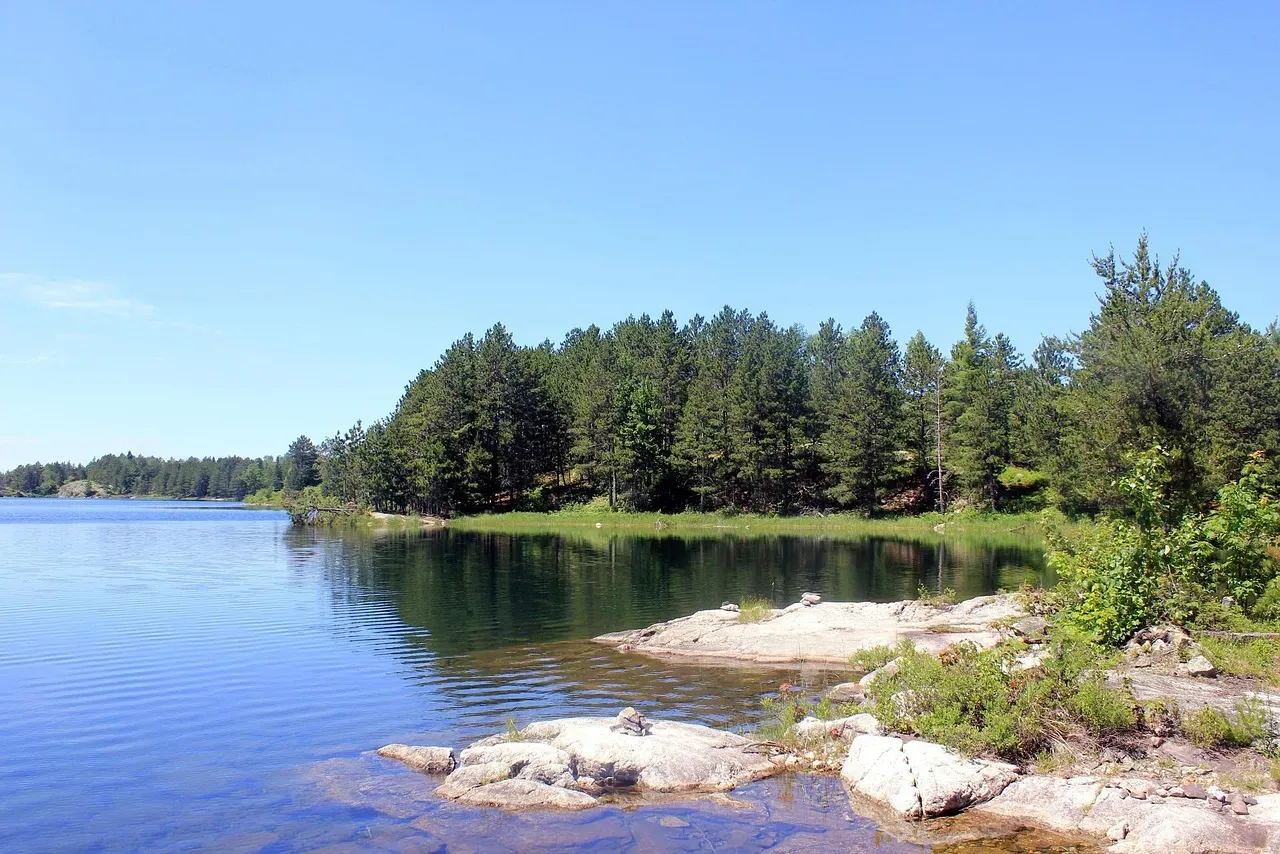
Voyageurs is a water park first and a land park second, and that changes when you should go.
Much of the park can only be reached by water, so your wildlife luck depends on who else is out there. In summer that means engines, wakes and rental houseboats. After the season ends, the lakes empty and the shorelines go quiet.
The park is known for beavers, loons, bald eagles, moose and other northern wildlife, and fall suits them well. Loons gather and move south ahead of the ice, and eagles perch over open water. Migrating waterfowl rest in sheltered bays, and beavers are busy stocking up for winter.
Expect patience, not a roadside parade. Wolves live here, but most visitors never see one. Moose are possible and never promised. What you do get is a lake so still you can hear wingbeats before you see the bird.
What to scan for:
- Eagles on dead snags along the shoreline
- Beaver lodges in sheltered bays
- Waterfowl resting on open water
But the next park hides its best fall show underwater, and almost nobody plans for it…
#12 – Channel Islands National Park, California: The Ocean Plays Its Hand Late
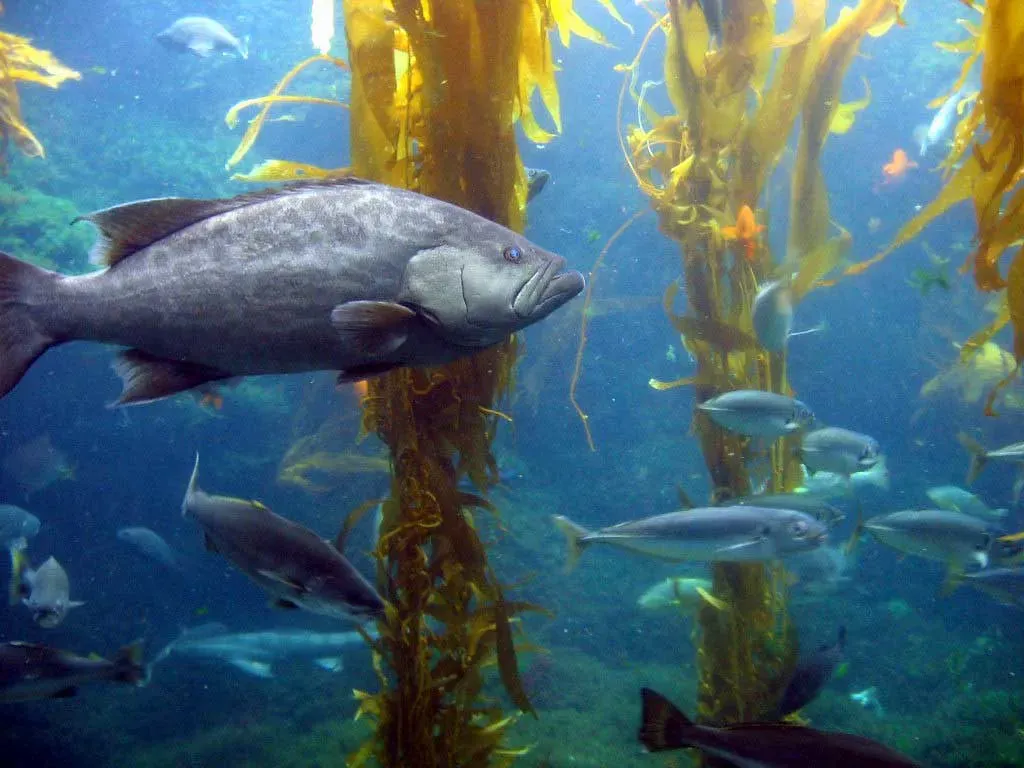
Channel Islands is the one park on this list where the best wildlife show happens below the waterline.
The islands sit off the Southern California coast and are reached by boat or plane. Summer is peak boat season, but the water itself peaks later. According to AAA, fall is the best season to snorkel and scuba dive here, with water that can reach about 70 degrees and visibility up to 100 feet.
Visibility that clear is rare in cold-water kelp country. Most people don’t realize the calendar works backward here. They crowd in during the summer and miss the clearest water of the year.
Below the surface you can find kelp forests, bright orange garibaldi, sea lions and harbor seals. On land, the island fox lives only on these islands, and it’s roughly the size of a house cat. Fall boat trips can also overlap with whale season, though sightings are never guaranteed.
Next is a coastline where the real action isn’t on the water at all. It’s overhead…
#11 – Acadia National Park, Maine: The Sky Gets Busier Than the Road
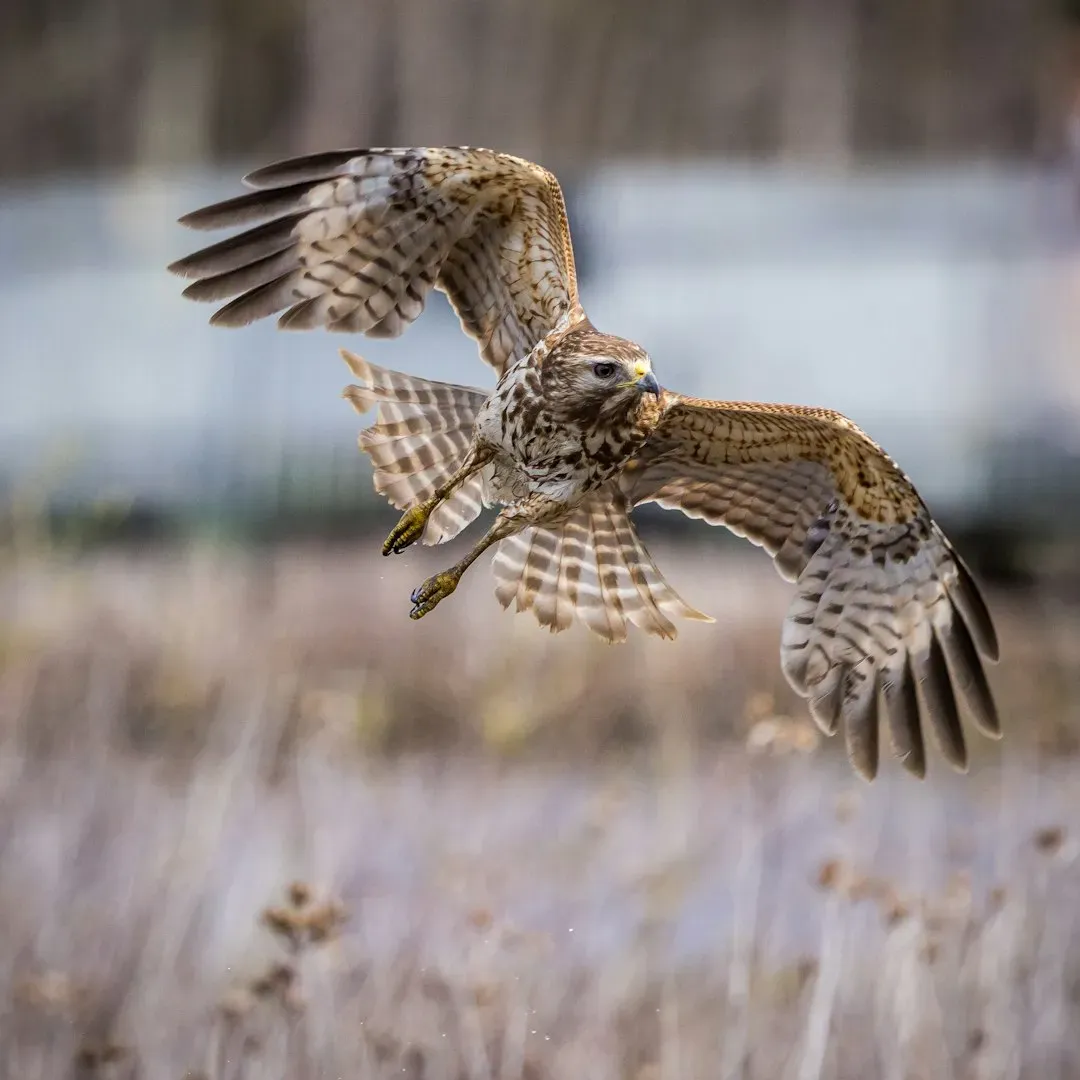
Everyone drives to Acadia for the leaves, but the birds are the quiet headline.
Travel writers point to September and October as the window to see Acadia without the worst leaf-peeper traffic. That alone helps wildlife, because animals relax when engines thin out. The bigger story is overhead.
Coasts act like highways for migrating birds. Hawks, falcons and songbirds follow the Atlantic shoreline south in fall, and a rocky headland park becomes a rest stop. Thousands of birds move along flyways every autumn, and a place like Acadia sits right in the traffic.
Peregrine falcons nest on Acadia’s cliffs, and a famous cliff trail is closed during nesting season. Once the chicks have fledged, the cliffs make a good place to look for these fast, sharp-winged hunters.
Fast Facts
- Best window for fewer leaf-peeper crowds: September and October
- Migration pattern: hawks, falcons and songbirds trace the Atlantic coast south
- Cadillac Mountain rises 1,530 feet, the tallest point along the U.S. Atlantic coast
- Peregrine falcons nest on the cliffs, so check trail closures first
Here’s the controversial take. Cadillac Mountain sunrise is the park’s most photographed ritual. Many birders argue that the same dawn is better spent at a quiet shoreline, where the birds are actually moving.
Now we head inland to a park where the grass itself changes the game…
#10 – Badlands National Park, South Dakota: When the Grass Turns Gold
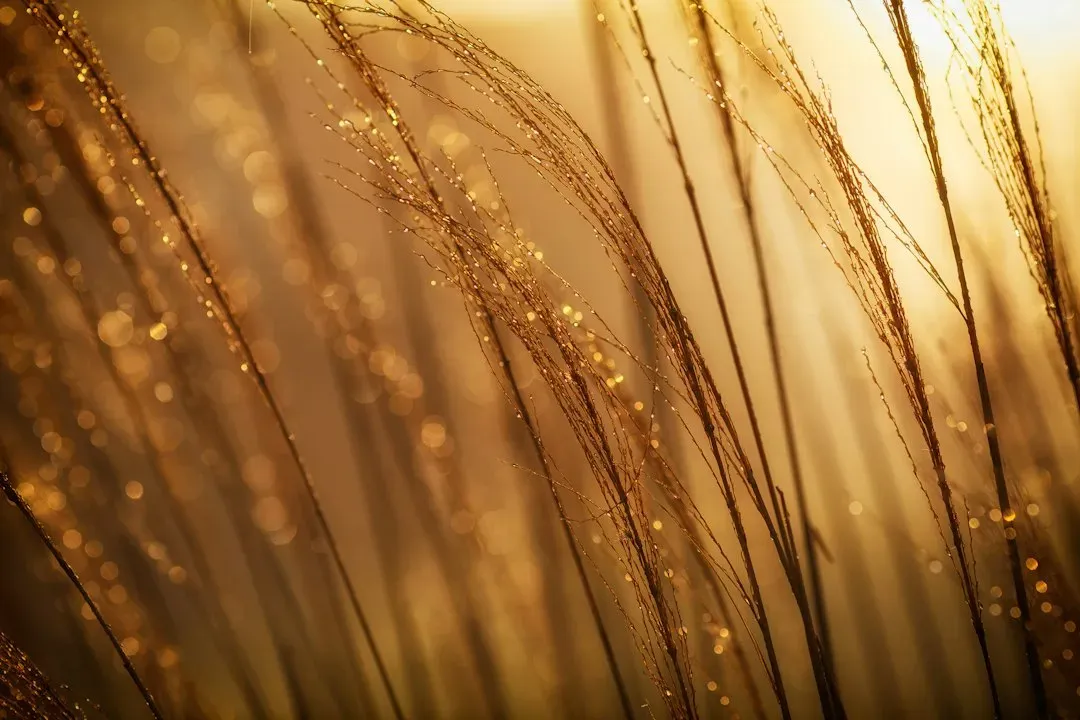
Badlands looks empty in summer, and the heat is the reason.
Summer afternoons can be brutally hot, and animals shelter from it. In fall, daytime temperatures mellow into the 60s and 70s Fahrenheit, so animals and visitors both last longer into the day.
Then there’s a trick most visitors miss. Some of the grasses yellow in autumn, which makes wildlife easier to spot. The golden grass works like a spotlight against dark animal coats.
The park’s big draws are bison, bighorn sheep, pronghorn and prairie dogs. Prairie dog towns are easier to read when the vegetation thins, and bison stand out sharply against pale ground. Pronghorn, the fastest land animals in North America, are far easier to appreciate when you can actually see them across the flats.
Your quick-spot list:
- Bison in the open grasslands
- Bighorn sheep on rocky slopes
- Pronghorn on the flats
The next park has a reputation for bears, and fall is when that reputation gets earned…
#9 – Shenandoah National Park, Virginia: The Bears Are Working Overtime
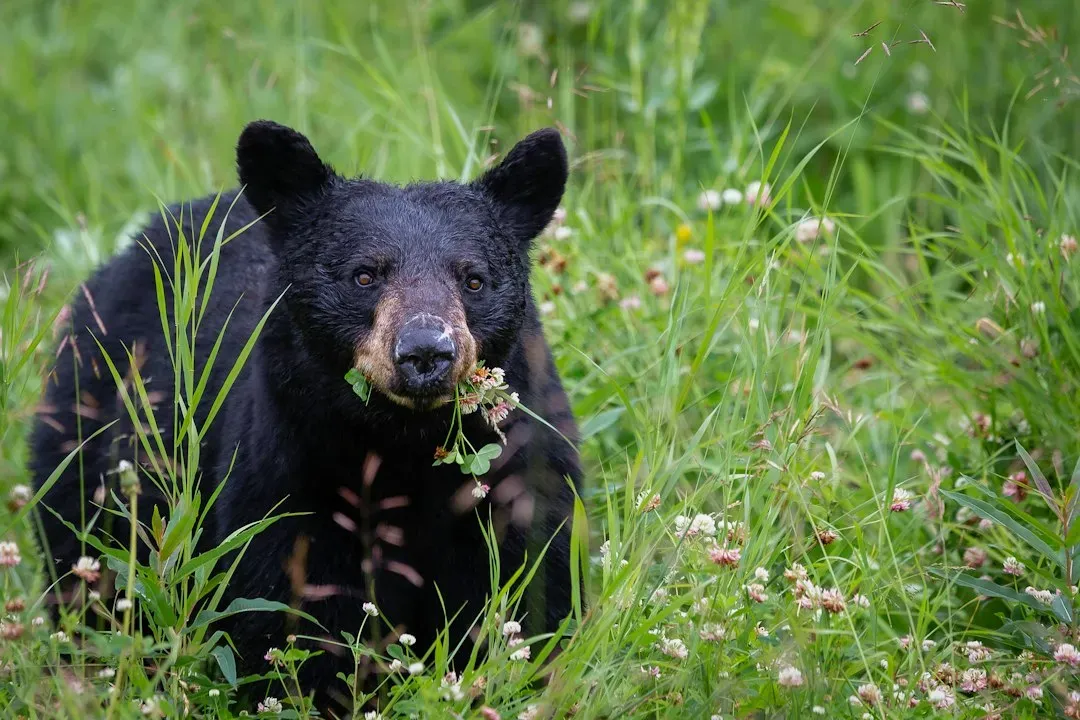
Shenandoah’s black bears aren’t hiding in autumn. They’re desperate to eat.
Across North America, bears become more active before hibernation. In Shenandoah, that means long days of foraging. A bear can spend most of its waking hours hunting for calories. The park’s oaks and other nut trees are the pantry.
Here’s the truth about crowds. October foliage weekends can jam Skyline Drive, so the “empty park” idea doesn’t hold then. Aim for weekdays or early September, when the 105-mile road is far calmer and the bears are already on the move.
Deer are also active in the fall rut, and they’re easy to spot along meadows and forest edges. Dawn and dusk give the best odds. Midday is mostly traffic.
Next, we leave the East Coast for a park where the largest animals roam among the tallest trees…
#8 – Redwood National and State Parks, California: Giants Under Giants
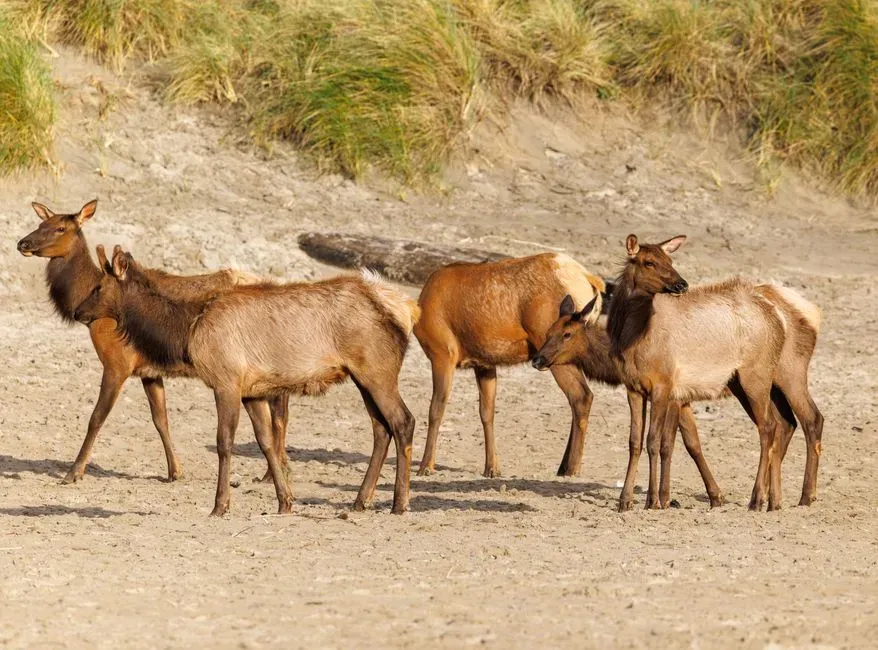
The tallest trees on Earth share their meadows with the biggest elk in North America.
Redwood is a standout for fall because towering trees and huge grazing animals make a memorable autumn trip. The elk here are Roosevelt elk, and they are the largest of North America’s elk subspecies. Bulls can weigh upwards of 1,000 pounds.
Elk graze in open prairies, not dense forest. That’s why you’ll often find them in clearings and meadows along the park’s roads. Fall adds the rut, when bulls bugle and herds stay tight.
Why It Stands Out
- Home to the tallest trees on Earth, with the record holder topping about 380 feet
- Roosevelt elk are the largest elk subspecies in North America
- Bulls can top 1,000 pounds
- Open meadows, not deep forest, are where the herds show up
Fall can also bring clearer coastal days than the summer fog. Better light helps you pick out distant animals across the open ground.
Most people don’t realize the real mistake here. Visitors rush to the famous tree groves and drive past the meadows, where the living drama is.
Next comes a rain-forest park where September gets a surprising endorsement…

Halloween Dog Collar with Bow, Orange Cute Ghost Collar,
Check Price on AmazonAs an Amazon Associate, we earn from qualifying purchases.
10/9/2026 2:43 pm GMTi

Glass Hummingbird Feeder for Outdoors Hanging, 16 oz Leak-Proof Nectar Feeder with Bee Guards & Ant Moat
Check Price on AmazonAs an Amazon Associate, we earn from qualifying purchases.
10/7/2026 1:22 pm GMTi

Glass Hummingbird Feeder for Outdoors Hanging
Check Price on AmazonAs an Amazon Associate, we earn from qualifying purchases.
10/7/2026 1:21 pm GMTi

Hand Blown Glass Hummingbird Feeders for Outdoors Hanging, 24oz Wild Bird Nectar Feeder
Check Price on AmazonAs an Amazon Associate, we earn from qualifying purchases.
10/7/2026 1:23 pm GMTi

Dog Stairs for Bed 18" H, 4-Step Dog Steps for High Bed
Check Price on AmazonAs an Amazon Associate, we earn from qualifying purchases.
10/9/2026 2:42 pm GMTi
#7 – Olympic National Park, Washington: Three Parks in One, Quieter in September
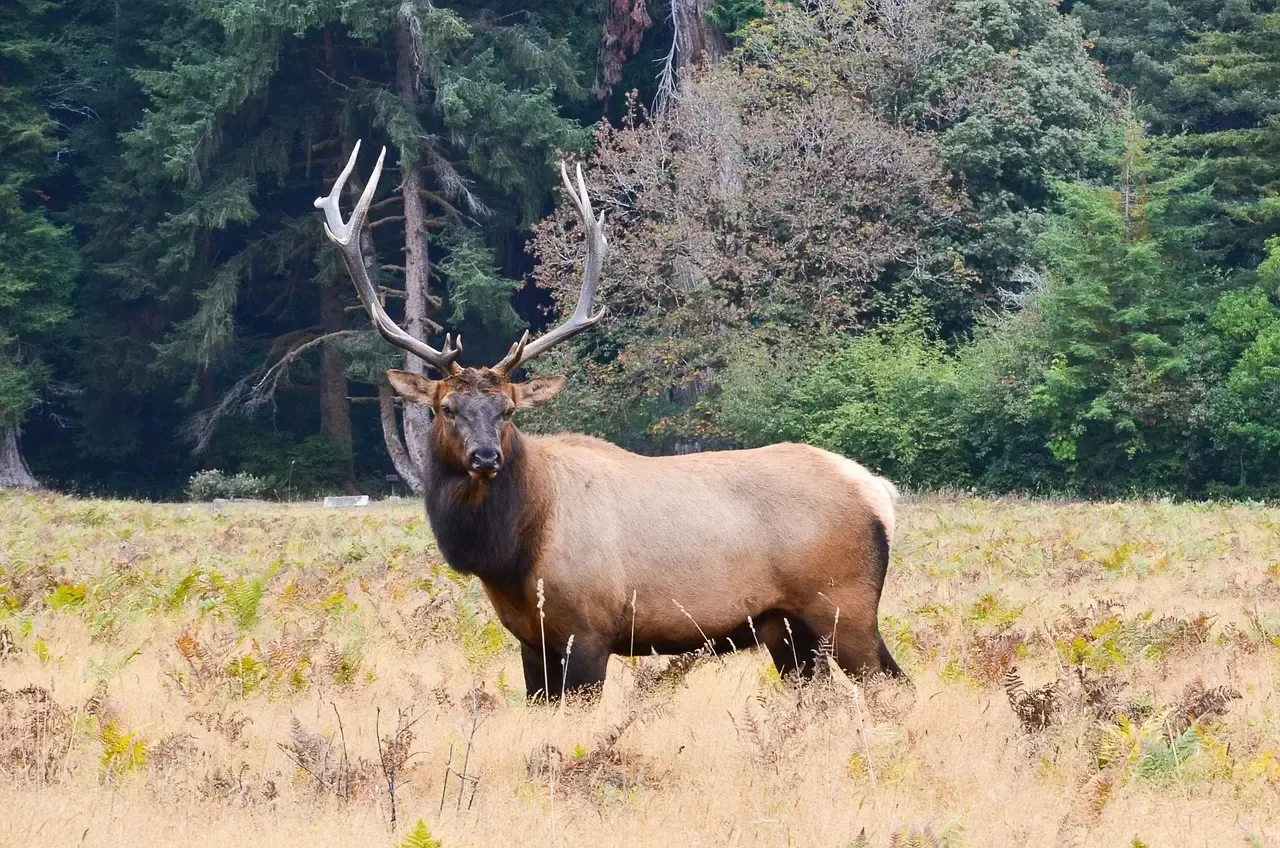
Olympic packs mountains, rain forest and wild coast into one park, and September is the quiet-season sweet spot.
One shoulder-season guide notes that September brings calm seas and better wildlife spotting. Calm seas matter more than they sound. They make shorelines and offshore waters easier to scan for seals, sea otters and seabirds.
Inland, the park’s Roosevelt elk are most active when autumn weather cools and the rut begins. Forest meadows near rivers are classic spots. Fall salmon runs on peninsula rivers can also draw wildlife to the water.
Experts recommend splitting your time and picking one ecosystem per day instead of trying to cover everything:
- Coast: seals, sea otters and seabirds on calm water
- Rain forest: Roosevelt elk in river-valley meadows
- Mountains: marmots in the high meadows
Our next park is the most visited in America, and its wildlife secret is hiding in plain sight…
#6 – Great Smoky Mountains National Park, Tennessee and North Carolina: Dense Forest, Smart Timing
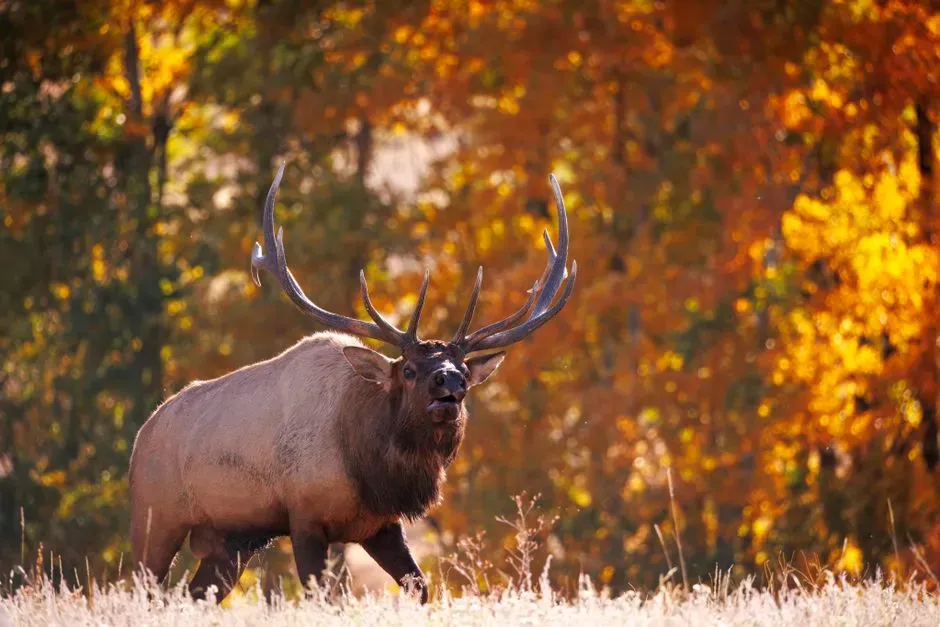
The Smokies draw more visitors than any other national park, yet the wildlife is oddly easy to miss.
The reason is the forest. The dense woodland makes viewing difficult, so patience is the key. The NPS points to Cataloochee for elk, Cades Cove for white-tailed deer and turkeys, and Roaring Fork Motor Nature Trail for black bears.
Autumn leaves open the canopy and thin the understory, which improves sightlines. The park also holds more than a hundred native tree species, so fall color is a bonus. Elk were reintroduced to Cataloochee in 2001, which makes seeing them there feel like a small comeback story.
Here’s the controversial take. Cades Cove is a famous wildlife stop, but many experts say midday there is the weakest way to see it. Go at dawn, or skip it for Cataloochee.
Now we move to a park with a high-elevation road that can make or break your trip…
#5 – Glacier National Park, Montana: The Crowds Vanish Faster Than the Snow
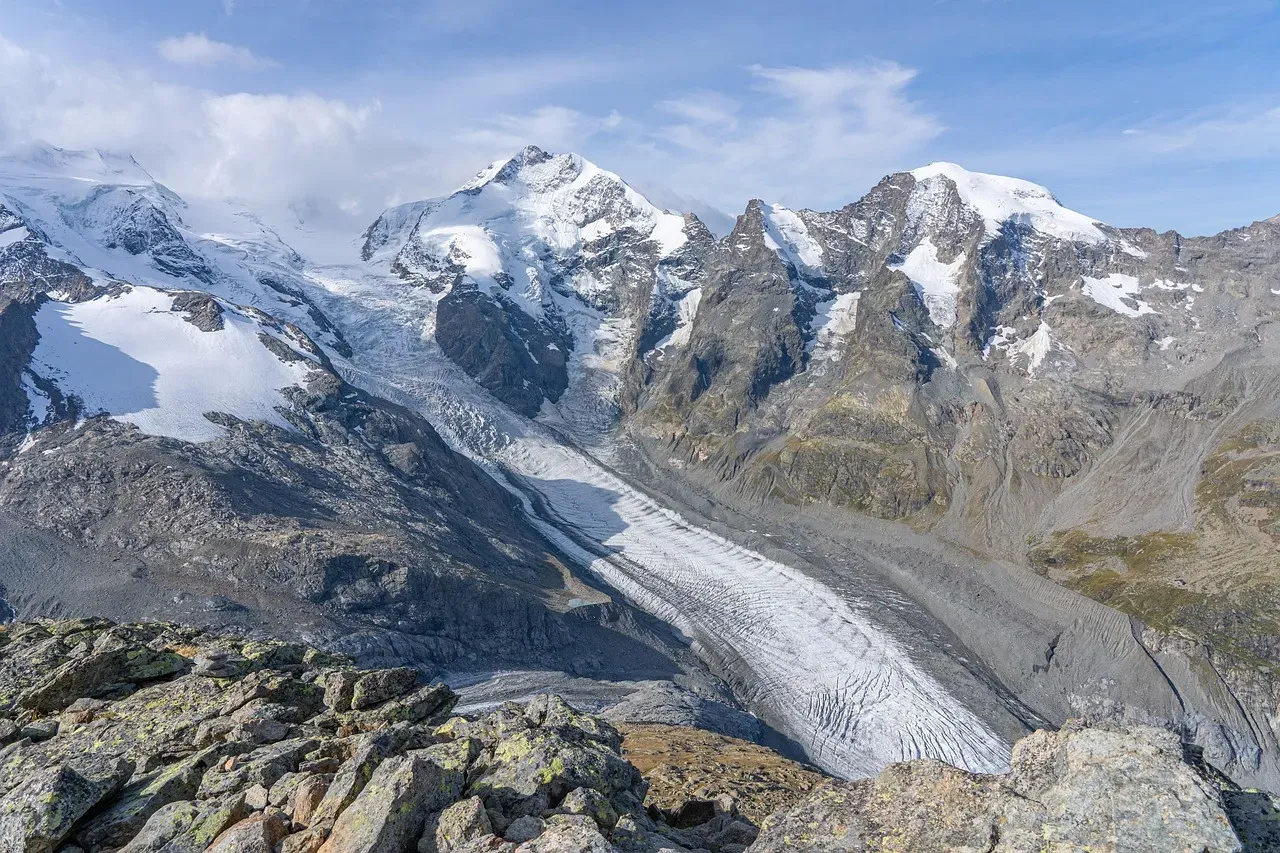
Glacier in September is a different park from Glacier in July.
One shoulder-season guide says Going-to-the-Sun Road stays open into early fall, and crowds thin quickly. The same guide adds that wildlife viewing improves as animals become more active before winter. That is the rare case where fewer people actually mean more animals.
Expect moose, elk, bears and deer. Late-season berry patches can pull bears into view, and mountain goats and bighorn sheep work the high rock. Always carry bear spray, and know how to use it before you need it.
There’s a catch. Early snow can close high sections without much warning. Check conditions before you drive, and keep a flexible schedule.
Next is a park where moose activity is the biggest surprise of the month…
#4 – Grand Teton National Park, Wyoming: Moose Season Starts at Dawn
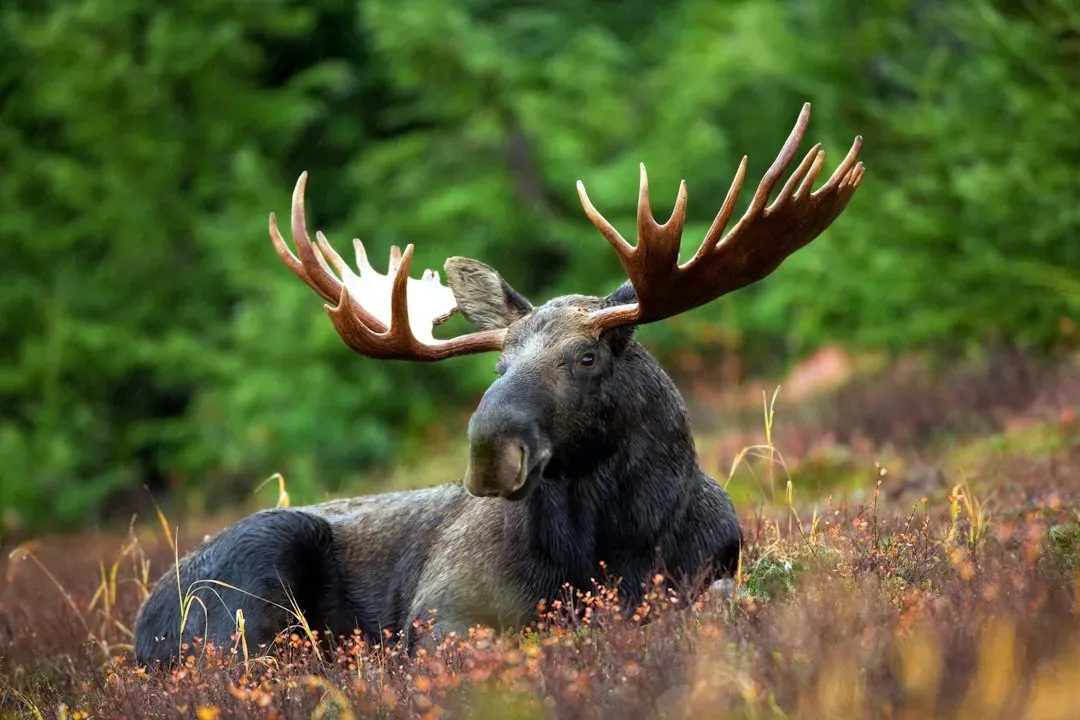
Grand Teton rewards early risers more than any other park here.
Guides say elk rut and moose activity stay high through September, and early mornings are best. The NPS notes that male elk and moose are actively searching for females as deer enter mating season. Bulls on the move don’t follow summer’s rules. They cross open ground and road corridors they’d avoid in July.
Worth Knowing
- Early morning is prime time for moose and elk
- Rutting bulls are distracted, so give them extra space
- Dawn and dusk are also when animals are most likely to cross roads
- Bring binoculars so you can watch from a respectful distance
Black bears also benefit from fall. Late summer and fall afternoons are prime time for black bears in berry patches within sight of the road.
The park’s Pilgrim Creek area became famous for roadside bear viewing, thanks largely to Grizzly 399. She was killed by a vehicle in October 2024. Her story is a reminder to drive slowly through wildlife corridors, especially at dawn and dusk.
Key stops:
- Early sunrise at open meadows for moose and elk
- Berry-rich edges in the afternoon for black bears
Next up is a park where the crowds are actually part of the show…

Portable Dog Water Bottle Foldable Dog Travel Water Bottle
Check Price on AmazonAs an Amazon Associate, we earn from qualifying purchases.
10/7/2026 1:29 pm GMTi

PetSafe Oasys Pet Fountain, 1/2 Gallon (64 oz), Small Dogs & Cats
Check Price on AmazonAs an Amazon Associate, we earn from qualifying purchases.
10/8/2026 8:14 am GMTi

Orthopedic Extra Large Dog Bed, Waterproof Washable XL Pet Bed 44"
Check Price on AmazonAs an Amazon Associate, we earn from qualifying purchases.
10/7/2026 1:32 pm GMTi

Professional 7 in 1 Dog Paw Cleaner for Dogs & Cats - Includes 1 Portable Paw Washer, 1 Bath Brush
Check Price on AmazonAs an Amazon Associate, we earn from qualifying purchases.
10/7/2026 1:26 pm GMTi

Smart Bird Feeder with Camera Solar Powered, 2K HD Live Video, 10,000+ Bird Species AI Identification
Check Price on AmazonAs an Amazon Associate, we earn from qualifying purchases.
10/7/2026 1:22 pm GMTi
#3 – Rocky Mountain National Park, Colorado: The Rut Is the Crowd
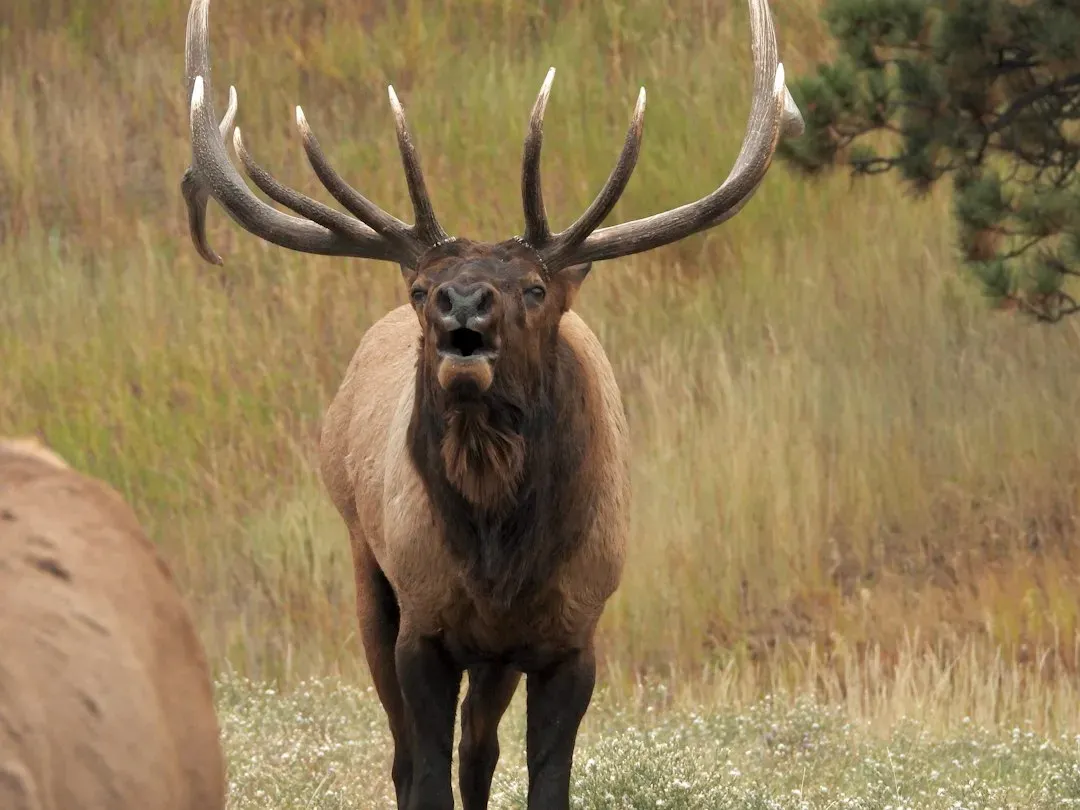
Here’s a contrarian truth. The elk spectacle at Rocky Mountain is the park’s busiest time, and it’s still worth it.
Mid-September to mid-October is the park’s busiest stretch of the year. It’s a different crowd from summer’s, but it’s still a crowd. The payoff is real. 700-pound bulls gather cows in the open meadows, and the bugling carries across the valley. Elk in the rut move more than at any other time of year.
To protect the animals, the park closes meadows including Horseshoe Park, Moraine Park and Upper Beaver Meadows to foot travel off roads and trails from September 1 to October 31 during set hours. Stay on the roadside.
Moose are the casualty. One guiding company says moose sightings drop sharply right before their rut at the end of September. So you trade one animal for another, and most people happily take the bulls.
Our next stop isn’t on the road system at all, and its bears are doing something stunning…
#2 – Katmai National Park, Alaska: Fat Bear Season
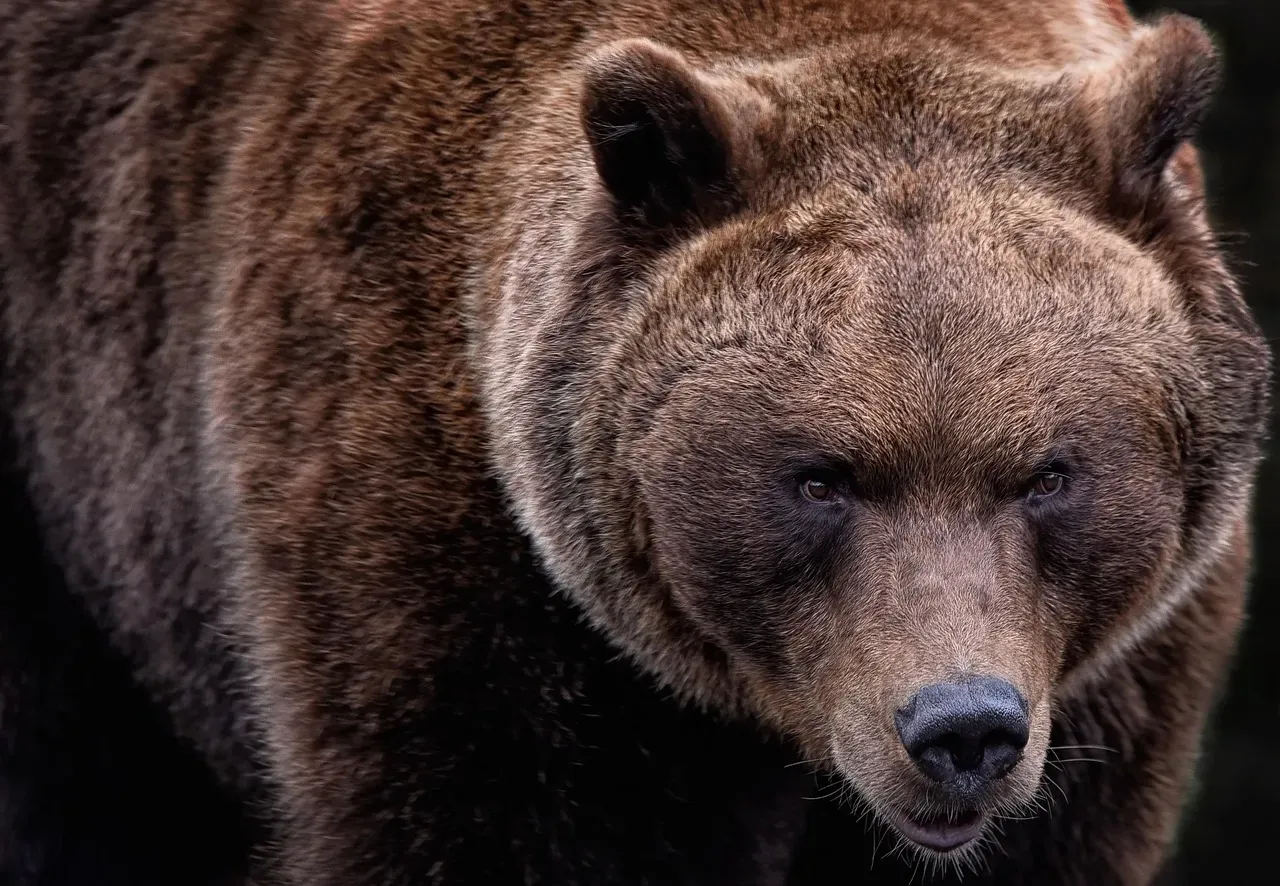
Katmai’s bears put on their best show after the famous summer crowds are gone.
July at Brooks Falls gets the glory, with up to 25 bears at one time. But NPS says Brooks River bear viewing is best in July and September. In September, bears are usually present in high numbers as they search for dead and dying salmon.
Those bears are working hard. A spawned-out salmon in September may have about half the calories it had when it first arrived from the ocean. So bears must eat more fish to get the same fuel. One large male can catch and eat more than 30 salmon in a day.
The payoff is dramatic. An adult male can go from roughly 700 pounds to over 1,200 pounds by fall. Some bears even dive fully underwater near the river mouth. It’s the same chunky transformation that fuels Fat Bear Week, the annual online contest where viewers vote for the year’s most impressive heavyweight.
The catch is timing. NPS operates Brooks Camp facilities only until about September 17. Plan early September.
And now the park that sits at the top of nearly every expert’s list…

Air Purifiers for Home Pets Large Room Up to 3000 Ft²,HEPA Air Cleaner with Washable Double-Side Filter, PM2.5 Air Quality Monitor,15dB Sleep Mode for Bedroom Odor Dust Pollen,White
Check Price on AmazonAs an Amazon Associate, we earn from qualifying purchases.
10/8/2026 8:23 am GMTi

Halloween Cat Costume Cloak Witch Hat Pet Accessories
Check Price on AmazonAs an Amazon Associate, we earn from qualifying purchases.
10/9/2026 2:44 pm GMTi

Earth Rated XL Dog & Puppy Pee Pads, Discreet Top, Max Absorbency
Check Price on AmazonAs an Amazon Associate, we earn from qualifying purchases.
10/7/2026 1:28 pm GMTi

2 Pcs Halloween Pet Hat Bandana Set, Witch Pumpkin Costumes for Dogs
Check Price on AmazonAs an Amazon Associate, we earn from qualifying purchases.
10/9/2026 2:45 pm GMTi
#1 – Yellowstone National Park, Wyoming, Montana and Idaho: Where Fall Wins Outright
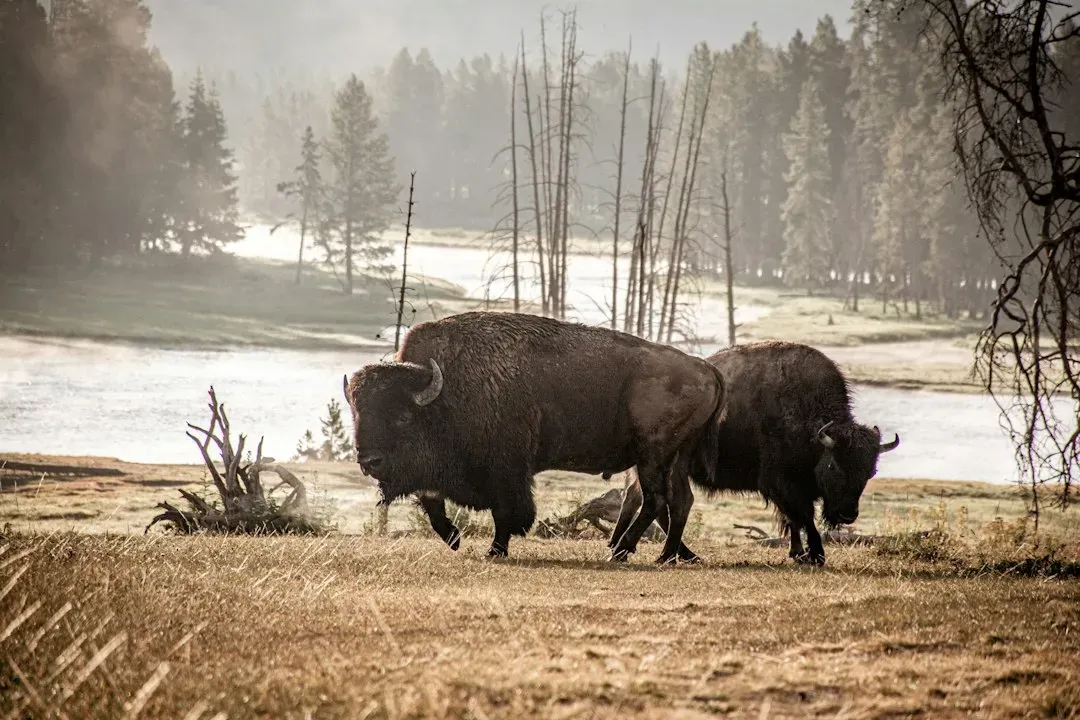
Yellowstone may be the only park where operators openly argue that autumn beats summer.
One guide says September is widely considered the single best month for wildlife and fewer crowds. Lonely Planet adds that September can still be busy, while crowds wane significantly in October and are generally gone by November.
At a Glance
- Established in 1872 as the first national park in the U.S.
- Covers about 2.2 million acres across three states
- Wolves were reintroduced in the mid-1990s and are now a major draw
- Crowds thin in October and are generally gone by November
Predator drama peaks too. Wolf pups born in April are nearly grown and learning to hunt, sometimes testing bison herds. Wolves also become easier to see as vegetation dies back and sightlines open up.
Larger male bears will sometimes steal kills from wolf packs. That creates major drama for wildlife watchers, and it plays out in open valleys where you can watch from a safe distance with a spotting scope.
Fall isn’t guaranteed, though. Wolves cover a lot of territory, so they’re harder to predict and more rewarding to find.
Best bets:
- Lamar Valley for wolves and bears
- Hayden Valley for the elk rut
Always keep your distance. That means 100 yards from bears and wolves and 25 yards from other animals.
The best wildlife viewing in America isn’t in July. It’s in the shoulder season, when animals are driven by hunger, mating and migration, and the roads finally clear. Katmai and Yellowstone are the strongest cases, while Rocky Mountain proves that “fewer crowds” is never guaranteed.
Our opinion: the biggest mistake is treating summer as the default, and the second biggest is arriving at midday. Dawn in September beats noon in July every time. Which park would you move to #1 instead?

- 13 American Parks Where Wildlife Viewing Improves Sharply After the Summer Crowds Go Home - November 12, 2026
- The Only US State Where This Wolf Runs Free - September 13, 2026
- The Worst Ice Storm That Shut Down Indiana - August 3, 2026