
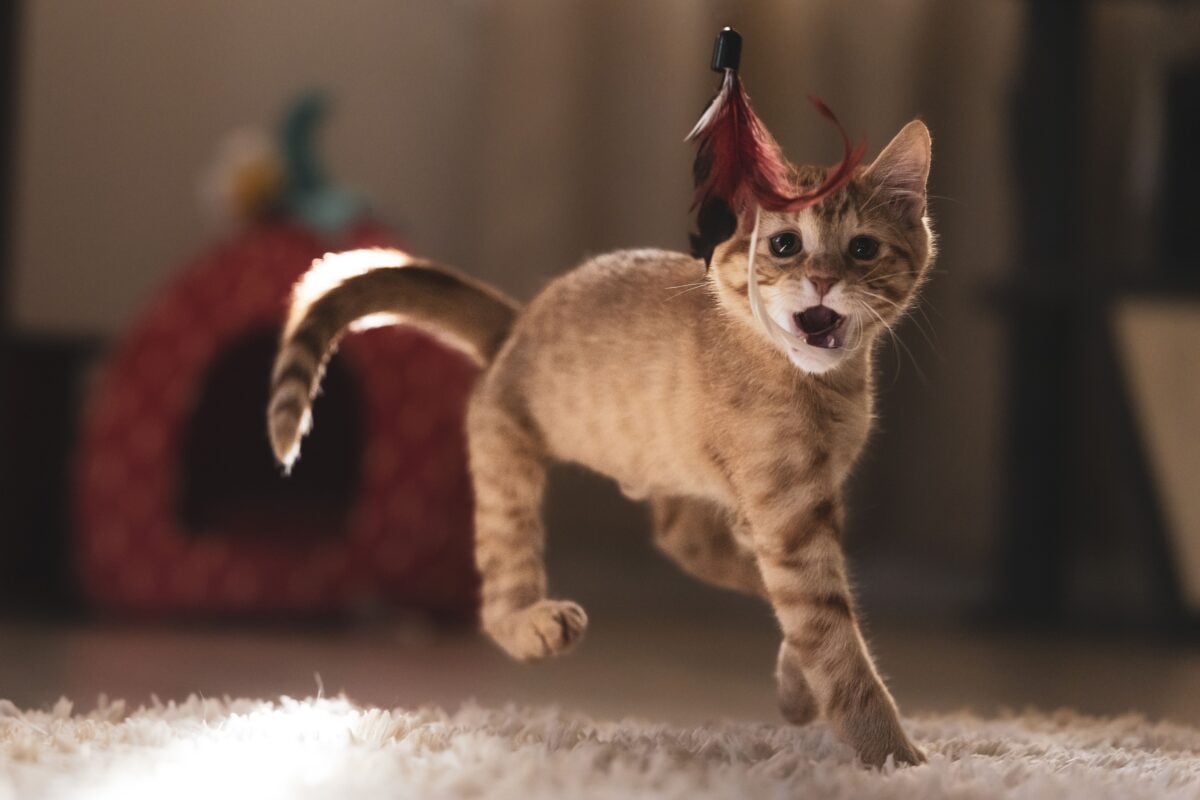

Most people think a new cat is “settled” the day it stops hiding. Behaviorists say that’s only the first checkpoint. The behaviors that show a cat truly considers your home its own are quieter, stranger, and far easier to miss than a dramatic cuddle on the couch.
Some of them look like quirks. A few get mistaken for bad manners. Here’s what experts and the research say these 14 behaviors reveal, counted down from the least obvious to the one that matters most. That last one happens in the most ordinary moment of your day, and most owners never realize what it means.
#14 – The Disappearing Act Quietly Ends

A cat that stops vanishing under the bed isn’t being brave. It’s finally done with the emergency exit.
In the first days in a new home, hiding is a coping strategy, not a flaw. A cat can’t judge a space it hasn’t mapped, so it keeps a bolt-hole close. Shelter research has found that cats given hiding boxes tend to adjust faster and show lower stress scores.
The sign of settling is not that hiding stops entirely. It’s that the cat stops relying on it. You’ll catch it choosing the couch arm or the windowsill over the dark gap behind the dresser.
Most people don’t realize the first sign is often sound. A cat that stays in the room during the vacuum, a doorbell, or a dinner party is making a calculated judgment that this place is safe. Instead of streaking away at the first bang, it looks up, weighs the noise, and goes back to its nap.
- Hides used as a retreat, not a residence
- Returns to common rooms within minutes of a noise
- Sleeps where it can see you
But the next sign is something most owners walk right past…
#13 – Sleeping Flat Out in the Open
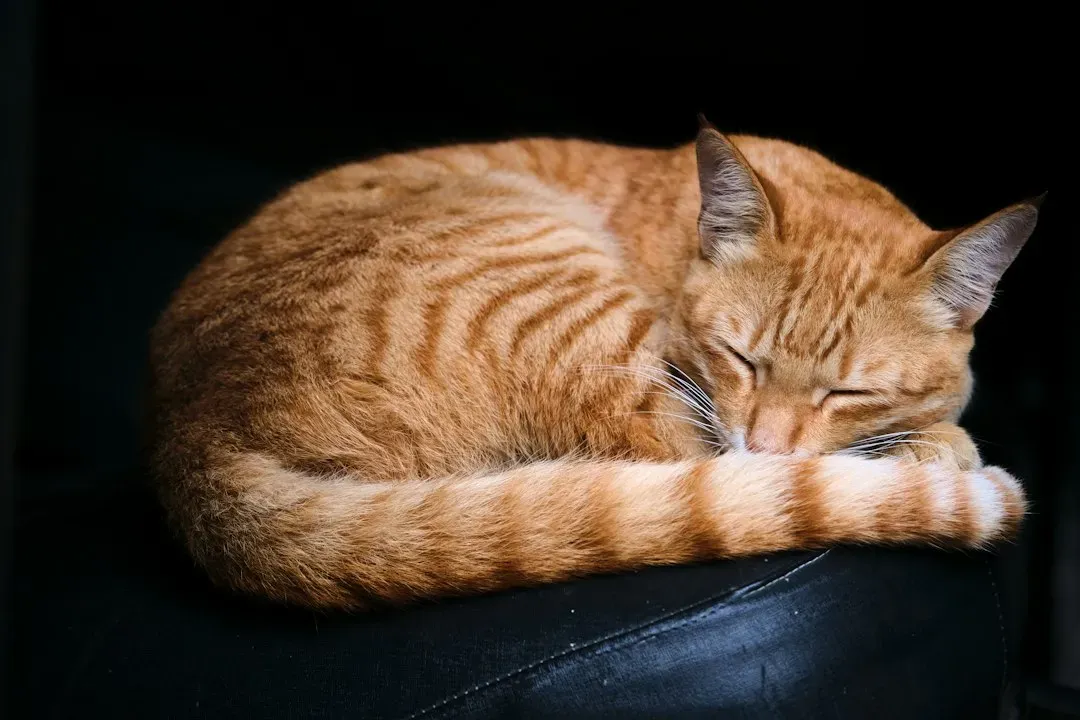
A cat that naps in the middle of the living room floor has made a serious risk assessment.
Cats sleep a lot, and in the wild a sleeping animal is a vulnerable one. A newly arrived cat tends to pick spots with cover, height, or a quick escape route. A cat snoozing in a sunbeam in the middle of the room has decided the escape route is no longer a priority.
Watch the posture. A tucked “loaf” with paws under the body keeps the cat ready to spring. A cat stretched out on its side, legs extended, is in a position it can’t leave quickly. That is trust in physical form.
Quick Compare
- Under the bed or behind furniture: cover first, rest second. The cat is still on guard.
- The loaf: relaxed, but paws are tucked and ready to launch.
- Side-stretched in the open: a slow exit and a wide-open body. This is the settled version.
Experts also point to sleep depth. Cats alternate between light dozing and deeper sleep, and a cat in a home it trusts tends to spend more time in the deeper kind. That’s when you may see twitching whiskers, paddling paws, or even soft chirps.
And what happens at mealtime tells you even more…
#12 – Meals Without the Hovering
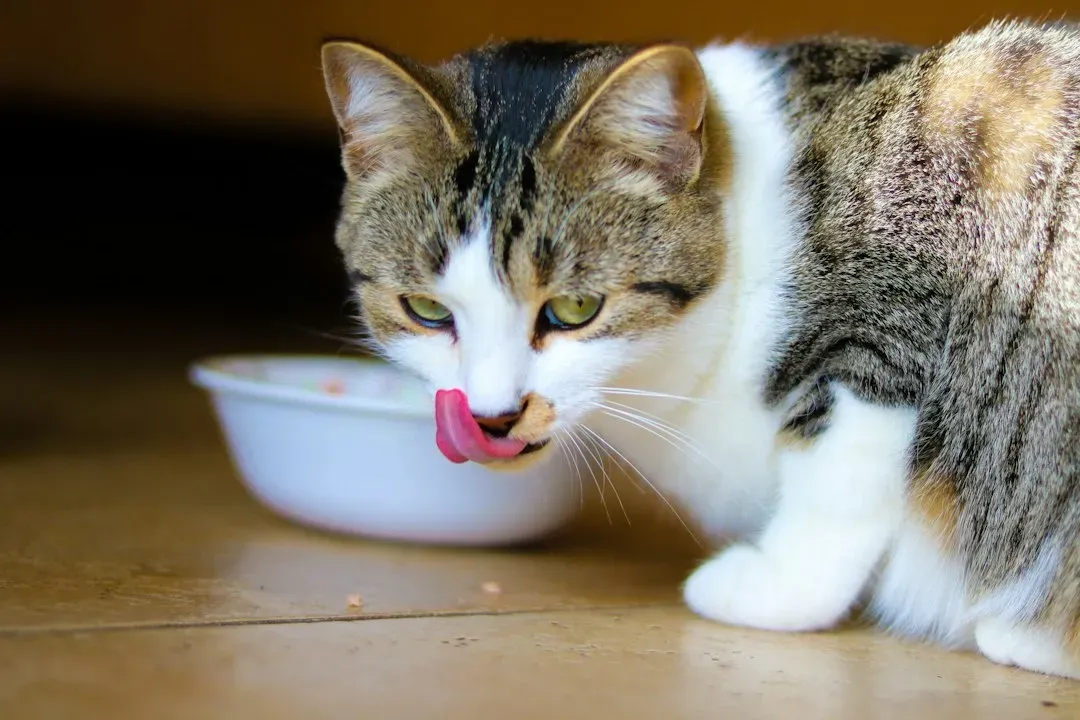
The most overlooked sign of a settled cat is how it eats, not what it eats.
A stressed cat eats fast, glances around, and bolts at the first noise. Some skip meals entirely when anyone is nearby. It’s a survival reflex, and it’s easy to misread as pickiness.
A cat at home eats at its own pace. It walks away mid-meal, comes back later, and maybe grooms its face in between. Grooming after eating is a self-comforting habit that cats tend to save for moments when they feel secure.
Then there’s the “free feeding” debate that fills pet forums. Plenty of vets favor measured meals over a permanently full bowl, mainly for weight control. Either way, what matters for this milestone is the cat’s body language around the bowl, not the schedule.
- Relaxed ears and a loose tail while eating
- Walks away without finishing, then returns
- Eats while you’re in the same room
One important flag: a sudden appetite loss in a previously settled cat is a reason to call a vet, not a behavior to analyze.
Next comes a habit that makes owners wince, though it should be reassuring…
#11 – Scratching in Plain View
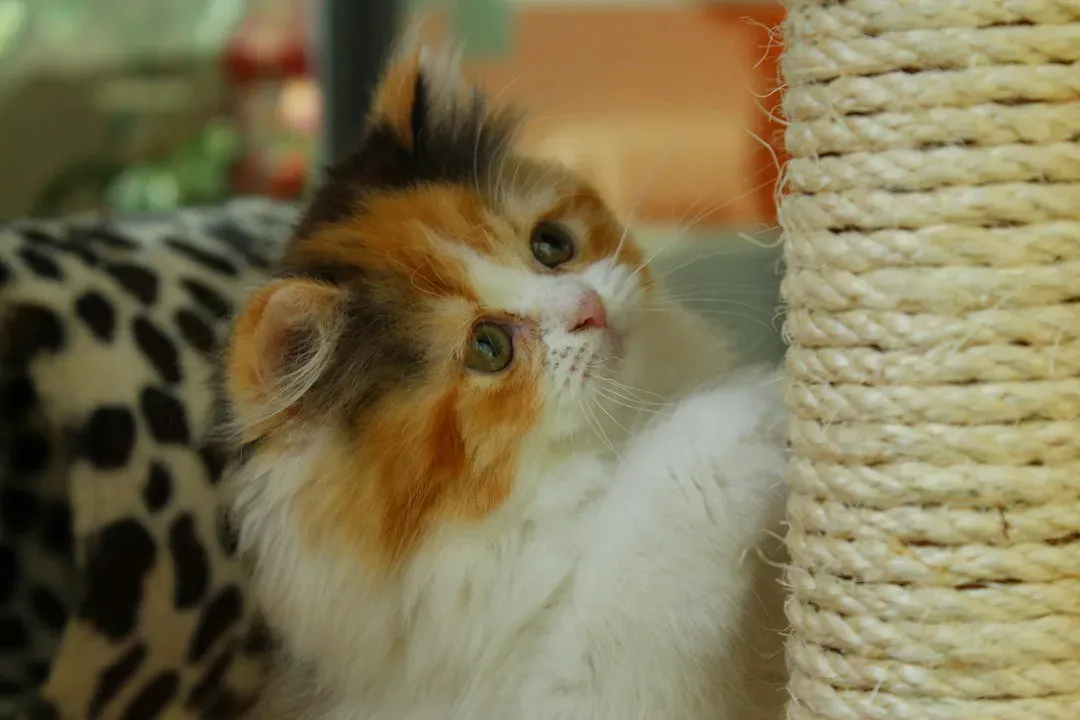
That shredded corner of the sofa is actually a signature.
Scratching does more than sharpen claws. It leaves a visible mark and also deposits scent from glands in the paws. In other words, your cat is writing “I live here” on your furniture.
A new cat often scratches little, or only in out-of-the-way places. When it starts scratching in high-traffic spots, like the end of the couch or beside the doorway, it is claiming shared space instead of sneaking around it.
Here’s a controversial take: many behaviorists argue that punishing this is the bigger mistake. Redirecting works far better. Put a sturdy, tall scratching post right next to the furniture your cat is targeting, and the signature moves to a spot you can live with.
But scent marking gets far more personal than scratching…
#10 – Rubbing Their Face on Everything
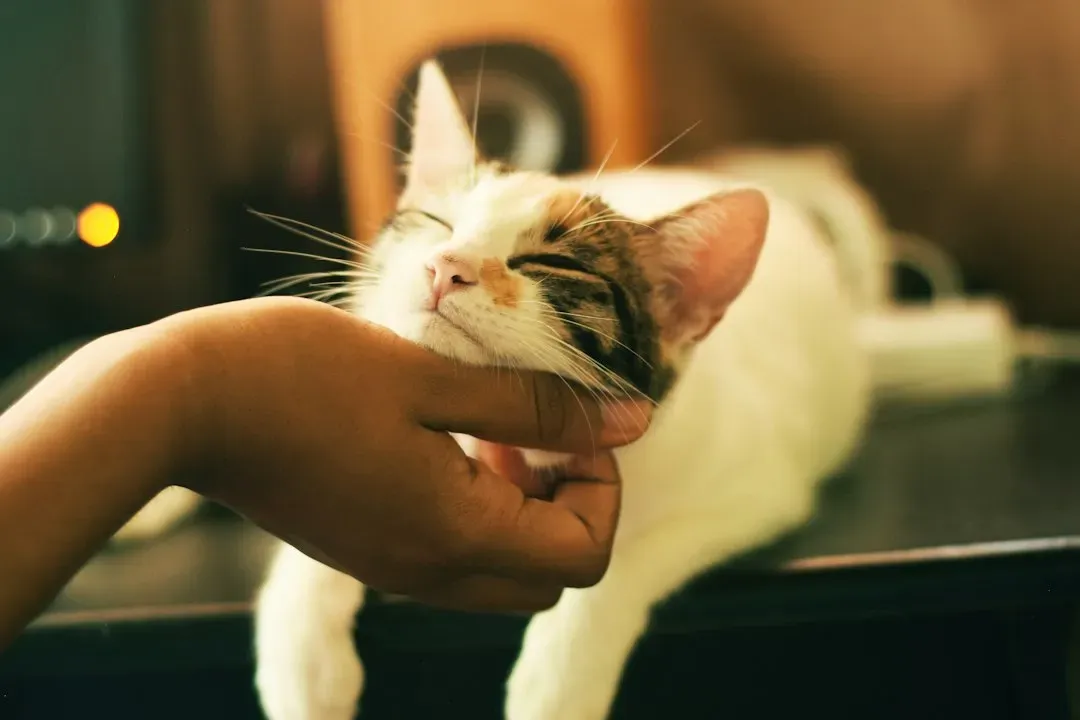
Your cat is secretly labeling your home with its face.
Cats have scent glands on the cheeks, chin, and forehead. When a cat drags its face along a table leg, doorframe, or your shin, it leaves a chemical message. Behaviorists call this “bunting.”
The target matters. Cats tend to rub on things they find familiar and rarely on things that alarm them. A cat that rubs on the furniture in every room has essentially declared the whole house its territory.
It’s social, too. Cats that live together often rub against one another, mixing their scents into a shared group smell. When your cat rubs on you, it’s adding you to that group.
Synthetic versions of facial pheromones are sold to calm cats. Results vary by cat, and they don’t replace a good routine. The natural version, though, is free, and your cat is already producing it.
And when you walk through the door, there’s an even clearer signal…
#9 – The Tail-Up Greeting
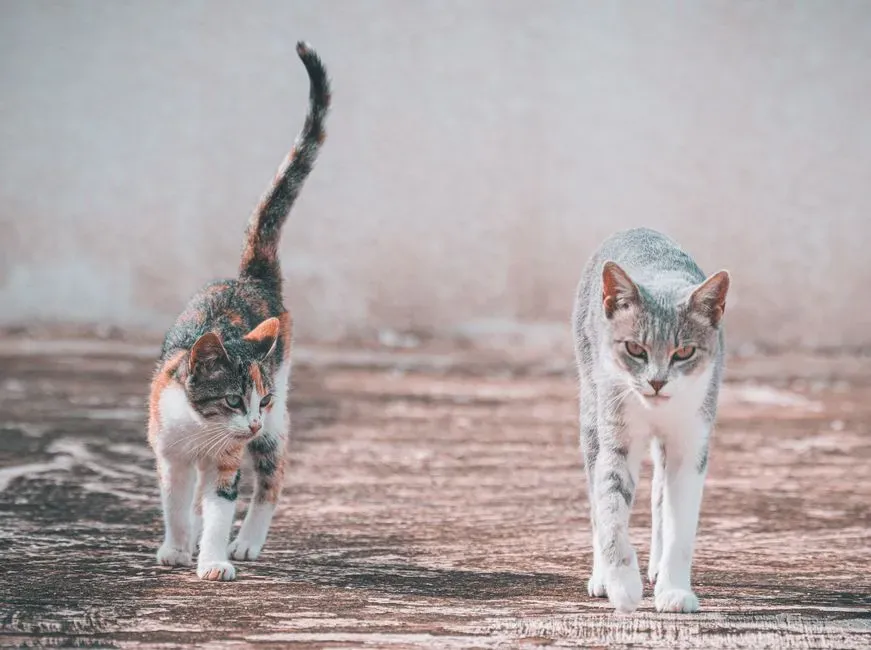
A vertical tail is one of the most reliable “welcome home” signals in the feline vocabulary.
Kittens raise their tails to greet their mothers. Research on free-roaming colony cats found the tail-up posture mostly appears in friendly encounters. Many adult cats keep it for the people and cats they trust.
A cat that meets you at the door with a raised tail, perhaps with a tiny curl at the tip, is telling you something specific. It’s the same greeting cats use on their closest companions.
Don’t confuse this with a fluffed-up, bristling tail, which signals fear or aggression. The relaxed version is straight and smooth, often quivering slightly.
Most owners reach down to pet right away. Experts suggest a gentler move: let the cat approach first, offer a finger at nose level, and let it decide how the greeting goes. Cats that control the interaction tend to come back for more.
But the quietest greeting happens with the eyes…
#8 – Slow Blinking at You
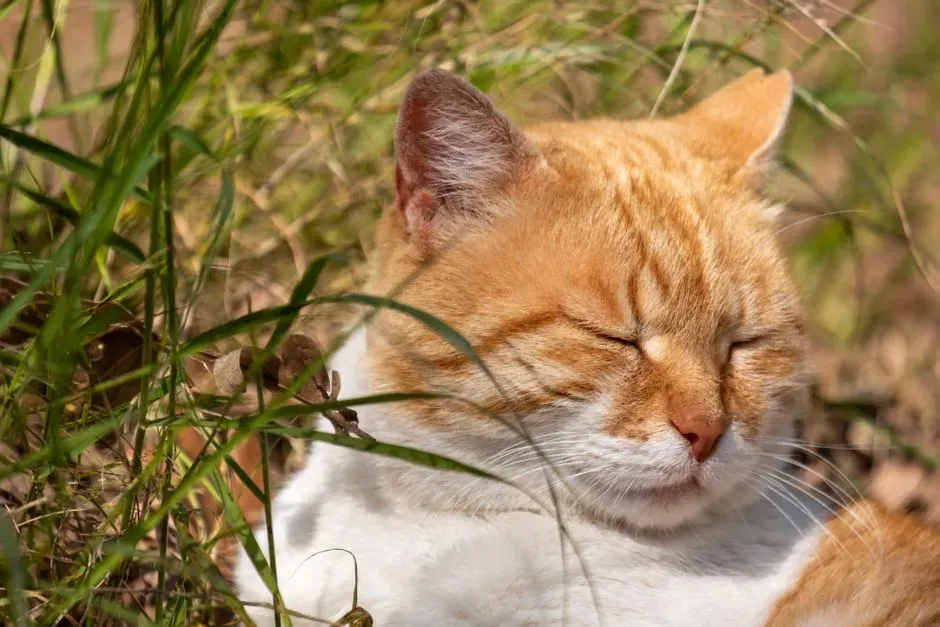
A settled cat uses the slow blink freely, and science suggests it’s the closest thing to a feline “I come in peace.”
A 2020 study published in Scientific Reports found that cats were more likely to approach a stranger who slow-blinked at them. Cats also tended to slow-blink back at their owners after the owners did it first.
Researchers have suggested this may work as a form of communication. The closed or half-closed eye is a cue that the cat isn’t a threat and doesn’t see one.
A hard, unblinking stare, by contrast, can read as a challenge. That’s why many cats drift away from people who stare them down.
Try it yourself. Soften your face, close your eyes slowly, and open them again. Don’t expect an immediate response. A cat that has truly settled in is likely to blink back within a few attempts.
Next up is a behavior that dates back to the first days of life…

Halloween Dog Collar with Bow, Orange Cute Ghost Collar,
Check Price on AmazonAs an Amazon Associate, we earn from qualifying purchases.
10/9/2026 2:43 pm GMTi

Hand Blown Glass Hummingbird Feeders for Outdoors Hanging, 24oz Wild Bird Nectar Feeder
Check Price on AmazonAs an Amazon Associate, we earn from qualifying purchases.
10/7/2026 1:23 pm GMTi

Glass Hummingbird Feeder for Outdoors Hanging
Check Price on AmazonAs an Amazon Associate, we earn from qualifying purchases.
10/7/2026 1:21 pm GMTi

Glass Hummingbird Feeder for Outdoors Hanging, 16 oz Leak-Proof Nectar Feeder with Bee Guards & Ant Moat
Check Price on AmazonAs an Amazon Associate, we earn from qualifying purchases.
10/7/2026 1:22 pm GMTi

Air Purifiers for Home Pets Large Room Up to 3000 Ft²,HEPA Air Cleaner with Washable Double-Side Filter, PM2.5 Air Quality Monitor,15dB Sleep Mode for Bedroom Odor Dust Pollen,White
Check Price on AmazonAs an Amazon Associate, we earn from qualifying purchases.
10/8/2026 8:23 am GMTi
#7 – Kneading Like It’s Still a Kitten
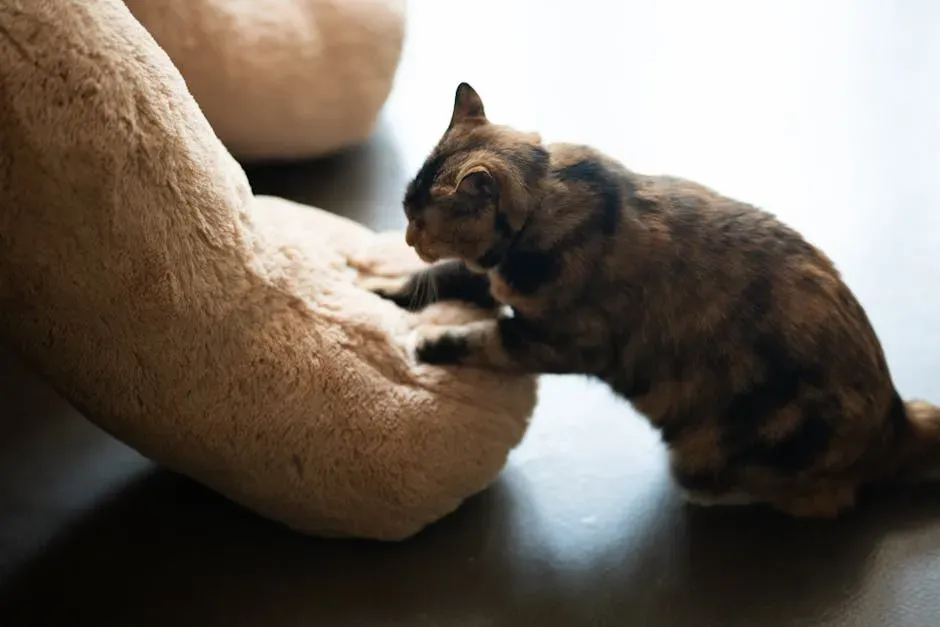
Adult cats that “make biscuits” are replaying a memory from the first weeks of their lives.
Kittens push their paws against their mother to stimulate milk flow. Many cats carry the movement into adulthood and use it when they feel soothed. A cat kneading your lap or a blanket is in an emotional state it associates with comfort.
There’s likely a scent element too, since cats have glands in their paws. Kneading may leave a trace of their own smell on the surface.
Kneading is generally read as a sign of contentment, and it’s rare in a cat that’s anxious about its surroundings.
Not every cat does it. Some never knead, and that doesn’t mean they’re unhappy. But for a cat that didn’t knead at first and now does, the shift is meaningful.
- Often paired with purring and half-closed eyes
- Most common on soft surfaces or favorite people
- Claws can come out, so keep a blanket handy
But there’s a more practical sign that a cat has learned your home’s rhythm…
#6 – Waiting for You on a Schedule
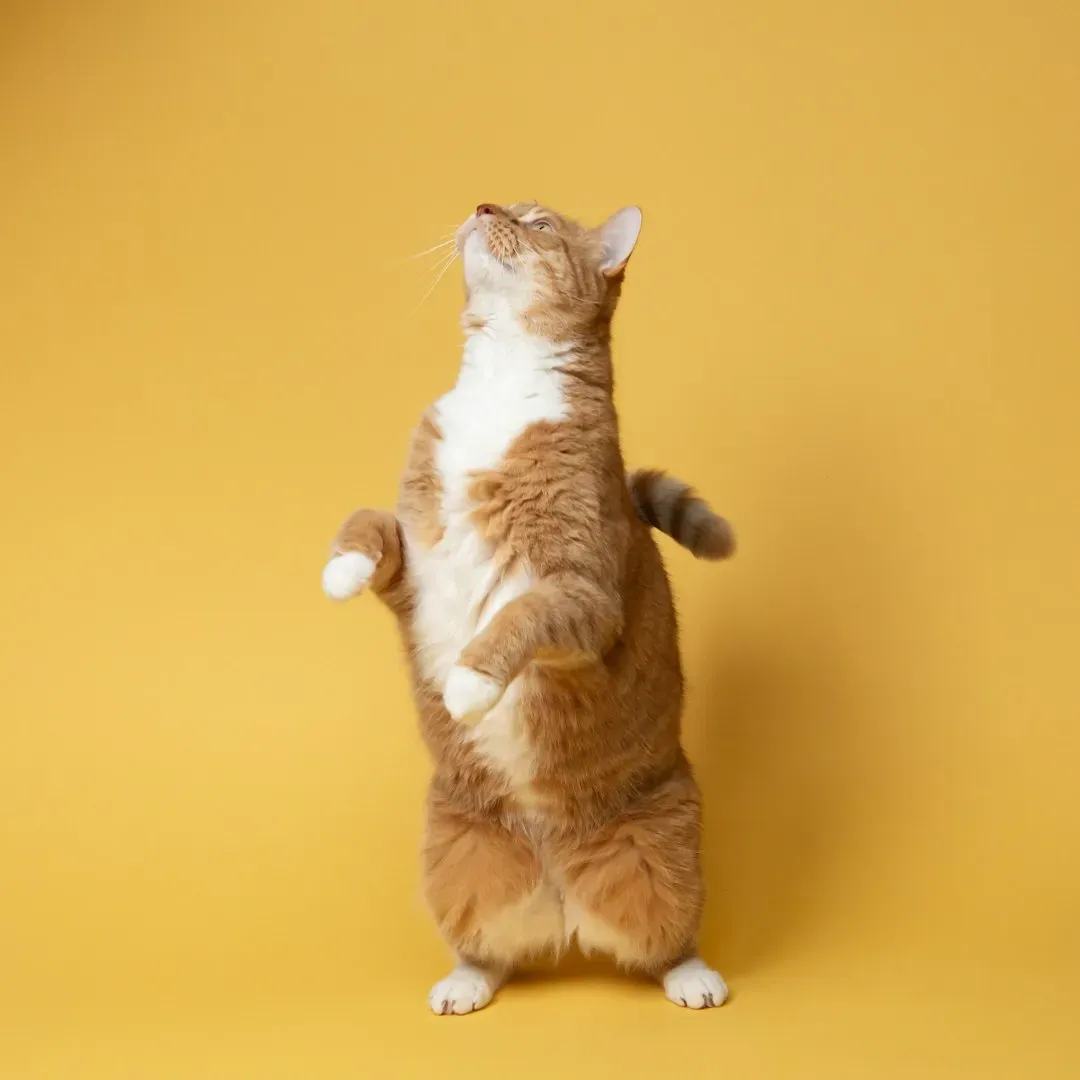
Your cat has probably memorized your routine better than you have.
Cats are creatures of habit. Settled cats start showing up at predictable times: waiting by the food bowl, parked at the window before you get home, or sitting outside the bathroom door.
They’re also reading you. A 2019 Japanese study published in Scientific Reports found that cats can distinguish their own name from similar-sounding words. Add your voice and your habits, and your cat knows far more about you than you might guess.
Fast Facts
- The study: Japanese researchers, Scientific Reports, 2019
- The test: a cat’s own name versus words of similar length and tone
- The catch: responses can be subtle, like an ear flick or a head turn
- The takeaway: a cat that ignores you may still be listening
Cats that anticipate routines are showing they feel the home is stable enough to predict. A cat in a stressful environment can’t relax into patterns.
Don’t assume it’s all about food. Plenty of cats are waiting for attention, play, or a spot on your lap, not a meal.
And once the routine is set, your cat starts talking about it…
#5 – The Meows Start Making Sense
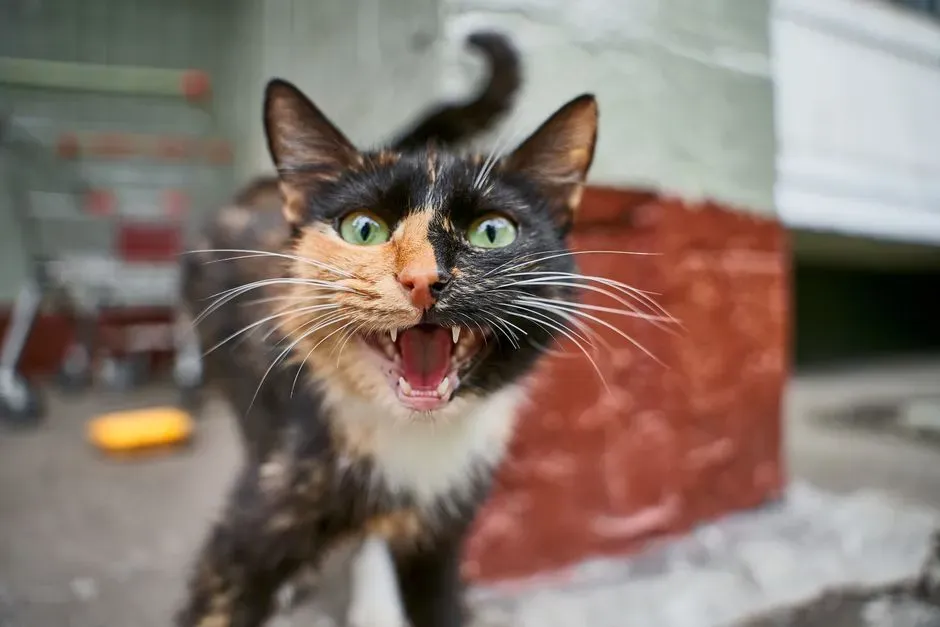
Adult cats mostly meow at humans, not at each other.
Cats communicate with one another mainly through scent, posture, and touch. The meow is largely a tool for people. A cat that was quiet during the first week may start vocalizing as it gets more confident.
Different meows tend to have different purposes. Short chirps might be a greeting. Longer, insistent calls often mean “feed me” or “open that door.”
Many owners report that their cats develop their own “words” for specific requests. The sounds work because the human keeps responding, which teaches the cat that speaking up pays off.
One caution: a sudden surge in loud vocalizing, especially at night, isn’t always a happy sign. Medical issues, including thyroid problems or cognitive changes in older cats, can be behind it. Check with a vet if the change is abrupt.
Here’s a hot take: talking back to your cat isn’t silly. It’s how the conversation grows.
But the next behavior has nothing to do with sound…
#4 – Zoomies at Odd Hours
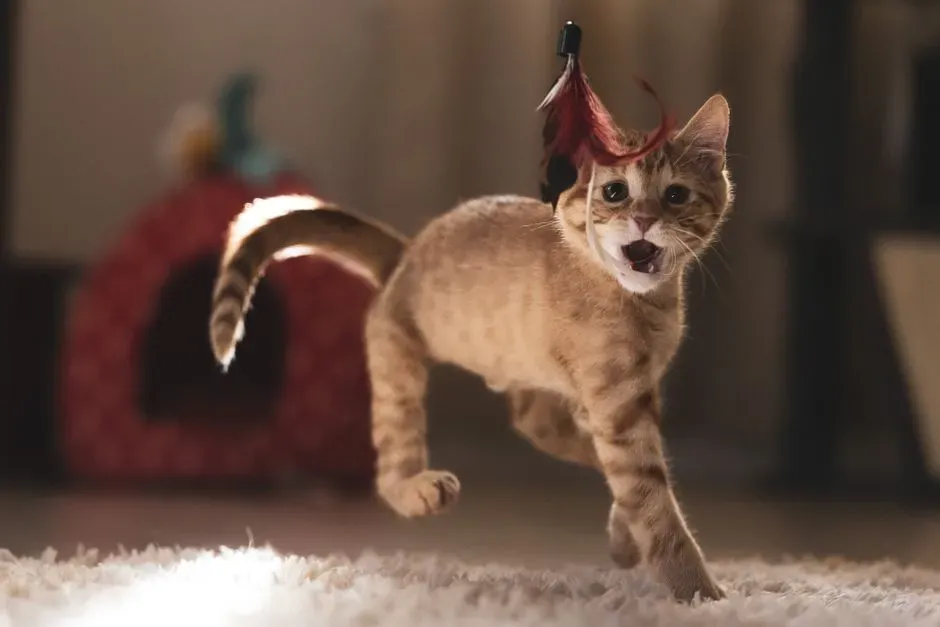
That 3 a.m. sprint through the hallway is a good sign, not a malfunction.
Cats are naturally most active around dawn and dusk. Those bursts of running, jumping, and wall-climbing are often called FRAPs, short for frenetic random activity periods. They’re normal, especially in younger cats.
Here’s what matters for settling in: stressed cats tend to play less. Play needs a relaxed brain. If a cat that was subdued for days suddenly chases a toy across the room, it’s likely feeling safe.
Cats also get more playful when their hunting instincts have an outlet. Short sessions with wand toys, ending with a small meal, mimic the hunt-eat-sleep cycle.
- Play tends to peak in the evening and early morning
- Pouncing and stalking are relaxed play behaviors
- Hissing or flattened ears during “play” signal stress
But the real test of trust happens when you leave the room…

Orthopedic Extra Large Dog Bed, Waterproof Washable XL Pet Bed 44"
Check Price on AmazonAs an Amazon Associate, we earn from qualifying purchases.
10/7/2026 1:32 pm GMTi

Portable Dog Water Bottle Foldable Dog Travel Water Bottle
Check Price on AmazonAs an Amazon Associate, we earn from qualifying purchases.
10/7/2026 1:29 pm GMTi

PetSafe Oasys Pet Fountain, 1/2 Gallon (64 oz), Small Dogs & Cats
Check Price on AmazonAs an Amazon Associate, we earn from qualifying purchases.
10/8/2026 8:14 am GMTi

Earth Rated XL Dog & Puppy Pee Pads, Discreet Top, Max Absorbency
Check Price on AmazonAs an Amazon Associate, we earn from qualifying purchases.
10/7/2026 1:28 pm GMTi

Smart Bird Feeder with Camera Solar Powered, 2K HD Live Video, 10,000+ Bird Species AI Identification
Check Price on AmazonAs an Amazon Associate, we earn from qualifying purchases.
10/7/2026 1:22 pm GMTi
#3 – Following You Everywhere (Yes, Even There)

The cat that follows you to the bathroom isn’t being invasive. It’s checking in.
Cats have a reputation for being aloof, but the science is more nuanced. A 2019 study in Current Biology found that roughly two-thirds of cats show secure attachment to their owners, a proportion similar to what’s seen in infants and dogs.
Securely attached cats use their person as a base. They explore, then return. A cat that trails you room to room is treating you as a safe anchor in a space it’s still mapping.
At a Glance
- Where it shows up: the study in Current Biology, 2019
- The headline number: roughly two-thirds of cats were securely attached
- The pattern: explore, check in, explore again
- Favorite follow stops: bathroom, kitchen, bedroom doorway
Here’s the contrarian view: the “cats don’t need people” myth is mostly a human misunderstanding. Plenty of cats are quietly social, and they simply express it differently than dogs.
Doorways and bathrooms are favorite spots for a reason. They’re enclosed spaces where you’re predictable, often sitting still, and the sink might drip.
If the following becomes frantic, with constant crying or panic when you leave, that can signal separation-related stress. That’s a reason to talk to your vet or a behaviorist.
Still, there’s one pose that tells you even more than following…
#2 – Showing the Belly
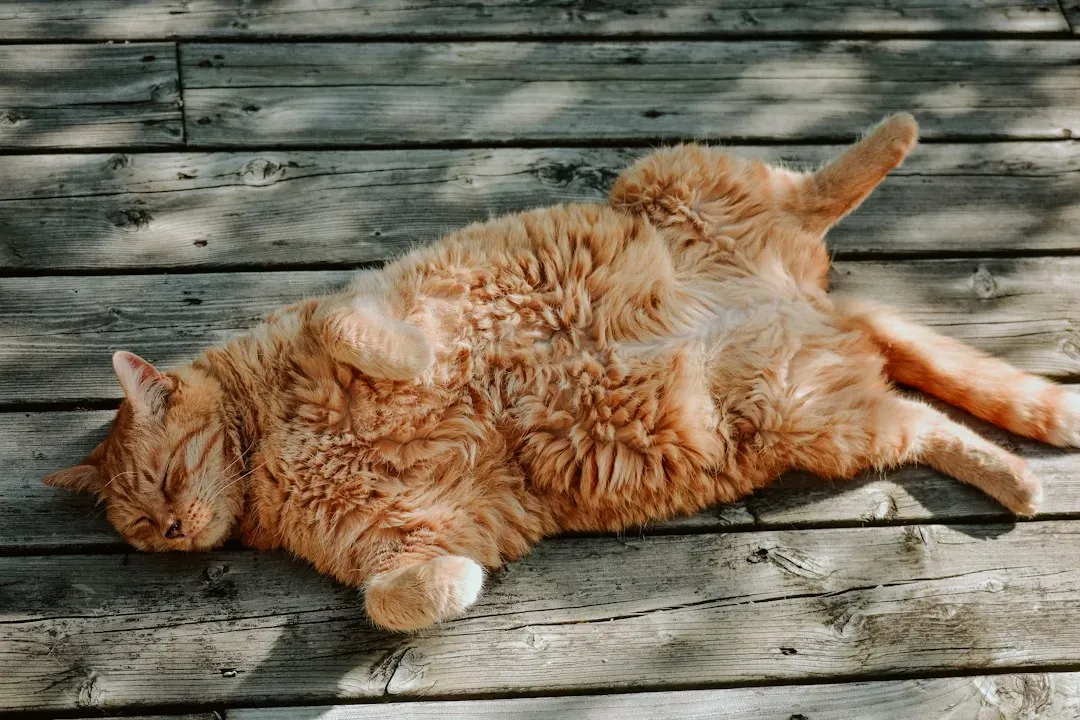
A cat rolling onto its back is revealing the most vulnerable part of its body.
The belly protects vital organs, so exposing it signals deep trust. But here’s the twist most people miss: it’s usually not an invitation to rub.
Many cats dislike belly touching, and it can trigger a defensive grab or bite. Some cats do enjoy it, but they tend to be the exception.
The most common mistake is treating this pose as a request. Behaviorists often advise reading the rest of the body: soft eyes, loose limbs, and a slow tail suggest comfort. A tense body or tucked paws suggest you should keep your hands to yourself.
My opinion: if your cat shows you the belly and you resist the urge to touch it, you’re speaking fluent cat.
- Look first, touch second
- Try a gentle head or cheek scratch instead
- Let the cat reach toward your hand
But one final behavior tops every other on the list…

2 Pcs Halloween Pet Hat Bandana Set, Witch Pumpkin Costumes for Dogs
Check Price on AmazonAs an Amazon Associate, we earn from qualifying purchases.
10/9/2026 2:45 pm GMTi

Dog Stairs for Bed 18" H, 4-Step Dog Steps for High Bed
Check Price on AmazonAs an Amazon Associate, we earn from qualifying purchases.
10/9/2026 2:42 pm GMTi

Professional 7 in 1 Dog Paw Cleaner for Dogs & Cats - Includes 1 Portable Paw Washer, 1 Bath Brush
Check Price on AmazonAs an Amazon Associate, we earn from qualifying purchases.
10/7/2026 1:26 pm GMTi

Halloween Cat Costume Cloak Witch Hat Pet Accessories
Check Price on AmazonAs an Amazon Associate, we earn from qualifying purchases.
10/9/2026 2:44 pm GMTi
#1 – Falling Asleep On or Against You
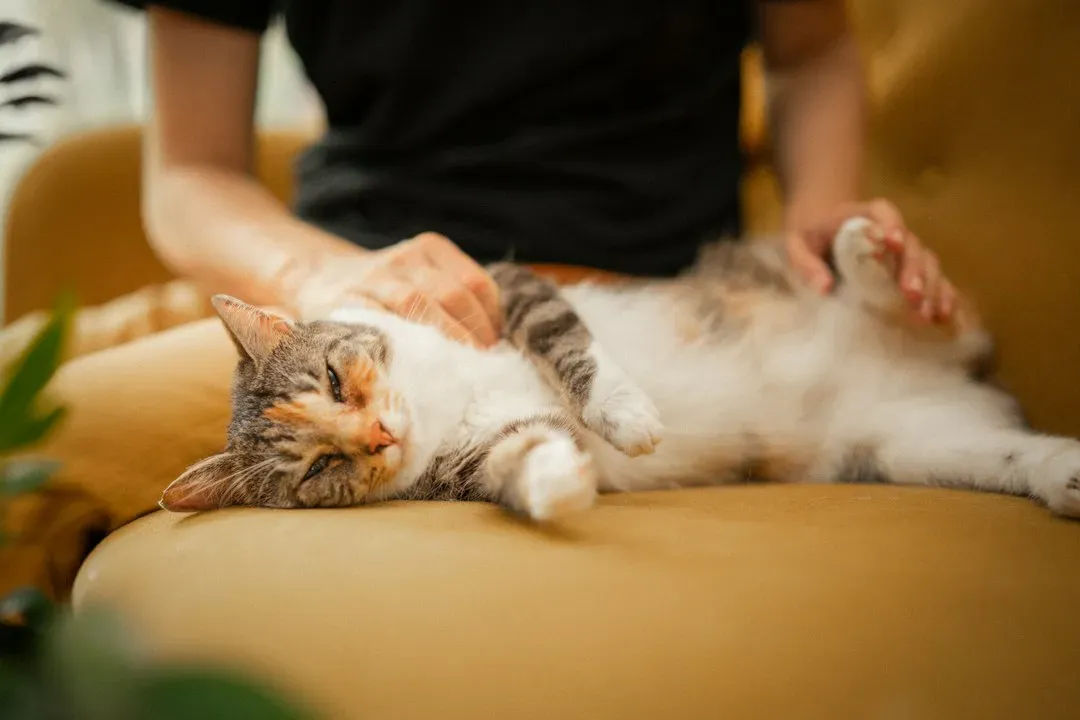
When a cat chooses to sleep pressed against you, it has stopped treating your home as temporary.
Sleep is the most defenseless state a cat has. Choosing to do it in contact with a person means the cat believes it won’t be harmed, and it’s willing to give up its quick escape.
Warmth is part of the story. Cats generally prefer warmer temperatures than people do, and a human body is a convenient heat source. But plenty of cats have a warm blanket available and still pick you. That choice is the real signal.
Cats that sleep on your chest or at the foot of your bed are also exposing themselves to your movement and noise. They’ve decided it’s worth it.
Notice the pattern across the whole list. Hiding fades, sleeping deepens, scent marking spreads, and the cat starts to seek you out. Each step builds on the one before.
A cat never announces that it has moved in. It shows it through small, specific choices: sleeping in the open, rubbing its face on the doorframe, blinking slowly at you, and picking your lap over a heated blanket.
Timelines vary by cat, and some never perform every behavior here. That’s normal. My view is that the best thing you can do is stop waiting for dramatic affection and start noticing the quiet signals, because they’re the honest ones.
Which of these 14 did your cat show you first?

- 14 Behaviors a Cat Shows Only Once a House Has Completely Stopped Feeling Temporary - November 12, 2026
- Zoology Says That Open-Mouthed ‘Smelly Face’ Your Cat Makes Is It Using a Second Scent Organ in the Roof of Its Mouth - November 11, 2026
- 7 Ice Age Animals Painted on Cave Walls That No Longer Exist - November 11, 2026