
There is something quietly heartbreaking about the idea of an animal slipping away from the world forever. Not in a distant jungle or a faraway ocean, but right here, within the borders of the United States. Wild spaces most of us have visited, driven past, or at least seen on a postcard.
The good news? A surprising number of critically endangered American animals are still out there. Barely hanging on in some cases, yes, but still wild, still roaming, still fighting. There are over 1,300 endangered or threatened species in the US today. Some of them, remarkably, can still be spotted if you know where to look. Let’s dive in.
1. The Florida Panther
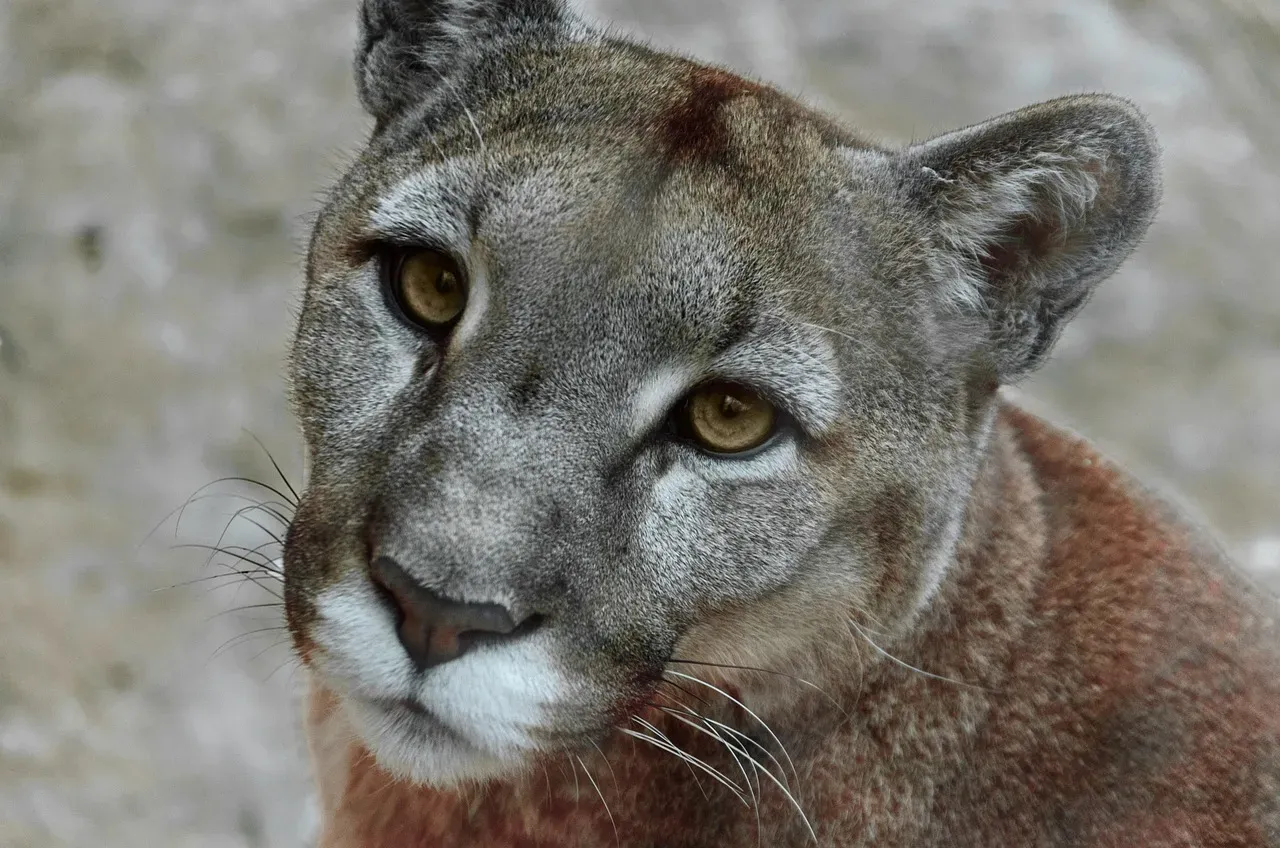
Let’s be real, if you grew up in Florida, you almost certainly have never seen one of these. That is exactly what makes them so extraordinary. The wildcat, once ranging throughout the southeastern US, now survives only in a tiny area of South Florida, where only 120 to 230 individuals continue to roam in the wild as a result of habitat destruction and widespread urbanization.
Inland development such as roads and highways also poses a danger to panthers attempting to cross the land. The panthers can be spotted in forests, prairies, and swampland such as the Everglades National Park and Big Cypress National Preserve.
Spotting a Florida panther requires extraordinary luck, as fewer than 200 exist in the wild. Think of it this way: you have a better chance of winning a local lottery than seeing one on a casual hike. Still, people do spot them. And that alone is a small miracle worth chasing.
2. The Red Wolf
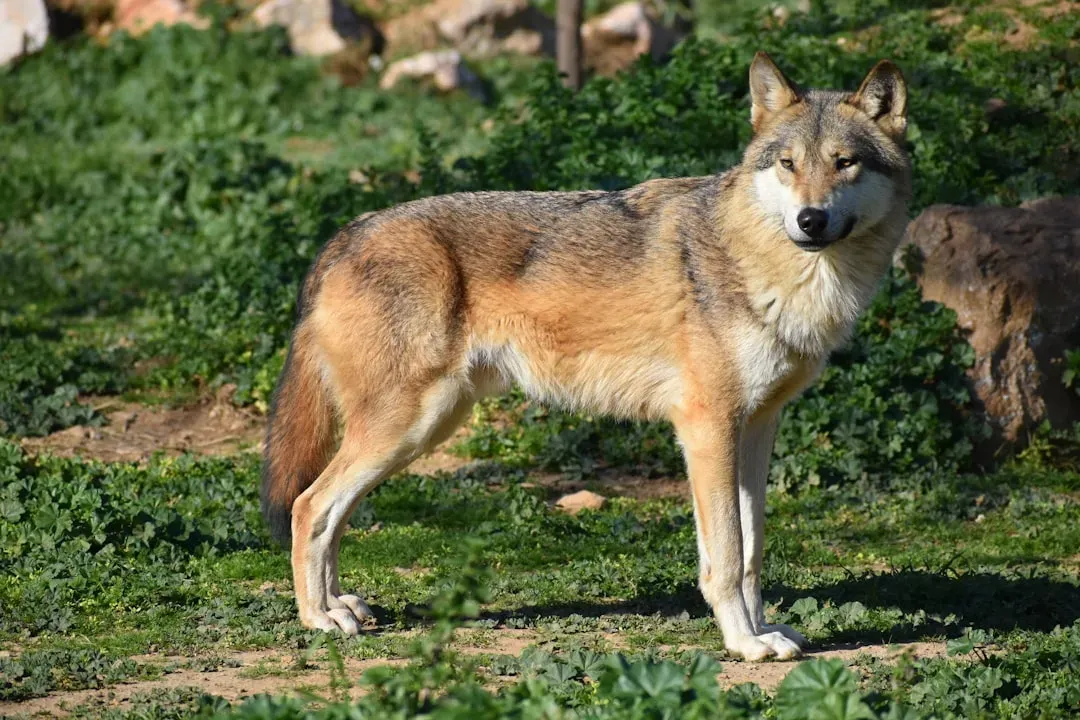
Honestly, the story of the red wolf is one of the most dramatic wildlife tales in American history. Red wolves were declared extinct in the wild in 1980 but were reintroduced to North Carolina in 1987. That comeback, however, has been anything but smooth.
Red wolves, typically spanning four to five feet in length, can now only be found in the wild in North Carolina’s Beaufort, Dare, Hyde, Tyrrell, and Washington counties. Less than 31 red wolves exist in North Carolina, though there are upwards of 250 in captivity across the country.
Red wolves are known as a keystone species, crucial to maintaining the balance of the ecosystem. Lose them, and the ripple effects through the food chain could be devastating. The US Fish and Wildlife Service has been holding recovery program meetings as recently as early 2026, signaling that the fight is very much still on.
3. The California Condor
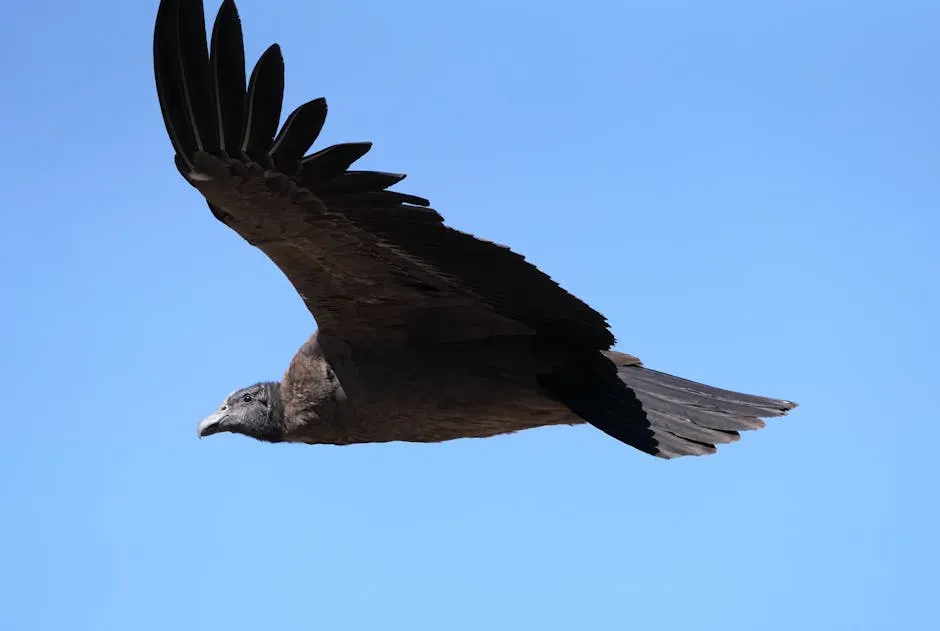
There is something almost prehistoric about watching a California condor soar overhead. These birds look like they belong in another era entirely, and in some ways they do. Though the bald eagle is the most recognizable bird of prey in the US, the California condor is the largest known wild bird in North America. By the 1980s, only about six individuals were left in the wild, a staggering result of lead poisoning and reduced eggshell thickness from ingesting a synthetic insecticide known as DDT.
The range for the endangered California condor extends to Grand Canyon National Park in Arizona, where these massive birds, with wingspans reaching nearly ten feet, soar above the canyon’s rim in increasing numbers.
Dedicated conservation efforts have brought this endangered species back from the brink, with Pinnacles National Park playing a major role in the condor’s comeback story. Today, visitors to Pinnacles can witness these incredible birds soaring over the park’s rocky towers. It’s one of those sights that will leave you genuinely speechless.
4. The Whooping Crane
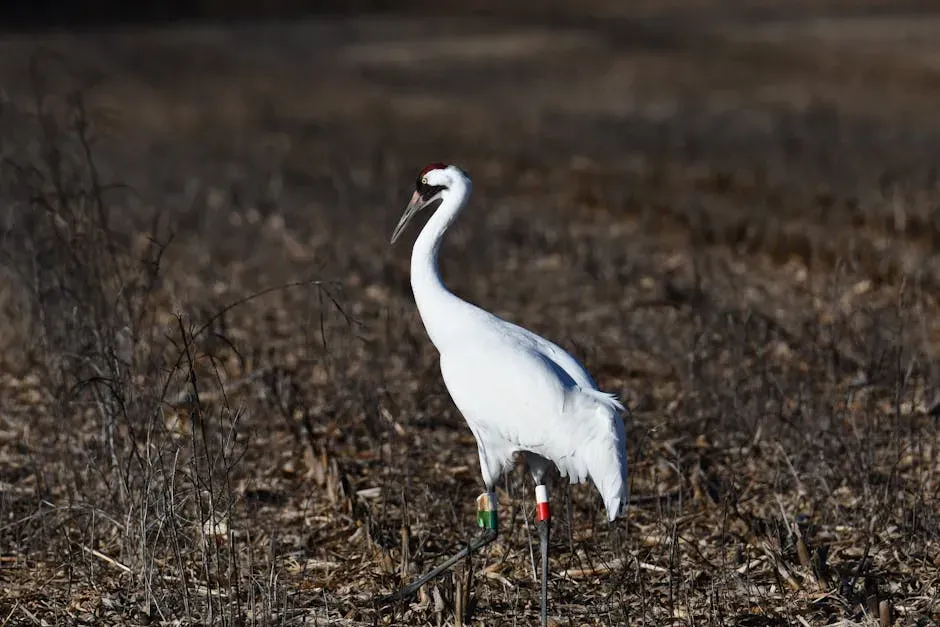
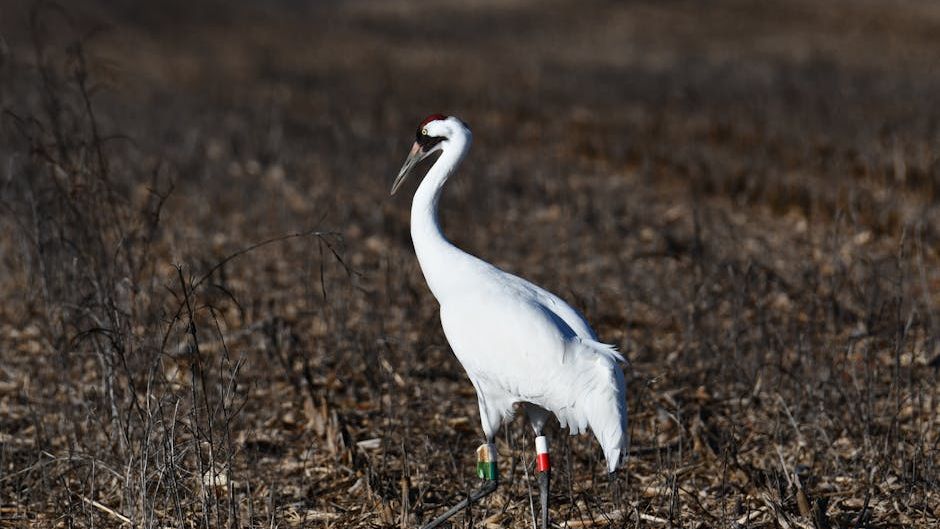
North America’s tallest bird is also one of its most dramatically threatened. The whooping crane stands out due to its sleek mostly white body with distinctive black and red feathers. It is impossible to mistake once you see one.
The species, which is only found in North America, once numbered more than 10,000 but fell to around just 20 individuals by the early 1940s, due to shooting and habitat destruction. Twenty. Just twenty birds left on the planet. The recovery since then is nothing short of a conservation triumph.
Once on the brink of extinction, this crane has made a comeback but remains endangered due to habitat challenges. The whooping crane has been brought back from the brink of extinction under the protection of the Endangered Species Act. Your best shot at seeing one is during their migration through the central flyway, particularly in Texas along the Gulf Coast.
5. The North Atlantic Right Whale
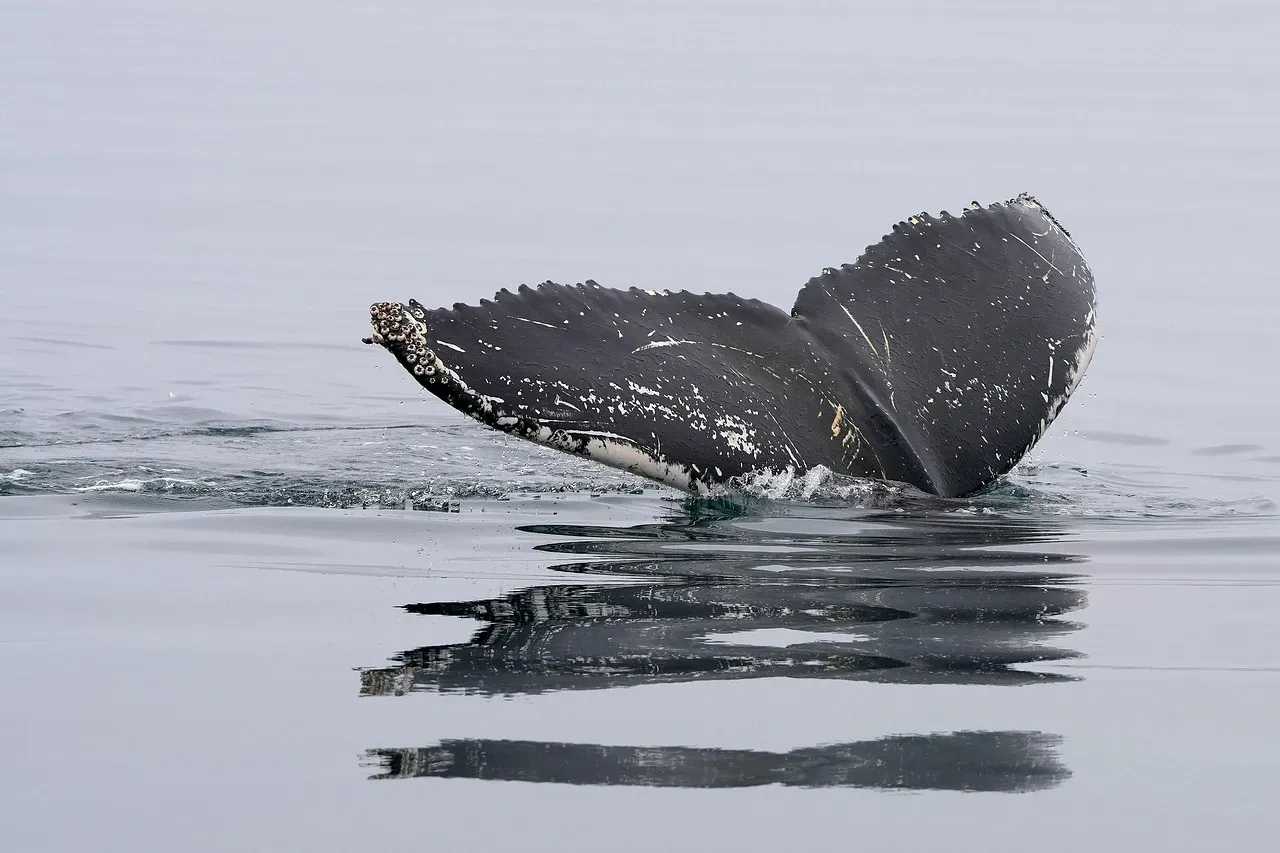
Here is a creature so endangered that encountering one in the ocean is statistically rarer than spotting a celebrity in a small town. The North Atlantic right whale is one of the world’s most endangered large whale species. The numbers are staggering in the worst way.
There are an estimated 356 individuals in existence in the western North Atlantic Ocean. They migrate between feeding grounds in the Labrador Sea and their winter calving areas off Georgia and Florida, an ocean area with heavy shipping traffic.
The primary causes of mortality and injury to right whales are entanglement in fishing gear and strikes by vessels. Whale watching activities are available along east coasts from Maine south to Florida, and Stellwagen Bank Sanctuary has been designated as a key site for watching this species. If you are lucky enough to see one, you are witnessing living history on borrowed time.
6. The Grizzly Bear
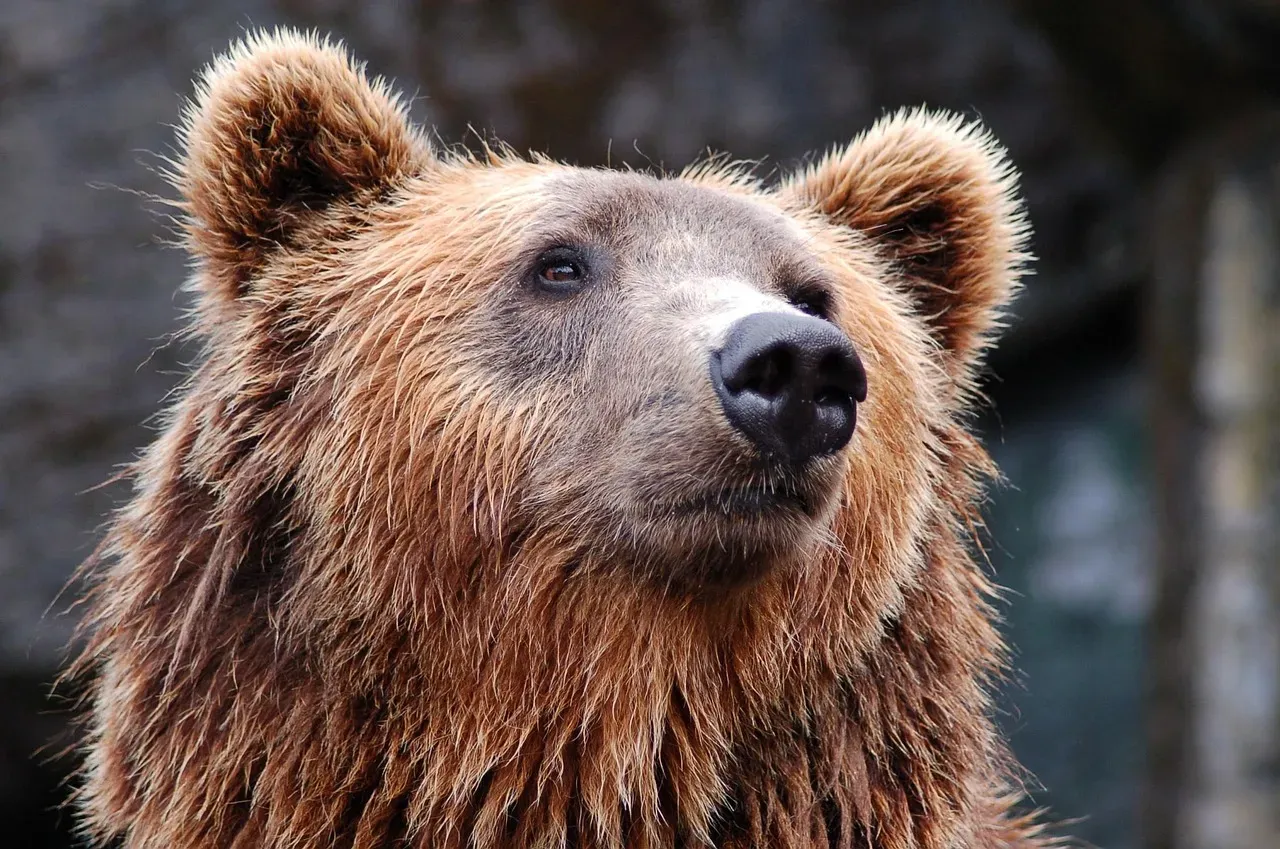
Few animals command the sheer, spine-tingling respect that a grizzly bear does. Seeing one in the wild is genuinely transformative. If you pursue a view of a grizzly at Glacier National Park, roughly 300 of them live within the park in northwest Montana, often sighted in Many Glacier Valley and Logan Pass areas.
Within Yellowstone National Park in the USA, conservation work has been effective. After working to reduce conflicts between humans and grizzly bears as well as preserving their habitats, numbers have risen by almost 600 in the past 44 years.
Honestly, the grizzly bear is one of the more cautiously hopeful stories on this list. Their recovery is measurable, real, and visible in ways that give conservationists genuine encouragement. I think seeing a grizzly from a safe distance is on most people’s bucket lists for good reason. It is absolutely on mine.
7. The Black-Footed Ferret
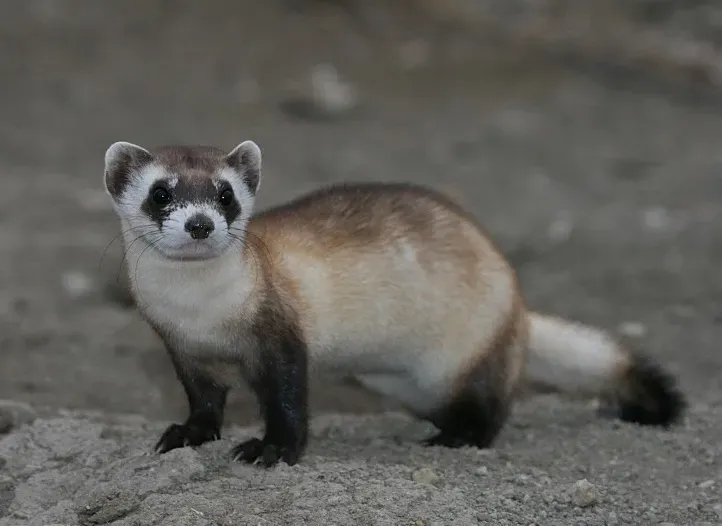
Uploaded by Mariomassone, Public domain)
It sounds impossible, but this tiny masked creature was once considered the rarest mammal on Earth. About a thousand black-footed ferrets now live in the wild. These masked members of the weasel family depend almost entirely on prairie dogs for survival, both as food and for burrow homes.
National Park Service staff have helped to reintroduce black-footed ferrets into South Dakota’s Badlands and Wind Cave National Parks. These otherworldly landscapes of eroded buttes and pinnacles hide one of conservation’s greatest comeback stories.
This small carnivore is endangered primarily due to habitat loss and disease, though conservation efforts have brought some populations back. Spotting one in the Badlands at dusk, when they emerge from prairie dog burrows, is an experience that feels like finding a needle in an incredibly beautiful haystack.
8. The Kemp’s Ridley Sea Turtle
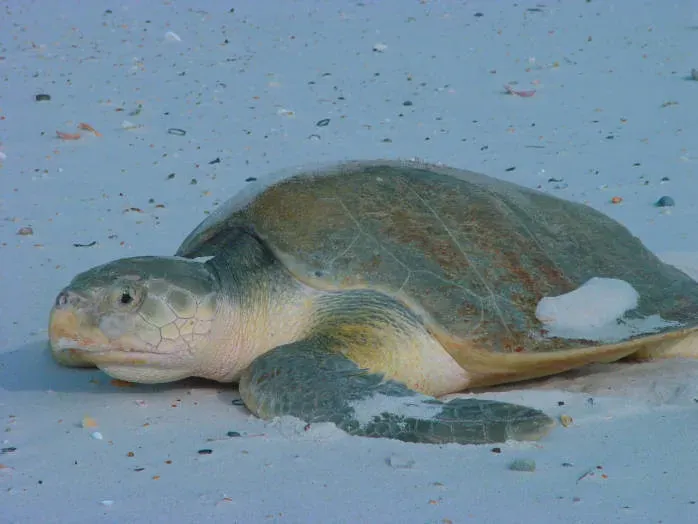
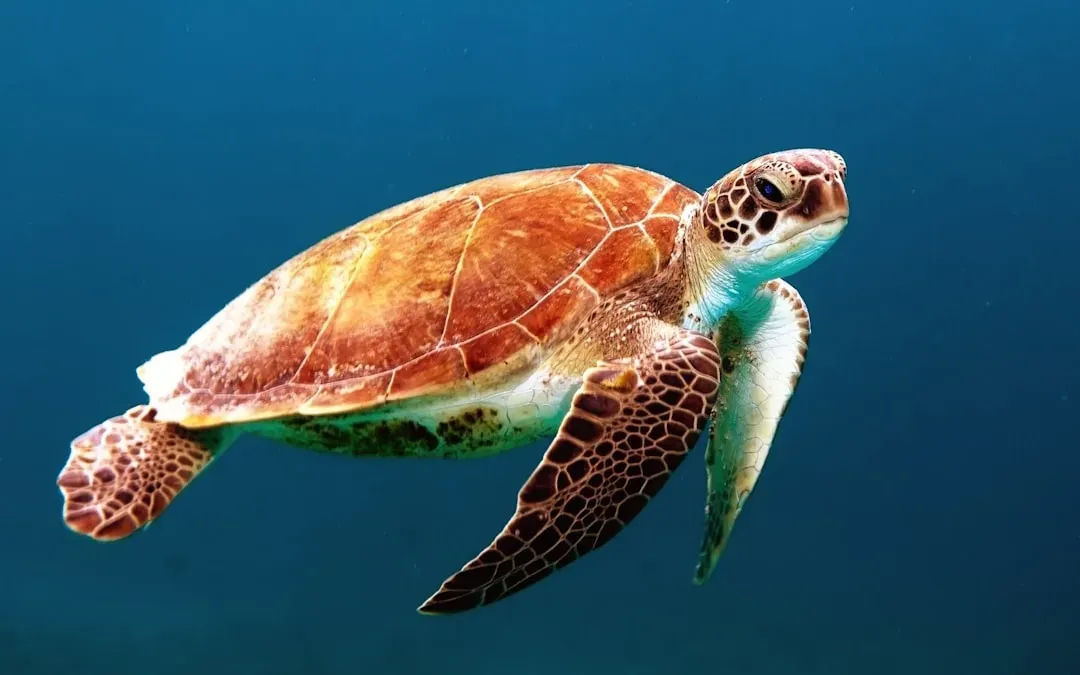
Of all the sea turtle species in US waters, the Kemp’s ridley is arguably the most desperate case. All sea turtle species face a variety of threats and several are endangered, but the Kemp’s ridley sea turtle is critically endangered. They often become bycatch in fishing gear, are harvested in egg and adult form, and experience egg and nesting loss due to predators. They are also threatened by climate change, loss and degradation of nesting habitat, pollution, and vessel strikes.
The best place to witness this species in the wild is along the Texas Gulf Coast, particularly around Padre Island National Seashore, which has become a critical nesting and release site for hatchlings. Watching a batch of tiny turtles scramble toward the surf is one of those experiences you simply cannot replicate in any aquarium or zoo.
9. The Hawaiian Monk Seal
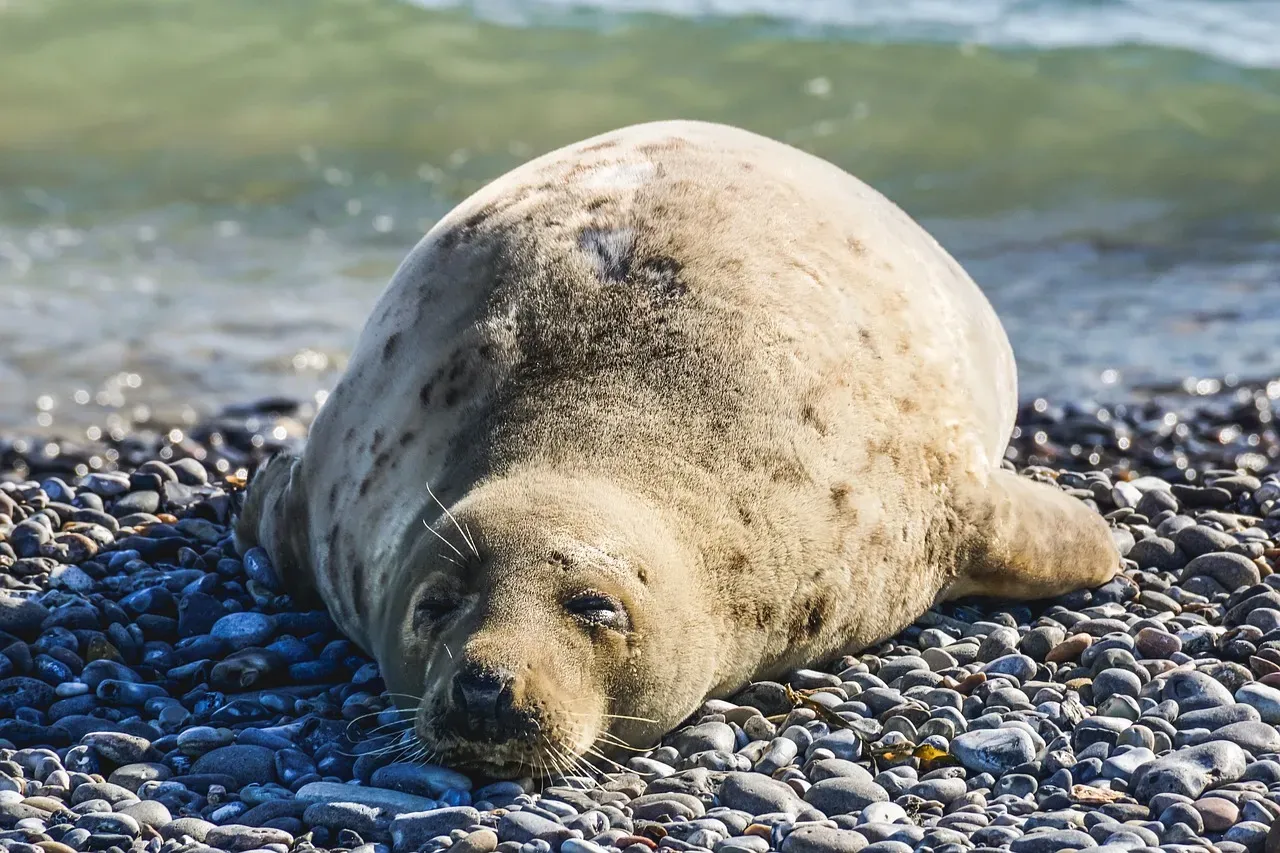
You may not think of Hawaii as a place of wildlife crisis, but the Hawaiian monk seal tells a very different story. Found only in the Hawaiian Islands, this seal is endangered due to habitat loss, climate change, and human interference.
The Hawaiian monk seal population has stabilized at approximately 1,570 individuals, representing a conservation success story through dedicated protection efforts along Hawaiian coastlines. That stabilization is genuinely hard-won and should not be taken lightly.
These seals can be seen resting on beaches throughout the main Hawaiian Islands, and it’s important to stay well back and respect protected zones. They look utterly relaxed on the sand. Deceptively peaceful for an animal still very much on the edge. Every sighting should feel like a privilege.
10. The Mexican Gray Wolf
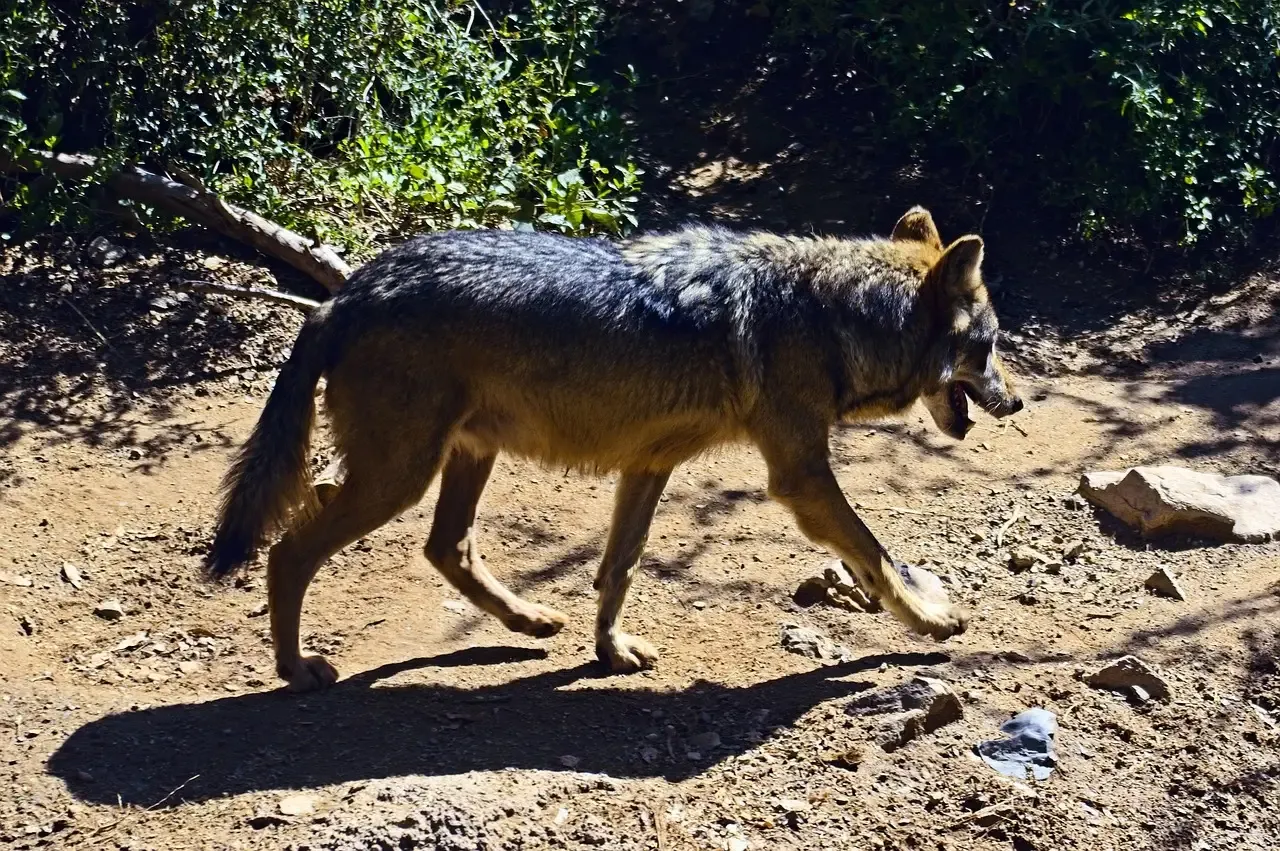
Meet the lobo. Smaller and scrappier than its northern relatives, the Mexican gray wolf has been fighting for survival in the American Southwest for decades. This subspecies of gray wolf is endangered, with just a few wild populations in the southwestern United States and Mexico.
The Mexican wolf, or lobo, is one of the most endangered subspecies in the U.S. Conservation programs have worked to reintroduce and monitor packs in Arizona and New Mexico, with the Blue Range Wolf Recovery Area serving as the primary stronghold for the species.
Spotting a lobo in the wild requires real patience and usually early mornings in remote terrain. It’s hard to say for sure how many remain, but population estimates hover in the low hundreds at best. These wolves are quiet, elusive, and frankly remarkable for still being out there at all.
11. The Northern Spotted Owl
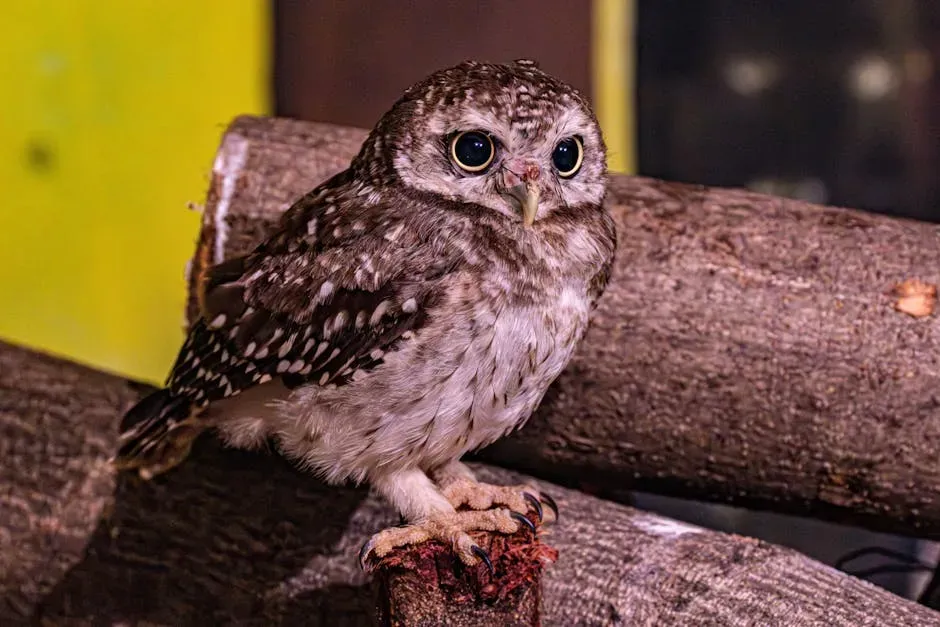
Deep in the ancient forests of the Pacific Northwest, there is a bird that became the center of one of the most heated environmental debates in US history. The northern spotted owl is closely tied to old-growth forests, which have been disappearing for over a century.
Northern spotted owls hoot through ancient forests draped in moss, with Roosevelt elk browsing in misty meadows nearby. The old-growth forests of Oregon, Washington, and northern California remain the best places to find them, though sightings require patience, good timing, and more than a little luck.
The species faces a double pressure that few people realize: not only does it suffer from ongoing habitat loss, but an aggressive invasive species, the barred owl, has also been pushing it out of its territory. That’s a tough situation for any animal to navigate. Still, they persist, and forest trails in Olympic National Park remain among the best chances you have of hearing one call.
12. The Ocelot
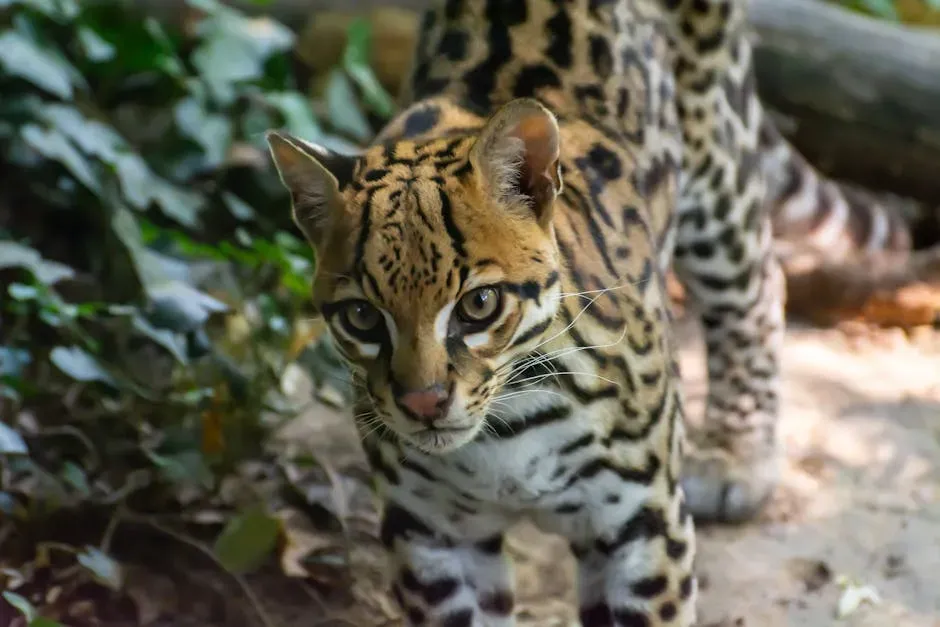
Most Americans would be shocked to learn that a wild, spotted cat roams the brushlands of South Texas. The ocelot appears among the top most endangered animals in America. It’s stunning, secretive, and barely hanging on within US territory.
The US population of ocelots is almost entirely concentrated in the dense thornbush habitat of the Rio Grande Valley. Fewer than 100 individuals are thought to remain on the US side of the border, making every confirmed sighting a notable event among wildlife watchers and researchers alike.
Road mortality is one of the leading killers of ocelots in the US, and habitat fragmentation cuts through what little territory remains. The Laguna Atascosa National Wildlife Refuge in Texas offers the best realistic shot at spotting one, though most encounters happen at night, by camera trap rather than by naked eye. Still, knowing they’re out there is electrifying.
13. The Island Fox
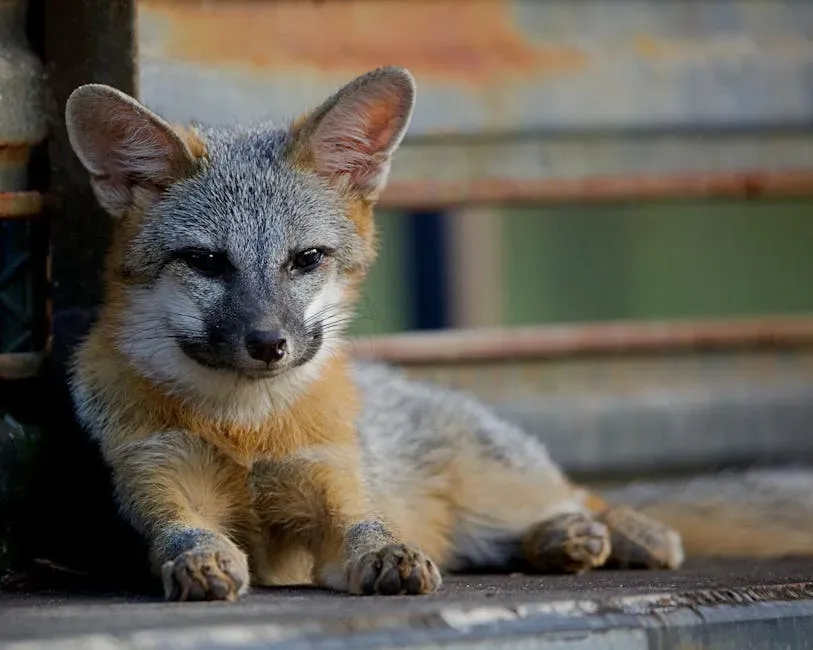
Here is one animal that has a genuinely encouraging story, which feels rare and precious in the context of this list. Six of the eight Channel Islands are home to the incredibly rare island fox, a relative of the mainland gray fox that evolved into a separate species after eons of island isolation. Wild island foxes are only found within the Channel Islands, so seeing one is a gift that no one else in the world can claim.
Invasive species and diseases led to a severe decline in island fox populations. However, the national park has undertaken intensive island fox rehabilitation programs in recent years, leading to an increase in monitored fox populations and fewer threats going forward.
Visiting Channel Islands National Park off the coast of Southern California gives you a realistic and genuinely rewarding chance at a sighting. These foxes are surprisingly bold and curious, often trotting across the trail ahead of hikers. In a world full of extinction anxieties, the island fox feels like a small, fox-sized promise that things can actually get better.
A Final Thought Worth Carrying With You
Scientists are arguing that we are in the midst of a sixth mass extinction event. Without intervention, an estimated one million species are at risk of extinction in the next few decades. That is a staggering statistic, almost too large to feel real.
The Endangered Species Act has been the backbone of wildlife conservation for more than 50 years, preventing the extinction of 99% of listed species and guiding them toward recovery. Every single animal on this list exists partly because of that law and the people who fight to enforce it.
The thirteen animals above are not just statistics on a conservation spreadsheet. They are living, breathing proof that wild America still has a pulse. Some are closer to silence than others. Every single one of them is worth knowing about, worth protecting, and worth the effort of going to see in person. Because here is the thing: you might only get one chance. Would you really pass it up?
