


The universe is a vast and enigmatic frontier that beckons the curious with its countless secrets. Even as science advances and technology evolves, certain cosmic phenomena remain beyond our complete understanding. These mysteries captivate scientists and enthusiasts alike, inviting us to explore deeper into the cosmos. In this article, we’ll journey through 13 fascinating space phenomena that continue to intrigue and perplex the brightest minds in astronomy.
1. Dark Matter and Dark Energy

Despite making up approximately 27% of the universe, dark matter remains one of the most elusive components of the cosmos. It’s invisible and does not emit or interact with electromagnetic radiation, making it undetectable by conventional telescopes. Dark energy, even more enigmatic, seems to be responsible for the accelerated expansion of the universe. Together, these unseen forces shape the structure of the cosmos, yet their true nature is still a profound mystery.
2. Fast Radio Bursts (FRBs)

Fast Radio Bursts (FRBs) are intense bursts of radio waves originating from distant galaxies, lasting only a few milliseconds. While several theories, including neutron star collisions and magnetars, have been proposed to explain these phenomena, their exact cause remains uncertain. FRBs have been detected across different regions of space, fueling further research into understanding these cryptic signals.
3. The Great Attractor

Our galaxy is part of a larger cluster being drawn toward a mysterious region in space known as the Great Attractor. This gravitational anomaly exerts a strong pull across a vast stretch of the universe, seemingly without a visible source of such immense power. The lack of clarity on what constitutes the Great Attractor adds a layer of intrigue to cosmic studies, igniting ongoing inquiry and exploration.
4. The Kuiper Cliff

The Kuiper Cliff is a sudden drop in the number of celestial bodies beyond Neptune, defying expectations from the typical distribution of objects in the Kuiper Belt. This absence presents a curious gap that astrophysicists have yet to fully explain. Theories range from the gravitational influence of undiscovered celestial bodies to more speculative ideas about unknown cosmic phenomena.
5. The Fermi Paradox

With billions of planets in the habitable zones of galaxies, the Fermi Paradox questions why we have yet to encounter extraterrestrial civilizations. Proposed explanations span a range from the rarity of intelligent life to self-destructing civilizations. This paradox continues to perplex scientists and inspire new investigations into astrobiology and the search for life beyond Earth.
6. Cosmic Microwave Background (CMB) Cold Spot
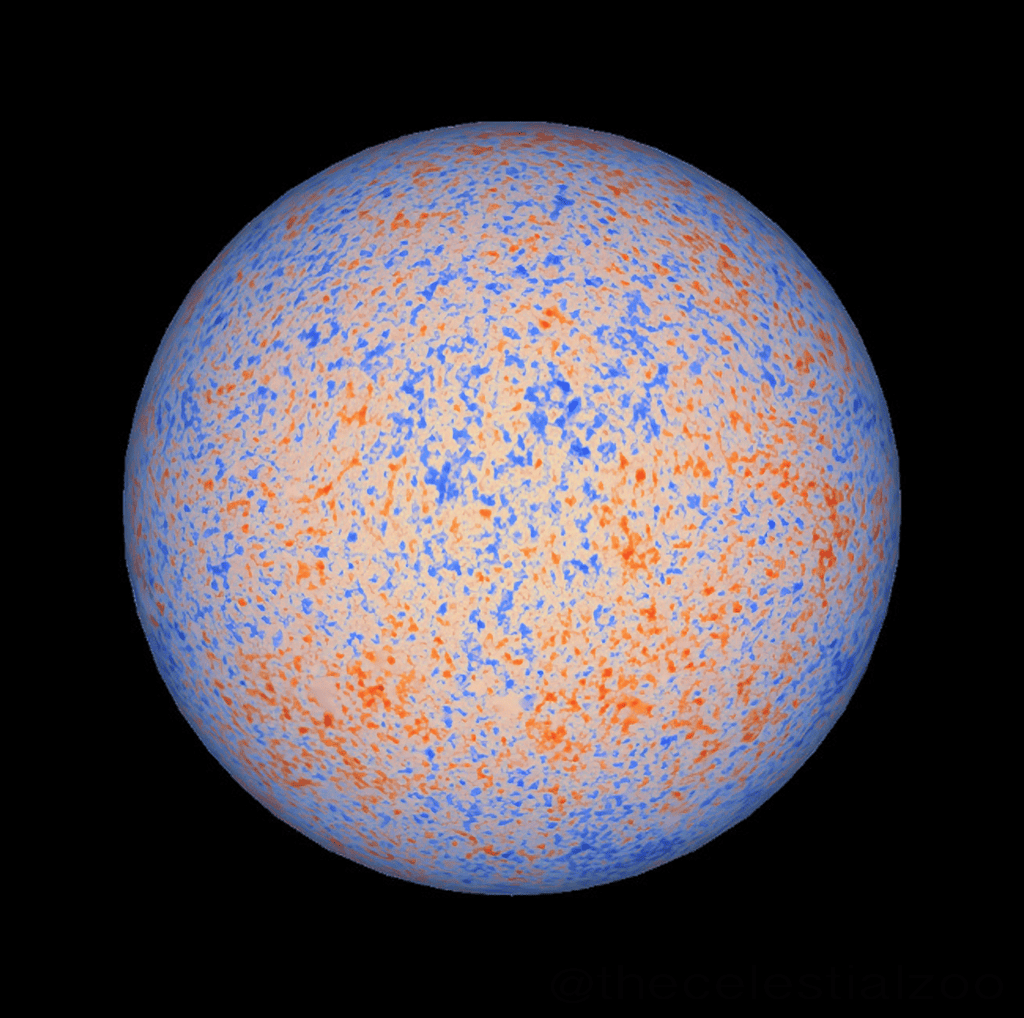
The Cosmic Microwave Background Radiation (CMB) is the afterglow of the Big Bang, uniformly distributed across the universe. However, a peculiar cold spot in the CMB suggests anomalies in the early universe. Theories regarding this cold spot range from a supervoid to unexplained phenomena from beyond our current physics models, challenging our understanding of cosmic history.
7. Supermassive Black Holes
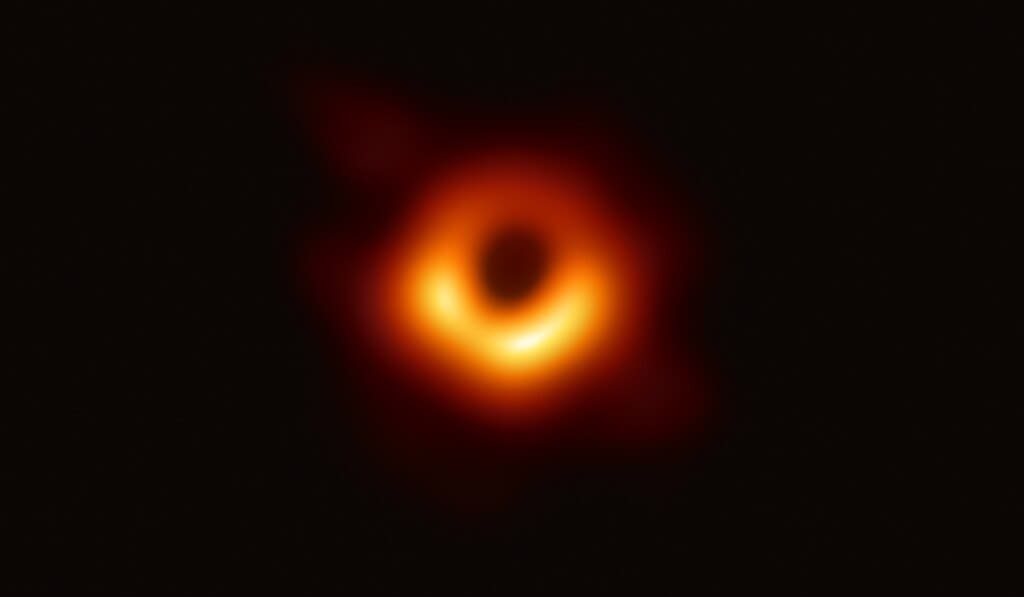
Supermassive black holes reside at the centers of most galaxies, including our own Milky Way. Despite their central role in galactic dynamics, how they form and grow to such massive sizes is still not fully understood. These cosmic giants defy current explanations with their rapid accumulation of mass and gravitational influence over surrounding celestial structures.
8. Ghost Galaxies

Ghost galaxies, or ultra-diffuse galaxies, are large yet fainted celestial formations with very few stars. Their low density and luminescence challenge existing models of galaxy formation and stability. Understanding how such galaxies exist and their potential interaction with dark matter offers a fascinating avenue for future research and insight into galactic evolution.
9. Rogue Planets
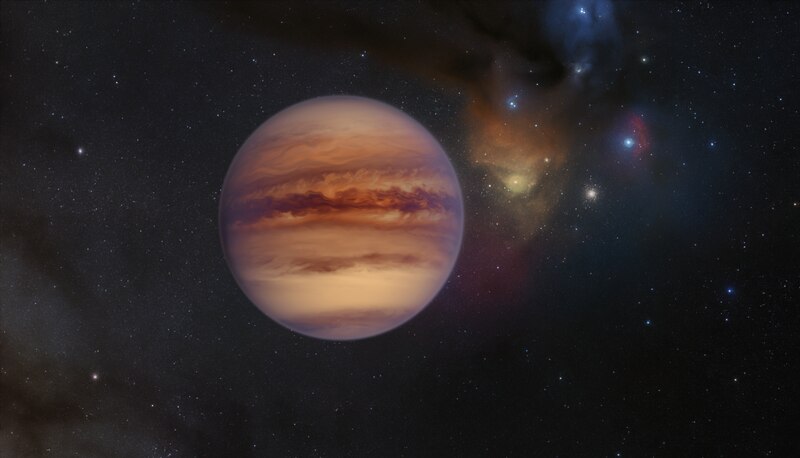
Rogue planets are celestial bodies that drift through space unaffiliated with any star. The origins and prevalence of these solitary planets pose intriguing questions about planet formation and stability. While they’re difficult to detect with current technology, discovering more about rogue planets could potentially reshape our understanding of planetary systems.
10. Neutron Star Collisions
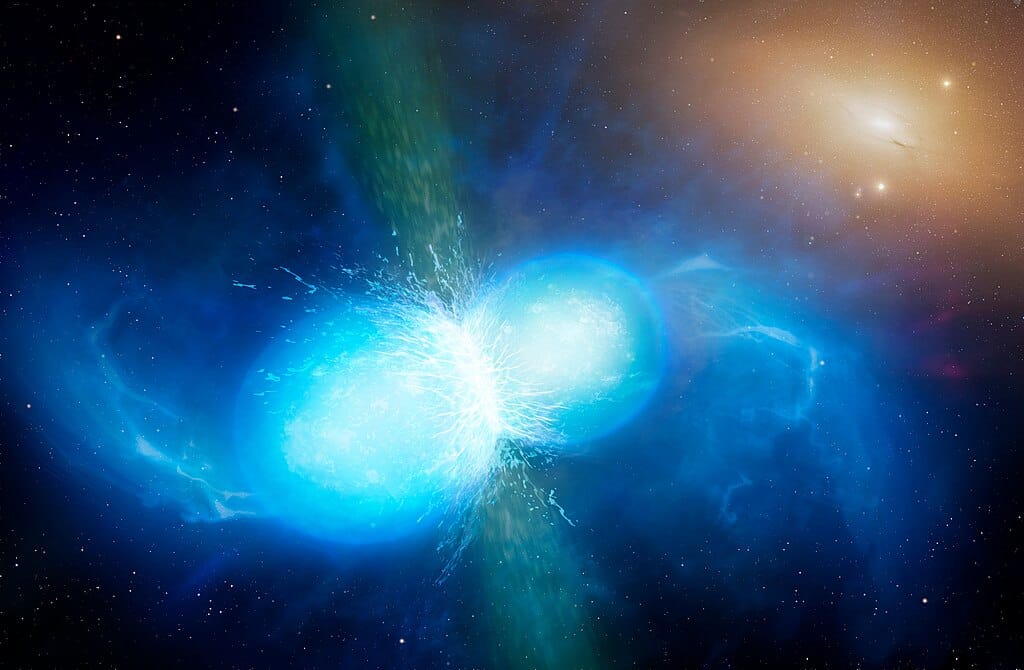
When neutron stars collide, they produce gravitational waves and emit powerful bursts of gamma rays and other radiation. Despite observing these incredible events, scientists are still unraveling the exact processes and aftermaths of such collisions. Neutron star mergers offer a unique window into extreme states of matter and nuclear physics in the cosmos.
11. The Expansion of the Universe

While it’s established that the universe is expanding, the reasons behind its accelerating expansion remain unclear. Dark energy is theorized to be the driving force, counteracting the gravitational pull. However, the complexities involved in this acceleration challenge scientists, as they strive to develop theories that reconcile observations with overarching cosmic principles.
12. The Pioneer Anomaly

The Pioneer Anomaly refers to the unexpected deviations in the trajectories of the Pioneer 10 and 11 spacecraft as they exited the solar system. Though potential explanations range from onboard thermal recoil forces to unknown galactic physics, the anomaly raised compelling discussions about our need for refined understanding in spacecraft navigation in deep space.
13. The Nature of Time
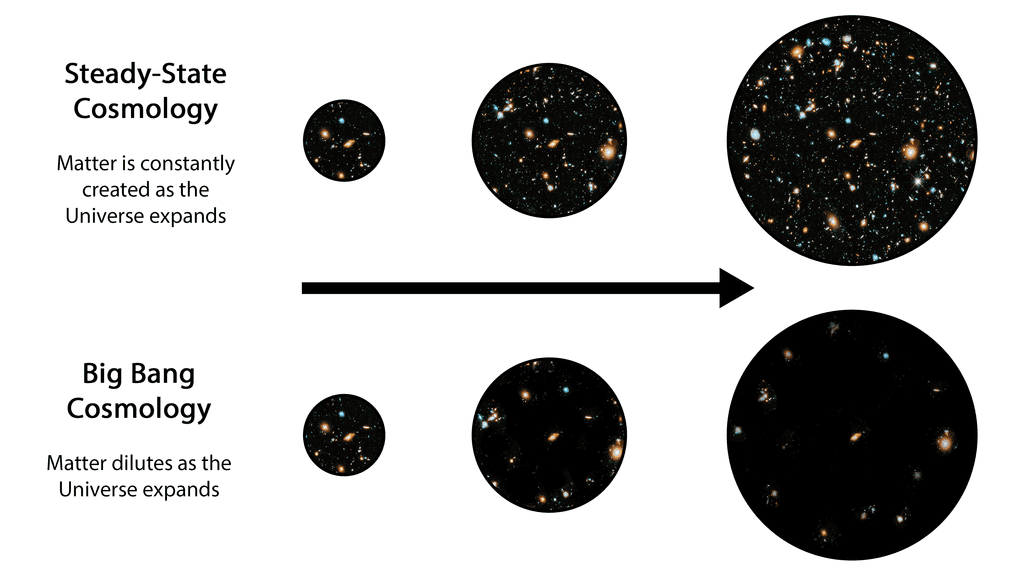
The essence of time, its flow, and its beginning, particularly concerning the Big Bang, remain enigmatic. The nature of time intertwines with the fabric of space and remains a subject of intense debate and philosophical inquiry. Understanding time goes beyond physics, touching on the fundamental aspects of existence and the universe itself.
Unraveling Cosmic Mysteries

In conclusion, the array of cosmic mysteries serves as a reminder of the universe’s boundless complexity. Each phenomenon holds potential keys to deeper cosmic truths, inviting scientists and the curious alike to seek understanding. As we continue to probe these mysteries, they enrich our knowledge, spark wonder, and remind us that while we’ve come far, there remains much more to uncover in the vast tapestry of the cosmos.

From exploring the marine wonders in the Azores and witnessing the vast savannas of Kenya, to delving deep into the rich biodiversity of South Africa and traversing iconic landscapes in Australia and the US like Yellowstone, Chris's experiences are vast.
With a penchant for diving alongside sharks, the ocean holds a special place in his heart.
Through his academic insights, he champions wildlife conservation, striving with 'Animals Around The Globe' to cultivate a profound connection between humans and animals, enhancing our mutual appreciation.
Connect with him at Feedback@animalsaroundtheglobe.com.
- Why Ants Farm Aphids for Sugar - June 12, 2026
- The Truth About Hyena Behavior vs. The Lion King’s Villains - June 12, 2026
- The Only Animal That Can Survive Being Frozen Solid for Months - June 12, 2026