

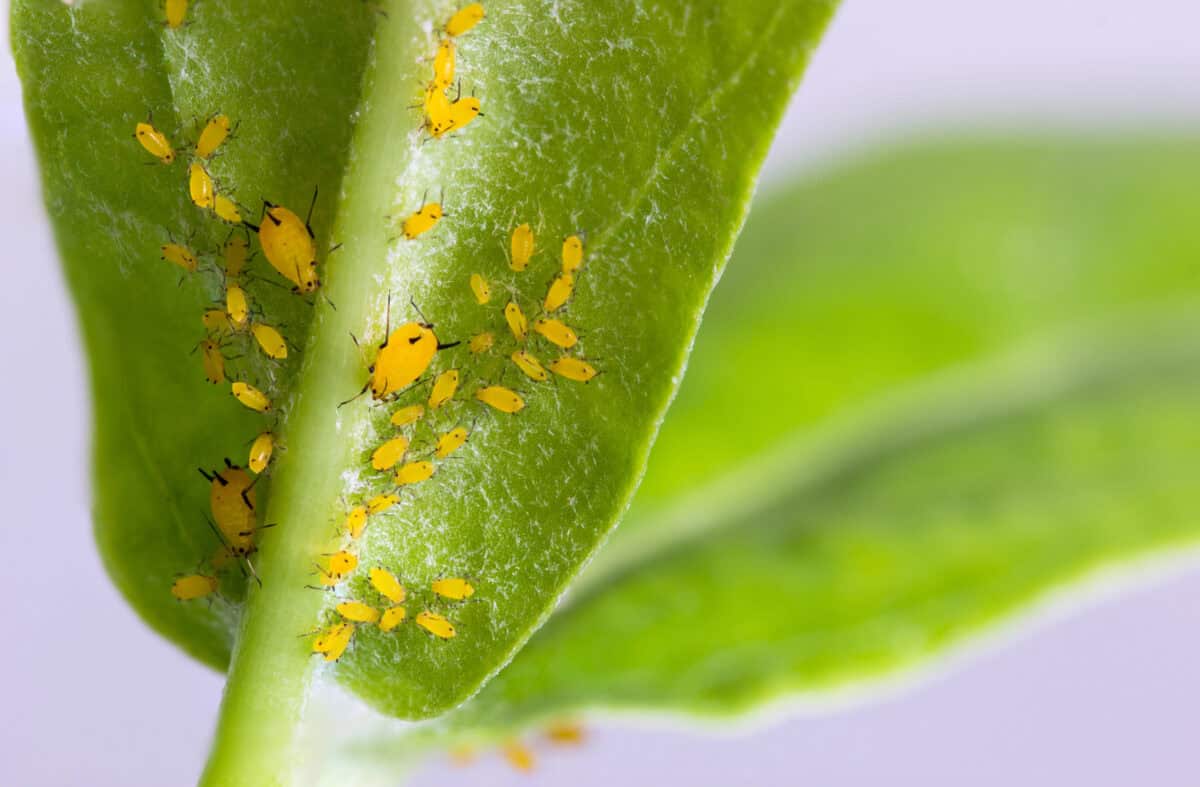
In the miniature world beneath our feet, a fascinating agricultural relationship has evolved over millions of years. Certain species of ants have developed a sophisticated system of “farming” aphids – small sap-sucking insects often considered pests by gardeners. This relationship, technically known as trophobiosis, represents one of nature’s most intriguing examples of mutualism between different insect species. Ants actively protect, transport, and even house aphids in exchange for a sweet substance that aphids produce. This relationship isn’t merely opportunistic; it’s a carefully managed system that has evolved through natural selection to benefit both species, demonstrating the complex social behaviors that can develop even among tiny invertebrates.
Honeydew: The Liquid Gold

The primary reason ants farm aphids is to harvest honeydew, a sweet, carbohydrate-rich liquid that aphids excrete. Aphids feed by inserting their needle-like mouthparts into plant phloem, the tissue that transports sugary sap throughout plants. The sap contains more sugar than aphids can process, so they extract the proteins and amino acids they need and excrete the excess sugars as honeydew. This substance is essentially concentrated plant sap that has passed through the aphid’s digestive system. For ants, honeydew is a valuable food source rich in sugars, providing up to 50% of the energy requirements for some ant colonies. The nutritional composition of honeydew varies depending on the host plant and aphid species, but typically contains glucose, fructose, sucrose, and other complex carbohydrates that fuel the ants’ high-energy activities.
The Milking Process
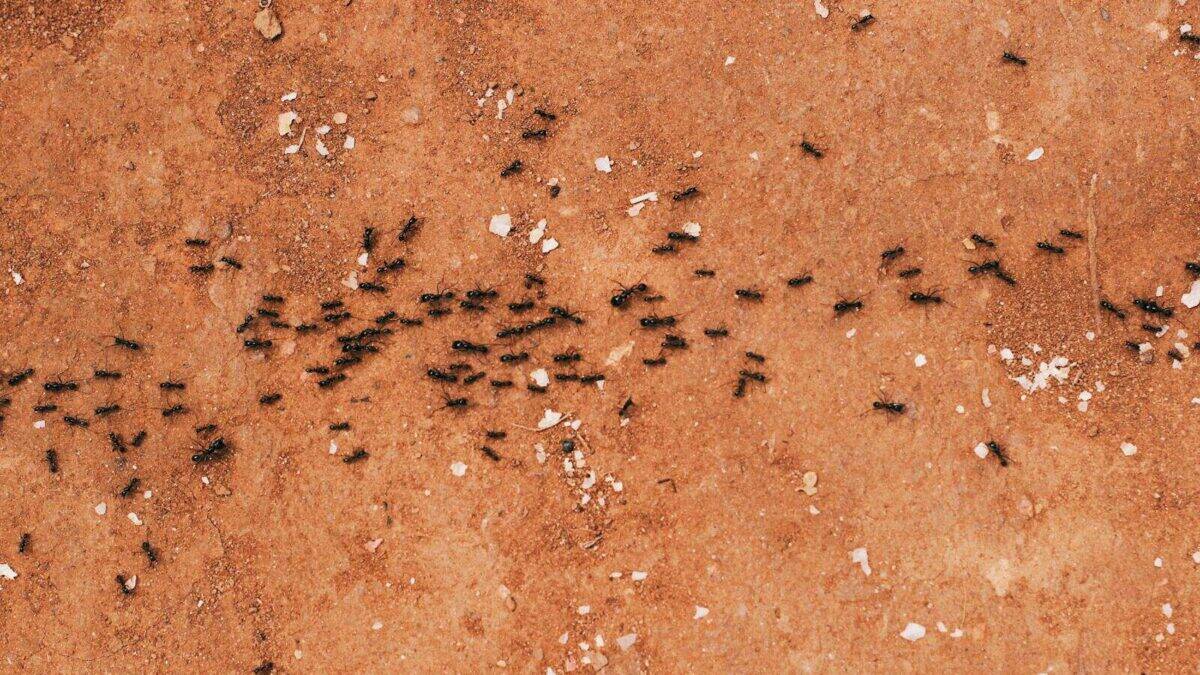
The way ants collect honeydew from aphids has earned them the nickname “aphid farmers,” but the process more closely resembles milking. When an ant wants to collect honeydew, it approaches an aphid and gently strokes its abdomen with its antennae in a specific pattern. This tactile stimulation prompts the aphid to release a droplet of honeydew, which the ant immediately consumes. The process is remarkably coordinated – some ant species can even synchronize the milking of multiple aphids to maximize efficiency. Research has shown that the antennal movements are not random but follow specific patterns that effectively communicate the ant’s request to the aphid. Some ant species have even evolved specialized behaviors to increase honeydew production, such as preventing aphids from excreting honeydew until the ants are ready to collect it, ensuring they get the maximum harvest possible.
Protection Services Offered by Ants

In exchange for honeydew, ants provide aphids with significant protection from predators and parasites. Natural enemies of aphids include ladybugs, lacewings, hoverfly larvae, and parasitoid wasps, all of which can decimate aphid populations. Ants aggressively defend their aphid herds from these threats, attacking and driving away potential predators. Studies have demonstrated that aphid colonies tended by ants suffer significantly lower predation rates than unattended colonies. For example, research published in the Journal of Animal Ecology found that the presence of Lasius niger ants reduced predation on black bean aphids by up to 93%. This protection is so effective that in agricultural settings, controlling ant populations is sometimes necessary before aphid predators can be effectively used as biological control agents.
Aphid Transportation and Colony Management

Ant farmers don’t just protect their aphids; they actively manage their “herds.” When plant quality deteriorates or danger threatens, ants will physically transport aphids to better feeding locations or to safety. They carefully pick up aphids in their mandibles and carry them to new host plants with better sap quality or to protected locations. Some ant species, like the yellow meadow ant (Lasius flavus), take management even further by collecting and storing aphid eggs in their nests over winter, ensuring a fresh supply of aphids in spring. Certain ant species have been observed pruning aphid wings, effectively preventing them from flying away and ensuring the colony maintains control of its valuable resource. This level of management demonstrates the sophisticated nature of the relationship and how it has evolved beyond simple opportunistic feeding.
Chemical Communication Between Species

The ant-aphid relationship relies heavily on sophisticated chemical communication. Aphids tended by ants produce specific chemical signals that identify them as “friendly” to their ant protectors. These chemicals, detected by the ants’ sensitive antennae, prevent the ants from treating the aphids as prey. Research has identified certain cuticular hydrocarbons on aphid exoskeletons that match those found on ants, creating a form of chemical camouflage that marks the aphids as members of the ants’ extended colony. Additionally, some aphid species have evolved to produce alarm pheromones that ants can detect, allowing them to alert their protectors when predators approach. This cross-species chemical communication represents one of the most sophisticated examples of interspecies signaling in the insect world and demonstrates how deeply intertwined these two species have become through coevolution.
Evolutionary Origins of the Relationship

The ant-aphid farming relationship didn’t develop overnight but evolved gradually over millions of years. Fossil evidence suggests that ants and aphids have been interacting for at least 50 million years. The relationship likely began as a simple case of ants opportunistically feeding on honeydew that aphids were already producing. Over time, natural selection favored ants that actively protected this food source, and aphids that were more tolerant of ant attention. Genetic studies show evidence of coevolution, with certain ant and aphid species developing complementary adaptations that enhance their partnership. For example, some aphid species have evolved reduced defensive capabilities and increased honeydew production, becoming more dependent on ants for protection. This evolutionary history has created varying degrees of dependency, from facultative relationships where both species can survive independently to obligate mutualisms where neither can thrive without the other.
Economic Impact in Agriculture

The ant-aphid relationship has significant implications for agriculture. When ants protect aphids from natural predators, aphid populations can explode, causing substantial crop damage. Aphids not only weaken plants by extracting sap but also transmit numerous plant viruses. Economic studies estimate that aphid damage costs agriculture billions of dollars annually worldwide. In cotton farming alone, aphid infestations can reduce yields by up to 40% in severe cases. Farmers often find themselves fighting both aphids and their ant protectors, as traditional aphid control methods may fail if the ants continue to defend and rebuild aphid populations. Integrated pest management strategies now commonly include methods to disrupt ant colonies or block their access to crops, such as sticky barriers around tree trunks or targeted ant baits, demonstrating how understanding this natural relationship is crucial for effective agricultural management.
Specific Ant Species and Their Aphid Preferences
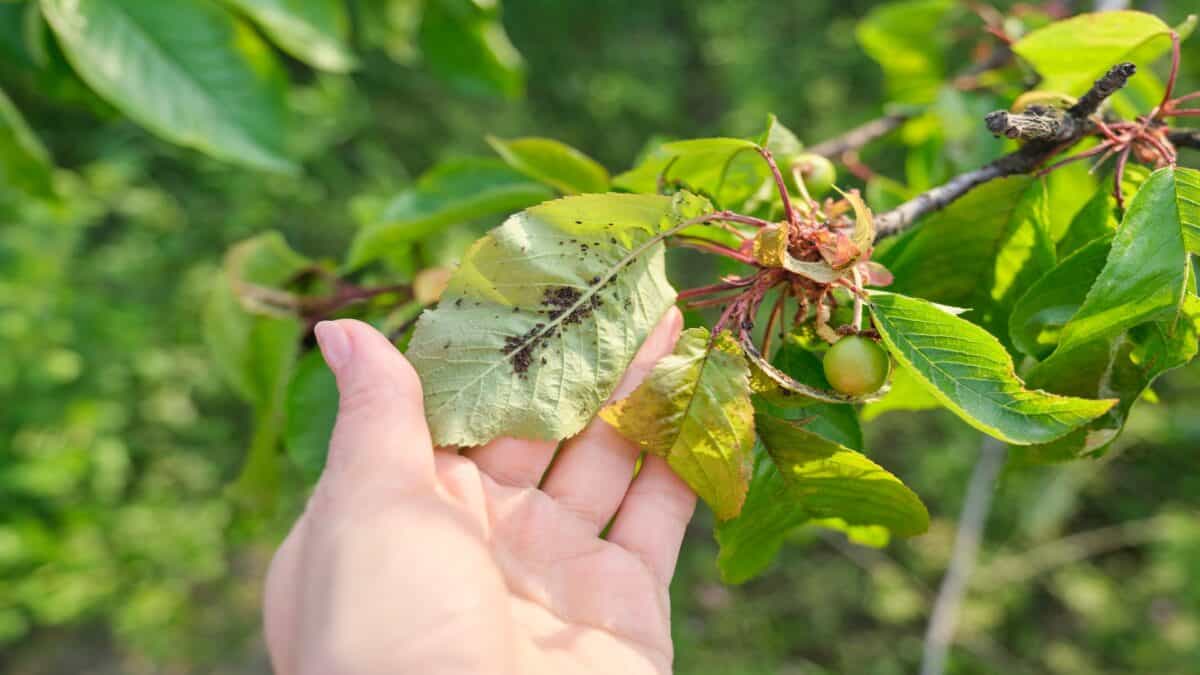
Different ant species have developed specialized relationships with particular aphid species. The common black garden ant (Lasius niger) tends at least 14 different aphid species, including the black bean aphid (Aphis fabae). Carpenter ants (Camponotus species) often tend aphids that feed on woody plants and trees. The yellow meadow ant (Lasius flavus) specializes in root aphids, maintaining them in underground chambers. These preferences aren’t random but reflect evolutionary adaptations to specific ecological niches. Some relationships are exclusive, with certain aphid species only being tended by specific ant species, while others are more generalized. Research published in Ecological Entomology has shown that these partnerships can be influenced by factors including the nutritional composition of the honeydew produced by different aphid species, the plants they feed on, and the specific habitat requirements of both the ants and aphids.
Domestication Behaviors in Ants

The behaviors ants exhibit toward their aphid herds bear remarkable similarities to human domestication of livestock, leading some scientists to describe it as a form of animal husbandry. Ants have been observed selectively breeding aphids by preferentially protecting those that produce more or better quality honeydew. They also practice forms of “aphid hygiene,” removing molted skins and dead aphids to prevent disease in the colony. Some ant species, particularly those in the Lasius genus, construct small shelters of soil or plant material around their aphid herds, protecting them from weather and predators. These shelters, comparable to human-built livestock pens, demonstrate the extent to which ants have developed specialized behaviors specifically for aphid management. Perhaps most remarkably, certain ant species appear to be capable of regulating aphid reproduction rates by chemically influencing their lifecycle, encouraging faster reproduction when honeydew needs are high and slowing it when resources become limited.
Seasonal Variations in the Relationship
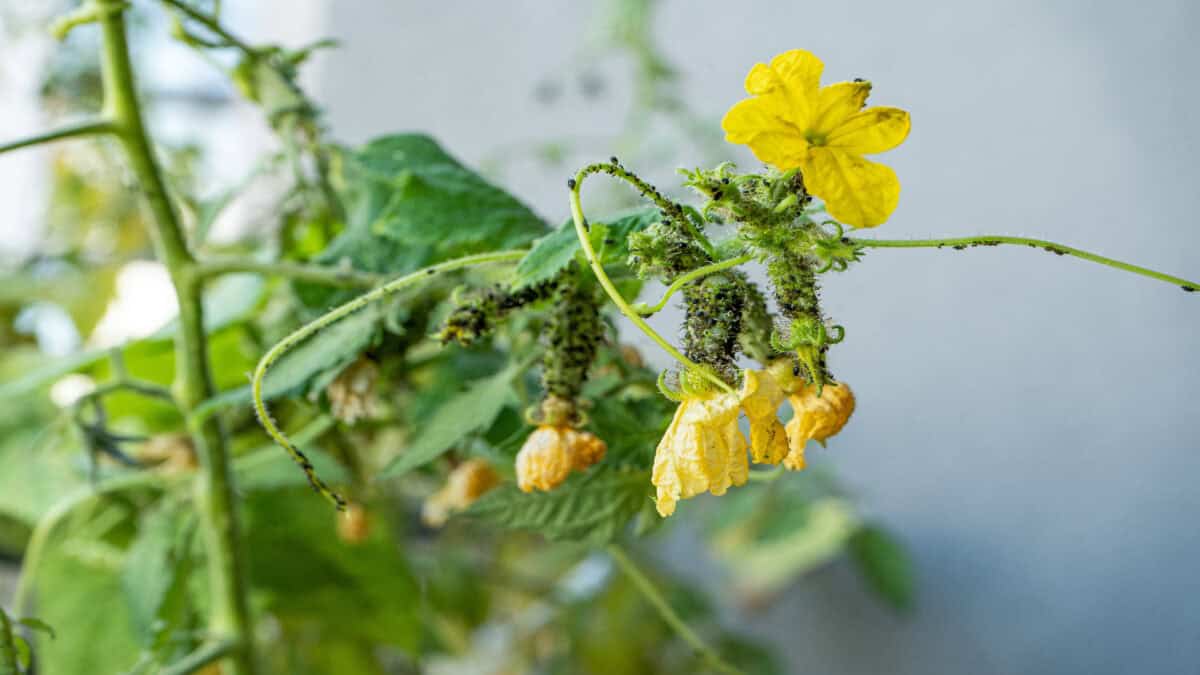
The ant-aphid relationship changes throughout the seasons, responding to environmental conditions and the life cycles of both species. In temperate regions, the partnership intensifies during spring and summer when plant growth is vigorous and aphid reproduction rates are high. During these peak periods, ant colonies may assign specific workers to aphid-tending duties, creating specialized roles within the colony. As autumn approaches and temperatures drop, some ant species begin collecting aphid eggs to store in their nests through winter. In tropical regions, where seasonality is less pronounced, the relationship may remain more constant throughout the year, though it can still fluctuate with rainfall patterns and plant growth cycles. These seasonal adaptations demonstrate the flexibility of the relationship and how it has evolved to maximize benefits for both species under changing environmental conditions. Studies tracking these seasonal patterns have revealed that some ant colonies derive up to 70% of their energy needs from honeydew during peak summer months.
The Dark Side: Exploitation in the Relationship
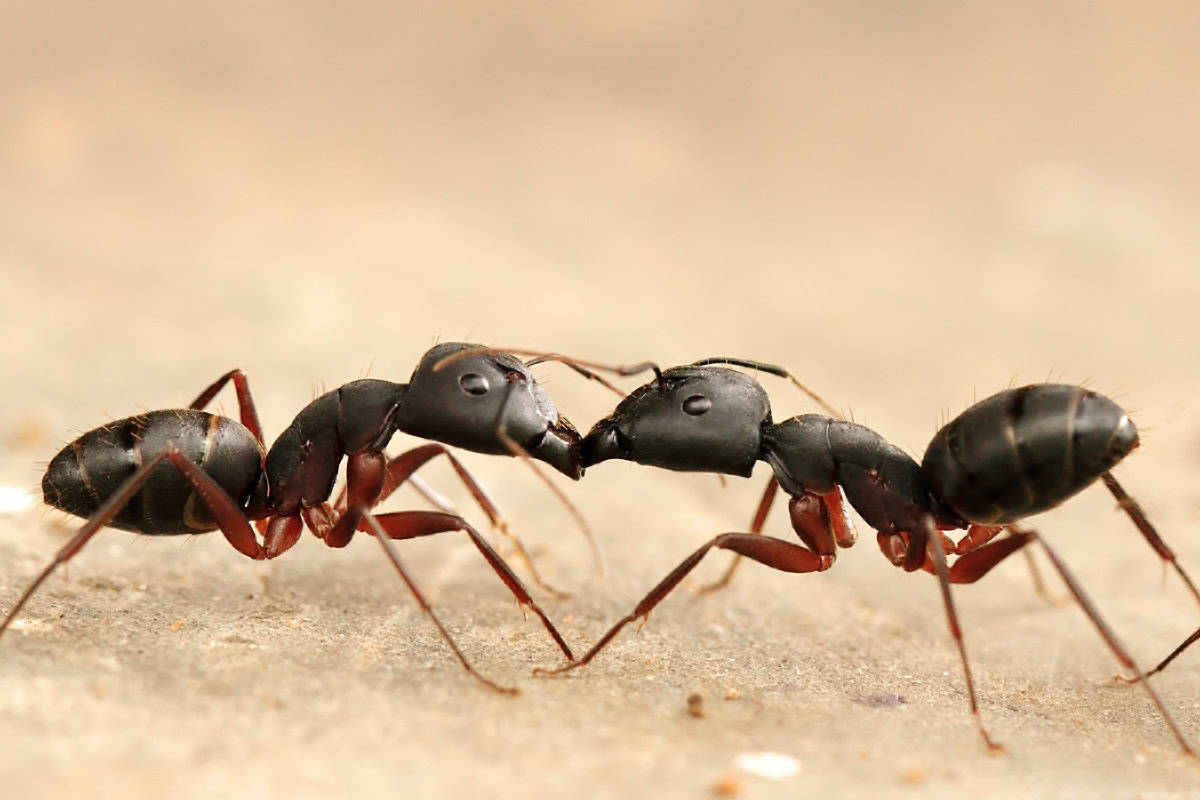
While often described as mutualistic, the ant-aphid relationship isn’t always perfectly balanced. In some cases, ants manipulate and exploit their aphid partners. Research has documented ants biting the wings off alate (winged) aphids to prevent them from flying away and establishing new colonies beyond the ants’ control. Some ant species secrete chemicals that stunt aphid growth or alter their development, keeping them in juvenile stages that produce more honeydew. There’s also evidence that certain ant species will occasionally consume some of their aphid herd when protein needs are high, particularly before the queen lays eggs. This behavior reveals the complex nature of the relationship, which exists on a spectrum from mutualism to manipulation. The balance of power typically favors the ants, with aphids essentially trading some autonomy for protection, much like domesticated animals in human agricultural systems. This exploitation aspect provides fascinating insights into the evolution of interspecies relationships and the fine line between cooperation and control in nature.
Conclusion: Nature’s Ancient Agricultural System
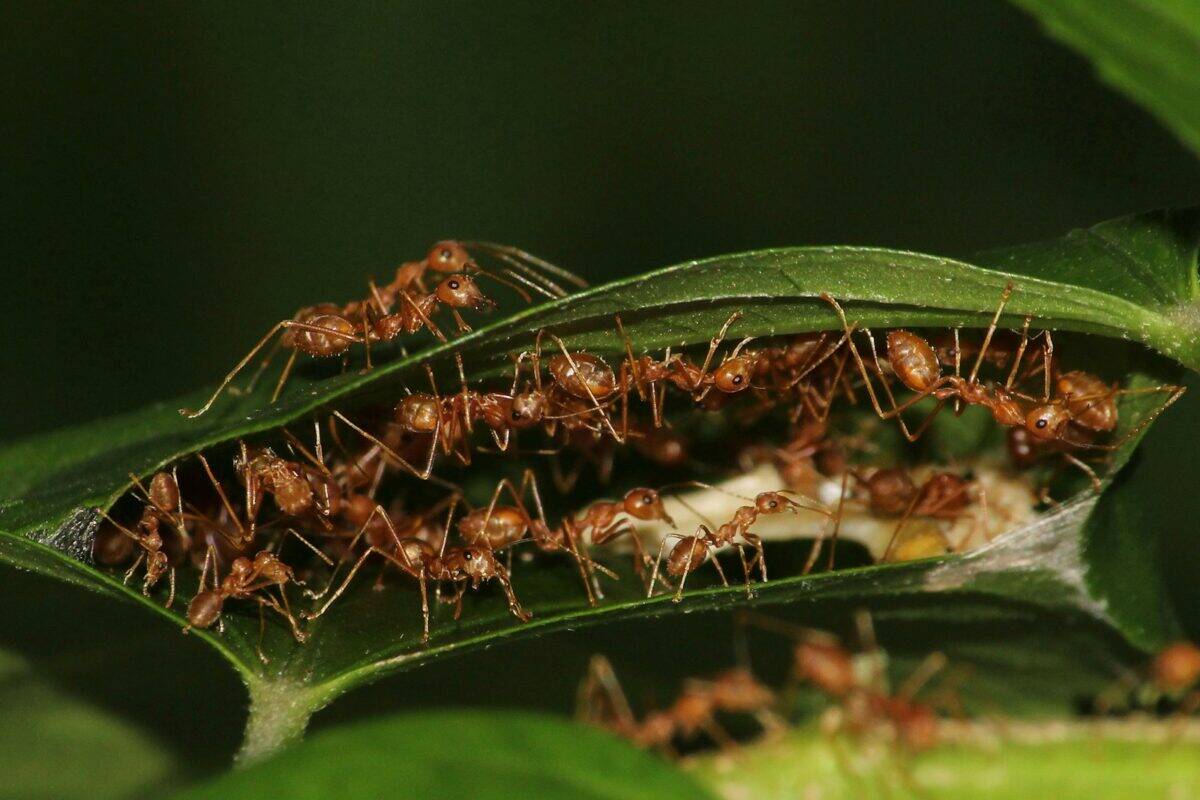
The ant-aphid farming relationship represents one of nature’s most sophisticated examples of interspecies cooperation, predating human agriculture by millions of years. This complex system demonstrates how mutually beneficial relationships can evolve through natural selection, with both species developing specialized adaptations that enhance the partnership. For ants, aphids provide a reliable source of carbohydrate-rich nutrition that fuels their colonies, while aphids receive protection, transportation, and in some cases, shelter from their ant caretakers. The relationship offers powerful insights into evolutionary biology, showing how species can become interdependent through mutual benefit. As we continue to study these tiny farmers and their sugar-producing livestock, we gain not only a deeper appreciation for the complexity of nature but also potential inspiration for sustainable agricultural systems that work with natural processes rather than against them.

From exploring the marine wonders in the Azores and witnessing the vast savannas of Kenya, to delving deep into the rich biodiversity of South Africa and traversing iconic landscapes in Australia and the US like Yellowstone, Chris's experiences are vast.
With a penchant for diving alongside sharks, the ocean holds a special place in his heart.
Through his academic insights, he champions wildlife conservation, striving with 'Animals Around The Globe' to cultivate a profound connection between humans and animals, enhancing our mutual appreciation.
Connect with him at Feedback@animalsaroundtheglobe.com.
- The Real Dolphin That Played Flipper—and Where He Came From - July 28, 2026
- The Ethics of Keeping Exotic Pets: What You Need to Know - July 27, 2026
- If You Think a Shih Tzu Makes a Good Lap Dog, These 14 Are Better - July 27, 2026