
Ever watched a nature documentary and thought you’d seen it all? Think again. The animal kingdom has cooked up some seriously wild ways to stay alive, ways that would make even the best Hollywood special effects teams jealous. From exploding ants to lizards that squirt blood from their eyeballs, creatures around the globe are armed with defense mechanisms so bizarre, you’d swear they were made up.
We’re talking about survival strategies that defy logic. Some animals sacrifice body parts, others weaponize their own internal organs, and a few even fake their own deaths so convincingly that predators just walk away. These aren’t your typical claws and teeth situations. These are the wild cards, the oddballs, the genuinely shocking adaptations that make you wonder how evolution came up with this stuff. So let’s dive in.
The Sea Cucumber Throws Its Guts at Attackers
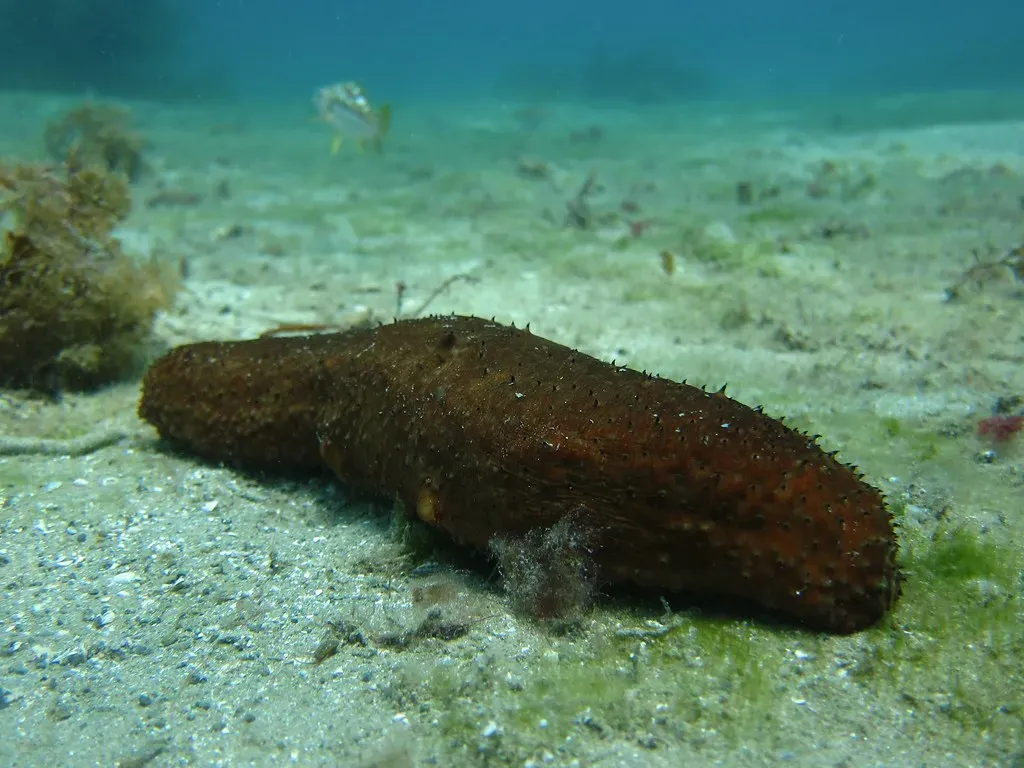
When threatened, the sea cucumber can eject its own sticky intestines and other organs out of its anus, entangling the would-be predator. This is easily one of the most disgusting defense mechanisms in nature. Honestly, it’s hard to imagine what goes through a predator’s mind when suddenly confronted with a cloud of sticky internal organs.
The organs can also contain a poison called holothurin. This adds another layer of unpleasantness to an already horrifying situation. This ejection of organs is not fatal, but it takes the sea cucumber around 6 weeks to fully regenerate any lost organs.
The sea cucumber basically says, here, deal with this mess while I escape. It’s a distraction tactic taken to the extreme. Think of it as throwing your groceries at a mugger, except the groceries are your liver and intestines, and they grow back later. Wild doesn’t even begin to cover it.
The Hairy Frog Breaks Its Own Bones to Make Claws
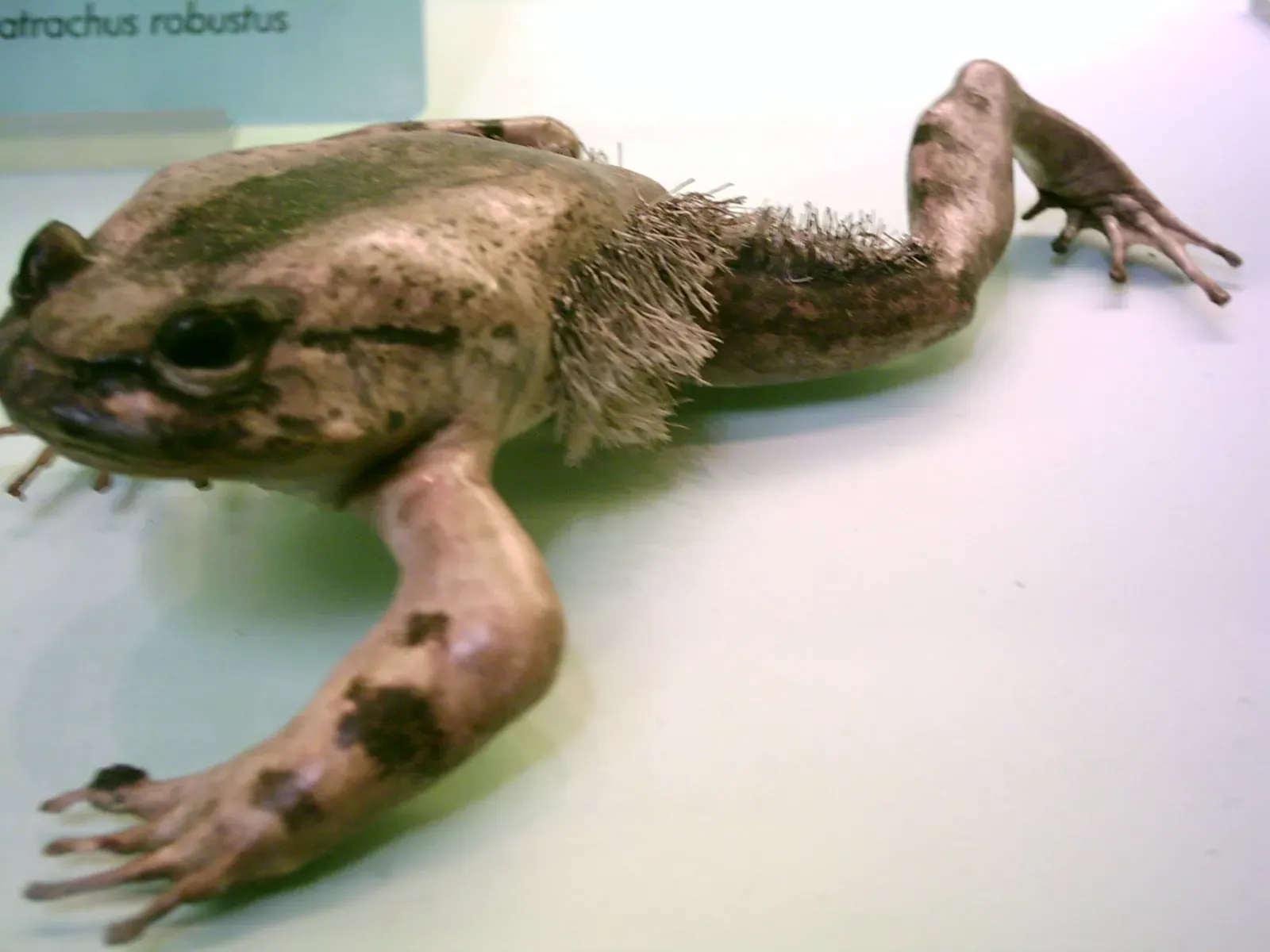
A frog in Central Africa actually breaks its own bones to push sharp claws through its skin when it feels in danger, and it uses these claws to fight. Let that sink in for a moment. This isn’t some comic book character we’re talking about. This is a real amphibian that basically Wolverines itself when trouble shows up.
Later, the bones slide back in and the skin heals. The whole process sounds excruciating, yet the hairy frog does it without hesitation. The frog doesn’t have venom or armor, so it improvises with what it’s got: its own skeleton.
Picture a predator approaching what looks like an easy meal, only to have this frog suddenly sprout bone claws and go into attack mode. That’s enough to make any hunter reconsider. It’s brutal, it’s shocking, and it works.
The Texas Horned Lizard Squirts Blood From Its Eyes
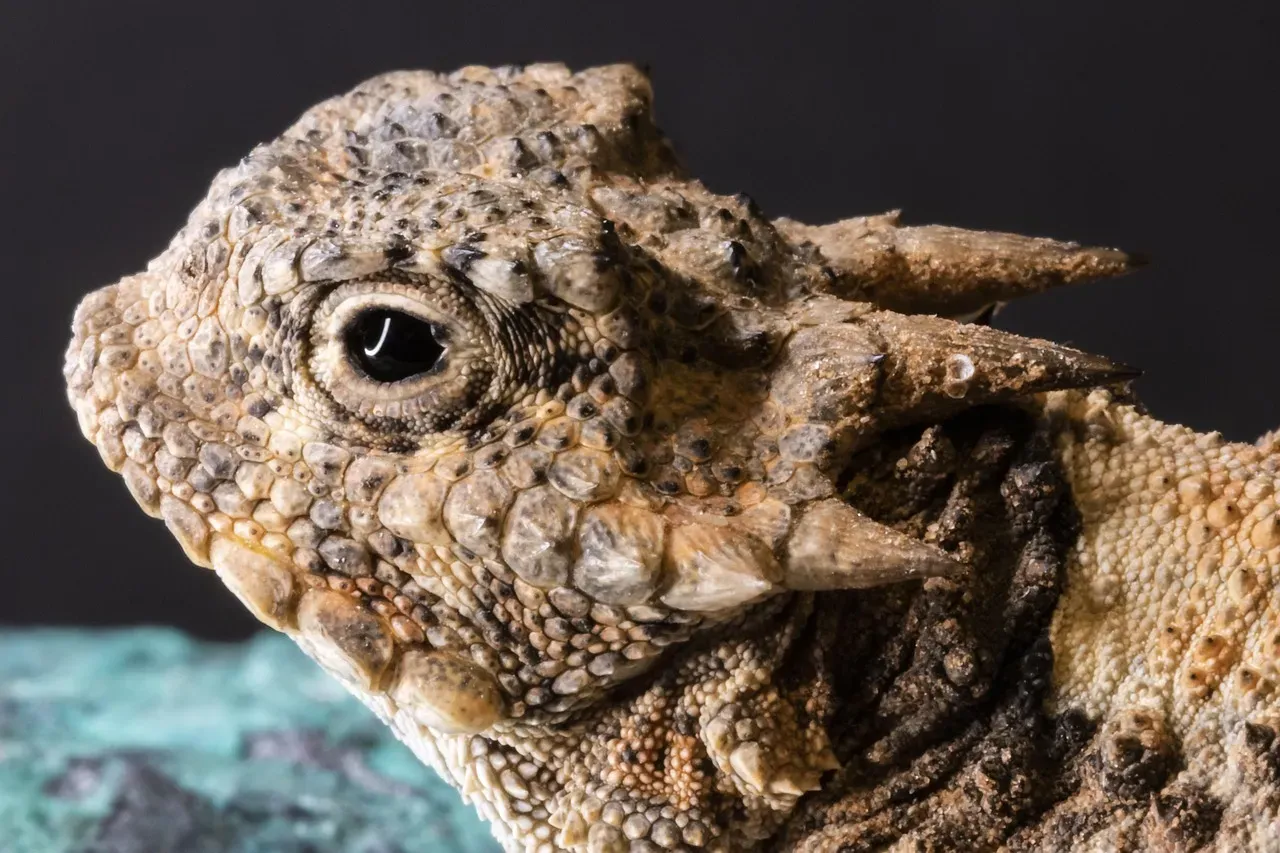
The Texas Horned Lizard squirts a well-aimed stream of blood out of its eyes, which can go as far as 5 feet and is mixed with a foul-tasting chemical that wards off predators. Yes, you read that right. Blood. From its eyes. Up to five feet away.
This bizarre ability is triggered by increased blood pressure in the lizard’s head, and special muscles around its eyes contract, rupturing tiny blood vessels. It’s not just gross for the sake of being gross. The blood also contains chemicals that are particularly unpleasant to canine predators like coyotes and foxes.
The lizard saves this trick as a last resort. First, it relies on camouflage and its spiky body. If those fail, it puffs up to look bigger. Only when absolutely cornered does it unleash the eye blood. Imagine being a coyote, lunging in for a bite, and suddenly getting hit in the face with a jet of foul-tasting blood. You’d back off too.
The Hagfish Produces Suffocating Slime
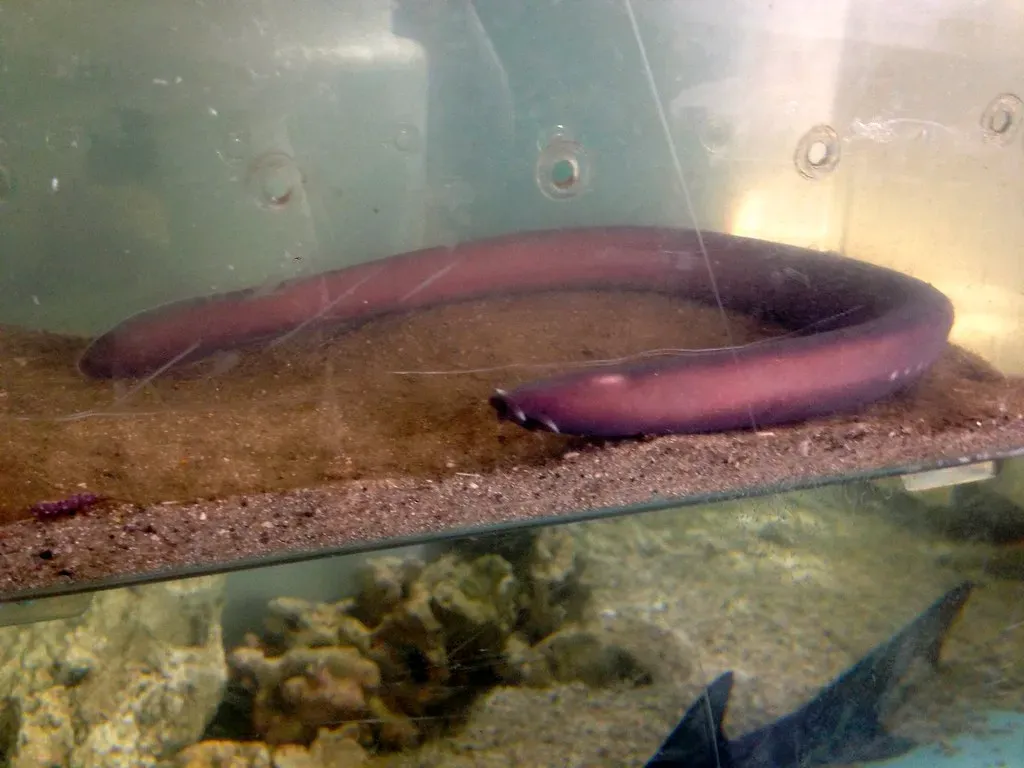
When threatened, the hagfish emit a slime from their pores that, when mixed with water, expands into a gelatinous goo that can either trap predators or suffocate them by clogging their gills. It’s an incredibly effective weapon, especially underwater where predators rely on their gills to breathe.
Sharks and large fish have tried to make a meal out of hagfish, only to end up gagging and spitting them out immediately. The slime is so potent and sticky that it essentially turns the water around the hagfish into a choking hazard. The hagfish itself has to be careful not to get caught in its own slime, which adds a layer of danger to this already risky defense.
This eel-shaped creature has been around for roughly 300 million years, and this slime defense is probably a big reason why. Predators learn quickly: leave the hagfish alone or prepare to suffocate.
The Bombardier Beetle Sprays Boiling Hot Chemicals
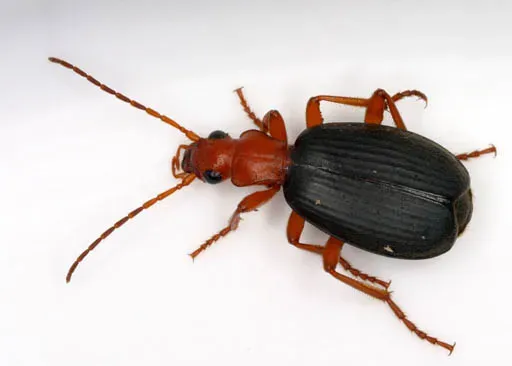
The bombardier beetle combines two chemicals in a special chamber in its abdomen and produces a scalding chemical spray to deter predators. It’s basically chemical warfare on a tiny scale. The spray can reach temperatures close to boiling, making it both painful and startling.
This spray, reaching temperatures close to 100°C, can be discharged in rapid bursts, effectively deterring predators. The beetle doesn’t just fire once and hope for the best. It can shoot multiple times in quick succession, adjusting its aim as needed.
The chemicals are stored separately inside the beetle and only mixed when it’s time to attack. This prevents the beetle from accidentally harming itself. It’s a precise, controlled explosion that sends predators running. Few insects can claim they have a built-in flamethrower, but the bombardier beetle absolutely can.
The Mimic Octopus Impersonates Dangerous Animals
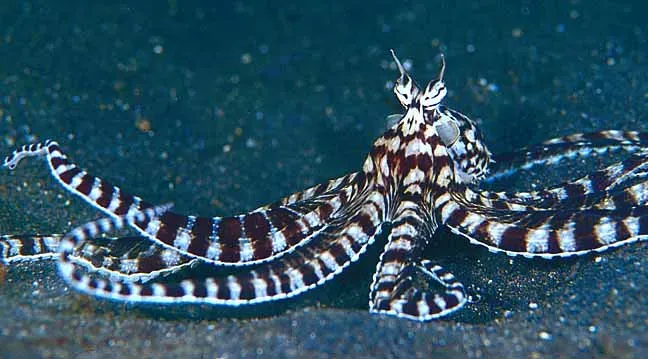
The mimic octopus can mimic the appearance and behavior of more than 15 marine species, contorting their bodies to take on the appearance and behavior of animals including lionfish, sea snakes, and flatfish. This is shape-shifting at its finest. One moment it’s a harmless octopus, the next it’s pretending to be a venomous sea snake.
The mimic octopus has color-changing cells, or chromatophores, covering its skin, allowing it to change color by quickly expanding or contracting the cells, blending into its environment. It’s not just about looking like something else. It’s about acting like it too, moving in ways that sell the illusion.
This form of mimicry is not just a passive defense but an active strategy to confuse or deter predators by imitating species known to be venomous or unpalatable. The octopus doesn’t pick just any animal to copy. It chooses the dangerous ones, the ones predators actively avoid. Smart move.
The Opossum Plays Dead, Involuntarily
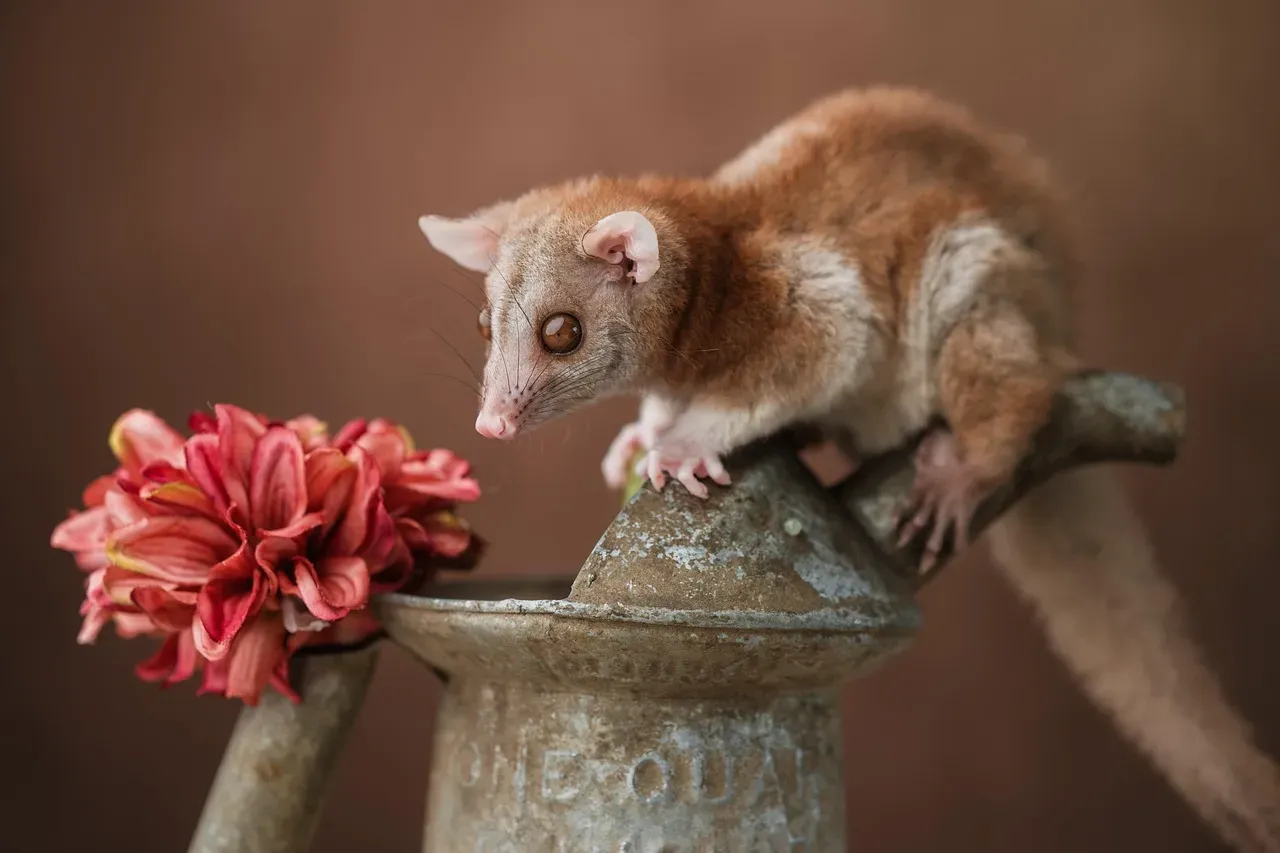
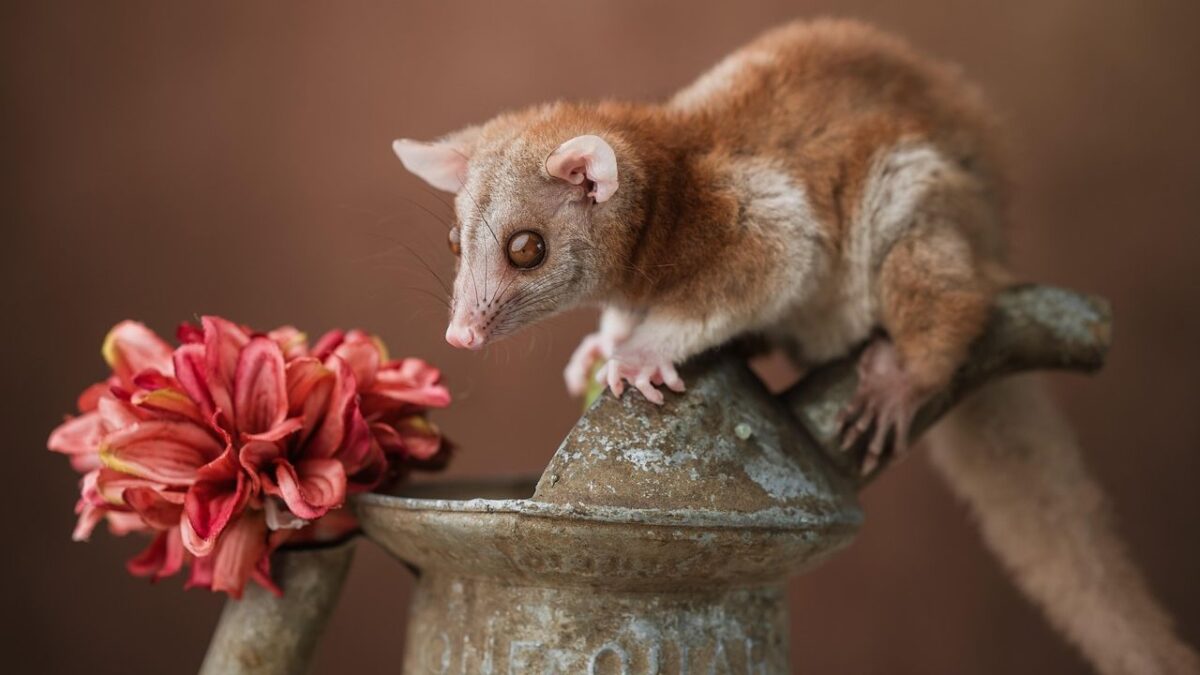
The opossum’s infamous defense mechanism of playing dead is completely involuntary, and under intense fear, opossums fall into a comatose-like state that can last for hours, long enough to convince any predator that the opossum is already dead. It’s not an act. It’s more like fainting from sheer terror.
Fear causes these animals to emit a corpse-like smell that only adds to their act. The opossum goes full method actor here. It’s limp, unresponsive, and smells like death. Most predators prefer fresh kills, so they’ll just leave the opossum alone and move on.
It can stay in this state for minutes or even hours. When the coast is clear, the opossum snaps out of it and goes about its business. It’s a gamble, sure, yet it’s effective enough to have kept opossums thriving for millions of years.
The Malaysian Exploding Ant Sacrifices Itself for the Colony
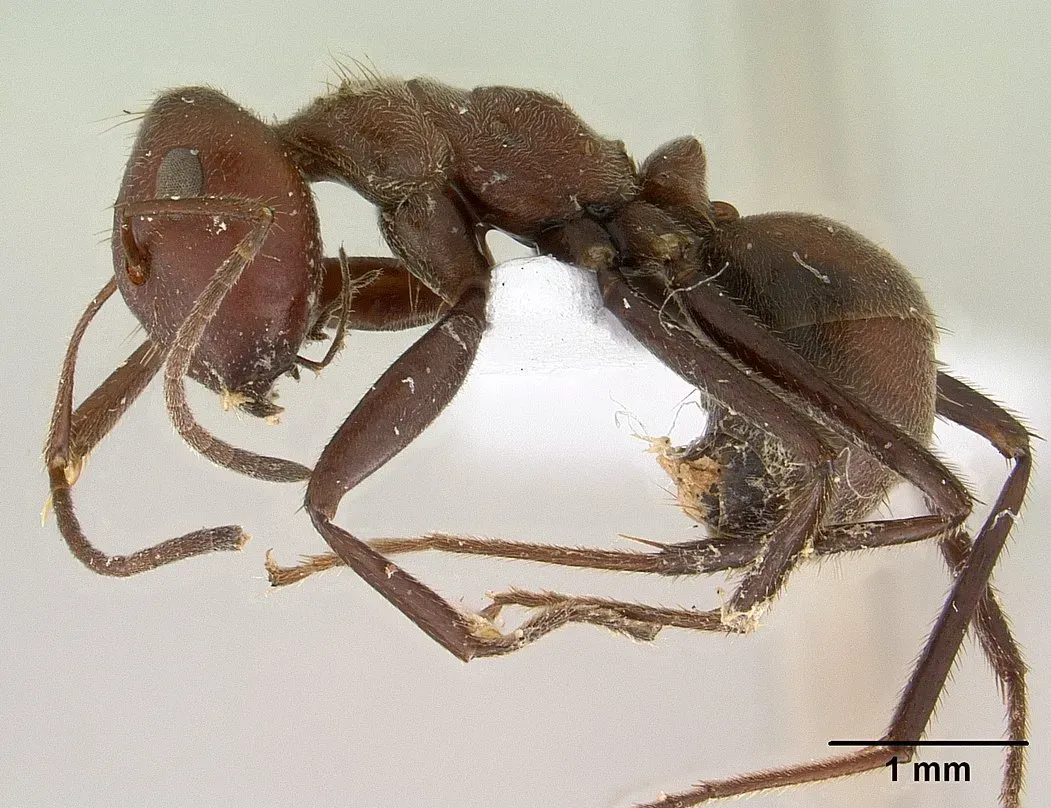
Soldier Malaysian ants have two large poison glands, and the ant violently flexes so that its abdomen splits open, causing the fluid-filled glands to burst and spray the enemy with sticky poisonous substance, which also ends the soldier ant’s life but can seriously hamper or even kill the attacker. This is the ultimate team player move.
The ant knows it won’t survive, yet it doesn’t hesitate. When the colony is threatened, older worker ants rush toward the danger and self-destruct. The explosion releases a toxic, sticky goo that can trap or kill invaders. It’s brutal, it’s final, and it’s surprisingly effective.
The colony survives because a few individuals are willing to blow themselves up. It’s like a biological grenade, and it sends a clear message: attacking this colony comes at a serious cost.
The Pufferfish Inflates Into a Spiky Ball
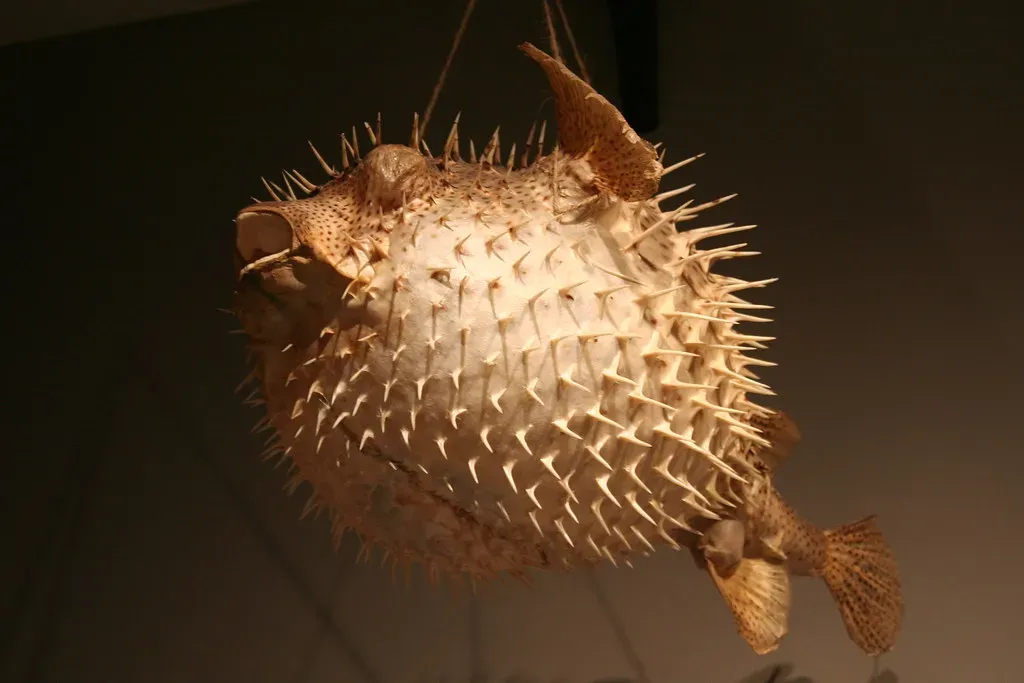
When threatened, the pufferfish can inflate its body by ingesting water or air, transforming into a spiky, unappetizing ball, and this sudden increase in size makes it difficult for predators to swallow the pufferfish. It’s a simple yet brilliant strategy. Go from bite-sized to way-too-big-to-swallow in seconds.
The sharp spines that protrude as it inflates not only add an extra layer of protection but also make the pufferfish appear even more formidable. Predators see this transformation and usually decide the effort isn’t worth it. Some pufferfish also carry toxins in their bodies, adding another reason to avoid them.
The pufferfish doesn’t rely on speed or strength. It relies on making itself the worst possible meal option. It’s a defense that works in clear water where predators can see exactly what they’re dealing with.
The Iberian Ribbed Newt Pushes Its Ribs Through Its Skin
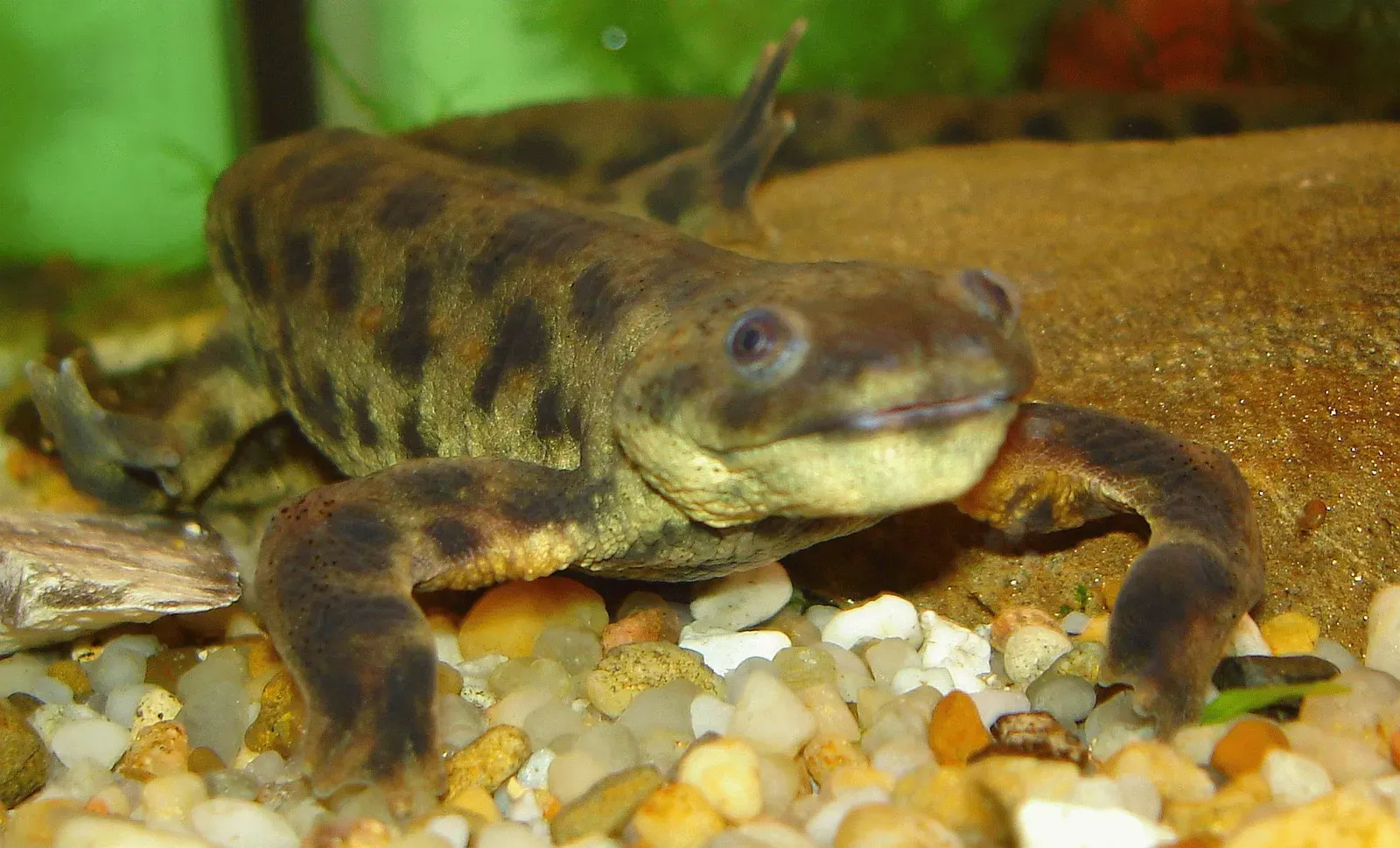
The Iberian Ribbed Newt pushes its ribs through the side of its skin, and the ribs are very flexible and end in sharp points, after being pushed through they get covered in a toxin strong enough to kill small predatory animals like birds or snakes. It’s a horrifying sight for any predator.
The newt doesn’t just have spines on the outside. It creates them on demand by forcing its own skeleton outward. The ribs pierce through the skin and get coated with poison in the process. It’s painful to watch, yet the newt seems unfazed by the whole ordeal.
After the threat passes, the ribs retract, and the skin heals. The newt can do this repeatedly without suffering permanent damage. It’s one of nature’s most metal defense mechanisms, no question.
The Slow Loris Licks Poison Onto Its Teeth
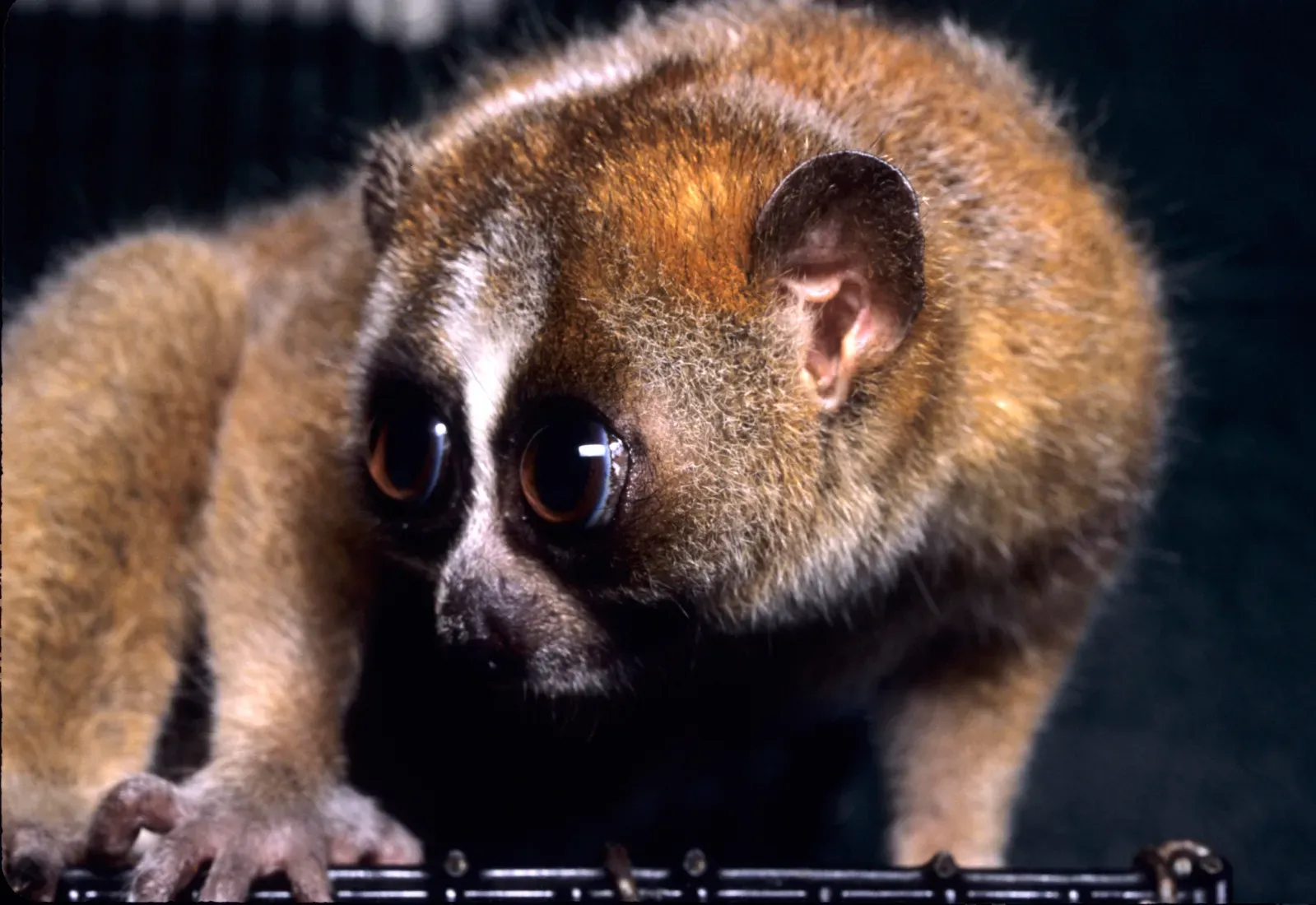
The slow loris has poisonous glands on its arms that it rubs on its fur or licks to make the teeth poisonous, and the toxin is only activated when mixed with the loris’s saliva in a natural chemical reaction, making it the only known venomous primate. This is a primate with a venomous bite. Let that thought settle in.
For some predators, this poison can cause anaphylactic shock. It’s not just a mild irritant. It can be deadly. The slow loris might move like it’s stuck in slow motion, making it an easy target, yet one bite can turn the tables completely.
The loris activates its venom by mixing glandular secretions with saliva. It’s chemistry in action, and it’s evolved specifically to compensate for the loris’s lack of speed. Predators quickly learn to recognize and avoid these adorable yet dangerous primates.
The Boxer Crab Wields Sea Anemones Like Weapons
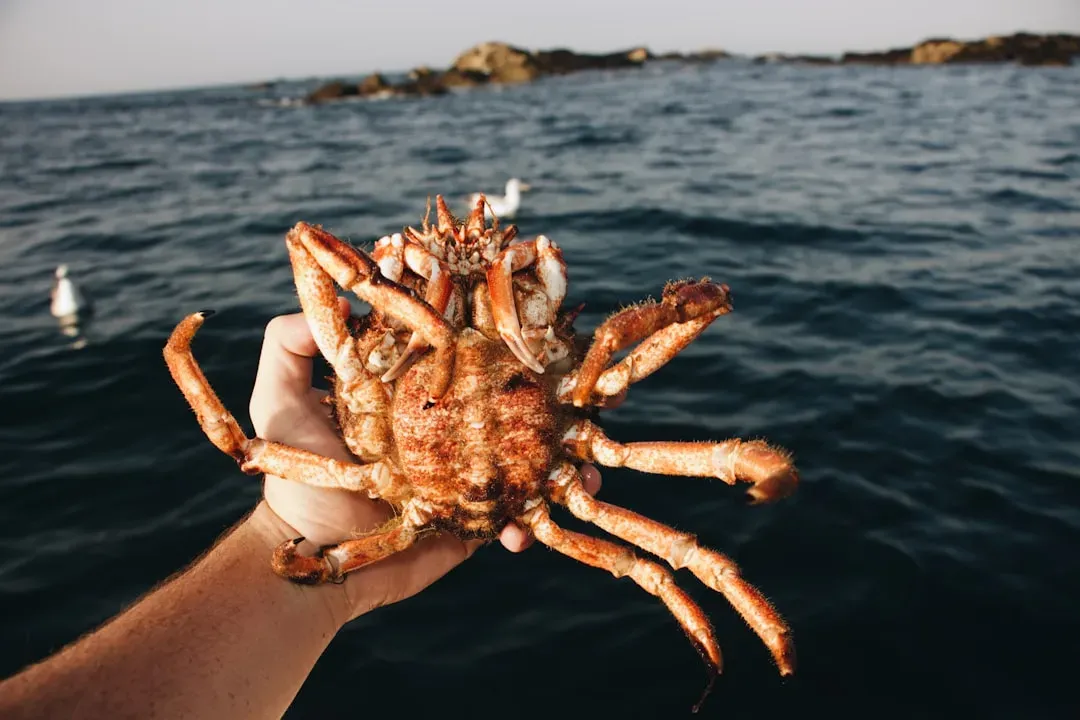
The boxer crab uses sea anemones as boxing gloves to ward off predators, and sea anemones are surrounded by dangerous tentacles which are covered in stinging cells. It’s one of the strangest partnerships in the ocean. The crab literally picks up anemones and waves them at anything that gets too close.
The boxer crab gains an awesome defense mechanism that would put most other animals to shame, and the anemone becomes mobile and is able to obtain more food. Both species benefit. The crab gets living weapons, and the anemone gets free transportation and access to more feeding opportunities.
The crab doesn’t have natural venom or armor, so it borrows from another creature. It’s resourceful, creative, and surprisingly effective. Predators see those stinging tentacles and think twice about attacking.
The Pangolin Curls Into an Armored Ball
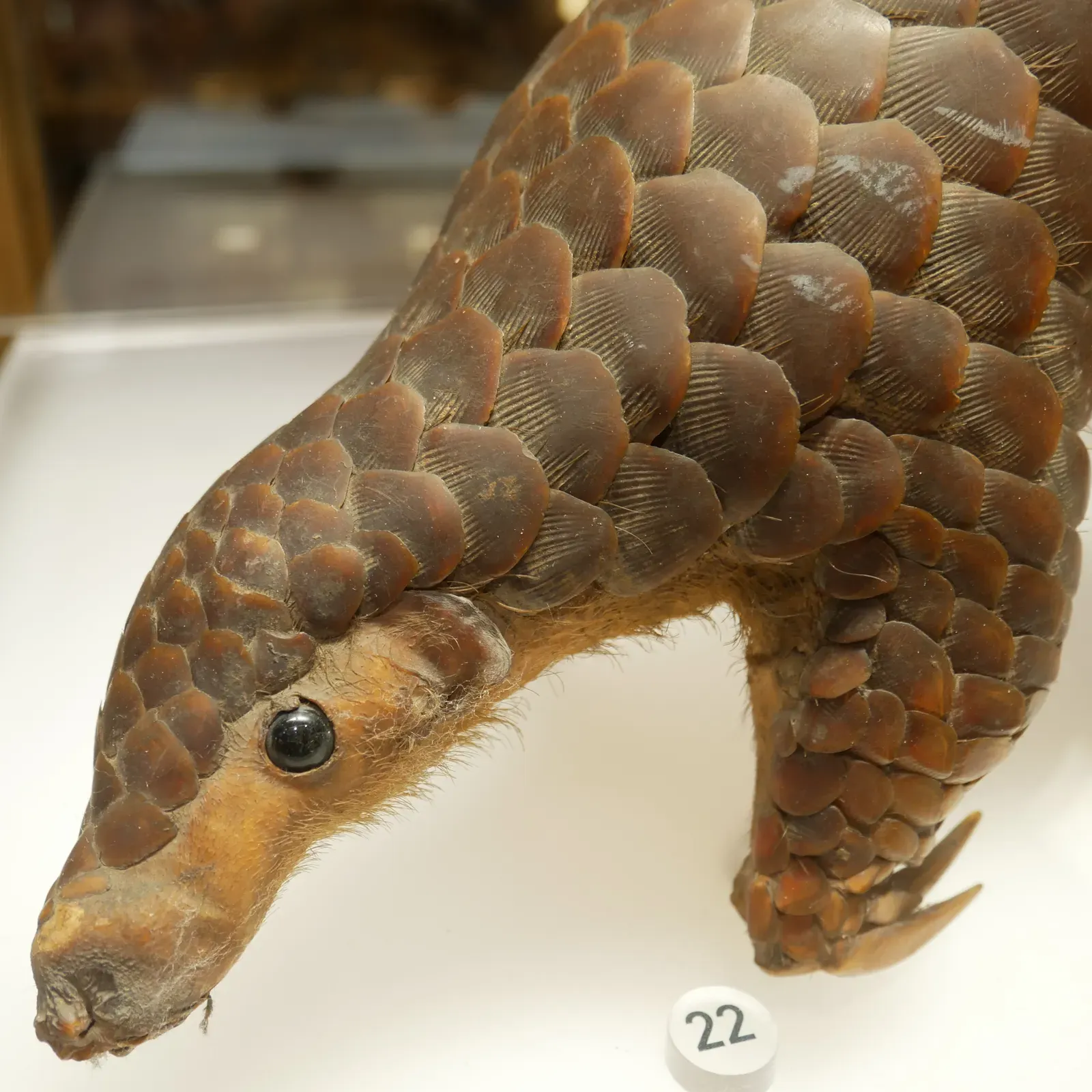
The pangolin uses a strong defense mechanism to curl into an impenetrable ball when it feels threatened, and the tough protective armor-like scales are made up of keratin, the same material our nails are made of, and act effective against large predators like tigers, leopards, lions or hyenas. It’s a fortress defense, plain and simple.
When trouble approaches, the Indian pangolin emits a smelly gas to thwart the predator, and if that’s not enough, it simply curls up to make its scales of armor act as its shield. The pangolin has a backup plan for its backup plan. First the smell, then the impenetrable ball.
Predators can bite and claw all they want, yet those scales don’t budge. The pangolin just waits it out, safely tucked inside its own body armor. It’s a patient, passive defense that has kept pangolins alive for millions of years, even against some of the fiercest predators on Earth.
The Wood Frog Freezes Solid and Comes Back to Life
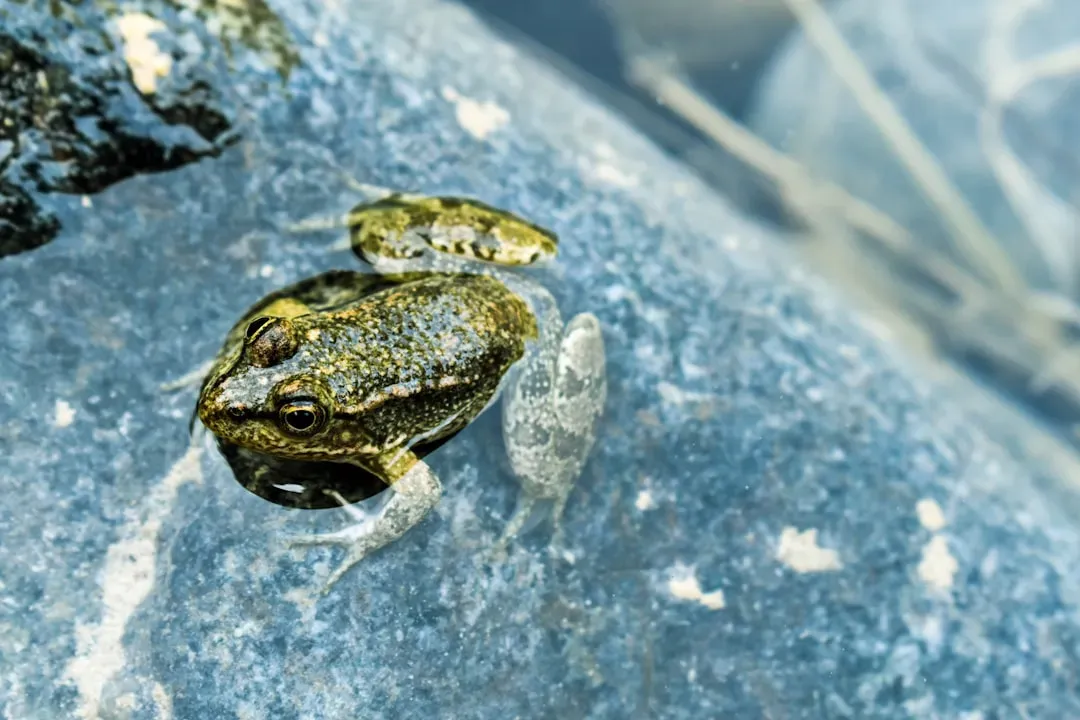
The wood frog’s brain instructs its liver to produce huge amounts of glucose which acts as a sort of antifreeze, preventing ice crystals from becoming too large, therefore stopping cells and blood vessels from becoming ruptured. It’s essentially cryogenic preservation, naturally occurring in a tiny frog.
The frog can remain in this frozen state for weeks on end until a change in temperature allows it to thaw, and the heart muscles, which have been protected by a huge build-up of glucose, suddenly burst into life by rubbing together, generating an electric charge that allows the heart to start pumping again.
The frog isn’t just playing dead. It is dead by most definitions, with no heartbeat and no brain activity. Yet when spring arrives, it thaws out and hops away like nothing happened. It’s one of the most astonishing survival mechanisms in nature, defying what we thought was possible for vertebrates. What would you have guessed could survive being frozen solid?
