
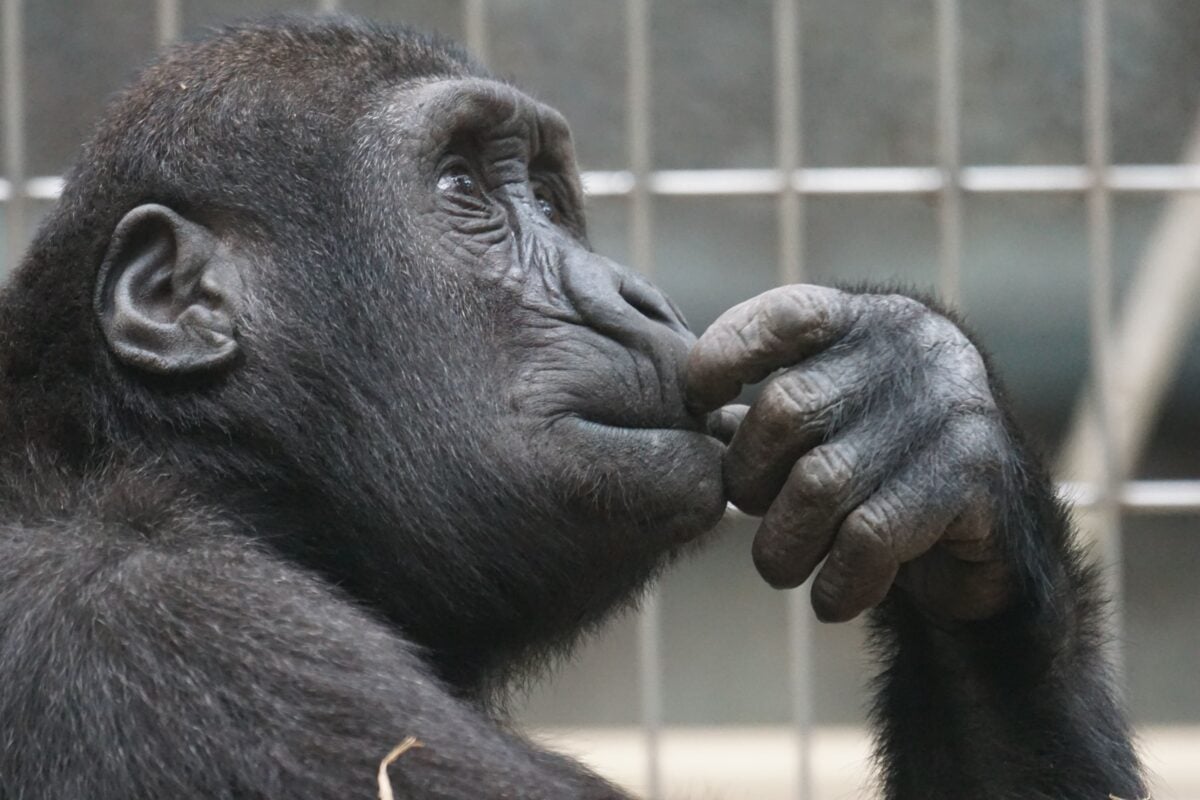

People often picture intelligence as something reserved for humans or a handful of familiar pets. Yet research keeps turning up sophisticated problem solving, memory feats, and social awareness in creatures most of us overlook or underestimate.
The gap between assumption and evidence can feel striking once the studies come into view. Here are nine animals whose cognitive abilities continue to surprise scientists and observers alike.
9. Pigs
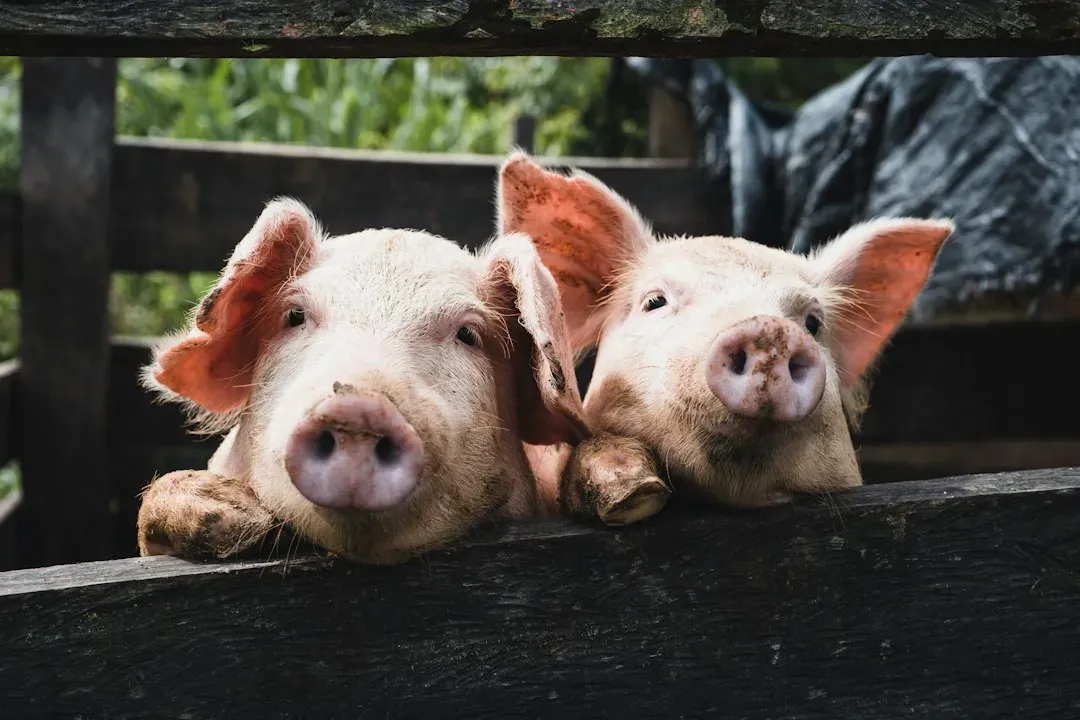
Pigs demonstrate strong learning and memory skills in controlled tests. They can navigate mirrors to locate hidden food and have been trained to operate simple joysticks for video game style rewards. These tasks require spatial awareness and quick adaptation rather than rote repetition.
Studies also show pigs recognize individual conspecifics and adjust their behavior based on past interactions. Their performance on reversal learning tasks, where rules change mid experiment, often matches or exceeds that of dogs in similar setups. Such flexibility points to more than basic instinct.
8. Rats
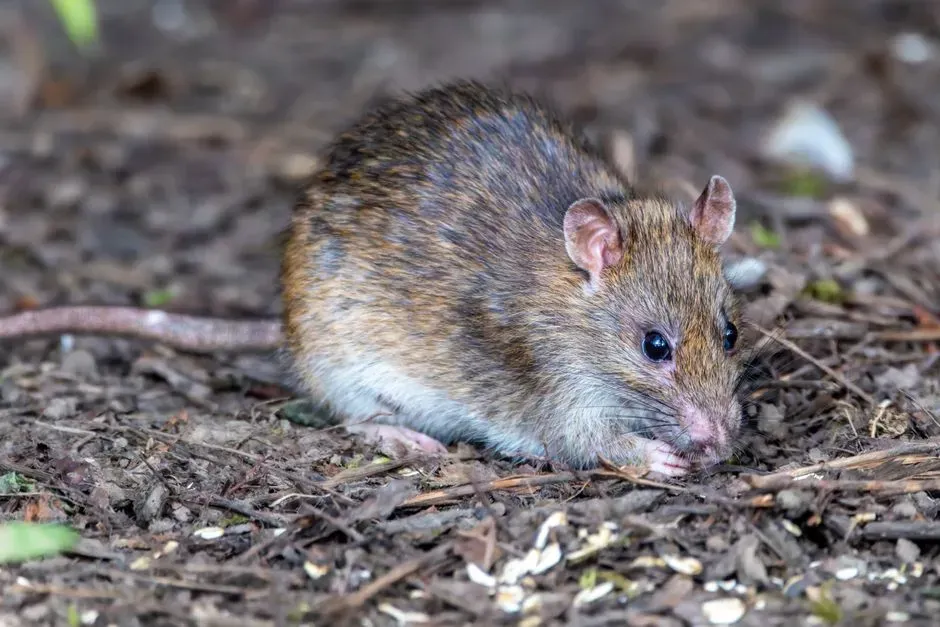
Rats excel at spatial navigation and can learn complex sequences in maze experiments. They have shown signs of metacognition, the ability to monitor their own knowledge, in tasks where they opt out of uncertain trials. This kind of self assessment was once thought limited to primates.
Additional work reveals rats can play hide and seek with humans when trained, following rules and switching roles. Their capacity for generalization in category based tasks sometimes surpasses human performance in narrow lab conditions. These findings expand ideas about rodent cognition beyond pest stereotypes.
7. Goats
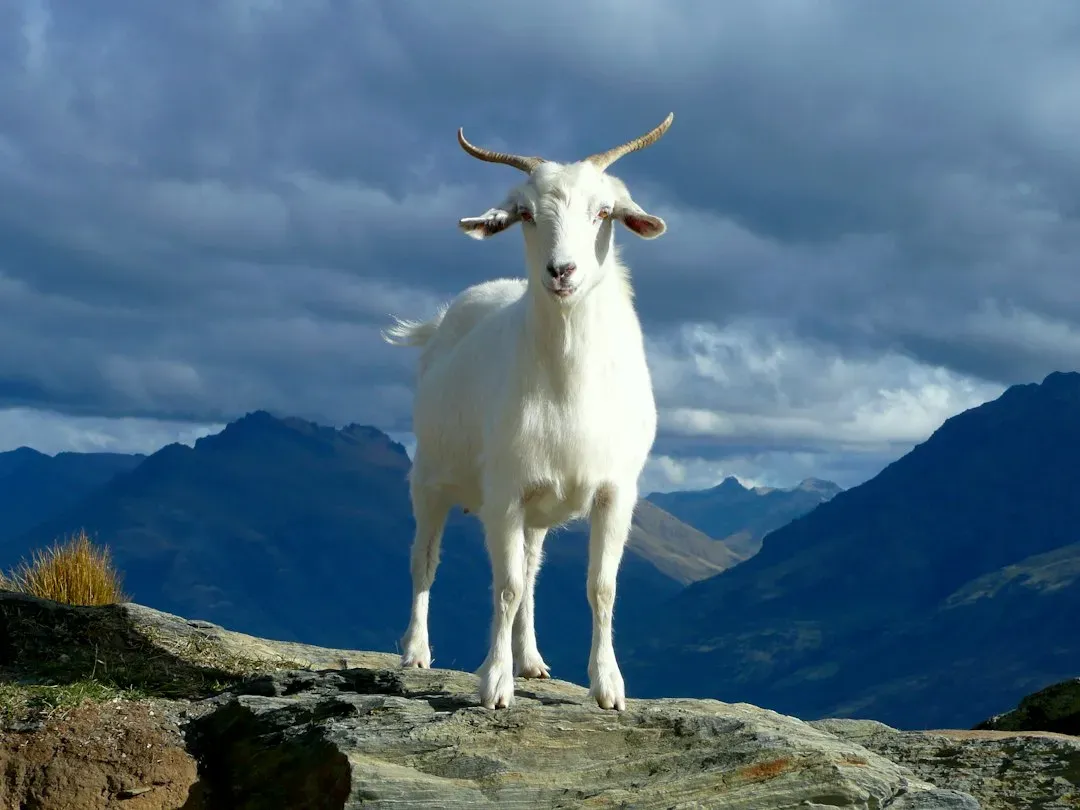
Goats solve multi step puzzles that combine pulling and lifting actions. In one series of trials most subjects mastered a rope and lever device within a few attempts and retained the solution months later. The persistence of that memory highlights practical problem solving under natural conditions.
Researchers note goats also distinguish between familiar and unfamiliar humans through visual and vocal cues. Their social intelligence supports group coordination during foraging and predator avoidance. These traits emerge reliably across different testing environments.
6. African Grey Parrots
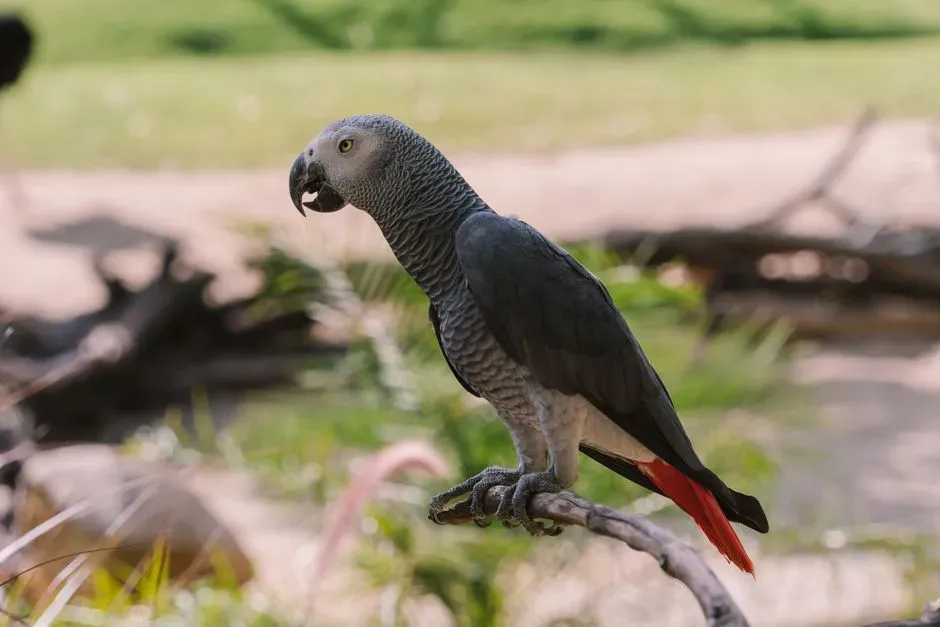
African grey parrots handle abstract concepts such as color, shape, and quantity with notable accuracy. One well documented individual labeled objects, identified same different relations, and even used the word none for zero in controlled sessions. The range of labels exceeded what many expect from a bird brain.
These parrots also infer hidden locations based on partial information and adjust strategies across trials. Their vocal mimicry extends beyond imitation into functional communication during experiments. Long term studies confirm the skills hold steady over years of testing.
5. Elephants
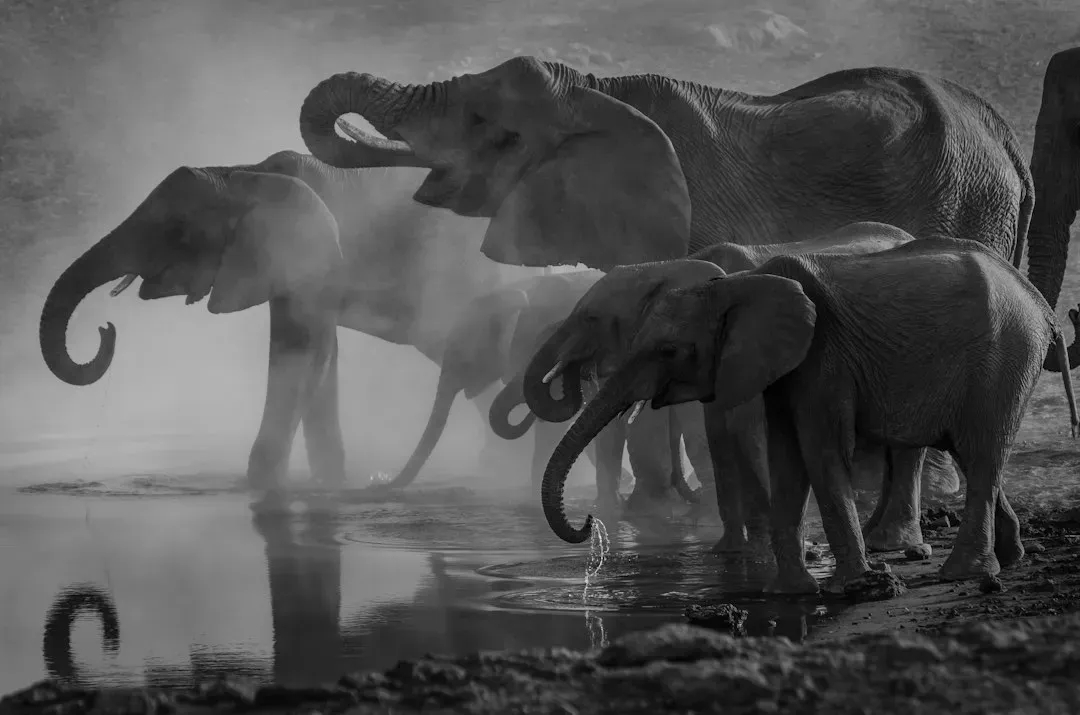
Elephants pass mirror self recognition tests, using reflections to inspect marks on their own bodies. They cooperate in rope pulling tasks that require timing and partner awareness. Their memory for water sources and social relationships spans decades in field observations.
Elephants also distinguish threatening human voices by age, gender, and ethnicity in playback experiments. Tool modification appears in both wild and captive settings, from fly switches to branch probes. These behaviors reflect layered social and environmental intelligence.

Dog Stairs for Bed 18" H, 4-Step Dog Steps for High Bed
Check Price on AmazonAs an Amazon Associate, we earn from qualifying purchases.
10/9/2026 2:42 pm GMTi

Portable Dog Water Bottle Foldable Dog Travel Water Bottle
Check Price on AmazonAs an Amazon Associate, we earn from qualifying purchases.
10/7/2026 1:29 pm GMTi

Halloween Dog Collar with Bow, Orange Cute Ghost Collar,
Check Price on AmazonAs an Amazon Associate, we earn from qualifying purchases.
10/9/2026 2:43 pm GMTi

Smart Bird Feeder with Camera Solar Powered, 2K HD Live Video, 10,000+ Bird Species AI Identification
Check Price on AmazonAs an Amazon Associate, we earn from qualifying purchases.
10/7/2026 1:22 pm GMTi

Earth Rated XL Dog & Puppy Pee Pads, Discreet Top, Max Absorbency
Check Price on AmazonAs an Amazon Associate, we earn from qualifying purchases.
10/7/2026 1:28 pm GMTi
4. Bottlenose Dolphins
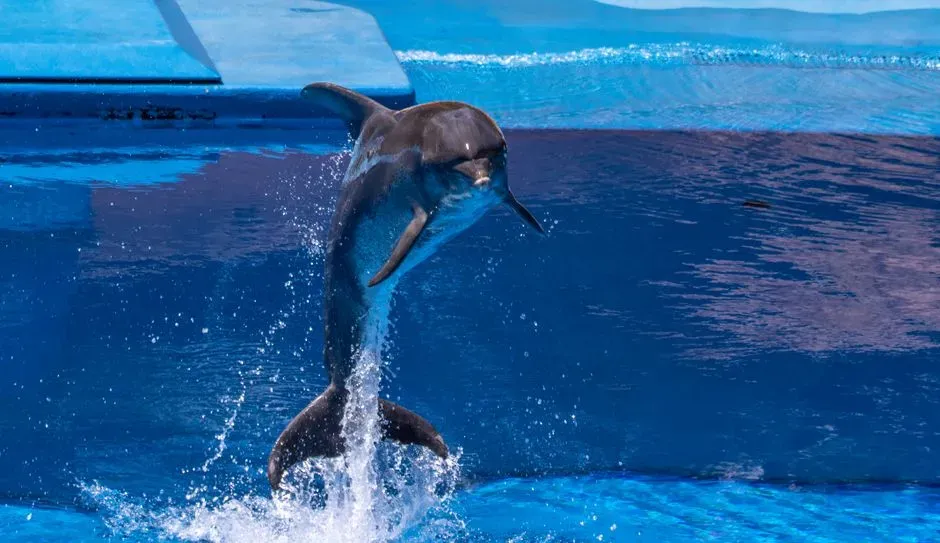
Bottlenose dolphins recognize themselves in mirrors and use signature whistles that function like individual names. They remember these calls across separations lasting more than twenty years in some recorded cases. The stability of that recognition supports complex group dynamics.
Dolphins demonstrate cooperative hunting strategies and spontaneous tool use, such as carrying sponges for seabed foraging. Their performance on imitation tasks includes copying novel sounds and actions on first exposure. These capacities appear across multiple populations.
3. Crows and Ravens
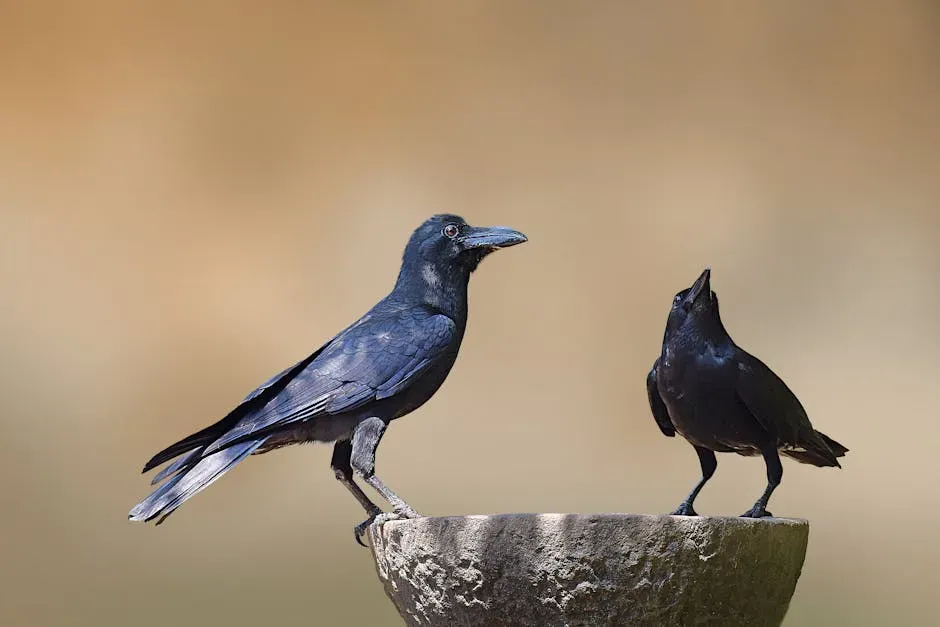
Corvids manufacture and modify tools, bending wires into hooks to retrieve food in lab setups. They plan ahead by caching tools for future use and outperform young children on certain causal reasoning puzzles involving water displacement. Self control scores on standardized cylinder tasks reach levels comparable to great apes.
Ravens and crows also track hidden objects and adjust behavior when they infer a human observer might have moved an item. Their neuron density in relevant brain regions supports these feats despite small overall brain size. Field and captive data converge on similar patterns.

2 Pcs Halloween Pet Hat Bandana Set, Witch Pumpkin Costumes for Dogs
Check Price on AmazonAs an Amazon Associate, we earn from qualifying purchases.
10/9/2026 2:45 pm GMTi

Orthopedic Extra Large Dog Bed, Waterproof Washable XL Pet Bed 44"
Check Price on AmazonAs an Amazon Associate, we earn from qualifying purchases.
10/7/2026 1:32 pm GMTi

Halloween Cat Costume Cloak Witch Hat Pet Accessories
Check Price on AmazonAs an Amazon Associate, we earn from qualifying purchases.
10/9/2026 2:44 pm GMTi

Hand Blown Glass Hummingbird Feeders for Outdoors Hanging, 24oz Wild Bird Nectar Feeder
Check Price on AmazonAs an Amazon Associate, we earn from qualifying purchases.
10/7/2026 1:23 pm GMTi

Air Purifiers for Home Pets Large Room Up to 3000 Ft²,HEPA Air Cleaner with Washable Double-Side Filter, PM2.5 Air Quality Monitor,15dB Sleep Mode for Bedroom Odor Dust Pollen,White
Check Price on AmazonAs an Amazon Associate, we earn from qualifying purchases.
10/8/2026 8:23 am GMTi
2. Octopuses
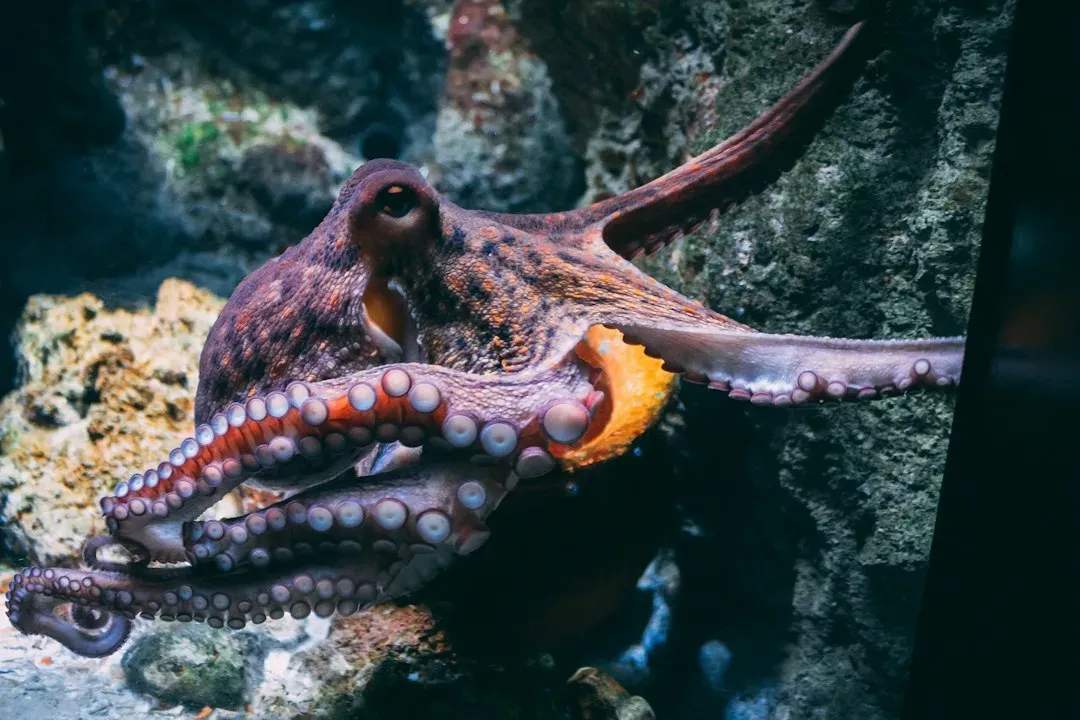
Octopuses solve puzzle boxes and unscrew jar lids to reach prey without prior training. They learn by watching other octopuses perform tasks, a form of observational learning rare among invertebrates. Individual recognition of human handlers emerges in repeated encounters, with some animals showing preferences or avoidance.
Octopuses carry coconut shells or other objects for later shelter construction, indicating planning across time. Their distributed nervous system, with neurons concentrated in the arms, allows independent problem solving in each limb. These traits persist across different species and settings.
1. Cleaner Wrasse
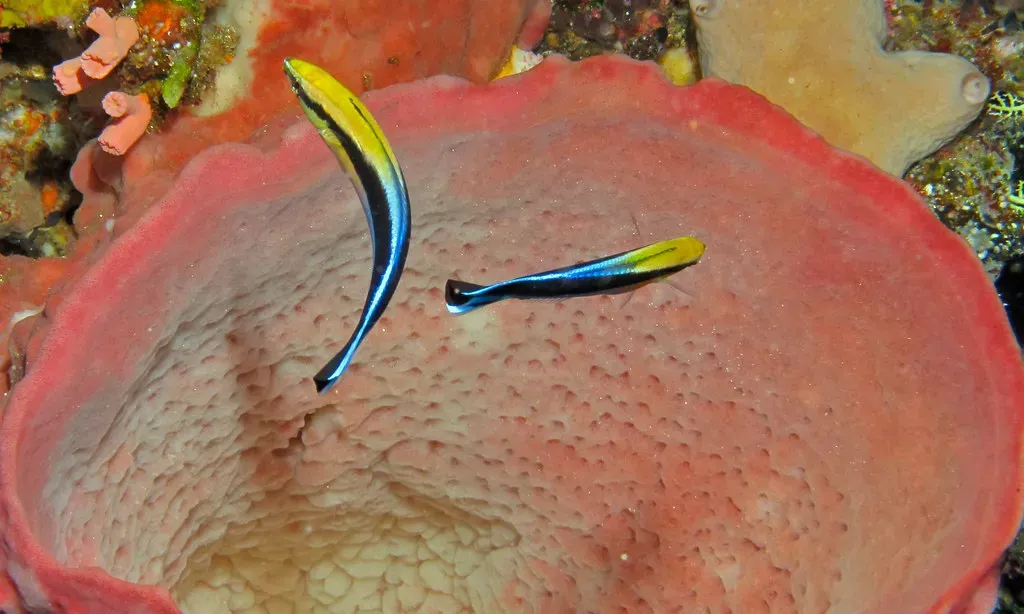
Cleaner wrasse pass the mirror mark test, scraping at a mark visible only in reflection. This result stands out because it involves a small fish brain and challenges assumptions about which lineages can exhibit self awareness markers. Only a handful of species have cleared this benchmark so far.
The fish also excel at reversal learning and outperform some primates on color discrimination tasks that require rapid rule switching. Their social cognition includes tracking client fish identities and adjusting service quality based on past interactions. These abilities appear in both lab and reef environments.

PetSafe Oasys Pet Fountain, 1/2 Gallon (64 oz), Small Dogs & Cats
Check Price on AmazonAs an Amazon Associate, we earn from qualifying purchases.
10/8/2026 8:14 am GMTi

Glass Hummingbird Feeder for Outdoors Hanging
Check Price on AmazonAs an Amazon Associate, we earn from qualifying purchases.
10/7/2026 1:21 pm GMTi

Glass Hummingbird Feeder for Outdoors Hanging, 16 oz Leak-Proof Nectar Feeder with Bee Guards & Ant Moat
Check Price on AmazonAs an Amazon Associate, we earn from qualifying purchases.
10/7/2026 1:22 pm GMTi

Professional 7 in 1 Dog Paw Cleaner for Dogs & Cats - Includes 1 Portable Paw Washer, 1 Bath Brush
Check Price on AmazonAs an Amazon Associate, we earn from qualifying purchases.
10/7/2026 1:26 pm GMTi
Closing Perspective
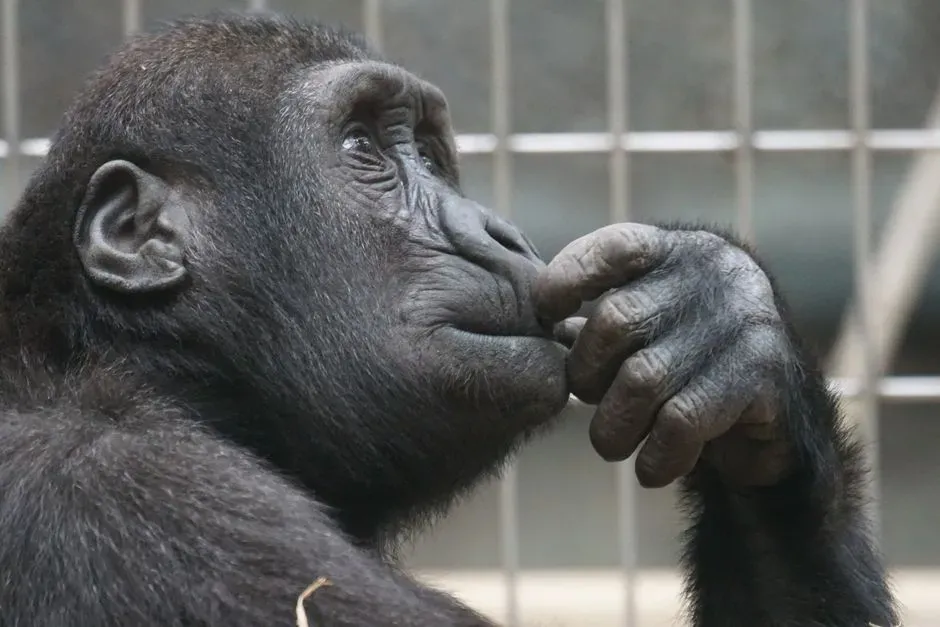
Evidence for flexible thinking now spans mammals, birds, fish, and invertebrates. The pattern suggests cognitive tools evolve wherever they confer survival advantages, not only in large brained relatives of humans. Continued careful testing will likely reveal additional examples rather than shrink the list.
Recognizing these capacities invites more precise questions about how different nervous systems achieve similar outcomes. It also underscores the value of protecting habitats that support such complexity. The more we learn, the less surprising it becomes that intelligence takes many forms across the animal kingdom.

- 9 Animals That Are Far Smarter Than Most People Realize - November 12, 2026
- 9 Facts About Canada Lynx That Explain Their Boom-and-Bust Link to Snowshoe Hares - November 12, 2026
- Zoology Says Jaguars Have the Most Powerful Bite for Their Size of Any Big Cat – Strong Enough to Crack Turtle Shells - November 12, 2026