


In the vast wilderness of North America, there exists a dynamic hierarchy of predators that inhabit its diverse ecosystems. From the dense forests to the open plains and icy terrains, these predators play crucial roles in maintaining ecological balance. As fascinating as they are dangerous, these animals command both respect and caution from those who dare to venture into their realms. This article explores the 14 most formidable predators roaming North America, delving into their characteristics, behavior, and the roles they play in nature.
14. Grizzly Bear The Might of the Forest

The grizzly bear is a symbol of the North American wilderness, notorious for its immense power and ferocious temperament. Found primarily in Alaska and western Canada, these bears can weigh up to 1,500 pounds and are known for their distinctive hump, a mass of muscle that gives them extraordinary strength. Their diet is omnivorous, consisting of berries, roots, insects, and occasionally large mammals. Despite their formidable nature, grizzly bears face threats from habitat loss and climate change.
13. Gray Wolf The Iconic Pack Hunter

The gray wolf, revered for its social structure and pack dynamics, is one of North America’s top predators. Ranging from Canada to the northern United States, these wolves hunt in packs, utilizing intricate strategies to bring down prey much larger than themselves, such as elk and bison. Social bonds within the pack are strong, with an alpha pair leading the group. Their presence is crucial for maintaining the health of ecosystems by controlling prey populations.
12. Mountain Lion The Stealthy Ambusher

Known by various names, including cougar, puma, and panther, mountain lions are solitary and elusive. They inhabit diverse environments, from the Canadian Rockies to the forests of Florida. An apex predator, the mountain lion exploits its powerful limbs and sharp claws to take down deer and smaller mammals. These cats are most active at dawn and dusk, relying on stealth and surprise to secure their meals.
11. American Alligator The Southern Swamp Giant
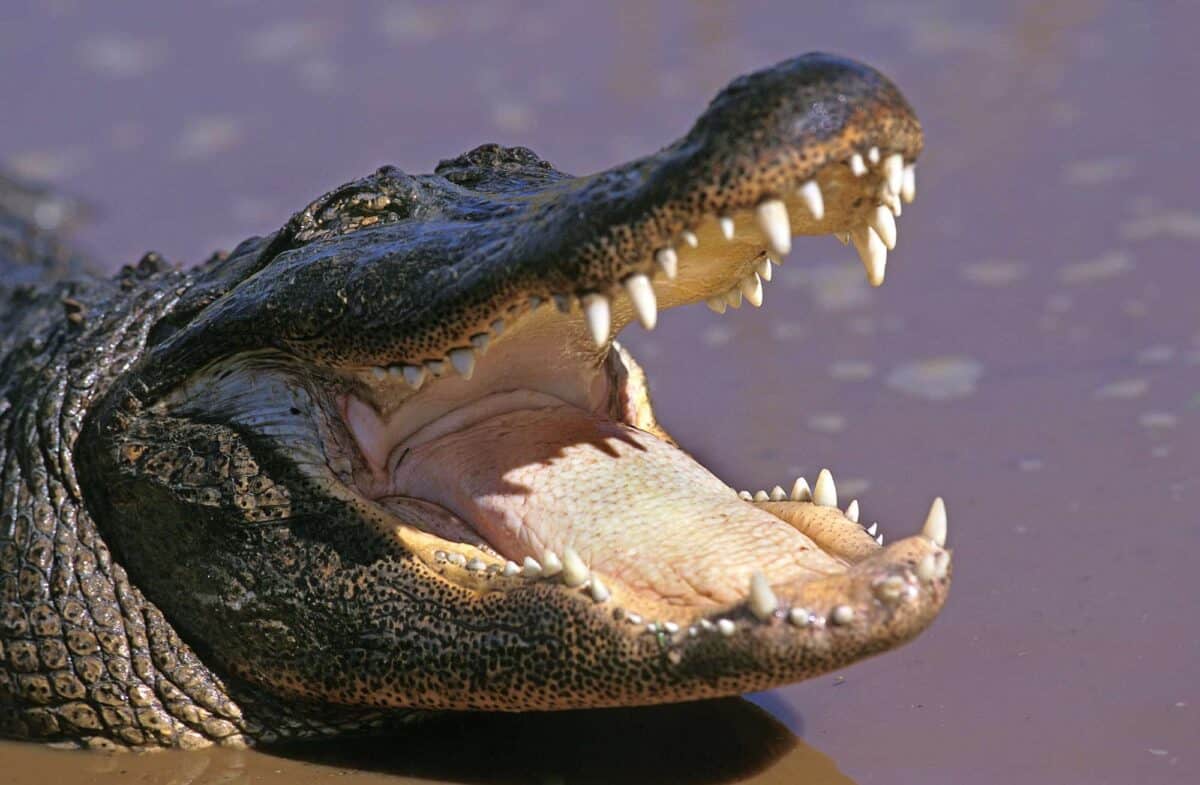
The American alligator embodies the raw power of the southeastern United States’ wetlands. As the apex predator in its freshwater habitat, the alligator feeds on fish, birds, and small mammals. They exhibit territorial behavior, especially during mating season, and use their forceful bite to subdue prey. Conservation efforts have successfully restored alligator populations after years of decline due to hunting and habitat destruction.
10. American Black Bear The Versatile Survivor

Although smaller than their grizzly counterparts, American black bears are highly adaptable predators found across North America. Their diet is versatile, ranging from fruits and nuts to fish and small mammals, allowing them to thrive in diverse habitats. Black bears are typically shy and avoid human contact, but they can become dangerous when threatened or if they lose their fear of humans through food conditioning.
9. Polar Bear The Arctic Behemoth

The polar bear is the largest terrestrial carnivore and a powerful symbol of the Arctic environment. These bears rely on sea ice to hunt seals, their primary prey, using their excellent swimming abilities to navigate the icy waters. Climate change poses a significant threat to polar bears, as melting ice reduces their hunting grounds and access to food, making their conservation a global concern.
8. Coyote The Clever Opportunist

Coyotes are one of the most widespread predators in North America, from urban areas to remote wilderness. Their adaptability is key to their survival, as they shift their diet to include anything from rabbits and rodents to insects and fruits. Coyotes are often misunderstood and sometimes seen as pests, but they play an important ecological role in controlling rodent populations.
7. Bobcat The Secretive Stalker

Bobcats are small but formidable predators that inhabit forests, swamps, and deserts across North America. With a keen sense of hearing and sight, they are adept hunters who target rabbits, birds, and rodents. Bobcats are solitary and primarily nocturnal, using their stealth and agility to ambush prey. Their ability to thrive in diverse environments highlights their adaptability and resilience.
6. Bald Eagle The Majestic Aerial Predator

The bald eagle, with its iconic white head and tail, symbolizes strength and freedom. As North America’s largest bird of prey, it primarily feeds on fish but will also hunt small mammals and birds. Bald eagles are adept fliers with exceptional vision, able to spot prey from great heights. Conservation efforts have successfully increased bald eagle populations after a decline due to pesticide use.
5. Red Fox The Resourceful Forager
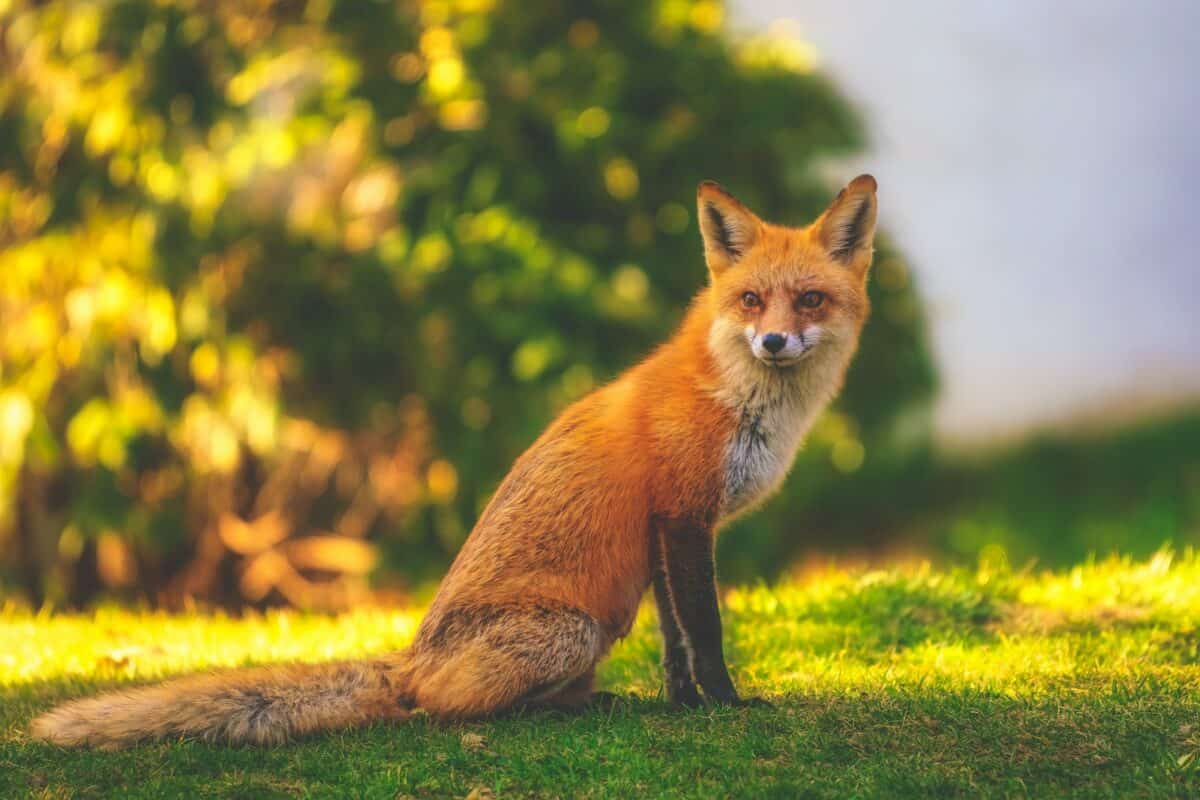
The red fox is a highly adaptable predator found throughout North American landscapes. Recognizable by its reddish coat and bushy tail, it preys on rodents, birds, and insects while also consuming fruits and vegetables. Red foxes exhibit cunning behavior, using their intelligence to navigate diverse environments, including urban settings where they often encounter humans.
4. Great White Shark The Ocean’s Apex Predator

While not exclusive to North American waters, the great white shark is a formidable predator found off its coasts. Known for its powerful build and sharp teeth, it preys on sea lions, seals, and fish. These sharks are crucial for marine ecosystems, helping maintain species balance. While feared, attacks on humans are rare, and great whites are more threatened by human activities than they are a threat to us.
3. Northern Goshawk The Master of the Forest Canopy

The northern goshawk is a skilled raptor, adept at hunting within dense forests. Using its agility and speed, it pursues birds and small mammals, often capturing prey in mid-air. Found across North America’s boreal and mountainous regions, the goshawk is an indicator species for forest health, thriving in undisturbed environments where they play a key role in controlling prey species populations.
2. Lynx The Northern Solitude Hunter

Canada lynx and the bobcat share similar ecological niches, but the lynx favors cold, northern forests where it preys almost exclusively on snowshoe hares. Equipped with large paws for traversing snow, lynxes are solitary and primarily nocturnal. They maintain balance in their ecosystems by regulating hare populations, demonstrating nature’s delicate balance of predator and prey dynamics.
1. Harpy Eagle The formidable Sky Sovereign

While not native to the typical North American mainland, the harpy eagle is included due to its presence in some southernmost parts of Central America. This massive raptor is known for its powerful talons and wingspan, preying primarily on arboreal mammals like sloths and monkeys. Recognized for its significant contribution to maintaining rainforest ecosystems, it faces threats from habitat destruction.
Summary

In summary, the predators of North America represent the intricate tapestry of life, each species playing a vital role in the ecosystems they inhabit. From maintaining prey populations to influencing the broader food web, these predators are essential to ecological health. As humans continue to expand into their territories, understanding and preserving these magnificent creatures become paramount for maintaining biodiversity and ecological balance. Through conservation efforts and education, we can ensure these predators continue to roam the North American wilderness for generations to come.

As a little kid, I fell in love with nature, wildlife, and animals. Living in the USA, South Africa, Italy, China and Germany gave me the opportunity to discover the world's Wildlife. My favorite animals are Mountain Gorillas, Siberian Tigers, and Great White Sharks.
I'm a certified PADI Open Water Diver, went to Everest Base Camp and Trekked Gorillas in Uganda. I hold a Master of Science in Economics and Finance.
Please send any feedback to feedback@animalsaroundtheglobe.com
- 10 Most Popular National Parks to See Wildlife - July 28, 2026
- 14 Most Dangerous Predators Roaming North America - July 28, 2026
- 9 Times Snakes Stay Silent And 3 They Hiss Loudly - July 28, 2026
Leave a comment
You must be logged in to post a comment.