


Yellowstone logged 975,109 recreation visits in July 2025. That works out to roughly 31,000 people a day, so a single summer weekend can pass 60,000. (That’s my own arithmetic from the official count.) Now the twist: fourteen national monuments draw fewer people in an entire year than that one weekend.
Most of us assume “national monument” means “must-see.” The visitation data say otherwise. One place on this list drew only a few hundred visitors all year, and several of the quietest ones hold stories that are older, stranger or far more important than anything on a postcard. The countdown runs from #14 to #1, and the numbers get more startling as it goes.
#14 – Aztec Ruins: The Name Is a Mistake
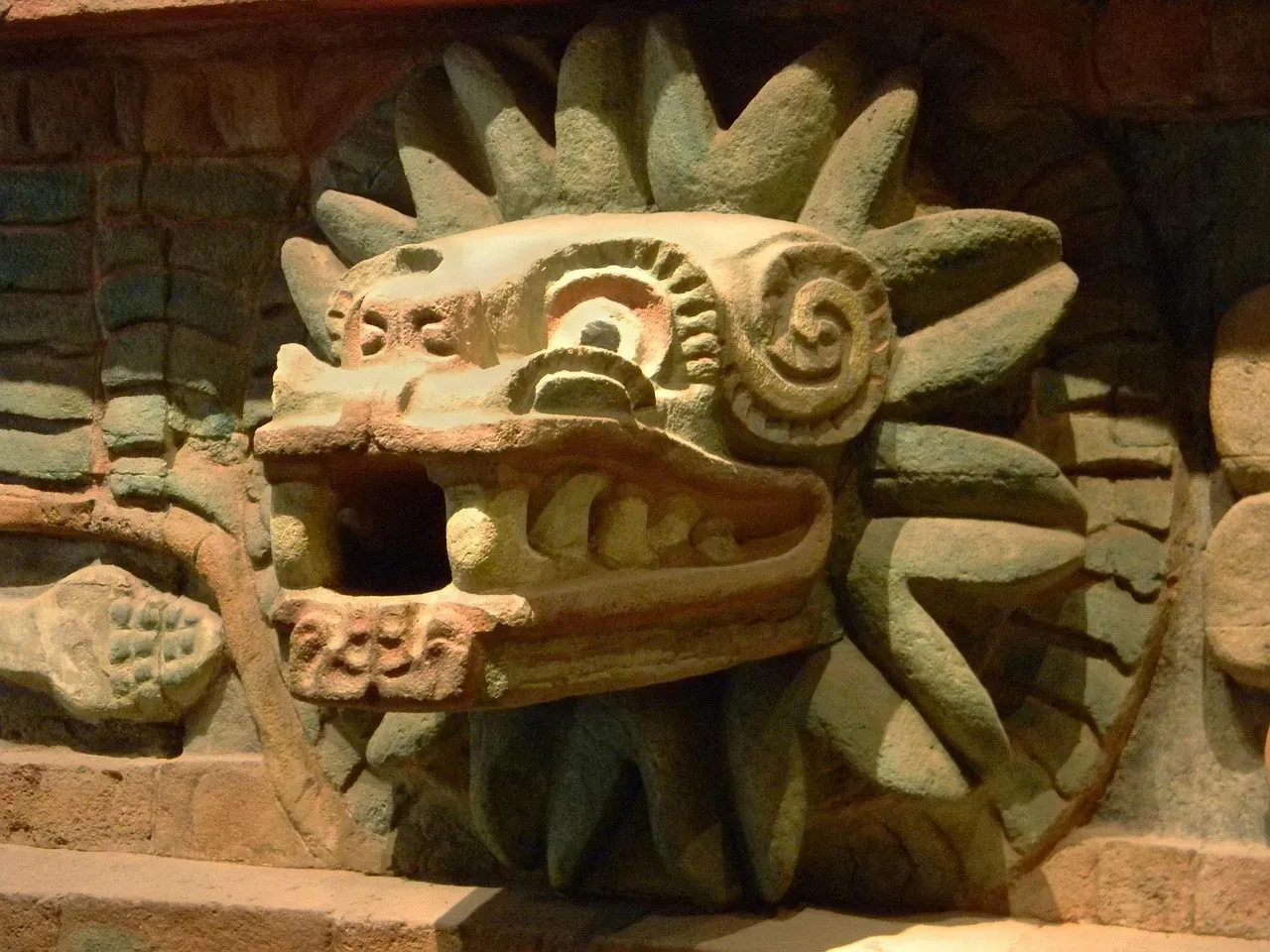
Aztec Ruins in New Mexico has nothing to do with the Aztecs.
Early settlers got that wrong. Ancestral Puebloan people built the site in the 1100s and 1200s, and the name stuck anyway. The monument recorded about 38.64K visits in the figures I found. That’s the highest on this list, and still well under a Yellowstone summer weekend.
Its centerpiece is a Great Kiva, a large circular ceremonial chamber that was reconstructed in the 1930s. You can walk inside a rebuilt ceremonial chamber that is roughly 800 years old in design. Nearby, you can duck through doorways into rooms that still have original timber ceilings.
The monument is also part of the Chaco Culture UNESCO World Heritage Site, which puts it in the same league as some of the most celebrated ancient places in the Southwest.
Here’s a take that will annoy some travelers. The crowds at the better-known Southwest cliff dwellings are often the main drawback of those trips. A quiet, walkable site like this one is a better use of an afternoon.
Fast Facts
- Where: Aztec, New Mexico
- Built by: Ancestral Puebloan people in the 1100s and 1200s
- Don’t miss: The reconstructed Great Kiva, rebuilt in the 1930s
- Big credential: Part of the Chaco Culture UNESCO World Heritage Site
- Why it’s overlooked: It sits off the main park circuit
But the next monument has a visitation number that swings wildly depending on the year…
#13 – Hagerman Fossil Beds: The Count Can’t Make Up Its Mind
Hagerman Fossil Beds in Idaho proves visitor numbers are shakier than you think.
One recent tally shows 36.67K visits. In 2021 the same monument logged just 8,236. Part of that swing is likely the pandemic, and part is how a site counts people.
The fossils are the real draw. During the Pliocene this area held lush wetlands, forests and grasslands, and the fossil record includes saber-toothed cats, mastodons and ground sloths. The site is best known for a Pliocene horse, one of the oldest members of the horse genus in North America.
The monument was established in 1988. The Thousand Springs Visitor Center is about one mile north of downtown Hagerman on US Highway 30. Nobody is fighting for parking.
Next up is a monument that was handed to the government as a gift, and it still divides people…
#12 – Katahdin Woods and Waters: The Gift That Split a State
Katahdin Woods and Waters in Maine is one of the newest monuments on this list.
It became a monument in 2016. The land, roughly 87,000 acres of North Woods, was donated by a private foundation to the federal government. The monument recorded 33.84K visits and 1.11K overnight stays.
The creation of the monument was controversial locally, and that debate hasn’t fully gone away. Some residents feared lost logging access. Others hoped for tourism jobs. A monument that big, with visitor numbers this low, is still working out what it wants to be.
Here’s the contrarian view. Low numbers aren’t automatically a failure. They can simply mean a place hasn’t been overbuilt yet, and that you might have a view of Katahdin almost to yourself.
- Draw: Forest, river and views of Katahdin
- Catch: Long drives on rough roads
The next monument is a mystery in stone, and its builders vanished from the record…
#11 – Hovenweep: Towers Built to Watch the Sky
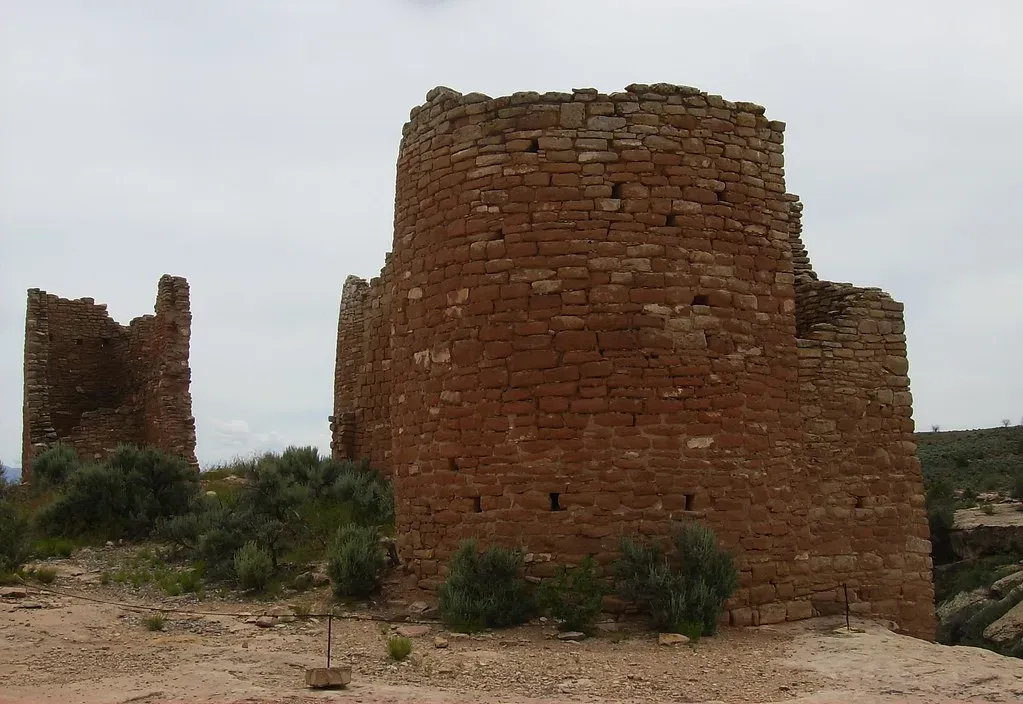
Hovenweep straddles Utah and Colorado and looks nothing like a typical ruin.
It was designated in 1923. It logged 26.62K visits and 6.44K overnight stays. That means the campground, not the trail, accounts for a surprising slice of its traffic.
The Ancestral Puebloan builders raised square, round and D-shaped towers at the heads of small canyons. Many sit beside springs, which hints at why people chose those exact spots. Researchers have studied whether some walls line up with the sun at the solstices. That idea is still debated, so treat it as a theory, not settled fact.
The monument is also an International Dark Sky Park. Few places in the lower 48 offer a night sky that stays this dark, which is why people camp here at all.
But the next monument is hiding something that swam, not walked…
#10 – Fossil Butte: A Lake That Vanished 50 Million Years Ago
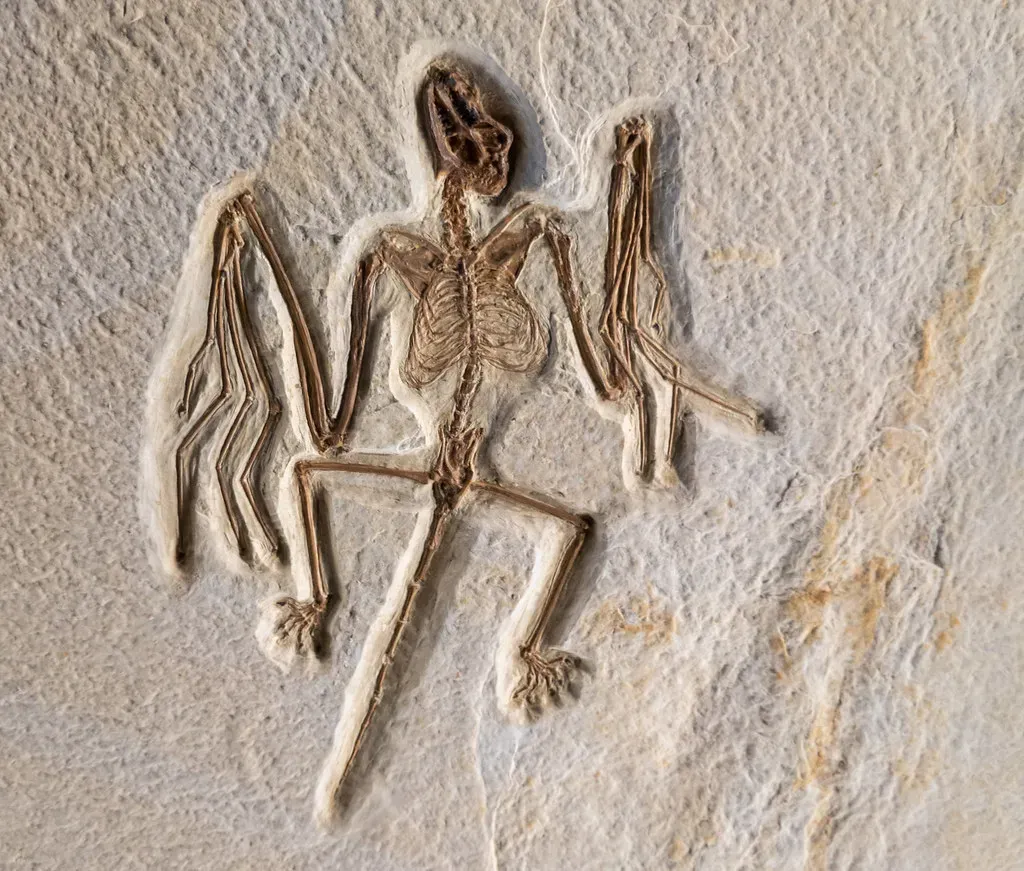
Fossil Butte in Wyoming is a lake bed that turned into a stone library.
It was established in 1972. NPS-derived counts show 21,491 visits in 2024. That’s less than a single peak-summer day in Yellowstone.
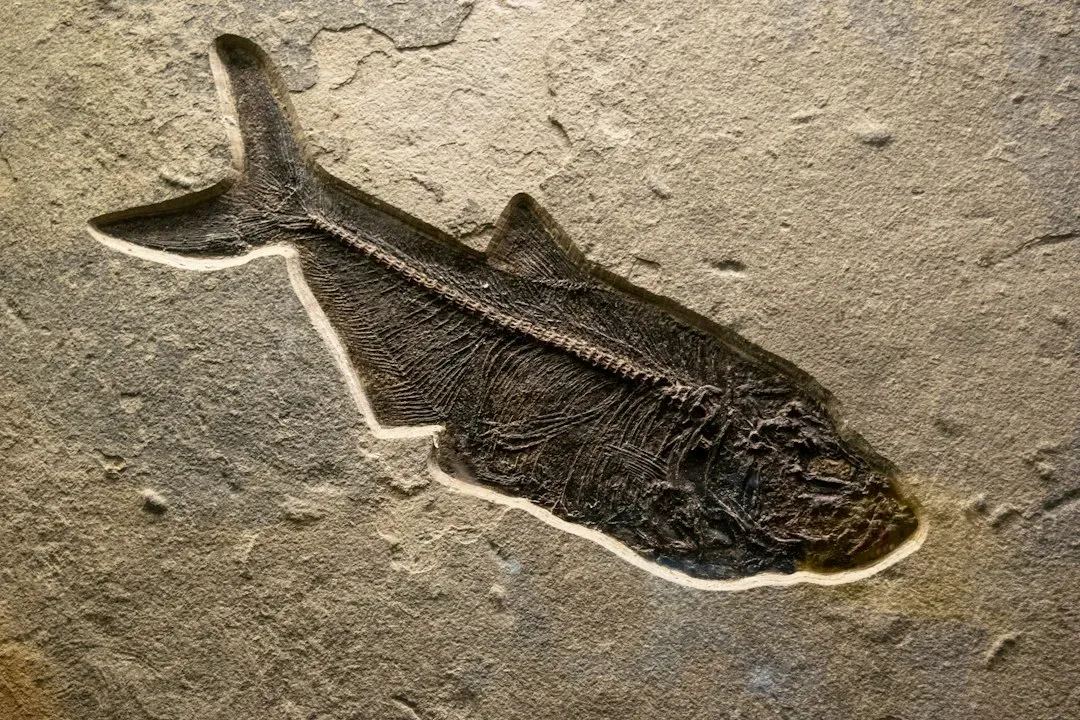
The story starts in the Eocene, when a subtropical lake covered the area. Its fine sediments preserved fish, stingrays, insects and palm leaves in remarkable detail. Some of the fish fossils here are so well preserved you can make out individual scales.
The site is often described as one of the best places in the world to see fossil freshwater fish. Commercial quarries operate on nearby private land. The monument itself protects the area and keeps visitors from collecting on site.
The next stop has fossils too, but the real attraction looks like a drill bit…
#9 – Agate Fossil Beds: The Corkscrews Nobody Can Explain at First Glance
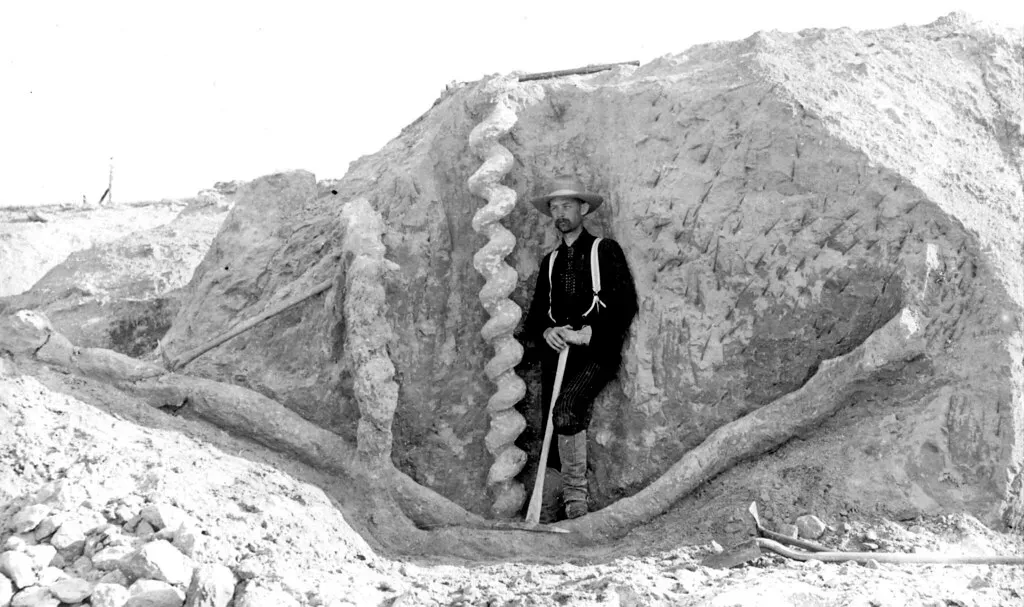
Agate Fossil Beds in Nebraska hides one of the strangest shapes in American geology.
The monument sits near Harrison, Nebraska, and was established in 1997. It recorded 19,395 visitors in 2024, and a more recent tally shows 16.83K.
The strange shapes are called Daemonelix, or “devil’s corkscrews.” Early observers argued about them for years. They turned out to be fossilized burrows of an ancient beaver relative. Scientists once debated whether they were plants, sponges or something else entirely.
The site’s story is also human. The Cook family ranch hosted famous visitors, including the Lakota leader Red Cloud, who left a collection of Native artifacts. The Miocene bone beds hold remains of rhinoceros-like animals and other creatures from roughly 20 million years ago.
- Highlight: Daemonelix trail
- Also see: The museum collection
Quick Compare: Four Fossil Monuments, Four Different Eras
- Fossil Butte (#10): Eocene lake, about 50 million years ago, famous for fish and palm leaves
- Agate Fossil Beds (#9): Miocene bone beds, roughly 20 million years ago, plus the Daemonelix burrows
- Hagerman (#13): Pliocene wetlands, known for an early horse
- Tule Springs (#7): Ice Age desert, home to mammoths, sloths and American lions
The next monument can only be reached by water, and that changes everything…

Professional 7 in 1 Dog Paw Cleaner for Dogs & Cats - Includes 1 Portable Paw Washer, 1 Bath Brush
Check Price on AmazonAs an Amazon Associate, we earn from qualifying purchases.
10/7/2026 1:26 pm GMTi

Halloween Cat Costume Cloak Witch Hat Pet Accessories
Check Price on AmazonAs an Amazon Associate, we earn from qualifying purchases.
10/9/2026 2:44 pm GMTi

Smart Bird Feeder with Camera Solar Powered, 2K HD Live Video, 10,000+ Bird Species AI Identification
Check Price on AmazonAs an Amazon Associate, we earn from qualifying purchases.
10/7/2026 1:22 pm GMTi

Halloween Dog Collar with Bow, Orange Cute Ghost Collar,
Check Price on AmazonAs an Amazon Associate, we earn from qualifying purchases.
10/9/2026 2:43 pm GMTi

Dog Stairs for Bed 18" H, 4-Step Dog Steps for High Bed
Check Price on AmazonAs an Amazon Associate, we earn from qualifying purchases.
10/9/2026 2:42 pm GMTi
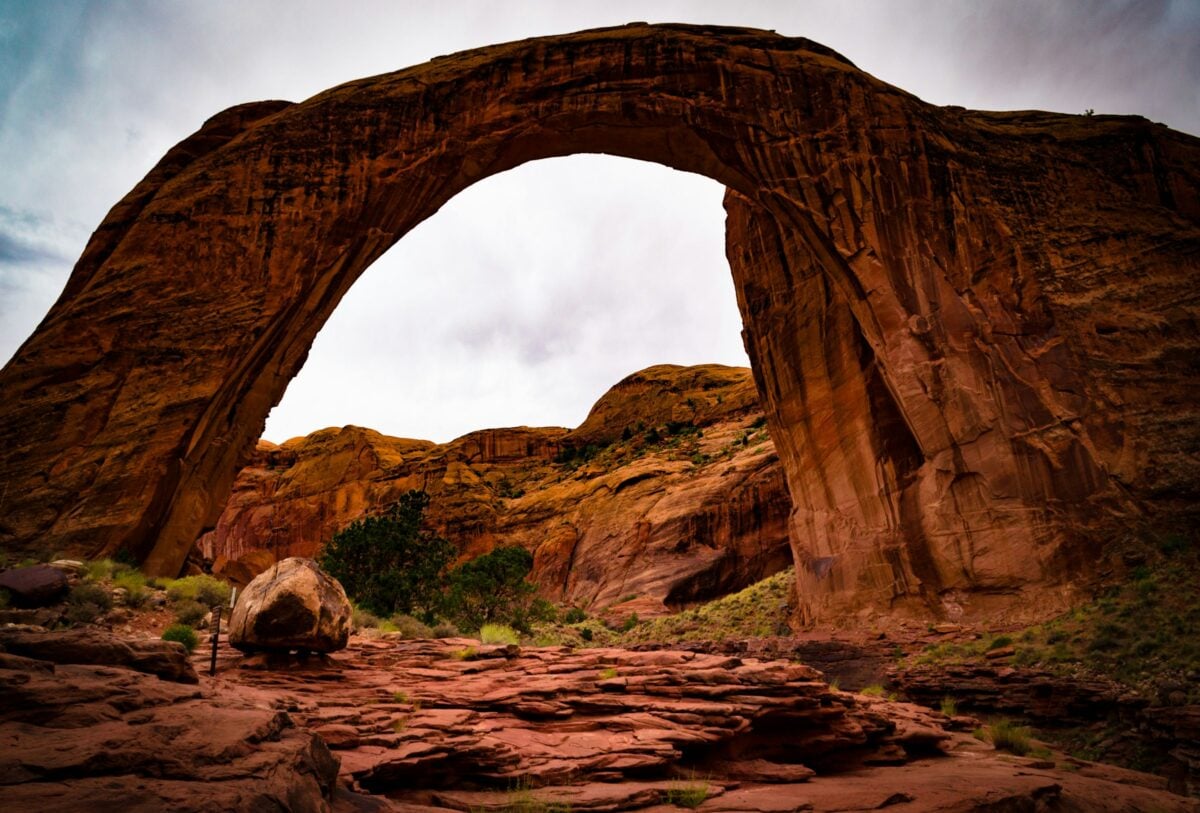
#8 – Rainbow Bridge: The Monument You Have to Float To
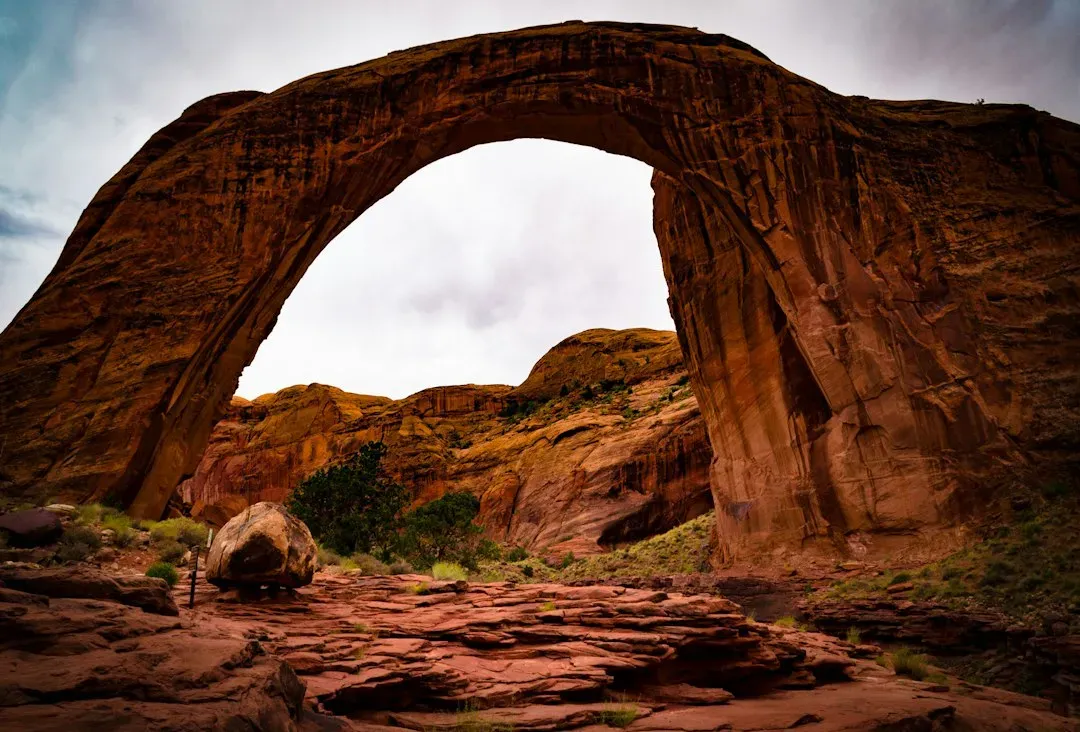
Rainbow Bridge in Utah is a landmark you can’t reach by car.
It logged 17,488 visits in 2024. In 2021 the count was just 3,290. The gap says a lot about how access and conditions can change from year to year.
Most visitors arrive by boat across Lake Powell, followed by a short walk. Others hike long trails across rugged terrain. At nearly 290 feet tall, it is among the largest natural bridges known.
The bridge is also sacred to several Native nations. Visitors are asked to treat it with respect rather than as a photo prop. Many Native communities consider it a living, spiritual place.
But the next monument is just minutes from one of the busiest cities on Earth…
#7 – Tule Springs Fossil Beds: Ice Age Giants Next to the Strip
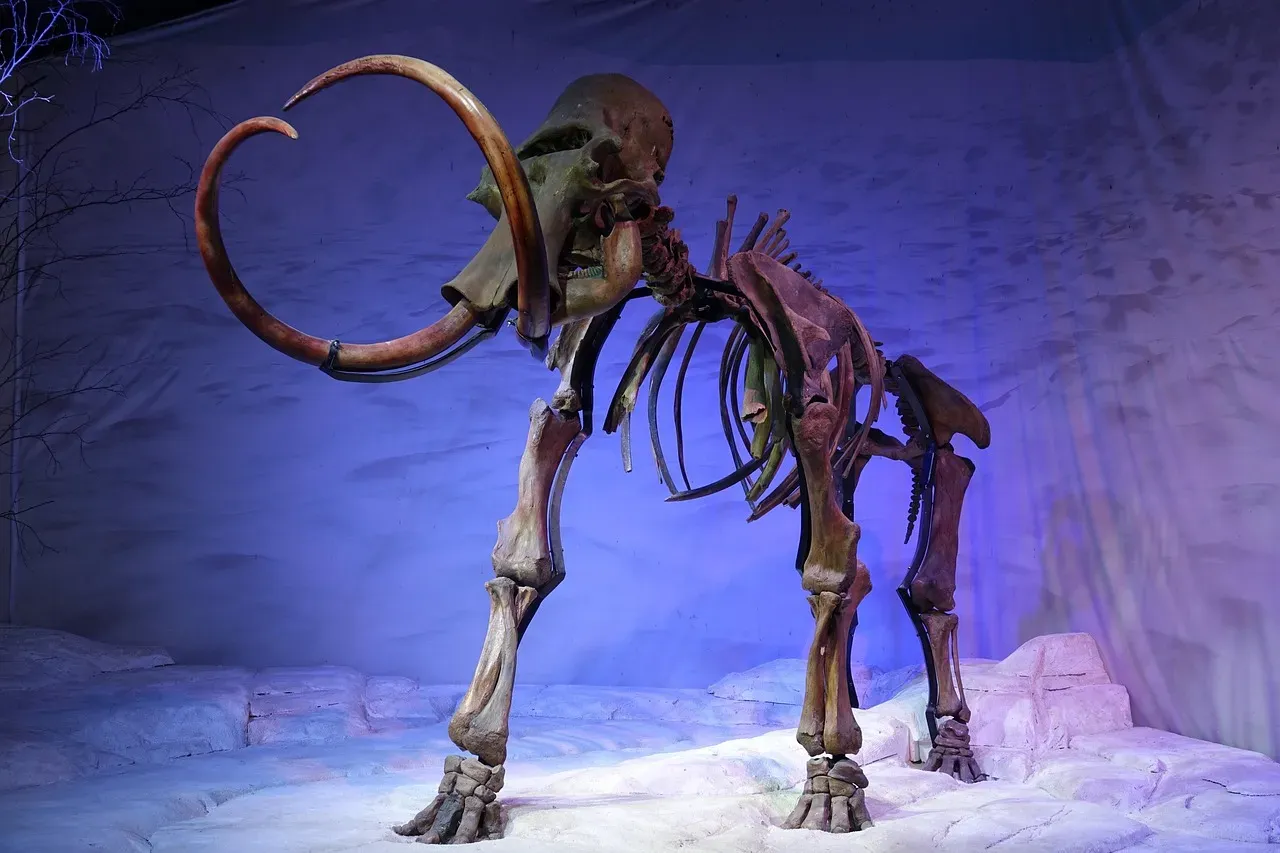
Tule Springs sits near Las Vegas, and almost nobody goes.
It recorded 11,953 visits in 2021. That’s a tiny number next to the crowds that fill the Strip each year. A site full of Ice Age fossils sits within driving distance of tens of millions of tourists.
The fossil record here includes Columbian mammoths, giant ground sloths, camels and American lions. The monument was created in 2014. It protects a large, open desert landscape, not a single building.
Here’s the uncomfortable truth. The monument is still in the early stages of development for visitors. If you want a polished museum experience, you may be disappointed. If you want empty desert and Ice Age history, it’s a strong pick.
- Best for: Desert hikers and fossil fans
- Skip if: You want big facilities
The next monument sits at the edge of a cave where people sheltered for thousands of years…
#6 – Russell Cave: A Doorstep 10,000 Years Deep
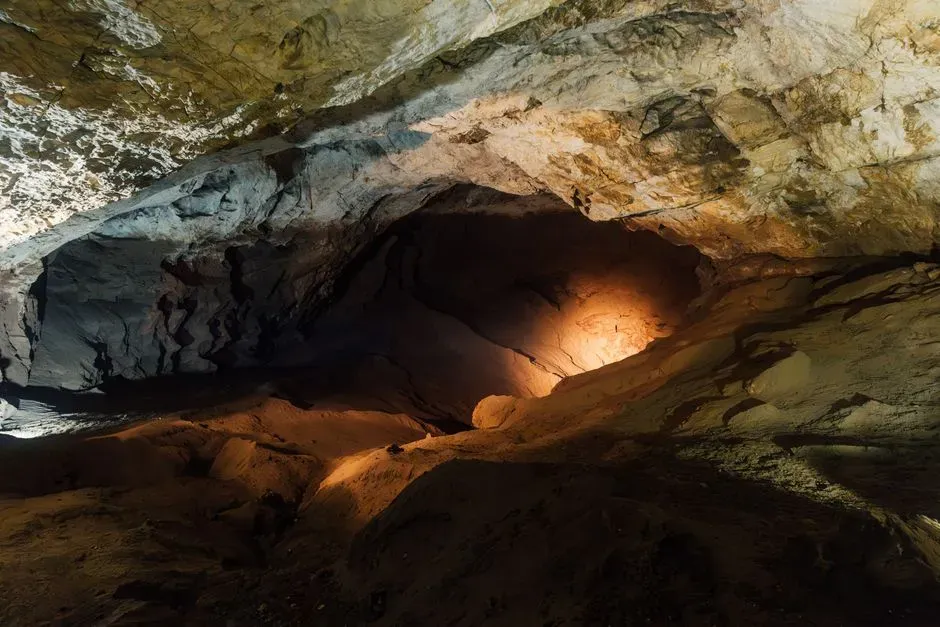
Russell Cave in Alabama shows how long people have used one spot.
It recorded 9,261 visits in the figures I found. That’s less than a third of a peak-summer Yellowstone day. Archaeologists have found evidence of human use at the shelter spanning roughly 10,000 years.
The shelter was lived in on and off through many eras. Layers of ash, tools and food remains stack up like pages in a book. Each layer records how people hunted, cooked and made tools.
There’s no theme park energy here. The experience is quiet, shaded and personal. It’s a good stop if you want history without a line.
Next is a monument in the nation’s biggest city, and the story behind it was uncovered by accident…
#5 – African Burial Ground: Found by Construction Crews
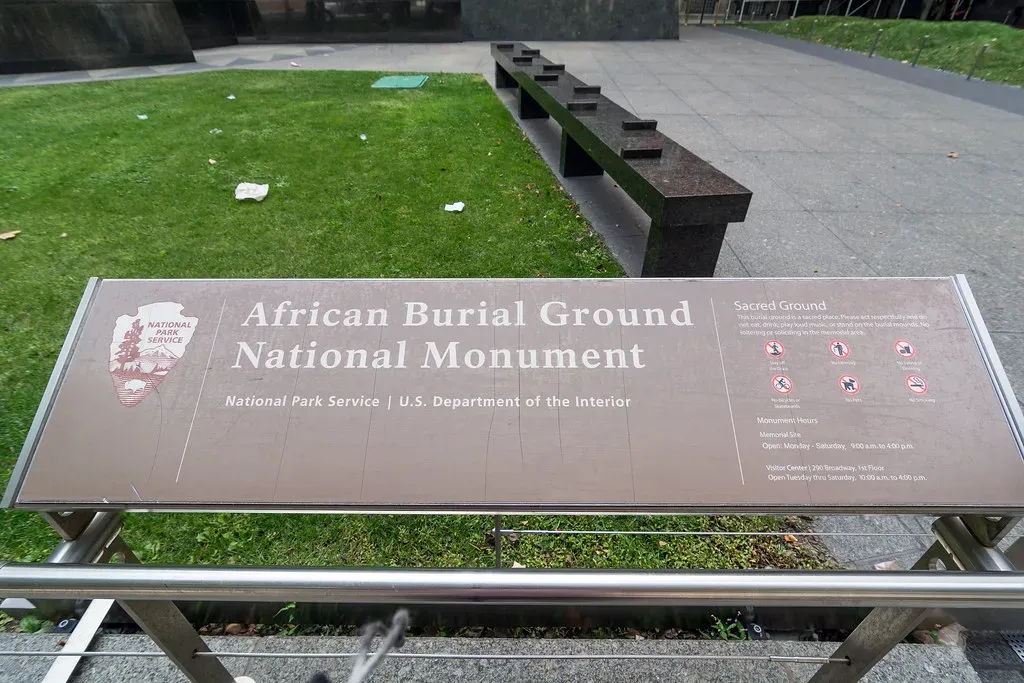
African Burial Ground sits in Lower Manhattan, and its recorded visits are small.
It became a monument in 2006. It logged 9,167 visits in 2021. That was a pandemic year, so treat the number as a low-end snapshot.
The site was discovered in 1991 during the construction of a federal building. Workers found human remains. Researchers eventually recovered 419 individuals. The site is believed to be one of the largest and earliest burial grounds for free and enslaved Africans in North America.
The remains were reburied in 2003. A memorial followed. Most New Yorkers walk past without knowing what lies beneath.
The next monument tells the story of a movement from the place where its leader is buried…
#4 – Cesar Chavez National Monument: The Headquarters Hidden in the Hills
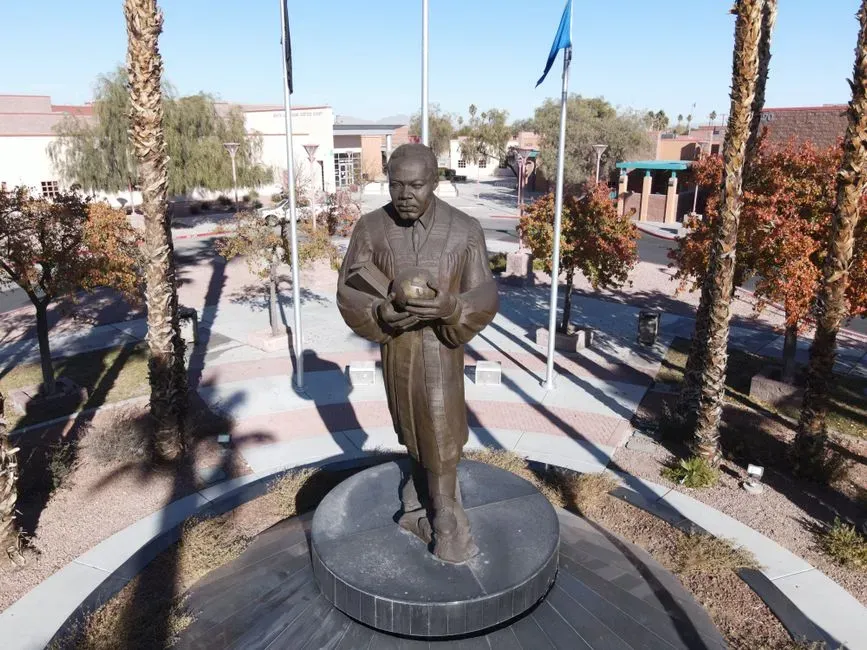
Cesar Chavez National Monument is a working site of memory in California’s Tehachapi Mountains.
It recorded 9,164 visits in 2021. The monument was designated in 2012. It centers on La Paz, which served as the United Farm Workers’ headquarters.
Chavez lived and worked at La Paz, and he’s buried there. Visitors can see a memorial garden and the visitor center. This is one of the few national sites where a major labor leader’s home base is preserved as a monument.
It’s not a place to rush through. The site explains the farm workers’ struggle with the help of personal artifacts, and the quiet setting gives that story room to land.

Earth Rated XL Dog & Puppy Pee Pads, Discreet Top, Max Absorbency
Check Price on AmazonAs an Amazon Associate, we earn from qualifying purchases.
10/7/2026 1:28 pm GMTi

Air Purifiers for Home Pets Large Room Up to 3000 Ft²,HEPA Air Cleaner with Washable Double-Side Filter, PM2.5 Air Quality Monitor,15dB Sleep Mode for Bedroom Odor Dust Pollen,White
Check Price on AmazonAs an Amazon Associate, we earn from qualifying purchases.
10/8/2026 8:23 am GMTi

Glass Hummingbird Feeder for Outdoors Hanging, 16 oz Leak-Proof Nectar Feeder with Bee Guards & Ant Moat
Check Price on AmazonAs an Amazon Associate, we earn from qualifying purchases.
10/7/2026 1:22 pm GMTi

Hand Blown Glass Hummingbird Feeders for Outdoors Hanging, 24oz Wild Bird Nectar Feeder
Check Price on AmazonAs an Amazon Associate, we earn from qualifying purchases.
10/7/2026 1:23 pm GMTi

PetSafe Oasys Pet Fountain, 1/2 Gallon (64 oz), Small Dogs & Cats
Check Price on AmazonAs an Amazon Associate, we earn from qualifying purchases.
10/8/2026 8:14 am GMTi
At a Glance: Three Overlooked American Stories
- African Burial Ground (#5): Monument since 2006, discovered in 1991, 419 individuals recovered
- Cesar Chavez (#4): Designated in 2012, labor rights history in Keene, California
- Charles Young (#3): Created in 2013, home of a West Point graduate of 1889 in Wilberforce, Ohio
But the next monument honors a man the Army tried to retire, and he rode a horse to prove them wrong…
#3 – Charles Young Buffalo Soldier: The Colonel Who Rode to Washington

Charles Young Buffalo Soldier National Monument is in Wilberforce, Ohio.
It logged 8,110 visits in 2021. The monument was created in 2013. It preserves the home of Colonel Charles Young.
Young was born into slavery and graduated from West Point in 1889. He became the highest-ranking Black officer in the Army of his era. He also served as acting superintendent of Sequoia and General Grant national parks. After the Army forced him to retire in 1917 over his health, he rode a horse from Ohio to Washington to show he was fit.
That ride is one of the most telling episodes in American military history. It’s also why this small monument deserves more attention than its numbers suggest.
The next monument is a quarry, and what it produced traveled across a continent…
#2 – Alibates Flint Quarries: The Stone That Built a Trade Network
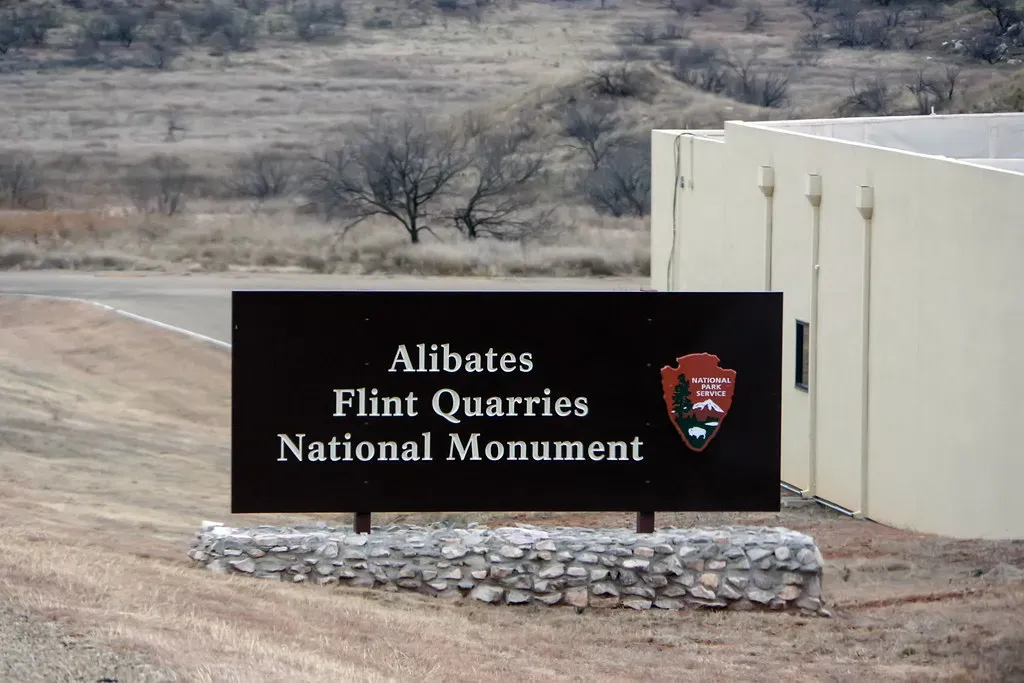
Alibates Flint Quarries in Texas protects one of North America’s most important stone sources.
It recorded 8.05K visits in the figures I found. It was established in 1965. In 2021 the monument saw 9,526.
People quarried the colorful flint here for thousands of years. NPS puts the span at about 13,000 years. Toolmakers valued it for its sharp edges. Alibates flint turns up at archaeological sites far from the Texas Panhandle, a sign of ancient long-distance trade.
Visitors reach the quarries on a ranger-guided walk. That’s one reason the numbers stay low. The access is controlled to protect the site.
But the final monument makes every number above look crowded…

Portable Dog Water Bottle Foldable Dog Travel Water Bottle
Check Price on AmazonAs an Amazon Associate, we earn from qualifying purchases.
10/7/2026 1:29 pm GMTi

Orthopedic Extra Large Dog Bed, Waterproof Washable XL Pet Bed 44"
Check Price on AmazonAs an Amazon Associate, we earn from qualifying purchases.
10/7/2026 1:32 pm GMTi

2 Pcs Halloween Pet Hat Bandana Set, Witch Pumpkin Costumes for Dogs
Check Price on AmazonAs an Amazon Associate, we earn from qualifying purchases.
10/9/2026 2:45 pm GMTi

Glass Hummingbird Feeder for Outdoors Hanging
Check Price on AmazonAs an Amazon Associate, we earn from qualifying purchases.
10/7/2026 1:21 pm GMTi
#1 – Aniakchak: The Crater Almost No One Sees
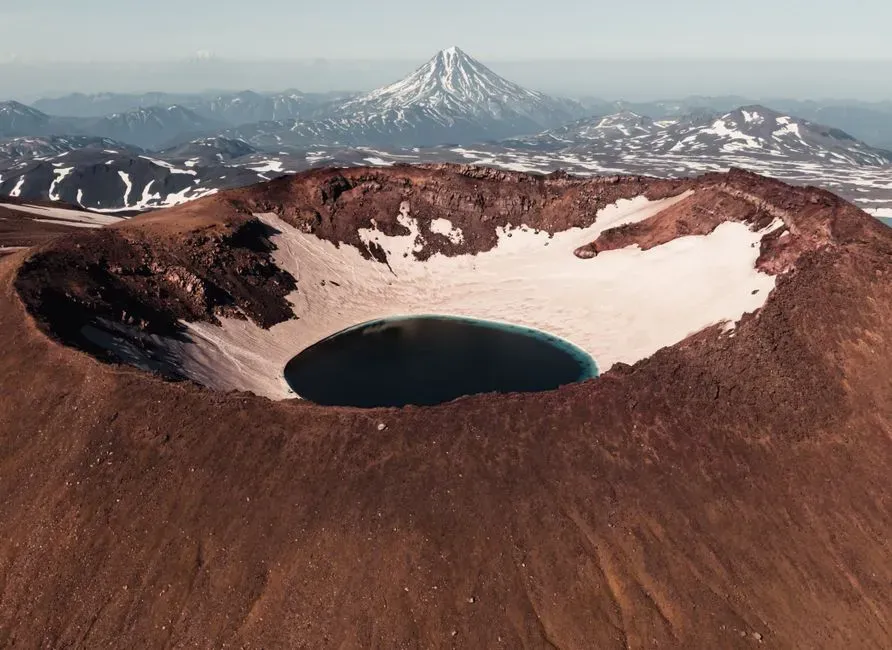
Aniakchak National Monument and Preserve is the least-visited site in the entire park system.
The National Parks Conservation Association has called it the country’s least-visited national park site. It recorded 191 visits in 2024. The latest figure I found is 247 visits.
The reason is simple. It’s remote, and getting there takes a long journey of flying, boating and/or backpacking. The weather is foggy and rainy, and bears and wolves are common. At the monument’s center is a volcanic caldera about 6 miles wide and 2,000 feet deep.
Inside it sits Surprise Lake, along with a cone that formed in a 1931 eruption. Few people will ever see it in person.
That’s the point. The most dramatic places aren’t always the busiest ones.
Yellowstone logged 4,762,988 recreation visits in 2025. Meanwhile, these 14 monuments protect fossils, ancient towers, civil rights history and a volcanic crater with a fraction of that traffic.
Here’s my opinion. The “must-see” label is mostly marketing, and visitor counts reward convenience, not value. Aniakchak is hard to reach for good reasons. Most of the others aren’t, and skipping them is the real mistake.
Pick one that’s within driving distance and go before the crowds find it. Which of these 14 would you visit first, and which one would you cut from the list?