
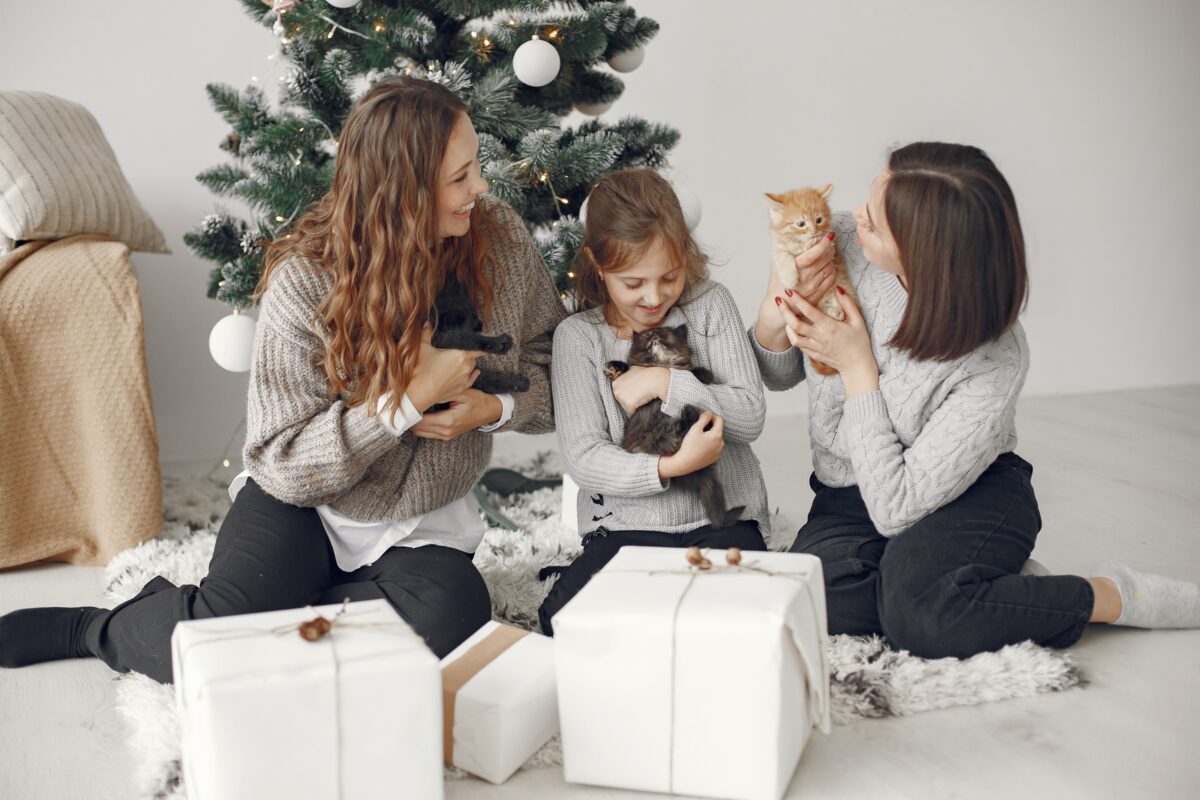


Most people assume a cat that moves indoors will simply forget the outdoors. It’s a comforting idea, and it’s mostly wrong. In one survey of 87 owners, 75% of cats moved indoors before age 2 adjusted within days, compared with 39.6% of cats moved indoors later. Adjusting to the house is not the same as dropping the instincts.
Your cat’s first year outside wrote habits into its daily routine, and many of them are still running. Some are funny, some are expensive (hello, sofa), and one of them quietly explains why your cat takes forever to trust you and then never leaves your side. Here are 19 of them, counting down to the one that explains all the rest.
#19 – The Sprint for the Open Door
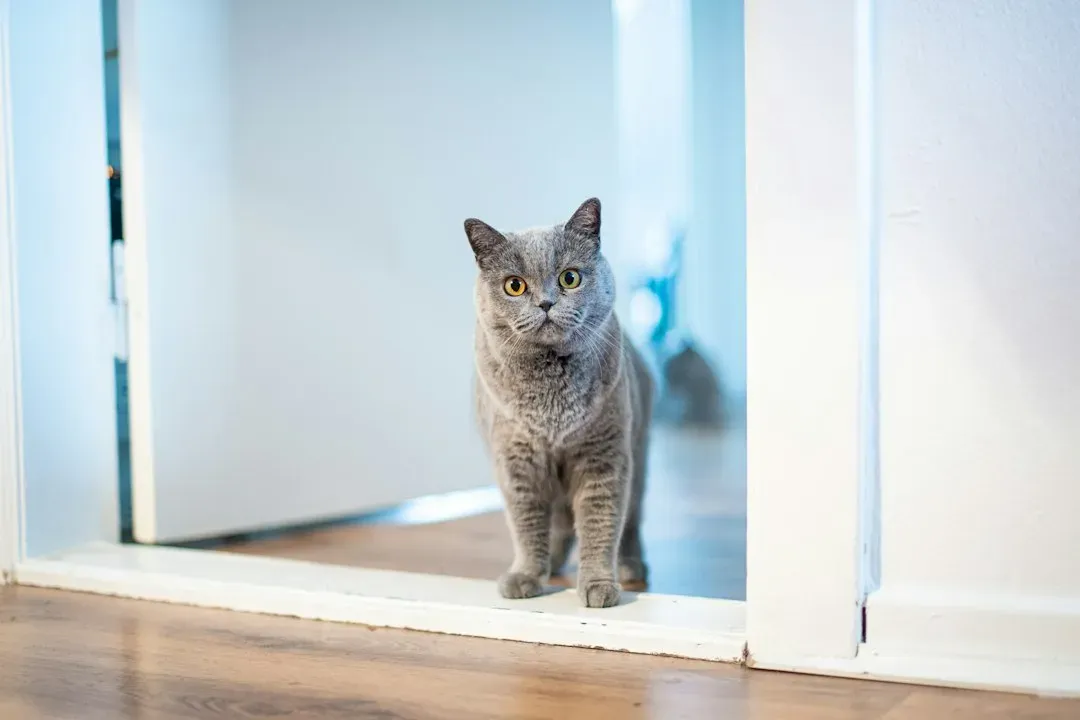
A former outdoor cat treats every opening as a possible exit. The delivery driver knocks, you crack the door for two seconds, and a streak of fur is already past your ankles.
Door-dashing is rarely curiosity alone. A cat that learned young that the outside was a place to eat, hunt and nap remembers exactly where the exits are. A softer couch doesn’t erase that map.
Watch for the pause. Many cats hover near the threshold, sniffing the air before they decide. That moment is the cat checking whether the outdoors is still “on the menu.”
- Keep a pet-safe barrier or a double-door routine at entrances.
- Make sure the cat has a microchip and a snug collar with ID.
But the next habit is a louder way of saying the same thing…
#18 – Scratching and Yowling at Windows and Doors
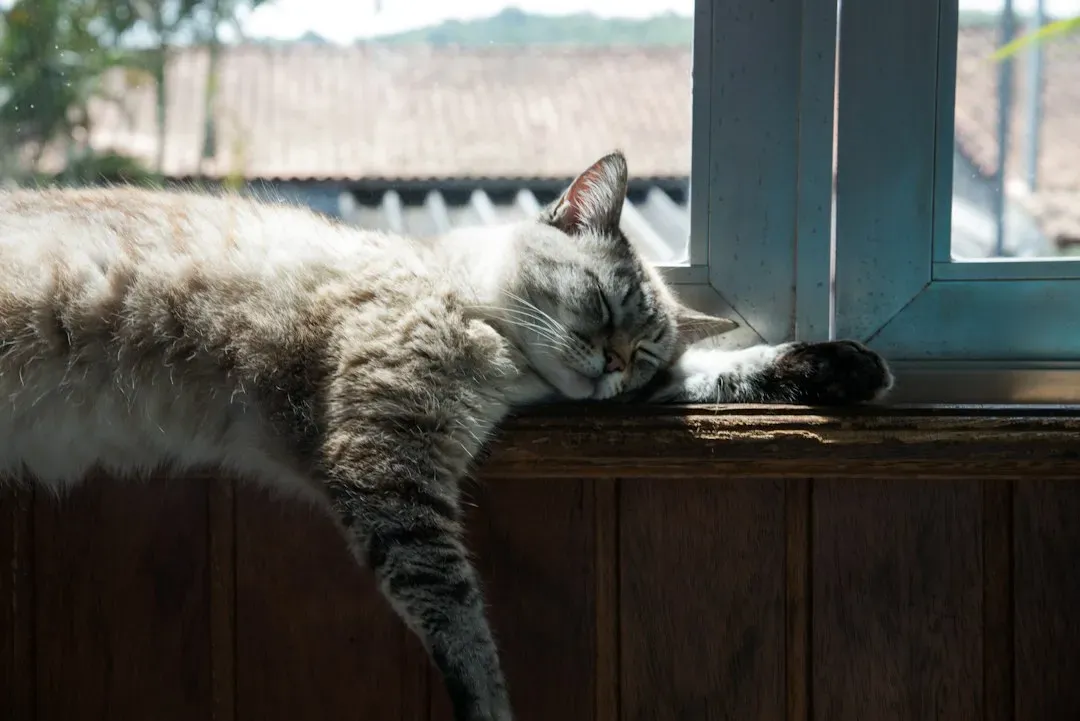
Your cat isn’t being dramatic. It’s remembering something.
Former outdoor cats often scratch at doors and windows, as if hinting that there is a life out there they haven’t forgotten. The behavior is a request, not a tantrum.
Expert opinion is divided on how much of it is “wanting out” and how much is plain frustration. Both can be true at once, especially at 6 a.m. with a bird on the feeder.
Scolding is the mistake that makes it worse. A cat that gets attention for yowling learns that yowling works, even if the attention is angry.
Even the quiet cats have a clock, though, and it runs on a strange schedule…
#17 – Peak Energy at Dawn and Dusk
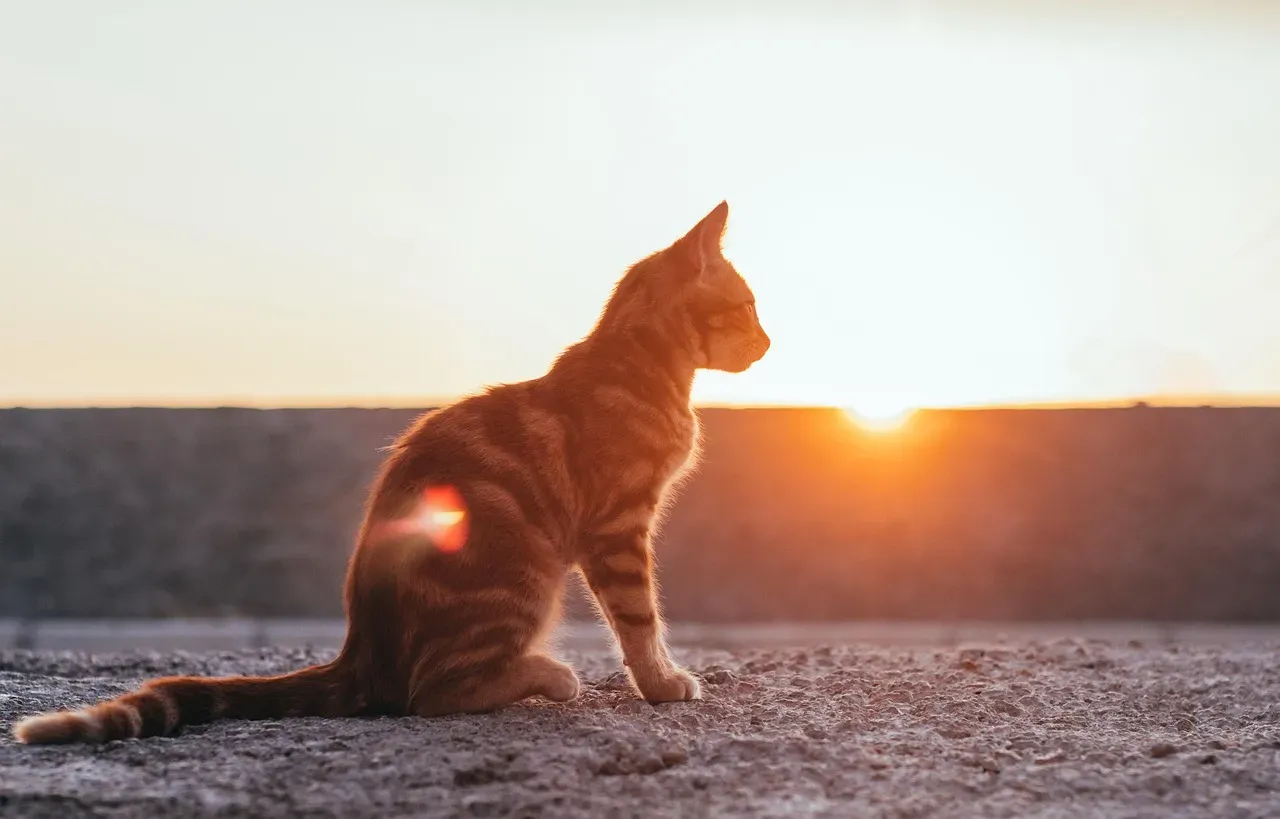
Your cat’s “bad timing” is actually good hunting timing.
Cats are crepuscular, which means they are most active around twilight. Outdoors, that is when small prey tends to move, so a cat that spent its first year outside learned to be wide awake right when the world was busiest.
Indoors, the same rhythm turns into a sunrise wake-up call or an evening frenzy. It is biology, not spite.
One survey even found that cats who went outside in the morning hours were more likely to be reported to hunt. The early-morning pull is real.
- Play hard before dinner.
- Feed the main meal late in the evening.
That twilight energy has a signature move…
#16 – The 4 A.M. Zoomies
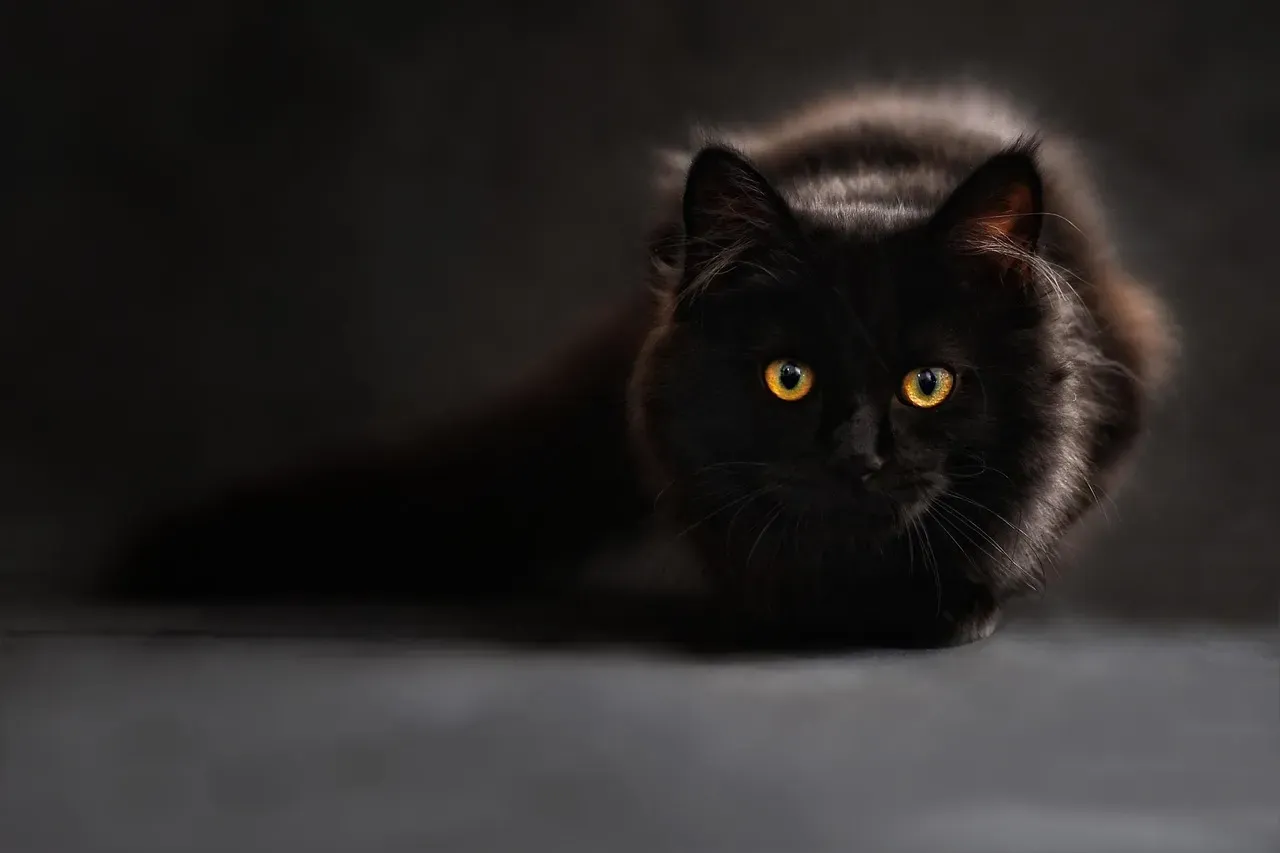
Those hallway sprints are not random. They are a hunt with nothing to hunt.
Indoors, a cat with no prey can compress a whole hunting session into a few seconds of chaos. One source describes the zoomies as exactly that: a compressed version of the full routine.
You see a madcap sprint and a skid around the corner. The cat is replaying stalk, chase and pounce without a target.
That’s why a cat that has had a quiet, boring day tends to erupt at night. The pent-up energy has to go somewhere. A short, predictable play session before bedtime can drain that tank, like a hunt with a scheduled ending.
At a Glance
- The trigger: a quiet, understimulated day.
- What you see: a replayed stalk, chase and pounce with no prey.
- Peak timing: often around dawn, dusk and the middle of the night.
- The fix: a play session before bed, ending with a catch and a small snack.
Of course, some cats don’t wait for the night to ambush you…
#15 – Hunting Everything That Moves
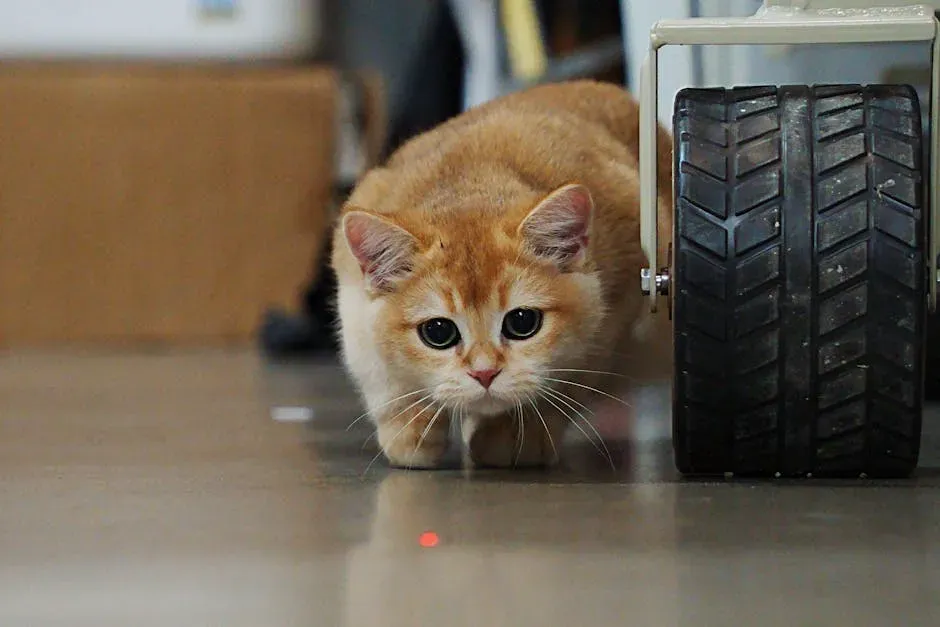
A fly in the kitchen becomes the event of the week.
Former outdoor hunters often treat any small, fast thing as prey: moths, bugs, dust motes, shadows, laser dots. If it flickers, it’s fair game.
The natural order is stalk, chase, pounce, bite, then eat. Indoors, that sequence often gets cut short at the second step.
Here is an opinion plenty of owners hate: the laser pointer alone is a bad deal for a hunter. The chase never ends in a catch, and some cats seem frustrated afterward.
And hunger has less to do with it than you’d think…
#14 – Hunting Even When Well Fed
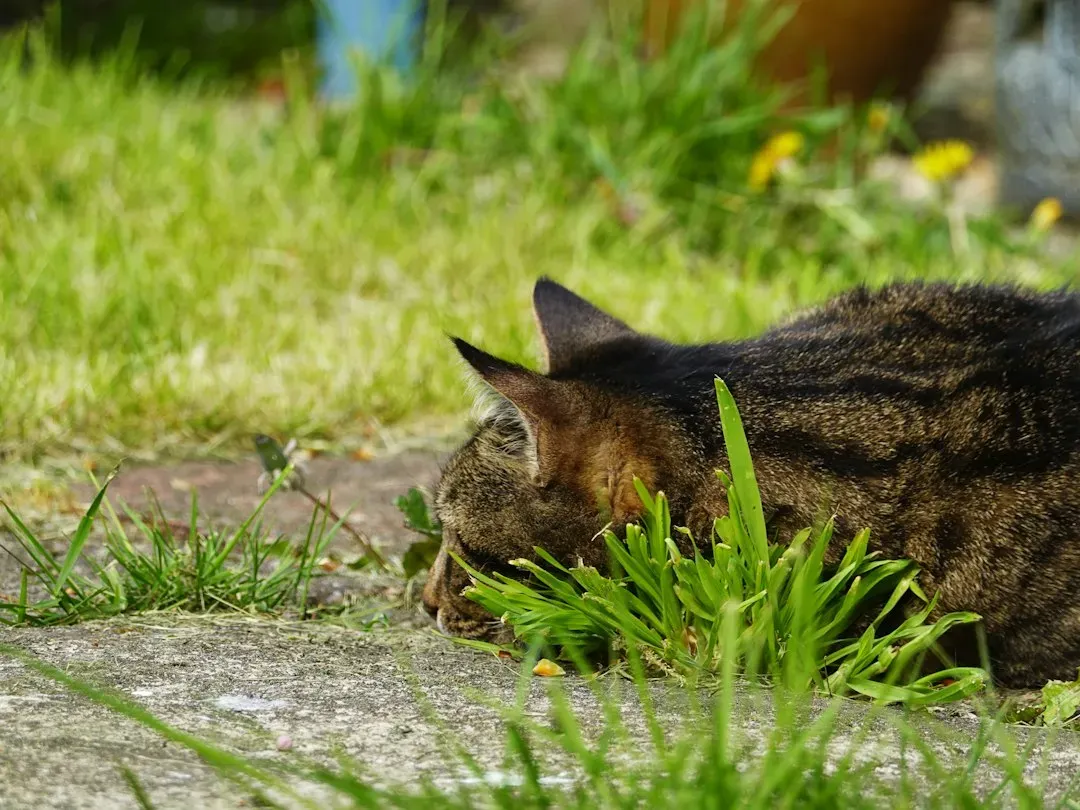
A full bowl does not switch off the instinct.
Many people believe a well-fed cat has no reason to hunt. Experts say otherwise. Cats may keep hunting even when they’re well fed.
Hunting and eating are driven by separate systems. A cat can be completely full and still feel the urge to stalk, which is why your pampered, chubby housecat still stares down a moth like it’s dinner.
That’s why puzzle feeders and food-hiding games can help. They give the brain a job as well as the stomach.
Not every hunt ends at the food bowl, though. Some end at your feet…
#13 – Ambushing Your Ankles
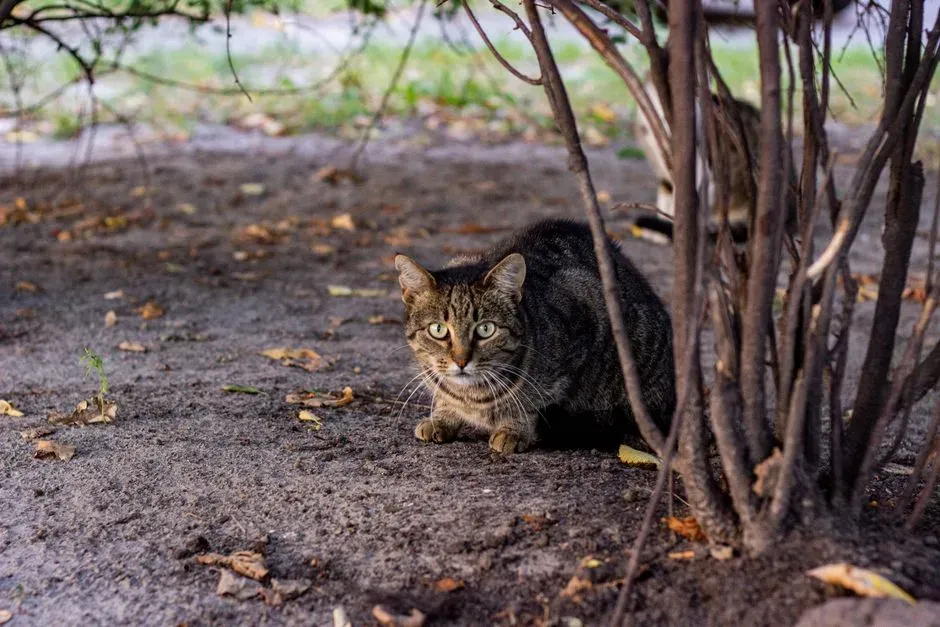
Your ankles are the most convenient prey in the house.
Ambush behavior is classic outdoor training. Hide, wait, burst out, grab. Doorways and corners make perfect blinds.
Moving feet under a blanket look a lot like a rodent in the grass. Your cat isn’t attacking you. It is practicing.
Pulling away fast can make it worse, because the movement triggers another chase. Many cats read a sudden jerk as a prey reaction.
- Redirect to a toy the moment the crouch starts.
- Never use hands or feet as toys.
The patrol that comes before the ambush is even more telling…
#12 – Patrolling the Territory Every Day
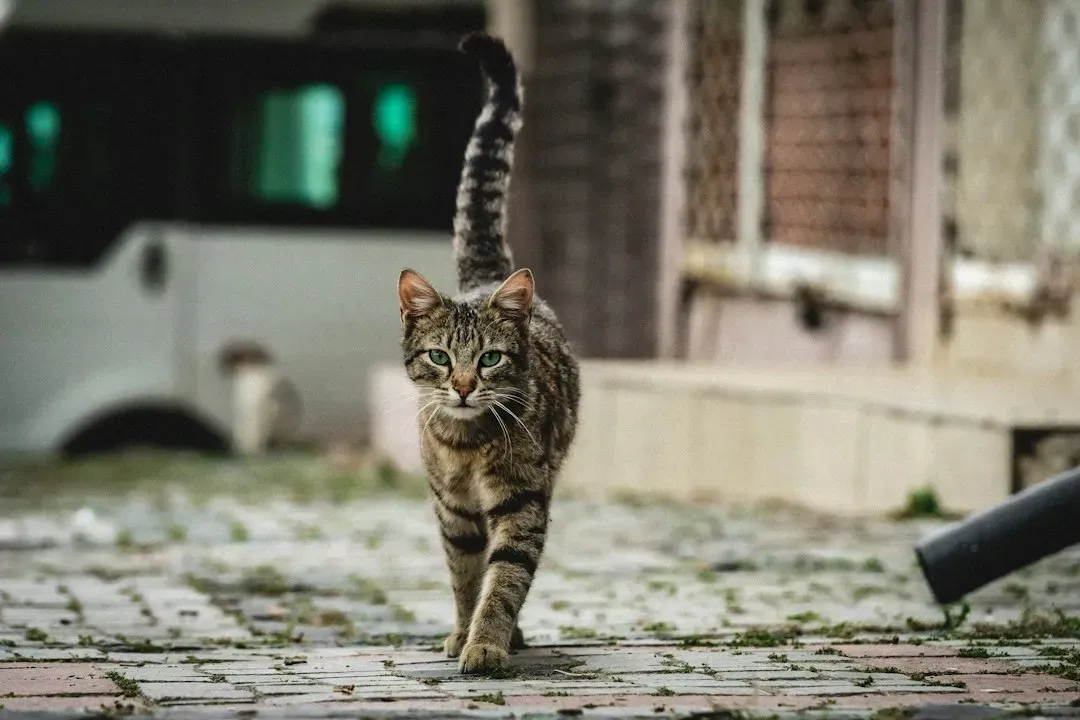
Your cat is doing a daily security check.
Outdoors, a cat circles its territory to see who has been there. Indoors, the route shifts to rooms, windowsills and corners, often in the same order every day.
The patrol can show which rooms the cat treats as core territory. It can also reveal places that feel risky, where the cat speeds up or avoids.
Turns out, the patrol is a way of reading messages. A new bag, a guest’s shoes or a changed floor smell can restart the whole circuit.
And a patrol rarely ends without a signature…
#11 – Rubbing Everything You Own
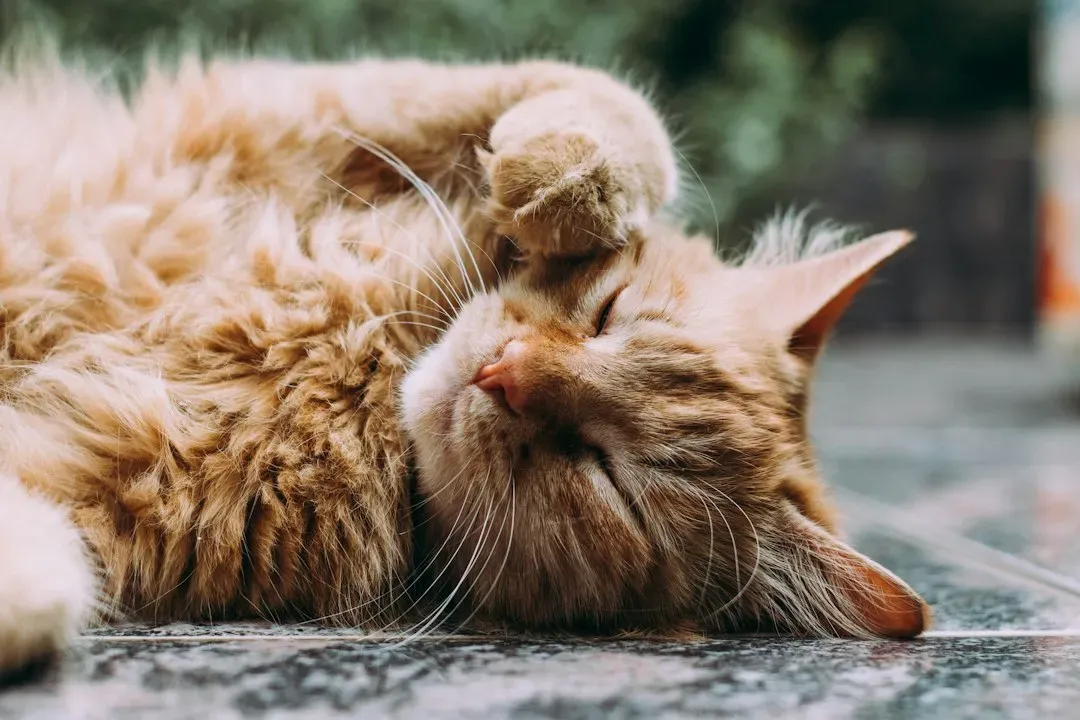
That head-bump is a signature.
Cats carry scent glands on their cheeks, chins, paws and the base of the tail. Rubbing deposits scent that says “this is known and safe.”
For a cat that once lived outside, that can mean reclaiming space after a stressful change, like a move, a visitor or a new piece of furniture. Cats may over-mark in multi-cat homes. More resting spots and separate resources can ease the pressure.
- Don’t scrub away every trace of scent, which can trigger more marking.
- Give each cat its own resting places.
Rubbing is the soft version. The scratching is the loud one…
Dog Stairs for Bed 18" H, 4-Step Dog Steps for High Bed
Check Price on AmazonAs an Amazon Associate, we earn from qualifying purchases.
10/9/2026 2:42 pm GMTi

Professional 7 in 1 Dog Paw Cleaner for Dogs & Cats - Includes 1 Portable Paw Washer, 1 Bath Brush
Check Price on AmazonAs an Amazon Associate, we earn from qualifying purchases.
10/7/2026 1:26 pm GMTi

Earth Rated XL Dog & Puppy Pee Pads, Discreet Top, Max Absorbency
Check Price on AmazonAs an Amazon Associate, we earn from qualifying purchases.
10/7/2026 1:28 pm GMTi

Halloween Dog Collar with Bow, Orange Cute Ghost Collar,
Check Price on AmazonAs an Amazon Associate, we earn from qualifying purchases.
10/9/2026 2:43 pm GMTi

Smart Bird Feeder with Camera Solar Powered, 2K HD Live Video, 10,000+ Bird Species AI Identification
Check Price on AmazonAs an Amazon Associate, we earn from qualifying purchases.
10/7/2026 1:22 pm GMTi
#10 – Scratching in Prime Locations
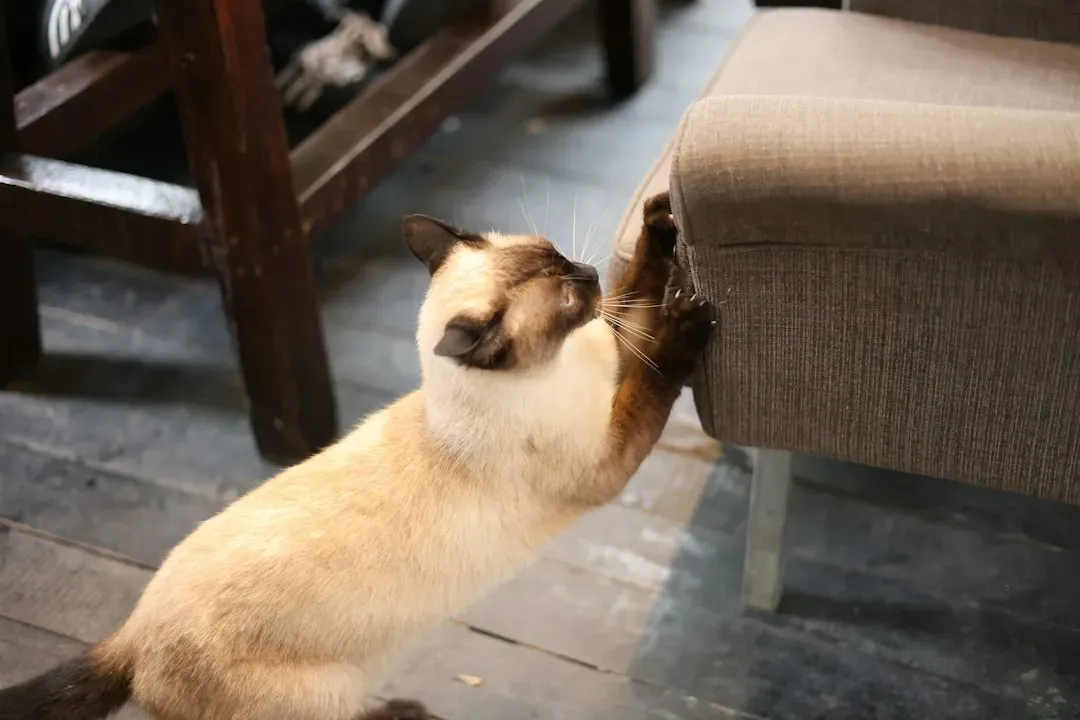
Your sofa isn’t being destroyed. It’s being signed.
Scratching does two jobs at once. It leaves a visible mark and a scent mark from the paws.
That’s why cats pick busy spots instead of hidden corners. They scratch in high-traffic areas because the message is meant to be seen.
The practical fix is to work with the habit, not against it. Put sturdy scratchers right next to the furniture being targeted.
Scratching isn’t the only thing that moves to the house, though. So does the bathroom…
#9 – Strong Opinions About the Litter Box
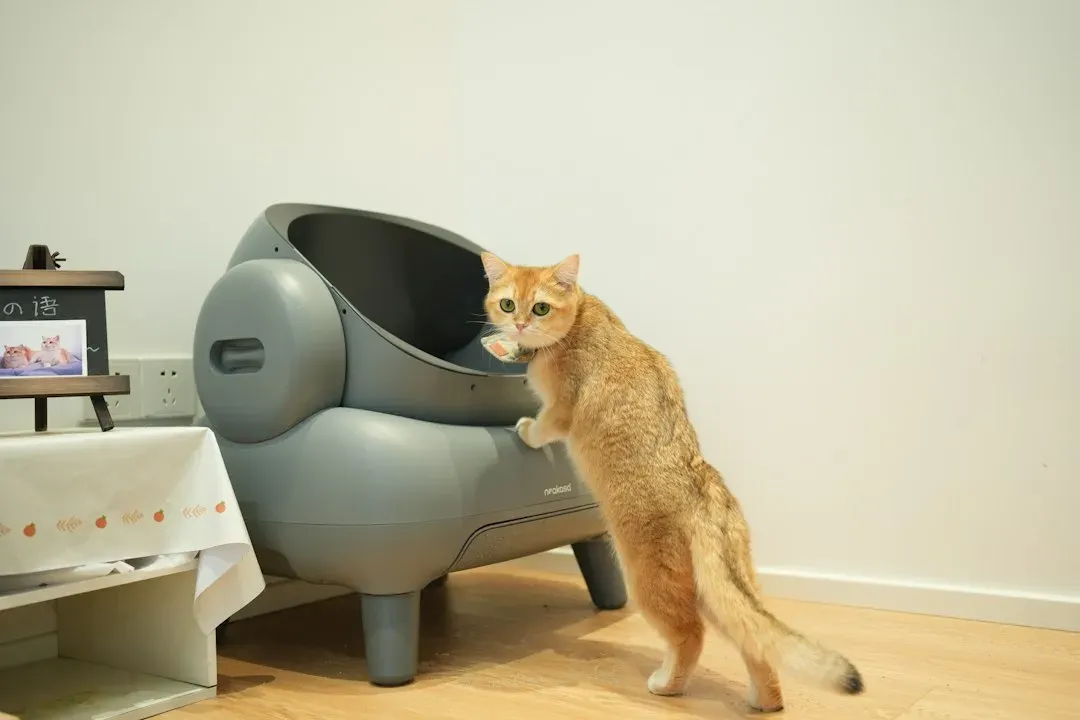
Outdoor cats had a lot more bathroom options, and they remember it.
A cat that once chose any patch of soil may be picky about substrate, depth, location and cleanliness. Surveys of owners who made the switch flagged litter maintenance as a hurdle.
There is also a marking angle. Outdoor cats have been reported to have more inappropriate elimination, which may relate to urine marking from more encounters with other cats.
Cleanliness really matters. Many cats refuse a dirty box.
- Scoop daily.
- Offer fine, unscented litter first.
- Place boxes in quiet, accessible spots.
Bathroom habits are just one piece of the territory puzzle…
#8 – Climbing to the Highest Point
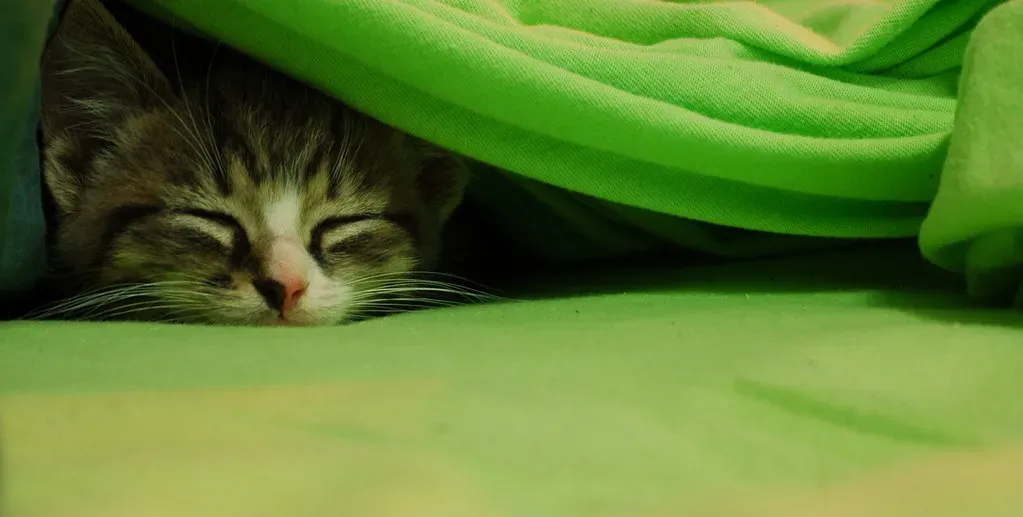
Height is safety.
Cats climb, jump and survey. Researchers list hunting, stalking, exploration, climbing, running and jumping as behaviors domestic cats share with wild relatives.
Outdoors, a tree, fence or roof gives a clear view and an escape route. Indoors, it becomes the top of the bookshelf or the fridge.
A cat with no high spots may hide more or act more anxious. Vertical space is not a luxury for a cat that grew up climbing.
An honest opinion: a cat tree is a better investment than a fancy bed.
Quick Compare
- Floor-level life: exposed, limited views and more time spent hiding.
- A high perch: a clear view of the room, an easy escape and a calmer cat.
- The sweet spot: a sturdy cat tree beside a window, so height and entertainment come together.
When the height isn’t enough, many cats go the opposite direction…
#7 – Disappearing Into Hiding Spots
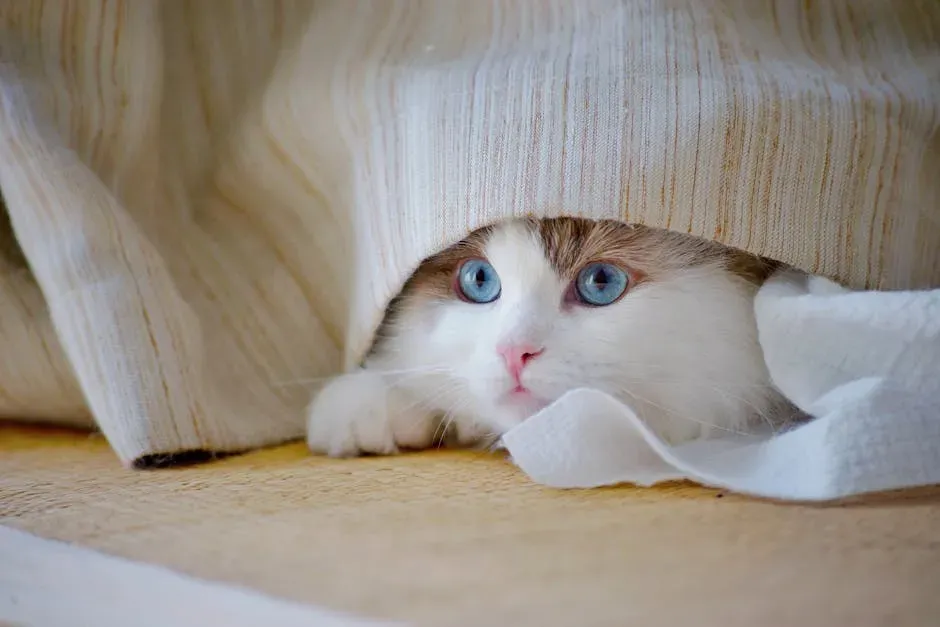
Your cat vanishing is not rudeness.
Outdoors, a hidden spot protects against threats. Under the bed or in a closet, the same logic applies.
Some cats retreat when guests arrive, when the vacuum comes out or when something new shows up. That’s normal.
Forcing a cat out is a mistake. It can teach the cat that hiding doesn’t work and make it less likely to approach you later.
That same caution shows up around the food bowl…
#6 – Eating Fast and Guarding the Bowl
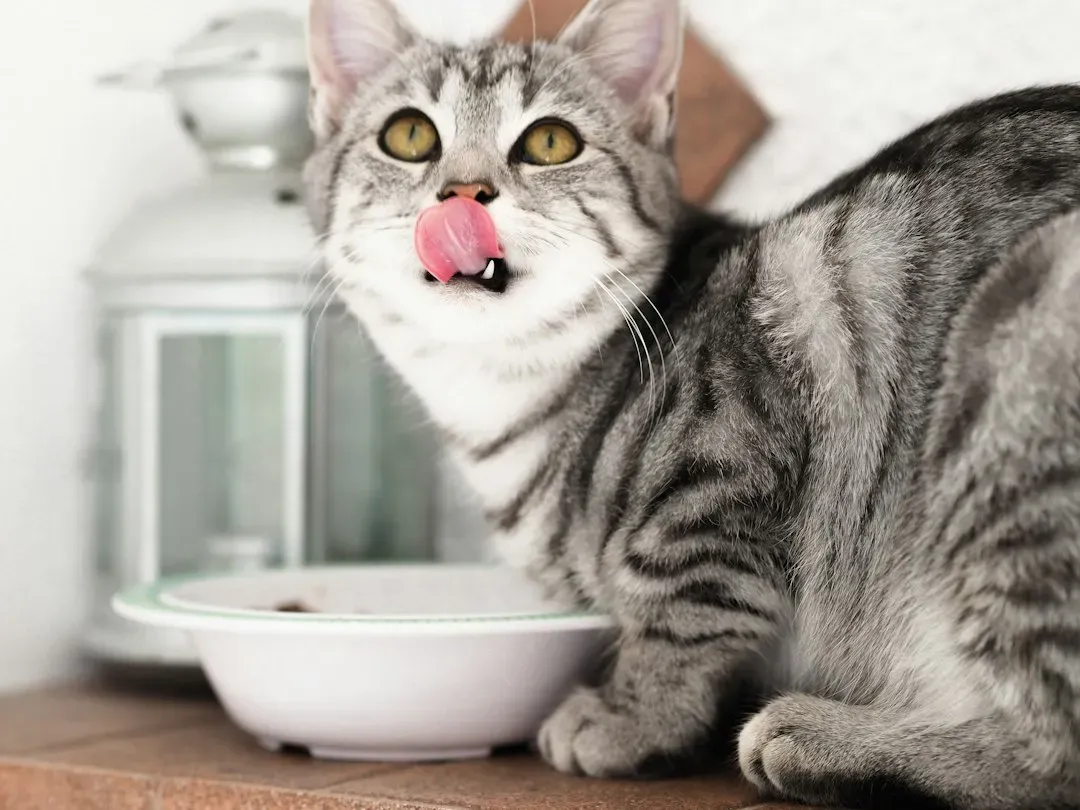
Outdoors, a meal could vanish in seconds.
Cats that learned competition early may gulp food quickly, hover over the bowl or watch you while eating. It does not always mean hunger. It can be a leftover habit from times when finding food was unpredictable.
Slow feeders, puzzle bowls and smaller, more frequent meals can help. They can also help with weight gain, which was one of the hurdles owners faced in transition research.
Speaking of habits tied to survival, here’s one that makes noise…

PetSafe Oasys Pet Fountain, 1/2 Gallon (64 oz), Small Dogs & Cats
Check Price on AmazonAs an Amazon Associate, we earn from qualifying purchases.
10/8/2026 8:14 am GMTi

Orthopedic Extra Large Dog Bed, Waterproof Washable XL Pet Bed 44"
Check Price on AmazonAs an Amazon Associate, we earn from qualifying purchases.
10/7/2026 1:32 pm GMTi

Glass Hummingbird Feeder for Outdoors Hanging
Check Price on AmazonAs an Amazon Associate, we earn from qualifying purchases.
10/7/2026 1:21 pm GMTi

Portable Dog Water Bottle Foldable Dog Travel Water Bottle
Check Price on AmazonAs an Amazon Associate, we earn from qualifying purchases.
10/7/2026 1:29 pm GMTi

Air Purifiers for Home Pets Large Room Up to 3000 Ft²,HEPA Air Cleaner with Washable Double-Side Filter, PM2.5 Air Quality Monitor,15dB Sleep Mode for Bedroom Odor Dust Pollen,White
Check Price on AmazonAs an Amazon Associate, we earn from qualifying purchases.
10/8/2026 8:23 am GMTi
#5 – Jumping at Every Sound
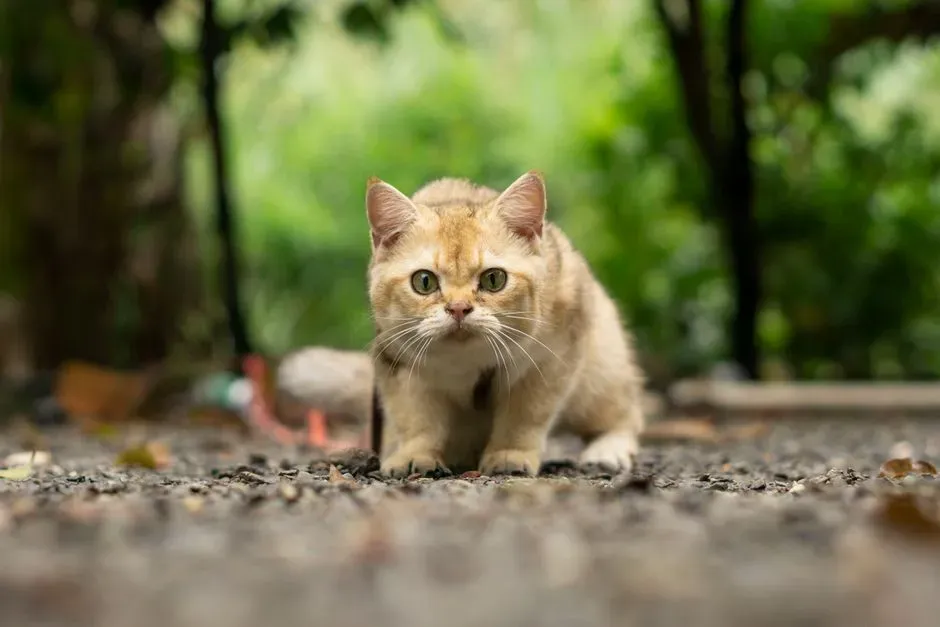
Loud noises are not neutral to this cat.
An outdoor cat learned to treat sudden sounds as information. A rustle could be prey. A bang could be danger.
Indoors, that becomes the startle at the doorbell, the dishwasher or footsteps in the hallway.
Reactions often fade with predictable routines. Stable schedules, hiding places and calm voices help.
There is no need to pretend the world is silent. Gradual exposure, with treats, usually works better than shielding the cat from everything.
Fast reactions are one thing. Trusting people is another…
#4 – Wariness of Strangers
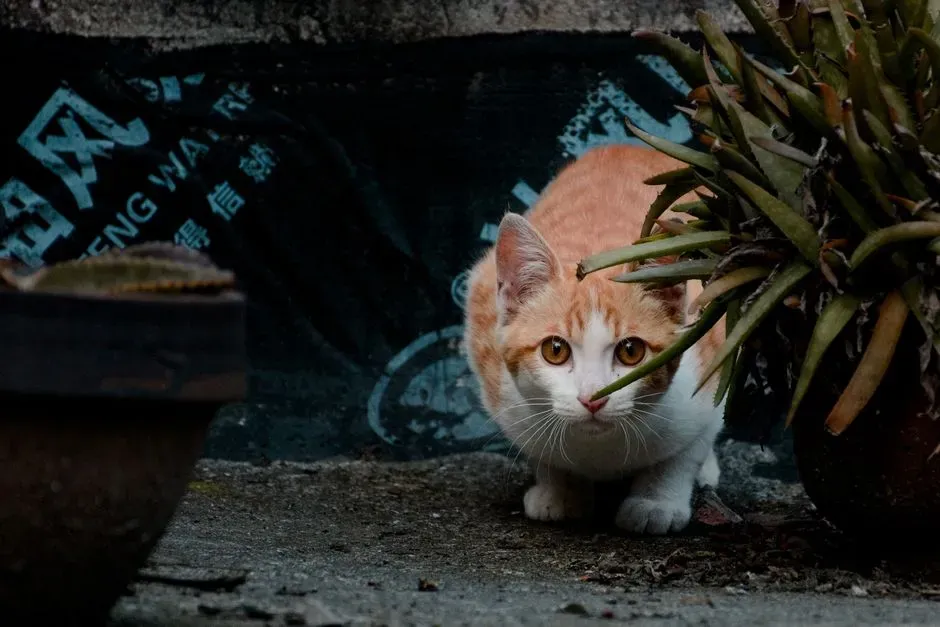
This cat has a long memory for who is safe.
Outdoors, approaching the wrong person or animal could have consequences. That caution doesn’t vanish at the door.
Many ex-outdoor cats stay watchful around visitors, loud voices and quick hands. Let the cat make the first move.
Here’s a strong opinion: forcing cuddles on a wary cat is the fastest way to lose its trust. Let it sniff, look and walk away.
But once a cat does decide you’re safe, something shifts…
#3 – Bringing You “Gifts”
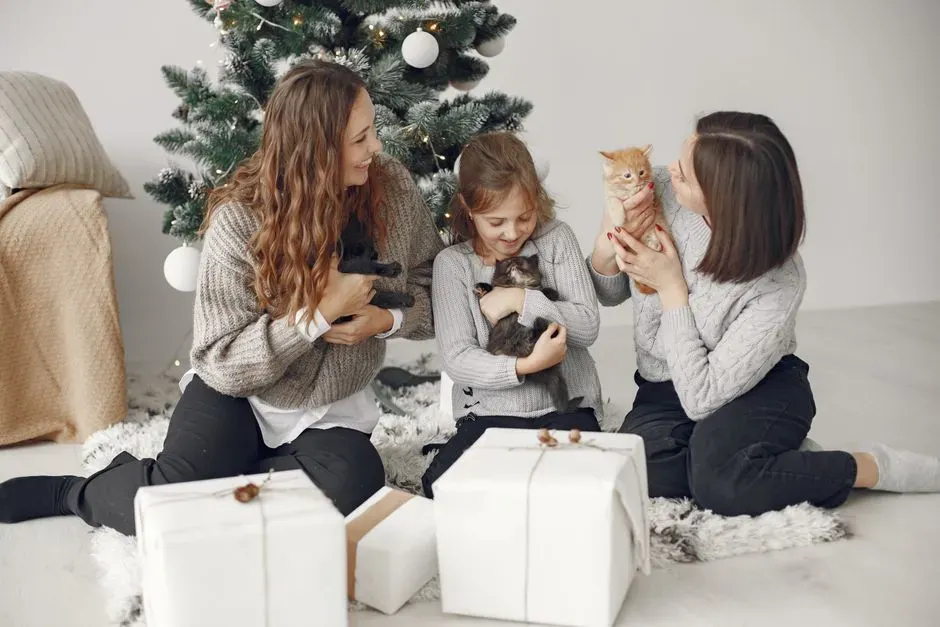
Not every cat does it, but those that do are paying you a compliment.
Hunters sometimes carry prey to a home base. Indoors, that can turn into dragging toys, socks or other objects to you, often with loud calls.
Experts differ on why. Some think it’s teaching, some think it’s sharing, and some think it’s simply moving the “kill” to a safe spot.
The practical advice is simple. Don’t punish it. Calmly accept the offering or swap it for a toy.
Worth Knowing
- Gifts often come with a distinctive call, so listen for the change in voice.
- Trade a real catch for a toy or treat instead of grabbing it.
- Wash your hands after handling anything your cat brought in from outside.
- A gift means the cat sees you as part of its circle.
Next comes the habit that might surprise you the most…
#2 – Slow to Trust, Then Fiercely Loyal
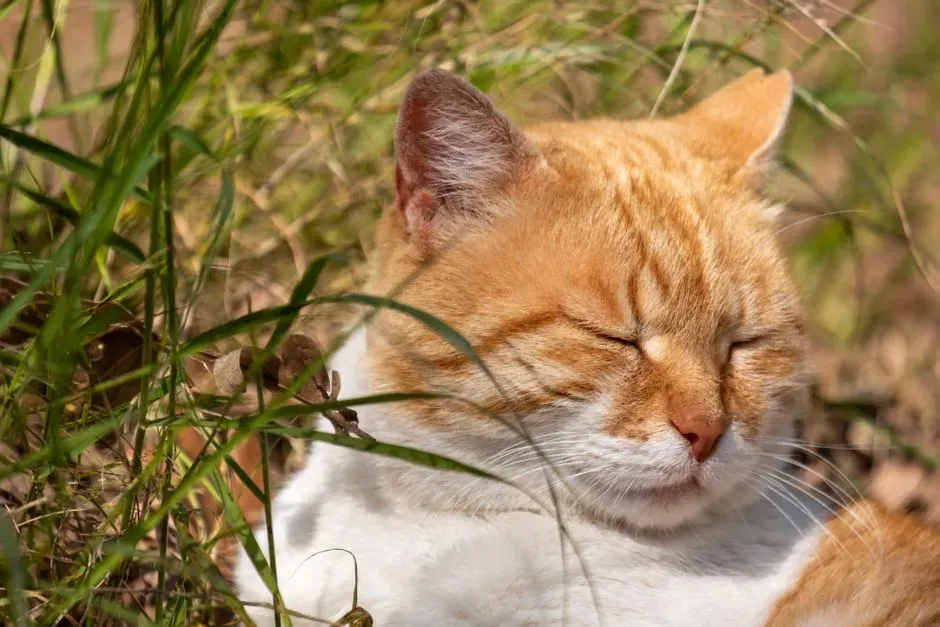
Winning this cat takes patience, and the payoff is real.
Trust may take weeks or months. That can mean weeks or months of hiding, watching and testing.
The slow blink helps. A 2020 study found that cats were more likely to approach people who slow-blinked at them.
Once a cat does decide you’re safe, many become deeply attached. The long wait is exactly what gives the bond its weight.
And the last habit explains all the others…

2 Pcs Halloween Pet Hat Bandana Set, Witch Pumpkin Costumes for Dogs
Check Price on AmazonAs an Amazon Associate, we earn from qualifying purchases.
10/9/2026 2:45 pm GMTi

Glass Hummingbird Feeder for Outdoors Hanging, 16 oz Leak-Proof Nectar Feeder with Bee Guards & Ant Moat
Check Price on AmazonAs an Amazon Associate, we earn from qualifying purchases.
10/7/2026 1:22 pm GMTi

Hand Blown Glass Hummingbird Feeders for Outdoors Hanging, 24oz Wild Bird Nectar Feeder
Check Price on AmazonAs an Amazon Associate, we earn from qualifying purchases.
10/7/2026 1:23 pm GMTi

Halloween Cat Costume Cloak Witch Hat Pet Accessories
Check Price on AmazonAs an Amazon Associate, we earn from qualifying purchases.
10/9/2026 2:44 pm GMTi
#1 – Still Wanting the Outdoors
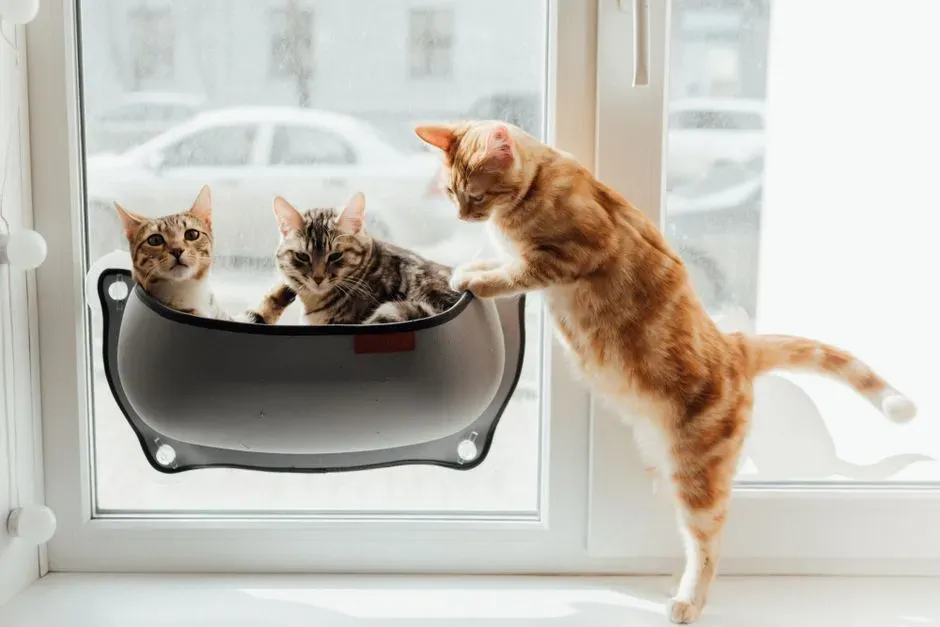
The wish may never fully leave.
Some cats settle in quickly. In one survey, most owners found the transition easier than expected and would keep a future cat indoors. Yet ten participants reported that unsupervised outdoor access had been reinstated.
The main reason for moving indoors was cat safety. That’s the trade-off: a longer, safer life against a cat that may still look longingly out the window.
A good middle ground is enrichment: window perches, supervised harness time, or a secure outdoor enclosure.
Fast Facts
- Window perch: the easiest option, with no training and a view of birds all day.
- Harness walks: need gradual training and your full attention.
- Secure enclosure: the closest thing to real freedom without the traffic.
- Any option: works best when it’s predictable and part of the daily routine.
These habits aren’t flaws. They’re a record of how your cat survived.
A cat’s first year outdoors doesn’t disappear when the front door closes. The hunting, marking, patrolling, hiding and slow trust are all habits that once helped it survive, and they often show up in new forms indoors.
Our opinion: punishing these behaviors is the biggest mistake an owner can make. Redirecting them works far better. Give your cat places to climb, things to catch and quiet spots to retreat to, and most of the “problem” behavior makes sense.
Which of these habits does your cat refuse to give up?