
There’s something quietly transformative about having a dog around as you get older. Not in a dramatic, life-altering sense, but in the everyday kind of way: a reason to get up at the same time every morning, someone waiting by the door when you return, a warm presence on the couch that simply asks nothing complicated of you.
It’s no secret that pets bring companionship, health benefits, and happiness to seniors and retirees. Studies suggest having a dog can lower stress, prevent loneliness, provide purpose and routine, and lead to a more active lifestyle in the later years. The trick, of course, is choosing the right breed. The 15 breeds below are well-matched to the rhythms and realities of older adult life, each one offering something a little different.
1. Cavalier King Charles Spaniel
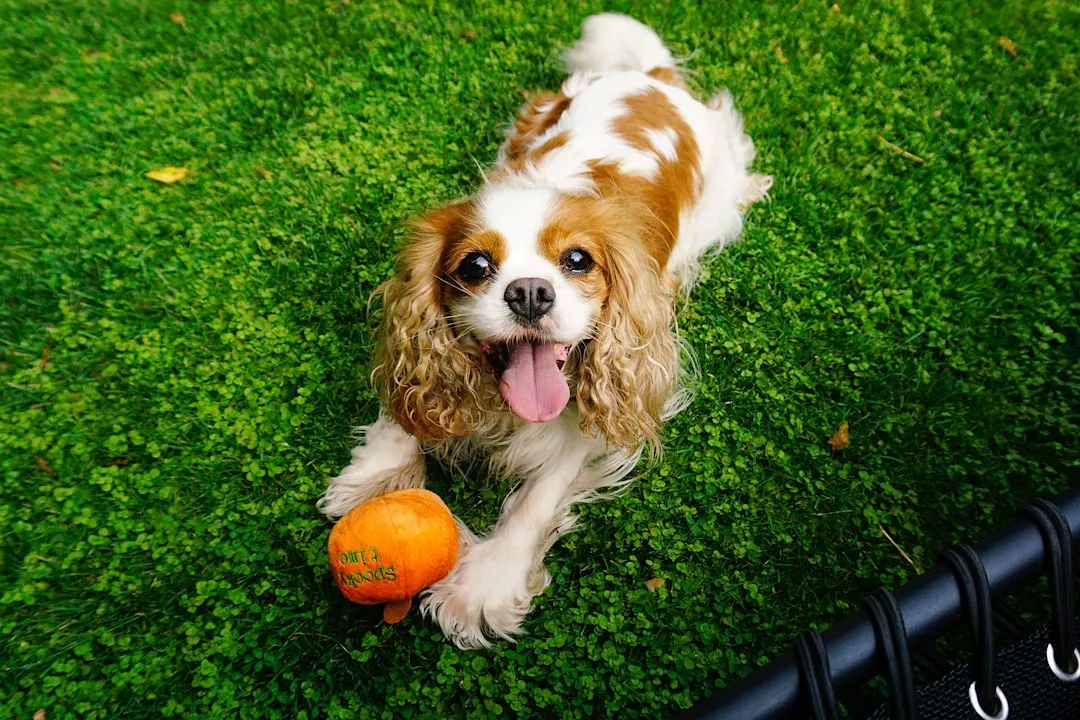
The Cavalier King Charles Spaniel is one of the best small dogs for older adults. These dogs are gentle, affectionate, and love spending time with their owners. While they enjoy walks and playtime, they do not have high exercise requirements, making them suitable for individuals who cannot commit to long periods of activity.
Known for their affectionate and gentle temperament, Cavalier King Charles Spaniels are also small and adaptable. They require moderate exercise and enjoy cuddling, making them great companions for older adults seeking warmth and companionship.
The American Kennel Club describes Cavaliers as “affectionate, gentle, and graceful,” making them ideal companions. For anyone who values a close bond with their dog above all else, this breed is rarely a disappointment.
2. Poodle
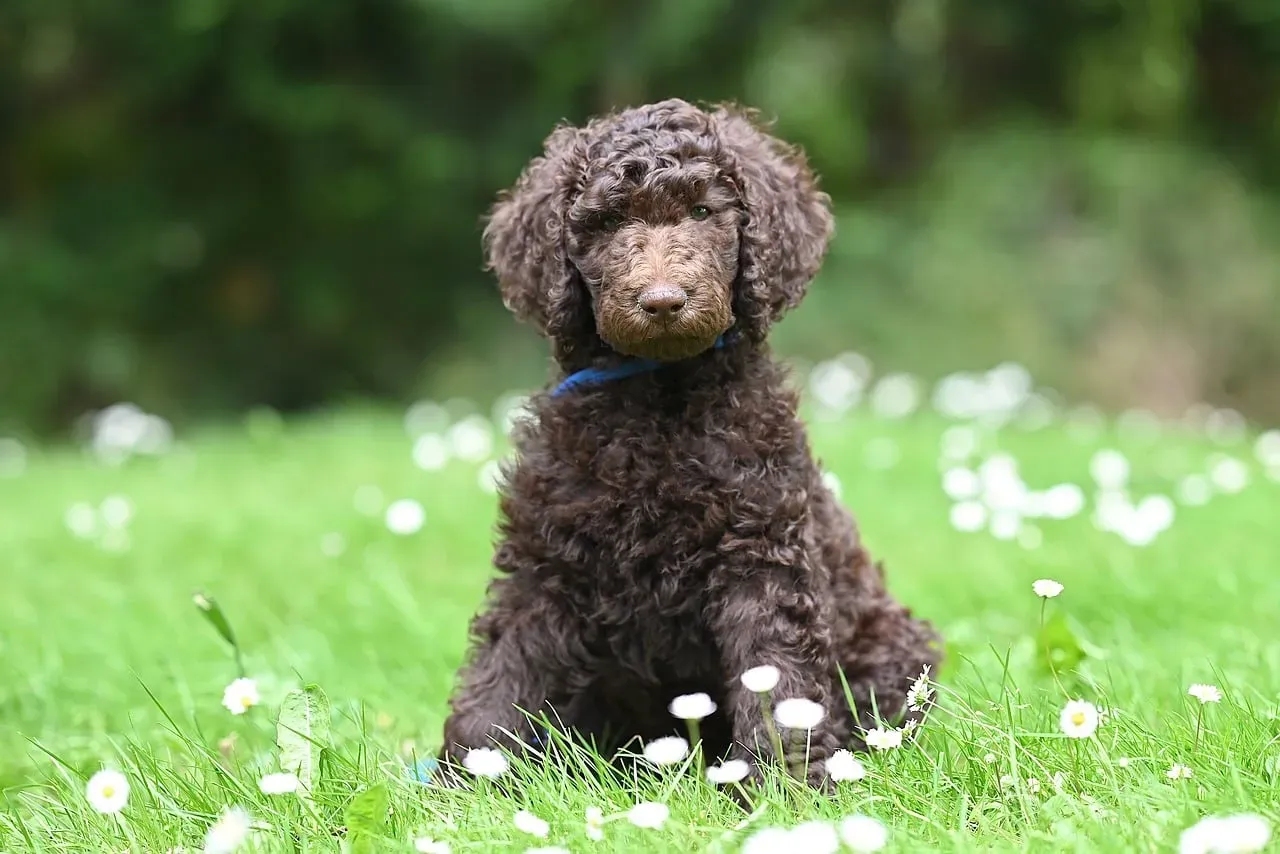
Poodles are an excellent choice for older adults with allergies or respiratory issues. Though they need to be regularly groomed by a professional, their dander has a low probability of causing allergic reactions. They come in a range of sizes, from tiny toy poodles to larger standard poodles.
Poodles are very smart and easily trained. They form a strong bond with their owner and love to be in a family setting. They’re very gentle and sweet animals, and they don’t need a lot of exercise other than a daily walk.
For pet parents seeking an easy-to-train dog, the highly intelligent Poodle is one of the best dogs for older people. That combination of brains, gentleness, and hypoallergenic qualities makes them genuinely hard to pass up.
3. Shih Tzu
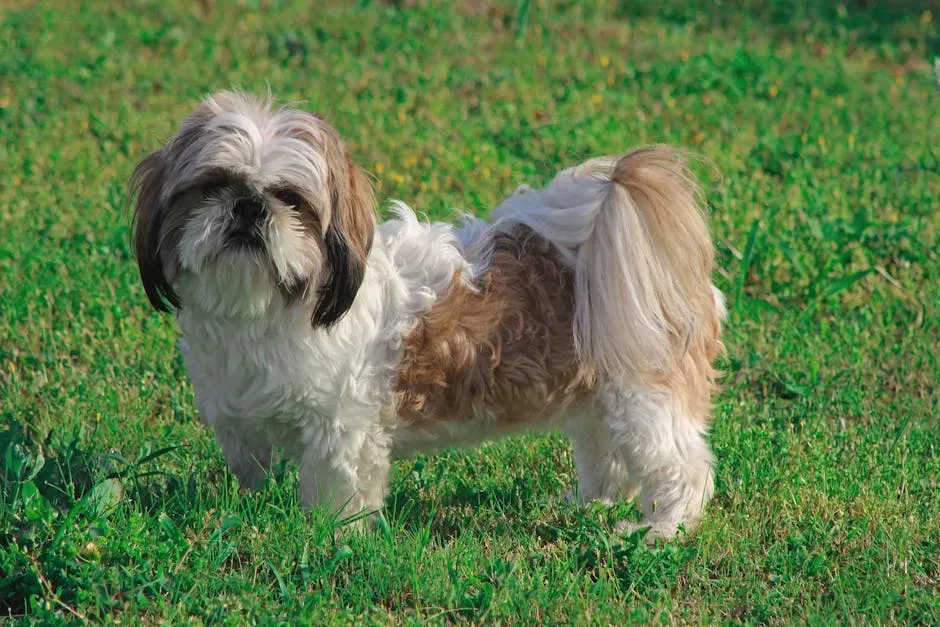
A solid little dog weighing up to 16 pounds, the Shih Tzu requires minimal exercise and is content living in apartments, so long as you’re there, too. Shih Tzu owners say the breed is “happy, even-tempered, and eager to please,” and they get along well with other dogs and with children.
The Shih Tzu is a small, regal breed, known for its flowing mane and sweet, expressive eyes. Affectionate and adaptable, these pups enjoy the company of people and other canines, but also make great solo companions.
If the silky coat is kept long, it requires daily brushing. A groomer can also give the Shih Tzu a “puppy trim” that’s much easier to look after. That’s a practical option worth knowing about for anyone who wants the sweetness without the salon schedule.
4. Bichon Frise
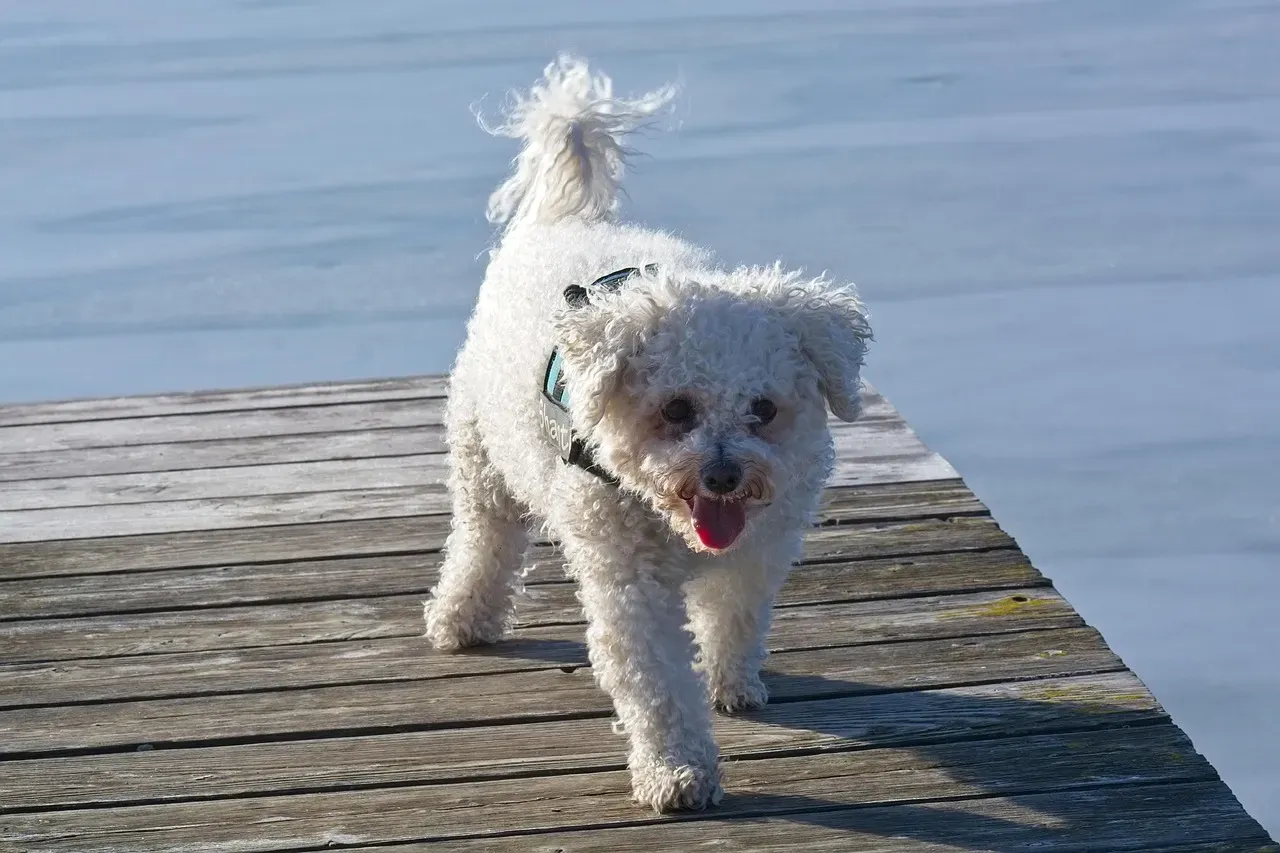
The Bichon Frise is cheerful, adaptable, and hypoallergenic. Their playful demeanor keeps spirits high, while their small size makes them easy to manage. They thrive on human interaction and quickly become part of the family.
The Bichon Frise is a friendly, playful breed that thrives on companionship. These dogs are small and easy to manage, making them a good choice for older individuals. While they enjoy playtime and light activity, they can adjust to the energy level of their owners. In addition, the Bichon Frise is hypoallergenic, which makes them an excellent choice for seniors with allergies.
5. Pug
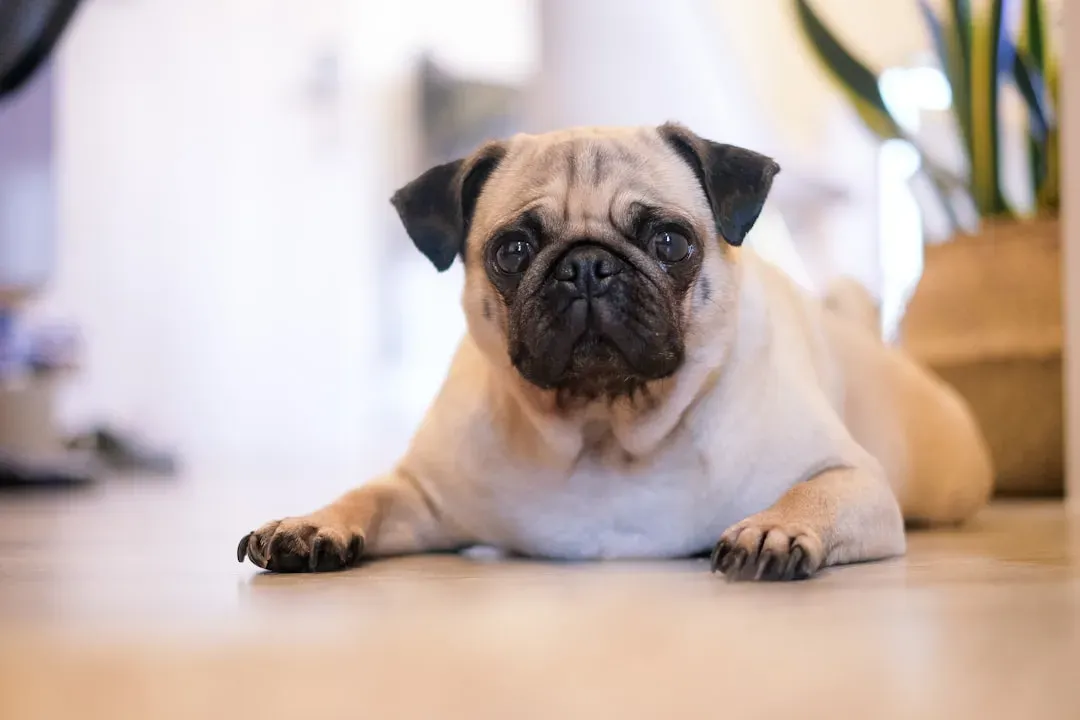
Centuries ago, the emperors of China loved their Pugs. The short-haired, muscular, 14-to-18-pound dogs were bred to be companions with even temperaments. That breeding for companionship is still visible in every Pug you meet today.
Pugs are great small dogs for older adults. They love to be inside and to cuddle with their owner. They don’t need a lot of exercise and like to spend most of their time napping or with their owner. They don’t bark a lot, but they do snore. Pugs require minimal grooming, but you may need to keep wiping the wrinkles on their faces so dirt and dust don’t collect.
6. Havanese
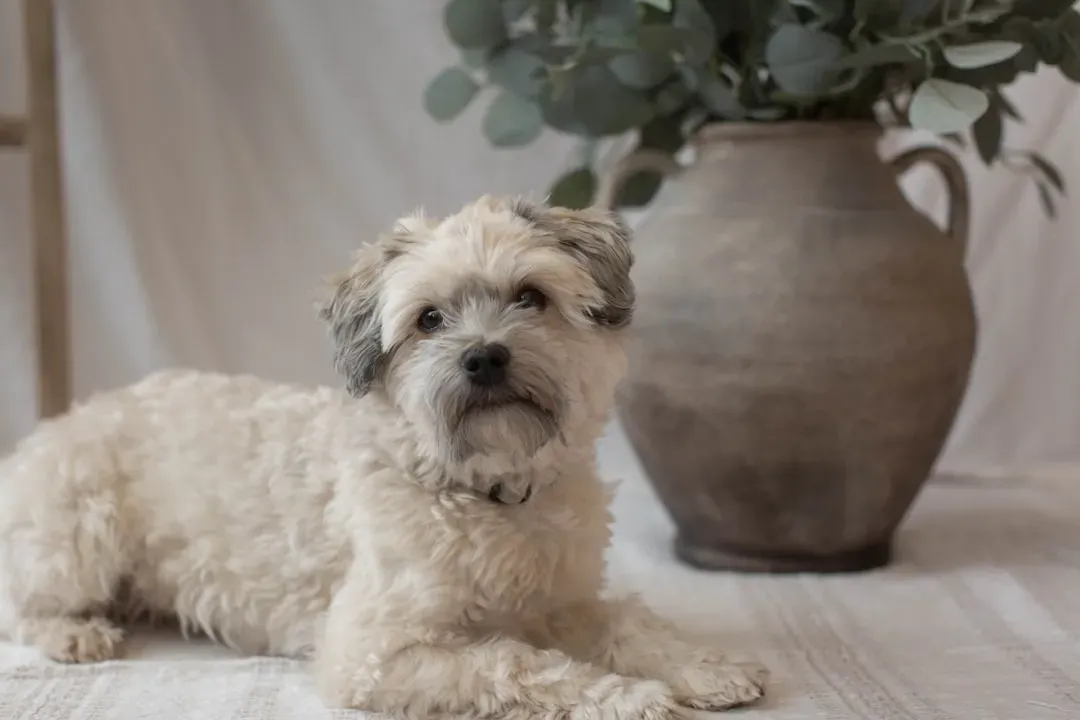
The only breed native to Cuba, the Havanese is a cheerful, quiet little dog described as “happy, loving, intelligent, social, and accommodating.” They’re content to stay inside and snuggle with their humans and will play patiently with children. Havanese don’t require much exercise but are happy to take occasional short walks.
They are great for retired seniors who can spend a lot of time with them. They are very smart and easily trainable, and can even serve as therapy dogs. They are happy dogs and love to be the center of attention.
That cheerful, people-focused nature means a Havanese genuinely thrives in a quieter household where they’re rarely left alone for long stretches. A good match for someone who simply enjoys having warm company around the home.
7. Maltese
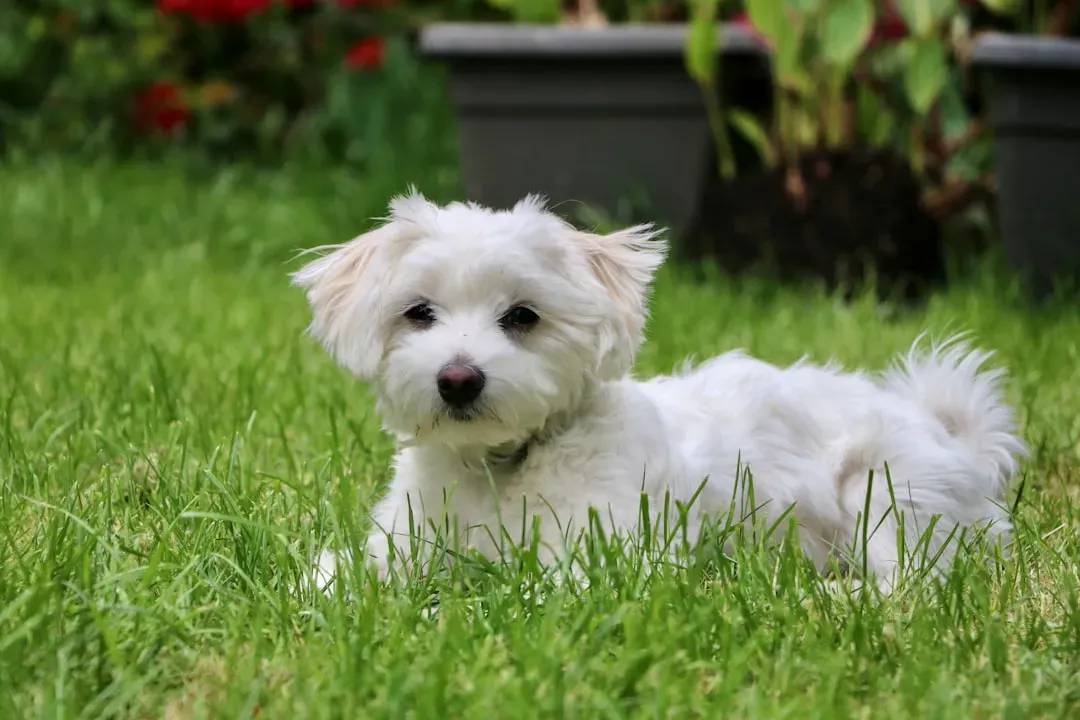
The Maltese is a small, affectionate dog that thrives on attention. Their compact size makes them easy to carry and manage. Despite their long, silky coats, they are relatively easy to groom with routine care.
Maltese are very small dogs, which makes them great lap dogs. They are intelligent, playful, and gentle, and are also frequently used as therapy dogs. That’s a meaningful detail. A breed that regularly works in therapeutic settings tends to bring the same calming presence into a private home.
Their energy level is low, perfect for relaxed households. Their temperament is loving, gentle, and devoted.
8. Yorkshire Terrier
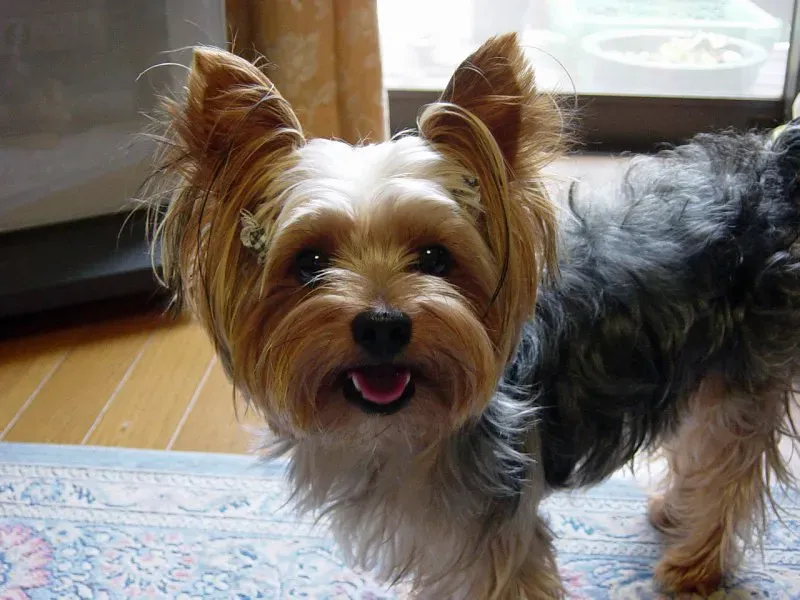
Yorkies are the quintessential lap dog. They love being around their person just as much as they’ll love a daily tennis ball toss. You can expect a Yorkie to remain under 10 pounds, making them easy for seniors to pick up, walk on a leash, and hold in their lap.
Yorkies have a reputation for having a “voice” but are intelligent, eager to please, and highly motivated by treats, making them easy to train. For older adults who appreciate a dog with a bit of personality, a Yorkie rarely disappoints.
They’re compact, spirited, and devoted. The grooming is a consideration since their long silky coats need regular attention, but many owners opt to keep them in a shorter trim that cuts maintenance time considerably.
9. Coton de Tulear
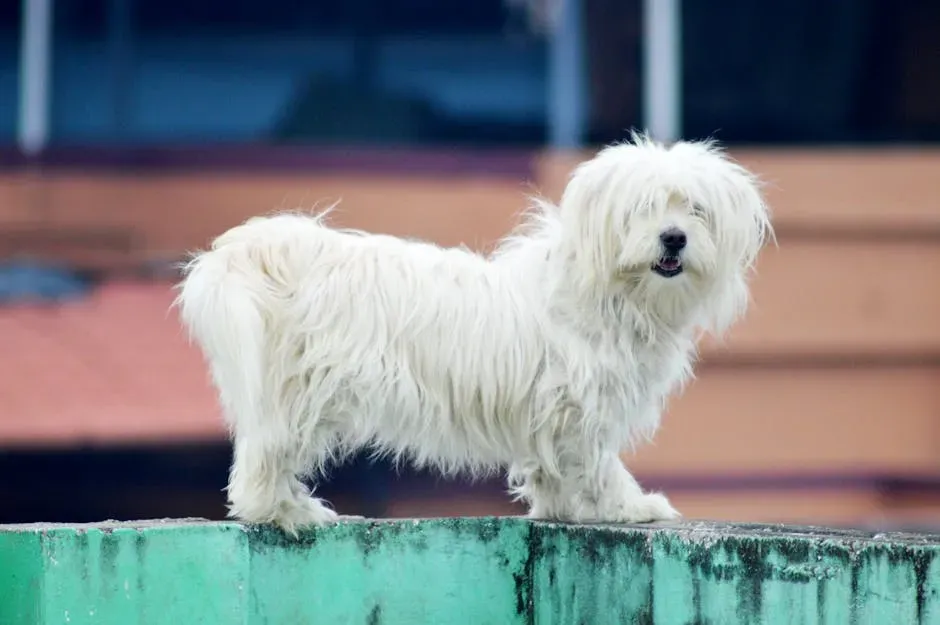
Originally from Madagascar, the Coton de Tulear, with its long, white, cottony coat, doesn’t shed much. This hardy breed will enjoy all types of weather but is an indoor dog that thrives on human companionship. Coton can live 15 to 19 years, are easy to train, and get along with everyone including other dogs. They’re good travelers and require moderate exercise, enjoying daily walks.
That lifespan is worth pausing on. A dog that can live nearly two decades means a very long and steady companionship for an older adult. The Coton’s adaptable, go-anywhere temperament also makes traveling or visiting family far less stressful.
10. Pembroke Welsh Corgi
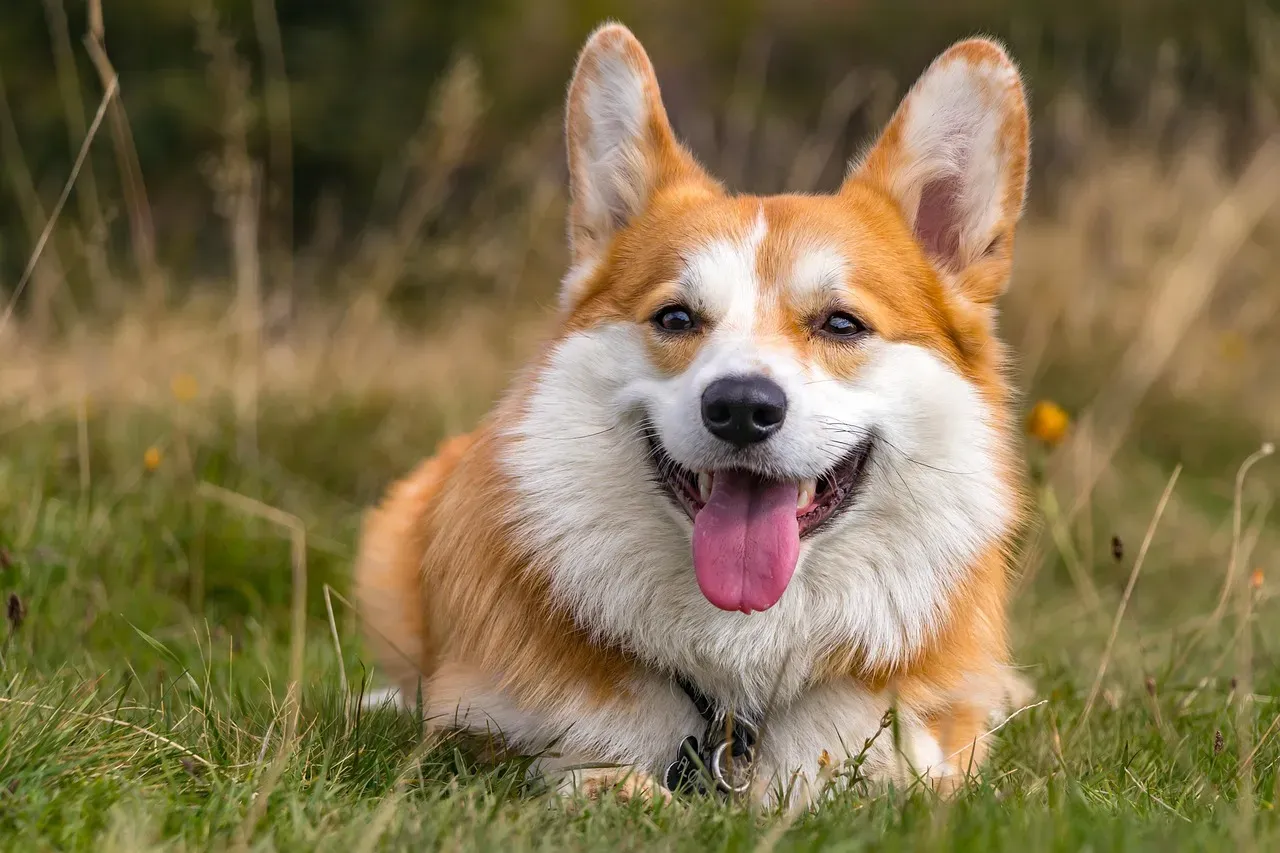
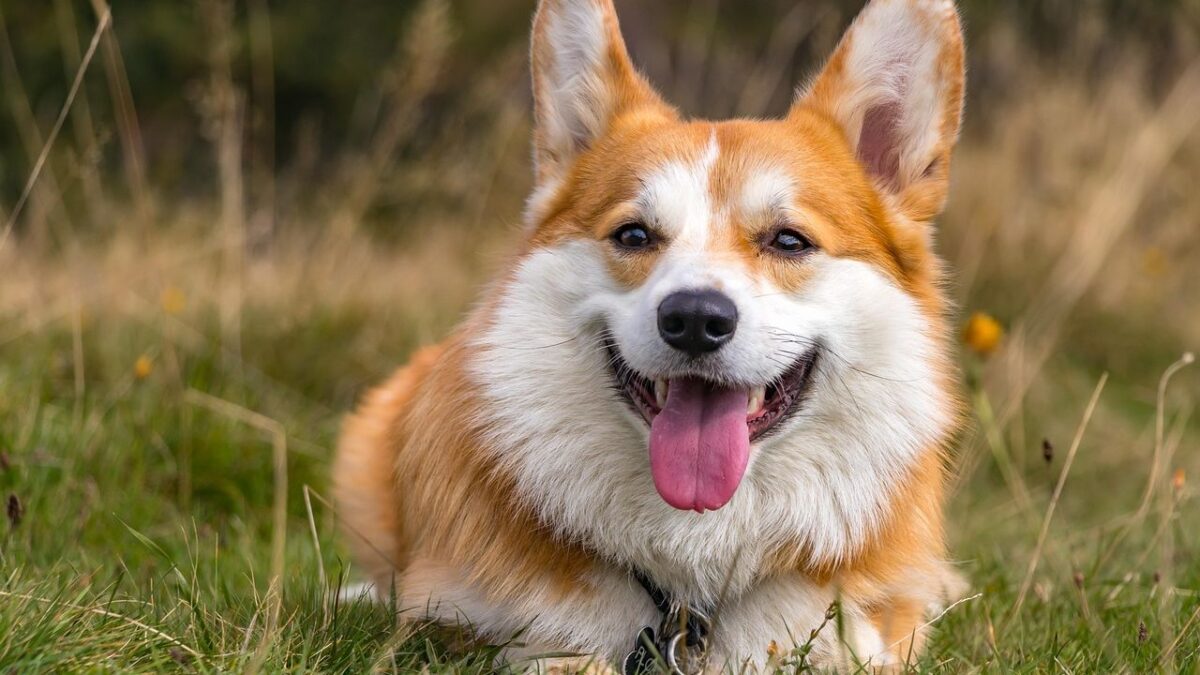
For more active seniors who enjoy outdoor exploration such as walking on nature trails, the lively and adventurous Pembroke Welsh Corgi is a great match. With their cute little legs and sparkly eyes, Corgis win over the hearts of children, adults, and elder folks alike. The sociable Corgi wants to be included in every occasion, and its animated and fun-loving personality makes this dog shine.
Corgis are known for their long but low-to-the-ground bodies, perky ears, and spirited personalities. Intelligent and affectionate, they make great companions for anyone who enjoys a bit of spunk. Corgis are also relatively low-maintenance dogs, although they do tend to require more daily exercise than other senior-friendly breeds.
Corgis are protective, devoted to their families, and make excellent watchdogs. For older adults who remain active and want a dog that genuinely motivates them to keep moving, a Corgi is an energizing choice.
11. Chihuahua
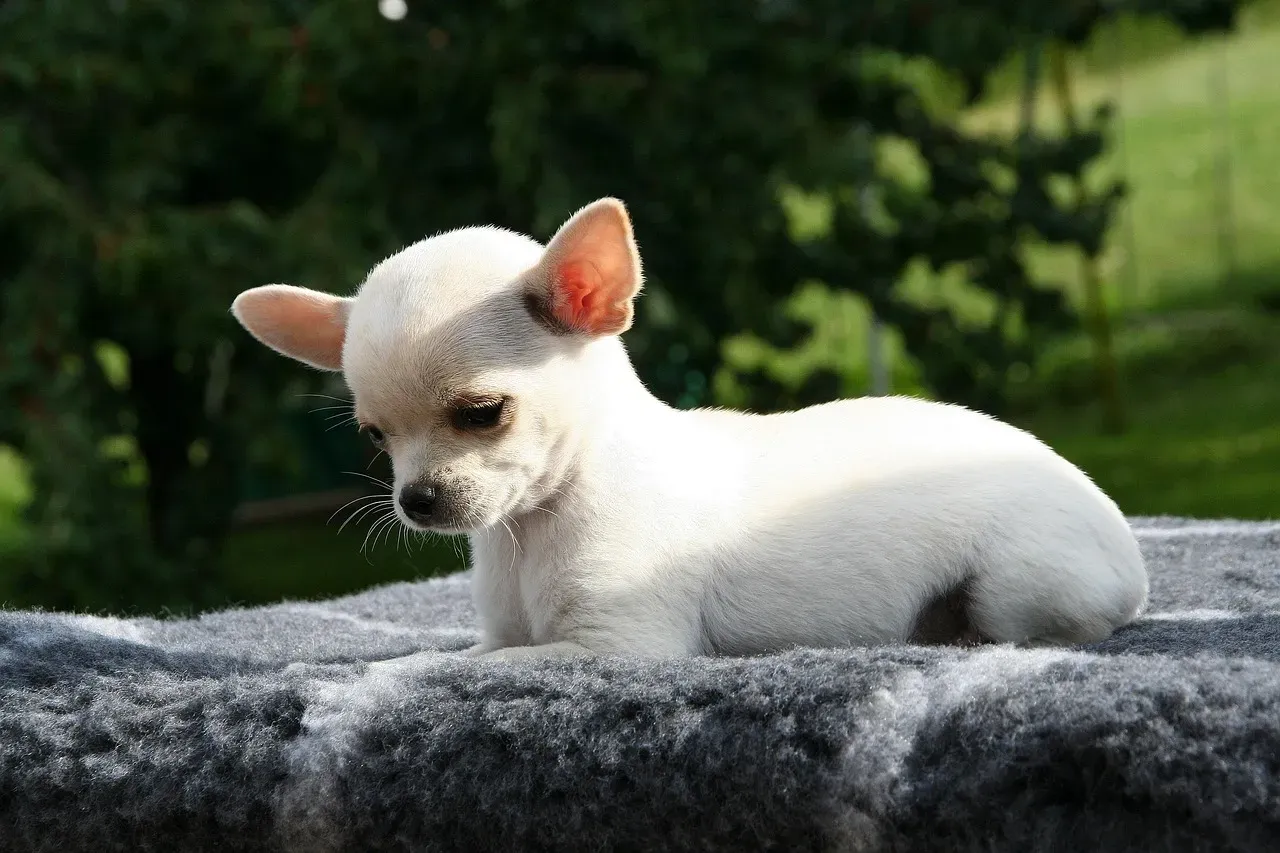
These affectionate dogs form strong bonds with their owners and are fiercely loyal. They are ideal for individuals who prefer a lightweight dog. While Chihuahuas enjoy light exercise, they also love to relax with their owners, making them excellent companions for older adults seeking a lap dog.
Chihuahuas are fiercely loyal and make excellent companions for anyone in need of a devoted lap dog. Grooming needs are pretty minimal for short-haired varieties, although longer-haired Chihuahuas may require more regular brushing.
What Chihuahuas lack in size they more than compensate for in personality. They tend to pick one person and love them wholeheartedly, which makes them a particularly meaningful companion for older adults who live alone.
12. Pomeranian
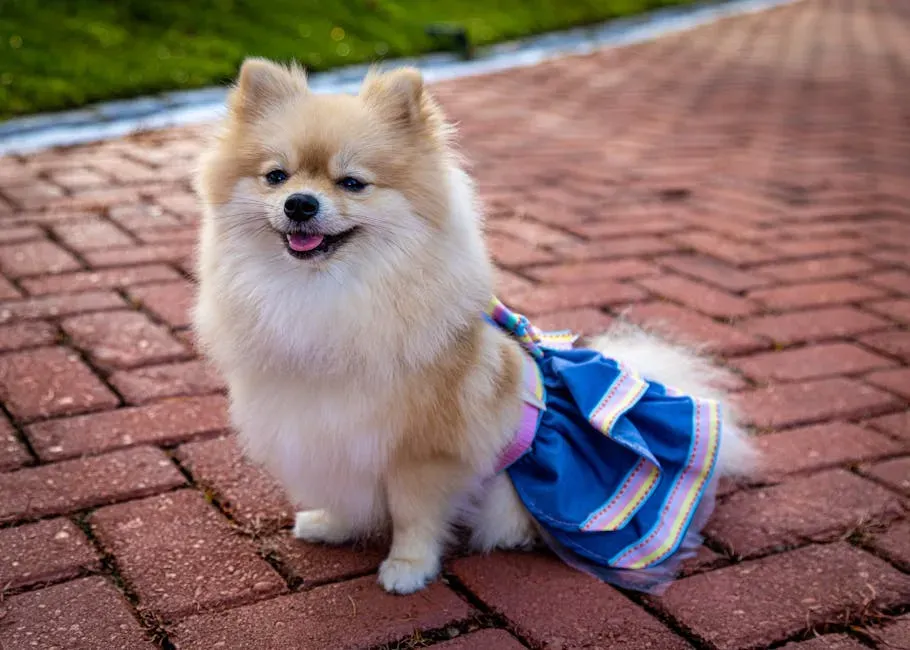
Weighing roughly 3 to 6 pounds, Pomeranians are affectionate, good-natured dogs that are easy to handle. They enjoy attention from their owner and playing with toys, and you can feed off their energy to keep yourself upbeat. However, they do have a long, thick coat that requires regular brushing to avoid matting.
Pomeranians are small soft and furry dogs. They are very affectionate and love attention. They are great for older adults who can give them plenty of time and energy.
There’s something genuinely uplifting about a Pomeranian’s enthusiasm. Their playful spark tends to be contagious, and for older adults who want a dog that actively engages them rather than simply resting nearby, a Pom is a lively, manageable choice.
13. Labrador Retriever
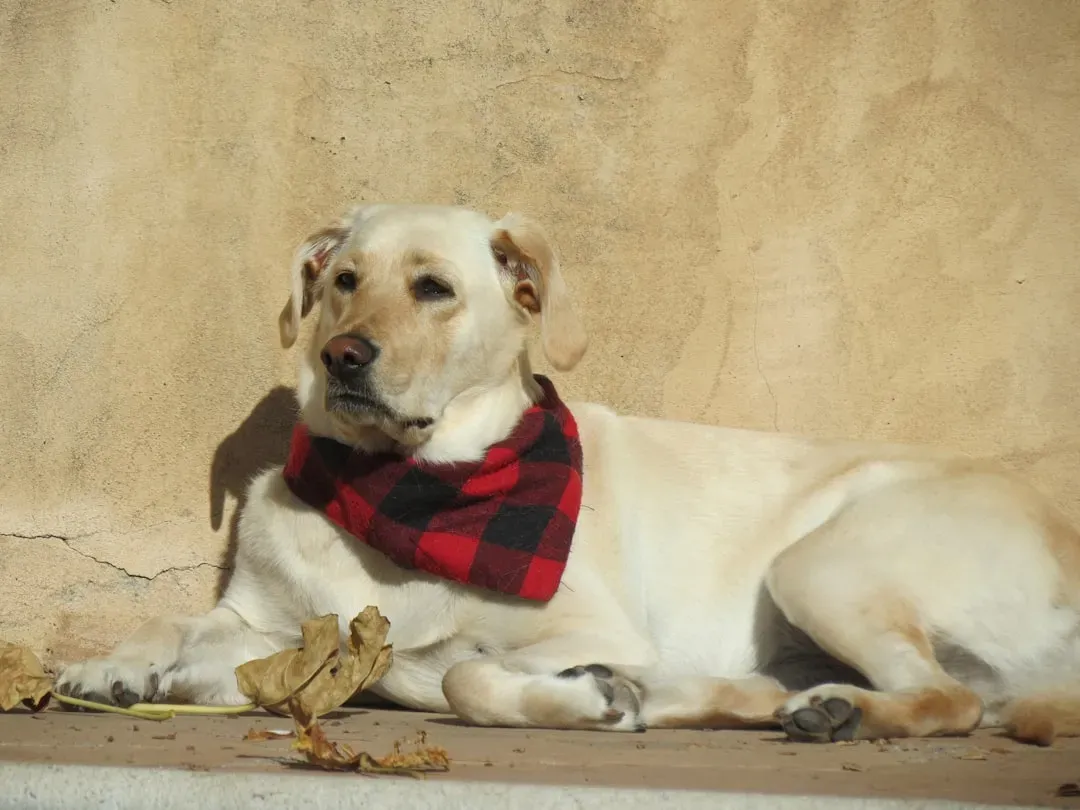
For retirees who want a reason to stay active, Labradors are a great match. Their loving and loyal personalities encourage daily walks and outdoor play. Although larger, they are gentle and family-oriented.
Labrador Retrievers are a very popular dog breed because of how even-tempered, friendly, and outgoing they are. They love their owners and make wonderful companions. Labs are easily trained and can serve as service dogs.
A Lab isn’t the right fit for everyone in their later years, but for physically active older adults with outdoor space, the breed offers something few smaller dogs can match: a genuine exercise partner. That daily motivation to walk, play, and stay engaged with the world outside the home is its own kind of medicine.
14. Greyhound
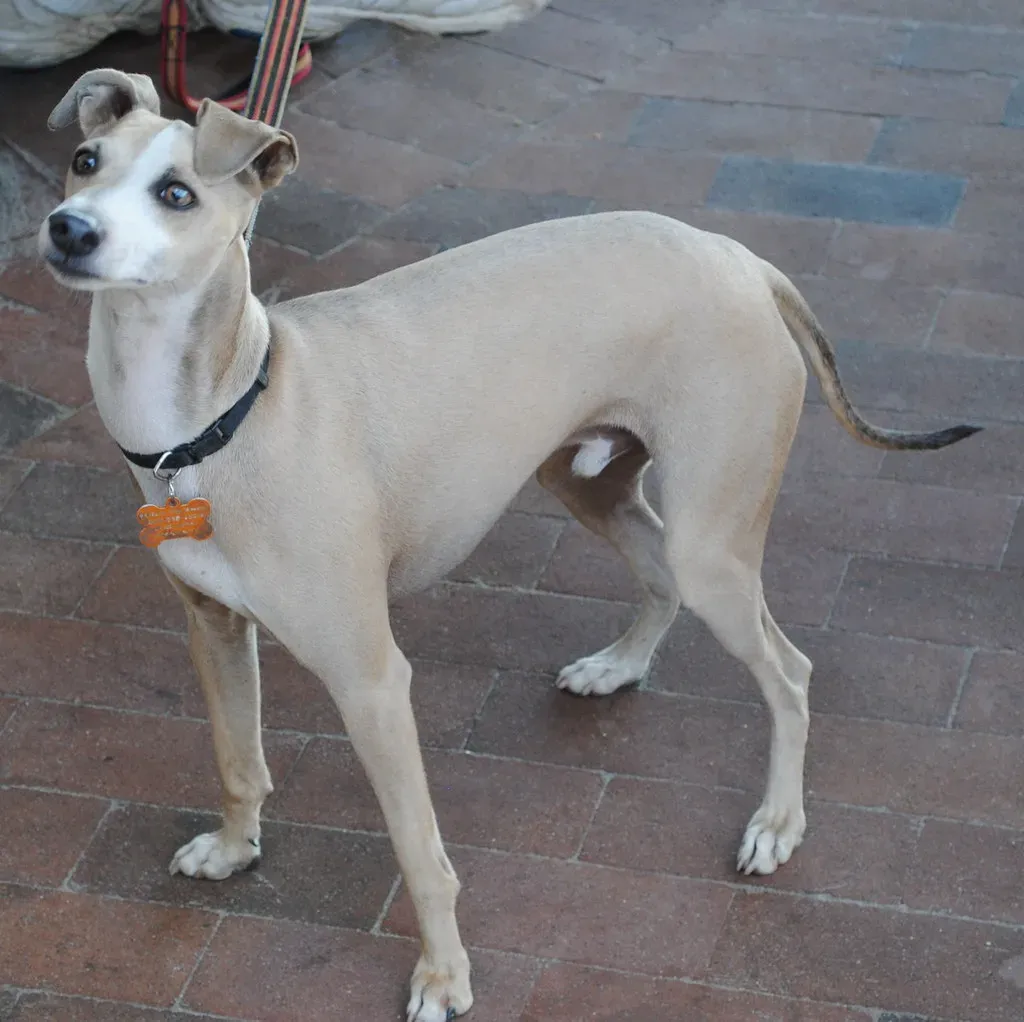
The fastest dog breed in the world, the Greyhound may seem like an unlikely fit among the best dogs for older people. However, this athletic dog is low-key, calm, and content with lounging around the home once it gets in its exercise. Greyhounds are ideal dogs for senior citizens who prefer larger but manageable furry friends. The honorable Greyhound is a gentle, quiet, and compassionate pet.
The Greyhound’s short and smooth coat requires only occasional brushing. That near-zero grooming demand is a genuine practical perk. Many retired racing Greyhounds also come already trained and socialised, making them a calm and ready companion without the demands of puppy ownership.
15. Cocker Spaniel

If you’re more of an indoorsy adult who values time spent at home, a cocker spaniel is worth considering. The breed is described as naturally gentle and sweet, though they do have long coats that require regular grooming.
Cocker Spaniels are known for their beautiful, soft coats. They’re gentle and friendly, and usually weigh under 30 pounds. They need regular walks to stay fit, but they aren’t highly energetic.
The Cocker Spaniel is a breed that tends to mirror its owner’s mood, calm when things are quiet and playful when the energy is there. That emotional attunement makes them particularly comforting companions for older adults who simply want a dog that reads the room well.
Choosing the Right Breed for Your Life Stage
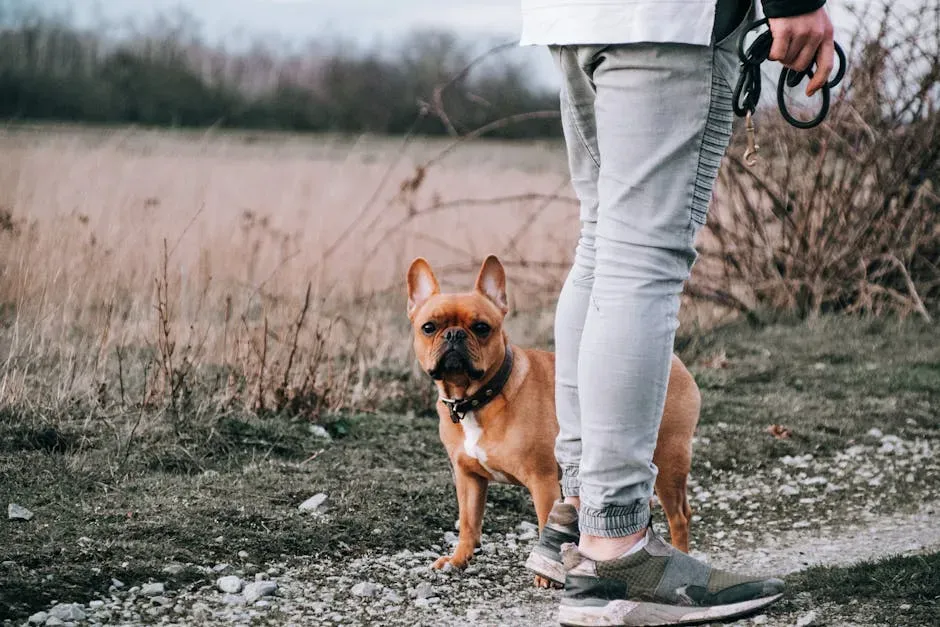
The important consideration when deciding whether to add a dog to your life isn’t age as much as lifestyle and physical ability to take care of a dog. Size, energy level, grooming needs, and temperament all matter, and they matter differently for each person.
Studies showed that those who kept an animal were often much more active, self-conscious, and communicative. The pets kept their owners active and occupied, made them feel needed, helped them establish social contacts, and distracted them from distressing events.
Research in the BMC Public Health Journal found that people who own a dog walk 22 minutes longer on average than those who do not have a dog. Even a low-intensity daily 20-minute walk can improve heart health, lower blood pressure, and relieve stress. That’s a meaningful return on a pretty simple daily habit.
Adopting a senior dog may be a great move for older adults, since puppies may be a lot of work. Senior dogs are typically already house-trained, spayed or neutered, and have many of the vaccines that are necessary to get as a puppy. For many older adults, an adult rescue dog is the most practical and rewarding path forward.
Conclusion
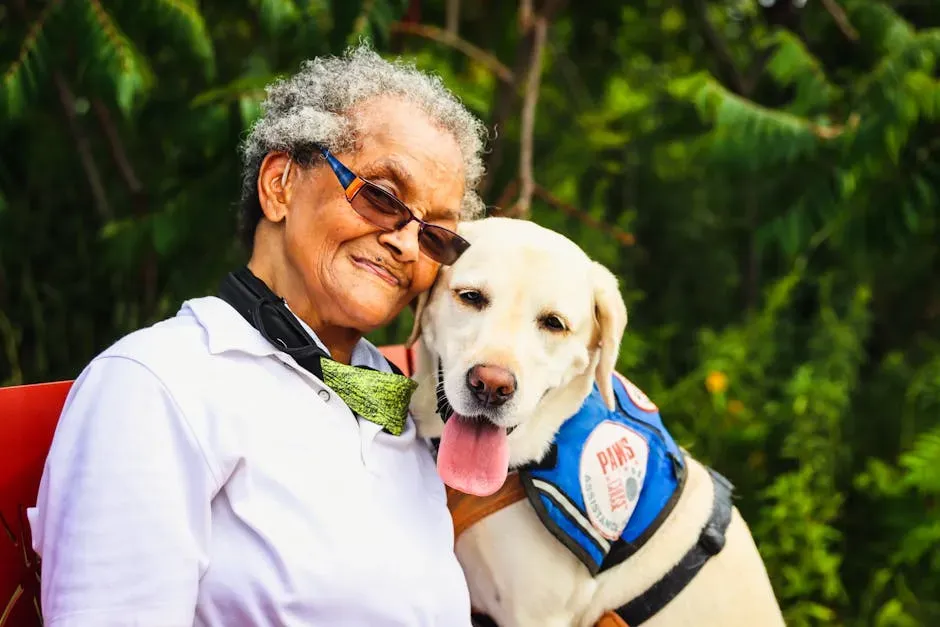
The right dog doesn’t just fill a quiet house. It restructures the day, invites you outdoors, and offers the kind of uncomplicated affection that’s surprisingly easy to take for granted until it’s there. Whether you’re drawn to the serene companionship of a Cavalier, the cheerful energy of a Corgi, or the calm dignity of a Greyhound, the breeds above each offer something genuine.
Pets can make a remarkable difference in the lives of seniors. From offering companionship and emotional support to improving physical and mental health, they enhance seniors’ overall well-being, alleviate feelings of loneliness, and promote a sense of purpose and responsibility.
Finding the right breed is really about finding the right rhythm. The dog that suits your pace, your space, and your personality is the one that will quietly, day by day, make life feel a little fuller. That’s not a small thing at any age.
