
Your dog yelps dramatically when you accidentally step on its paw. You rush over, heart pounding, only to find it wagging its tail ten seconds later. Now imagine a breed that barely flinches at all. It sounds impossible, doesn’t it? Yet some dogs seem almost legendary in their ability to push through physical discomfort, keep working, and show no visible sign of struggle.
Pain sensitivity thresholds genuinely do differ between dog breeds, and veterinarian beliefs about which breeds feel the most or least pain often don’t match what science has actually uncovered. The truth is more layered, more surprising, and more fascinating than most people expect. Some dogs you’d never suspect are remarkably stoic. Others you’d assume are ironclad are actually more sensitive than their tough-looking exteriors suggest. Let’s dive in.
Why Some Dogs Feel Pain Differently Than Others
Here’s the thing: pain tolerance in dogs isn’t just about being “tough.” It goes much deeper. Over many years, consciously or unconsciously, breeders have been selecting dogs in certain breed groups to have reduced pain sensitivity. Think about that for a second. Every hunting dog, working dog, and sledding dog you’ve ever seen carries in its DNA thousands of years of selective pressure toward resilience.
Both veterinarians and the general public believe that genetics is an influential factor in pain sensitivity in dog breeds. Honestly, that makes a lot of intuitive sense. A retriever splashing through icy water to fetch a bird, or a sled dog running for hours across frozen tundra, simply couldn’t function if pain stopped them in their tracks.
If certain breeds experience pain differently due to physiological or genetic factors, treatments could be tailored to improve relief and reduce side effects. This is why the science of canine pain tolerance matters not just for curious dog owners but for every veterinarian treating a dog in their clinic.
The Science Behind the Rankings
Scientists at North Carolina State University carried out a genuinely groundbreaking study that changed how we understand this topic. The study used non-invasive sensory testing on 149 dogs across 10 breeds. They pressed controlled pressure and heat against the dogs’ paws and measured how long each dog tolerated the sensation before pulling away.
The results showed that pain sensitivity thresholds vary by breed and are not fully explained by emotional behavior. Interestingly, veterinarians’ beliefs about breed sensitivity didn’t match the scientific data and instead aligned more with how dogs behaved around a disgruntled stranger, suggesting that fear or anxiety during vet visits may influence perceptions of pain sensitivity.
By confirming breed-specific pain sensitivity thresholds, independent of sex or behavior, the study lays the groundwork for more personalized and effective pain management strategies. Researchers can now investigate the genetic and physiological mechanisms behind these differences, which could lead to improved diagnostic tools and targeted treatments.
Labrador Retriever: The Undisputed Champion
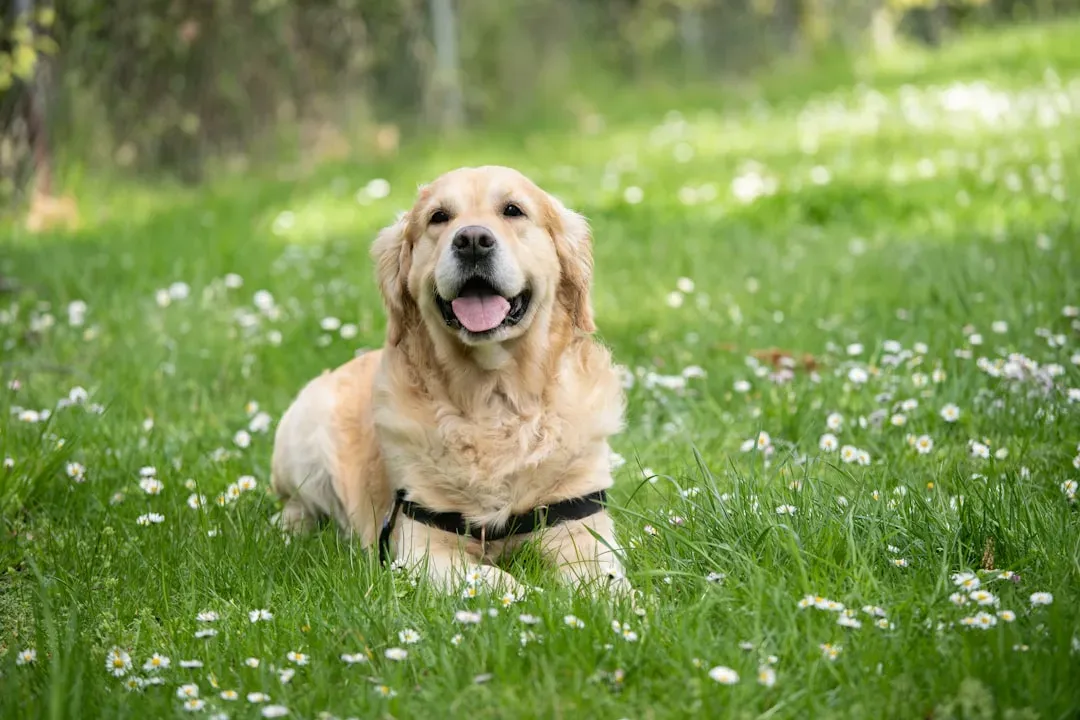
If there’s one breed that science has consistently placed at the very top of the pain tolerance rankings, it’s the Labrador Retriever. Labrador retrievers and golden retrievers were consistently at the top of the pain tolerance rankings, showing a low sensitivity to pain. That’s not an opinion – that’s peer-reviewed data.
The Labrador’s eagerness to please, combined with their history as hunting dogs, often leads them to push through pain to continue working. It’s almost poetic when you think about it. These dogs are built to love their jobs so much that stopping for pain simply isn’t part of their program.
This is also why Labs are used so widely in search and rescue, military detection, and assistance roles. They’ll crawl through rubble, swim through rivers, and work for hours without complaint. Remarkable dogs, honestly.
Golden Retriever: Tougher Than That Fluffy Coat Suggests

Most people picture a Golden Retriever as a soft, gentle family dog. That reputation is completely fair. What’s less appreciated is just how physically stoic they can be. Retrievers must crash through underbrush that may contain brambles and often swim through freezing cold water to retrieve birds. If retrievers were too sensitive to pain, they would probably refuse to do their jobs.
Golden Retrievers ranked alongside Labradors at the highest levels of pain tolerance in the North Carolina State study. They’re also among the breeds that veterinarians correctly predicted would rank high on the tolerance scale. I think that’s one of those rare cases where popular perception and hard science actually agree.
Their calm, happy-go-lucky demeanor can make it dangerously easy for owners to miss signs of pain. Just because they’re not screaming about it doesn’t mean nothing is wrong.
Siberian Husky: The Surprising Middle-Grounder
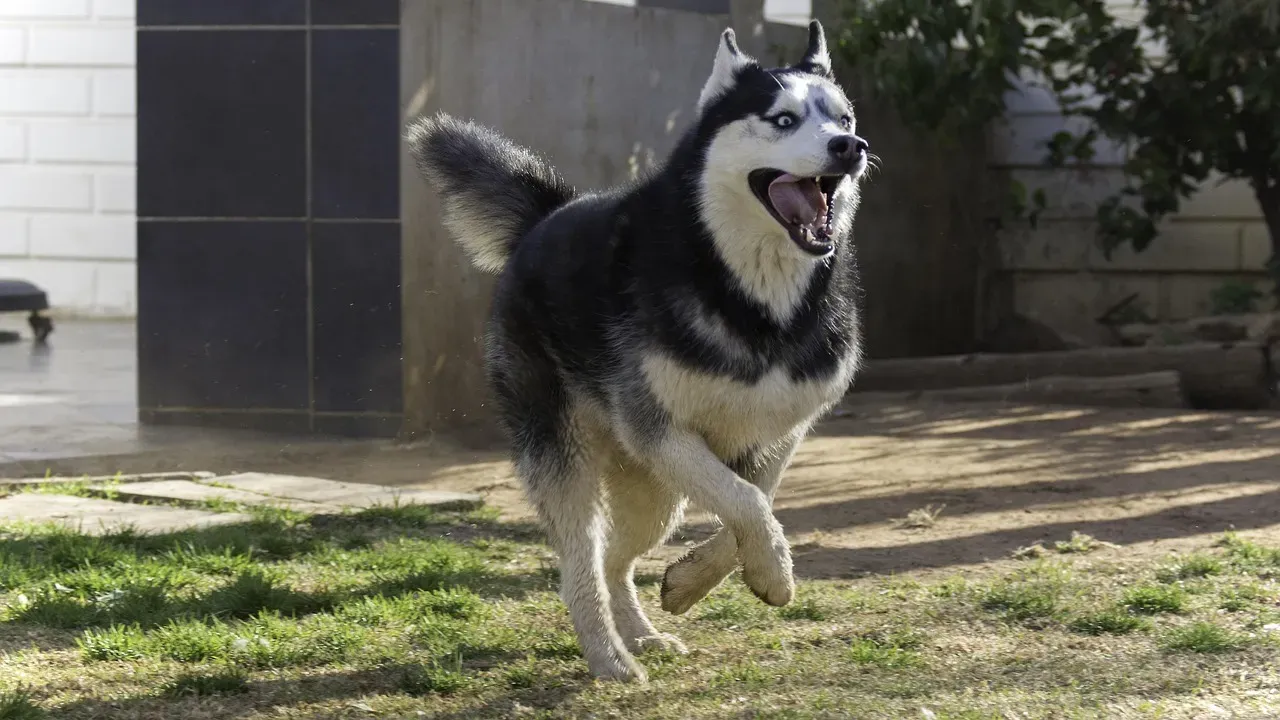
Now here’s where things get genuinely interesting, and maybe a little humbling for the experts. Veterinarians thought Siberian huskies were highly sensitive to pain, but test results placed huskies in the mid-range. That’s a significant disconnect between what professionals assumed and what the data revealed.
Huskies were bred to pull heavy sleds across hundreds of miles of Arctic terrain. Their entire existence as a breed was shaped by endurance and resilience. Siberian huskies, thought to be highly sensitive according to veterinarians, actually fell into the mid-range sensitivity. In fact, several larger breeds considered sensitive by veterinarians exhibited an average-to-high pain tolerance.
Let’s be real: a dog that runs the Iditarod isn’t fragile. The husky’s reputation as sensitive probably has more to do with their dramatic personality and vocal expressiveness than with how much pain they actually feel.
German Shepherd: Built for Duty, Built for Endurance
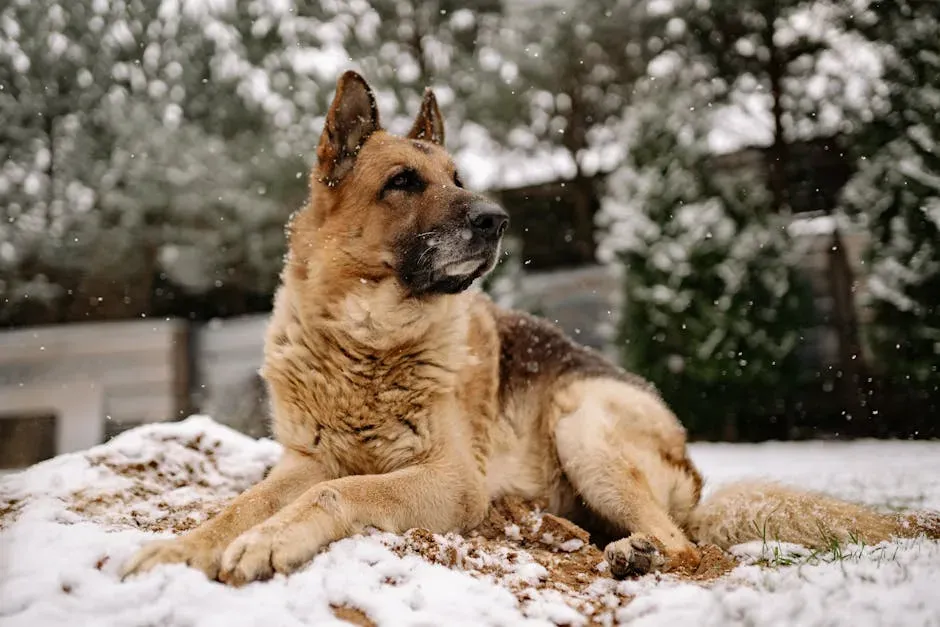
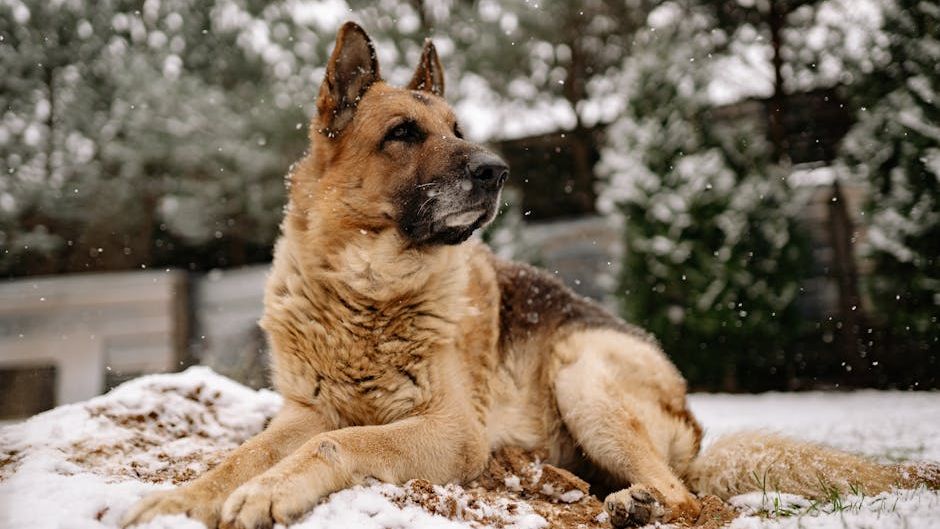
German Shepherds are perhaps the most iconic working dog on the planet. They serve in military units, police forces, and search and rescue teams globally. Their capacity to work through injury and discomfort in high-stakes situations is the stuff of legend.
The German Shepherd was rated as significantly less sensitive to pain by the general public respondents than by veterinarian respondents. So the public, interestingly, had a clearer picture of the German Shepherd’s true toughness than many professionals did.
Their drive and trainability are so intense that German Shepherds often continue working even when they are hurting. This is both a testament to their remarkable dedication and a serious caution for owners and handlers who may not notice an injury until it’s become severe.
Alaskan Malamute: The Powerhouse of the Frozen North
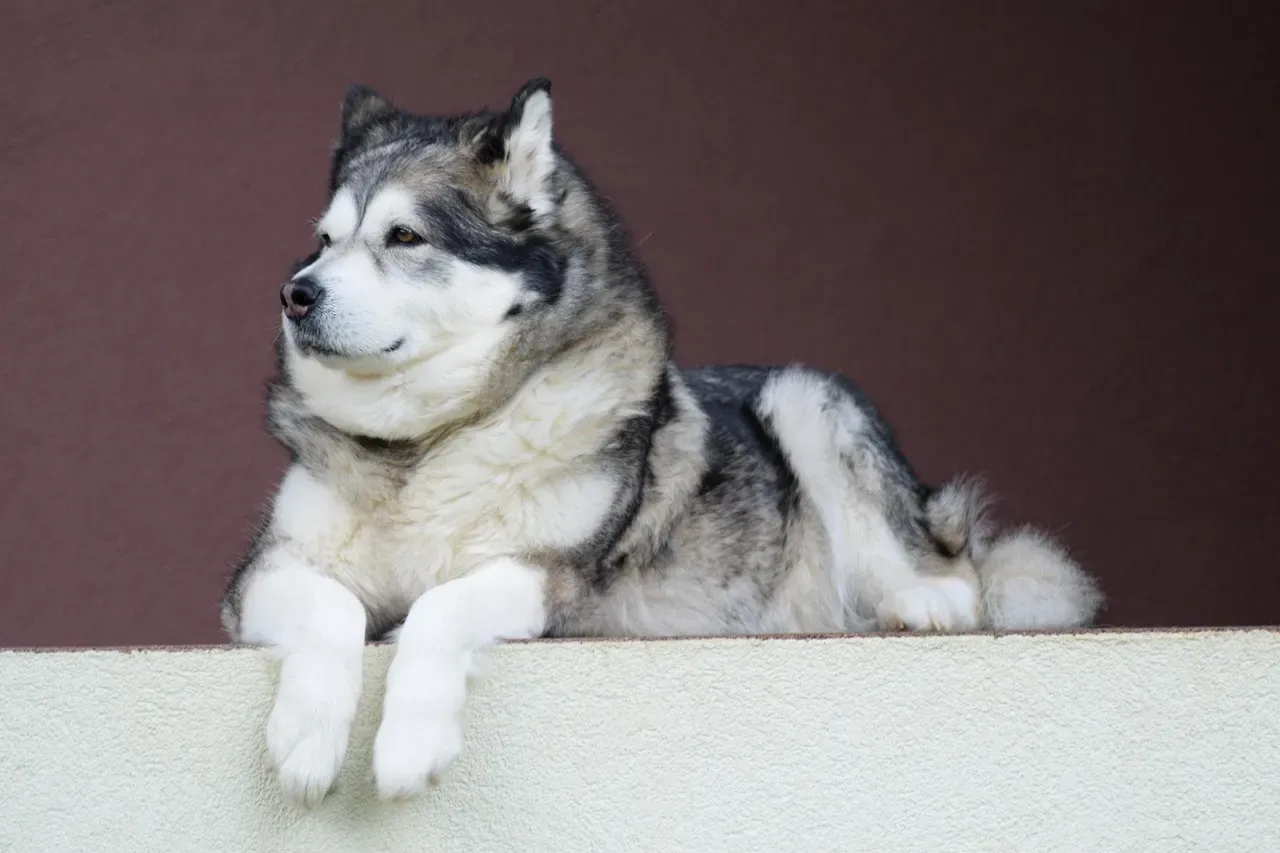
The Alaskan Malamute is one of the oldest Arctic sled breeds, originally developed by the Mahlemut people of Alaska. These dogs hauled freight, not just light sleds, across some of the most brutal terrain on earth. That kind of history leaves its mark on a breed’s biology.
Breeds like Alaskan Malamutes are often cited due to their breeding history and demonstrated resilience in demanding physical activities. They carry a physical and mental toughness that’s deeply embedded after thousands of years of hard work in extreme conditions.
Malamutes are extraordinarily strong, stoic, and independent. They’re also notoriously good at hiding discomfort, which means owners need to be especially observant. A Malamute limping slightly is probably in more pain than it’s letting on.
Rottweiler: Confidence Mistaken for Toughness
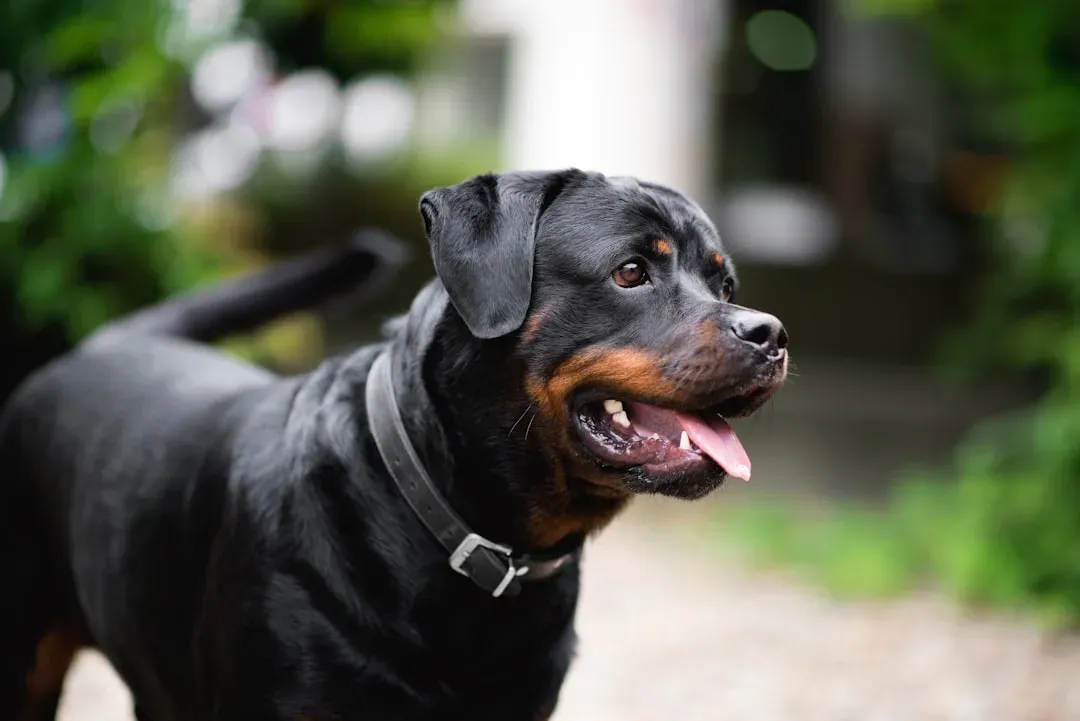
The Rottweiler has one of the most misunderstood reputations in the dog world. People often associate this breed’s calm, steady confidence with an ability to simply not feel much. The reality is more nuanced. Rottweilers were historically working dogs used to herd livestock and pull carts, demanding not just strength but considerable physical endurance.
Many dog professionals feel that certain breeds require reduced sensitivity to pain to do their jobs, and guard dogs are among the most commonly cited examples. Rottweilers fit squarely into this category. Their unflinching nature around physical stress made them valuable guard and working dogs for centuries.
Their stoic temperament can genuinely mislead owners. A Rottweiler showing mild behavioral changes could be in significant pain. Always take those subtle signals seriously.
Belgian Malinois: The Military’s Favorite for a Reason
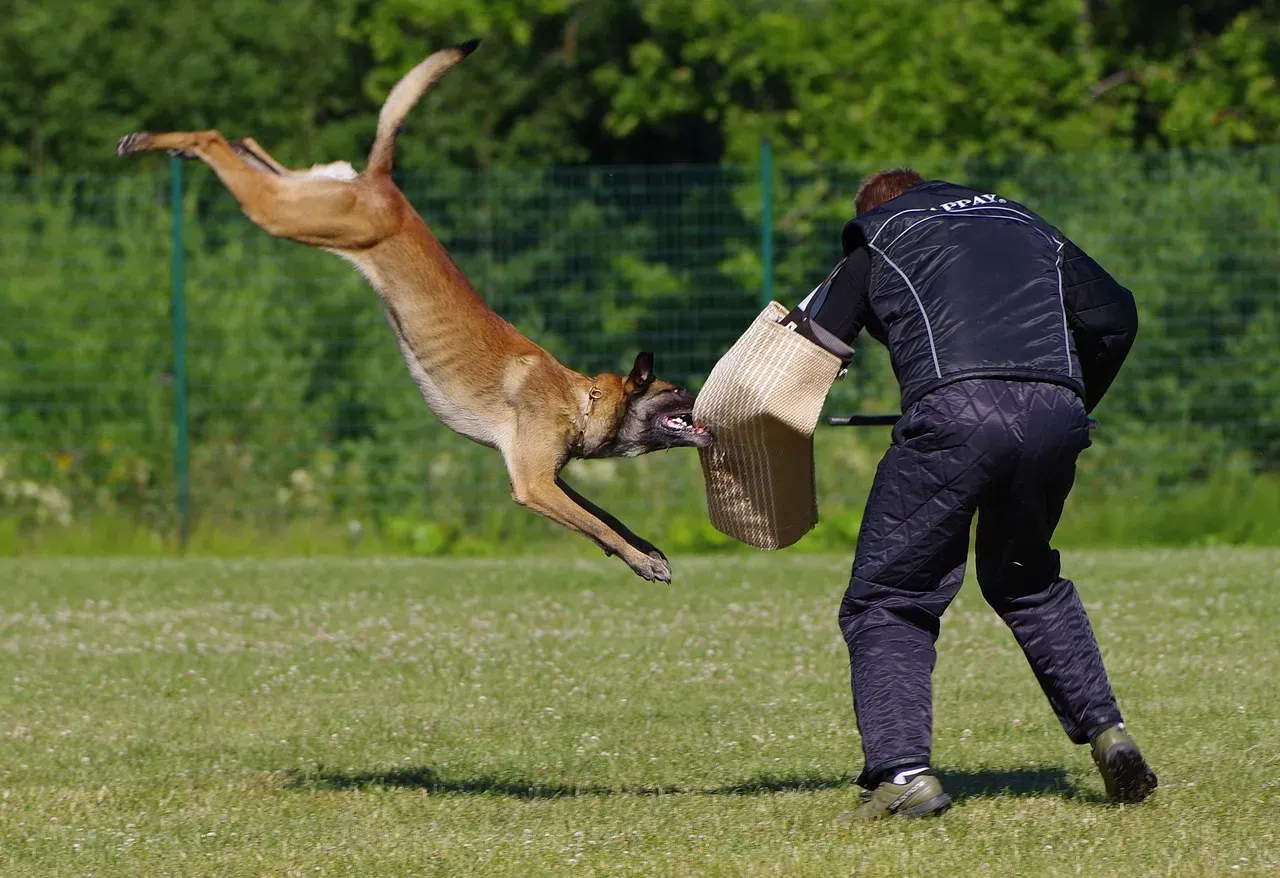
If you’ve ever seen footage of military or police K-9 units in action, there’s a strong chance you were watching a Belgian Malinois. Belgian Malinois are intelligent, athletic dogs with a high drive to please their owners, making them an excellent fit for law enforcement agencies and the military.
Their pain tolerance isn’t incidental. It’s practically a job requirement. Malinois are deployed in active combat situations, expected to bite, chase, search, and sometimes sustain injury while continuing to perform. Their ability to work through physical stress is almost unnerving.
I think the Malinois might be the most intense dog breed on earth. They’re not pets for the average household, and that same relentless drive that makes them ignore pain is also what makes them extremely demanding to own.
Boxer: The Clown with a Cast-Iron Constitution

Boxers don’t exactly look like the brooding, stoic type. They bounce around with goofy energy, they make ridiculous faces, and they’ll practically knock you over with their enthusiasm. Yet beneath all that silliness is a dog that was historically bred for physically demanding work and, yes, combat sports.
While skin thickness does differ in different breeds, the relationship is not strictly driven by size and no correlation has been shown between skin thickness and body weight. For example, the skin thickness of a Boxer is the same as a Great Dane. That’s a fascinating detail that upends a lot of common assumptions about how dog size relates to physical toughness.
Boxers have strong, muscular builds and a history of resilience that goes hand in hand with their working heritage. Their playful exterior hides a surprisingly robust constitution.
Jack Russell Terrier: Small Dog, Enormous Grit
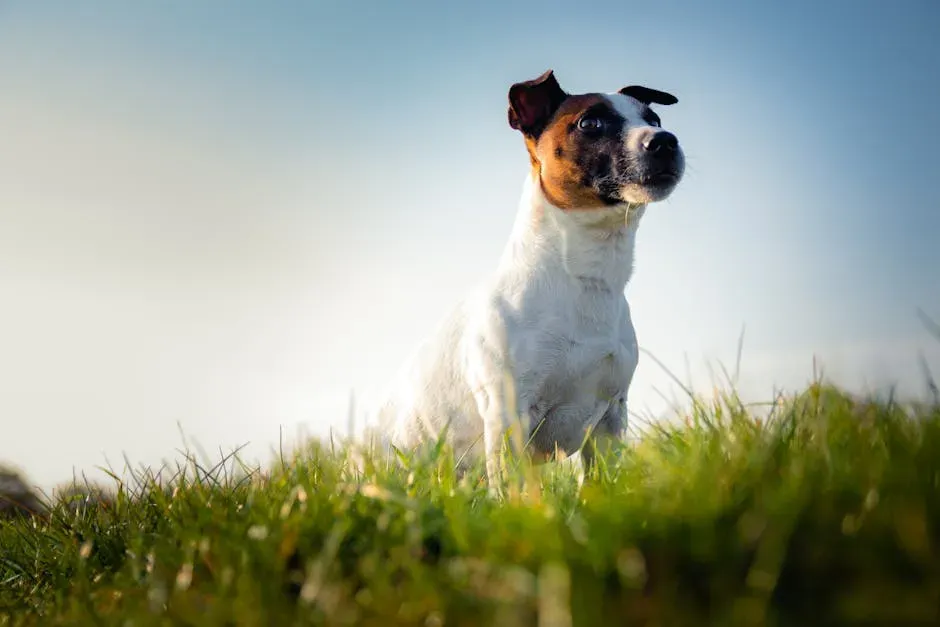
Here’s one that might genuinely surprise you. The Jack Russell Terrier was included in the North Carolina State pain sensitivity study as a breed with average sensitivity. Jack Russell terriers were among breeds rated by veterinarians as having average pain sensitivity. Average, sure, but what makes these tiny dogs remarkable is how their pain tolerance functions relative to their size and the danger they routinely faced.
Jack Russells were bred to hunt foxes underground. Think about that. They would chase prey into tight burrows, sometimes sustaining bites and scrapes in complete darkness, and keep going. A dog that collapses at the first sting of a bite doesn’t survive that kind of work.
Their fiery temperament isn’t just personality. It’s a survival trait, finely tuned by generations of tough work. Don’t let their small size fool you even slightly.
Doberman Pinscher: Athletic, Alert, and Resilient
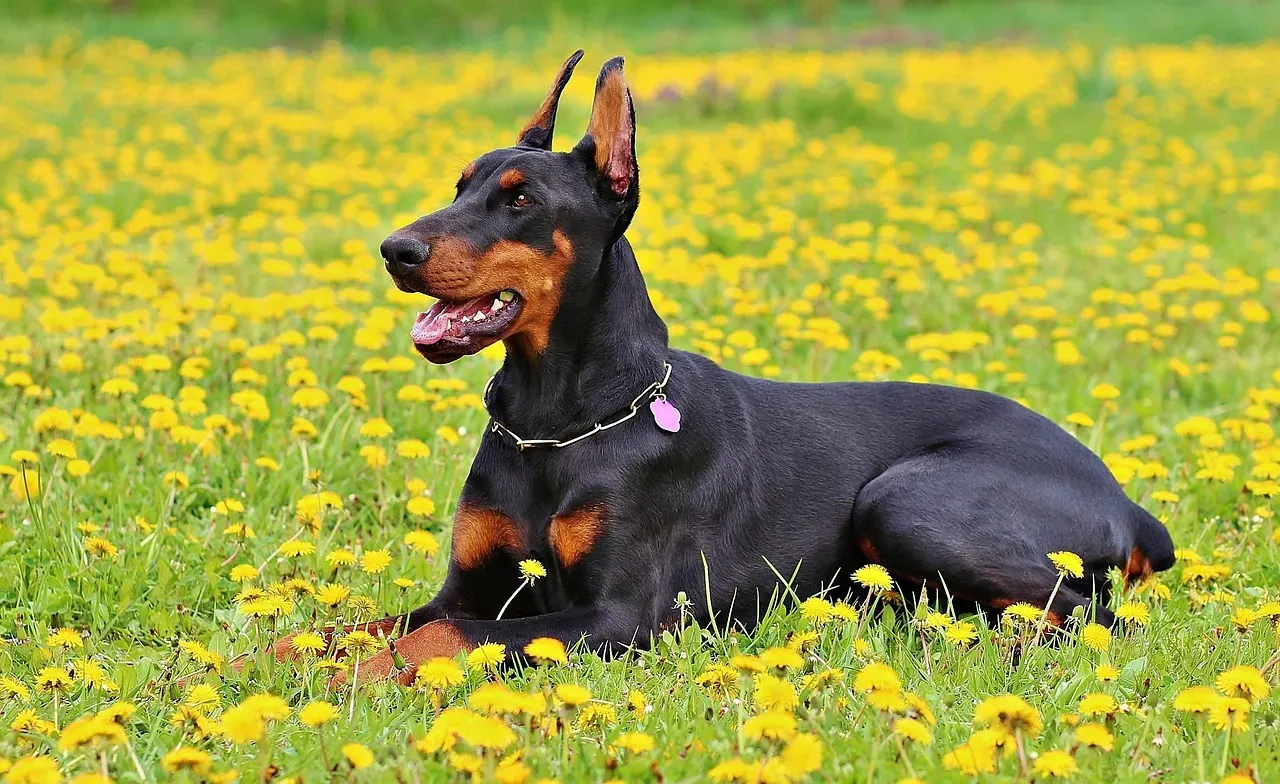
The Doberman is another breed whose reputation often outruns the truth. Developed in the late 19th century specifically as a guard and protection dog, the Doberman needed to be physically and mentally tough enough to face confrontation without hesitation.
Many dog professionals feel that certain breeds require reduced sensitivity to pain to do their jobs, and guard dogs are among the most commonly cited examples. The Doberman’s entire breeding purpose demanded that it not flinch from physical confrontation. That selective pressure over generations shaped a breed with impressive endurance.
Their sleek build and alert demeanor can make pain signs hard to spot. Dobermans are not dramatic about discomfort. They carry it quietly, which is why regular veterinary check-ins are so critical for this breed.
Border Collie: A Working Dog That Doesn’t Know When to Quit
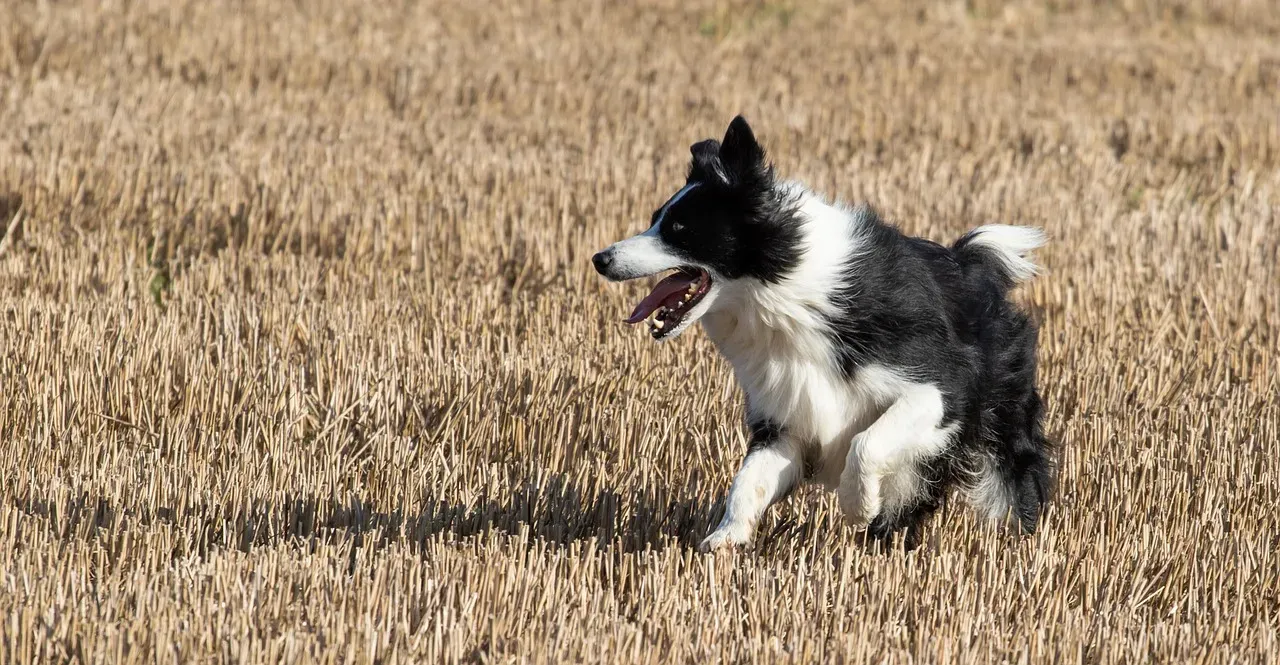
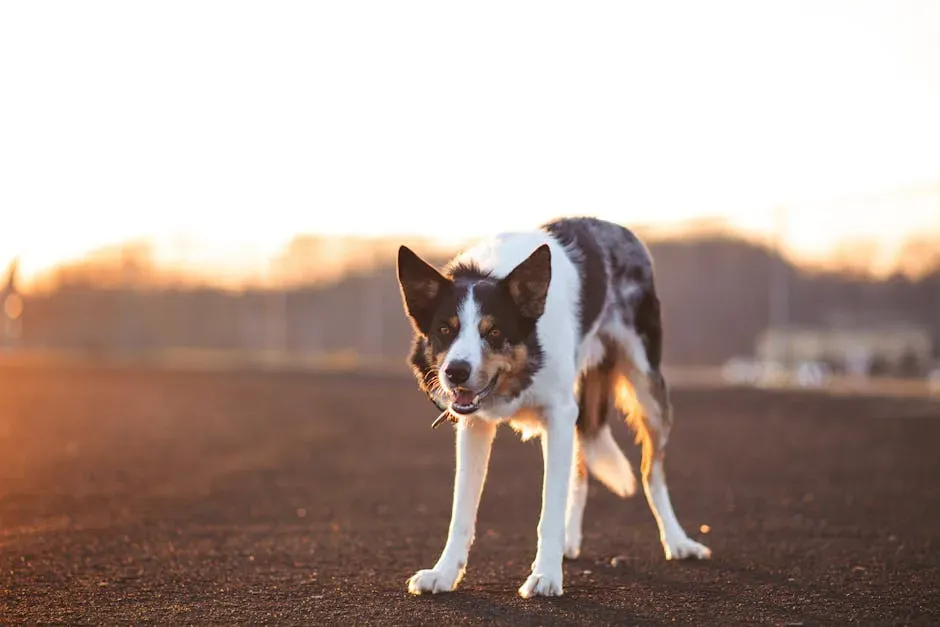
Border Collies are classified in the average pain sensitivity range, but their relationship with physical endurance tells a deeper story. Herding dogs do not come across similar difficulties involving painful stimuli in the way working or hunting breeds do. Still, the Border Collie’s legendary work ethic means they’ll run and herd for hours on end, often through rough terrain, without stopping.
The problem with Border Collies isn’t that they can’t feel pain. It’s that their working drive overrides it. They’re the workaholics of the dog world. Think of them as the colleague who comes to the office with a cold and insists they’re fine while clearly running a fever.
The study highlights the importance of considering a dog’s anxiety and emotional well-being during veterinary visits, as these factors can influence how pain is perceived. For a breed as wound-up and alert as the Border Collie, anxiety at the vet can absolutely distort a pain assessment.
American Staffordshire Terrier: Tougher Than the Myth
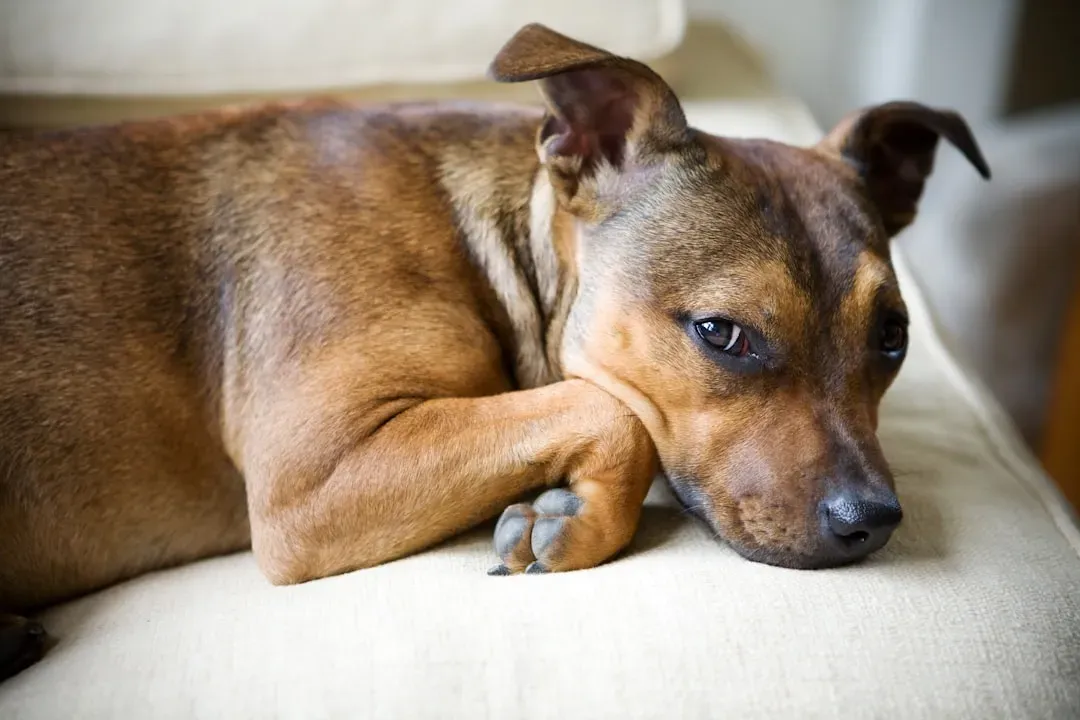
The American Staffordshire Terrier carries a lot of baggage, most of it unfair. One persistent myth is that these dogs have some kind of extraordinary, supernatural pain tolerance. The science is more measured than that. The pitbull group, represented by breeds like the American Staffordshire Terrier, was rated by veterinarians as having low pain sensitivity, meaning high pain tolerance.
The Staffy is a muscular, determined, athletic dog with a historically demanding working background. Their physical resilience is real, but it’s comparable to other working breeds. They feel pain just like any other dog.
If no true physiological differences exist, assumptions based on breed behavior or temperament could lead to misdiagnosis or inadequate care. Dogs seen as “tough” might not receive the pain relief they need. This is the danger with any breed reputation for toughness. It can lead to genuine harm if owners and vets assume the dog is fine when it isn’t.
Akita: The Quietly Stoic Guardian
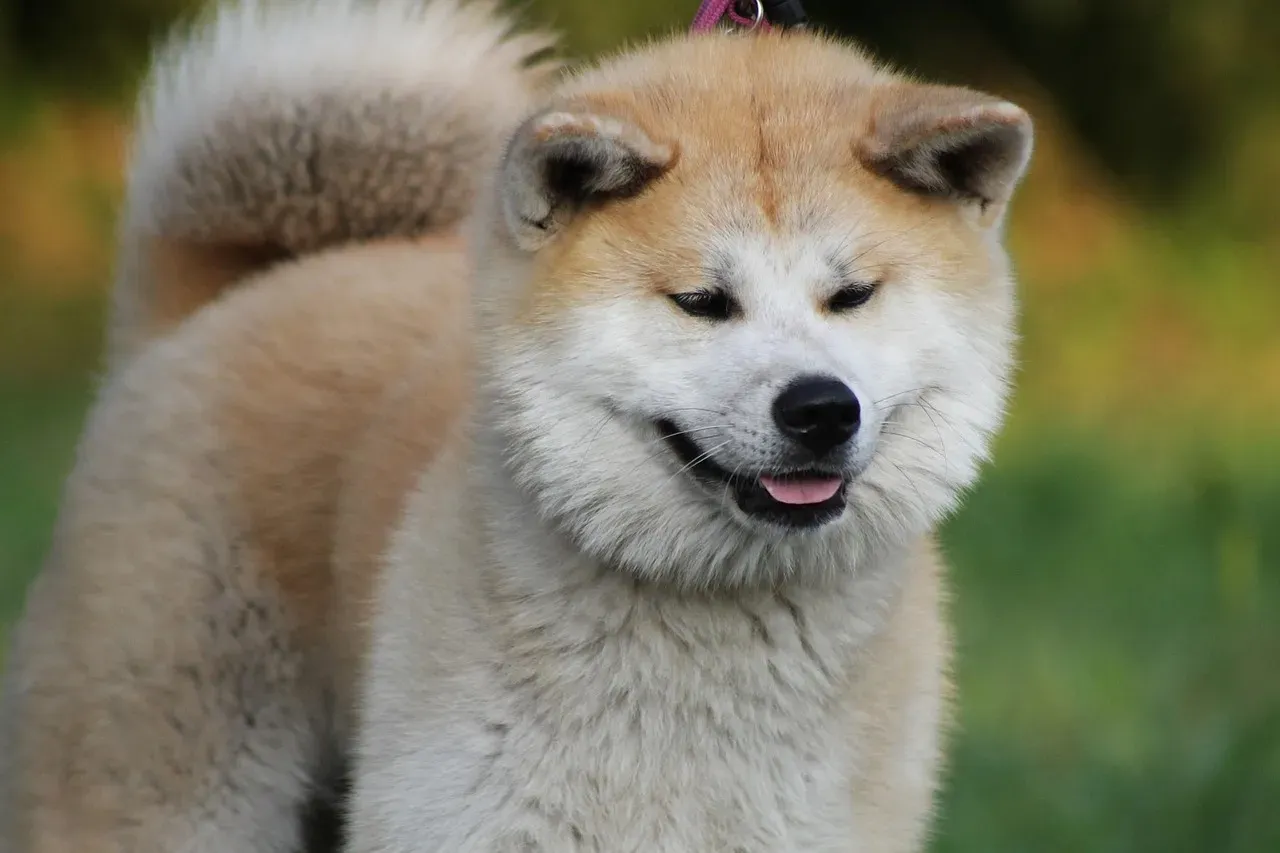
The Akita is a breed of profound dignity and reserve. Originating in Japan as a hunting dog capable of taking down bears and wild boar, this is not a breed designed for comfort. Their physical demands were extreme, and their pain tolerance reflects centuries of that selection.
Some neuroanatomical networks in specific brain regions are substantially different between breeds, correlating significantly with different behavioral specializations, such as the somatosensory cortex related to sensation and perception. This is genuinely fascinating. The Akita’s stoic behavioral profile may be linked to actual neurological differences in how pain signals are processed.
Akitas are famously loyal and notoriously private about their discomfort. They don’t ask for sympathy. An Akita that finally shows obvious signs of pain is probably dealing with something serious that has been building for a while.
Catahoula Leopard Dog: The Overlooked Endurance Machine
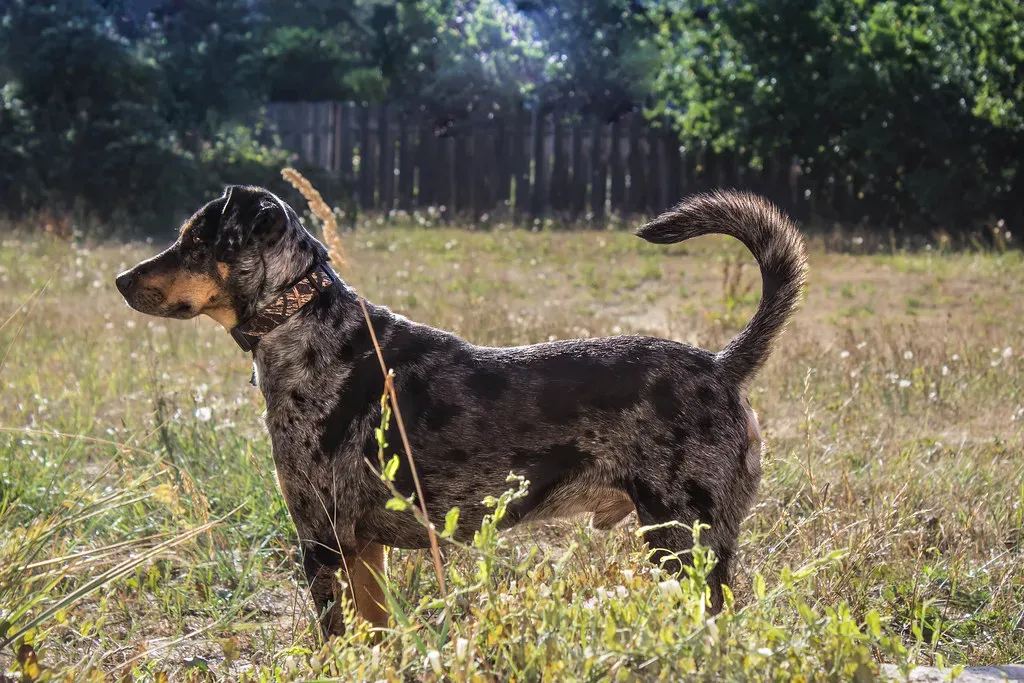
The Catahoula Leopard Dog is one of America’s most unique and most underappreciated working breeds. Developed in Louisiana to hunt wild boar, a notoriously dangerous and aggressive prey animal, these dogs needed physical toughness as a basic survival requirement.
Over many years, breeders have been selecting dogs in certain breed groups to have reduced pain sensitivity, whether consciously or unconsciously. The Catahoula is a perfect example of this natural selection at work. A dog that bails on a wild boar hunt because of a scratch has a short working career.
They’re not commonly found in clinical pain studies, but their working history and field reputation among hunters speak clearly. These dogs have an almost alarming capacity to push through physical hardship, which means attentive ownership is not optional – it’s essential.
Conclusion: What This Means for Every Dog Owner

Here’s the honest takeaway from all of this. A high pain tolerance in a dog isn’t a superpower. It’s a double-edged trait that evolved to serve a functional purpose but can become a serious liability for owners who aren’t paying attention.
Findings from pain sensitivity research could lead to more personalized and effective pain management for dogs. Differences in pain sensitivity between dog breeds could have a major impact on how veterinarians diagnose and manage pain. Science is finally catching up to what breeders and hunters and sled drivers have known for generations: not all dogs experience pain the same way.
A high pain tolerance doesn’t mean the dog doesn’t feel pain, just that they can withstand more of it. Look for subtle changes in behavior such as lethargy, loss of appetite, reluctance to move, excessive licking, whimpering, or aggression when touched.
Loving a stoic breed means learning to read between the lines. The dog that silently keeps going might be the one that needs your attention the most. So ask yourself honestly: do you really know when your dog is hurting?
