
Most people know about bison roaming Yellowstone or grizzlies prowling through Alaska. These iconic animals have become synonymous with American wilderness, gracing postcards and documentaries for decades.
Yet the United States harbors some of the most peculiar creatures you’ve never heard of. From salamanders as long as your arm to wild cats small enough to fit in a backpack, these animals exist quietly across the country. Some have been here for millions of years while others arrived through strange historical accidents.
They’re not always easy to spot, which explains why they remain relatively unknown. What surprises await when we look beyond the usual suspects?
Hellbender: The Giant Salamander Hiding in Appalachian Rivers
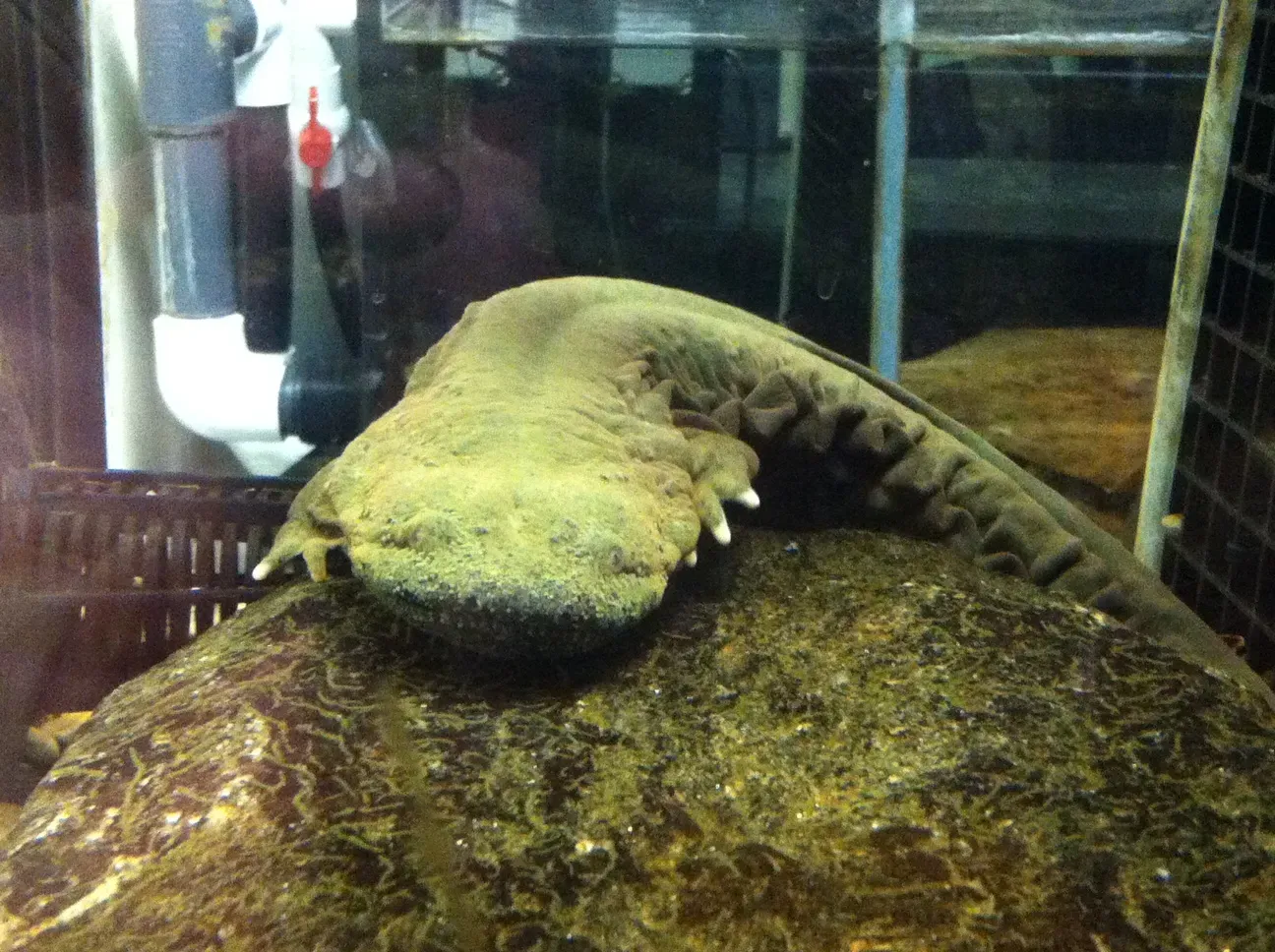
This giant salamander species lives exclusively in the northeastern United States, primarily in the rivers and streams flowing in and out of the Appalachian Mountains, with some specimens measuring up to 29 inches in length. They look like creatures from a prehistoric age rather than modern waterways.
The hellbender, also known as the hellbender salamander, is a species of aquatic giant salamander endemic to the eastern and central United States and is the largest salamander in North America. Despite their fearsome name and appearance, these wrinkled, mud-colored amphibians are harmless. They spend their entire lives underwater, breathing through folds in their skin rather than lungs.
Ringtail: The “Miner’s Cat” That Isn’t a Cat
The ringtail is a species in the raccoon family with a range spanning all the way from Louisiana and Arkansas to California and southern Oregon in the US, and is known by many names such as the ring-tailed cat, miner’s cat, civet cat, and cacomistle. Here’s the twist: it’s not a cat at all.
Its scientific name means ‘clever little fox’ in Latin, and its face is similar in shape to a fox’s, with long whiskers and black fur around its eyes, while its tail is about the same length as its body and is ‘ringed’ by black and white stripes. These nocturnal creatures are rarely seen because they spend daylight hours tucked away in rocky crevices or high in trees. Their oversized eyes give them an almost cartoon-like appearance that seems out of place in the Arizona desert.
Island Fox: The Tiny Predator of California’s Channel Islands
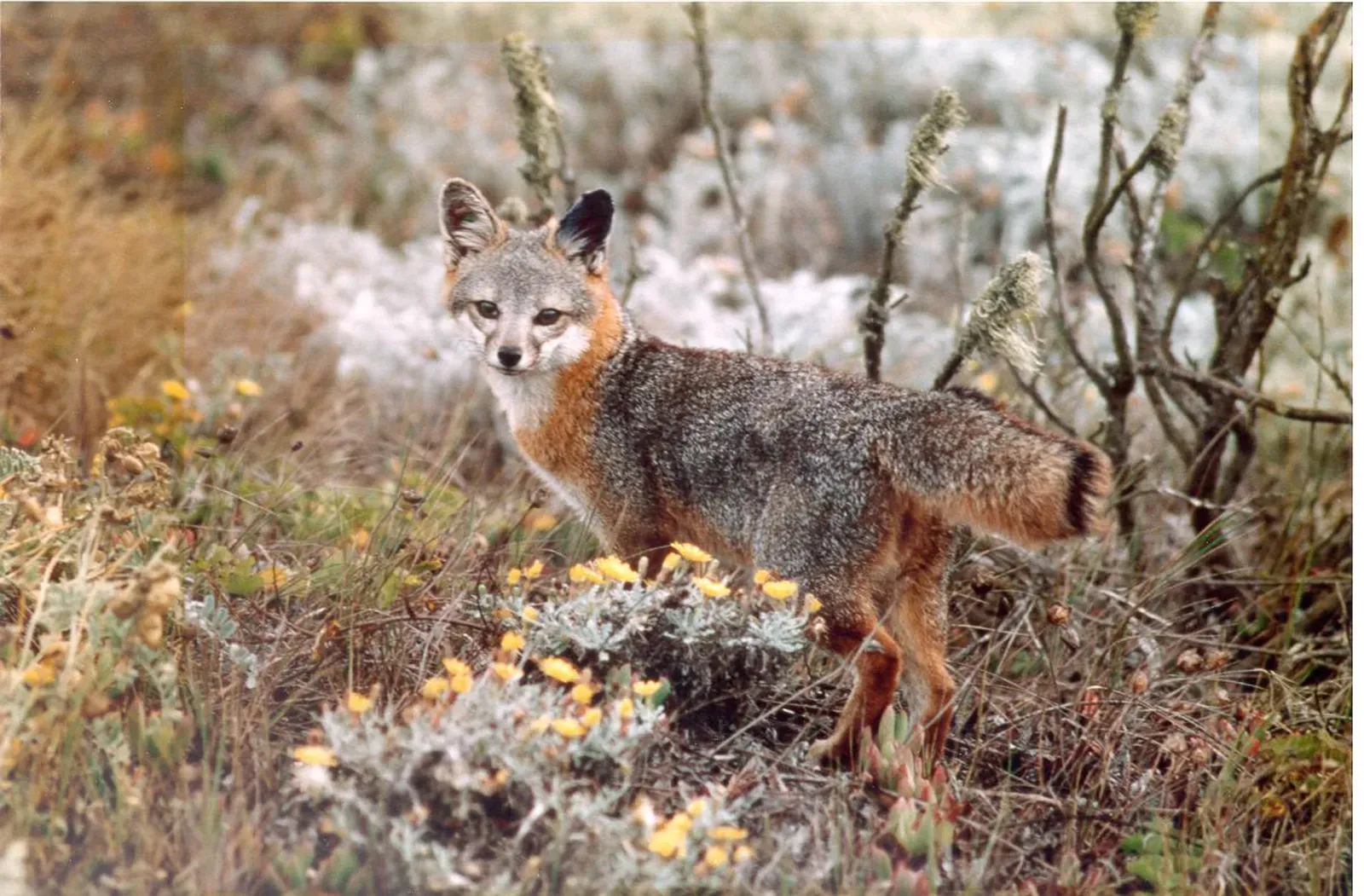
Palm-sized and almost too adorable, the island fox lives only on California’s Channel Islands, making it one of the rarest mammals in North America despite its recent recovery, as populations were nearly wiped out in the 1990s by disease and golden eagle predation but have bounced back thanks to intensive conservation. They exist nowhere else on Earth.
Each island hosts a slightly different subspecies that evolved in isolation. These foxes are about the size of a house cat and have adapted to survive on limited resources. Ferries to the Channel Islands occasionally treat visitors to sightings of these curious animals, especially during early morning hikes.
Gila Monster: America’s Only Venomous Lizard
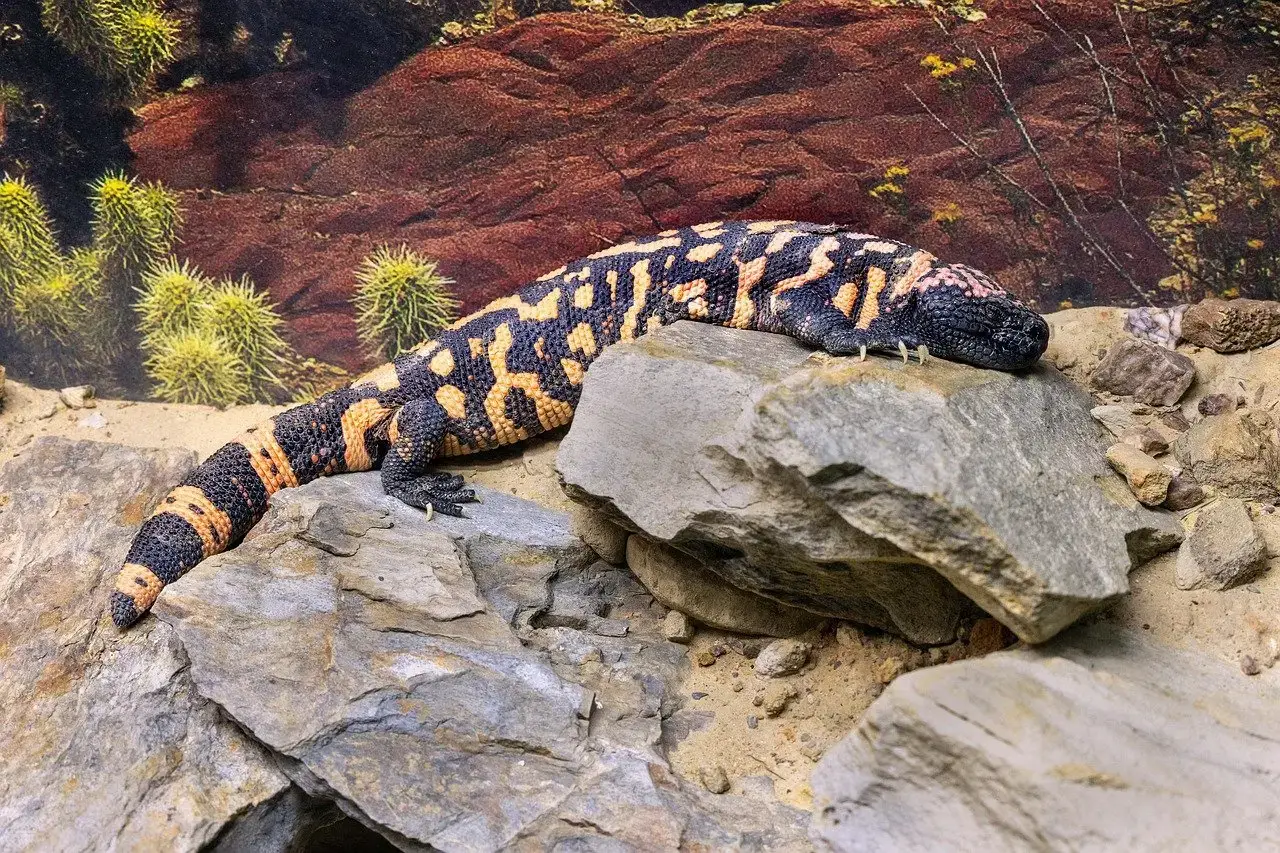
The only venomous lizard native to the United States, the Gila monster is adapted to life in harsh desert conditions. Their striking orange and black beaded skin serves as a warning to potential predators.
The Gila monster is the largest lizard species in the United States, growing up to 22 inches in length and native to the Mojave Desert region in the American Southwest, and can be found in Grand Canyon and Saguaro National Parks. Despite their venomous reputation, these slow-moving reptiles rarely bite humans unless threatened. They spend roughly ninety-five percent of their lives underground in burrows, emerging primarily during cool morning hours to hunt.
Black-Footed Ferret: The Ghost of the Prairies
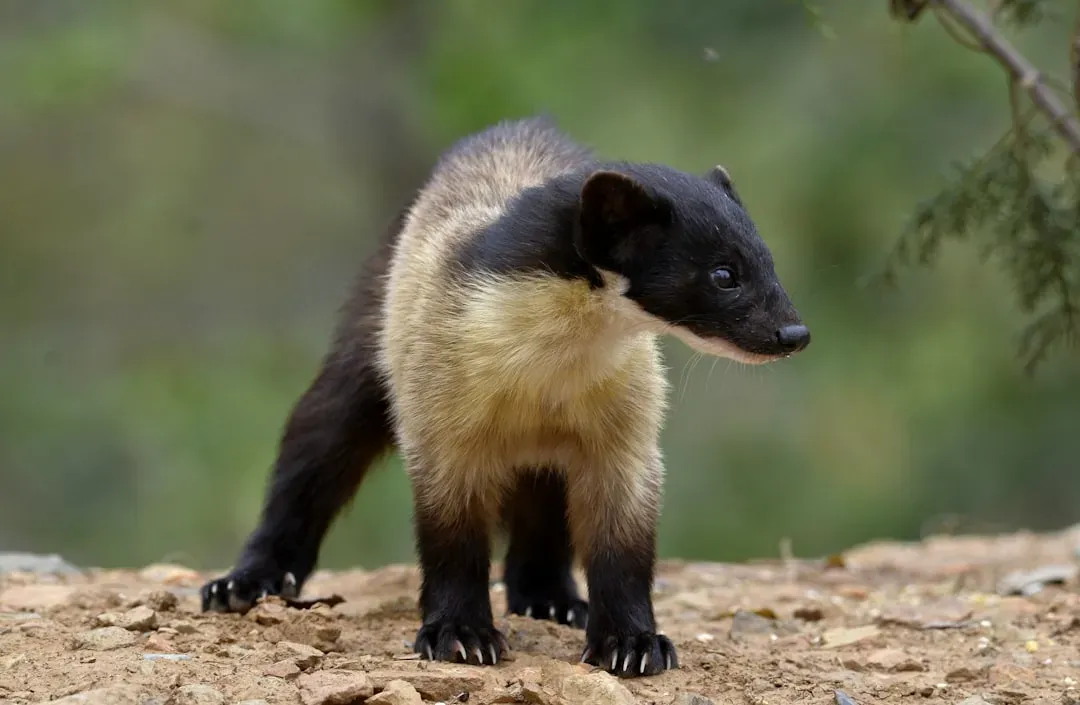
Black-footed ferrets are the only species of the ferret that native to North America and once they considered extinct, but they reintroduced by captive breeding programs, and still, they are very few in numbers. Their survival story reads like a miracle.
These animals are the only ferret species unique to North America, sometimes living in abandoned prairie dog burrows, which is convenient because they eat prairie dogs, and prairie dogs are the main element in their diet. Spotting one in the wild requires incredible luck and patience. Night drives through protected prairie ecosystems like Badlands National Park offer the best chance, though many wildlife enthusiasts spend years searching without success.
Jaguarundi: The Mini-Cougar of South Texas
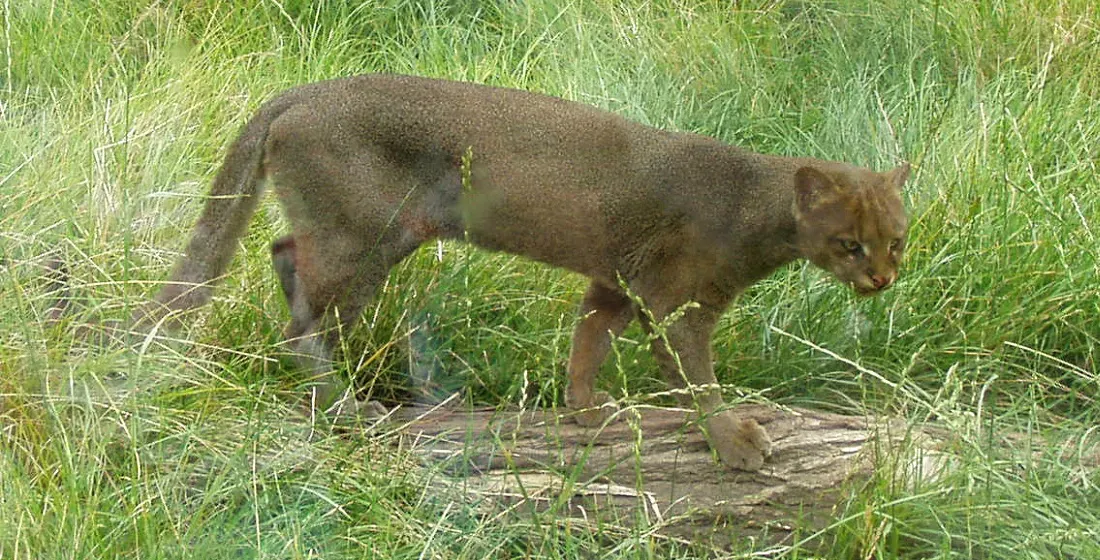
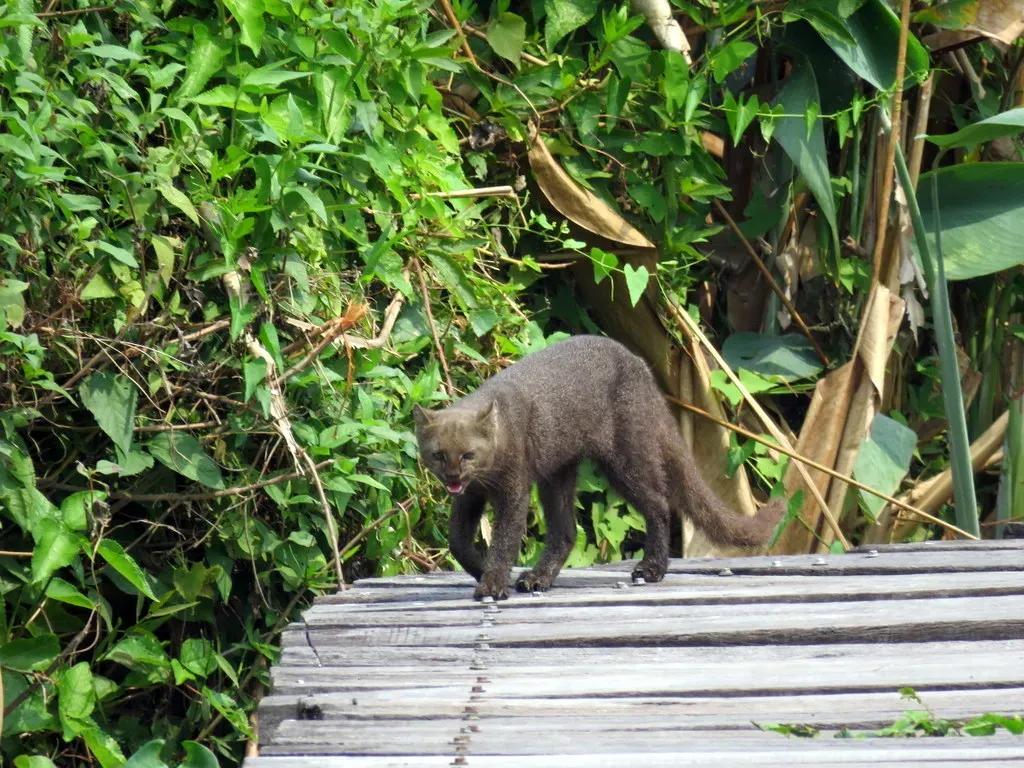
The jaguarundi is hardly an apex predator at 30 inches from snout to tail, hunting small rodents, and though common in Central and South America, jaguarundi are limited to a small population of the Gulf Coast subspecies in Texas. Their sleek, weasel-like bodies and uniform coloring make them look nothing like their big cat relatives.
These elusive felines occupy dense brushland where they’re nearly impossible to spot. Their closest relative is actually the mountain lion, making them more of a mini-cougar than anything else. Habitat destruction threatens their already limited Texas range, pushing them toward a future as uncertain as their present.
Luna Moth: The Week-Long Wonder
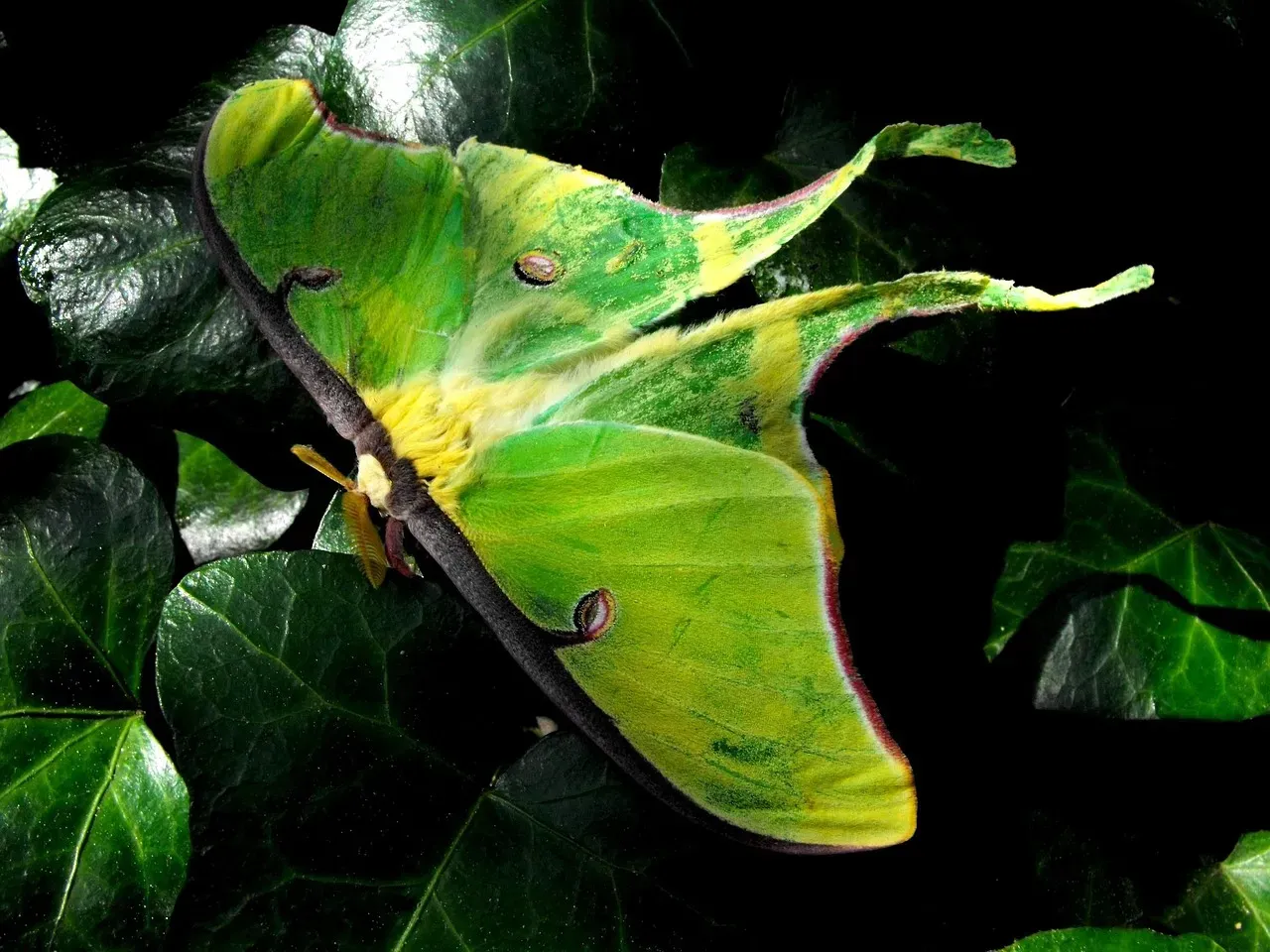
Luna moth is a strikingly beautiful moth found only in North America, inhabiting deciduous woodlands of United States, Southern Canada, and Northern Mexico, and is a large moth with a wingspan of 4.5 inches with broad, bright green colored wings. Their ethereal appearance seems almost otherworldly.
Luna moths are nocturnal, typically only seen when attracted to porch lights at night, and adult Luna moths only live for about a week, given that they don’t have mouths. That’s right – no mouths. Adult luna moths exist solely to reproduce, living off energy stored during their caterpillar stage. Their long, elegant tail streamers and pale green wings make nighttime encounters feel magical.
Alligator Gar: The Prehistoric Giant Fish
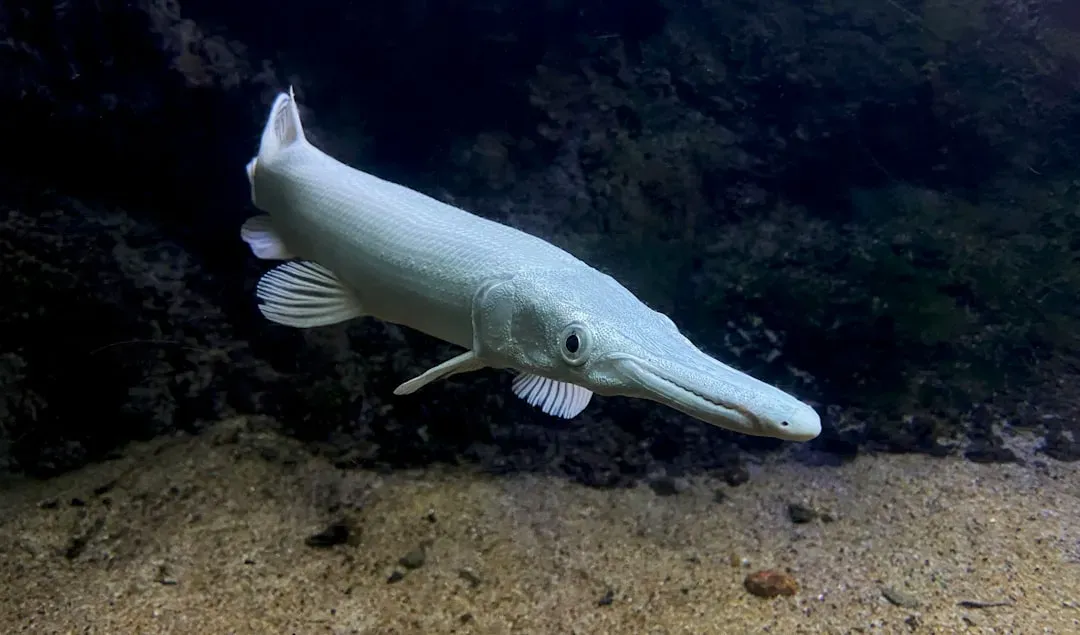
A giant fish that can reach over eight feet with sharp teeth, the alligator gar is a fearsome beast, mostly ranging in southern states with connections to the Gulf of Mexico, and can currently be found as north as Mississippi. Their appearance hasn’t changed much in millions of years.
The gar retains many primitive features from Cretaceous ancestors, including the ability to breath air if needed, with sharp, rigid scales covering the body of the fish, and even has a digestive system shared by sharks but not widely seen in other fish families. They’re living fossils lurking in murky southern waters. Anglers who hook one never forget the experience – these fish put up legendary fights.
Utah Prairie Dog: The Smallest of Its Kind
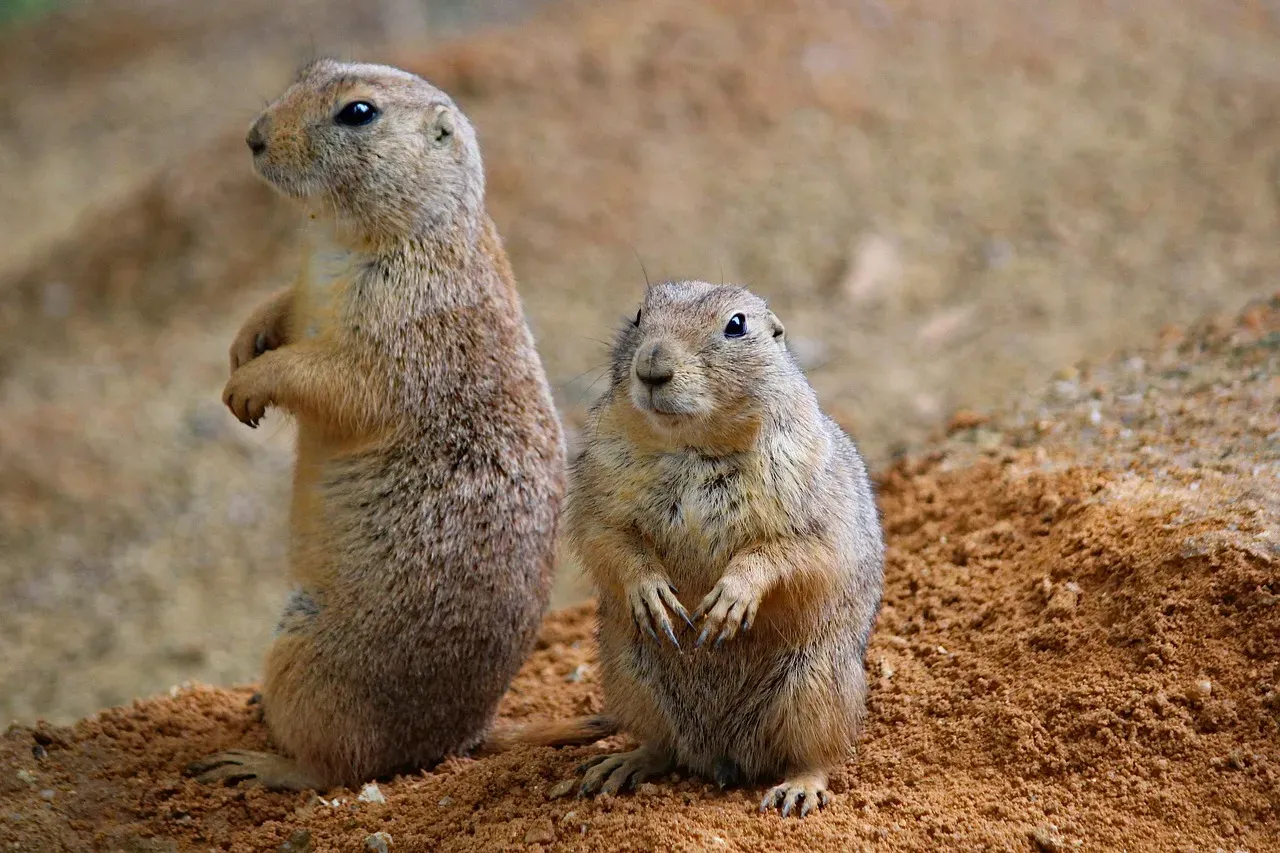
The Utah Prairie Dog is the smallest species of prairie dog in the world, and can only be found in a select region of southern Utah. Their limited range makes them one of the rarest mammals in the country.
Often living in colonies that can number in the thousands these animals hibernate for most of the winter in their burrows, usually emerging after February, and are mainly herbivores, feeding mainly on various seeds, grasses, and flowers found in the prairie/desert environment, though they have also been occasionally observed eating the occasional insect. Ranching activities have squeezed their habitat into an increasingly small area. Conservation efforts struggle to balance agricultural interests with species survival.
Olympic Marmot: Washington’s Whistling Rock Dweller
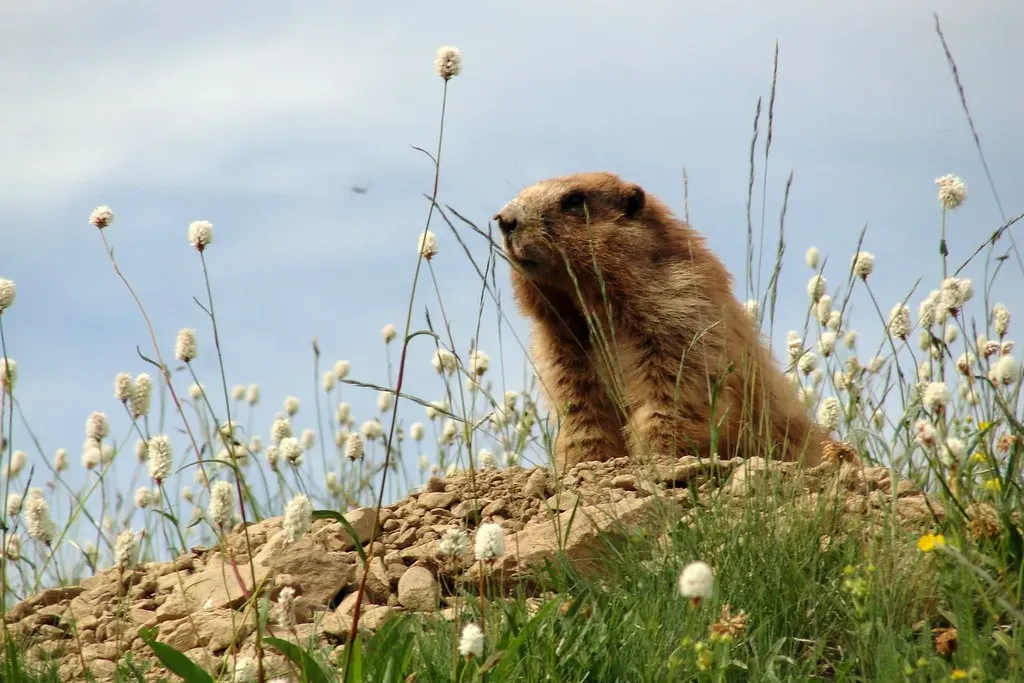
The Olympic Marmot is a fascinating mammal endemic to the Olympic Peninsula in Washington State, known for its whistle-like call and striking cinnamon-brown fur, and is a common sight along the many hiking trails in Olympic National Park. Their high-pitched alarm calls echo across alpine meadows.
With a diet consisting mainly of grasses, herbs, and flowers, the Olympic Marmot is well-adapted to its alpine habitat, living in colonies and hibernating during the winter months, emerging in spring to breed and forage. These social animals sunbathe on rocky outcrops, seemingly unconcerned by passing hikers. Their isolation on the Olympic Peninsula means they’ve evolved separately from other marmot species for thousands of years.
Red Wolf: America’s Rarest Wolf
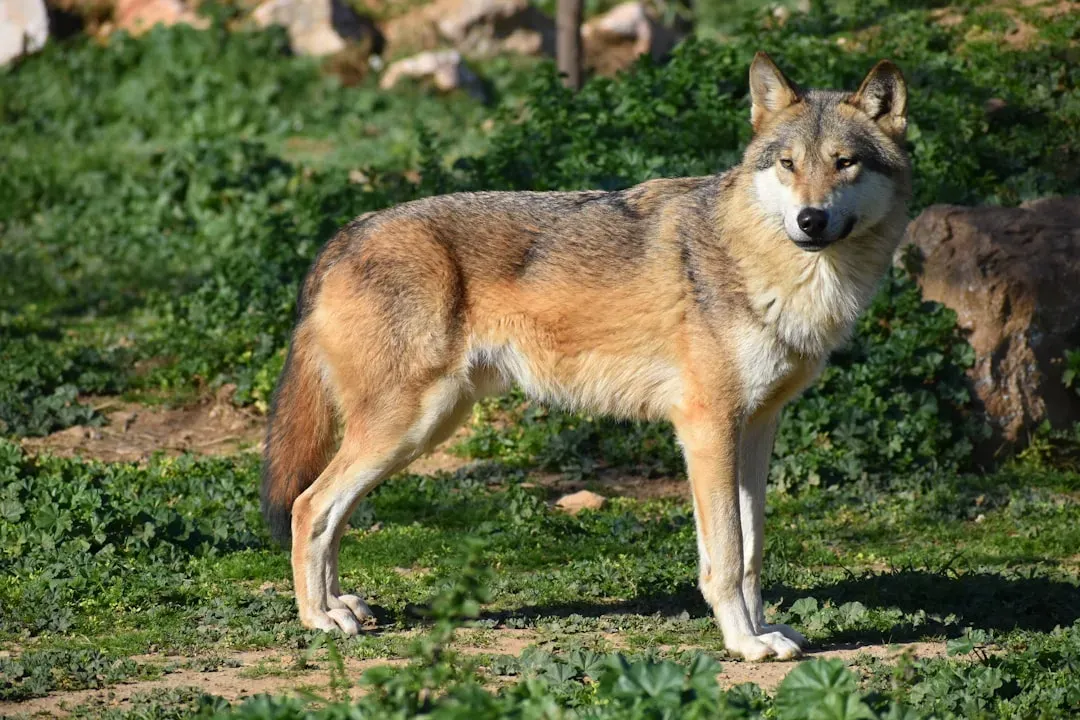
The red wolf has avoided extinction for years, is only found in the wild in northeast North Carolina, with fewer than 20 wild wolves in Alligator River National Wildlife Refuge, but around 241 red wolves exist in sanctuaries and other animal-care facilities. Their rust-colored fur distinguishes them from gray wolves.
Once having a territory that spanned much of the eastern side of the United States and southern Canada, Red Wolves can typically be found in the wild in swamps, forests, and wetlands, and are generally smaller in size and live in smaller packs than gray wolves. They roam with just a handful of direct family members rather than large multi-family groups. Hearing their haunting howls over coastal swampland remains one of the most unforgettable wildlife experiences in North America, though actually seeing one requires tremendous luck.
Gunnison Sage-Grouse: Colorado’s Critically Endangered Bird
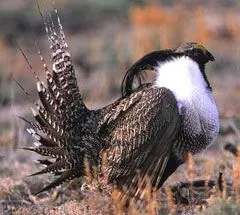
The Gunnison sage-grouse, a distinct species of sage-grouse native to the western United States, lives in the sagebrush laden shrublands of south-central Colorado and is smaller than its Greater Sage-Grouse relatives, with intricate plumage and unique courtship displays. Males perform elaborate dances to attract females.
It was overlooked until the 1990s due to similarities with the sage grouse, and only described as a new species in 2000, making it the first new avian species to be described from the USA since the 19th century. Habitat loss from agriculture and energy development has crashed their population. Their dependence on sagebrush ecosystems makes them extremely vulnerable to any landscape changes.
American Green Tree Frog: The Chirping Lime-Green Amphibian
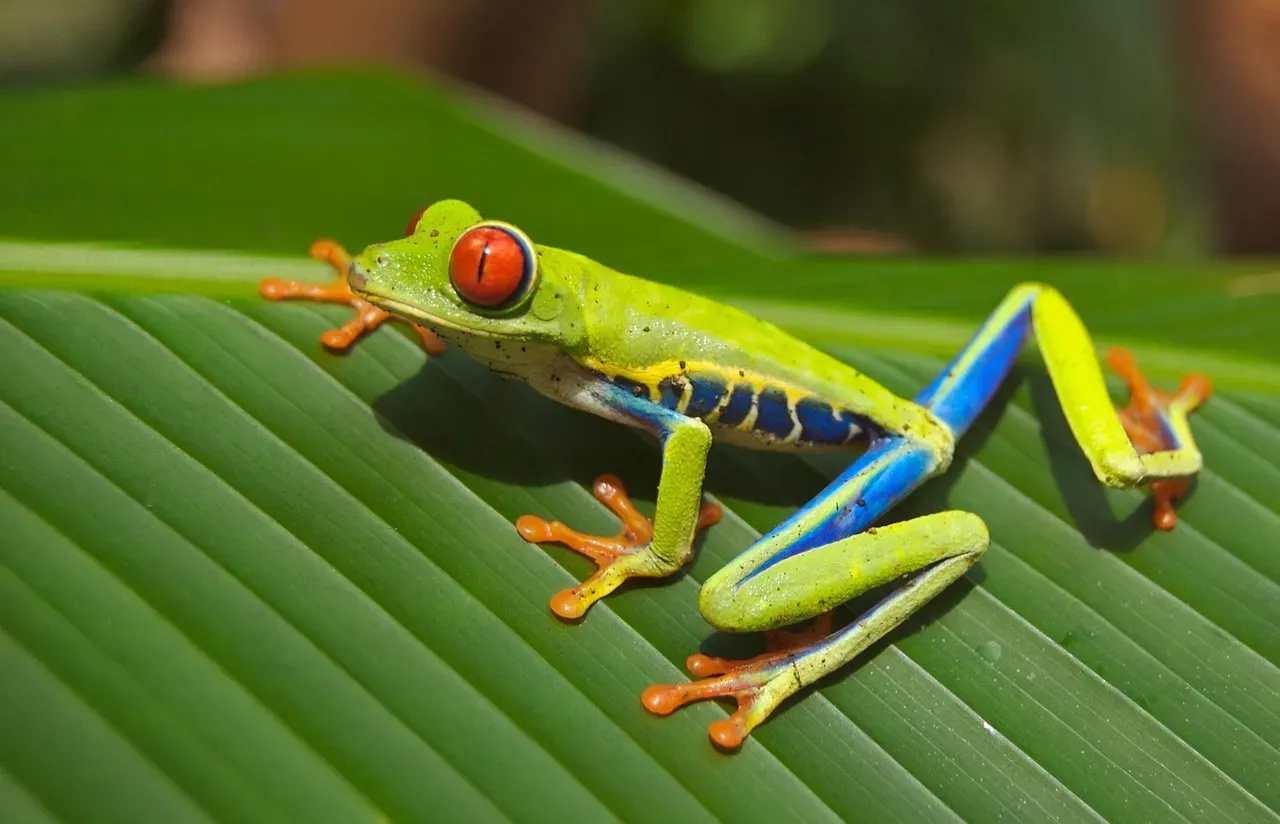
The American Green Tree Frog is a petite amphibian native to the southeastern United States with a vibrant lime-green hue that effectively camouflages the foliage it lives in, and is nocturnal, spending daylight hours resting in leaves high up in trees or in moist environments. Their camouflage is nearly perfect.
Their unique calls, resembling a series of short, high-pitched chirps, resonate throughout the night, primarily throughout the mating season between March and September, and their diet primarily consists of insects, making them valuable for natural pest control. Southern evenings come alive with their chorus. Despite habitat loss pressures, these adaptable creatures thrive in suburban gardens and backyard ponds throughout the Southeast.
Kaibab Squirrel: The Tufted-Ear Resident of the Grand Canyon
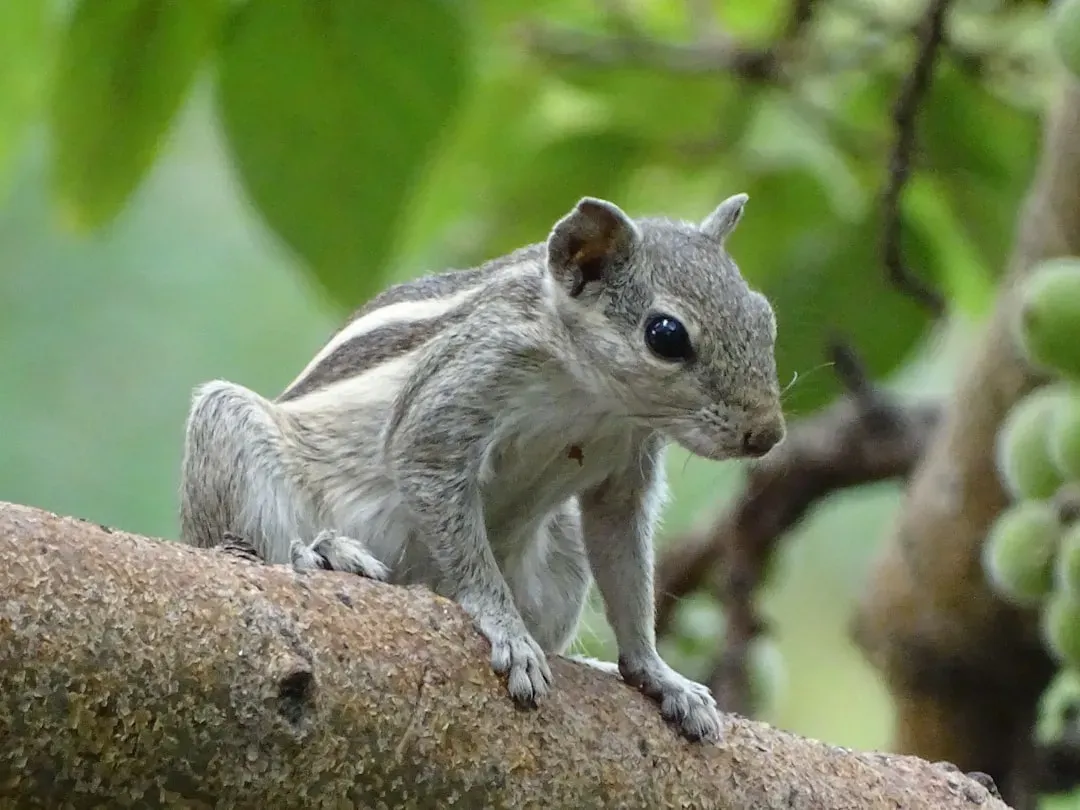
The Kaibab squirrel, native to the Kaibab Plateau in Arizona, is a squirrel species renowned for its striking appearance with a creamy white tail and tufted ears, adapted to the ponderosa pine forests of its habitat range, and its coloration also serves as camouflage in its high-altitude environment in and around the Grand Canyon National Park. They exist nowhere else on Earth.
Their diet consists almost entirely of ponderosa pine cones, making them essential seed dispersers for the forest. The Grand Canyon effectively isolated their population from other squirrel species, allowing them to evolve their distinctive appearance. Visitors to the North Rim have the best chance of spotting these charismatic rodents darting through pine branches.
Texas Blind Salamander: The Ghostly Cave Dweller
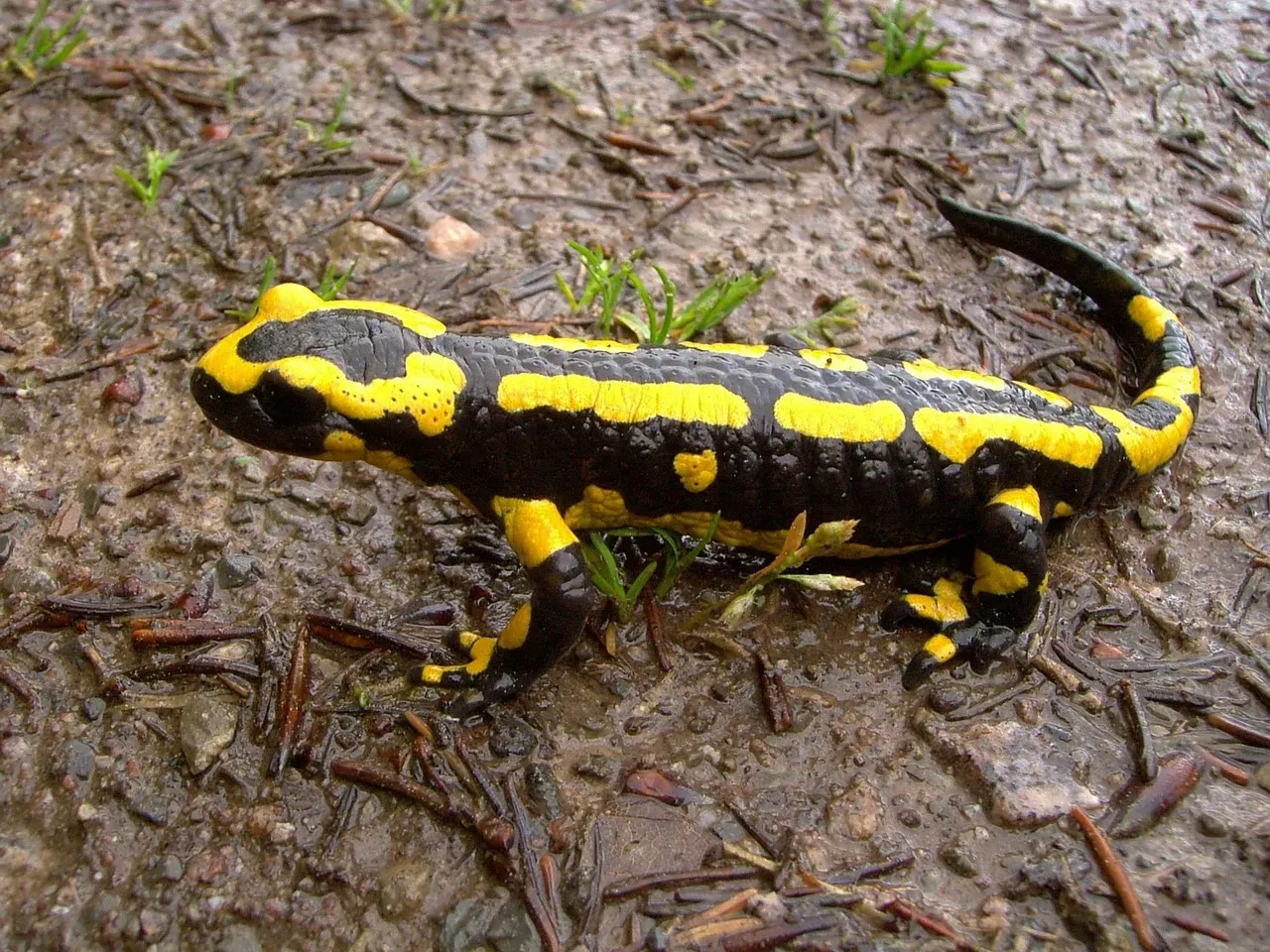
The Texas Blind Salamander is a unique amphibian found exclusively in the underground waters of the Edwards Plateau in Texas, adapted to life in complete darkness with translucent skin and reduced eyes, feeding on small aquatic invertebrates. They’re essentially eyeless.
The Texas Blind Salamander is an extraordinary example of evolution and adaptation, providing insight into life in isolated ecosystems, and its survival is closely linked to the quality and availability of clean groundwater in its habitat. These pale, delicate creatures represent one of the most specialized animals in North America. Pollution or water table changes could easily wipe them out since their entire world exists within underground aquifers beneath central Texas.
Conclusion
America’s wildlife extends far beyond the animals featured in nature documentaries. These lesser-known species remind us how much biodiversity exists in unexpected places, from desert crevices to underground streams. Many of them face uncertain futures, squeezed by habitat loss, climate change, and human expansion.
Their survival often depends on small, dedicated groups of conservationists working behind the scenes. Learning about these creatures represents the first step toward protecting them. Each species plays a unique role in its ecosystem, and losing any of them would diminish the natural heritage we often take for granted.
Did any of these animals surprise you? Which one would you most want to see in the wild?
