
Most people walking through a city barely notice the life unfolding just beyond their peripheral vision. A flicker of movement in the storm drain. A silhouette crossing the park at 2 a.m. The eerie stillness after a coyote call carries over the rooftops. Some animals don’t just survive in urban environments – they thrive in them, with specific adaptations that allow them to make the most of life in the concrete jungle.
More than 80 percent of Americans now live in metropolitan regions that overlap with known wildlife corridors, according to the 2020 U.S. Census. That means millions of people share their neighborhoods with creatures they never actually see. Many of these species utilize human-provided food sources, such as trash bins, gardens, and sewer systems, and may adjust their behavior – becoming more active at night – to avoid detection. These are fifteen American cities where that hidden wildlife world is especially alive.
1. Chicago, Illinois: The Coyote Capital
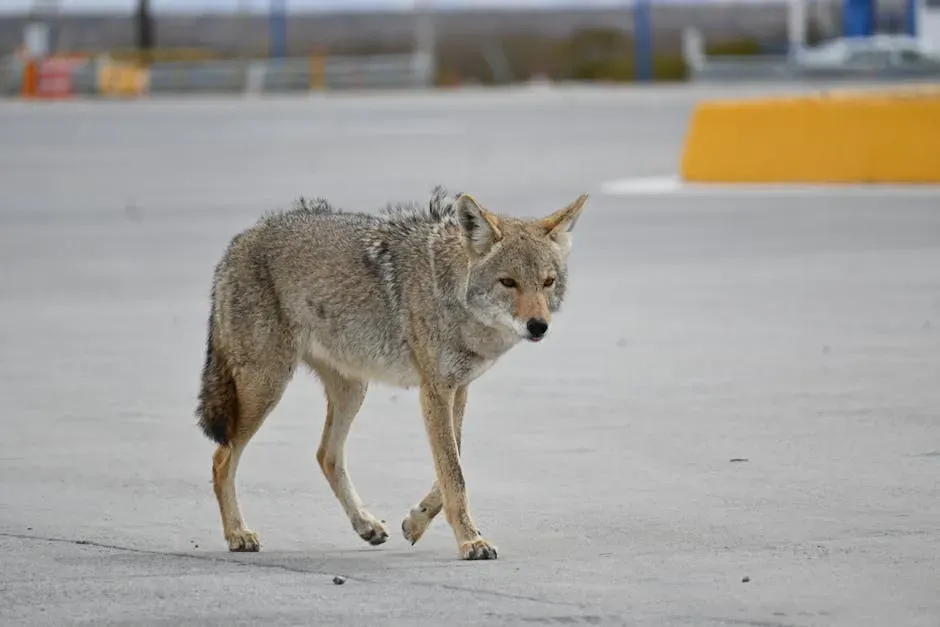
Chicago may be better known for deep-dish pizza and the Magnificent Mile, but it has quietly become one of the most-studied urban wildlife cities in North America. The Urban Coyote Project focuses on coyote populations in greater Chicago, with the research initiative beginning in 2000 due to increased sightings and a growing fear of conflicts with humans – a one-year study that ultimately lasted two decades.
Researchers estimated there are up to 2,000 coyotes living in the Chicago metropolitan area. Downtown coyotes, which roam among the towers and traffic of the Chicago Loop, thrive in the city by hunting enough small rodents to feed themselves and their young.
Wildlife ecologists at Ohio State University found that coyotes have adapted well to living in densely populated urban environments while avoiding contact with humans. They tend to live longer than their rural counterparts, hunting rodents and living anywhere from parks to industrial areas. Chicago is a masterclass in coexistence – invisible and ongoing, every single night.
2. Los Angeles, California: Mountain Lions in the Hollywood Hills
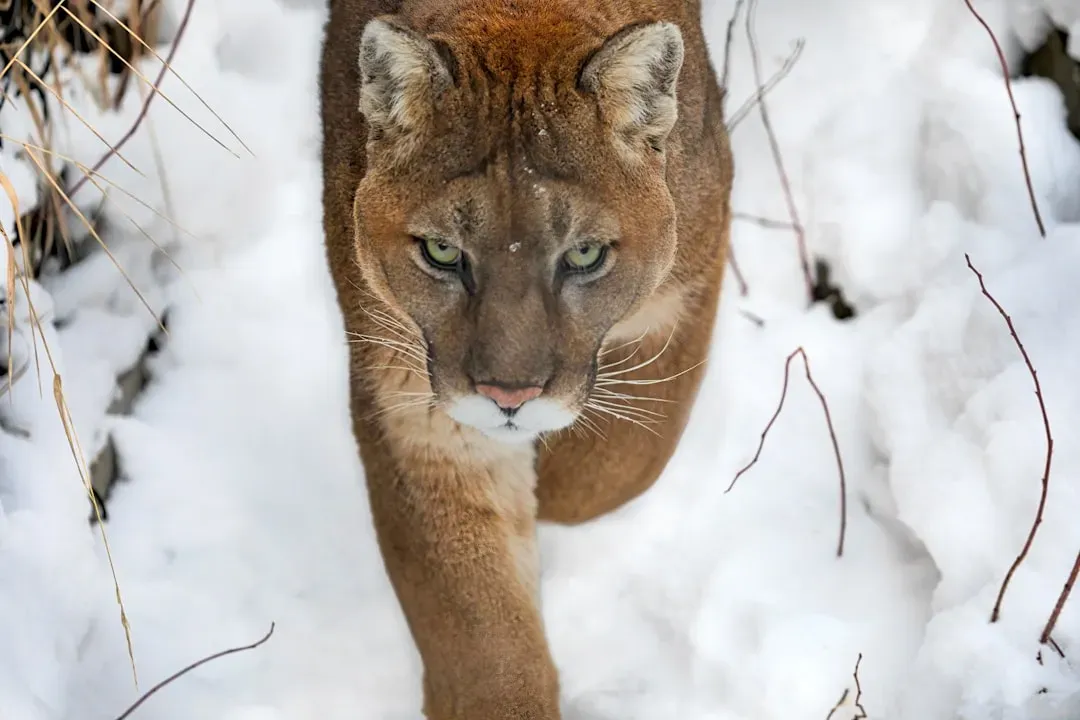
No city in America can claim a more dramatic urban wildlife story than Los Angeles. A mountain lion roams the Hollywood Hills, tiptoeing around throngs of tourists without ever being seen. Los Angeles and the Santa Monica Mountains are home to a healthy population of mountain lions, with the National Park Service having studied them since 2002, monitoring nearly a hundred individual lions in the region.
Los Angeles is home to mountain lions that roam the city’s surrounding hills. Perhaps the most famous is P-22, a mountain lion that made Griffith Park his home. Beyond the big cats, the city also hosts coyotes, mule deer, and even bobcats navigating the freeways and canyon trails that crisscross suburbia.
While peacocks are synonymous with lavish gardens, residents of certain Los Angeles neighborhoods regularly see these colorful birds. Originally brought as ornamental birds, they have since become a common, albeit unexpected, sight. LA’s wild side is hiding in plain view – if you know where to look.
3. New York City, New York: More Than Pigeons and Rats
New York gets a bad reputation for its urban wildlife, most of it involving subway rats. The reality is far more interesting. New York City has the most Eco-Schools in America, ranks fourth in parkland as a percent of city area, and is home to an incredible 168 species of wildlife and more than five million trees. Home to year-round residents like red-tailed hawks and a tourist destination for migratory birds, the Big Apple is an urban wildlife haven, from Central Park to the Gateway National Recreation Area.
New York’s Central Park is one of the country’s best birding sites, with 285 species spotted there to date. Scientists found that white-footed mice in New York have genetically evolved to better digest human diets like pizza and fast food, a change also connected to the availability of certain plants and insects in the city.
Dolphins have been spotted in the waters surrounding New York City, including the East River. These sightings, while rare, remind us of the resilience of nature, and dolphins in urban waterways indicate improving water quality and the return of once-depleted fish populations. The city that never sleeps has a wild side that operates entirely on its own schedule.
4. Austin, Texas: Bats, Salamanders, and a City That Embraces the Wild
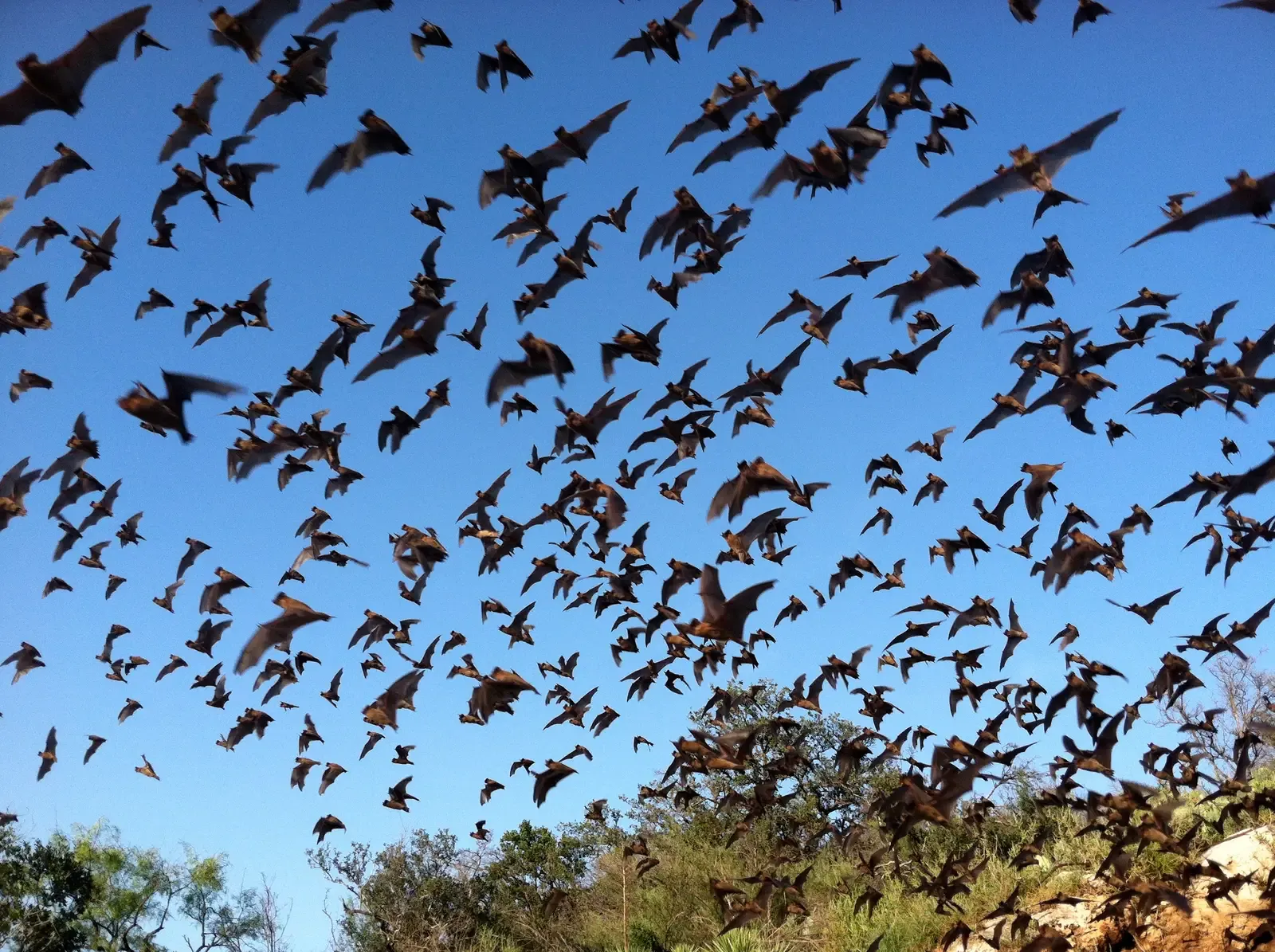
Austin is a clear-cut choice as one of America’s best cities for wildlife, boasting the most Certified Wildlife Habitats per capita. Famous for its Congress Avenue Bridge, the city is home to 1.5 million bats and is certified as a Community Wildlife Habitat.
In spring, thousands of Mexican free-tailed bats emerge from beneath the Congress Avenue Bridge, creating a spectacle unlike any other. Barton Springs salamanders are unique to the area, surviving in the city’s famous natural pools. Great-tailed grackles fill the air with their calls, while armadillos snuffle through the undergrowth at night and the Colorado River attracts herons, turtles, and the occasional otter.
Austin has built its identity around keeping things wild, and the wildlife community has responded in kind. The city’s commitment to protecting natural spaces means residents share their streets with creatures that most American cities have long since pushed out.
5. Washington, D.C.: Coyotes Near the Capitol
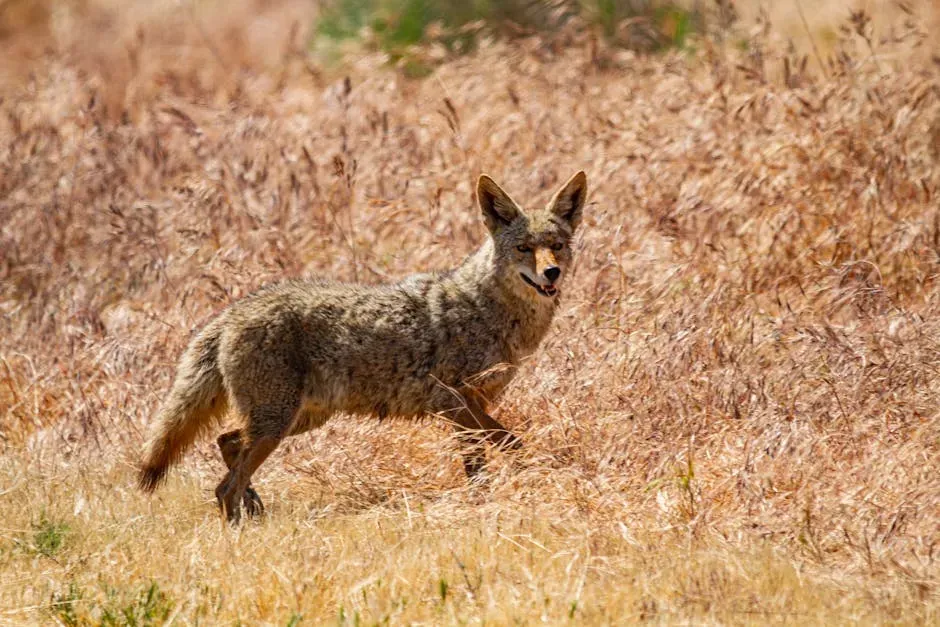
The nation’s capital might project an image of formal stone monuments and manicured lawns, but the natural world presses in from every direction. In Washington, D.C.’s Rock Creek Park, coyotes den and raise their young, scavenge roadkill, and hunt rodents. A few miles from National Geographic’s headquarters in downtown Washington, D.C., coyotes roam – and they weren’t there even a few decades ago.
Washington, D.C. ranks third in parkland as a percent of city area, and its efforts to protect and preserve parkland have helped restore America’s previously-endangered bald eagles while luring osprey back to the Anacostia River.
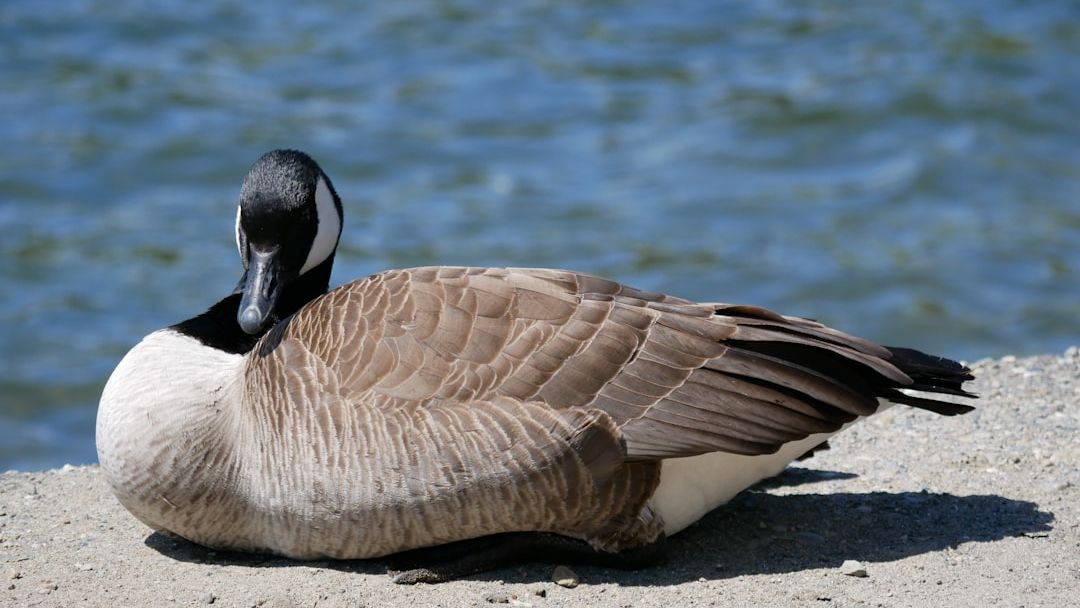
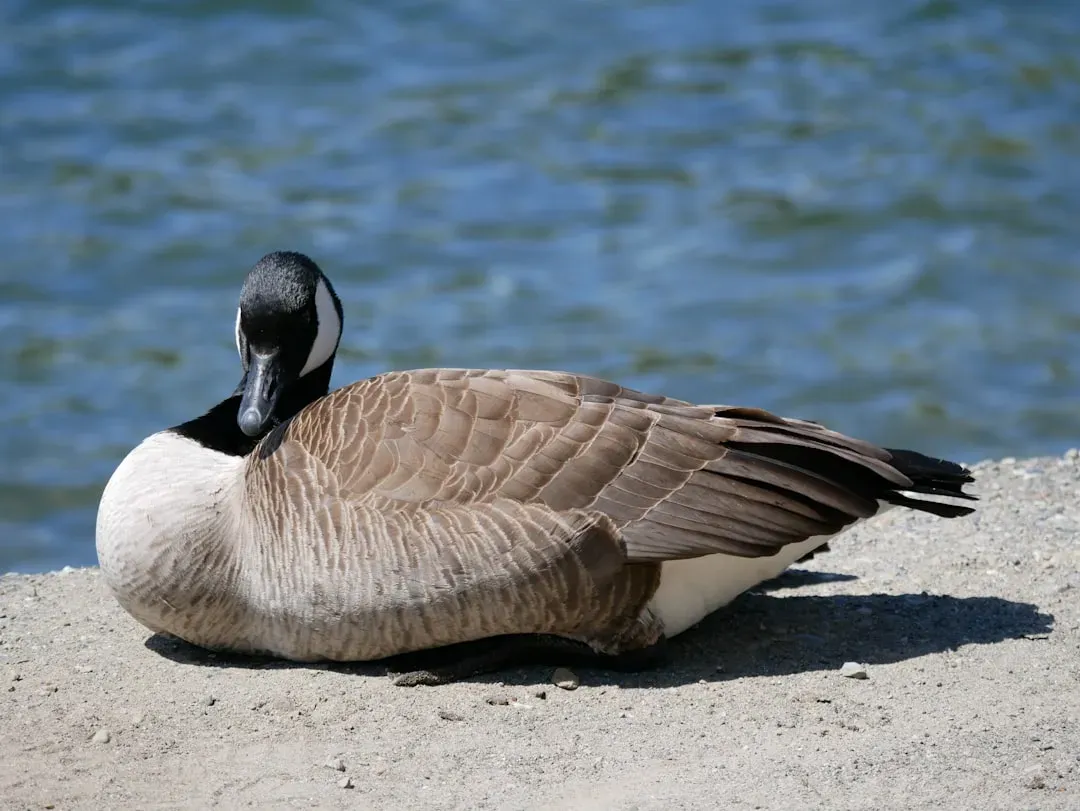
Canada geese are a common sight, gathering around monuments and on the National Mall lawn near the Vietnam Veterans Memorial. Usually a migratory bird, many now stay in the city year-round. Power suits and wild turkeys share the same zip codes here, which is stranger and more wonderful than it sounds.
6. Seattle, Washington: The Emerald City’s Wild Residents
Seattle’s more than 400 parks, 130,000 trees, and almost 86 miles of shoreline make the city an abundant host for wildlife – and not only the usual raccoons and squirrels. Seattle has much more to offer in the way of urban wildlife than most cities.
It’s possible to spot transient deer lurking in greenbelts along with coyote packs. Birds are plentiful too, with peregrine falcons flying overhead as well as crows, pigeons, starlings, and over 80 other bird species. At Ballard Locks, salmon can be seen migrating up the fish ladder, with different types of fish spotted in most months but peak times in late summer and early fall.
Some birds like crows can recognize individual people, and hundreds nest together at night near the University of Washington. Seward Park is home to nesting eagles and other raptors, such as falcons and hawks, as well as owls and hummingbirds. Great blue herons are frequently spotted in and around the park as well.
7. Portland, Oregon: A City That Plans for Wildlife
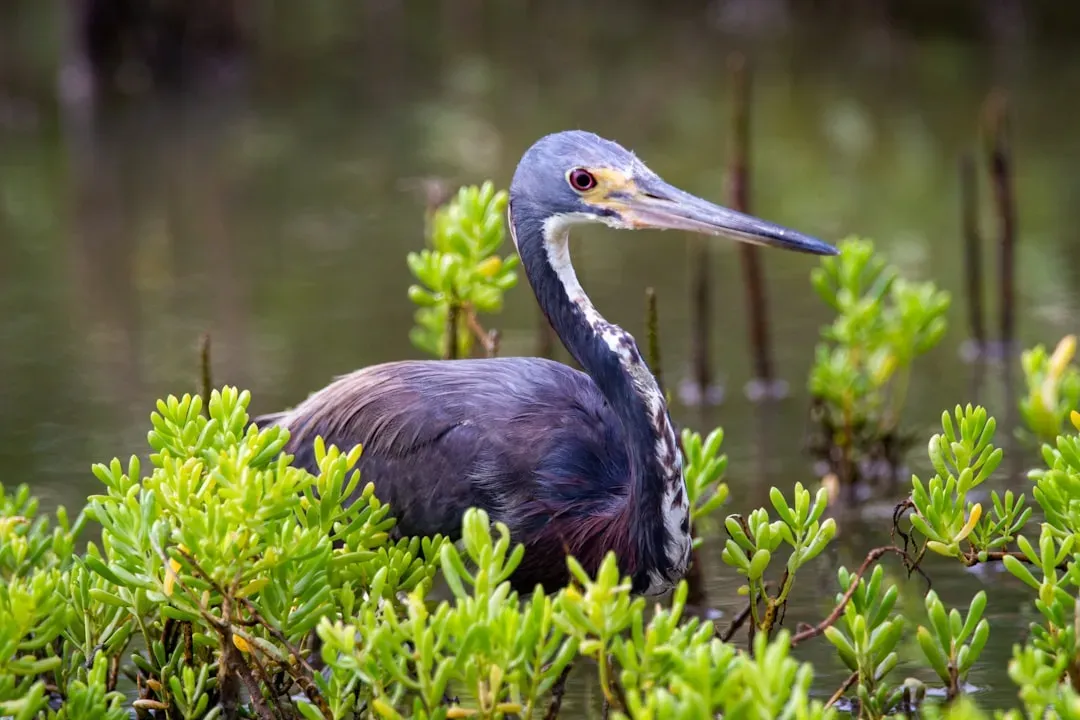
Portland takes its green spaces seriously, and the wildlife has noticed. Portland’s urban wetlands, including the Tualatin River National Wildlife Refuge, offer prime viewing spots for herons, egrets, and over 250 bird species. Forest Park’s 5,000 acres and 70-plus miles of trails create essential wildlife corridors that connect habitats while supporting year-round residents like the great horned owl and Anna’s hummingbird.
Portland’s commitment to green spaces is a gift to wildlife. Coyotes, beavers, and even black bears have been seen wandering city parks and nearby forests. Great blue herons, the city’s official bird, nest on rooftops and along the Willamette River.
With around 300 species of fish and wildlife, Portland is a great city to see critters big and small. Forest Park is the place to spot woodpeckers, bees, and the red-spotted garter snake. In September, Vaux’s swifts gather to roost for the night inside the chimney of Chapman Elementary School in northwest Portland before heading south for the winter. It’s one of those sights that genuinely stops traffic.
8. Denver, Colorado: Brazen Coyotes and Bison Just Miles Away
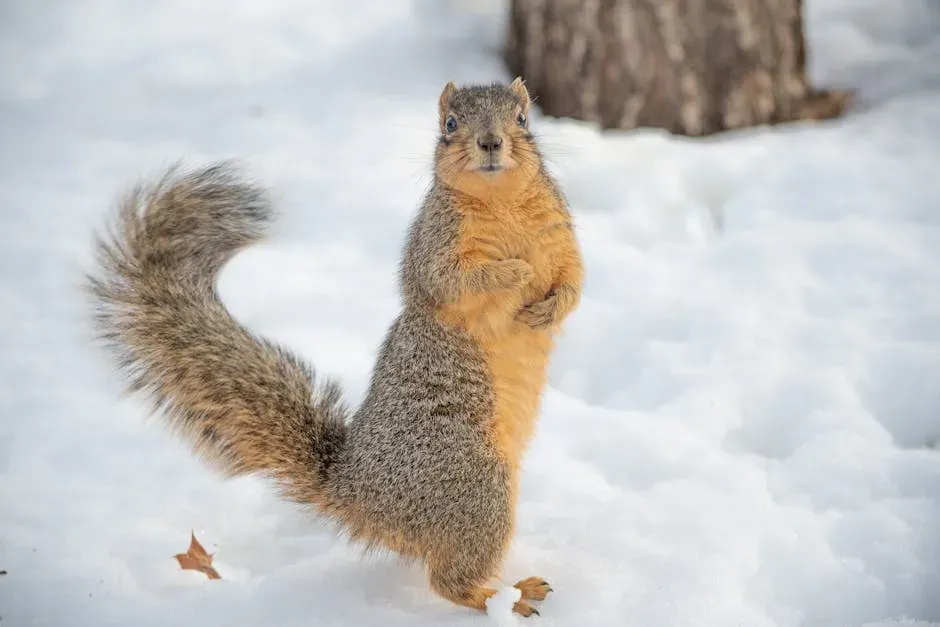
Denver occupies a remarkable ecological position – pressed against the Rocky Mountain foothills with grassland ecosystems rolling out to the east. Denver’s urban landscape creates an unlikely wildlife haven where mountain wilderness meets city convenience. Elk and deer regularly venture from the nearby Rockies into urban parks, especially during dawn and dusk when they’re most active. Green spaces like Washington Park and Cherry Creek State Park double as bird sanctuaries, hosting hawks and migratory songbirds throughout the year.
The Rocky Mountain Arsenal National Wildlife Refuge, located just 10 miles northeast of downtown Denver, is free to visit. Bison, deer, raptors, songbirds, waterfowl, prairie dogs, and coyotes are just a few of the animals that call the refuge home.
From late April onwards, Denver is a hub for hummingbirds, with 11 species returning to the city having wintered in Mexico and Central America. Commonly spotted species include the broad-tailed, rufous, and black-chinned hummingbirds, all visible while simply walking around the city. Having a wildlife refuge essentially in the suburbs says everything about Denver’s unusual ecological character.
9. Miami, Florida: Where the Everglades Meet the City
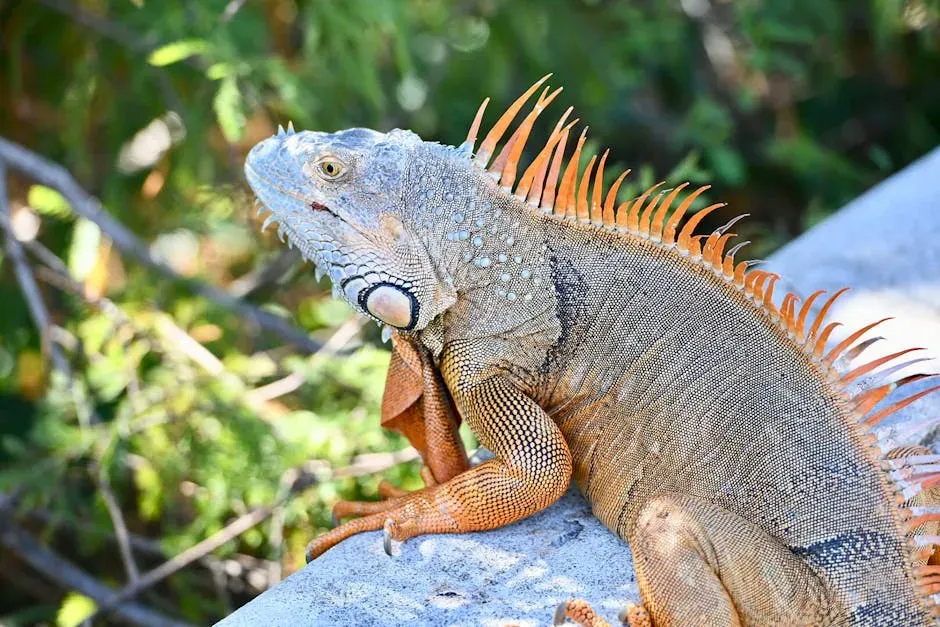
Miami’s wildlife story is inseparable from its geography. Bordered by one of the world’s most extraordinary wetland ecosystems, the city sits at a kind of crossroads between the built environment and something far older and wilder. Miami isn’t just about sun-kissed beaches and flashy nightlife – it’s a haven for wildlife too. The city’s close proximity to Everglades National Park means alligators, manatees, and a rainbow of bird species are just a stone’s throw away.
Alligators bounced back from near extinction to populate creeks and ponds from Miami to Memphis. They show up in retention ponds, golf courses, and residential canals with an ease that still startles newcomers. The city is also home to thousands of feral chickens running through Miami’s streets.
Few American cities have Miami’s mix of tropical birds, marine mammals, and large reptiles – all visible within city limits on an ordinary afternoon. The wildlife is not hiding here; it simply exists alongside everything else.
10. San Francisco, California: Coastal Crossroads
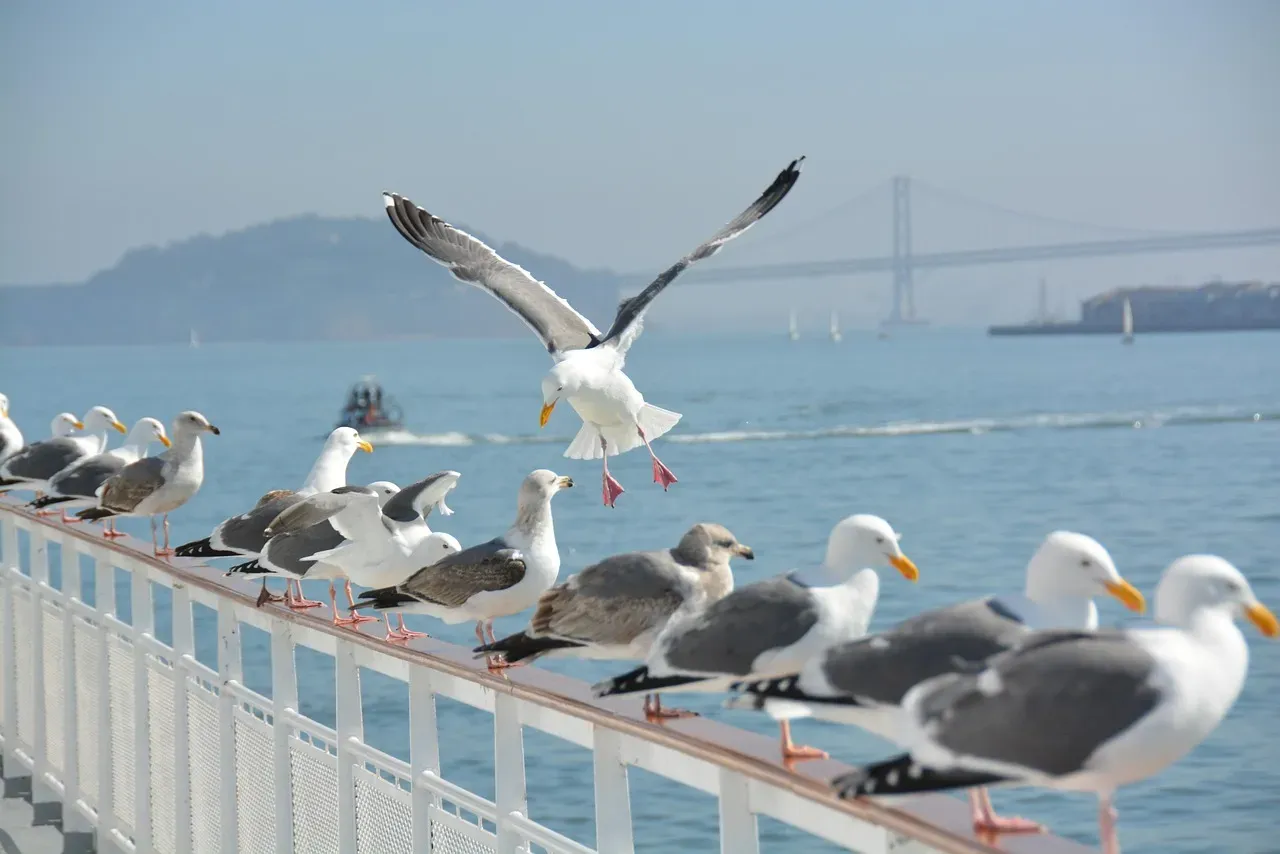
San Francisco borders a vast estuary, and that ecological foundation underpins an unusually rich urban wildlife community. Up to ten coyotes have been living and breeding in San Francisco’s Golden Gate Park. The park’s sprawling landscape also supports red foxes, great horned owls, and a remarkable diversity of migratory birds passing through along the Pacific Flyway.
The Bay Area’s sprawling coastline offers exceptional wildlife viewing throughout the year. From December to April, gray whales traverse the coastal waters during their annual migration, with prime observation points including Golden Gate National Park and Point Reyes National Seashore.
Birdwatching enthusiasts will appreciate the region’s diverse avian population at Crissy Field and Alcatraz Island, where pelicans and egrets frequently visit. The San Francisco Bay National Wildlife Refuge’s tidal flats and marshes serve as essential habitats for migratory shorebirds year-round. San Francisco’s wildlife richness is, in many ways, a function of its extraordinary geography as much as its urban character.
11. Atlanta, Georgia: The City in a Forest
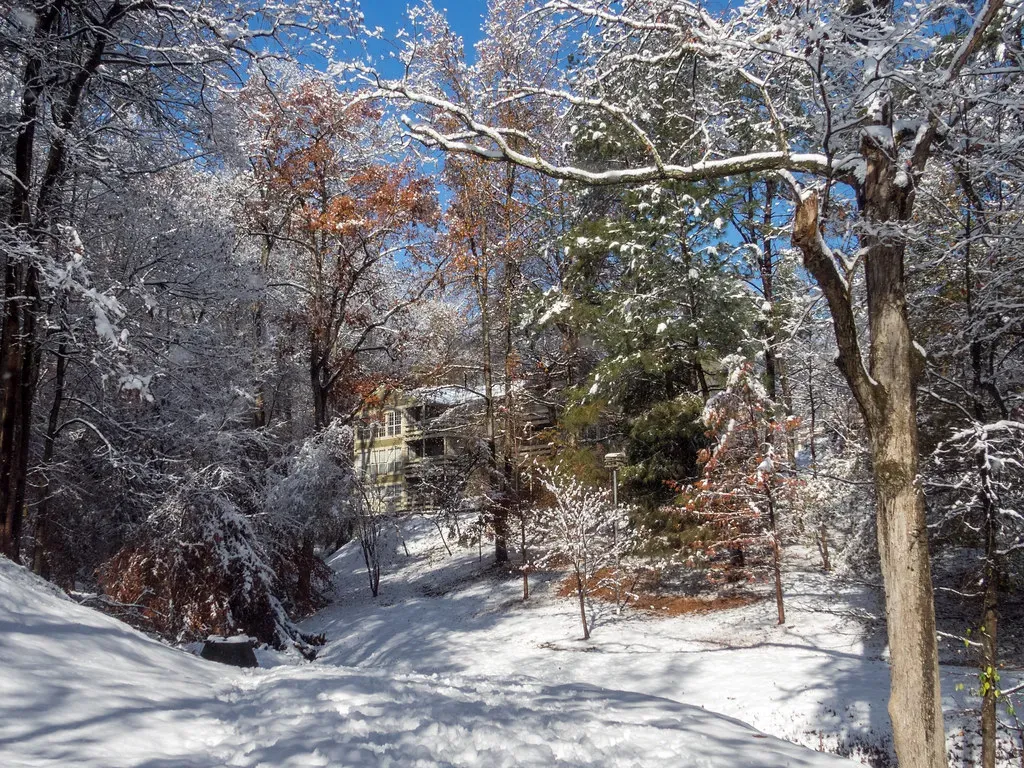
Atlanta carries an unusual distinction among American cities. Atlanta is known as “The City in a Forest” for its large number of trees and its commitment to restoring urban tree canopy to support wildlife and communities. That tree cover creates a genuinely functional urban forest – not just ornamental greenery, but connected habitat.
Atlanta currently has over 1,000 Certified Wildlife Habitats. The Atlanta Metro Area is home to six certified Community Wildlife Habitats, including Druid Hills, Chamblee, Roswell, Johns Creek, Alpharetta, and Milton. White-tailed deer, red foxes, great blue herons, and wild turkeys move through neighborhoods where the tree canopy is thick enough to provide real cover.
Atlanta’s Climate Action Plan includes a focus on expanding urban parks and greenspaces as well as expanding tree canopy – a commitment reflecting the city’s awareness of just how much its ecological identity depends on those trees. In Atlanta, the forest isn’t something you drive to. It’s simply where you live.
12. Salt Lake City, Utah: Mountains at the Doorstep
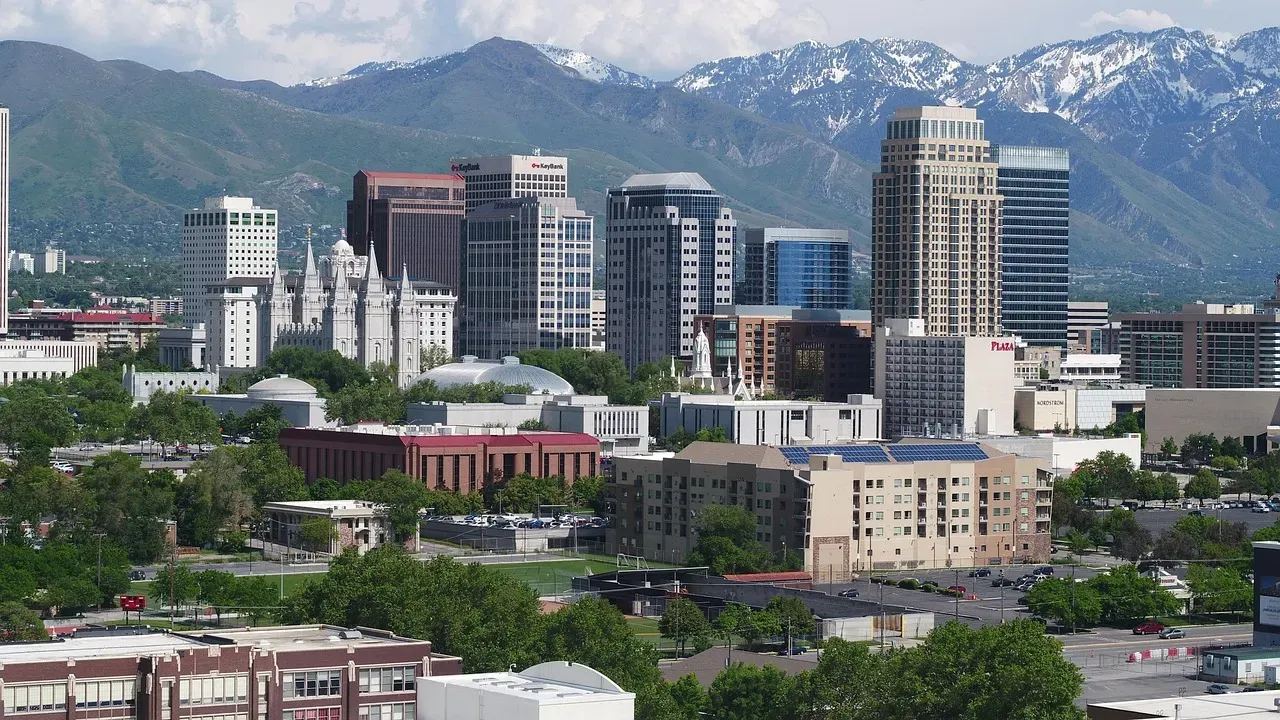
Salt Lake City sits in a valley surrounded by mountains, making it a crossroads for wildlife. Mule deer, moose, and even mountain lions sometimes descend from the hills and wander into neighborhoods. These aren’t rare anomalies; they’re regular occurrences that residents have come to expect.
Residents in Salt Lake City regularly report seeing deer walking along the side of the road. Although originally from the surrounding mountains, some are believed to have taken up permanent residence in the Salt Lake City Cemetery in the Avenues neighborhood.
The Great Salt Lake draws flocks of migrating birds, from pelicans to avocets, creating a birdwatcher’s dream. Red foxes and raccoons are often spotted in parks and golf courses, while urban ponds teem with frogs and turtles. The proximity of genuine mountain wilderness keeps Salt Lake City’s urban wildlife presence perpetually fresh and often surprising.
13. Boston, Massachusetts: Wild Turkeys and Urban Predators
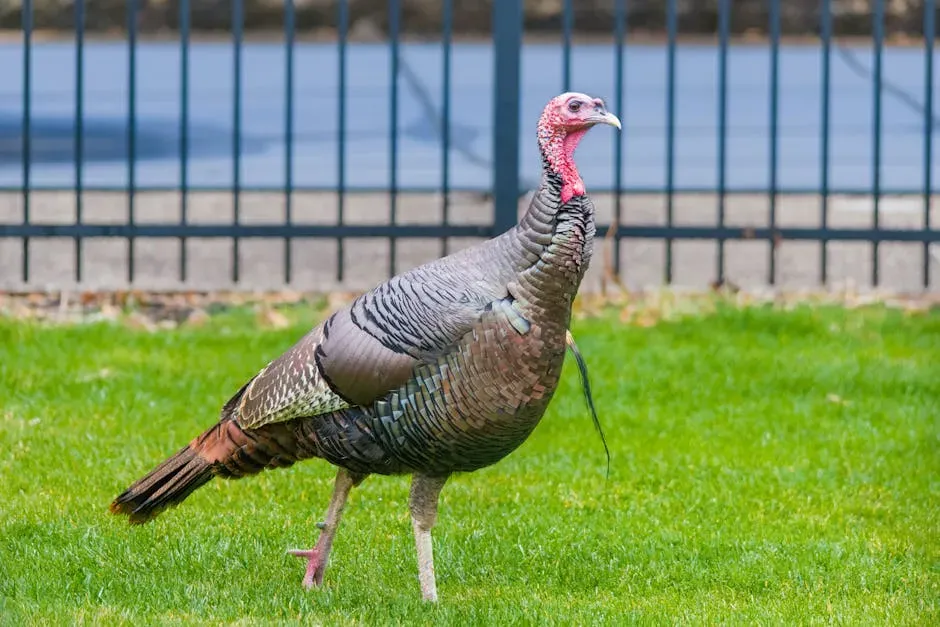
Bostonians have grown accustomed to the sight of wild turkeys strutting down their streets. While turkeys are native to the Massachusetts area, their adaptation to urban living is a recent development. These large birds have been known to cause traffic delays and occasionally act aggressively toward residents.
In Boston, coyotes and foxes must learn to navigate traffic, artificial light, and human noise. Fishers, members of the weasel family once regarded as reclusive denizens of northern forests, have also found homes in Philadelphia suburbs and the streets of New York – and the same species appear in New England urban areas. Boston’s mix of harbor, parkland, and old-growth green spaces along the Emerald Necklace creates a patchwork of usable habitat.
The city’s wildlife presence is growing, not shrinking. Cities with bigger, better-connected green areas support roughly a third more wildlife species compared to cities with less greenery, and Boston’s ongoing investment in its park system reflects exactly that principle at work.
14. Minneapolis, Minnesota: The Mississippi Flyway Advantage
Minneapolis holds a geographical trump card that most midwestern cities lack. Minneapolis leverages its Mississippi Flyway position for bird diversity, sitting directly along one of North America’s major bird migration corridors. During spring and fall, the sheer number of species passing through the city is extraordinary by any measure.
The Chain of Lakes, Minnehaha Park, and the river gorge that cuts through the city provide continuous habitat for beavers, great blue herons, mink, and white-tailed deer. Urban ecosystems tend to favor generalist species, which can survive on a wide range of foods and in varied habitats – and Minneapolis has an unusual number of habitat types packed into its relatively compact footprint.
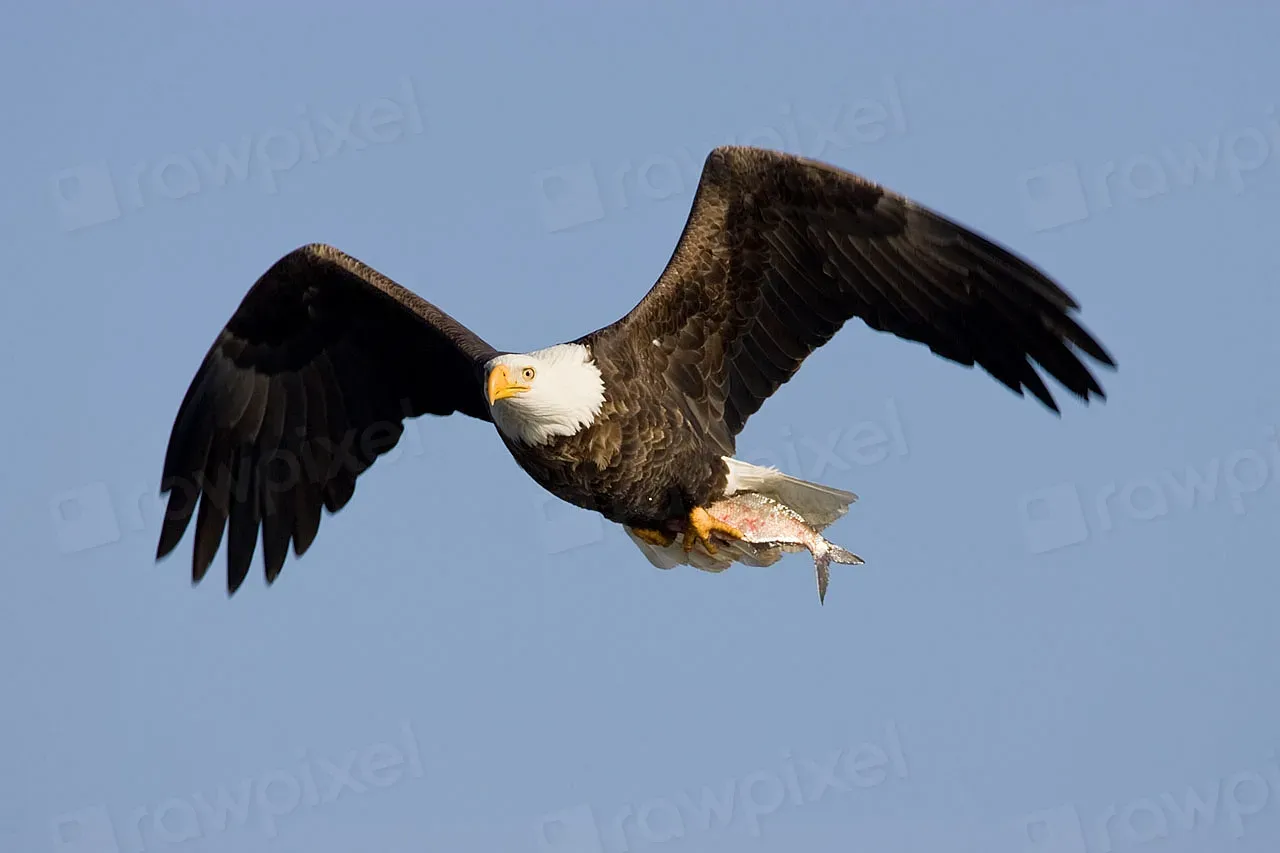
Bald eagles, once a rare urban sight anywhere in America, now nest along the Mississippi gorge within the city limits. Foxes, skunks, raccoons, and possums have become ubiquitous American urbanites, joined by raptors such as peregrine falcons, which thrill birders with their aerial acrobatics and fondness for nesting on skyscrapers.
15. Tucson, Arizona: Desert Wildlife at the Urban Edge
Tucson operates on different ecological rules than most American cities. It sits within the Sonoran Desert, one of the most biodiverse deserts on Earth, which means its urban wildlife is genuinely unlike anything found in other American metros. You won’t find snakes slithering through the streets of downtown Tucson, but nature is never far away in this desert city. Saguaro National Park is right on the edge of town and home to the distinctive saguaro cactus and six different types of rattlesnakes, including the western diamondback rattlesnake.
Ringtails, which look like lemurs and are sometimes called ringtail cats, are neither lemurs nor cats but are more closely related to raccoons. They live in trees and rocky areas but often enter cities for food, raiding dumpsters and trash cans at night. Gila woodpeckers, Gambel’s quail, javelinas, and roadrunners are all part of everyday life for Tucson residents.
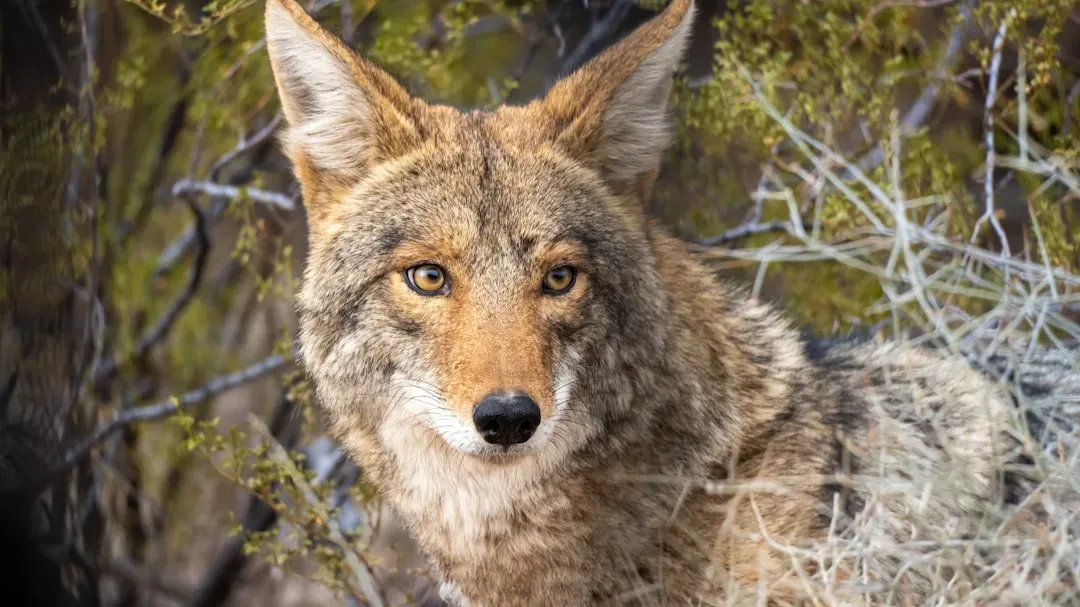
One study in Tucson, Arizona found that urban coyotes had a survival rate in the city of roughly 72 percent for any given year on average – suggesting that for adaptable species, the desert city offers a surprisingly secure existence. Tucson may be the most genuinely wild-feeling large city in the continental United States, where the desert doesn’t end at the city limits so much as flow straight through them.
A Shared Future, Whether We Notice It or Not
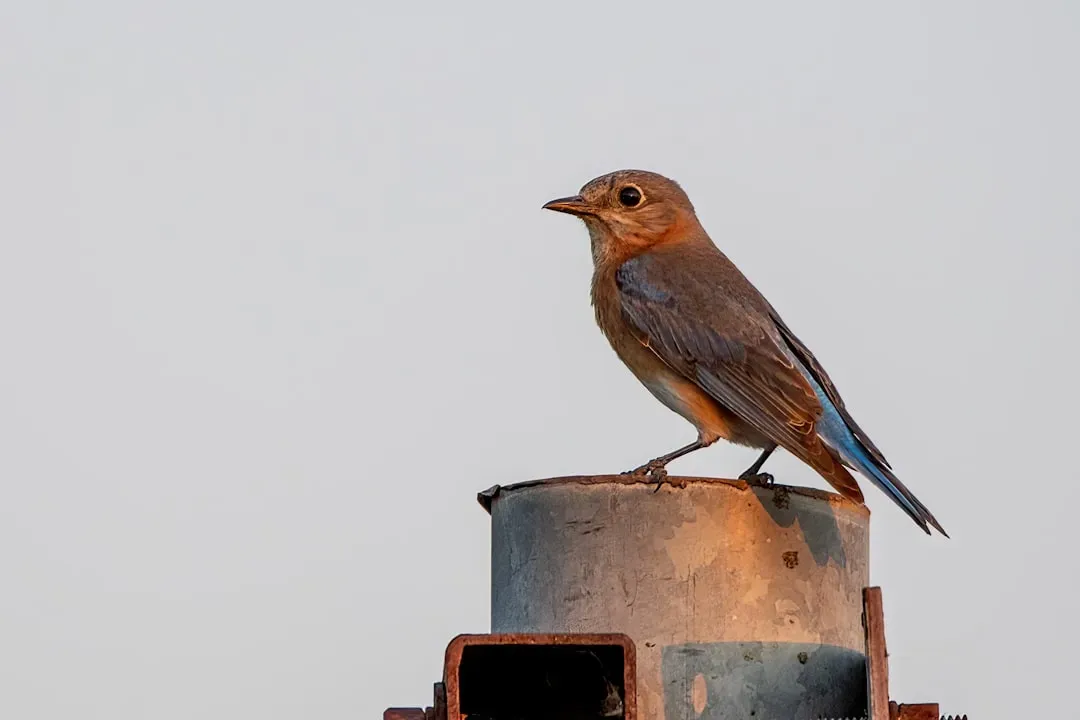
There is a growing belief that cities might serve as crucial refuges for some species amid global biodiversity declines. That’s a significant shift in how ecologists think about urban spaces – not as wildlife dead zones, but as potential arks. Conservation strategies in urban areas aim to support biodiversity through habitat restoration, creating green corridors, planting native species, and involving communities in monitoring wildlife.
According to available survey data, a substantial majority of city residents now support policies to protect urban animals, reflecting a genuine shift in public attitudes. Urban landscapes are undergoing a green revolution, with cities replacing sterile concrete with wildflower alleys, wetland corridors, and public green sanctuaries. The infrastructure is catching up with the reality that wildlife never actually left.
What’s most striking about all fifteen of these cities is not the dramatic sightings – the mountain lion on a security camera, the coyote trotting past a Starbucks – but the sheer ordinariness of wild coexistence. Attracted to plentiful food and mostly protected from hunting, among other natural dangers, a veritable menagerie of creatures calls cities home. These new urbanites, ongoing research shows, are learning how to change their lifestyles to suit ours. The more interesting question might be whether we’re willing to return the favor.
