


California’s diverse landscapes—from coastal shores to arid deserts, mountain ranges to lush forests—create the perfect backdrop for remarkable biodiversity. The Golden State’s varied ecosystems support an impressive array of wildlife that has adapted to thrive in these distinct environments. While many species face challenges from habitat loss and climate change, numerous wild animals continue to flourish across California’s natural areas. This article explores 15 remarkable wild species that are maintaining strong populations in California, highlighting their unique adaptations, behaviors, and the ecosystems they inhabit. From iconic marine mammals to elusive mountain predators, these animals represent the rich natural heritage that makes California’s wildlife so exceptional.
California Sea Lion: Masters of the Coast

The California sea lion (Zalophus californianus) represents one of the state’s most charismatic marine mammals. With populations estimated at over 257,000 individuals along the Pacific coast, these intelligent pinnipeds thrive in the rich coastal waters. Recognizable by their dog-like barks and remarkable agility in water, California sea lions can swim at speeds up to 25 mph and dive to depths exceeding 900 feet. Their success stems from adaptability—they feed opportunistically on various fish species including anchovies, herring, salmon, and squid. During breeding season, massive colonies form on offshore islands and coastal areas like Año Nuevo State Park and the Channel Islands, where males establish territories and females raise pups. Despite occasional conflicts with fishing interests, California sea lion populations have increased steadily since receiving protection under the Marine Mammal Protection Act in 1972.
Black-tailed Deer Forest Survivors
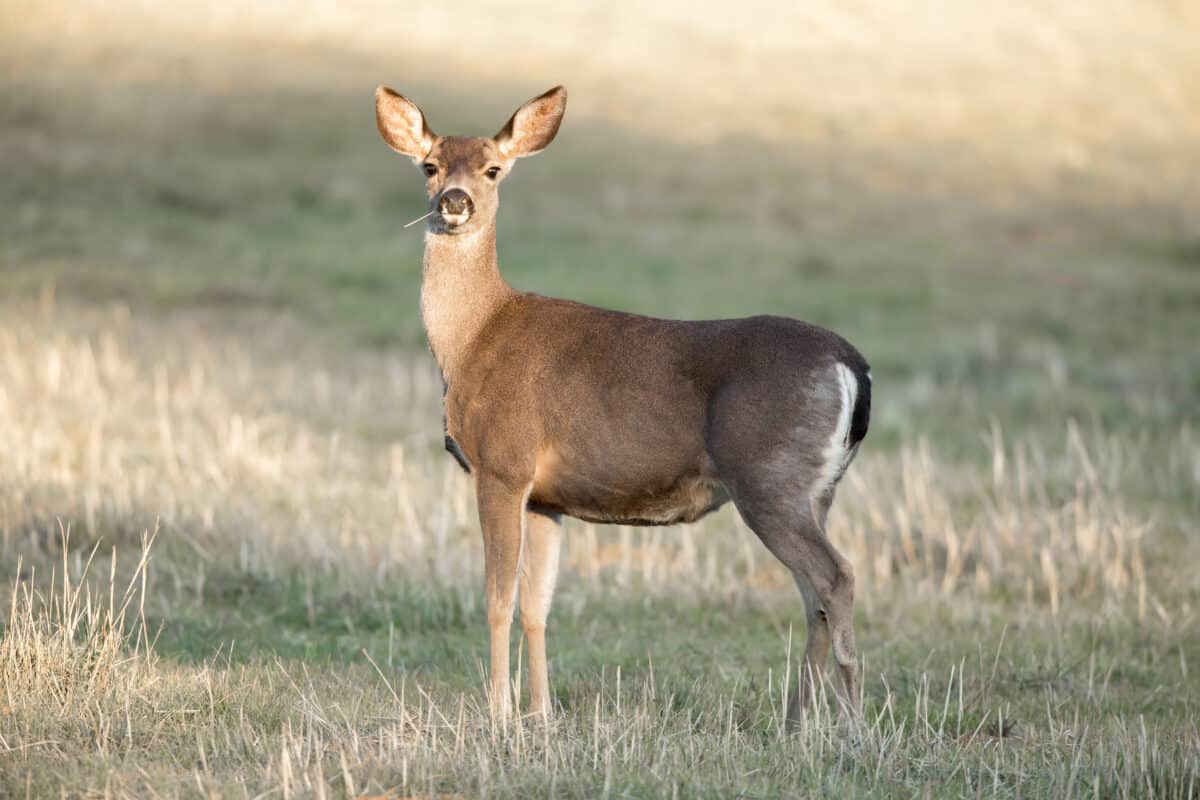
The black-tailed deer (Odocoileus hemionus columbianus), a subspecies of mule deer, maintains robust populations throughout California’s forests and woodlands. Adaptable browsers, these graceful ungulates thrive in diverse habitats ranging from coastal forests to mountain chaparral. Their success stems from remarkable adaptability in diet—shifting seasonally between tender shoots, leaves, berries, and acorns. Black-tailed deer exhibit unique stotting behavior when alarmed, a distinctive bounding gait where all four hooves leave the ground simultaneously. Though facing pressures from habitat fragmentation and predation, their reproductive strategy of producing twins or triplets allows population resilience. California’s Department of Fish and Wildlife estimates a healthy statewide population of approximately 400,000 to 500,000 black-tailed deer, with particularly strong numbers in the north coast ranges and Sierra Nevada foothills. Their ability to thrive even in semi-rural and suburban interfaces has ensured their continued success across the state.
California Condor A Conservation Triumph

The California condor (Gymnogyps californianus) represents one of the most dramatic wildlife recovery stories in American history. North America’s largest land bird once dwindled to just 22 individuals in the 1980s before being captured for an intensive captive breeding program. Today, thanks to dedicated conservation efforts, over 300 California condors soar through the skies, with more than half living in the wild across California, Arizona, Utah, and Baja California. These magnificent scavengers boast a 9.5-foot wingspan and can live up to 60 years. Their recovery in California has been particularly successful in the central coast ranges and mountains surrounding the Sespe Condor Sanctuary. Though still listed as critically endangered, their population continues to grow annually by 7-10%. The condor’s comeback demonstrates how concentrated conservation interventions can reverse the trajectory of even the most imperiled species. Visitors to Pinnacles National Park and the Big Sur coastline now have increasing opportunities to witness these prehistoric-looking birds riding thermal updrafts as they search for carrion.
Tule Elk California’s Endemic Ungulate

The tule elk (Cervus canadensis nannodes), found nowhere else on Earth outside California, exemplifies successful wildlife recovery. After being reduced to a single pair in the 1870s due to market hunting and habitat loss, strategic conservation efforts have restored their population to approximately 5,700 individuals distributed across 22 herds throughout the state. These majestic ungulates, smaller than other elk subspecies but still impressive with bulls weighing up to 700 pounds, have adapted specifically to California’s grasslands, oak woodlands, and marshes. Tule elk thrive in several managed areas, including Point Reyes National Seashore, which hosts over 400 individuals. During the fall rutting season, dominant bulls gather harems of females and engage in spectacular bugling contests that echo across valleys. Their recovery represents a remarkable conservation achievement and their presence helps maintain grassland ecosystems through grazing patterns that promote native plant diversity. Wildlife viewers can reliably observe these magnificent animals at preserves like Grizzly Island Wildlife Area and San Luis National Wildlife Refuge.
Southern Sea Otter Kelp Forest Guardians

The southern sea otter (Enhydra lutris nereis), California’s smallest marine mammal, has made a remarkable recovery from the brink of extinction. Once hunted to near-extinction for their luxurious fur, with perhaps 50 individuals remaining by the early 20th century, their population now exceeds 3,000 along the central California coast. These charismatic marine mammals serve as keystone species in kelp forest ecosystems, controlling sea urchin populations that would otherwise devastate underwater forests. Sea otters possess the densest fur in the animal kingdom—up to one million hairs per square inch—which provides insulation in cold waters as they lack the blubber layer common to other marine mammals. Highly intelligent, they use rocks as tools to crack open shellfish and often wrap themselves in kelp while sleeping to avoid drifting away with currents. Though still listed as threatened, their population expansion from Monterey Bay to parts of Santa Barbara County represents a conservation success. Visitors to Elkhorn Slough, Moss Landing, and Monterey Bay frequently witness these playful animals floating on their backs, using their bellies as dining tables while cracking open various shellfish.
Black Bear Adaptive Forest Omnivores

The American black bear (Ursus americanus) has demonstrated remarkable adaptability across California’s diverse landscapes, with populations estimated between 30,000-40,000 individuals—a number that has increased steadily since the 1980s. Despite their name, California’s black bears display color variations ranging from jet black to cinnamon brown and even blonde in some regions. These intelligent omnivores thrive from the northern coastal forests to the Sierra Nevada mountains, adapting their diets seasonally to include berries, nuts, insects, fish, and occasionally larger mammals. Their exceptional sense of smell—seven times more sensitive than a bloodhound’s—allows them to detect food sources from miles away. Black bears exhibit fascinating behaviors including tree-climbing abilities, despite adults weighing 200-300 pounds, and the capacity to increase their caloric intake by 20,000 calories daily during hyperphagia before winter dormancy. Their ecological importance includes seed dispersal, pest control, and nutrient cycling in forest ecosystems. While habitat encroachment creates occasional human-bear conflicts, particularly in tourist areas like Yosemite National Park, their overall population remains robust and continues to expand into historical ranges from which they were previously extirpated.
Mountain Lion California’s Apex Predator

The mountain lion (Puma concolor), also known as the cougar or puma, maintains a healthy presence throughout California’s wildlands with an estimated population of 4,000-6,000 individuals. These solitary and elusive apex predators occupy territories spanning diverse habitats from coastal mountains to eastern Sierra regions. Adult males can weigh up to 150 pounds and patrol territories averaging 100 square miles, while females maintain smaller ranges of approximately 30 square miles. Mountain lions play crucial ecological roles by regulating deer populations and influencing prey behavior patterns that benefit overall ecosystem health. Their remarkable physical adaptations include powerful hind legs that enable 15-foot horizontal leaps and 40-foot vertical jumps, specialized paw pads for silent stalking, and a flexible spine that absorbs impact when pouncing. Unlike other big cats, mountain lions cannot roar but communicate through purrs, chirps, and distinctive screams during mating season. Though occasionally encountering humans in expanding suburban areas, attacks remain extremely rare—just 16 verified attacks in California since 1890. The species’ persistence despite human encroachment demonstrates their remarkable adaptability and the effectiveness of California’s mountain lion protection laws established in 1990.
Coyote Urban Wilderness Adapters

The coyote (Canis latrans) exemplifies remarkable adaptability across California’s landscapes, thriving in environments ranging from remote wilderness to urban parks. These medium-sized canids have expanded their range and numbers as larger predators like wolves were eliminated, with California’s population estimated at over 250,000 individuals. Highly intelligent opportunists, coyotes adjust their diets according to available resources—consuming rodents, rabbits, fruits, insects, and occasionally human food waste in suburban areas. Their ecological value includes controlling rodent populations, with a single coyote capable of catching approximately 1,800 rodents annually. Social structure revolves around family groups with alpha pairs that mate for life, though hunting often occurs individually. Coyotes communicate through a complex vocal repertoire including yips, barks, and howls that can create an illusion of many more animals than actually present—a phenomenon called the “beguiling effect.” Their success in urban environments stems from behavioral adaptations like increased nocturnal activity and wariness around humans. Despite occasional conflicts with pet owners, research indicates coyotes avoid human contact whenever possible, and their population continues to expand throughout California, demonstrating exceptional resilience in an increasingly human-dominated landscape.
Desert Bighorn Sheep Masters of Arid Terrain
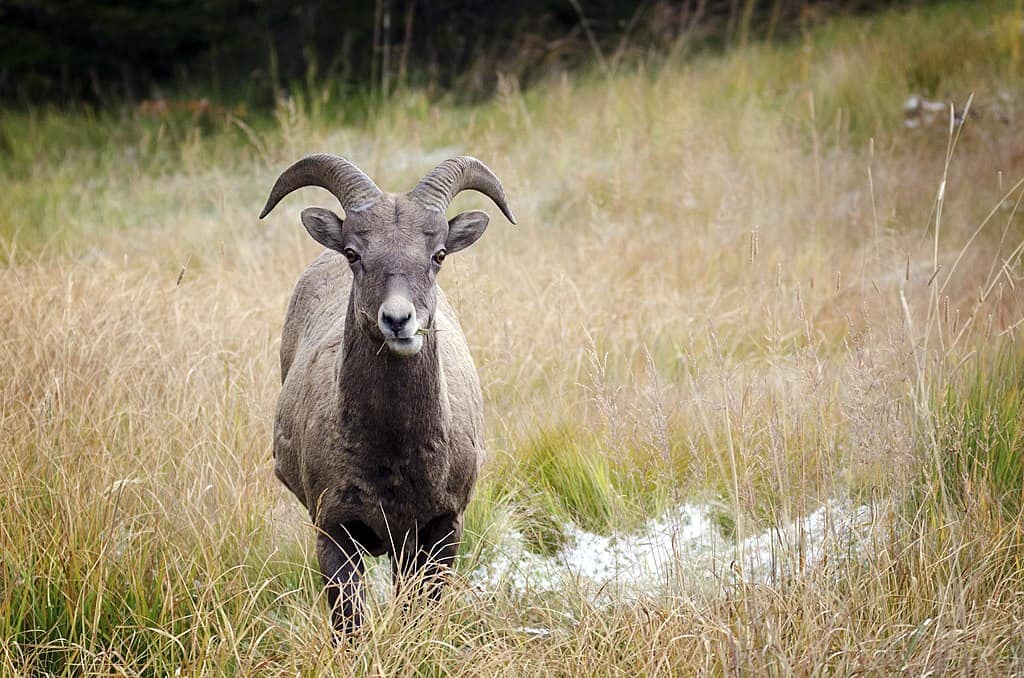
The desert bighorn sheep (Ovis canadensis nelsoni) epitomizes survival in California’s harshest environments, maintaining healthy populations across the state’s southeastern desert mountain ranges. These magnificent ungulates, distinguished by the males’ massive curved horns that can weigh up to 30 pounds, have evolved remarkable adaptations for thriving in extreme conditions. Their specialized two-part hooves feature soft inner pads that grip slick rock surfaces and hard outer edges that dig into loose terrain, enabling them to navigate precipitous cliffs that predators cannot follow. Desert bighorns can lose up to 30% of their body weight in water and rapidly rehydrate when water becomes available. Their population in California has rebounded to approximately 4,800 individuals across 60 mountain ranges—a significant recovery from historic lows in the mid-20th century when diseases transmitted from domestic sheep caused dramatic declines. Conservation efforts including water development projects, protection of migration corridors, and disease management have contributed to their resurgence. Visitors to areas like Anza-Borrego Desert State Park and Joshua Tree National Park can observe these agile climbers traversing seemingly impossible terrain, with males engaging in spectacular head-butting contests during fall rutting season that produce sounds audible for miles across desert valleys.
California Quail The State Bird Flourishes
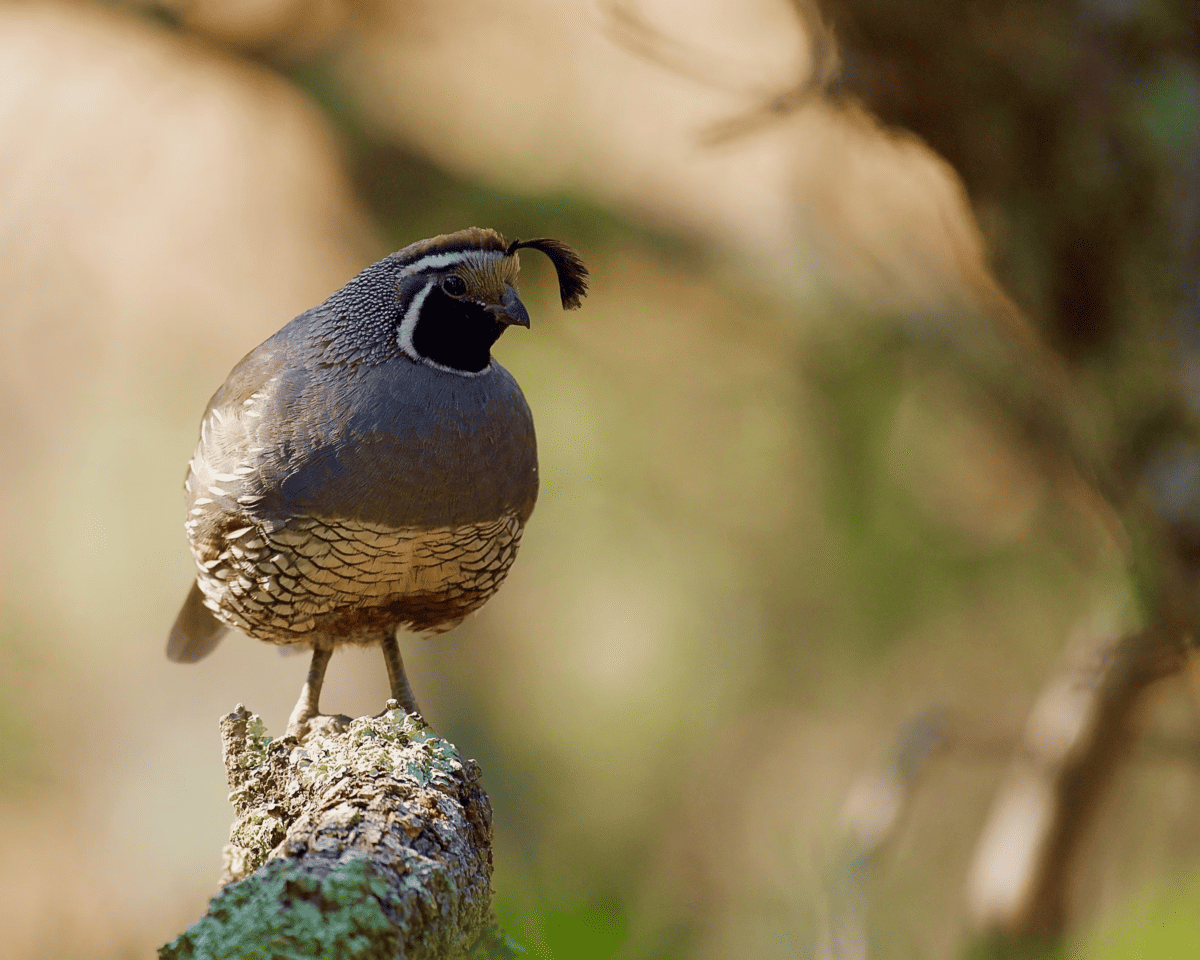
The California quail (Callipepla californica), designated as the state bird in 1931, thrives throughout California’s diverse landscapes from coastal scrub to inland valleys and foothills. Instantly recognizable by the forward-curving plume atop their heads and their distinctive “chi-ca-go” call, these social birds maintain robust populations estimated at several million individuals statewide. California quail demonstrate remarkable social organization, gathering in coveys of 20-200 birds outside breeding season for cooperative predator detection and resource location. Their diet shifts seasonally between seeds, berries, flowers, and insects, allowing them to adapt to changing environmental conditions. When threatened, quail exhibit interesting behavioral adaptations—first freezing to avoid detection, then executing an explosive flush if danger persists. Their reproductive strategy involves ground nests containing 10-16 eggs, with precocial chicks that can run shortly after hatching. Parents employ fascinating distraction displays to lure predators away from vulnerable offspring. The species’ success stems partly from its adaptability to human-modified habitats including agricultural areas, residential neighborhoods with appropriate shrub cover, and parklands. The California quail’s ability to maintain strong populations while many other ground-dwelling birds decline underscores their exceptional ecological flexibility and resilience.
Pacific Gray Whale Coastal Migration Specialists
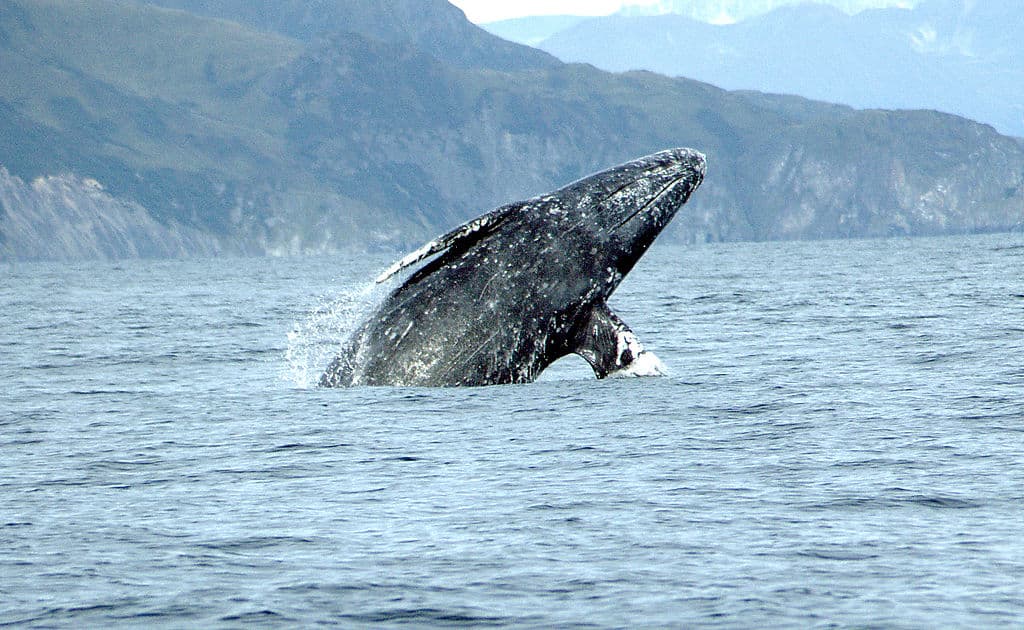
The Pacific gray whale (Eschrichtius robustus) represents one of the most successful marine mammal recoveries in history, with approximately 20,000 individuals making the annual migration along California’s coast. These massive creatures, reaching lengths of 45 feet and weights of 40 tons, undertake one of the longest mammalian migrations on Earth—traveling 10,000-12,000 miles round trip between Arctic feeding grounds and Mexican breeding lagoons. California provides critical passage during both northbound and southbound migrations, with prime viewing from December through May at coastal vantage points like Point Reyes National Seashore and Dana Point. Unlike other baleen whales, gray whales feed primarily by scooping sediment from the ocean floor and filtering out small crustaceans through their baleen plates, leaving distinctive feeding depressions that alter benthic communities. After being hunted to near extinction twice, their eastern Pacific population has rebounded to pre-whaling numbers—a testament to both their resilience and effective international protection. Though facing new challenges from climate change affecting Arctic feeding grounds, acoustic disturbance, and shipping traffic, gray whales continue to demonstrate remarkable adaptability. Their coastal migration route brings them close enough to shore that observers can often distinguish individuals by their unique mottled skin patterns and barnacle arrangements.
Northern Elephant Seal Comeback Kings of the Coast
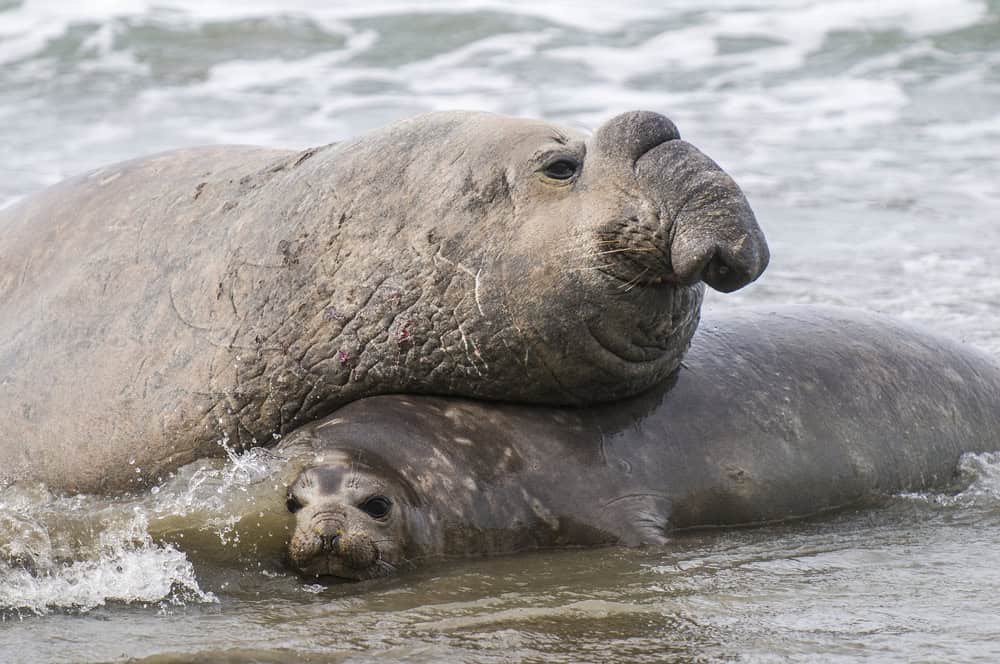
The northern elephant seal (Mirounga angustirostris) epitomizes dramatic wildlife recovery, rebounding from perhaps 100 individuals in the late 1800s to over 150,000 today, with substantial breeding colonies along California’s central and northern coasts. These remarkable marine mammals, named for the males’ distinctive proboscis that inflates during breeding displays, exhibit the most extreme sexual dimorphism among mammals—with bulls reaching 5,000 pounds while females weigh approximately 1,500 pounds. Their diving capabilities are unparalleled among marine mammals, routinely reaching depths of 5,000 feet and remaining submerged for 120 minutes, with recorded dives exceeding 7,000 feet. Elephant seals spend 80% of their lives at sea, coming ashore only to breed, birth, and molt. During their twice-yearly fasting periods on land, they can lose up to one-third of their body weight. The breeding season spectacle at locations like Año Nuevo State Park and Piedras Blancas features dramatic battles between massive bulls establishing dominance hierarchies, with alpha males securing up to 50 females in their harems. Despite their bulk on land, these animals transform into streamlined, efficient predators at sea, feeding primarily on deep-water squid and fish. Their successful recolonization of historic breeding sites represents one of California’s most visible conservation achievements.
California Ground Squirrel Ecosystem Engineers
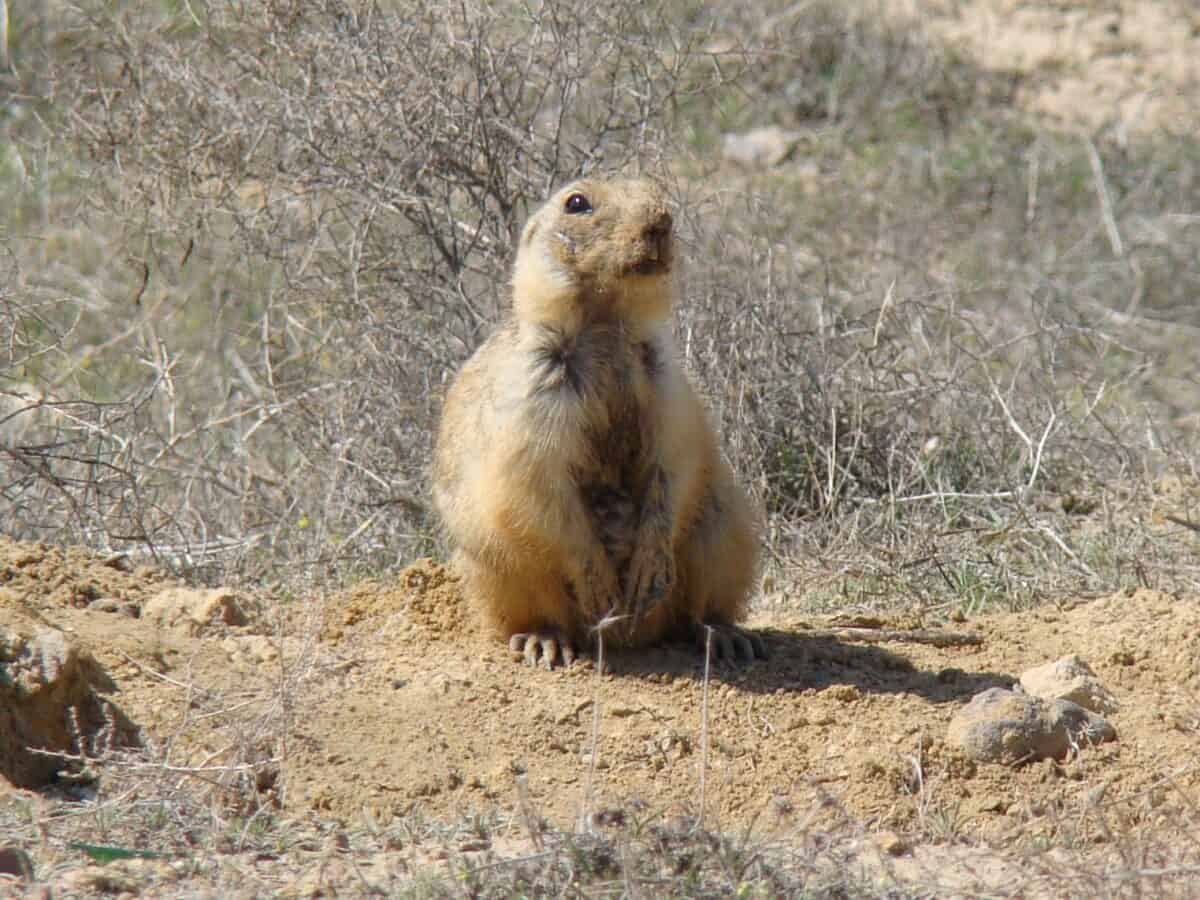
The California ground squirrel (Otospermophilus beecheyi), though often dismissed as a common rodent, maintains a vital ecological role across the state’s grasslands, oak woodlands, and open forests. These medium-sized ground squirrels, recognizable by their mottled brown-gray fur and bushy tails, have adapted remarkably well to human-altered landscapes while maintaining strong populations in natural areas. Their complex burrow systems, which can extend 35 feet horizontally and 6 feet deep, serve as engineering features that aerate soil, enhance water penetration, and create habitat for numerous other species including burrowing owls, California tiger salamanders, and various reptiles. An individual ground squirrel may move over 8 cubic feet of soil annually, contributing significantly to soil turnover and nutrient cycling. These social rodents employ sophisticated communication systems including varied alarm calls that differentiate between aerial and terrestrial predators. Perhaps most fascinating is their evolved resistance to rattlesnake venom and behavioral adaptations for confronting these predators—including tail-flagging displays and even chewing on shed snake skins to apply snake scent to their fur as camouflage. Despite control efforts in agricultural settings, California ground squirrels maintain abundant populations throughout their range, demonstrating exceptional resilience and adaptation to California’s diverse ecosystems.
Conclusion:

California’s rich tapestry of habitats fosters an extraordinary array of wild species that not only survive but thrive across its landscapes. From the soaring wings of the California condor to the deep-diving feats of elephant seals and the urban adaptability of coyotes, each species profiled in this article exemplifies resilience, ecological importance, and evolutionary ingenuity. These animals not only symbolize the state’s natural beauty but also highlight the success of conservation efforts and the need for ongoing stewardship. As climate change, urban development, and habitat fragmentation continue to pose challenges, the enduring presence of these 15 wild species offers hope and inspiration. By appreciating and protecting California’s native wildlife, we ensure that future generations can continue to marvel at the diversity and vitality of the Golden State’s ecosystems.

As a little kid, I fell in love with nature, wildlife, and animals. Living in the USA, South Africa, Italy, China and Germany gave me the opportunity to discover the world's Wildlife. My favorite animals are Mountain Gorillas, Siberian Tigers, and Great White Sharks.
I'm a certified PADI Open Water Diver, went to Everest Base Camp and Trekked Gorillas in Uganda. I hold a Master of Science in Economics and Finance.
Please send any feedback to feedback@animalsaroundtheglobe.com
- 15 Wild Species Thriving in California - July 15, 2026
- 14 Surprising Places You Can Spot Rare Birds - July 15, 2026
- This Extinct Animal Could Take Down a T-Rex And It is Not What You Expect - July 15, 2026
Leave a comment
You must be logged in to post a comment.