
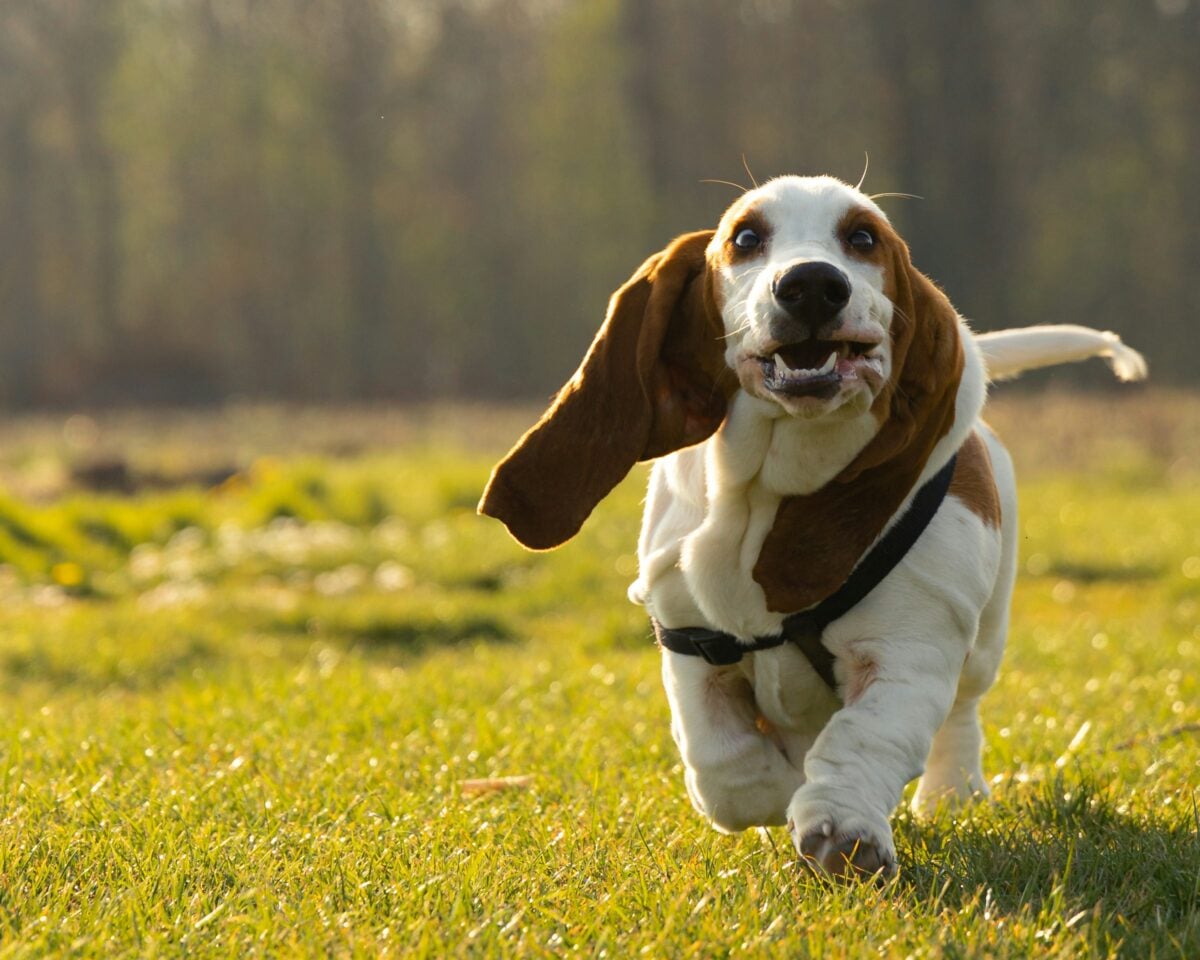

Most people believe a rescued dog is “fixed” the moment it starts wagging in the living room. That myth is why so many adopters get blindsided by quirks that show up weeks, months, even years later. If you’ve ever wondered why your dog sleeps with one eye open on a brand-new bed, these 16 habits are for you, and every one has a reason behind it.
A dog can look completely settled and still carry the shelter, the street, or a former home in its body. Some of these habits are harmless quirks. Others are survival strategies that never got switched off. Keep reading, because a few near the end are the ones that make owners go quiet, and the #1 habit only happens in the dark.
#16 – Sleeping Lightly in the Softest Bed

That dog snoozing on the orthopedic bed is probably still half on guard duty.
Many rescues sleep in short, easily broken stretches long after they’ve “settled in.” Ears twitch. Eyes snap open at a creaking floorboard. Owners often assume the dog is uncomfortable, but it’s usually a learned habit of staying ready.
Even ordinary pet dogs sleep worse in unfamiliar places. Researchers have documented a “first-night effect” in dogs, much like the restless night people have in a hotel room. A rescue who has bounced between shelters, fosters, and transport vans has had that reset again and again.
Some rescues keep this light-sleep pattern well after their owners assume they’ve adjusted. Watch for these signs:
- Sleeps in short bursts, not long stretches
- Wakes at small household sounds
- Picks a spot with a clear view of the doors
But that’s nothing compared to what happens at the food bowl in #15…
#15 – Gulping Food Like It Might Vanish
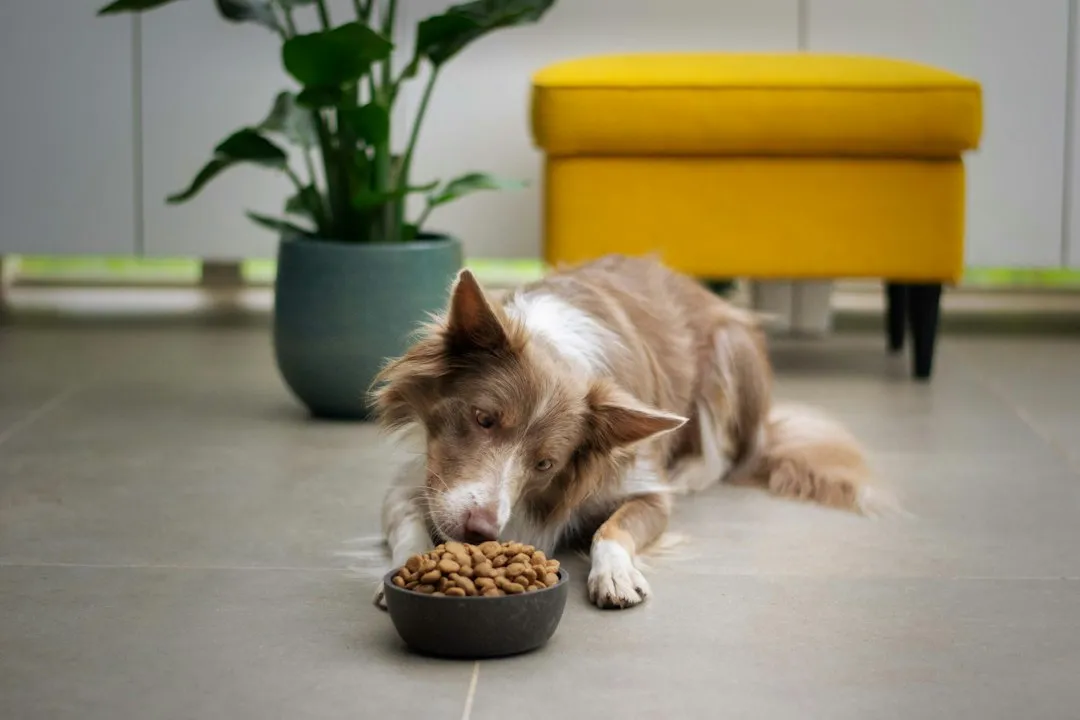
Plenty of owners secretly worry their rescue is “greedy,” but that’s rarely the real story.
A dog who has gone hungry, or competed with other dogs for meals, learns one rule: eat fast or lose it. That rule can stick even when the bowl is full twice a day without fail.
Trainers often see this in dogs from shelters and the street. The dog inhales the meal, then checks the floor and your face for more. Fast eating can also be plain habit, so it isn’t proof of past hunger. Dogs can keep this pattern for years, even when their meals have been dependable from day one.
Many owners make a mistake here. They reach into the bowl “to teach tolerance.” Most behavior professionals now advise against it, because it can turn a worry about losing food into active guarding.
Calmer alternatives include:
- Feeding in a quiet corner without foot traffic
- Using a slow-feeder or snuffle mat
- Keeping meal times consistent so the dog can predict them
Fast eating can also cause choking or stomach upset, so mention it to your vet if it’s severe.
Worth Knowing
- Fast eating alone doesn’t prove a hungry past. Habit and mealtime competition can create it too.
- Puzzle feeders and snuffle mats stretch a meal and give the dog a job to do.
- Repeated gagging, vomiting, or retching with nothing coming up needs a call to the vet.
- A swollen, tight belly after eating is an emergency, especially in deep-chested breeds.
Next up is a spot your dog keeps drifting back to, and it’s #14…
#14 – Hovering Near the Door
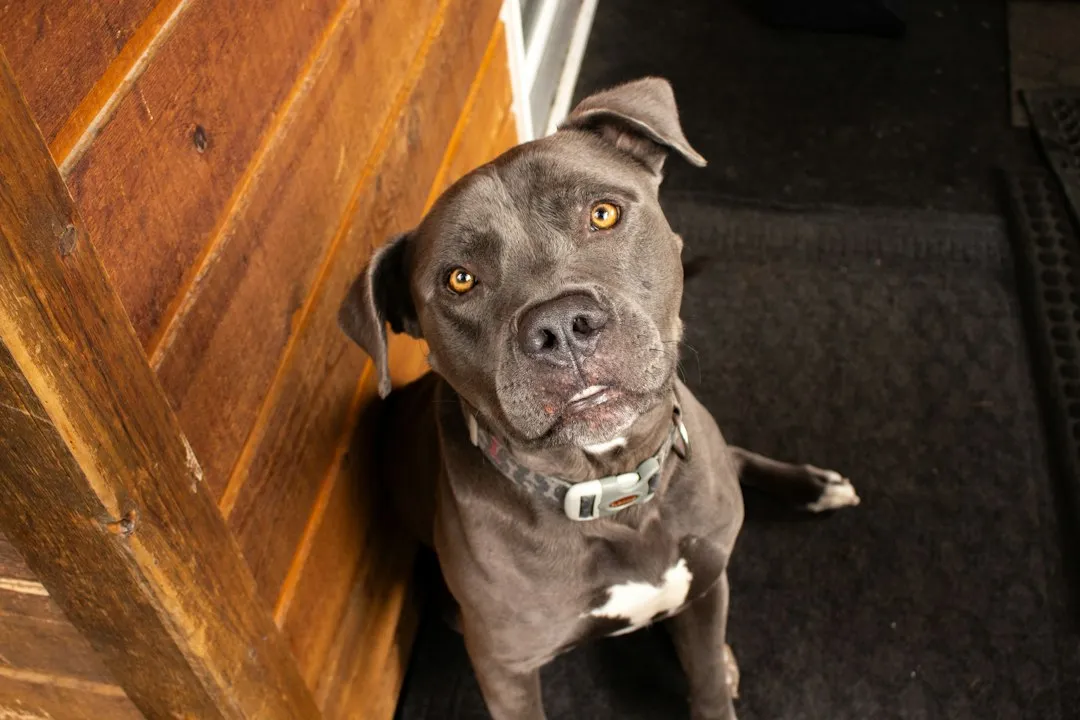
The dog parked at the front door isn’t always waiting for a walk.
For a rescue, doors are where everything important happened. Doors are where people left, where dogs were taken away, and where the cage or car waited. That history can turn the entryway into a permanent post.
Some dogs are watching for you. Others are watching for the moment something changes. Either way, the habit often outlasts the dog’s belief that anyone is leaving for good. Experts suggest reading the body language: a loose, wiggly body means anticipation, while a stiff, still, tense posture suggests worry.
Here’s a take that may spark debate. Many owners “fix” this by blocking the door with a gate or scolding the dog, and that’s the wrong move. Taking away the dog’s watch post usually raises anxiety instead of lowering it.
But the next habit might be the most common one of all, and it’s #13…
#13 – Shadowing You Room to Room
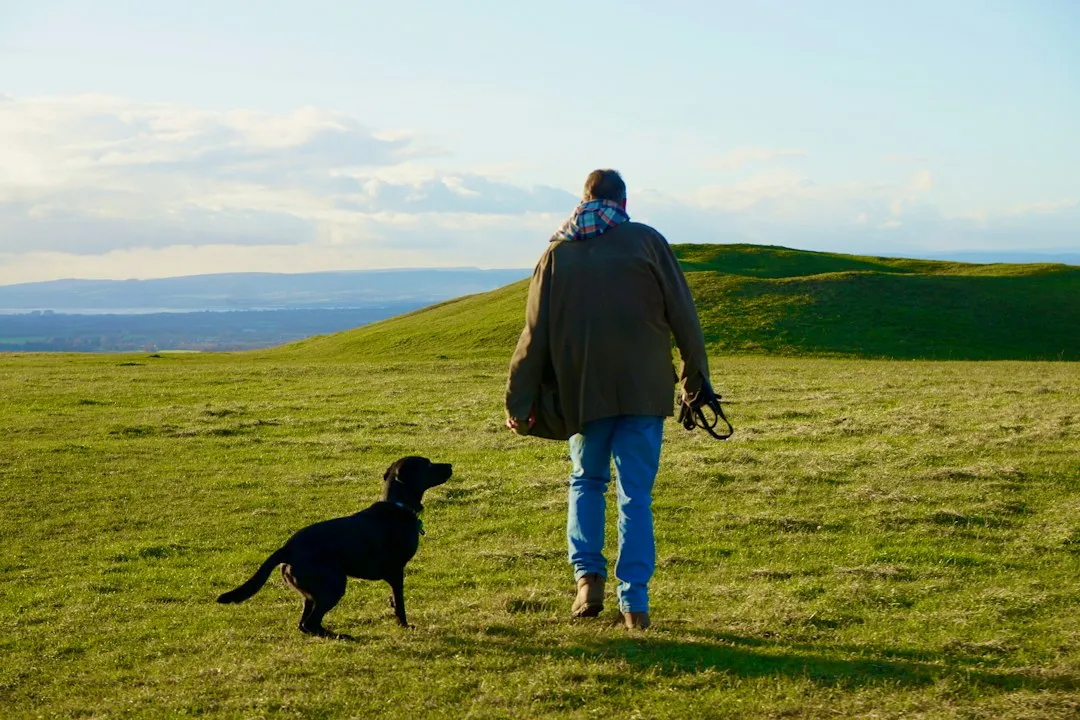
Your dog follows you to the bathroom for a reason, and it isn’t random clinginess.
Rescues often track their person’s every move. If you stand, they stand. If you head to the kitchen, they’re already there. For a dog who has lived through sudden separations, keeping you in sight is a form of insurance.
Shadowing is common in pet dogs generally, but in rescues it often looks more intense, especially in the first months. Many dogs only stop trailing their person after they’ve learned, through repeated experience, that leaving the room doesn’t mean losing the person.
There’s a catch worth knowing. Shadowing isn’t always separation anxiety. A dog who follows you everywhere but stays calm when you’re gone is in a different category from one who panics when alone.
But that’s nothing compared to how this dog reacts to sounds in #12…
#12 – Startling at Ordinary Noises

A dropped pan, a slammed car door, a sneeze. Your rescue reacts like it was an alarm.
Dogs with unpredictable pasts often have a lower threshold for sudden sound. Their nervous systems learned that loud and sudden can mean danger, and that learning doesn’t switch off when the home gets calmer.
Shelters are loud places. Constant barking, clanging kennel doors, and unfamiliar people are the norm. Noise is widely considered one of the main stressors for dogs in kennel environments. A dog can spend weeks in that setting before ever seeing your living room.
What helps:
- Stay calm yourself and avoid fussing over the dog
- Let the dog retreat to a quiet space
- Pair small, controlled sounds with treats over time
Don’t force exposure. Many owners believe the dog “just needs to get used to it,” but forced exposure often does the opposite and makes the fear stronger. Persistent, intense noise fear deserves a vet or certified behaviorist, since it can worsen without help.
The next habit shows up when your dog thinks no one is watching, in #11…
#11 – Stashing Toys and Treats
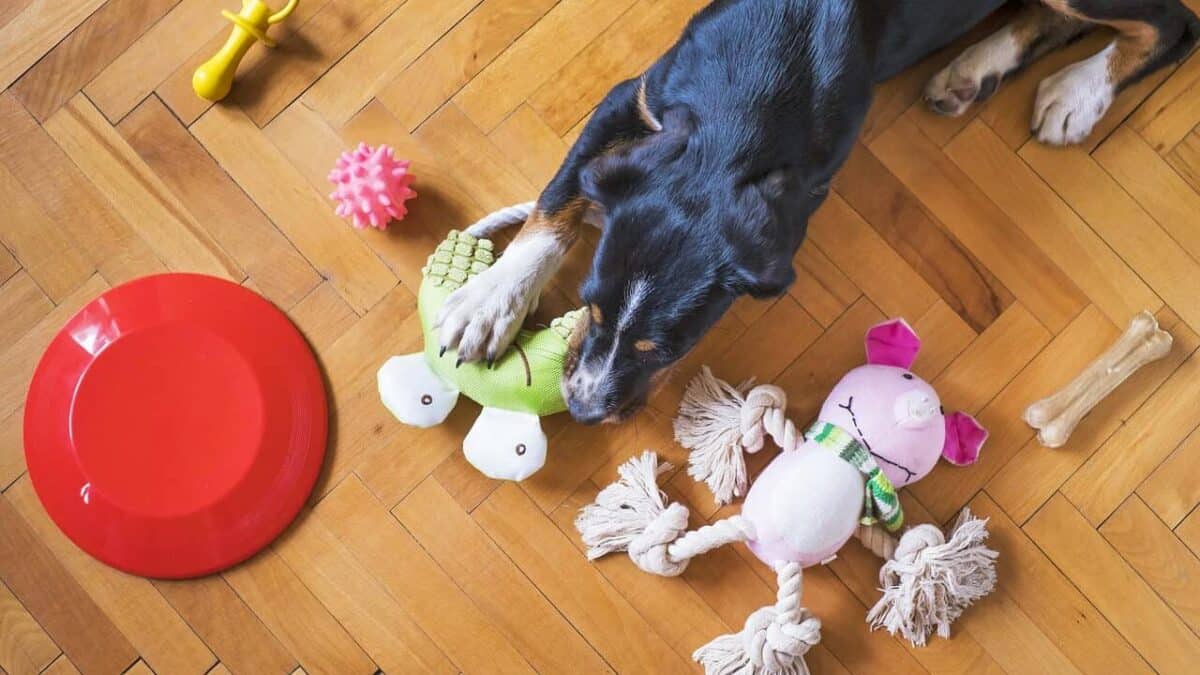
If your dog buries bones in the couch cushions, take it as information, not a quirk.
Hiding food and favorite items is a natural canine instinct. Rescues with a history of scarcity often do it more. The dog is making sure the good stuff can’t be taken.
Owners find stashes in strange places: a chew behind a pillow, a toy under a blanket, a treat at the back of a crate. Some dogs keep hiding valuables long after they’ve stopped being short of anything.
The usual response is to take the stash away, and that’s a mistake. Removing hidden items can confirm the dog’s belief that nothing is safe. A better approach is to leave the stash alone and keep resources plentiful.
But that’s nothing compared to what happens when your hand moves in #10…
#10 – Flinching at Raised Hands
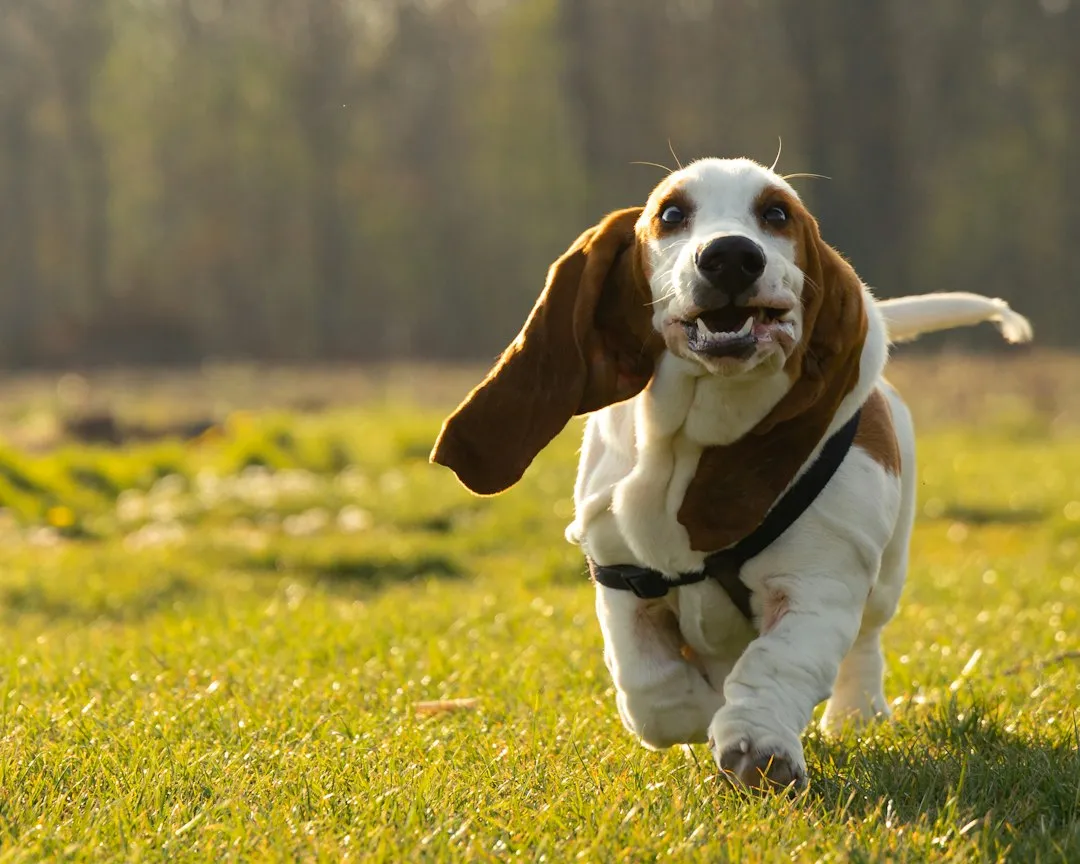
One quick gesture can make a dog duck, and the reason isn’t always obvious.
Some rescues pull back when a hand reaches over their head, when someone lifts an arm, or when a person moves quickly. Not every flinching dog was abused. Dogs also flinch from poor handling, rough play, or simply never having been touched gently.
Experts caution against guessing a dog’s history. A dog’s reaction tells you what it has learned, not necessarily what happened to it. Treating every flinch as proof of abuse can lead owners to overprotect the dog.
Instead, change how you approach:
- Reach under the chin or toward the chest, not over the head
- Let the dog sniff your hand first
- Pause petting and see if the dog leans back in
But that’s nothing compared to what your dog does on every walk in #9…
#9 – Checking In Constantly on Walks
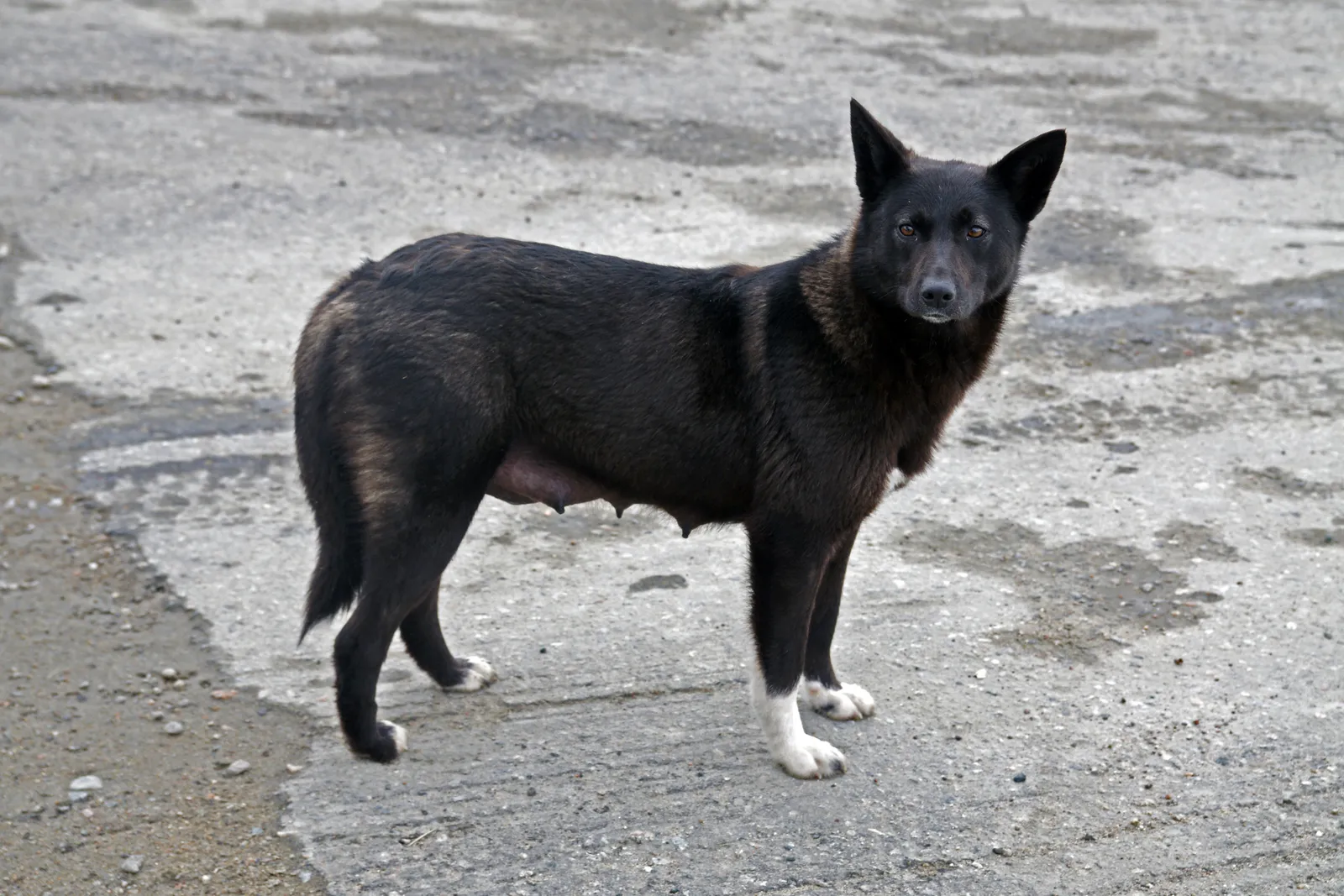
Your dog keeps glancing back at you, and that glance means more than you think.
Rescues often scan the environment and then scan you. They’re checking whether you’re still there and what you’re doing. It can look like obedience, but it’s often a mix of attachment and uncertainty.
Some dogs hug your leg, while others pull ahead and keep looking back. Many rescues are slower than pet-store puppies to explore freely, because exploring requires confidence that home base is safe.
This habit can be useful, since a dog who checks in is easier to train and to recall. The risk comes if the dog is too anxious to sniff or enjoy the walk. Sniffing is considered an important form of mental enrichment for dogs, so a dog who never sniffs may be too stressed to engage.
But that’s nothing compared to the stress signals most owners miss in #8…

Smart Bird Feeder with Camera Solar Powered, 2K HD Live Video, 10,000+ Bird Species AI Identification
Check Price on AmazonAs an Amazon Associate, we earn from qualifying purchases.
10/7/2026 1:22 pm GMTi

Portable Dog Water Bottle Foldable Dog Travel Water Bottle
Check Price on AmazonAs an Amazon Associate, we earn from qualifying purchases.
10/7/2026 1:29 pm GMTi

Glass Hummingbird Feeder for Outdoors Hanging, 16 oz Leak-Proof Nectar Feeder with Bee Guards & Ant Moat
Check Price on AmazonAs an Amazon Associate, we earn from qualifying purchases.
10/7/2026 1:22 pm GMTi

Dog Stairs for Bed 18" H, 4-Step Dog Steps for High Bed
Check Price on AmazonAs an Amazon Associate, we earn from qualifying purchases.
10/9/2026 2:42 pm GMTi

Orthopedic Extra Large Dog Bed, Waterproof Washable XL Pet Bed 44"
Check Price on AmazonAs an Amazon Associate, we earn from qualifying purchases.
10/7/2026 1:32 pm GMTi
#8 – Freezing or Shutting Down

The “perfectly calm” rescue might actually be overwhelmed.
Some dogs respond to stress by going still. They stop moving, avoid eye contact, and let you handle them. Owners often describe such a dog as “so good” or “so easygoing.”
Experts say this is one of the most misread behaviors in rescue dogs. A dog that is quiet and still isn’t necessarily relaxed, and it may be coping. The real signs of comfort are looser muscles, soft eyes, and a willingness to move around.
Stress signals worth learning include:
- Lip licking when no food is around
- Yawning in tense moments
- Showing the whites of the eyes (often called “whale eye”)
- A tucked tail or lowered body
Many owners believe a dog who never misbehaves is adjusting well. In reality, some of these dogs are simply holding it all in.
But that’s nothing compared to what happens around the food bowl or favorite bed in #7…
#7 – Guarding Resources
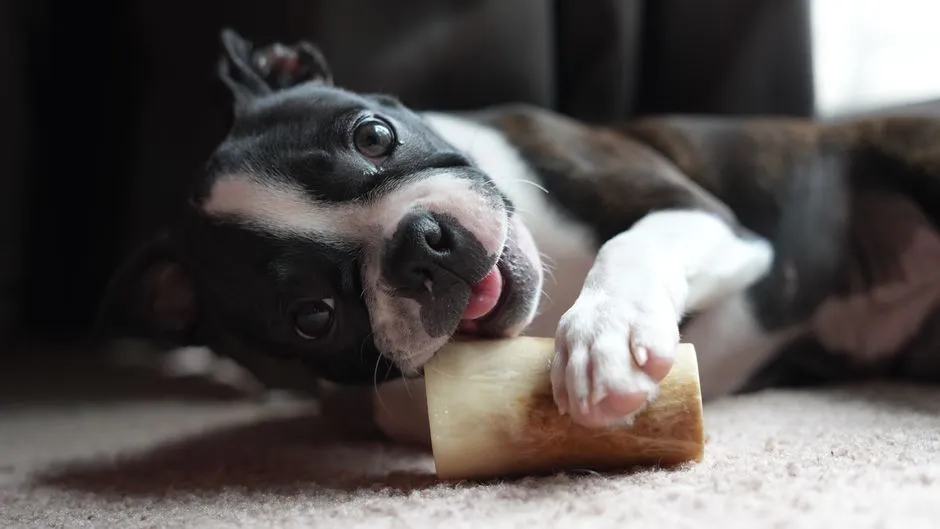
Growling over a bone looks like aggression, but it’s often a conversation.
Resource guarding is common in dogs generally, and rescues can show it strongly. Food, toys, beds, and even people can be treated as items worth protecting. For a dog that learned resources can disappear, it makes sense.
The worst reaction is punishment. Punishing a growl can teach a dog to stop warning you, while the worry underneath stays exactly the same. That’s how some bites seem to come “out of nowhere.”
Here’s a hot take. The old advice to “show the dog you’re the boss” by taking items away is outdated. Most modern behavior professionals favor trading, where you offer something better and the dog learns that people approaching means good things.
If guarding is intense, bring in a qualified behavior professional rather than trying to fix it alone.
Next, the habit that looks like good behavior but isn’t, in #6…
#6 – Staying Too Quiet
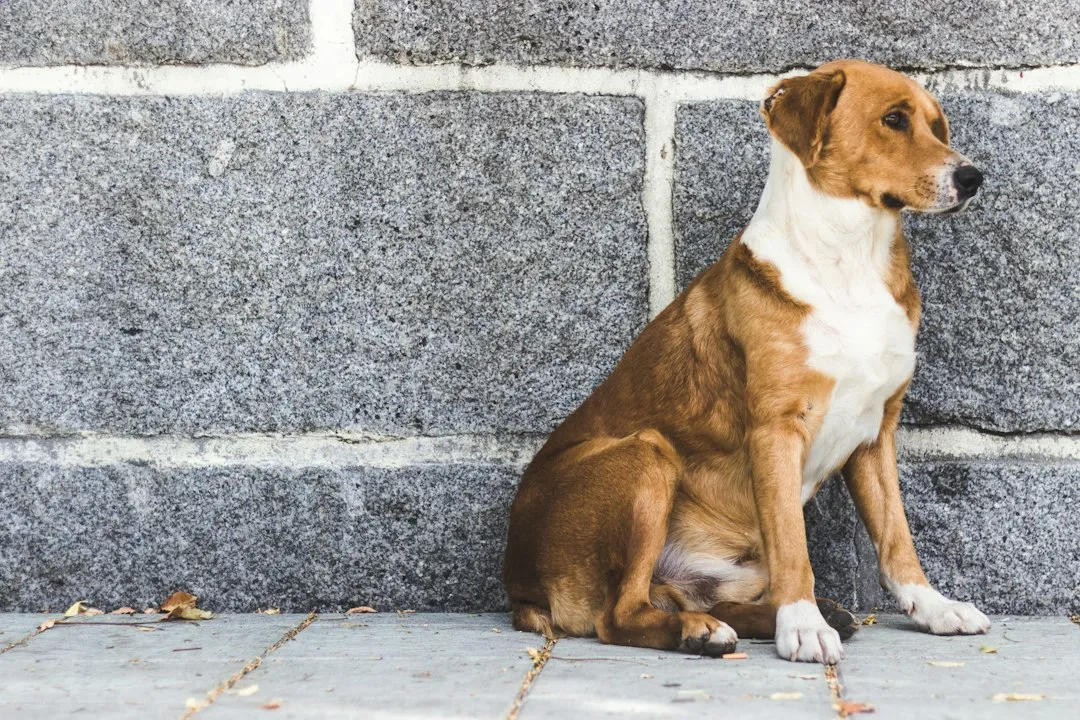
A silent rescue is not automatically a happy one.
Some dogs rarely bark, whine, or ask for anything in their first weeks. They don’t beg or demand attention. People call them “angels.”
Experts see it differently. A dog that has learned that asking for things doesn’t work, or that drawing attention is risky, may simply stop asking. Many dogs only start “misbehaving” once they feel safe enough to be themselves.
That’s why a sudden burst of chewing, zoomies, or barking often arrives months in. It can feel like a setback. Often it’s progress, because the dog finally feels secure enough to show its personality.
Here’s a controversial point. The idea that rescue dogs are “grateful” is a myth. Dogs don’t behave out of gratitude, and calling quiet compliance gratitude can hide real stress.
Fast Facts
- The popular “3-3-3” guideline says 3 days to decompress, 3 weeks to learn the routine, and 3 months to feel at home.
- Day one to week three is often the quietest, most careful stretch.
- Personality surprises tend to show up near the 3-month mark, or later.
- It’s a rough rule of thumb, not a scientific timeline, and plenty of dogs run slower or faster.
But that’s nothing compared to the strange thing that happens at thresholds in #5…
#5 – Hesitating at Doorways and Stairs
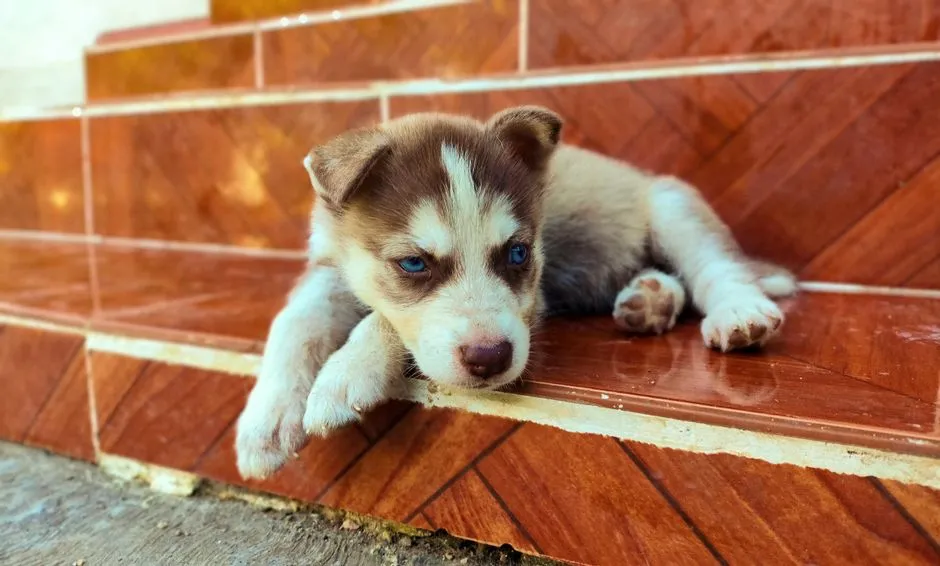
Your dog stops dead at the edge of a room, and it isn’t being stubborn.
Thresholds, narrow hallways, slippery floors, and stairs can all trigger hesitation in rescues. A dog who spent time in kennels or outdoors may never have met these surfaces and spaces before.
Some dogs also avoid tight spots because they feel trapped. Many rescues lived their early lives without ever seeing a staircase, tile floor, or elevator. What looks like fear of the doorway may be fear of the unknown.
Pulling or luring with force rarely works. A better approach is to:
- Let the dog look and sniff before moving
- Reward small steps with treats
- Use non-slip rugs on slick floors
But the next habit is the one that tugs hardest at owners, and it’s #4…

Halloween Dog Collar with Bow, Orange Cute Ghost Collar,
Check Price on AmazonAs an Amazon Associate, we earn from qualifying purchases.
10/9/2026 2:43 pm GMTi

Air Purifiers for Home Pets Large Room Up to 3000 Ft²,HEPA Air Cleaner with Washable Double-Side Filter, PM2.5 Air Quality Monitor,15dB Sleep Mode for Bedroom Odor Dust Pollen,White
Check Price on AmazonAs an Amazon Associate, we earn from qualifying purchases.
10/8/2026 8:23 am GMTi

2 Pcs Halloween Pet Hat Bandana Set, Witch Pumpkin Costumes for Dogs
Check Price on AmazonAs an Amazon Associate, we earn from qualifying purchases.
10/9/2026 2:45 pm GMTi

Hand Blown Glass Hummingbird Feeders for Outdoors Hanging, 24oz Wild Bird Nectar Feeder
Check Price on AmazonAs an Amazon Associate, we earn from qualifying purchases.
10/7/2026 1:23 pm GMTi

Glass Hummingbird Feeder for Outdoors Hanging
Check Price on AmazonAs an Amazon Associate, we earn from qualifying purchases.
10/7/2026 1:21 pm GMTi
#4 – Waiting at the Window After You Leave
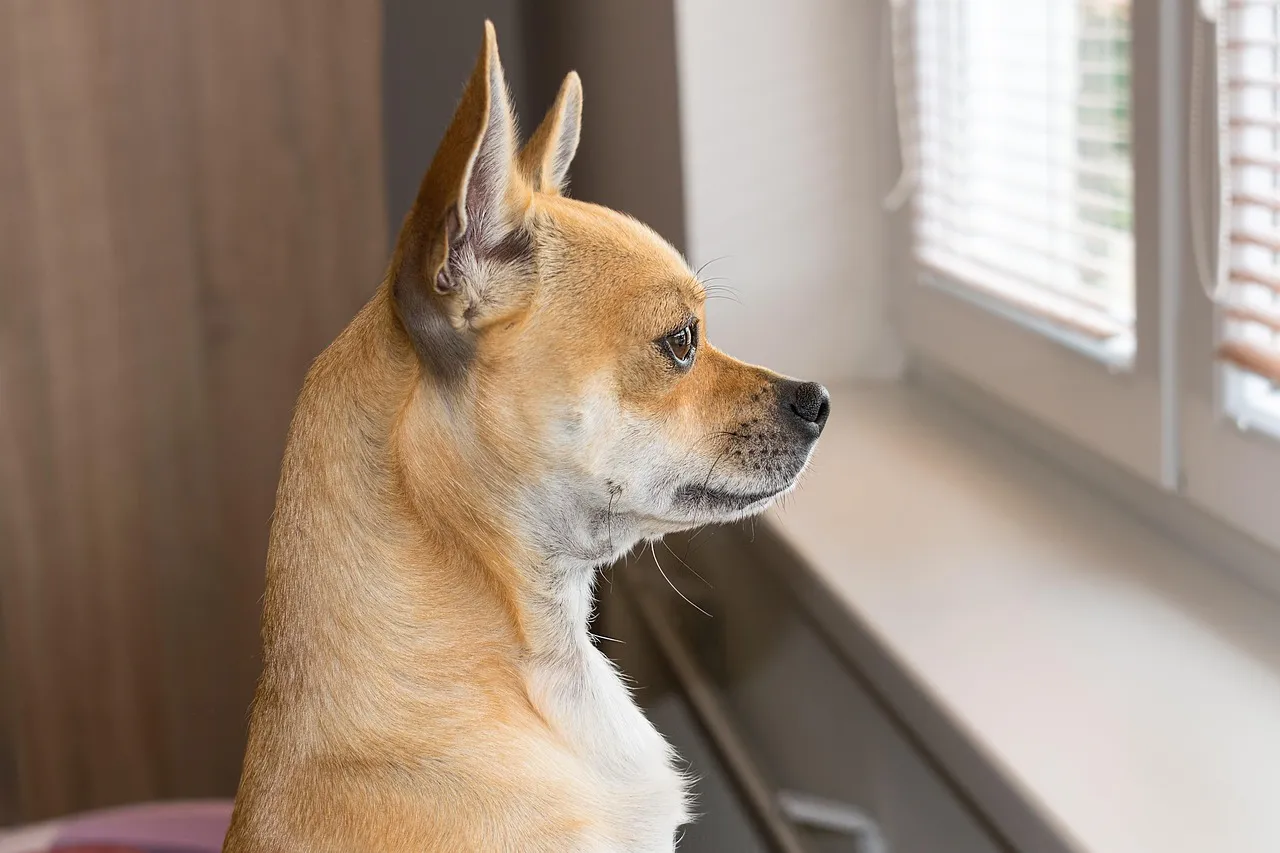
Your dog’s goodbye says more about its past than you realize.
Many rescues get very intense about departures and returns. They watch you walk out, wait at the window, and greet you like you’ve been gone for years. Some of that is normal attachment.
Some of it is separation-related distress, which is common in adopted dogs. Studies of dogs in shelter and rehoming settings suggest a meaningful share show signs of separation problems. The exact numbers vary by study, so treat any claim of a precise percentage with caution.
Signs to watch for include:
- Destructive chewing near doors or windows
- Pacing, drooling, or howling when alone
- House accidents only when you’re out
Mild versions often improve with gradual training. Severe cases need professional help, because punishing a panicked dog makes things worse.
Quick Compare
- Normal attachment: a brief whine or sigh, then the dog settles with a chew or nap.
- Likely distress: nonstop howling, frantic pacing, or damage around exits while you’re gone.
- Best next step: record a short video of your dog alone and show it to your vet or a certified behaviorist.
But that’s nothing compared to how some dogs try to win you over in #3…
#3 – Appeasing Before Anyone Is Upset
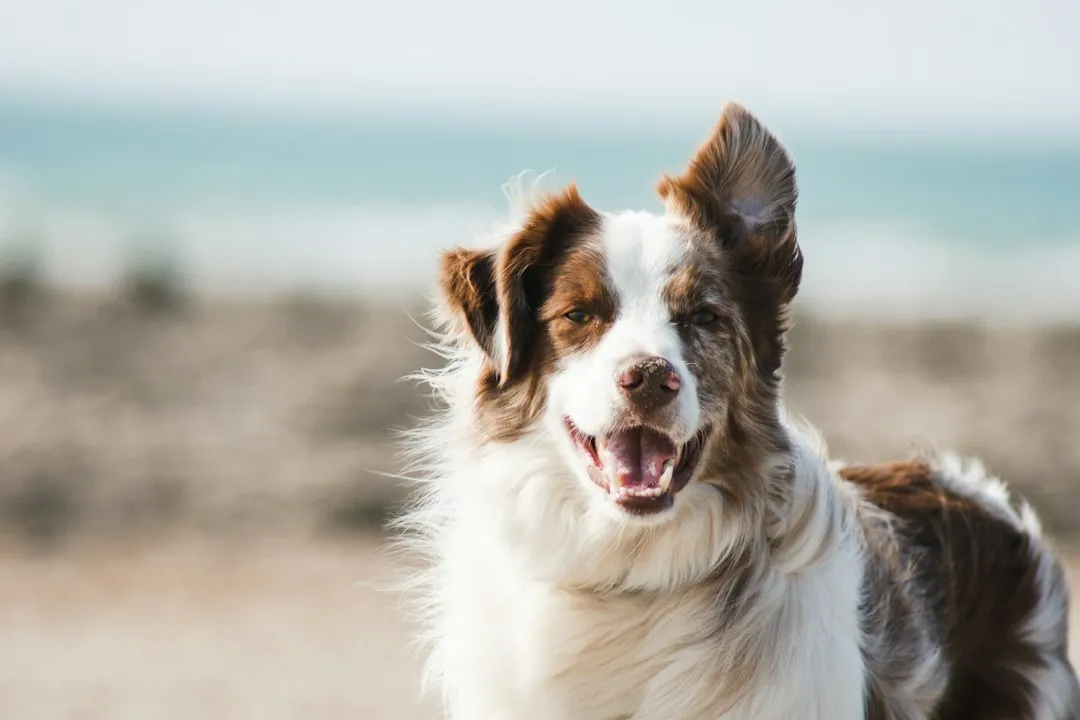
Some rescues apologize for things that never happened.
You might see a dog lower its body, lick your face, or roll over before you’ve said a word. These are appeasement behaviors, meant to calm a situation the dog expects to turn tense.
In a dog with a rocky history, appeasing can become automatic. The dog may act out a “please don’t be mad” routine at the smallest change in your tone of voice. It’s easy to mistake it for guilt, but research on the “guilty look” suggests dogs show it in response to owner cues, not because they understand what they did wrong.
That finding surprises most people. The “guilty” dog is often just reading your body language.
But that’s nothing compared to how hard some dogs resist being handled in #2…
#2 – Dreading Handling and Vet Visits
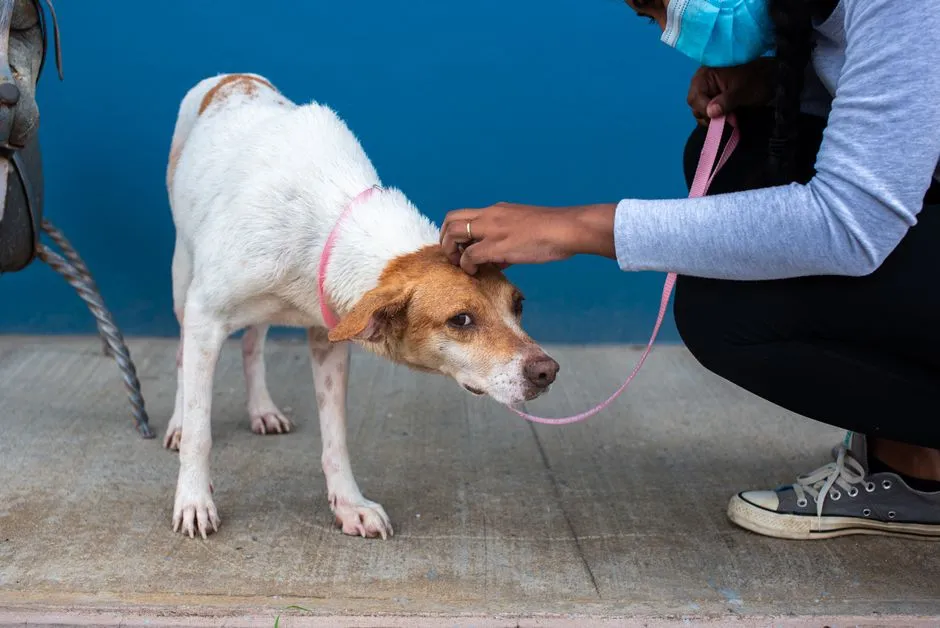
Grooming, nail trims, and vet tables can undo months of trust in minutes.
Many rescues tolerate cuddles on their terms but tense up when held, restrained, or examined. Being picked up, towel-dried, or looked over by strangers may recall earlier stressful handling.
This one catches owners off guard. A dog who adores you at home can still be terrified of the same touch in a clinic. The new setting, smells, and restraint pile on top of old associations.
Preparation helps more than most people expect:
- Practice gentle handling at home with treats
- Visit the vet clinic for “just a treat” stops
- Ask about fear-free or low-stress handling practices
Some owners also use a basket muzzle, trained gradually with treats, as a safety tool. Used with care, it’s a training aid, not a punishment.
But the final habit is the one that makes owners tear up, and it’s #1…

Professional 7 in 1 Dog Paw Cleaner for Dogs & Cats - Includes 1 Portable Paw Washer, 1 Bath Brush
Check Price on AmazonAs an Amazon Associate, we earn from qualifying purchases.
10/7/2026 1:26 pm GMTi

Earth Rated XL Dog & Puppy Pee Pads, Discreet Top, Max Absorbency
Check Price on AmazonAs an Amazon Associate, we earn from qualifying purchases.
10/7/2026 1:28 pm GMTi

PetSafe Oasys Pet Fountain, 1/2 Gallon (64 oz), Small Dogs & Cats
Check Price on AmazonAs an Amazon Associate, we earn from qualifying purchases.
10/8/2026 8:14 am GMTi

Halloween Cat Costume Cloak Witch Hat Pet Accessories
Check Price on AmazonAs an Amazon Associate, we earn from qualifying purchases.
10/9/2026 2:44 pm GMTi
#1 – Checking That You’re Still There at Night
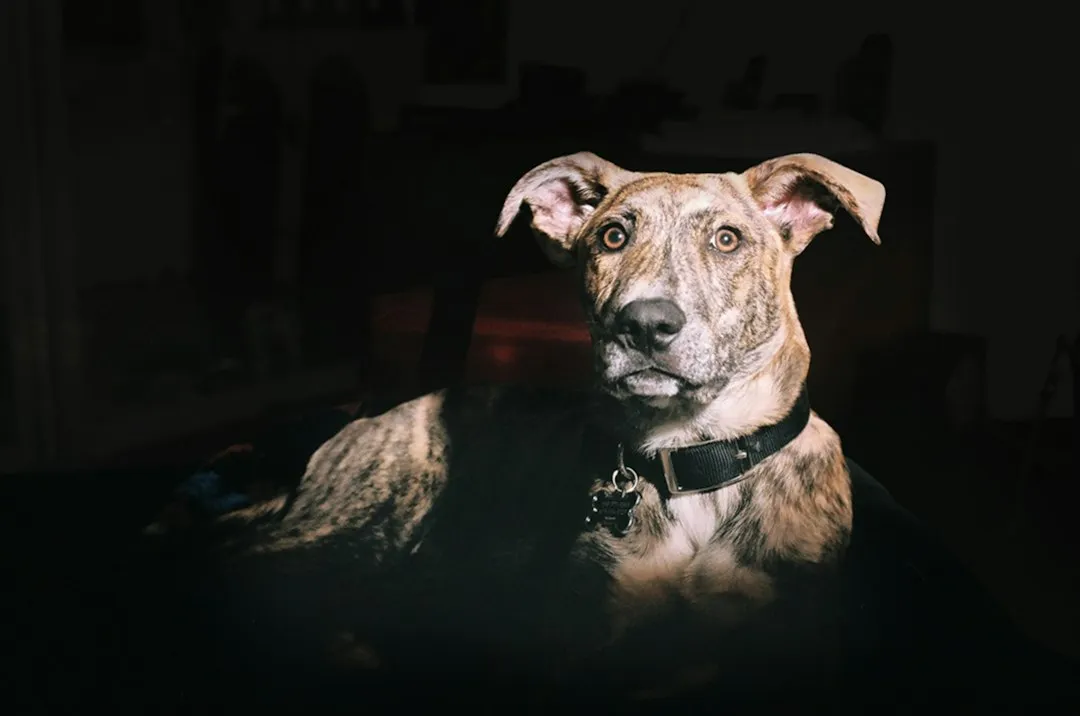
The most telling habit happens in the dark.
Many adopters notice the same ritual. The dog wakes, lifts its head, finds you, and settles again. Some dogs rest a chin on your foot. Others press their back against your leg or inch closer each night.
It’s quiet, and easy to miss. A dog doing this is no longer asking whether you’ll leave, but making sure the answer is still the same. That’s a different question, and it’s a sign of real attachment.
Experts say not to rush it. Some dogs need weeks, some need many months, and some keep a trace of the habit for life. Popular “rules” such as the 3-3-3 guideline are only rough rules of thumb, not scientific timelines.
Which means the real question isn’t how fast the habits fade, but what they teach us.
Rescue dogs don’t forget their pasts the day they come home. They carry them in how they sleep, eat, startle, and follow you. Quiet, still, and “easy” dogs are often the ones coping hardest. Most of these habits are logical responses to an unpredictable start, not defects.
Here’s our opinion. The idea that love alone fixes a rescue is the biggest myth in adoption. Patience, predictability, and sometimes professional help do the real work. And a dog that still checks on you at night isn’t failing to settle. It’s learning to trust you, one small, repeated proof at a time.
Which of these habits does your rescue still keep?

- 9 Animals That Are Far Smarter Than Most People Realize - November 12, 2026
- 9 Facts About Canada Lynx That Explain Their Boom-and-Bust Link to Snowshoe Hares - November 12, 2026
- Zoology Says Jaguars Have the Most Powerful Bite for Their Size of Any Big Cat – Strong Enough to Crack Turtle Shells - November 12, 2026