
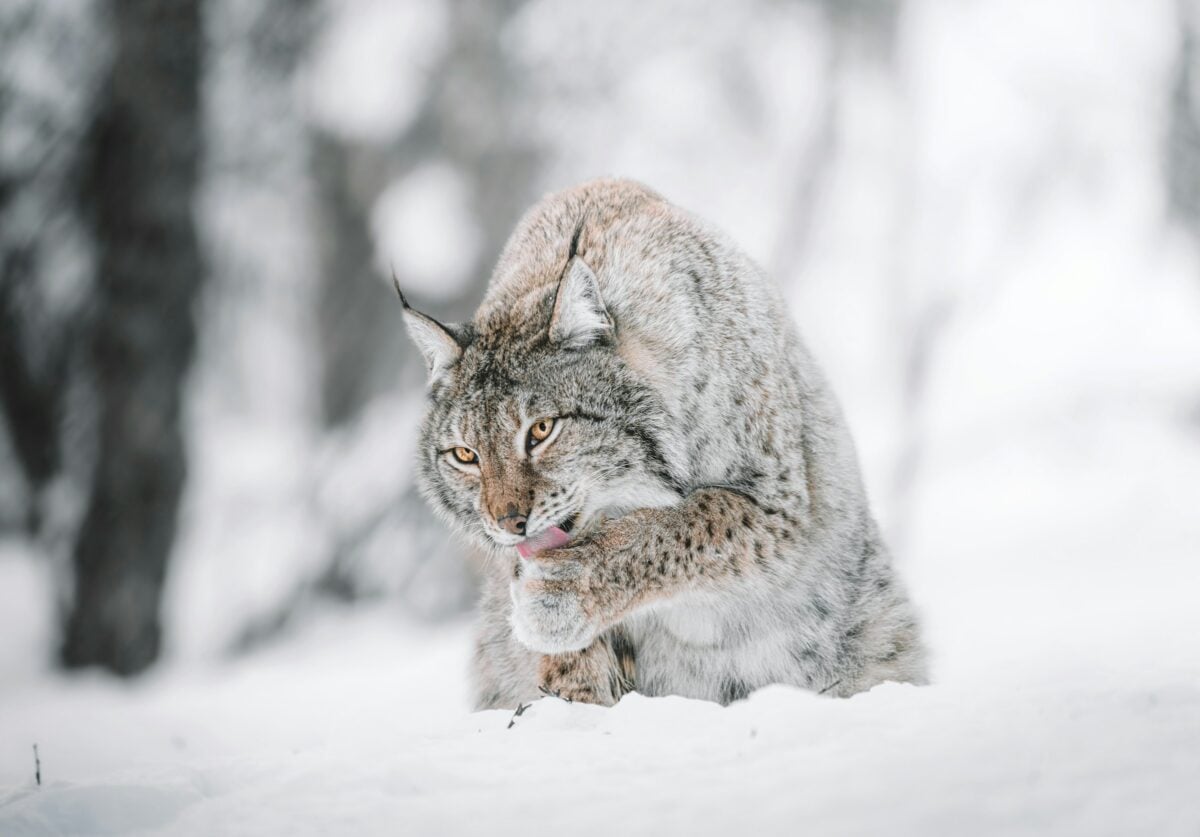

Picture a graph with two wavy lines. One rises and falls, and the other follows it, slightly late, like a shadow that can’t quite keep pace. That graph has shown up in ecology textbooks for about a century, and it comes from a medium-sized wildcat and its fluffy, long-footed dinner.
The story is more tangled than the neat lines suggest. Here are nine facts about Canada lynx and snowshoe hares, counting down, that show why the pattern is both real and a little more complicated than it looks.
9. Hares Are the Main Course, Not a Side Dish
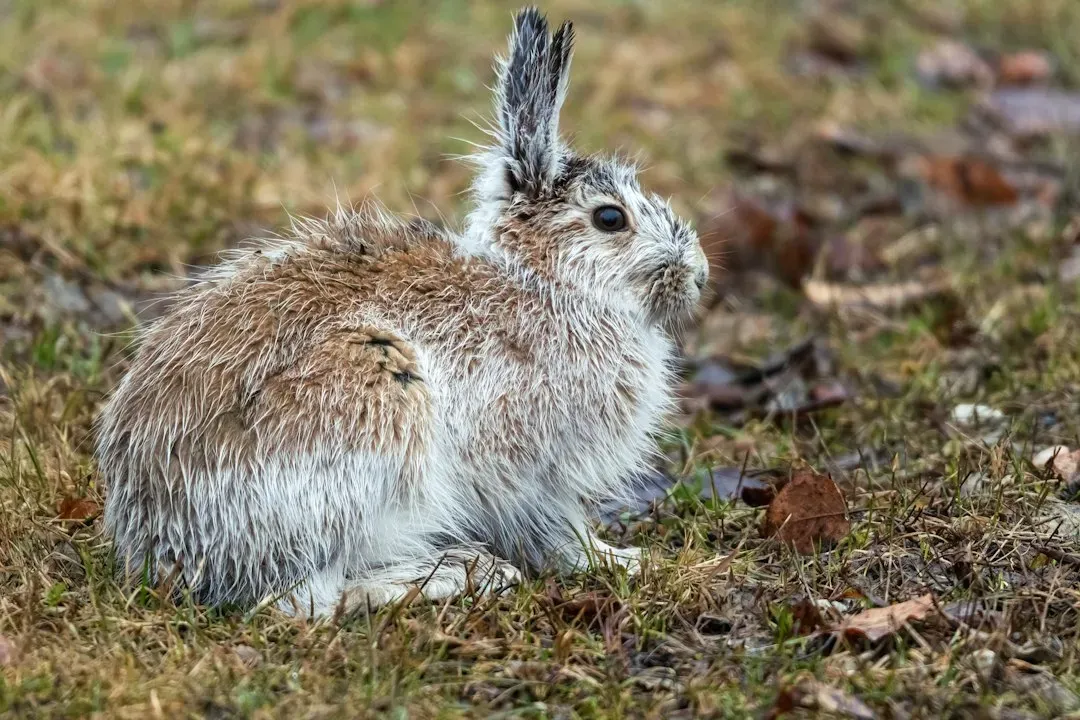
Most predators juggle several prey species. Canada lynx don’t really bother. In the northern forests, snowshoe hares make up the vast majority of what a lynx eats, especially in winter.
Lynx will take squirrels, grouse, voles and the occasional young deer or carrion when they have to. Those foods are mostly a backup plan. A lynx that can’t find hares is a lynx in trouble.
That narrow menu is the root of everything else here. A predator with one favorite food is tied to that food’s ups and downs in a way a generalist like a coyote never will be.
8. The Cycle Runs on a Roughly Decade Long Beat
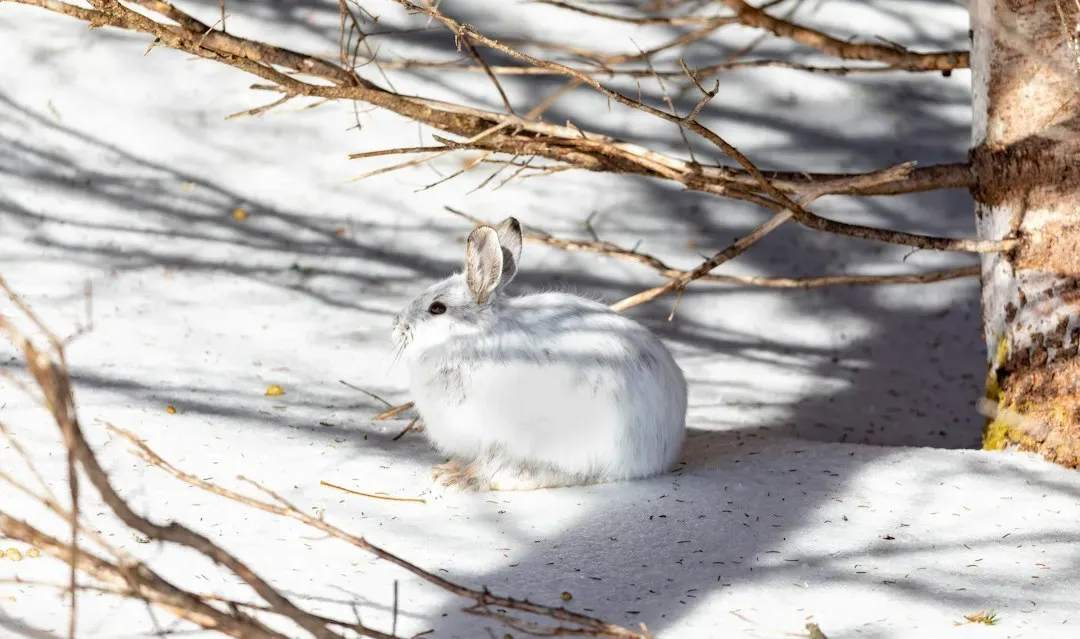
Snowshoe hare populations across the boreal forest rise and fall in a cycle that usually lasts somewhere around eight to eleven years. At the peak, hares can be everywhere, nibbling twigs and leaving trails across the snow. A few years later, the forest can feel strangely empty.
Lynx numbers follow the same rhythm, but they trail behind. Hares typically peak first, and lynx peak a year or so later. When hares crash, lynx keep declining for a while afterward.
The timing isn’t perfectly regular, and it varies from place to place. Think of it as a loose drumbeat rather than a metronome.
7. A Fur Trading Company Accidentally Recorded It
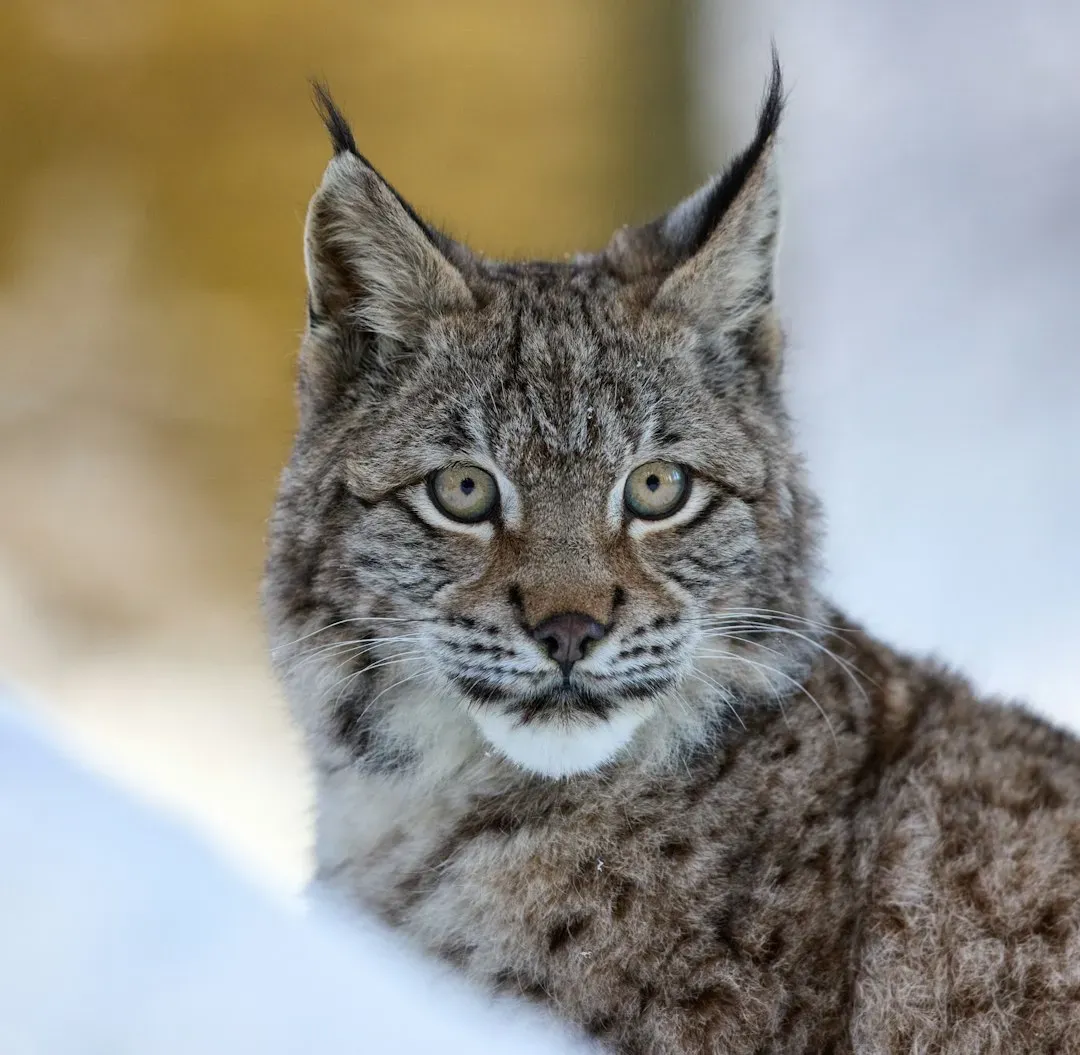
Much of what we know about the cycle began with paperwork. The Hudson’s Bay Company kept records of furs it bought, and lynx pelts show up in those ledgers year after year. Ecologists, including Charles Elton in the early twentieth century, saw the repeating swings in the numbers.
The data comes with a caveat. Pelt counts measure how many animals trappers brought in, not a perfect census of wild animals. Trapping effort, fur prices and the regions covered all shaped the totals.
Even so, the pattern was strong enough to hold up. Later field studies in places like the Yukon backed up the broad idea with direct counts of live animals.
6. Built for Snow, Down to the Toes
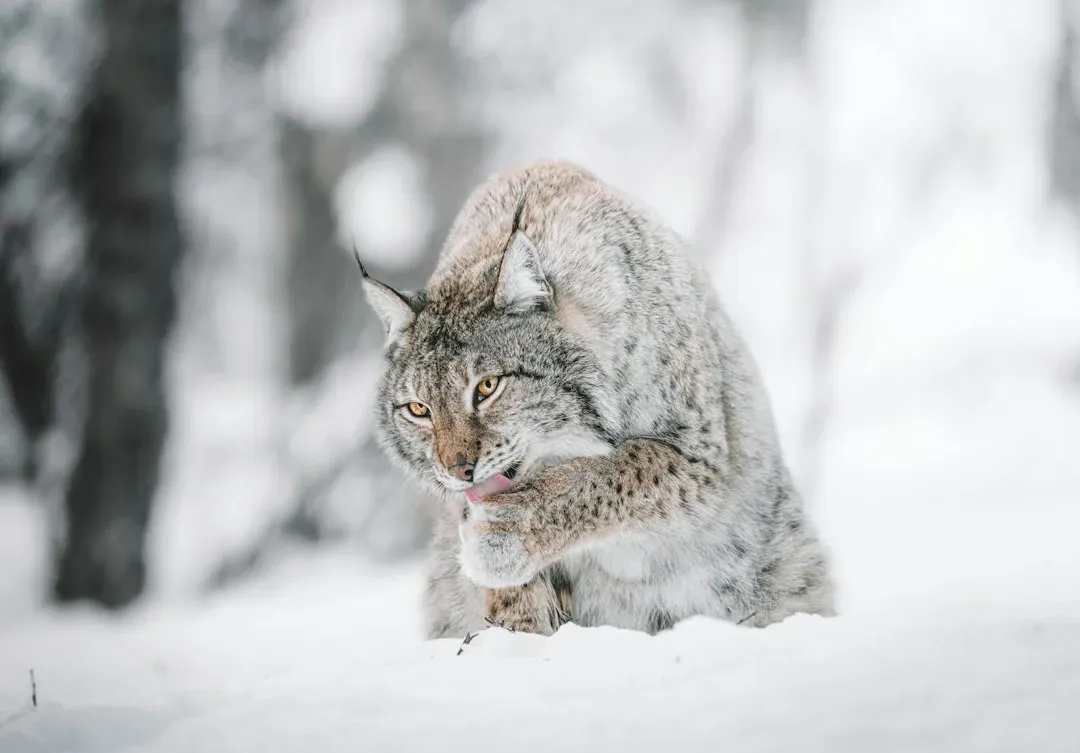
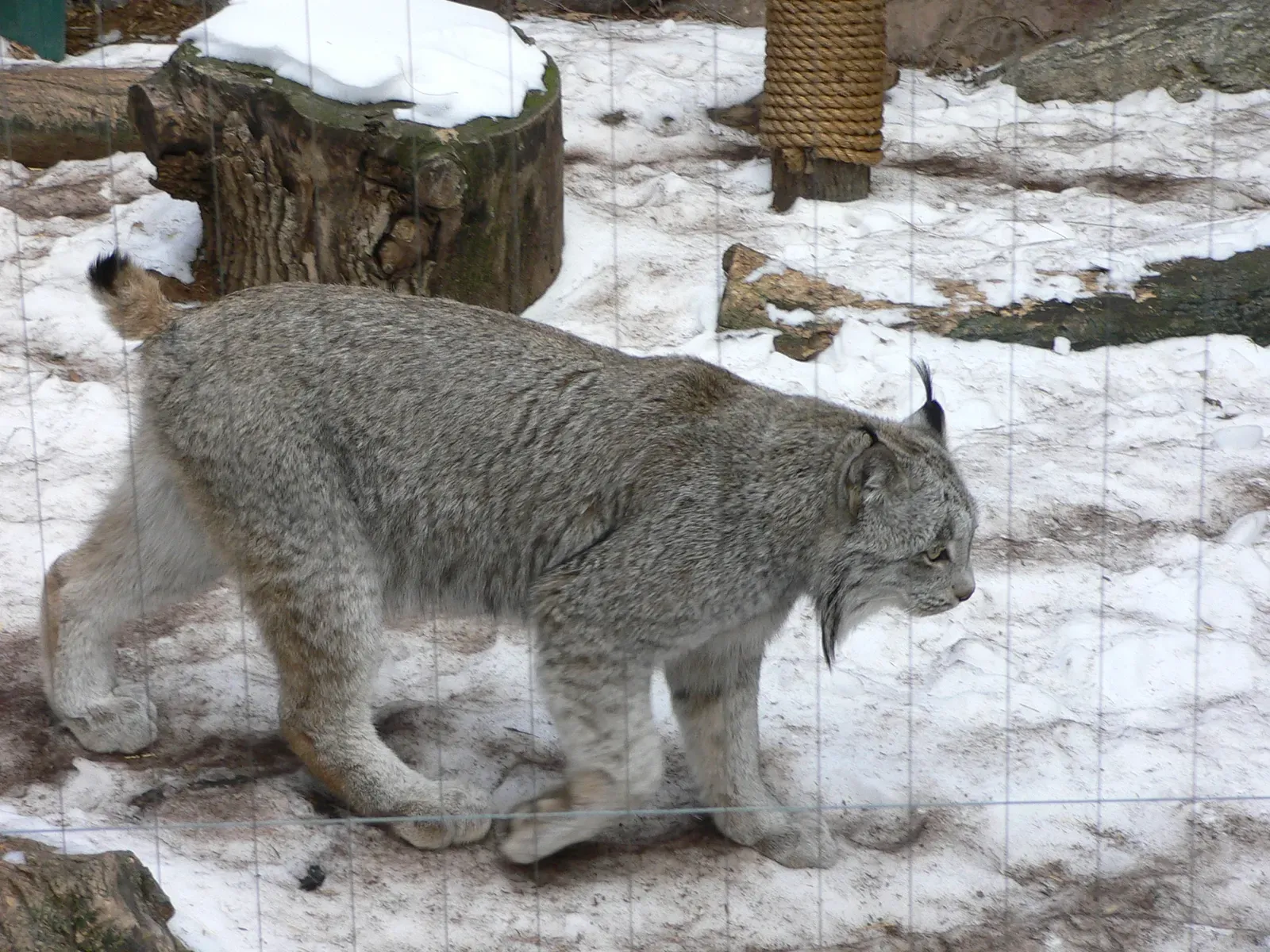
A lynx looks like it was designed for deep winter, and in a sense it was. Its paws are large and heavily furred, which spreads its weight on soft snow like a pair of built in snowshoes. Long hind legs, tufted ears and a short, black tipped tail finish the look.
Snowshoe hares have their own version of the same trick. Their oversized hind feet keep them on top of the snow, and their coats turn white in winter for camouflage. The two animals evolved in the same snowy world, so the chase happens on roughly equal terms.
That matching gear is one reason lynx are better at catching hares than most other cats would be in the same habitat. It also helps explain why they stay so tied to deep snow country.

Glass Hummingbird Feeder for Outdoors Hanging, 16 oz Leak-Proof Nectar Feeder with Bee Guards & Ant Moat
Check Price on AmazonAs an Amazon Associate, we earn from qualifying purchases.
10/7/2026 1:22 pm GMTi

PetSafe Oasys Pet Fountain, 1/2 Gallon (64 oz), Small Dogs & Cats
Check Price on AmazonAs an Amazon Associate, we earn from qualifying purchases.
10/8/2026 8:14 am GMTi

Dog Stairs for Bed 18" H, 4-Step Dog Steps for High Bed
Check Price on AmazonAs an Amazon Associate, we earn from qualifying purchases.
10/9/2026 2:42 pm GMTi

2 Pcs Halloween Pet Hat Bandana Set, Witch Pumpkin Costumes for Dogs
Check Price on AmazonAs an Amazon Associate, we earn from qualifying purchases.
10/9/2026 2:45 pm GMTi

Orthopedic Extra Large Dog Bed, Waterproof Washable XL Pet Bed 44"
Check Price on AmazonAs an Amazon Associate, we earn from qualifying purchases.
10/7/2026 1:32 pm GMTi
5. Hare Crashes Can Be Steep
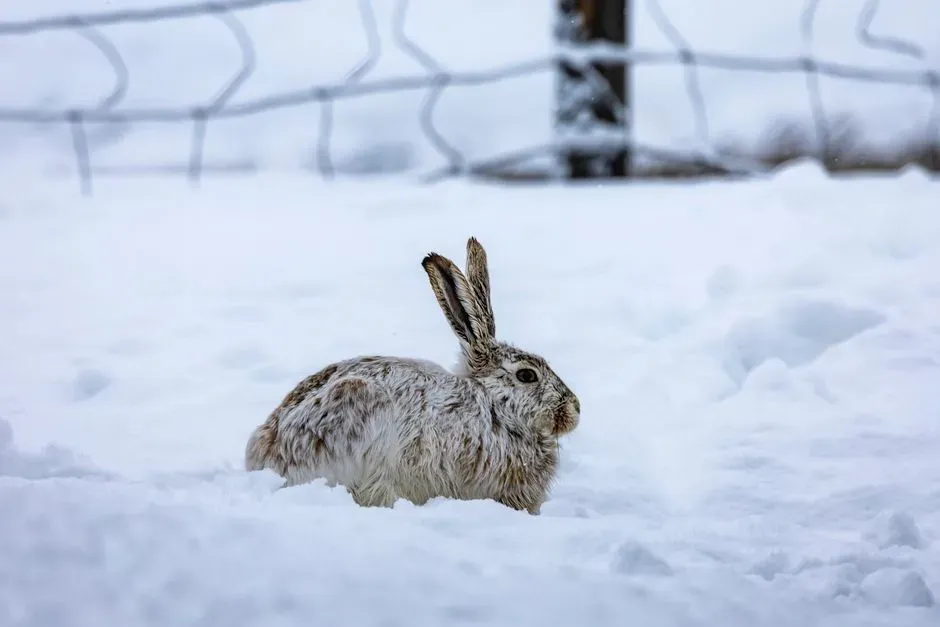
When a hare population turns downward, it can fall dramatically in only a few years. Researchers working in the Yukon found that the crash isn’t caused by a single villain. Food shortages, heavy predation and the stress that comes with both all play a part.
Predators matter a great deal in this phase. Large field experiments, including those at Kluane, showed that adding food and reducing predators together boosted hare numbers more than either change alone. That points to a combination of causes rather than one simple lever.
So the cycle isn’t just lynx eating hares until the hares run out. It’s a system with several moving parts, and the hare side of it drives the lynx side more than the other way around.
4. Lynx Pay the Price Right After the Crash
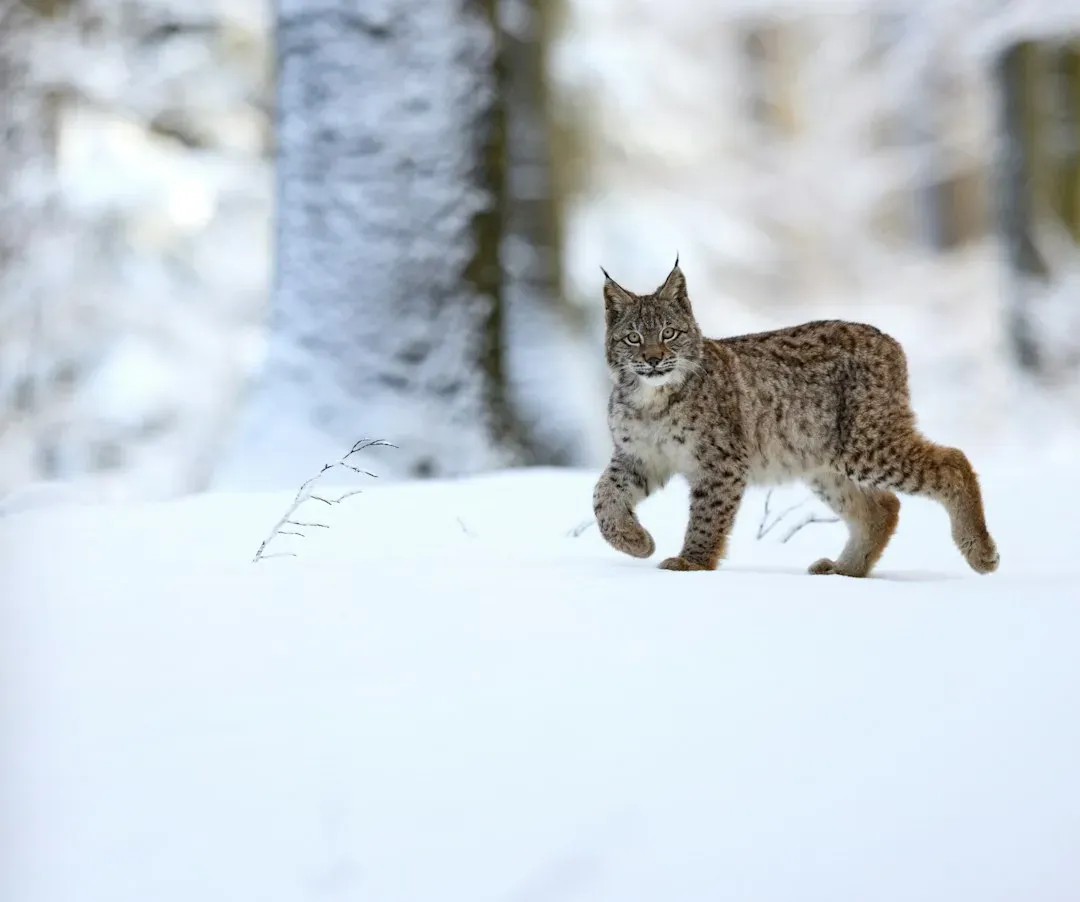
When hares become scarce, lynx reproduction takes the first hit. Females may produce fewer kittens, and the kittens that are born are much less likely to survive. A good hare year can support litters of several kittens, but a poor one can mean almost none make it.
Adults don’t escape either. Hungry lynx range farther, take more risks and sometimes starve. Some individuals leave home altogether and travel very long distances in search of better hunting.
That wandering is part of why lynx sometimes turn up far outside their usual territory during the lean years. It’s a survival move, not a vacation.
3. The Southern Edge Plays by Different Rules
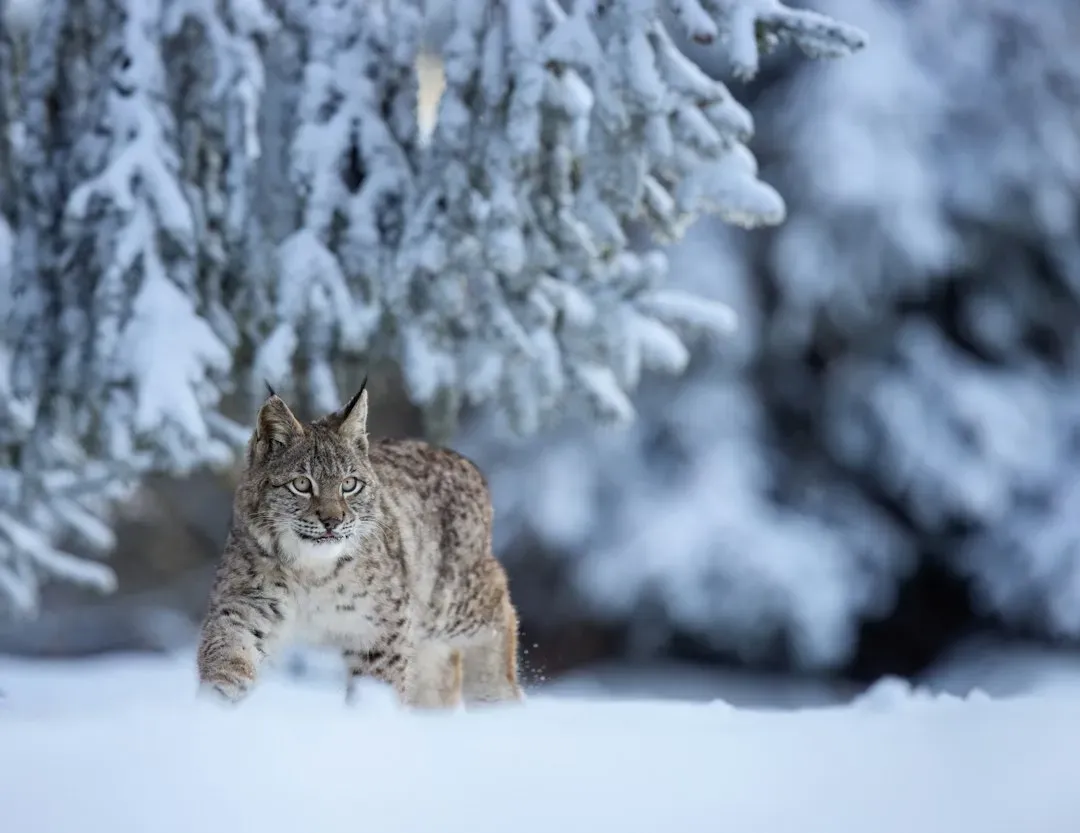
The dramatic boom and bust is a northern story. Along the southern edge of the lynx range, in the northern United States, hare densities are generally lower and the habitat is patchier. The cycles there tend to be weaker or less obvious.
Lynx in the contiguous United States are listed as threatened under the Endangered Species Act, and that status dates back to 2000. Their survival depends on dense, young forest that hares like, and on deep, lasting snow.
Because there are fewer animals in those southern pockets, each loss matters more. A bad stretch for hares isn’t just a dip on a graph, it can threaten a local population.

Glass Hummingbird Feeder for Outdoors Hanging
Check Price on AmazonAs an Amazon Associate, we earn from qualifying purchases.
10/7/2026 1:21 pm GMTi

Professional 7 in 1 Dog Paw Cleaner for Dogs & Cats - Includes 1 Portable Paw Washer, 1 Bath Brush
Check Price on AmazonAs an Amazon Associate, we earn from qualifying purchases.
10/7/2026 1:26 pm GMTi

Earth Rated XL Dog & Puppy Pee Pads, Discreet Top, Max Absorbency
Check Price on AmazonAs an Amazon Associate, we earn from qualifying purchases.
10/7/2026 1:28 pm GMTi

Hand Blown Glass Hummingbird Feeders for Outdoors Hanging, 24oz Wild Bird Nectar Feeder
Check Price on AmazonAs an Amazon Associate, we earn from qualifying purchases.
10/7/2026 1:23 pm GMTi

Halloween Cat Costume Cloak Witch Hat Pet Accessories
Check Price on AmazonAs an Amazon Associate, we earn from qualifying purchases.
10/9/2026 2:44 pm GMTi
2. Lynx Aren’t the Only Ones Hunting Hares
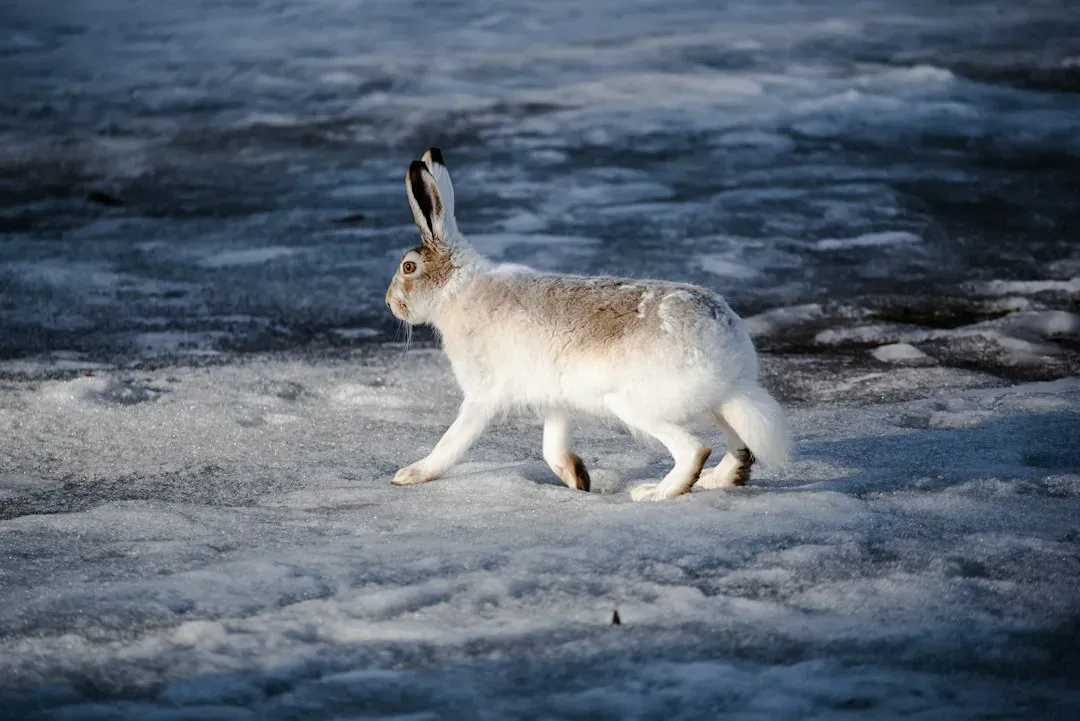
It’s tempting to cast the lynx as the star predator, but the hare has plenty of enemies. Coyotes, red foxes, great horned owls, goshawks and others all take their share. In many years, the combined pressure from all of them matters more than lynx alone.
That’s why the classic two line graph can mislead. It makes the relationship look like a clean duel between one hunter and one prey animal. Real forests are crowded with predators and have their own plants and weather.
Lynx are better described as the most specialized member of the hare eating crowd. They feel the swings hardest because they have the fewest backup options.
1. Climate Change Could Shift the Pattern
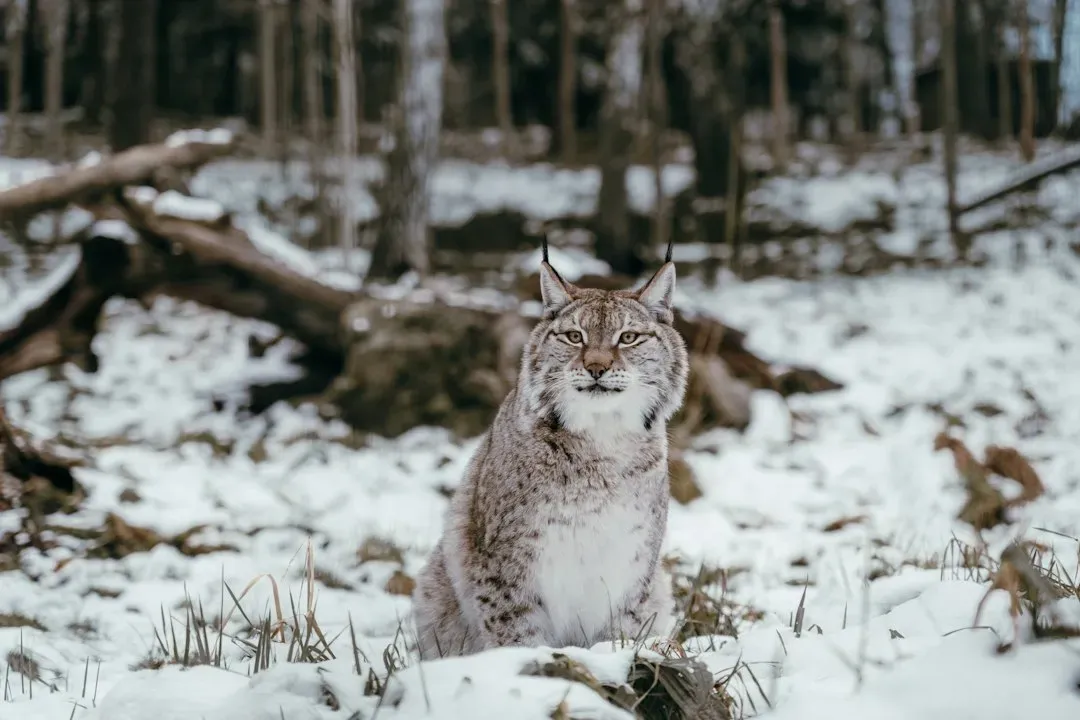
Snow is central to this whole story, so a changing climate raises real questions. Hares that turn white in winter can stand out against a bare brown landscape when snow arrives late or melts early. Changes in snow depth and condition could also affect how well lynx can hunt compared with competitors like coyotes.
The research on what this means for the cycles themselves is still mixed. Some studies suggest cycles in northern wildlife have weakened in certain regions, while others find the picture varies by location. Nobody can say for certain how the boreal beat will sound in fifty years.
What’s clear is that the pattern depends on a stable winter world. If that world changes, the lynx and the hare will feel it first.

Air Purifiers for Home Pets Large Room Up to 3000 Ft²,HEPA Air Cleaner with Washable Double-Side Filter, PM2.5 Air Quality Monitor,15dB Sleep Mode for Bedroom Odor Dust Pollen,White
Check Price on AmazonAs an Amazon Associate, we earn from qualifying purchases.
10/8/2026 8:23 am GMTi

Smart Bird Feeder with Camera Solar Powered, 2K HD Live Video, 10,000+ Bird Species AI Identification
Check Price on AmazonAs an Amazon Associate, we earn from qualifying purchases.
10/7/2026 1:22 pm GMTi

Portable Dog Water Bottle Foldable Dog Travel Water Bottle
Check Price on AmazonAs an Amazon Associate, we earn from qualifying purchases.
10/7/2026 1:29 pm GMTi

Halloween Dog Collar with Bow, Orange Cute Ghost Collar,
Check Price on AmazonAs an Amazon Associate, we earn from qualifying purchases.
10/9/2026 2:43 pm GMTi
Final Thoughts
My view is that the lynx and hare story is best known as a tidy graph and best understood as a messy forest. The tidy version is useful, but it hides the owls, coyotes, food shortages and snow conditions that shape the real thing. I think that’s what makes it worth knowing about.
The lynx is a reminder that specialization is a gamble. It pays off beautifully in good years and punishes hard in bad ones. If we want to keep that old, wavy rhythm going, protecting snowy northern forests may matter more than any single predator or prey count.

- 9 Facts About Canada Lynx That Explain Their Boom-and-Bust Link to Snowshoe Hares - November 12, 2026
- Zoology Says Jaguars Have the Most Powerful Bite for Their Size of Any Big Cat – Strong Enough to Crack Turtle Shells - November 12, 2026
- Zoology Says a Tiger’s Stripes Aren’t Only on Its Fur – the Pattern Shows on Its Skin Too. - November 12, 2026