
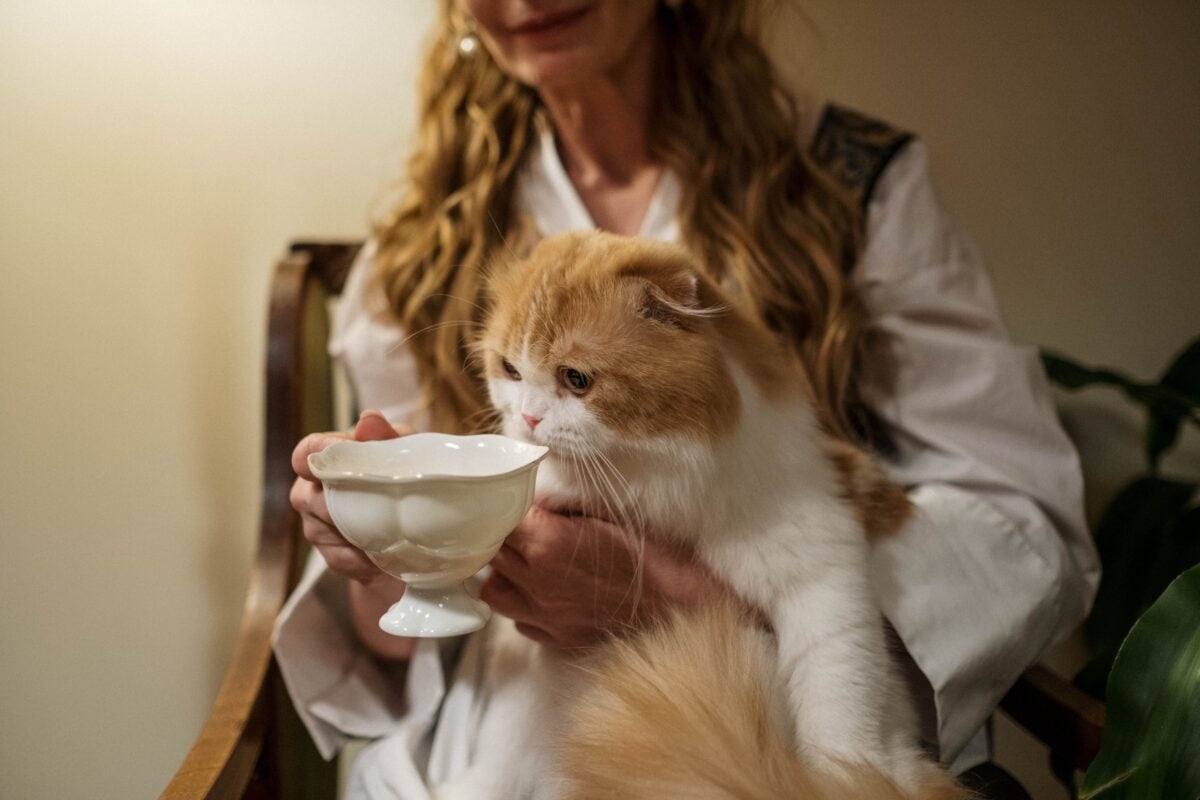
Picture this: a cat lapping cow’s milk from a chipped saucer, then slipping out an open screen door for an unsupervised eight-hour adventure through the neighborhood. Nobody blinked. That was just Tuesday for a cat in 1985.
Here’s the uncomfortable part. None of it came from cruelty. It came from love, filtered through decades of bad information that everyone accepted as gospel. Some of these habits are so normalized that people still quietly do versions of them today, without realizing a vet would wince if they saw it happen in the exam room.
#17 – Letting Cats Roam All Day, Every Day

Back in the ’80s, the “good cat life” usually meant one thing: open door, open world. People proudly let their cats wander for hours, convinced that fresh air and freedom were automatically healthier than staying indoors. Leashes and catios weren’t even on the radar for most owners.
It felt cruel to “trap” a cat inside, because cats were seen as tiny, self-sufficient tigers who could handle anything the world threw at them. Today, vets see the fallout from that mindset every week: cars, fights with other animals, untreated infections, and parasites picked up from who-knows-where. Modern data shows indoor cats live significantly longer, and most vets now call the old “just let them roam” approach outdated at best and reckless at worst.
At a Glance
- Indoor cats often live well into their teens, while free-roaming cats face a much shorter average lifespan.
- Vehicle strikes, predator encounters, and disease exposure remain top risks for cats left outside unsupervised.
- Leash walks, window perches, and secure outdoor “catios” now offer stimulation without the old risks.
#16 – Using Home Flea “Remedies” Like Garlic and Alcohol

In the 1980s, flea control was basically the Wild West. A lot of owners reached for whatever was sitting in the kitchen or medicine cabinet. People rubbed rubbing alcohol, garlic, vinegar, and even gasoline onto their cats’ coats because “my uncle swears it works.” Some dipped combs in alcohol and dragged them through the fur, figuring a little sting was harmless.
Vets today openly cringe at those methods. Alcohol and solvents can cause skin burns and systemic toxicity. Garlic and onion are genuinely toxic to cats and can damage red blood cells. Strong homemade sprays can trigger respiratory irritation in animals with far more sensitive lungs than ours. Modern, vet-approved flea preventives are carefully dosed for feline metabolism, and honestly, a lot of ’80s cats got lucky more than they got “treated.”
#15 – Pouring Cow’s Milk as a Daily “Treat”
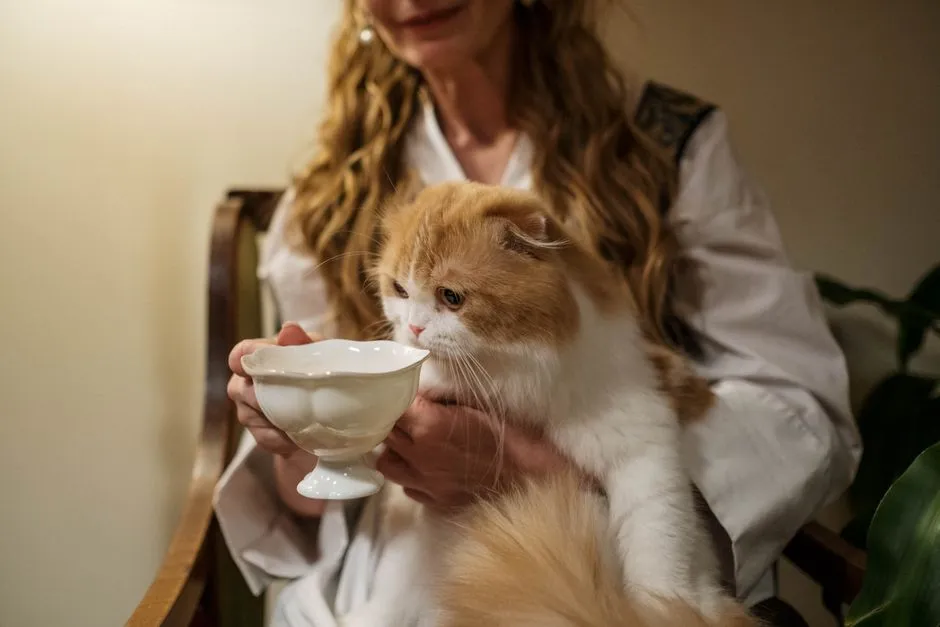
The iconic image of a cat lapping milk from a saucer exploded during the ’80s in ads, cartoons, and even vet waiting-room posters. So millions of owners thought they were being kind by pouring cow’s milk daily, sometimes instead of fresh water. If a cat liked it, that was “proof” it was good for them, and nobody questioned it twice.
Now we know most adult cats are lactose intolerant, since their bodies stop making enough lactase to digest milk sugar. That cute saucer routine could mean chronic diarrhea, gas, bloating, and dehydration, especially in summer heat. Vets today might allow a tiny splash of lactose-free cat milk as an occasional treat, but the old habit of a full bowl every single night would get a hard no.
#14 – Ash-Heavy “Generic” Kibble All Day, Every Day
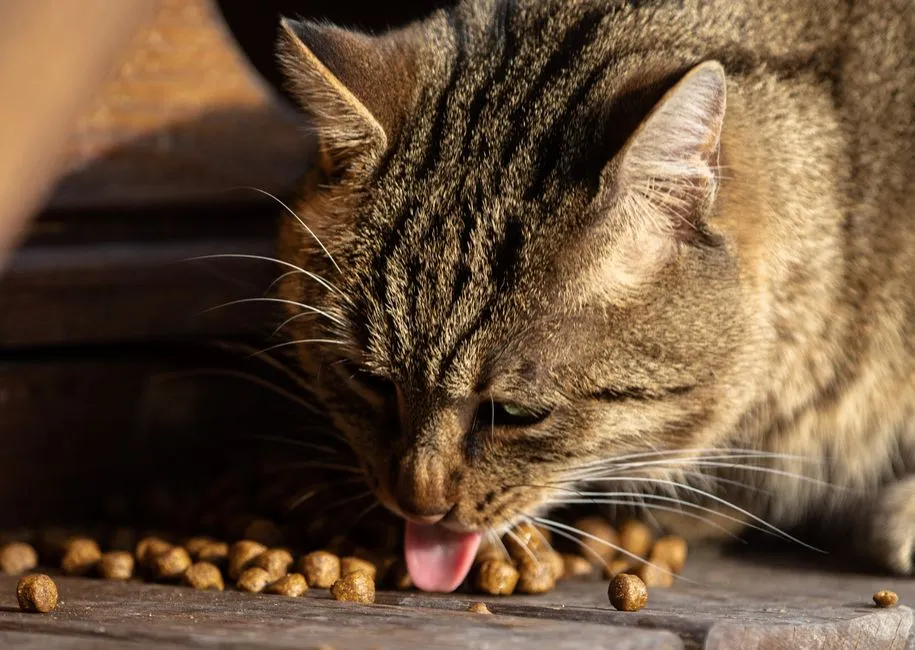
In the ’80s, the pet food aisle was dominated by a handful of big brands, and the main selling point was almost always “low price per pound.” People grabbed giant bags of generic kibble loaded with carbohydrates, plant protein, and mineral-heavy ash, then free-fed it around the clock. If the cat ate it and didn’t drop dead, that was considered proof it was fine.
Vets now link that era’s formulas, especially the ones high in magnesium and certain minerals, with a spike in urinary tract issues, particularly in male cats. Wet food was seen as messy and unnecessary, water intake was never monitored, and labels weren’t scrutinized at all. Modern vets focus on moisture, balanced minerals, and higher-quality protein, especially for cats prone to urinary crystals, which makes that old bargain-bin bag look a lot scarier in hindsight.
#13 – Declawing as a “Routine” House-Cat Procedure
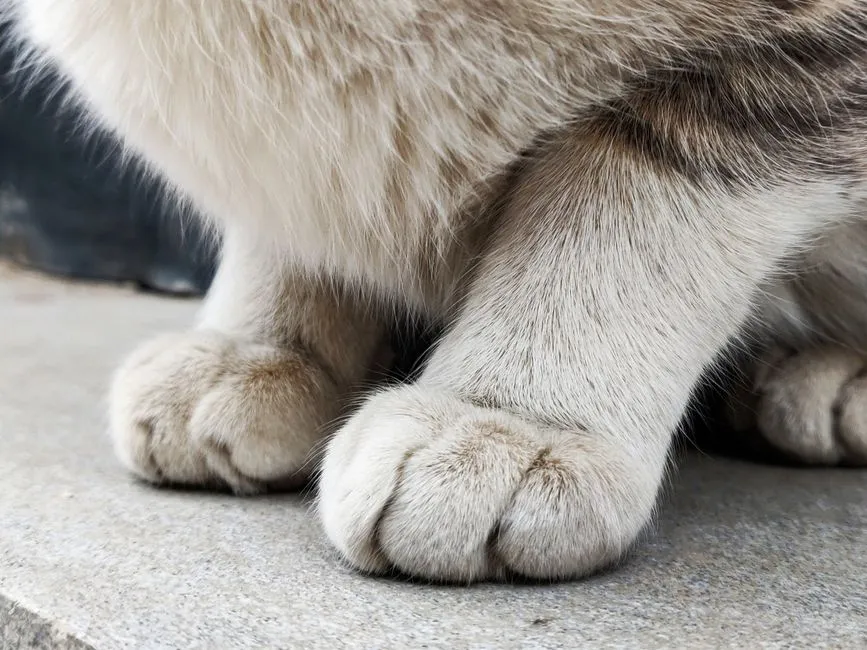
In the 1980s, declawing was marketed and discussed like getting your cat spayed or vaccinated, just another checkbox. Many clinics offered “kitten packages” where declawing was bundled in as a standard convenience surgery. Advertisements and even some vets treated it as the responsible choice for protecting couches and kids.
Today, a growing number of vets flat-out refuse to perform declaws unless there’s a medical necessity. It’s not just “removing the nail,” it’s amputating the last bone of each toe, and that can cause chronic pain, arthritis, altered gait, and behavioral fallout like biting or litter box avoidance. Some regions have moved to restrict or ban the procedure outright. Normalizing that surgery purely for furniture protection is one of the most uncomfortable legacies of ’80s cat care.
Quick Compare
- 1980s default: Declaw bundled into routine kitten visits, framed as furniture protection.
- Today’s first step: Regular nail trims, scratching posts, and soft nail caps.
- When surgery is considered: Only for rare, genuine medical necessity, not convenience.
#12 – Using Harsh Household Cleaners Around Litter Boxes
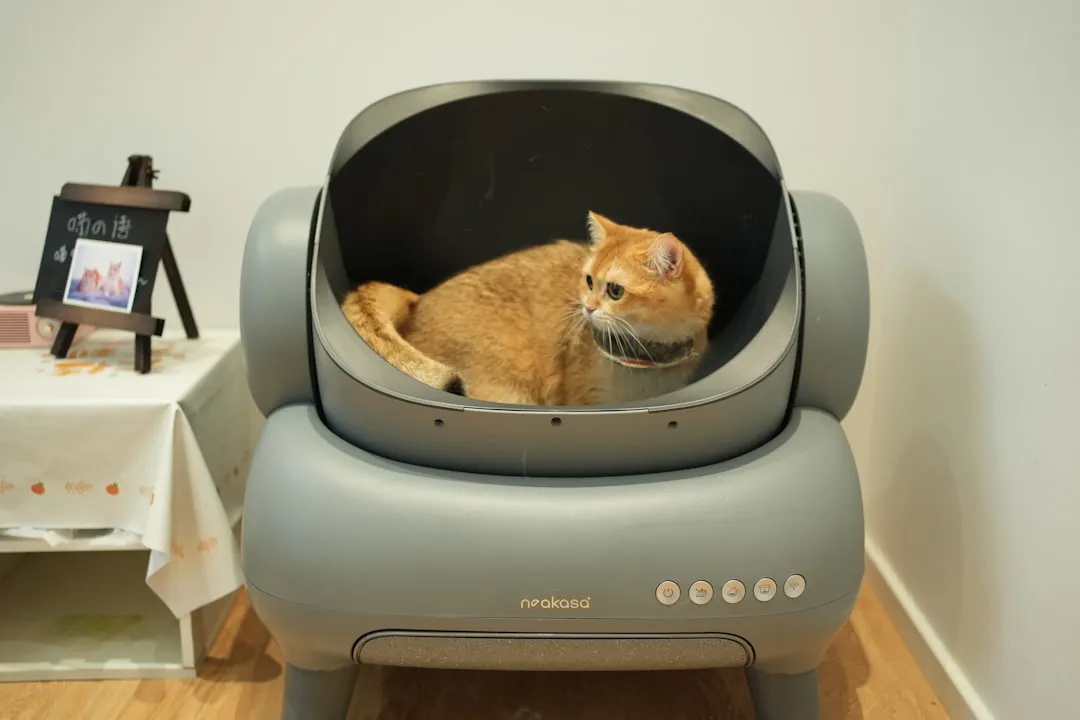
The ’80s were a bleach-and-ammonia decade. “If it doesn’t burn your nose, it’s not clean enough” might as well have been the household motto. Many owners scrubbed litter boxes with straight bleach, ammonia-based products, or heavy-duty disinfectants, then let the cat use them right away with no real ventilation.
Modern vets and toxicologists warn that a cat’s nose and lungs are far more sensitive than ours. Strong fumes can irritate airways and eyes, discourage box use entirely, and even create dangerous chemical reactions when bleach and ammonia mix in an enclosed space. Add in clay dust from old-school litters, and you’ve got a perfect storm for respiratory trouble. Today, mild soap, hot water, and cat-safe cleaners are the gold standard, and that “hospital-clean smell” is no longer something anyone brags about.
#11 – Punishing Cats Physically for “Bad Behavior”
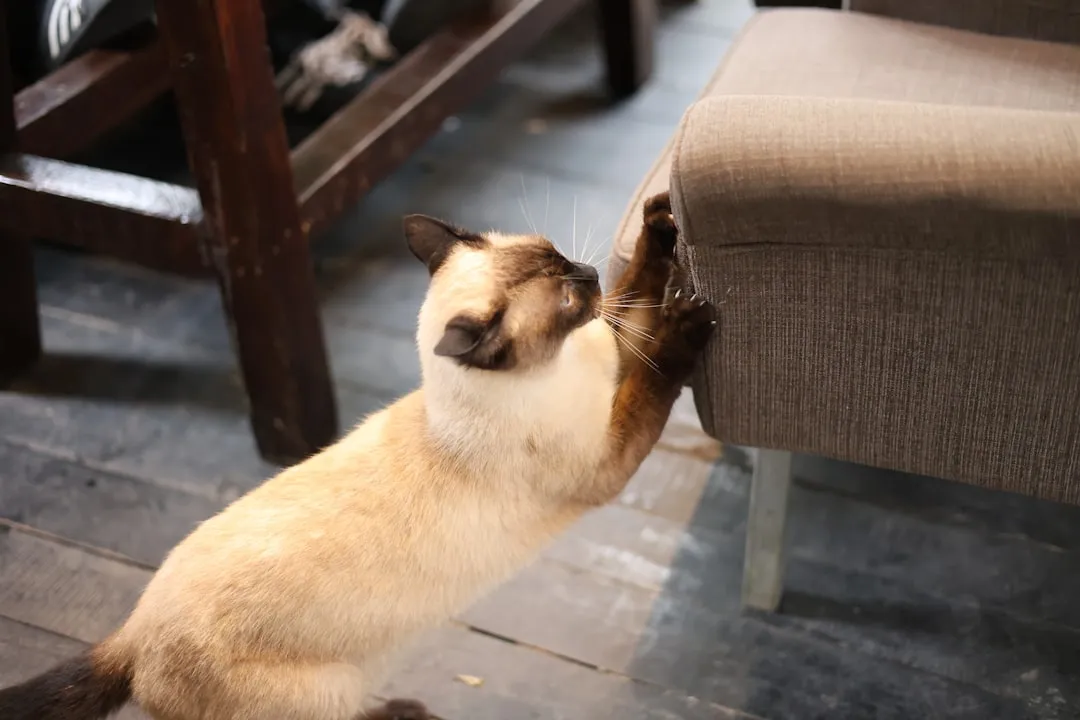
In the 1980s, pet training advice often lumped cats and dogs together badly. It wasn’t unusual to hear owners admit they smacked a cat, grabbed it by the scruff, or rubbed its nose near a mess to “teach it a lesson.” Some even tossed cats outside in the rain or locked them in basements for scratching furniture or having accidents.
Current behavior science is brutally clear: punishment doesn’t teach cats what to do, only what to fear. Physical correction increases stress and hiding, triggers defensive aggression, and can damage the bond so badly the cat becomes permanently withdrawn. Today, good vets and behaviorists push positive reinforcement, enrichment, and medical checks first. That old “show them who’s boss” attitude is now considered one of the fastest ways to manufacture a lifelong behavior problem.
#10 – Letting Cats Sleep in Garages or Basements Full of Chemicals
In the ’80s, many families didn’t think twice about putting the cat “out of the way” at night. The garage, unfinished basement, or workshop became the default cat zone. Unfortunately, those spaces often held antifreeze, rodent poison, pesticides, and paint thinners, usually stored open or leaking on the floor.
We now know cats are extremely vulnerable to ethylene glycol in antifreeze, which is deadly even in tiny amounts, along with secondhand exposure to rodent baits and fumes from solvents and gasoline. Add no climate control at all, sweltering summers and freezing winters, and it’s obvious why vets strongly advise against banishing cats to utility spaces. The old idea that “they’re just animals, they can handle it” falls apart the moment you’ve seen a real antifreeze poisoning case.
#9 – Ignoring Dental Care Completely
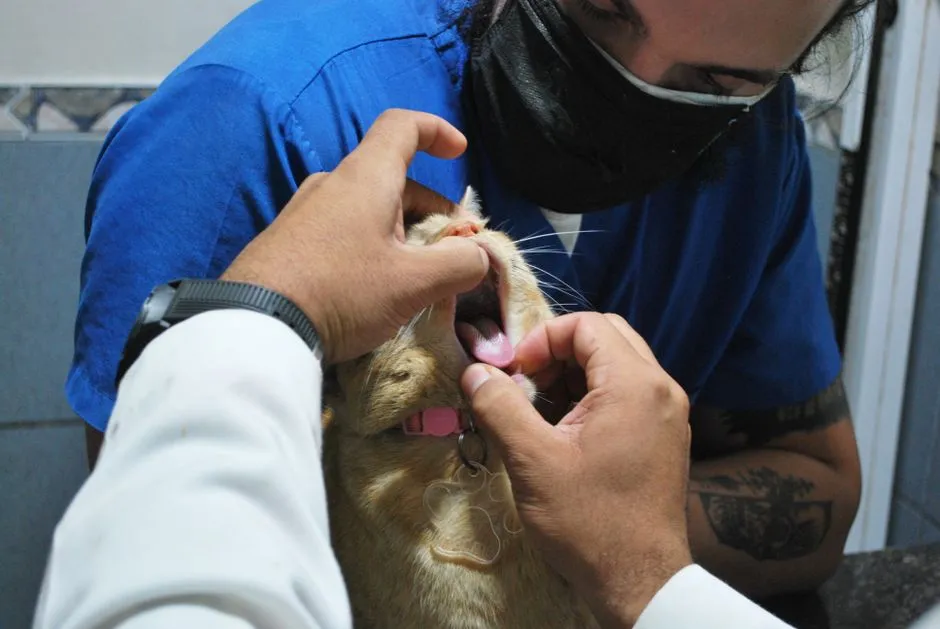
In the 1980s, brushing a cat’s teeth sounded like a joke. Dental cleanings were reserved for extreme cases, and most owners simply assumed smelly breath was “a cat thing.” Nobody was talking about periodontal disease, and pet toothpaste was more novelty item than actual norm.
Now vets consider dental health central to overall wellness. Plaque and tartar aren’t cosmetic, they’re a slow, chronic infection that can lead to tooth loss, constant mouth pain, weight loss, and even bacteria entering the bloodstream and affecting the heart, liver, and kidneys. While daily brushing is still ambitious for most owners, vets now push for dental diets, regular checks, and early intervention the moment gums look red or swollen. By today’s standards, the ’80s “do nothing unless there’s drool and blood” approach feels borderline neglectful, even though most people simply didn’t know better.
Fast Facts
- Most cats show some sign of dental disease by around three years old.
- Untreated periodontal infections can let bacteria travel to the heart, liver, and kidneys.
- Dental-specific diets and routine checks are now viewed as basic preventive care, not extras.
#8 – Smoking Indoors Around Cats All the Time
Everyone remembers the ’80s cigarette haze in cars, living rooms, even restaurants. Pets were just… there. A lot of owners smoked in the same room, over the same couch, right next to the cat’s bed, with zero awareness that secondhand smoke harms animals too.
Modern research shows indoor cats in smoking households inhale secondhand smoke, lick carcinogens off their fur while grooming, and live in a constant haze of fine particles settling on every surface they touch. This has been linked to higher risks of respiratory issues and certain cancers, especially oral cancers in cats exposed to smoke over time. Vets today often ask directly about smoking in the home when investigating chronic coughing or strange mouth lesions.
#7 – Using Human Medications Like Aspirin Without a Vet’s Say-So
Another very ’80s instinct: “if it works for me, it’ll help my cat.” Owners sometimes gave aspirin, Tylenol, cold medicine, or leftover antibiotics from the family medicine cabinet, usually in completely guessed doses. Sick cats were often “doctored” at home to dodge a vet bill.
This is the kind of thing that makes modern veterinarians visibly tense. Cats metabolize drugs very differently from humans and even from dogs, and some medications we treat as harmless, like acetaminophen, are flat-out deadly to them. Even “safe” drugs can build up to toxic levels, interact with hidden conditions, or mask symptoms and delay real treatment. Today, good clinics are blunt about it: never give your cat human medication unless a vet has prescribed it for that cat, at that dose.
Worth Knowing
- Acetaminophen (Tylenol) is highly toxic to cats, even in very small amounts.
- Ibuprofen and other NSAIDs can cause serious kidney and stomach damage in cats.
- Many topical human products and essential oils are unsafe too, since a cat’s liver processes them very differently.
- When in doubt, a quick call to a vet beats guessing every single time.
#6 – Feeding Table Scraps, Bones, and Fat Trimmings
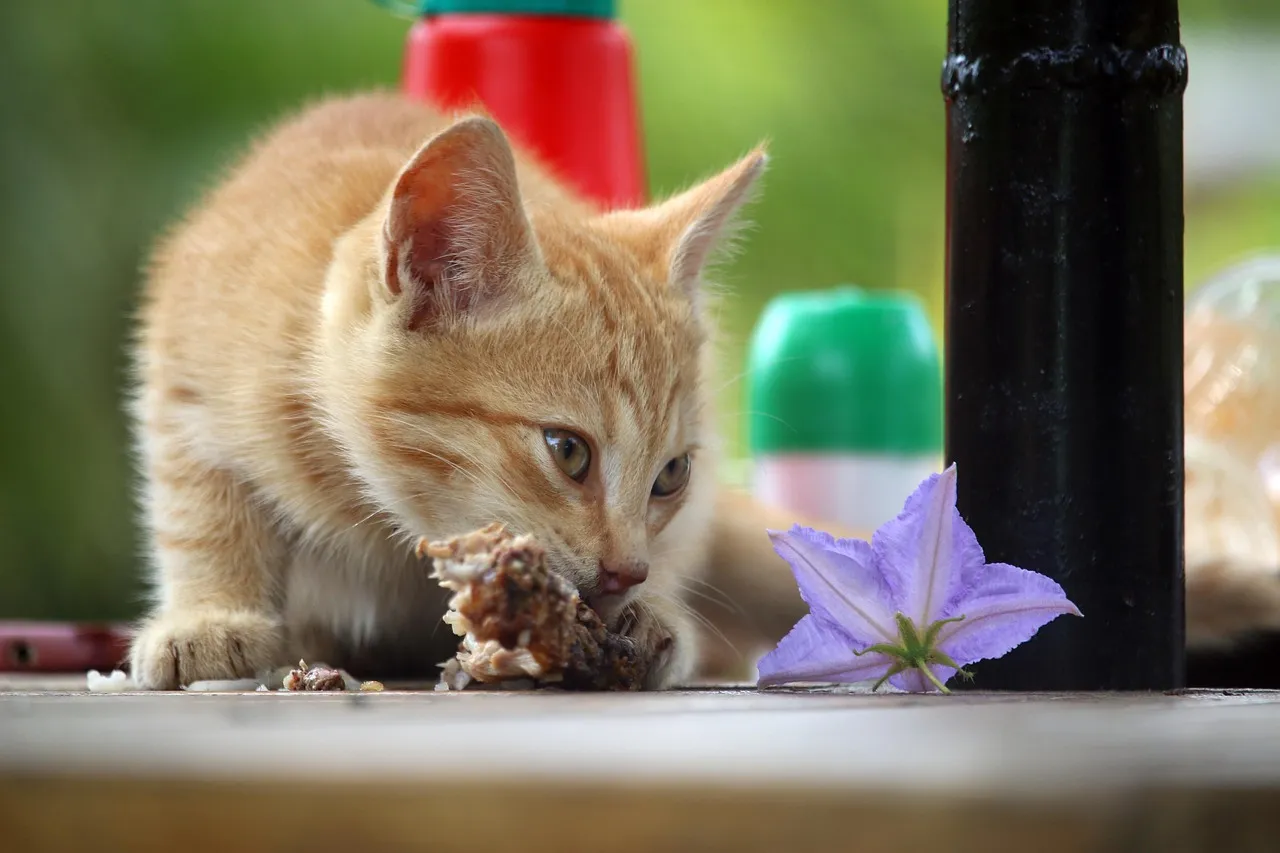
Many ’80s cats were essentially part-time garbage disposals. After dinner, it was normal to toss chicken bones, fatty meat scraps, gravy, and salty leftovers straight into the cat’s bowl. Skip it, and someone would accuse you of “treating the cat like a roommate instead of family.”
Nowadays, vets link those habits to pancreatitis from rich, fatty food, choking hazards and blockages from bones, and long-term obesity, diabetes, and joint issues. Cats are also subtle when they’re unwell, so a “picky phase” might really be gastrointestinal pain from last week’s table-feast. An occasional bit of plain meat isn’t the end of the world, but the old pattern of scraps every single night is now viewed as a fairly direct path to the emergency line.
#5 – Spraying Lawn Chemicals Without a Second Thought About Pets

The ’80s loved a perfect green lawn, and the chemical companies loved the ’80s right back. People sprayed insecticides, herbicides, and lawn treatments liberally, often with zero consideration for where the cat walked, rolled, or hunted. Cats lounged on freshly treated grass, then groomed the residue off their paws and fur hours later.
Today, many vets worry about chronic, low-level exposure to these chemicals. While the science is still evolving, concerns include skin irritation, gastrointestinal upset from grooming contaminated fur, and potential links between certain chemicals and cancer. Modern guidance says to keep pets off treated areas until completely dry, read labels closely, and choose pet-safe products when possible, precautions that barely existed back then, turning plenty of ’80s backyards into invisible hazard zones.
#4 – Letting Cats Ride Loose in Cars with the Windows Down
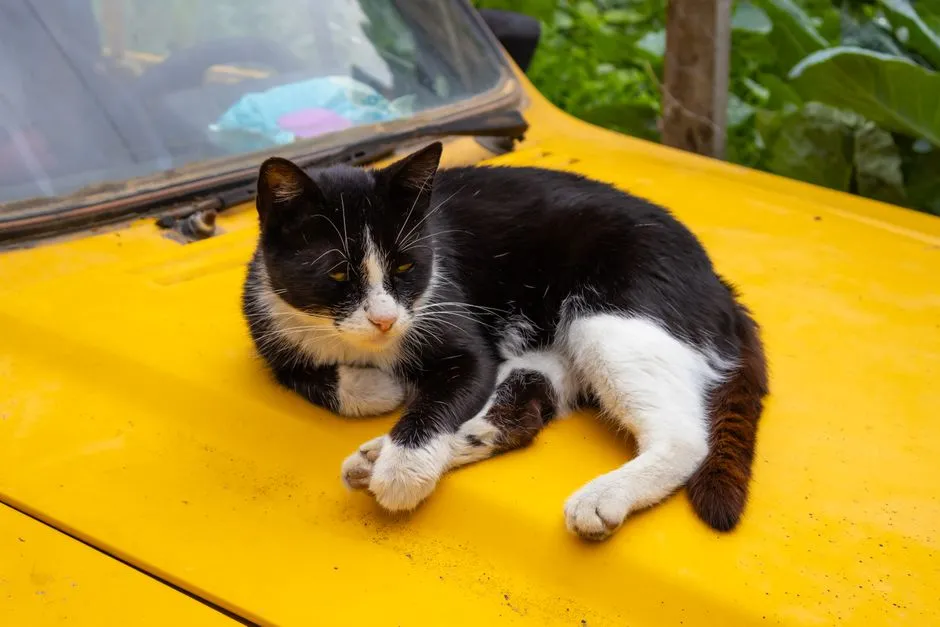
Before pet carriers and seat-belt harnesses became mainstream, cats often traveled like spare bags. People tossed them loose on the back seat, in someone’s lap, or even on the dashboard for vet trips or moves. Add open windows and no air conditioning, and you’ve got a genuinely dangerous setup.
The dangers are obvious to modern vets but were weirdly normalized then. Sudden braking can throw a cat into the windshield, a spooked cat can bolt out an open window, and a panicked cat can scratch or bite the driver mid-traffic. Loose travel also spikes heart rate and breathing in already anxious animals. Today, secure carriers, seat-belt tethers, and climate control are the baseline, and “toss the cat on the backseat, they’ll be fine” belongs firmly in the past.
#3 – Skipping Vet Visits Unless the Cat Was Obviously Sick
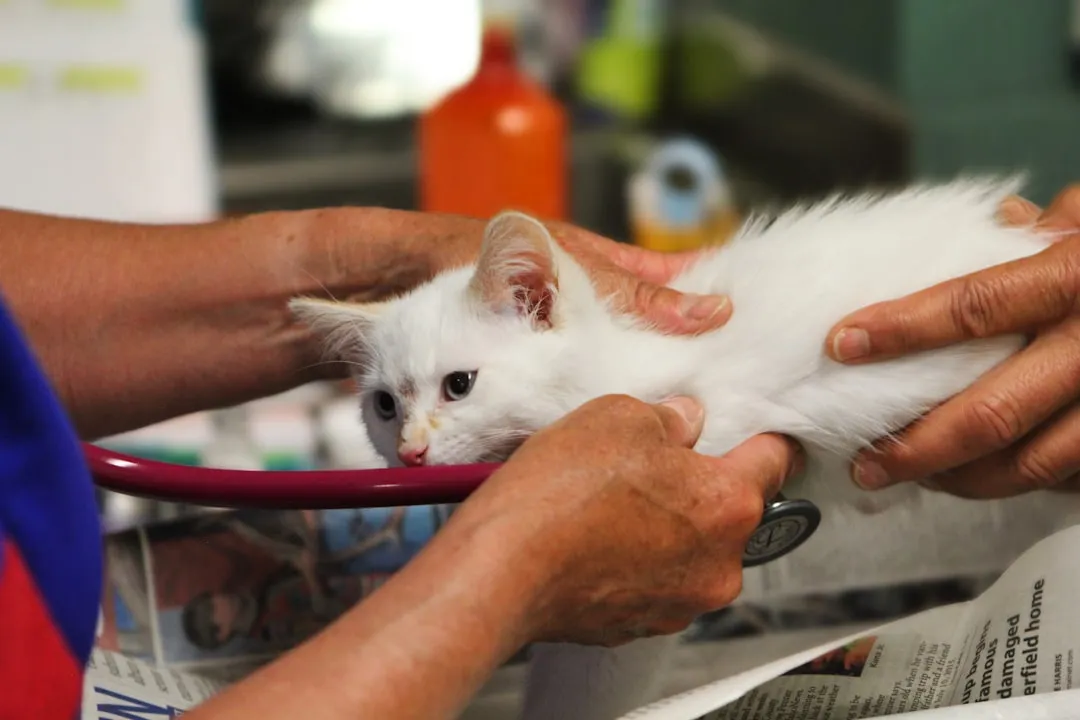
In the 1980s, many owners only visited the vet twice: once when they first got the cat, and again only if something looked very wrong. Annual wellness exams were often treated as unnecessary upsells for indoor cats. If the cat ate, moved, and occasionally swatted at a toy, people assumed everything was fine.
We now know cats are masters at hiding pain and illness. By the time a problem looks “obvious,” it can already be advanced kidney disease, severe dental disease, or diabetes that’s been quietly brewing for years. Today’s standard of care leans on regular checkups and bloodwork for middle-aged and senior cats, far beyond just vaccines. Most vets will tell you plainly that waiting for drama is exactly how you end up with bigger bills and fewer options.
#2 – Breeding “Oops Litters” and Giving Away Kittens Casually

Spay and neuter campaigns existed in the ’80s, but they hadn’t saturated the culture the way they have now. Many owners delayed the surgery or skipped it altogether, leading to constant surprise litters. Boxes of free kittens outside grocery stores and flea markets were common, often romanticized as “finding them good homes.”
Vets and animal welfare groups now look back on that era as a quiet engine of overpopulation. Unplanned litters meant more cats dumped outdoors, inbreeding and genetic problems in backyard-bred kittens, and shelters overwhelmed to the point of euthanizing healthy animals. Today, early spay/neuter is actively encouraged, and “just one litter” is widely criticized unless you’re a serious, health-testing breeder. That casual, shrugging approach to reproduction is one of the sharpest cultural shifts since the 1980s.
Why It Stands Out
- Widespread spay/neuter campaigns have meaningfully reduced shelter intake compared to decades past.
- Early-age spay/neuter is now considered safe and is routinely recommended by vets.
- Responsible breeding today typically includes health testing that simply wasn’t standard practice in the 1980s.
#1 – Assuming “They’re Just Cats, They’ll Figure It Out”
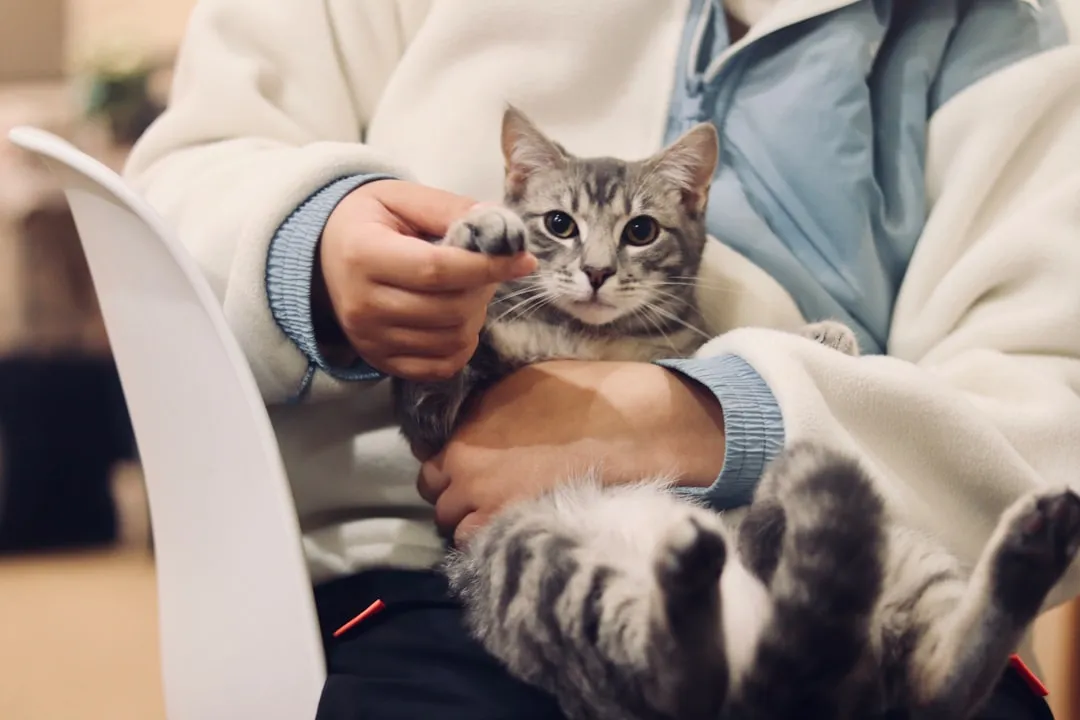
The most dangerous ’80s habit wasn’t a single product or ritual, it was a mindset. Many people, often without meaning any harm, believed cats were half-wild, low-maintenance background animals who didn’t need much more than food tossed down and a random box of litter. Loneliness, boredom, stress, and subtle medical issues all got brushed off with, “that’s just how cats are.”
Modern feline medicine and behavior science completely demolish that idea. Cats need predictable routines, safe hiding spots, mental stimulation, vertical space, and careful attention to tiny behavior changes that can signal illness long before it becomes obvious. They are not tiny, self-regulating decorations. They’re complex, sensitive animals who mask vulnerability because that’s what both prey and predators do, and the ’80s “they’ll be fine on their own” approach is exactly what today’s vets spend their entire careers undoing.
The Bottom Line
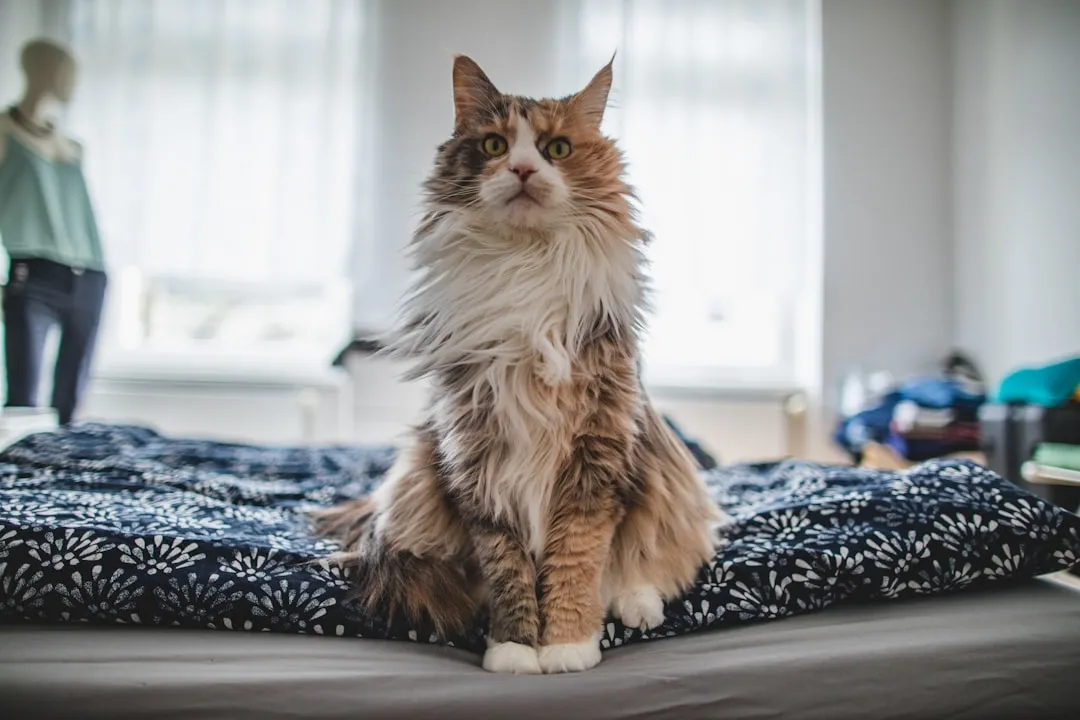
Looking back, it’s easy to cringe at some of what cat owners did in the 1980s, but it’s also proof of how fast our understanding of these animals has changed. Most people weren’t cruel; they were copying what neighbors, TV shows, and even some professionals told them was normal. Outdoor roaming, milk saucers, rough discipline, and DIY medicating all came from a culture that treated cats as tough little survivors instead of vulnerable family members.
Today, vets push for something better: indoor safety, preventive care, science-based nutrition, and real respect for feline pain and emotion. Here’s the part that stings a little, though. A surprising number of these “retro” habits are still quietly happening in modern homes right now, just with better packaging. Which one hits closest to home for you?

- 17 Things Cat Owners Did in the 1980s That Vets Would Never Recommend to Anyone Today - August 9, 2026
- What Cats Really Do at Night Will Surprise You 19 Behaviours Researchers Still Cannot Explain - August 9, 2026
- 18 American Places Park Rangers Say Almost Nobody Visits That Genuinely Deserve Far More Attention - August 9, 2026