

Dogs have been our companions for thousands of years, offering us love, loyalty, and comfort. These remarkable animals are not just pets; they are family members who enrich our lives in myriad ways. While most of us are aware of their wagging tails and playful antics, there are many lesser-known facts about dogs that can deepen our admiration for them. Here is a collection of 18 fascinating facts about dogs that will surely melt your heart.
Dogs Have a Mind-Boggling Sense of Smell

Dogs live in a world of scents, with their sense of smell being up to 100,000 times more sensitive than humans. This extraordinary ability allows them to sniff out a wide array of scents, from their owner’s unique scent to detecting medical conditions like low blood sugar levels or certain types of cancers.
They Can Read Human Emotions

Ever felt like your dog knows exactly how you feel? You’re not imagining things. Dogs can indeed read human emotions through our facial expressions, voice tones, and body language. This ability to empathize makes them ideal support animals and beloved companions.
Dogs Have Been Our Buddies for Over 15,000 Years

The bond between humans and dogs stretches back at least 15,000 years. Archaeological evidence shows that dogs were among the first domesticated animals, proving that these charming creatures have been part of human history for a long time.
Some Dogs Can Understand Over 100 Words

Research has shown that some dogs, such as border collies, can understand over 100 words and commands. This linguistic aptitude is comparable to that of a two-year-old human child. With consistent training, dogs can even learn specific names of their toys and objects.
Dogs Sometimes Dream Like Us

Ever noticed your pup twitching or making little noises while sleeping? Dogs experience similar sleep cycles to humans, including the Rapid Eye Movement (REM) stage, where dreams occur. It’s likely that they dream about past experiences, chasing a ball, or enjoying a meal.
They Can Sniff Out Medical Issues
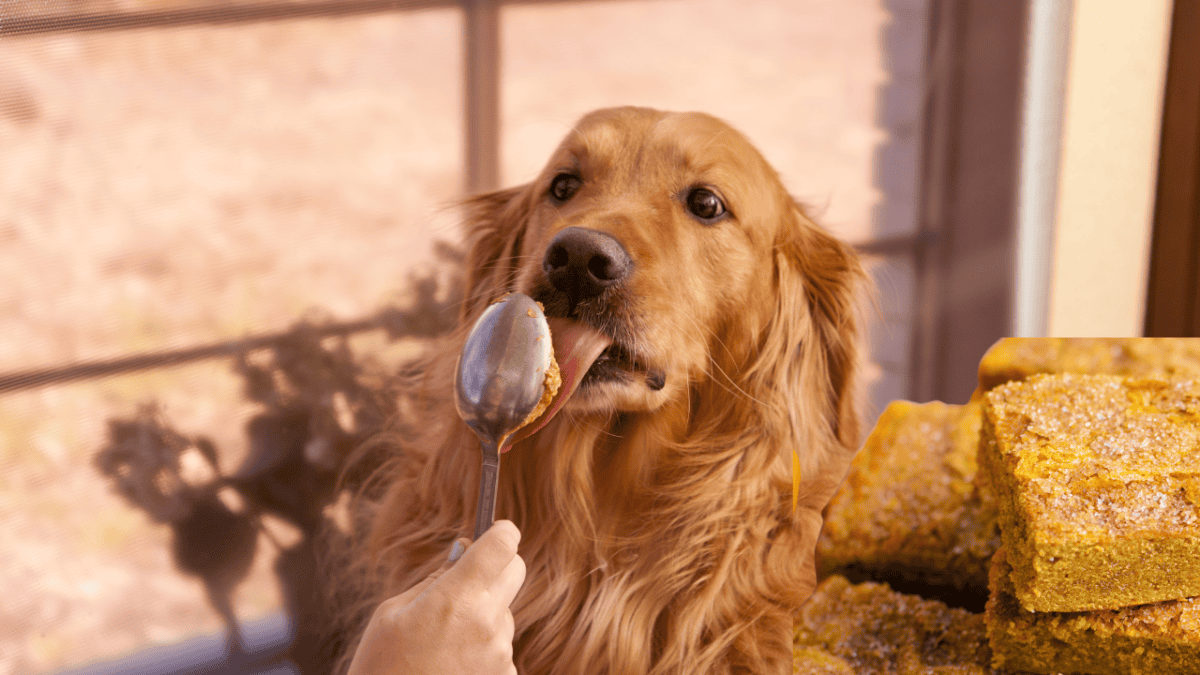
Thanks to their impeccable sense of smell, dogs can be trained to detect various medical conditions. From identifying low blood sugar levels in diabetics to alerting epileptic people before a seizure occurs, dogs play a vital role in the world of health and medicine.
Tail Wagging Communicates More Than Just ‘Happy’

While many people believe a wagging tail means a happy dog, the direction, speed, and posture of the wag can convey different emotions. A slight, slow wag can indicate hesitation, while a quick, high wag might mean excitement. It’s crucial to observe the whole body to interpret a dog’s feelings accurately.
Dog Loyalty: More Than Just a Trait

Dogs are renowned for their loyalty, a trait deeply ingrained through years of domestication. This ingrained fidelity makes them protective of their human family and contributes to their effectiveness as service animals, therapy dogs, and search-and-rescue partners.
A Dog’s Heart Beats at a Different Pace

The average dog’s heart beats between 60 and 140 times per minute, depending on the size and breed—larger breeds have slower heart rates, while smaller breeds beat faster. Understanding this can be vital when monitoring your pet’s health.
Puppies Are Born Blind, Deaf, and Toothless

When puppies are born, they can neither see nor hear and are without teeth. They rely on their mother’s guidance for the first two weeks until their senses develop fully. Watching them grow and explore the world is a delightful experience for any dog lover.
Their Sense of Time is Remarkably Accurate

Dogs have an internal clock that can predict routine events, like feeding times or when their owner comes home. This keen sense of time is why your dog may be waiting at the door just as you pull into the driveway.
Dogs Are as Varied as Snowflakes

There are over 340 dog breeds worldwide, each with its unique traits, personality, and appearance. From the tiny Chihuahua to the towering Great Dane, these diverse breeds contribute to the uniqueness of each dog’s character and capabilities.
They Have Their Own ‘Fingerprint’

Just like humans have unique fingerprints, every dog has a unique nose print. This fact is so reliable that some kennel clubs use it as a means of identification, similar to human fingerprint databases.
Dogs Make Great Teammates at Work
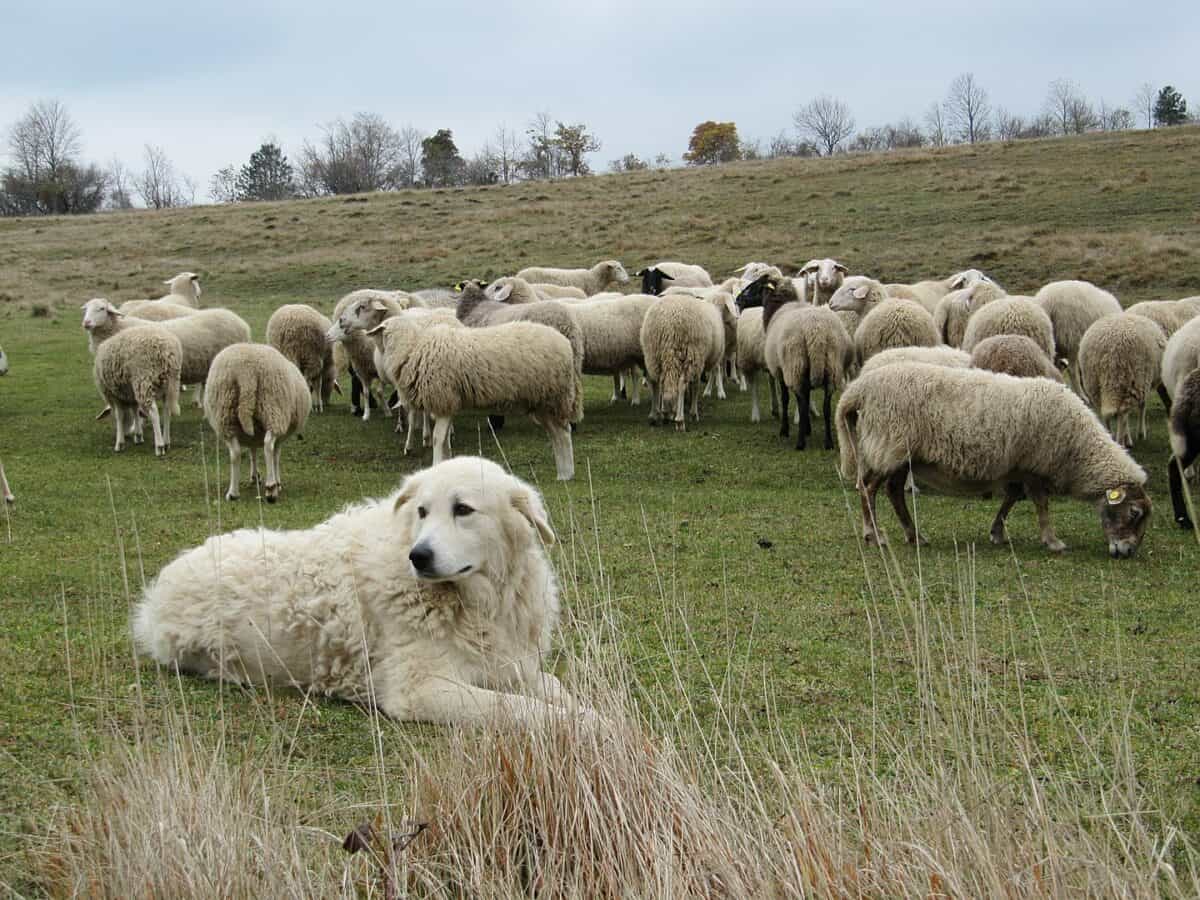
With their incredible senses and intelligence, dogs work alongside humans in various roles, including police work, herding livestock, and assisting those with disabilities. Their contribution to different fields showcases their versatility and adaptability.
Owning a Dog is Good for Your Health

Many studies have pointed out the health benefits of owning a dog. They include lowered blood pressure, reduced stress, decreased risk of heart attacks, and even improved mental health. The unconditional love and companionship offered by dogs can extend our own quality of life.
The Oldest Dog Lived Into His 30s

While the average lifespan of a dog is 10-13 years, some dogs defy this norm. An Australian cattle dog named Bluey holds the record for the longest-lived dog, reaching an astonishing 29 years and 5 months.
Canine Intelligence Varies by Breed

Different dog breeds exhibit varying levels of intelligence. While intelligence is not solely defined by trainability, breeds like Border Collies, Poodles, and German Shepherds are considered exceptionally intelligent due to their ease in learning commands and tasks.
Dogs Can Boost Happiness and Reduce Loneliness

The companionship of a dog is unmatched, providing a sense of purpose and emotional support. For many people, dogs help alleviate loneliness, enhance social interactions, and boost overall happiness, making them indispensable partners in life.
In conclusion, dogs are truly remarkable creatures that enrich our lives with their love, loyalty, and playful spirit. These surprising facts highlight just how special dogs are, offering us companionship, support, and joy. Whether wagging their tails or sleeping soundly by our side, dogs make life more enjoyable. Cherish these furry friends and the wonderful qualities they bring into our lives.

- The Comeback of the Bald Eagle: What Made It Work - June 3, 2026
- Top 10 Animals and Wildlife in Oklahoma - June 3, 2026
- Do Conservation Efforts Favor ‘Cute’ Animals Over Ecologically Important Ones? - June 3, 2026