

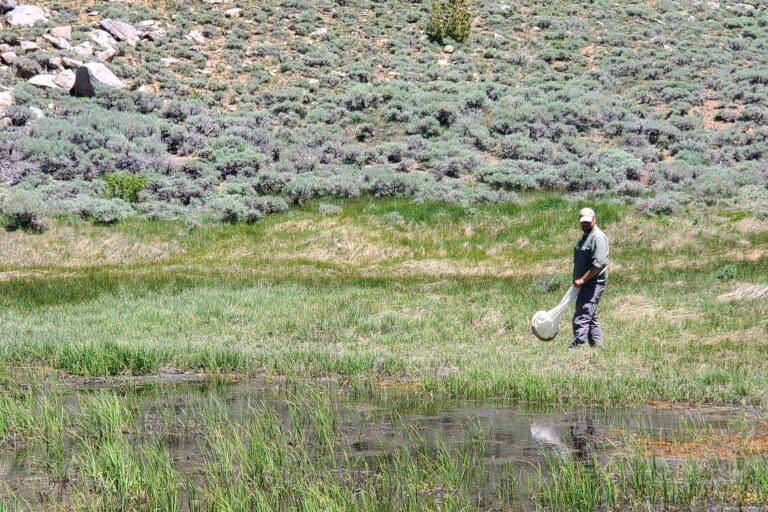

A Statewide Push to Catalog the Unseen (Image Credits: Imgs.mongabay.com)
California – In a state renowned for its dramatic landscapes, from towering redwoods to arid deserts, scientists are unraveling the profound diversity of its insect populations through innovative genetic techniques.
A Statewide Push to Catalog the Unseen
The sheer scale of California’s insect life has long puzzled researchers. Estimates suggest anywhere from 60,000 to 100,000 species thrive across the state’s varied ecosystems, yet precise counts remain elusive due to the challenges of traditional identification methods. This gap in knowledge prompted the launch of the California Insect Barcode Initiative, a comprehensive project aimed at creating a genetic catalog of every insect species in the region.
At the helm stands Austin Baker, an entomologist with the Natural History Museum of Los Angeles County. His team employs DNA barcoding, a process that sequences a small genetic marker from each specimen to generate a unique “barcode” for species identification. This approach not only accelerates discovery but also builds a lasting digital library for future studies. By integrating field collections with cutting-edge lab work, the initiative addresses the urgency of documenting biodiversity before habitat loss accelerates.
Bridging Tradition and Technology in the Field
California’s terrain offers a perfect testing ground for this endeavor, with hotspots emerging in unexpected places. Teams venture into foggy coastal zones and the sun-baked Mojave Desert, deploying traps and nets to gather specimens. What began as a targeted effort has expanded into a collaborative network involving museums, universities, and citizen scientists statewide.
The DNA sequencing process transforms these collections into actionable data. Each barcode serves as a digital fingerprint, allowing rapid comparisons against global databases. This method has already revealed overlooked species and clarified misidentifications from older records. As the project progresses, it promises to refine those broad estimates, potentially confirming tens of thousands of distinct insects.
Implications for Conservation in a Changing Climate
Beyond mere counting, the initiative underscores the role of insects in maintaining ecological balance. They pollinate crops, decompose waste, and form the base of food chains, making their documentation vital for environmental health. In California, where urbanization and climate shifts threaten habitats, this genetic baseline will help track population declines and inform protective measures.
Part of the larger California All-Taxa Biodiversity Inventory, the barcode project aligns with the motto “discover it all, protect it forever.” Early findings highlight diversity gradients, with certain desert areas surprisingly rich in unique species. Such insights could guide policy, prioritizing conservation in vulnerable zones. The work also fosters public engagement, encouraging volunteers to contribute samples and learn about their local wildlife.
Challenges and Future Horizons
Undertaking a statewide insect census presents logistical hurdles, from processing vast sample volumes to ensuring accurate sequencing. Funding and expertise remain key needs, but partnerships have bolstered the effort. As technology advances, costs for barcoding continue to drop, making the goal more attainable.
Looking ahead, the initiative could extend to monitoring invasive species or assessing pesticide impacts. It sets a model for other regions grappling with biodiversity unknowns. By 2030, project leaders anticipate a near-complete library, revolutionizing how we understand and safeguard California’s tiny powerhouses.
- The California Insect Barcode Initiative uses DNA sequencing to identify and catalog up to 100,000 potential species.
- Led by Austin Baker, it combines field collection with genetic analysis for a comprehensive biodiversity database.
- This effort supports conservation by providing data to track ecological changes and protect habitats.
In the end, this DNA-driven quest not only quantifies California’s insect wealth but also reminds us of the intricate web of life beneath our feet. As threats mount, such initiatives offer hope for preservation. What role do you see insects playing in your local environment? Share your thoughts in the comments.

- South Texas Eyes U.S. Record for Hottest Winter Temperature With 106°F Inferno in February - May 9, 2026
- Bats Play a Crucial Role in Controlling Insect Populations Across the United States - April 30, 2026
- The Recovery of the California Condor Offers Hope for Other Critically Endangered Birds - April 30, 2026