

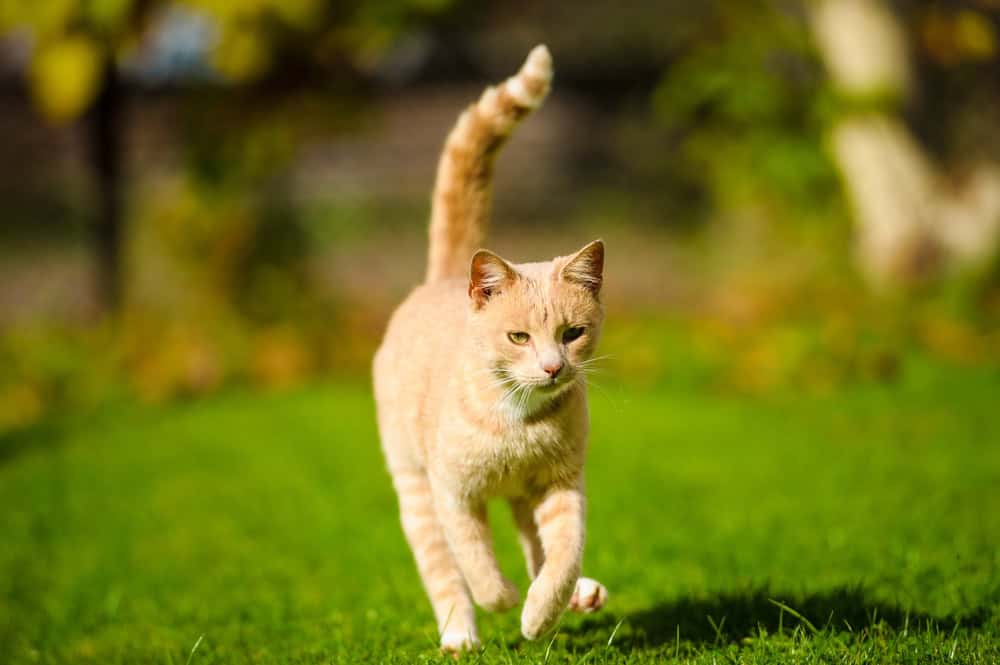
Cats, with their mysterious ways and endearing antics, often seem to entertain a life of effortless comfort. Yet, as temperatures rise, our feline friends may face discomfort and health risks that aren’t immediately obvious. Understanding the subtle cues your cat provides can be vital in ensuring their well-being during hotter months. This guide will help you identify the signs that your cat might be struggling with rising temperatures and how you can help them stay safe and comfortable.
Panting More Than Usual
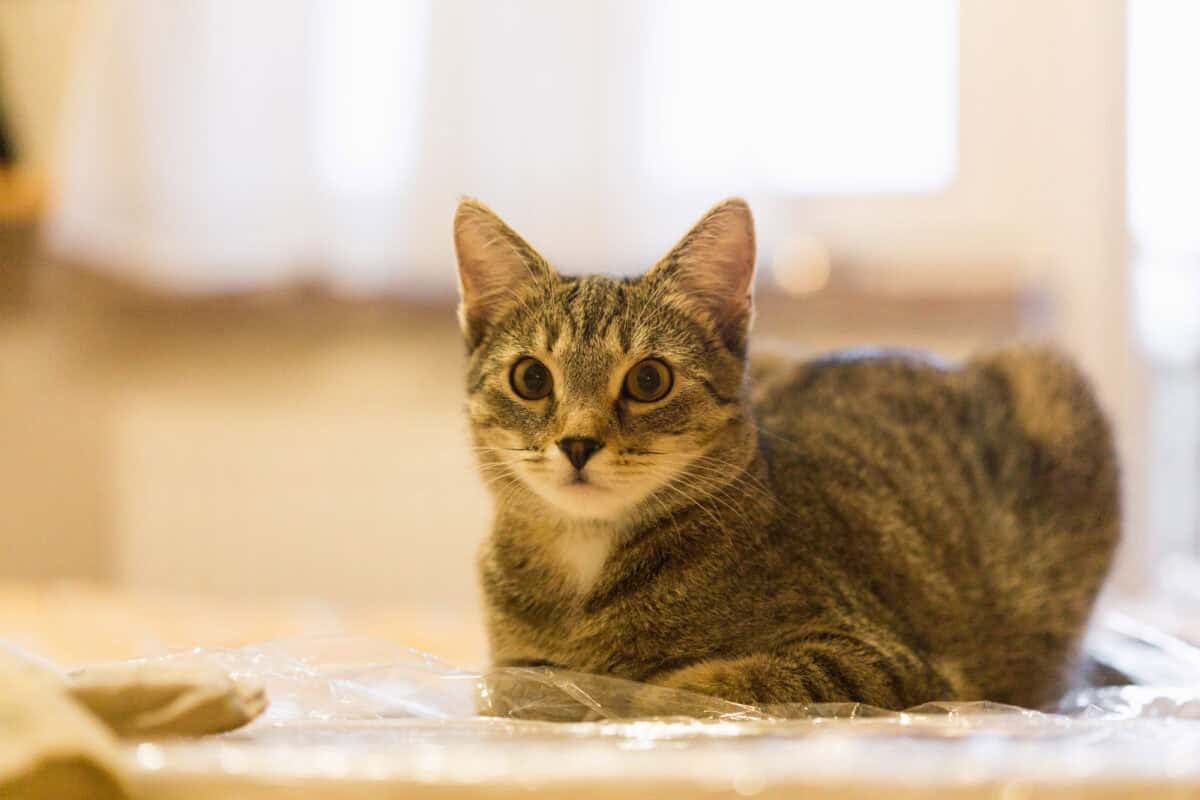
While panting is relatively common in dogs, it’s much less so in cats. If your feline companion is panting heavily, it could be an indication that they’re overheating. Unlike dogs, cats don’t pant often to release heat, so this behavior should be addressed promptly.
Seeking Cool Surfaces

Notice your cat sprawled out on the tile flooring or in areas of your home that are typically cooler? This behavior is a clear sign that they’re trying to cool down. Offering them a frozen water bottle wrapped in a towel can provide them with a more comfortable resting place.
Excessive Drooling
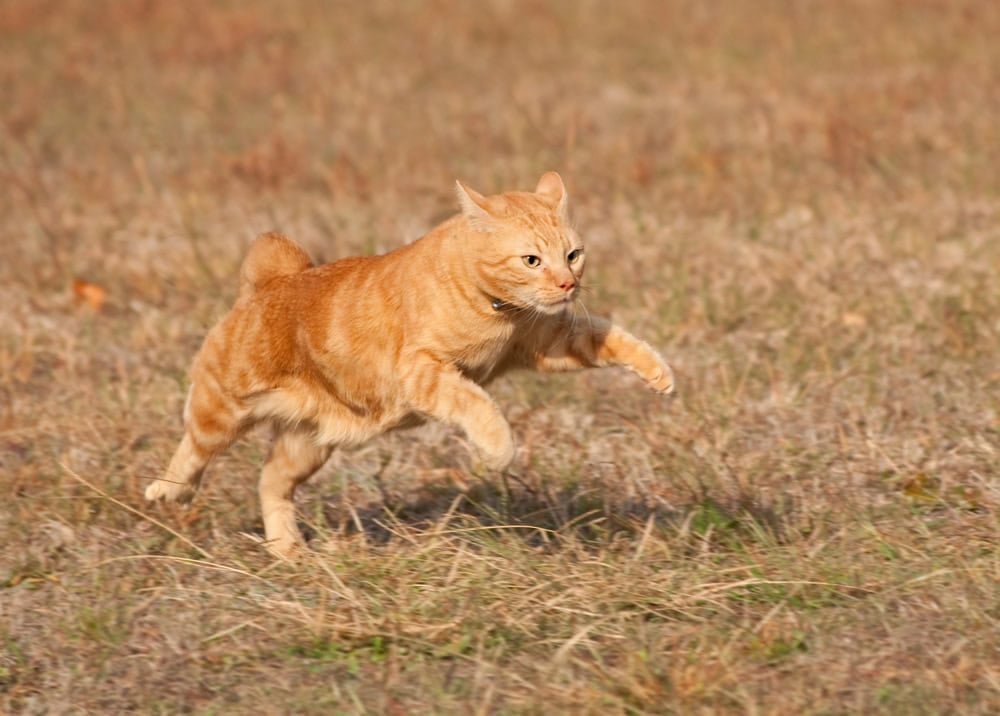
If your cat is drooling more than usual, it could be a sign of overheating. Cats regulate their body temperature through their mouths, and excessive drooling might indicate distress from high temperatures.
Frequent Grooming

Grooming more often than usual is a cat’s way of cooling down. When a cat licks its fur, the saliva eventually evaporates, much like human sweat, and helps to lower their body temperature.
Reduced Appetite

High temperatures can lead to a reduction in appetite for your cat. If you notice they are eating less, it might be because they’re feeling too warm. Ensure they have access to fresh, cool water to encourage hydration, which is crucial in the heat.
Lethargy
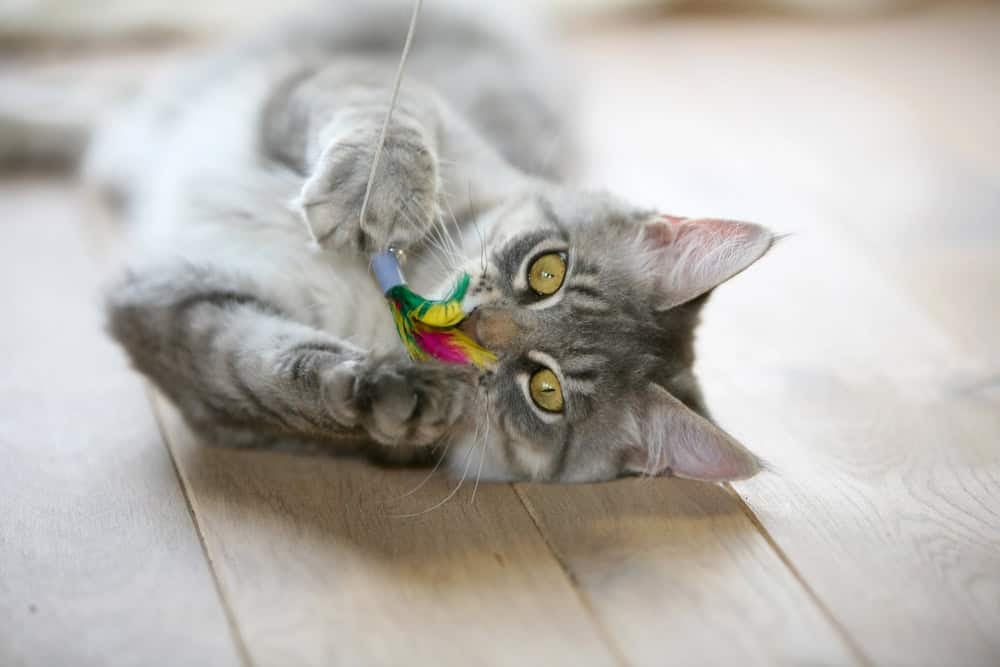
An unusually sedentary cat who spends most of the day sleeping or lying down could be suffering from heat exhaustion. Monitor their activity levels and try to encourage movement during cooler parts of the day to ensure their health remains on track.
Trouble Breathing
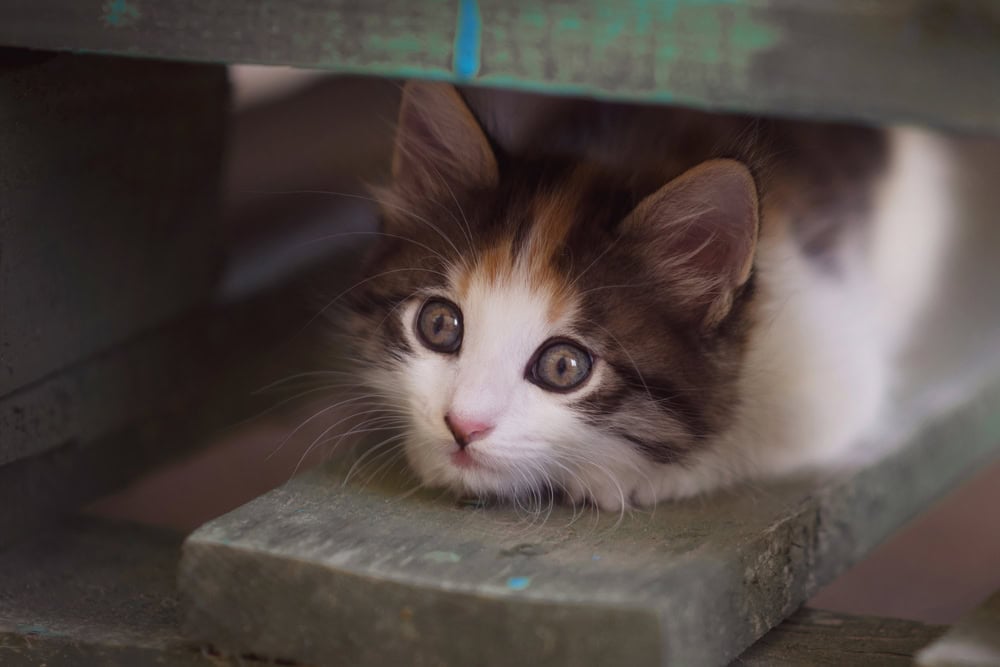
Labored or fast breathing can signify that your cat is in discomfort due to the heat. Cats often try to minimize exertion when overly warm, so any signs of struggling to breathe require immediate attention.
Changes in Vocalization
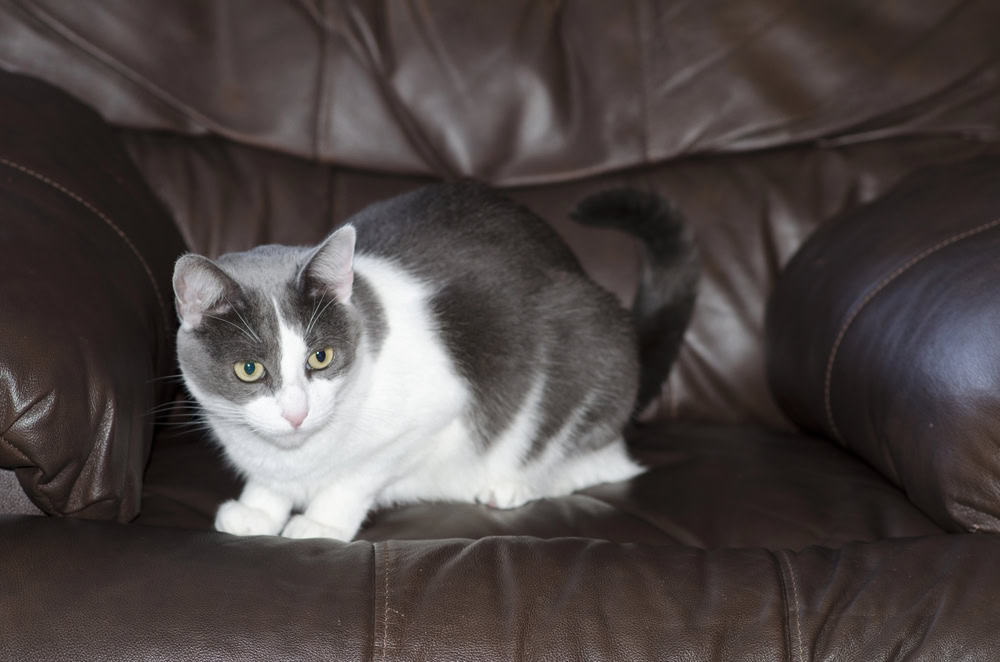
Your cat might start to vocalize more frequently or differently. Increased or altered vocalizations can be a call for help if they’re feeling uncomfortable due to heat.
Hiding
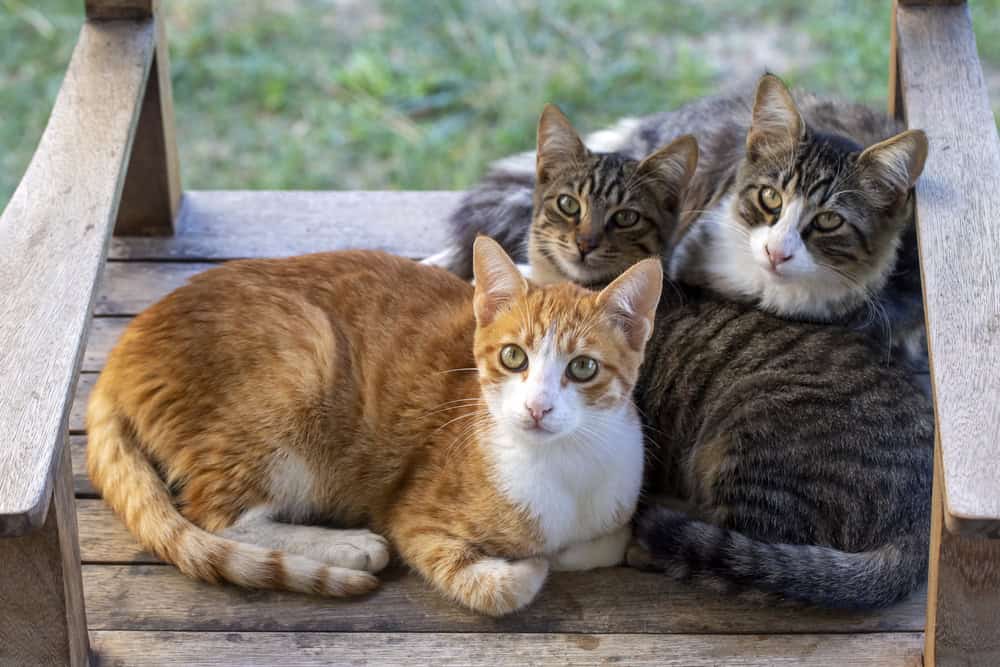
Cats will often seek out quiet, hidden places when they are feeling unwell. If your usually social feline is spending more time in secluded areas, it might be due to heat stress.
Warm Ears or Paws

Generally, cats’ ears and paws are cooler to the touch. If they feel warm, it could be a sign that your cat’s body temperature is elevated due to the heat.
Vomiting or Diarrhea
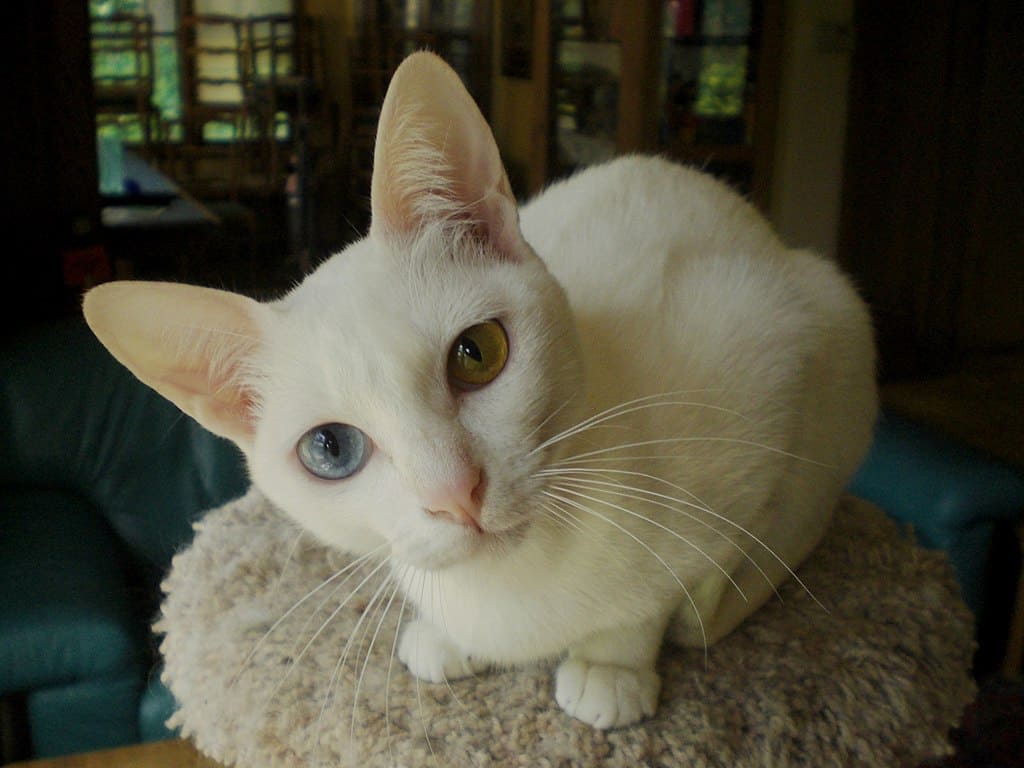
Heat stress can impact a cat’s digestive system. If your cat experiences vomiting or diarrhea, especially when coupled with other signs of overheating, consult your vet immediately.
Rapid Heart Rate

A quickened heart rate in a resting cat can indicate distress from heat exposure. Regular checks on heart rate can give early indications of overheating before more severe symptoms develop.
Shifting to High Surfaces

Cats might seek elevated surfaces where air circulation is better. This behavior is a strategic way to cool down when the ground level feels stifling.
Reducing Social Interactions

If your sociable cat is avoiding the usual interactions, it’s a potential sign they’re too hot. Cats tend to isolate themselves when they feel distressed, including from high temperatures.
Squinting or Red Eyes
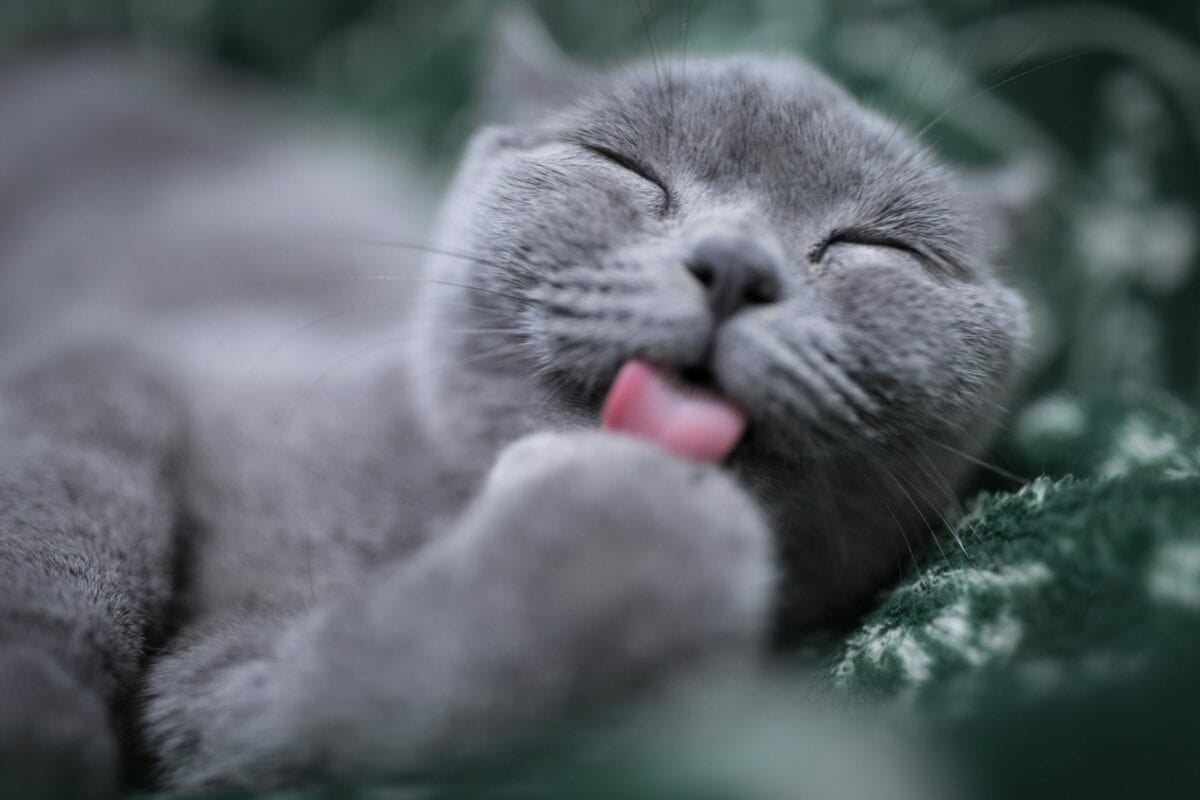
Prolonged exposure to high heat may irritate a cat’s eyes, causing them to squint or appear red. Providing shaded areas can help prevent this discomfort.
Seeking Shade Constantly

Cats will instinctively search for shady spots when it’s too hot. Whether outside or indoors, ensure they have access to shaded areas to reduce their heat exposure.
Refusing to Move

If your cat seems exceedingly reluctant to move, it might be conserving energy to manage their body temperature. Encourage fluid intake and offer a fan to create a cooler environment.
Heat Stress Body Posture
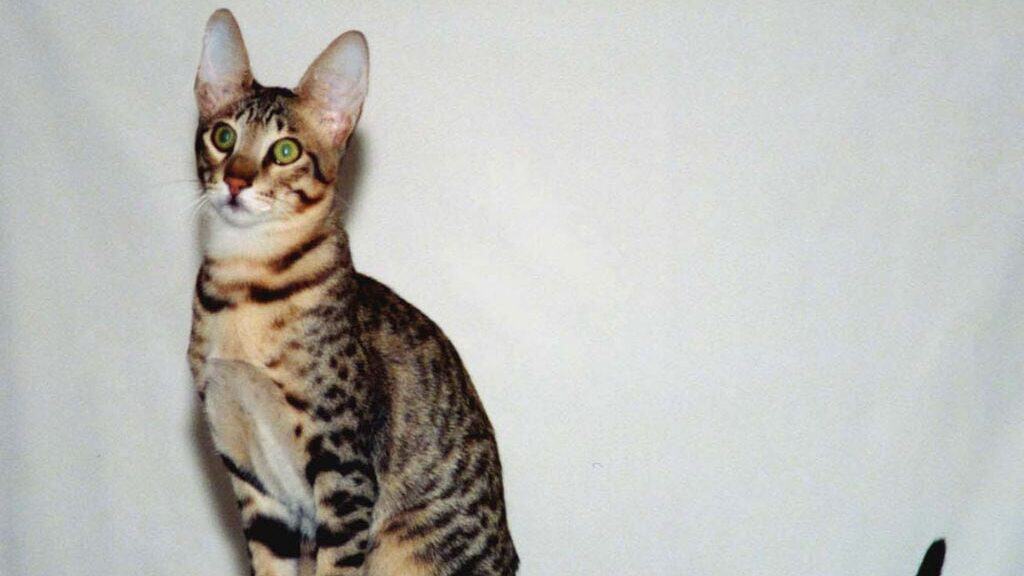
Cats suffering from heat stress might display a characteristic stance, splayed out on their bellies with feet spread apart. This is an effort to release body heat through the ground.
Restlessness During Heat

Contrary to lethargy, some cats may react with restlessness to heat. Unable to find comfort, they may roam more often, even in typical resting hours.
Over-Grooming

In an effort to alleviate discomfort, cats may groom excessively, leading to bald spots or irritated skin. This behavior, although seemingly routine, can be a reaction to excessive heat.
Conclusion:
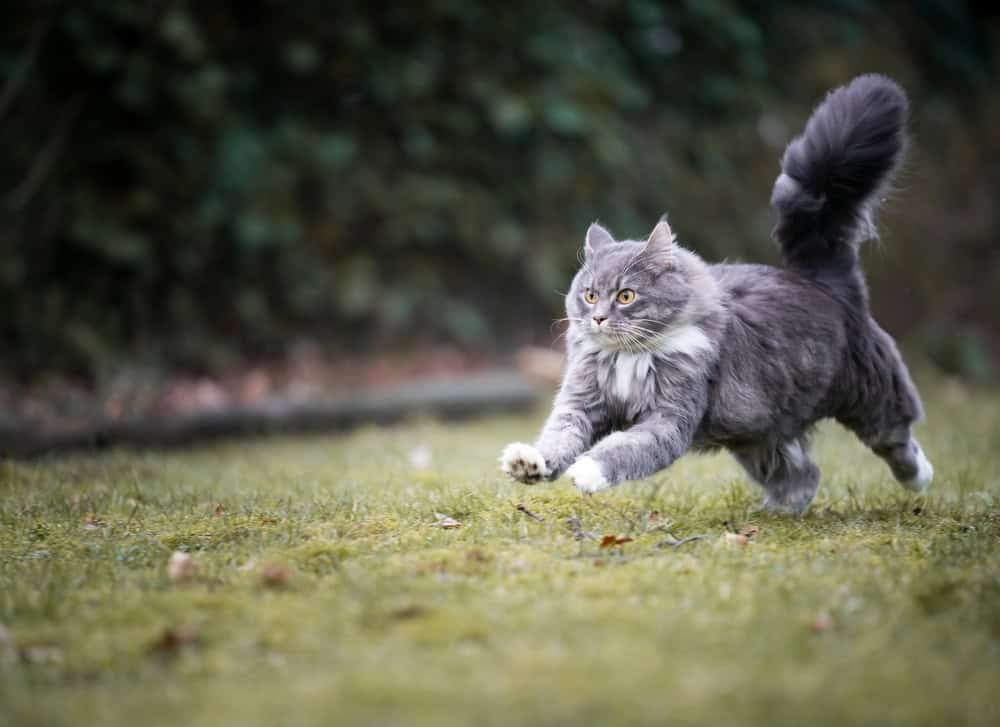
As temperatures continue to rise with seasonal changes or climate shifts, ensuring your cat’s comfort and safety becomes crucial. By observing your pet’s behavior closely, you can identify signs of heat stress early and take corrective action. Always ensure your cat has access to fresh water and a cool environment. Ultimately, your attentiveness is the greatest aid you can provide, ensuring your feline companion remains happy and healthy, no matter the weather.

As a little kid, I fell in love with nature, wildlife, and animals. Living in the USA, South Africa, Italy, China and Germany gave me the opportunity to discover the world's Wildlife. My favorite animals are Mountain Gorillas, Siberian Tigers, and Great White Sharks.
I'm a certified PADI Open Water Diver, went to Everest Base Camp and Trekked Gorillas in Uganda. I hold a Master of Science in Economics and Finance.
Please send any feedback to feedback@animalsaroundtheglobe.com
- 10 Most Popular National Parks to See Wildlife - July 28, 2026
- 14 Most Dangerous Predators Roaming North America - July 28, 2026
- 9 Times Snakes Stay Silent And 3 They Hiss Loudly - July 28, 2026