

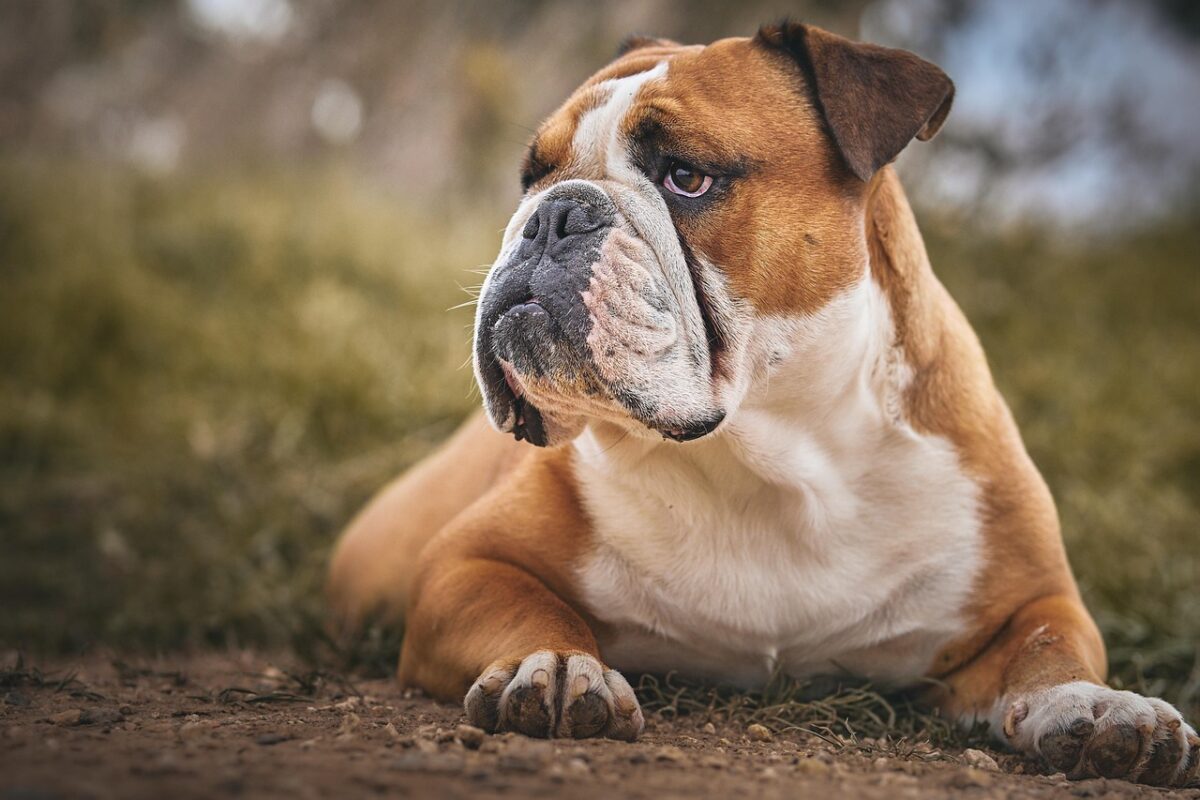
If you’re living in Maine and looking for a dog breed that you think suits your home and family best, then PAUSE for a moment. Think twice because there are popular dog breeds in Maine that might just not be ideal to keep in Maine.
Walking into a veterinary clinic in Maine, you might notice certain patterns emerging in the waiting room. The labored breathing of that adorable flat-faced pup in the corner, the limping German Shepherd trying to get comfortable on the cold tile floor, or the anxious Golden Retriever owner clutching a tissue box. Behind their professional smiles, many Maine veterinarians carry a burden of knowledge that weighs heavily on their hearts. They’ve witnessed countless heartbreaking cases where beloved family dogs suffer from preventable conditions, all because their breed’s “desirable” traits actually spell disaster for their health.
While every dog deserves love and proper medical care, some breeds face such overwhelming health challenges that Maine veterinarians quietly wish more people understood the reality before making that emotional purchase decision.
French Bulldogs – The Breathing Crisis Everyone Ignores
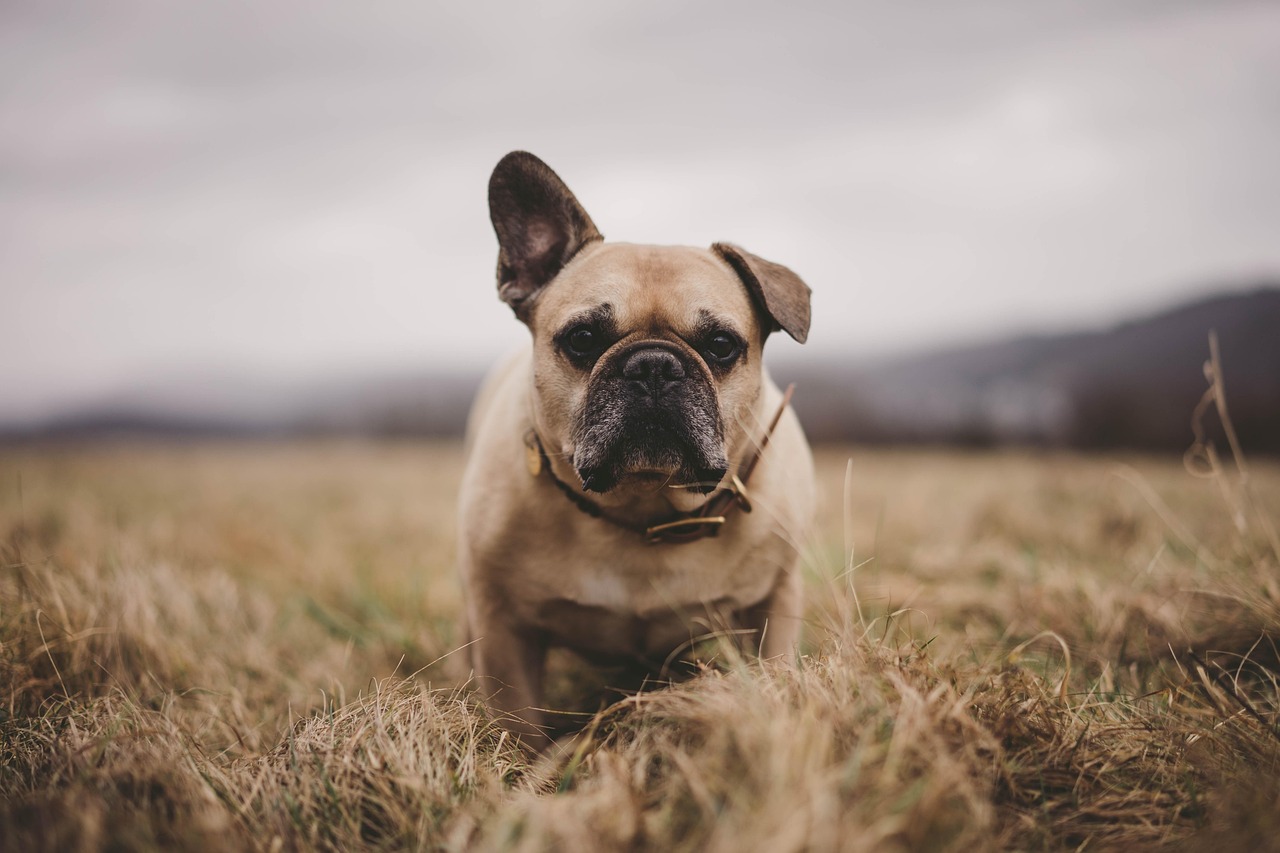
Maine veterinarians see French Bulldogs in their clinics with alarming frequency, and roughly seventy-five percent of these adorable “Frenchies” are diagnosed with Brachycephalic Obstructive Airway Syndrome (BOAS). Living with their shortened skulls is like breathing through a straw for their entire life, and many owners mistake the huffing, snorting and labored breathing as cute quirks when these dogs are actually suffering.
The harsh reality is that dogs with extreme brachycephalic features have significantly shorter lifespans, averaging just 8.6 years compared to 12.7 years for other breeds. Without surgical intervention, moderately to severely affected French Bulldogs will suffer progressive respiratory distress and ultimately face death from their breathing difficulties.
English Bulldogs – The Cesarean Section Champions
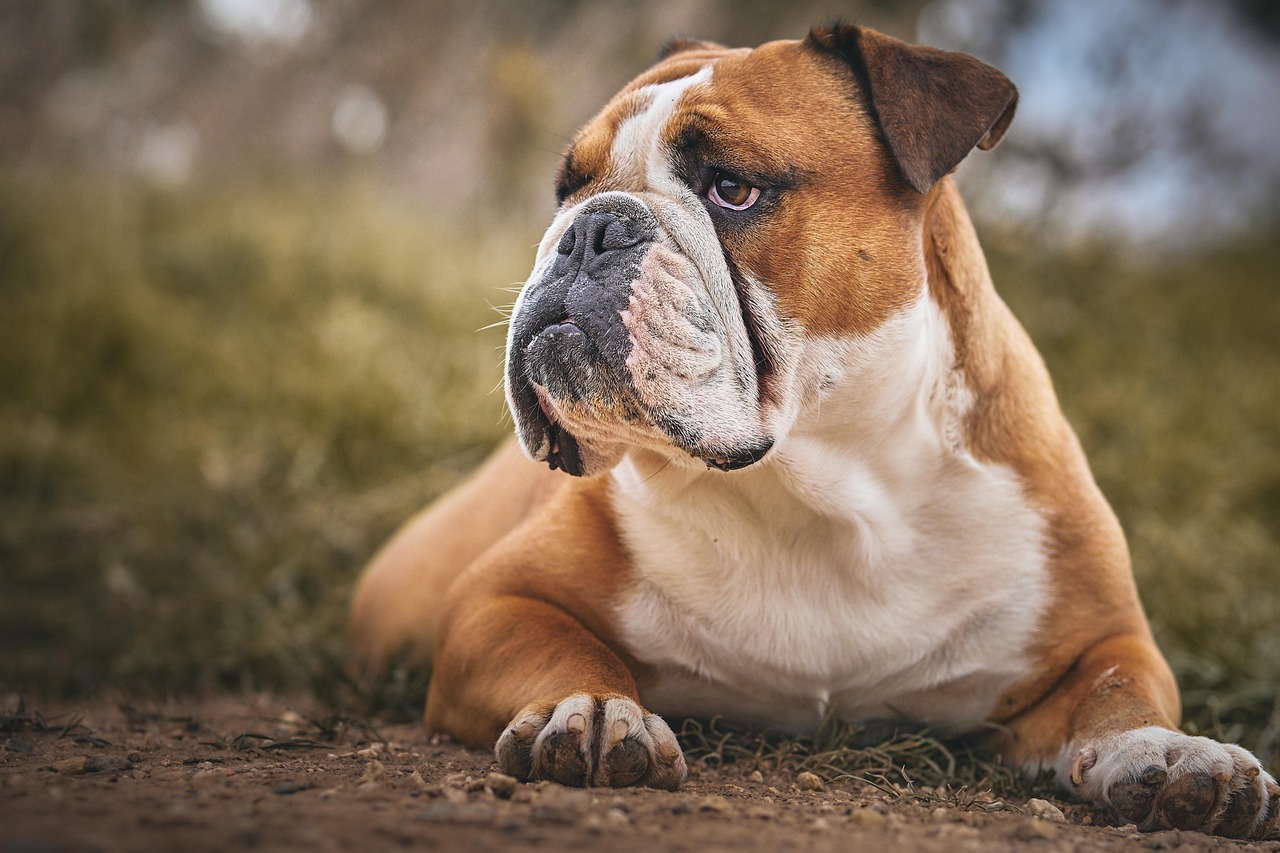
English Bulldogs represent a tragic case of breeding gone wrong, as meeting pedigree standards has resulted in countless genetic health problems, with respiratory issues being most common due to selective breeding for shorter snouts, and most puppies requiring veterinarian-assisted cesarean sections. The breed’s characteristic body shape with narrow hips makes natural birth nearly impossible.
Maine vets often describe English Bulldogs as walking medical emergencies waiting to happen. Their shortened airways, joint problems, and skin fold infections create a perfect storm of health issues that require constant monitoring and expensive interventions throughout their lives.
Pugs – The Eye-Popping Reality
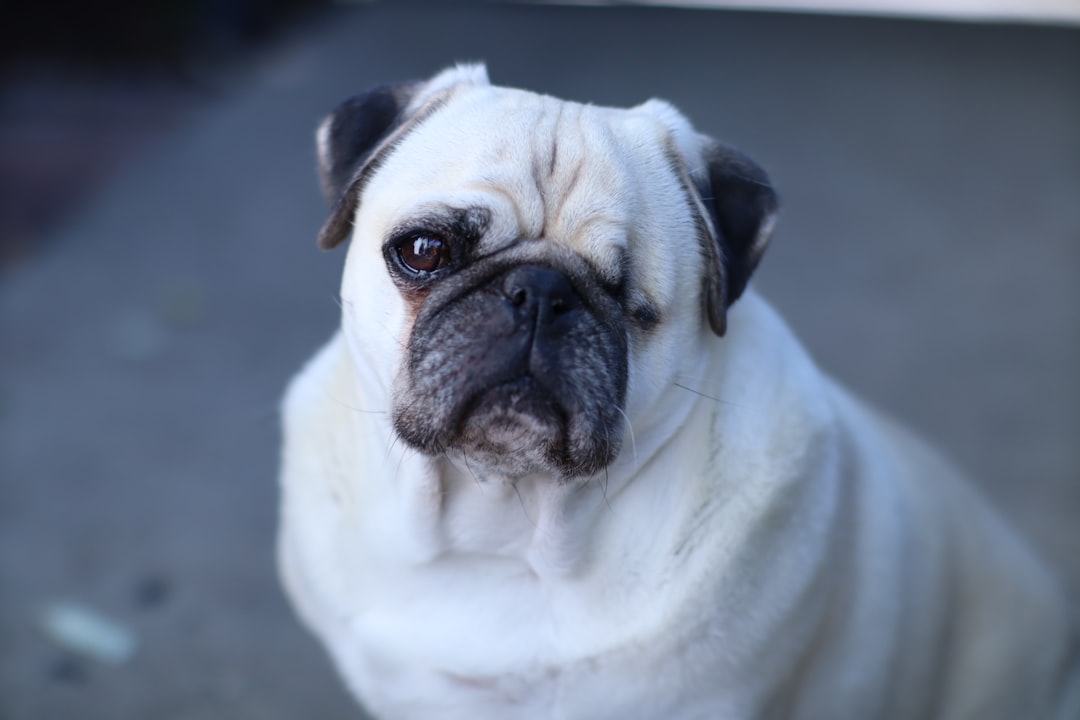
In Pugs, eye problems are extremely common, with their bulging eyes being particularly problematic since the eyes can actually “pop” out, making it difficult for them to blink and keep their eyes moisturized, leading to dryness and infection. Like Bulldogs, Pugs typically require cesarean sections to deliver their puppies.
While Pugs are generally considered healthy by some standards, they face significant challenges due to their predisposition to multiple medical conditions, including breathing difficulties caused by brachycephalic airway syndrome resulting from their shortened skull structure. The breed’s popularity on social media only makes these problems worse as demand increases.
German Shepherds – Intelligence Comes at a Cost
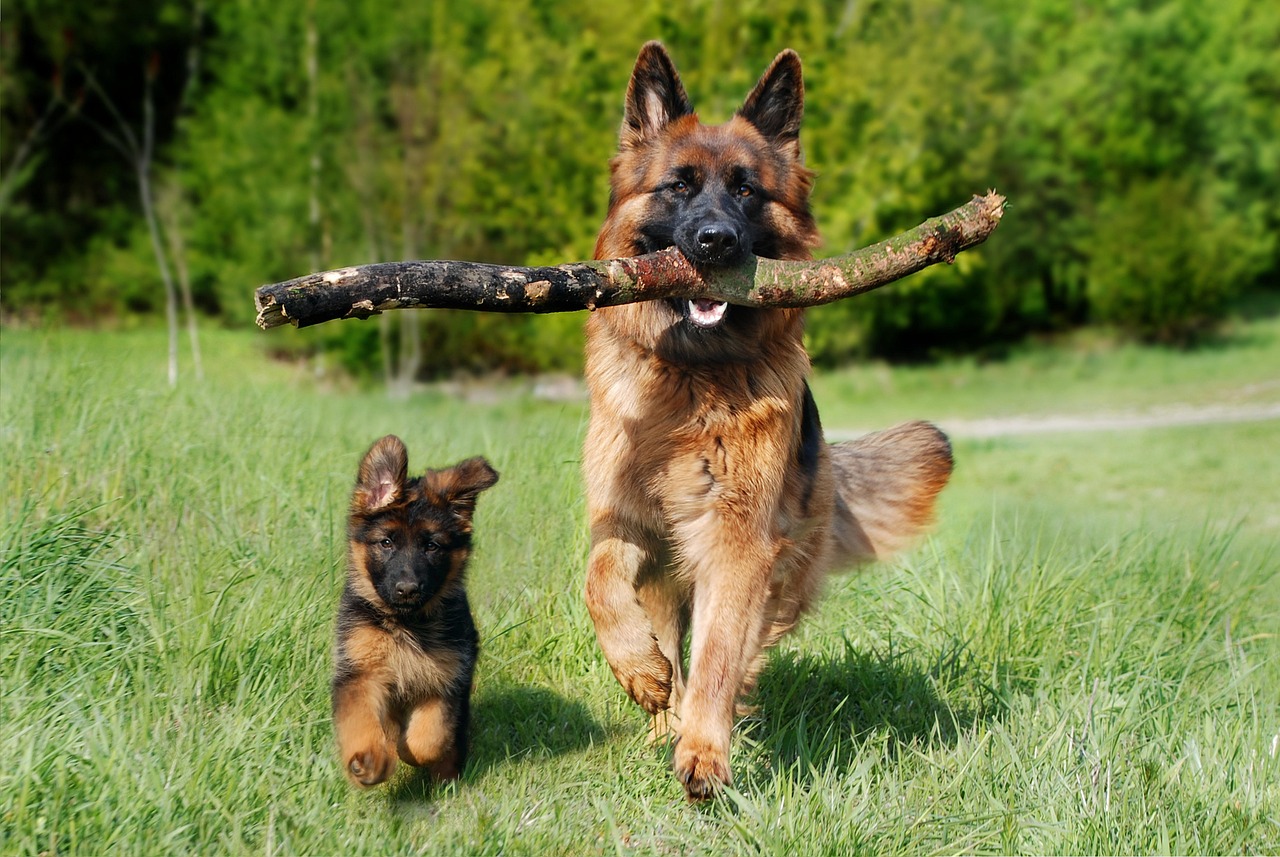
German Shepherds are beloved for their intelligence and work ethic, but their popularity has led to overbreeding, resulting in serious genetic issues, with degenerative myelopathy being a major concern – a spinal cord disease that can cause paralysis as it weakens leg muscles. These dogs may also develop vision problems leading to blindness and neurological disorders like epilepsy.
Maine veterinarians frequently see German Shepherds struggling with hip and elbow dysplasia, conditions that cause chronic pain and mobility issues. The breed’s large size compounds these problems, making even basic activities like climbing stairs or getting in cars increasingly difficult as they age.
Golden Retrievers – The Cancer Retrievers
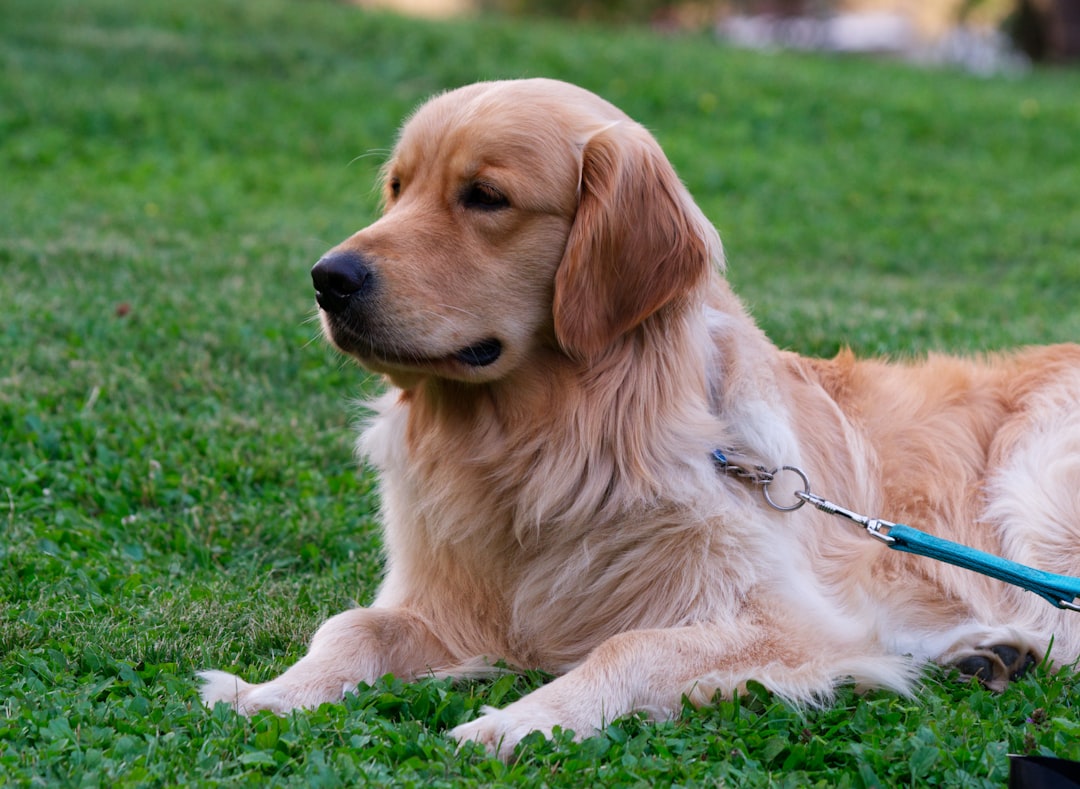
Golden Retrievers have unfortunately earned the heartbreaking nickname “The Cancer Retriever” from veterinarians, which is deeply unsettling. Golden Retrievers are incredibly likely to develop cancer and are also prone to hip and elbow dysplasia. This beloved family breed faces one of the highest cancer rates among all dog breeds.
The emotional toll on families is devastating when their loving Golden Retriever, often considered a family member for years, receives a cancer diagnosis. Maine vets witness this heartbreak repeatedly, knowing that the breed’s genetic predisposition makes these diagnoses almost inevitable rather than just unfortunate.
Labrador Retrievers – The Obesity Epidemic
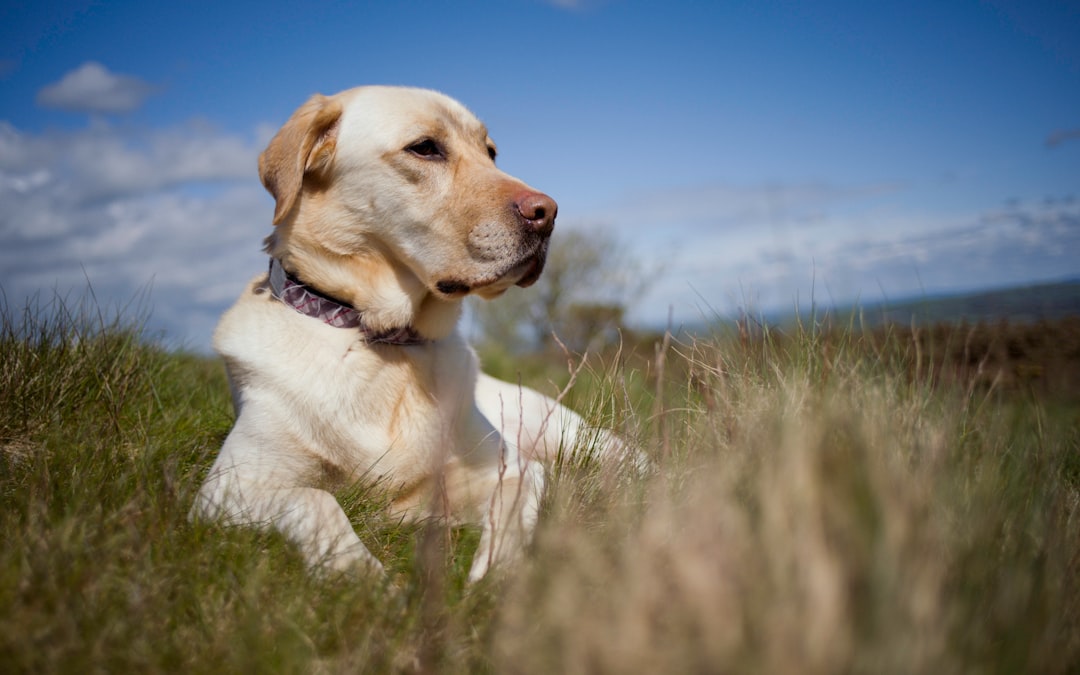
Labrador Retrievers are prone to obesity, which can lead to various health concerns including joint problems, making a balanced diet and regular exercise essential for maintaining their health. Many Labs are born with elbow and hip dysplasia causing skeletal issues, and most are genetically predisposed to obesity, making their mobility problems even worse.
Furthermore, Labradors face risks from von Willebrand Disease, a bleeding disorder with symptoms like nosebleeds or prolonged bleeding after injuries. The combination of joint problems and weight issues creates a cycle where exercise becomes more difficult, leading to further weight gain and increased stress on already compromised joints.
Dachshunds – Backs Breaking Under Pressure
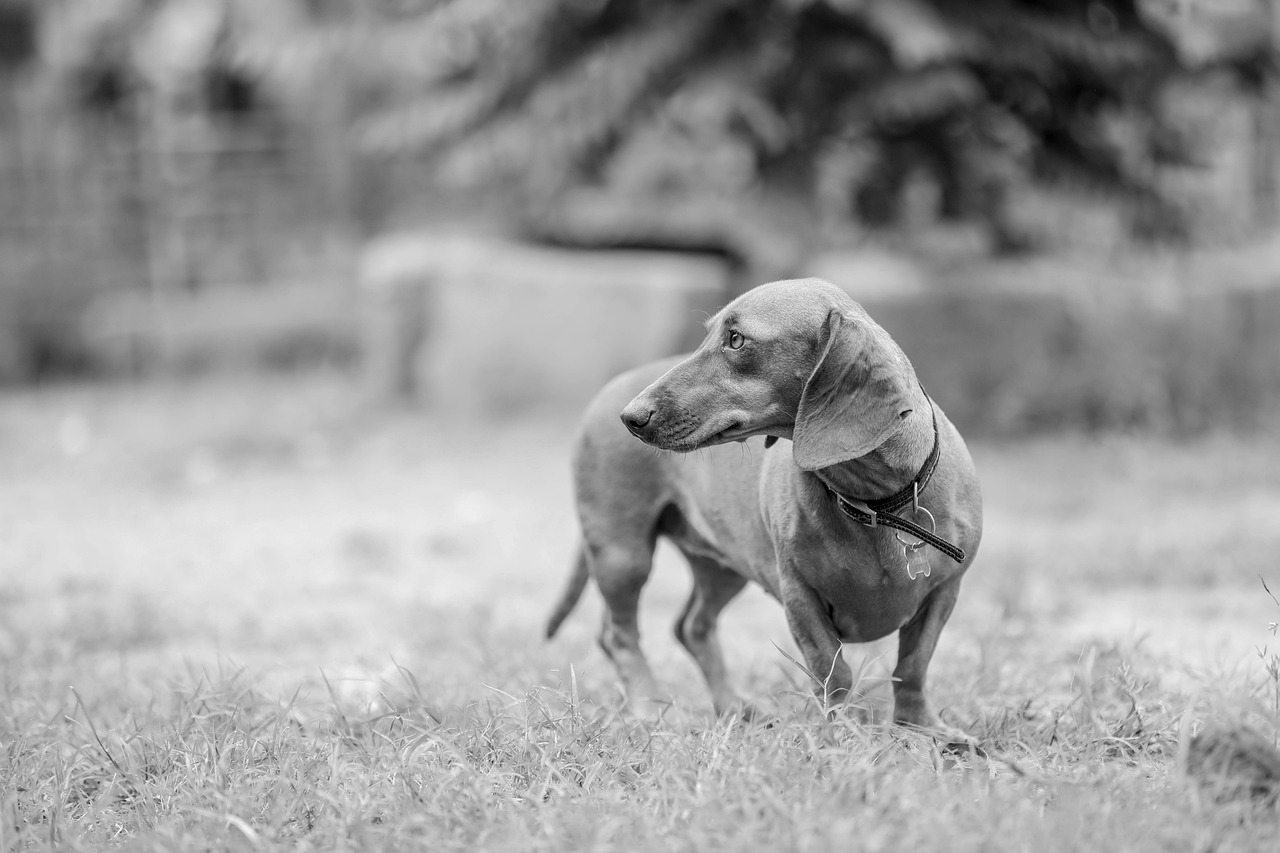
Known for their sausage-like shape, Dachshunds face numerous genetic skeletal health conditions, with intervertebral disc disease being most well-known, where poor quality spinal discs mean these dogs experience painful backs and sudden paralysis risks from jumping, twisting, exercise, or even being picked up, potentially requiring months of rehabilitation or risky spinal surgery.
Dachshunds are also prone to patella luxation, brittle bone disease, hearing and vision issues, epilepsy, Cushing’s disease, allergies, autoimmune diseases, and heart disease. Their unique body structure, bred for hunting badgers in burrows, creates a medical nightmare for modern pet ownership.
Boston Terriers – Breathing and Eye Troubles
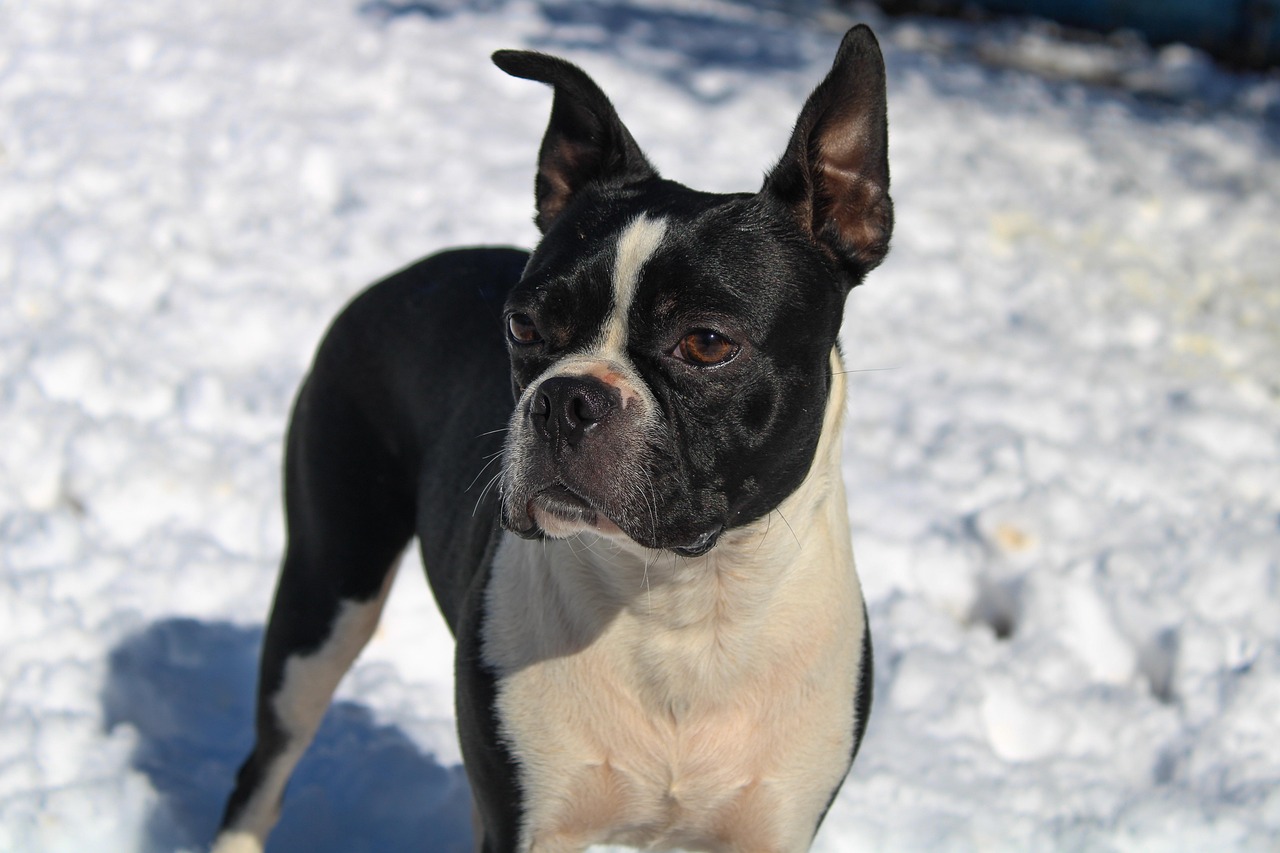
Boston Terriers share many of the same breathing problems as other brachycephalic breeds, struggling with narrow airways and breathing difficulties. In one study, Boston Terriers were the fourth most commonly affected breed with BAOS, following English bulldogs, pugs, and French bulldogs.
Maine veterinarians frequently treat Boston Terriers for eye injuries and infections due to their prominent, bulging eyes. The breed’s friendly temperament and manageable size make them popular family pets, but their health challenges often catch new owners off guard when emergency vet visits become routine.
Cavalier King Charles Spaniels – Hearts Breaking Literally
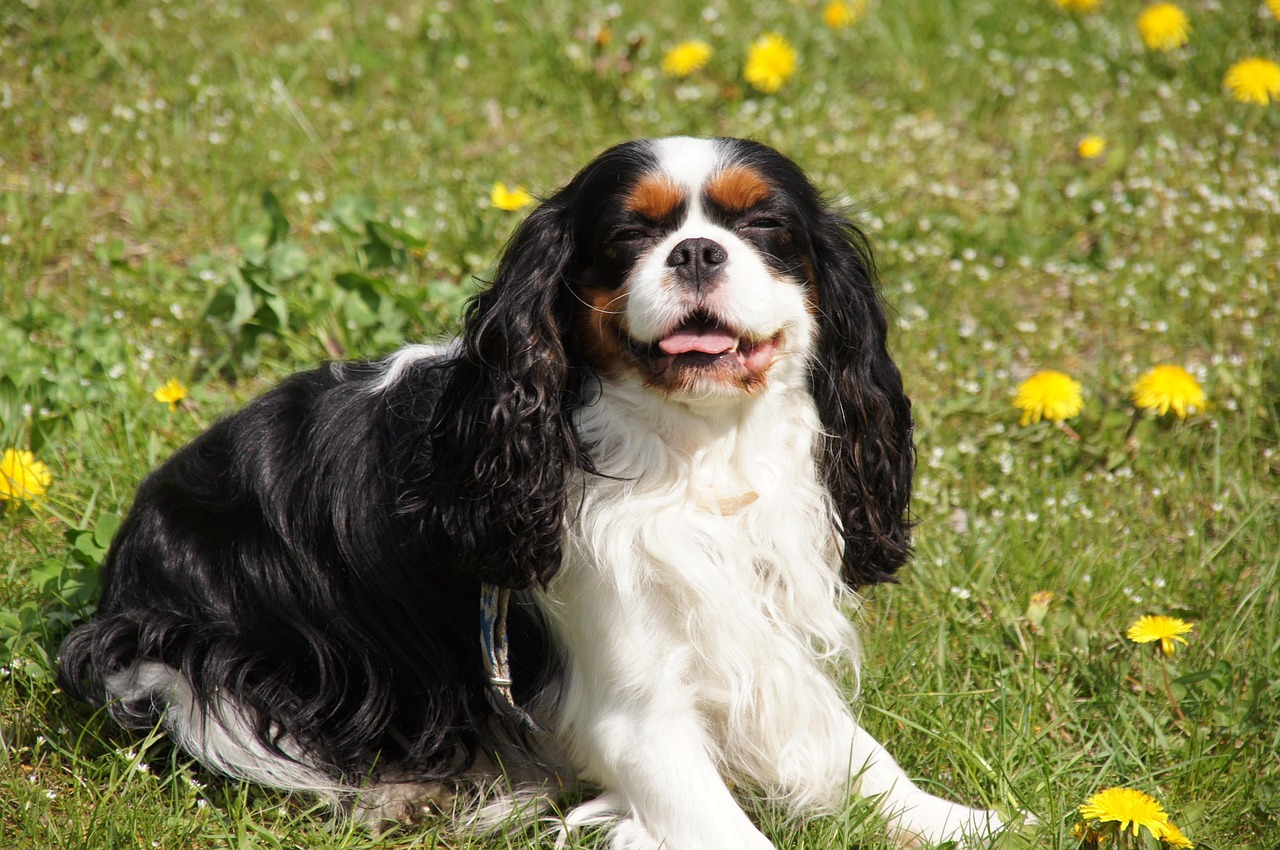
Cavalier King Charles Spaniels are prone to several serious health issues, with mitral valve disease being most common – a heart condition causing heart murmurs and potential heart failure, along with eye problems like cataracts and retinal disorders, plus syringomyelia, a neurological condition causing fluid-filled spinal cord cavities leading to neck and head pain.
The breed’s long, floppy ears create perfect conditions for chronic ear infections, requiring constant vigilance from owners. Despite their gentle nature making them excellent family companions, the combination of heart, neurological, and sensory problems creates significant quality-of-life concerns.
Rottweilers – Size and Bone Problems

Rottweiler puppies face susceptibility to osteochondrosis, a bone disorder causing weakness as they age, and these dogs may develop cancer at higher rates than similar breeds. Their large size compounds orthopedic problems, making hip and elbow dysplasia particularly debilitating.
Maine vets often see young Rottweilers suffering from growing pains and bone development issues that can affect their entire lives. The breed’s protective nature and loyalty make them cherished family guardians, but their size-related health problems require significant financial and emotional commitments from their families.
Cocker Spaniels – Multiple System Failures
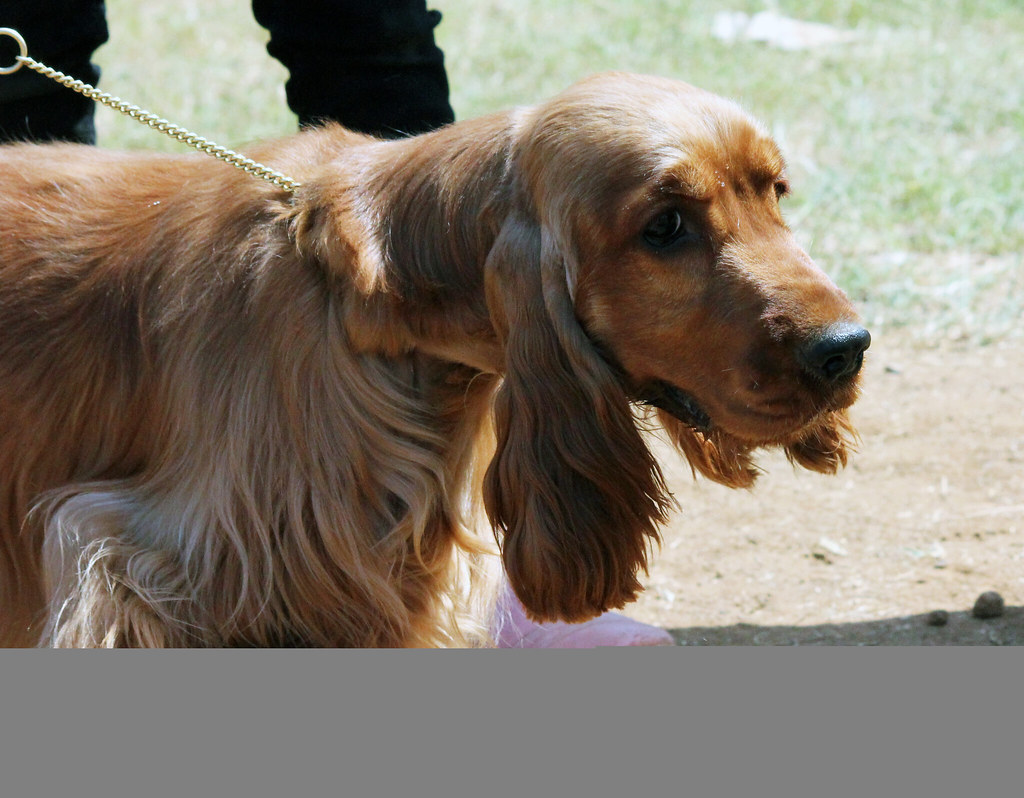
Cocker Spaniels can suffer from bone diseases, heart issues like cardiomyopathy, and vision problems including progressive retinal atrophy, cataracts, and glaucoma. While Cocker Spaniels are popular and affectionate, they’re prone to several health issues, with ear infections being particularly common due to their long, floppy ears.
The breed’s beautiful, silky coat requires extensive grooming, but more importantly, their ear structure creates ongoing maintenance challenges. Maine veterinarians frequently treat Cocker Spaniels for chronic ear infections that can become serious if not properly managed, leading to hearing loss and ongoing discomfort.
Chow Chows – Breathing and Joint Double Whammy
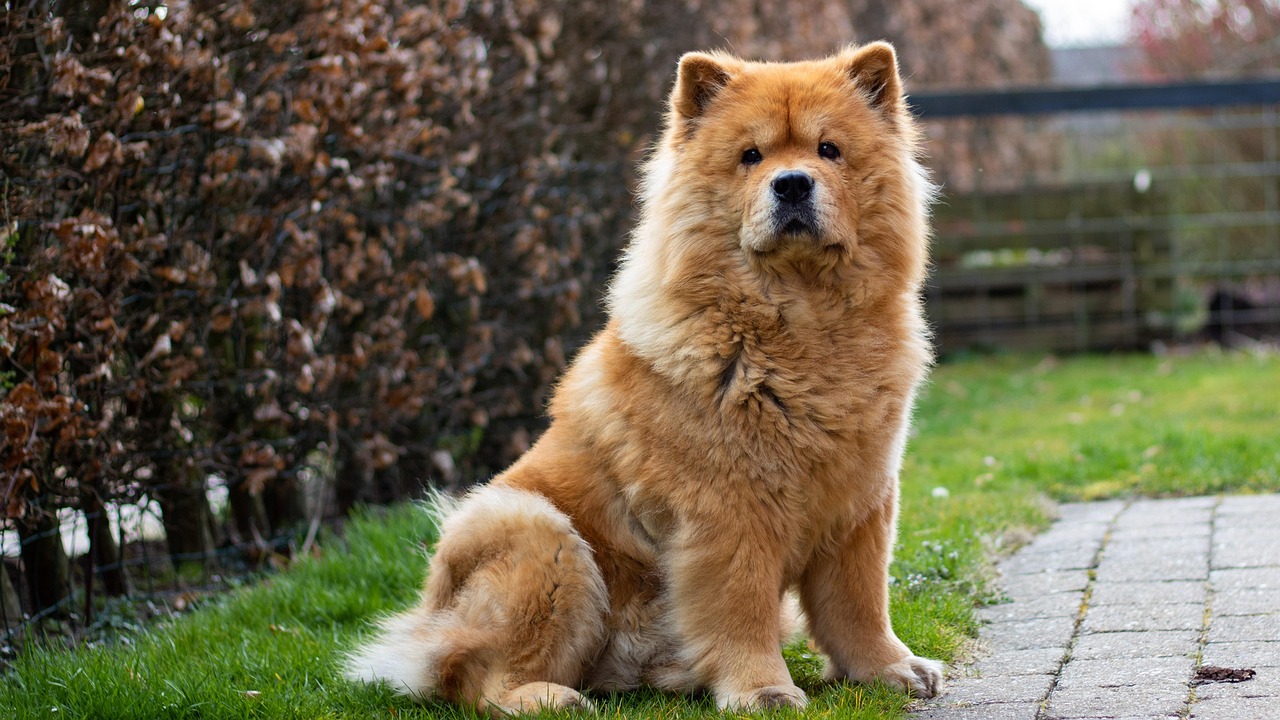
Hip and elbow dysplasia are both common in Chow Chows, causing limited mobility, and they may also have respiratory disorders where insufficient throat width causes snoring during sleep and coughing when awake. Their thick double coat adds to overheating risks during Maine’s humid summers.
The breed’s independent nature can make them challenging to train, but more problematically, it can make them resistant to medical treatments and handling. This creates additional stress during veterinary visits when they’re already dealing with breathing or joint problems.
Basset Hounds – Bloat and Proportional Problems
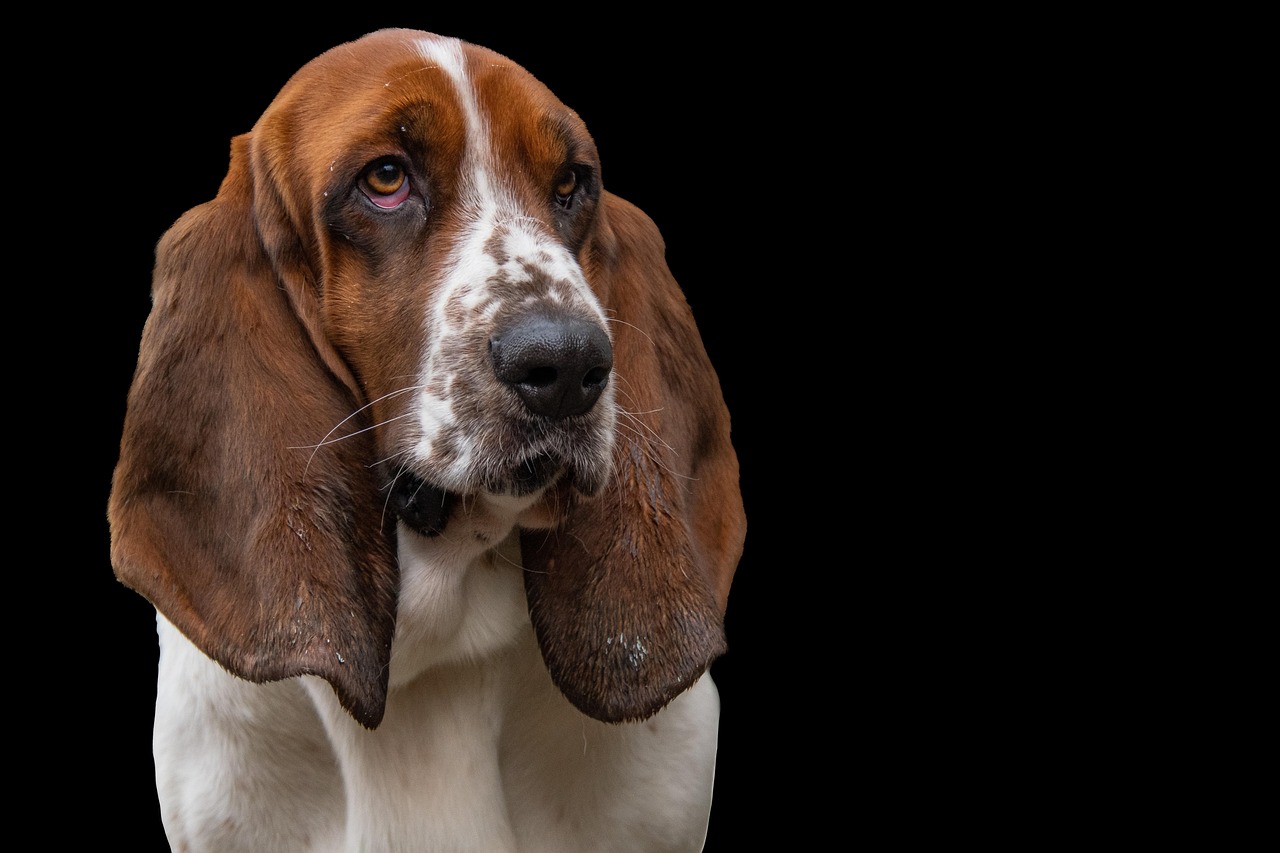
Due to their unusual proportions with short legs and long bodies, Basset Hounds often experience bloat, a condition where the stomach cannot pass air, food, and water through the digestive system, leading to discomfort and potentially fatal harm to surrounding organs as pressure builds.
Their low-slung bodies create unique challenges for mobility as they age, and their droopy ears require constant attention to prevent infections. Maine vets appreciate the breed’s gentle nature but worry about the emergency situations that bloat can create, often requiring immediate surgical intervention.
Great Danes – Giants with Fragile Hearts
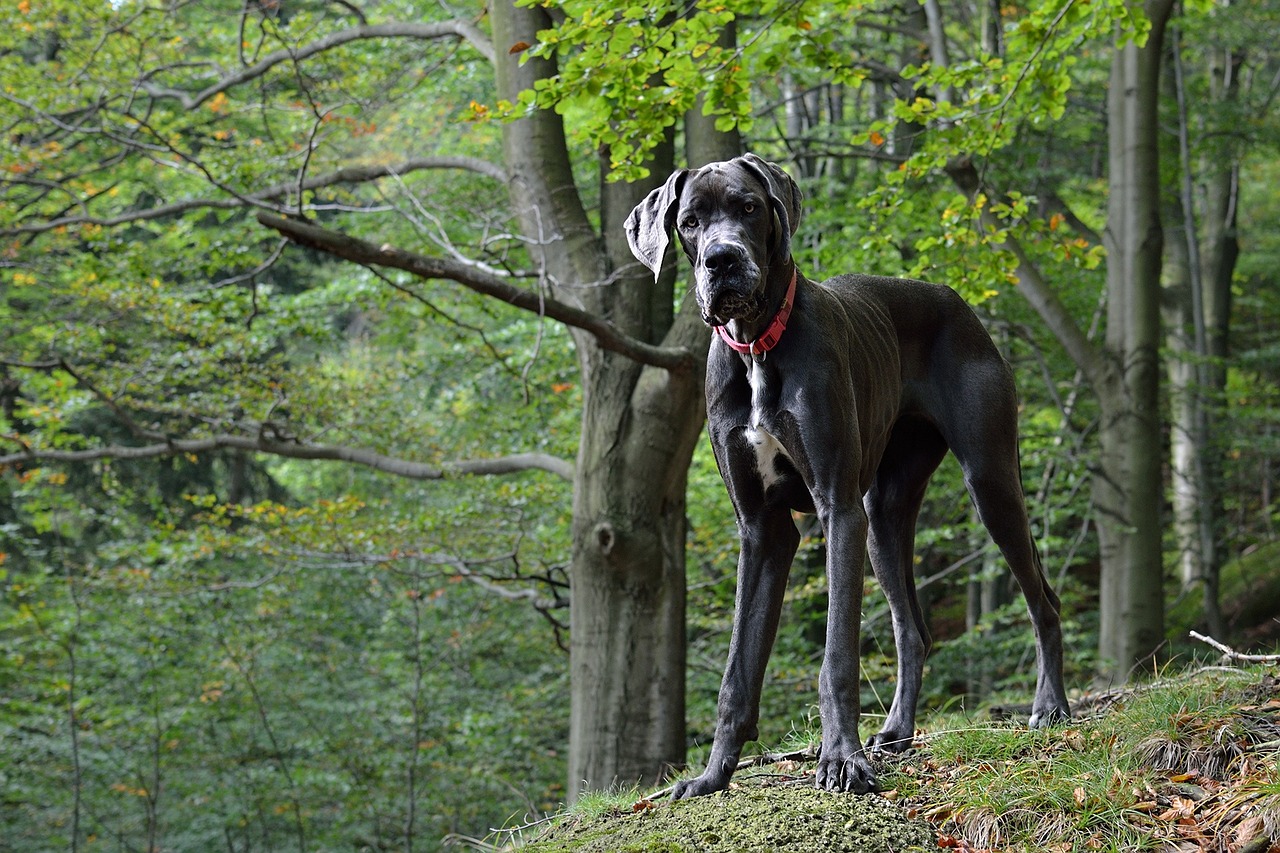
Larger dog breeds like Great Danes are more prone to developing hip dysplasia due to their size. Beyond joint problems, Great Danes face serious risks from bloat and heart conditions that can be fatal. Their enormous size means that even minor injuries or illnesses become major medical events.
Maine veterinarians often explain to Great Dane owners that their dog’s lifespan will likely be much shorter than smaller breeds, typically only six to ten years. The heartbreak of losing such a gentle giant so young, combined with the expensive medical care required throughout their lives, makes this breed particularly challenging.
Poodles – Not as Problem-Free as Advertised
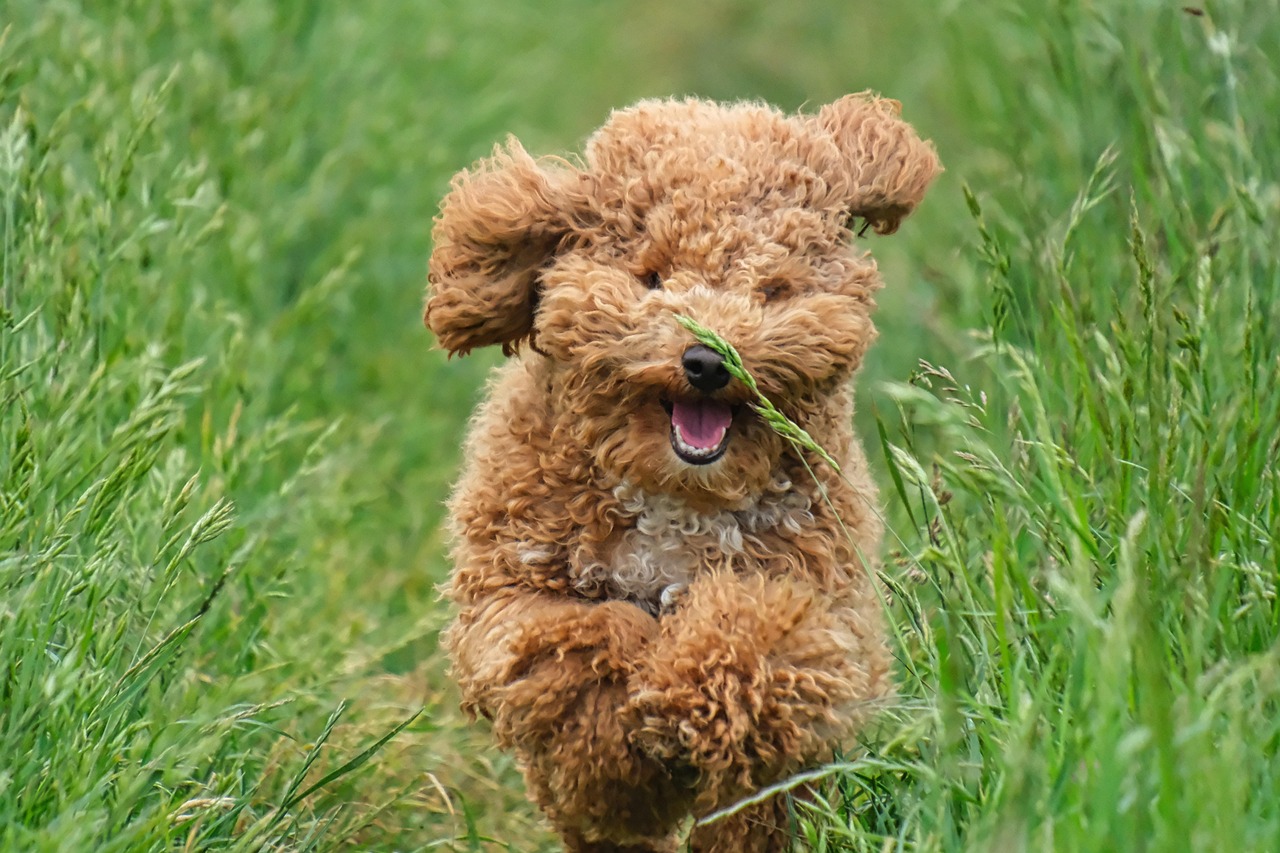
Poodle breeds may experience vision problems ranging from cataracts to total blindness, and often have joint problems, especially as they age. While often marketed as healthier alternatives, Poodles face their own set of genetic challenges that many people don’t expect.
Designer dogs, which are offspring of two different purebreds often involving Poodles, are more likely to inherit health problems from both parent breeds. The popularity of “Poodle mixes” has created a false sense of security among buyers who assume they’re getting healthier dogs.
Saint Bernards – Hearts Unable to Handle the Load
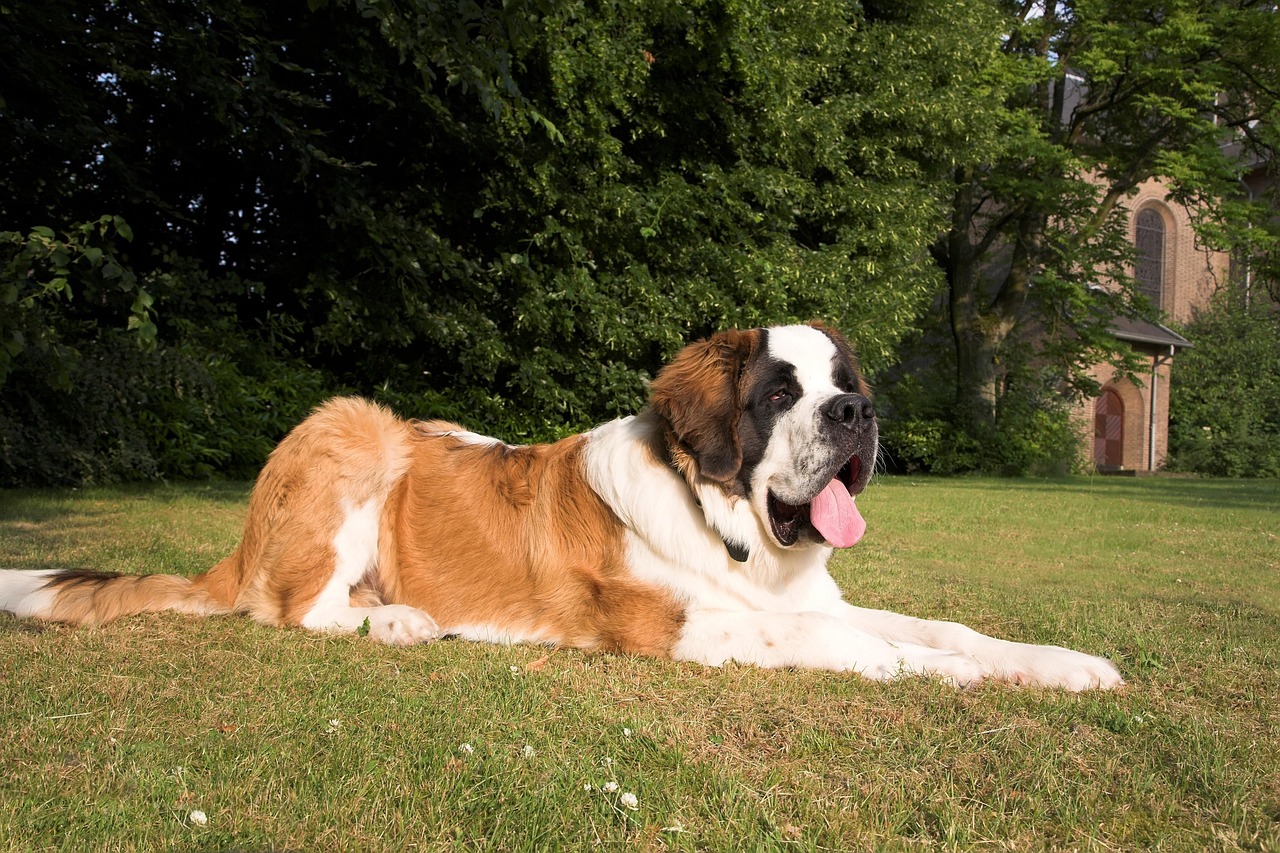
Saint Bernards, with their gentle disposition and large size, are at risk for heart problems such as dilated cardiomyopathy, requiring regular vet check-ups and heart-healthy diets, plus they’re prone to hip dysplasia common in larger breeds. Their massive size puts tremendous strain on their cardiovascular system.
Maine vets often see Saint Bernards struggling with mobility issues from an early age. Their kind, patient nature makes them wonderful family dogs, but their shortened lifespan and expensive medical needs create emotional and financial challenges that many families aren’t prepared for when they fall in love with a cute Saint Bernard puppy.
Boxers – Fighting for Every Breath
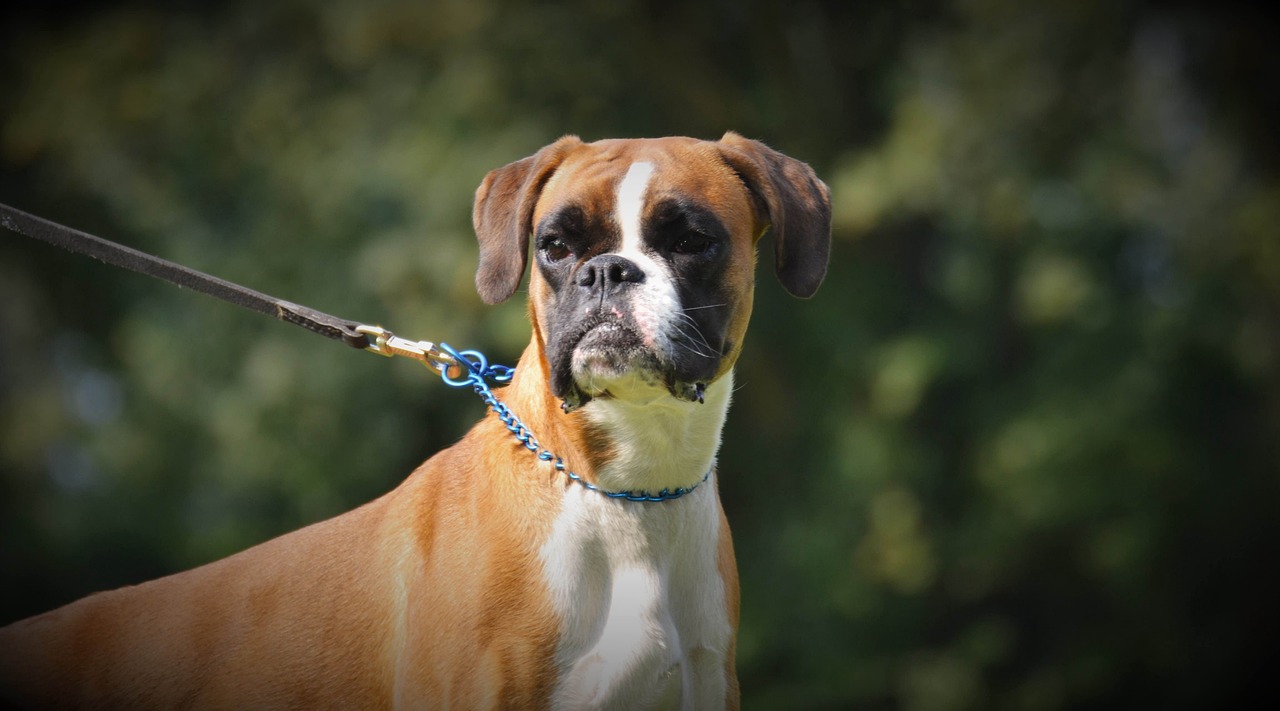
As another brachycephalic breed, Boxers struggle with breathing problems similar to Bulldogs and Pugs. Their energetic, athletic nature creates a cruel irony where their desire to play and exercise is limited by their inability to breathe efficiently. Maine veterinarians frequently see Boxers suffering from heat exhaustion after minimal activity.
The breed’s predisposition to various cancers, particularly brain tumors and heart conditions, adds another layer of concern. Their playful, loving personalities make them cherished family members, but their health challenges often cut their time with families heartbreakingly short.
Bernese Mountain Dogs – Beauty with a Tragic Lifespan
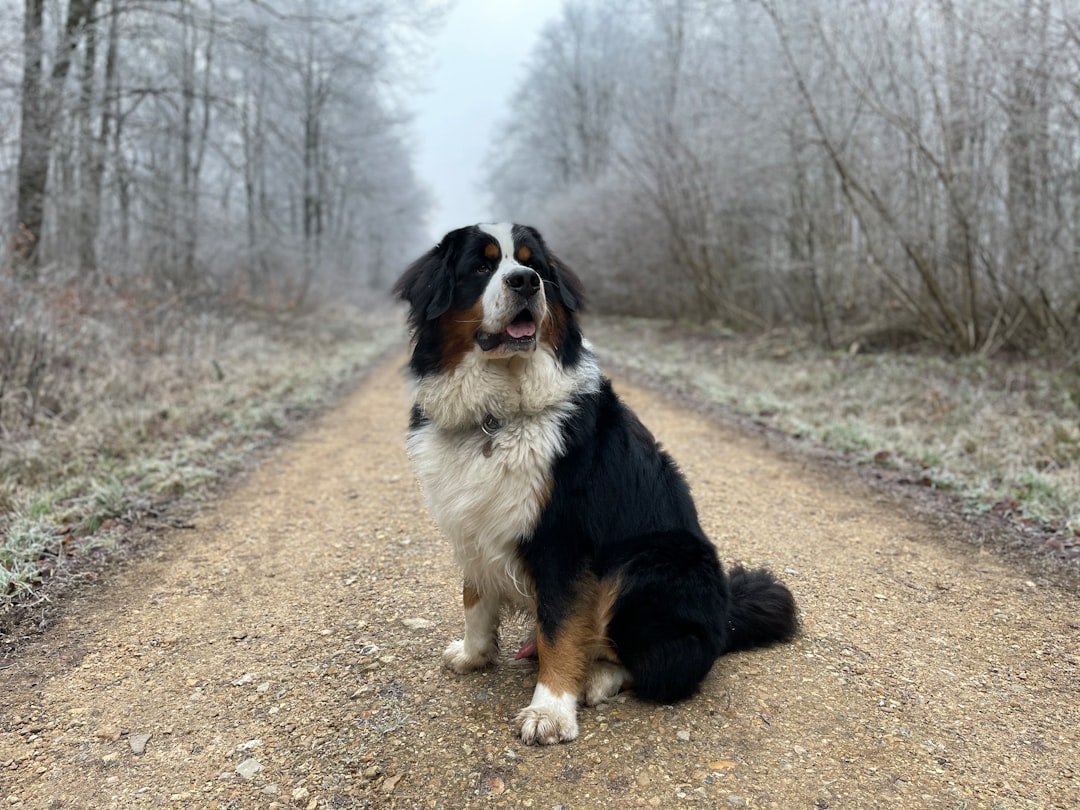
According to research studies, Bernese Mountain Dogs have a median lifespan of just seven years, making them one of the dog breeds with the shortest lifespans, and they are susceptible to numerous health concerns ranging from minor to serious. Their stunning appearance and gentle temperament mask serious underlying health problems.
Maine veterinarians find it particularly heartbreaking to counsel families about Bernese Mountain Dogs because these dogs are so well-suited to family life in every way except their health. The breed’s predisposition to cancer, joint problems, and bloat means that owners often face devastating decisions while their dogs are still relatively young.
Shar Peis – Wrinkles Hide Serious Problems
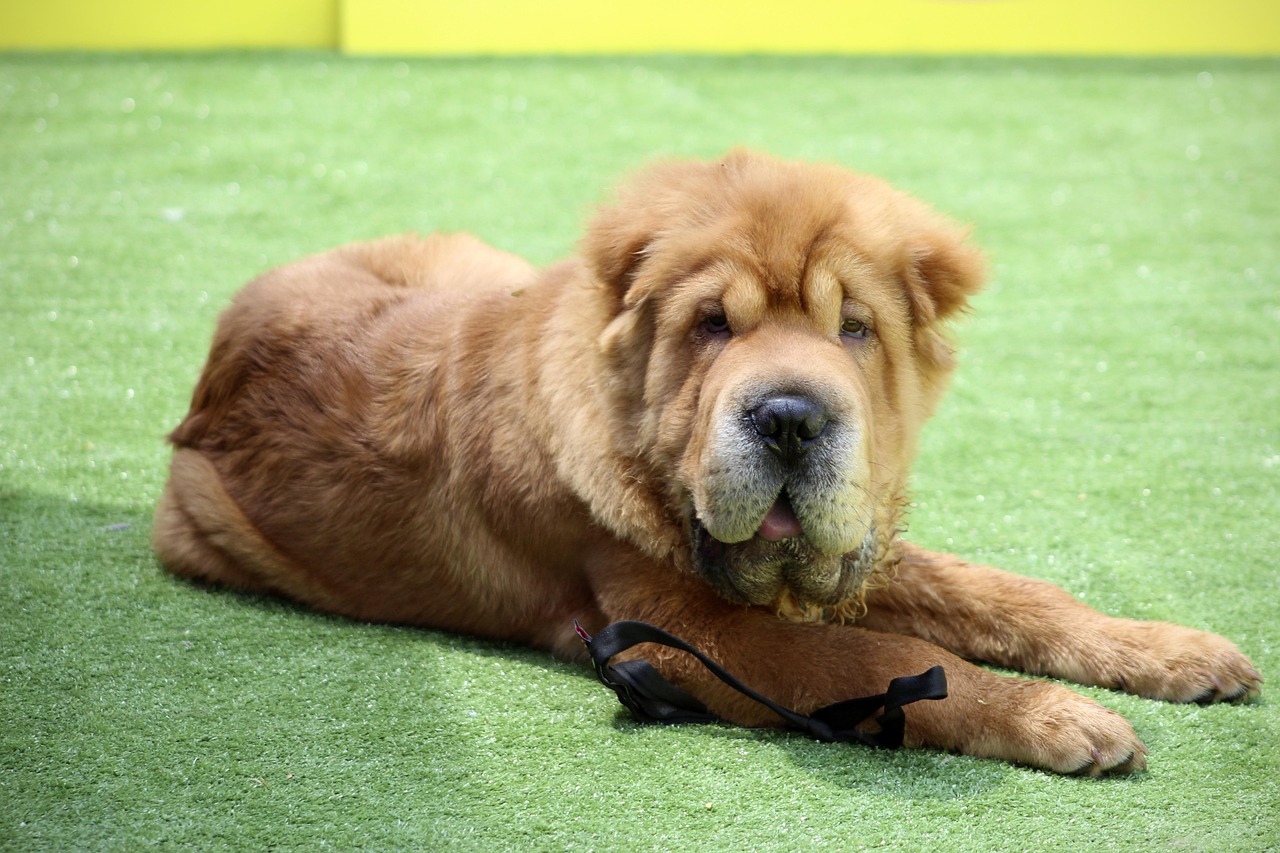
Shar Peis belong to the Non-sporting group and live between eight and twelve years, with many of their issues involving the eyes including entropion, glaucoma, retinal dysplasia, and SARDS, plus they’re susceptible to skin fold infections, autoimmune thyroiditis, hip and elbow dysplasia, patellar luxation, and gastrointestinal issues.
The breed’s distinctive wrinkled skin, while visually striking, creates ongoing maintenance challenges and health problems. Maine vets frequently treat Shar Peis for painful skin infections that develop in their skin folds, requiring lifetime management and creating significant discomfort for the dogs.
Newfoundlands – Gentle Giants with Heavy Burdens
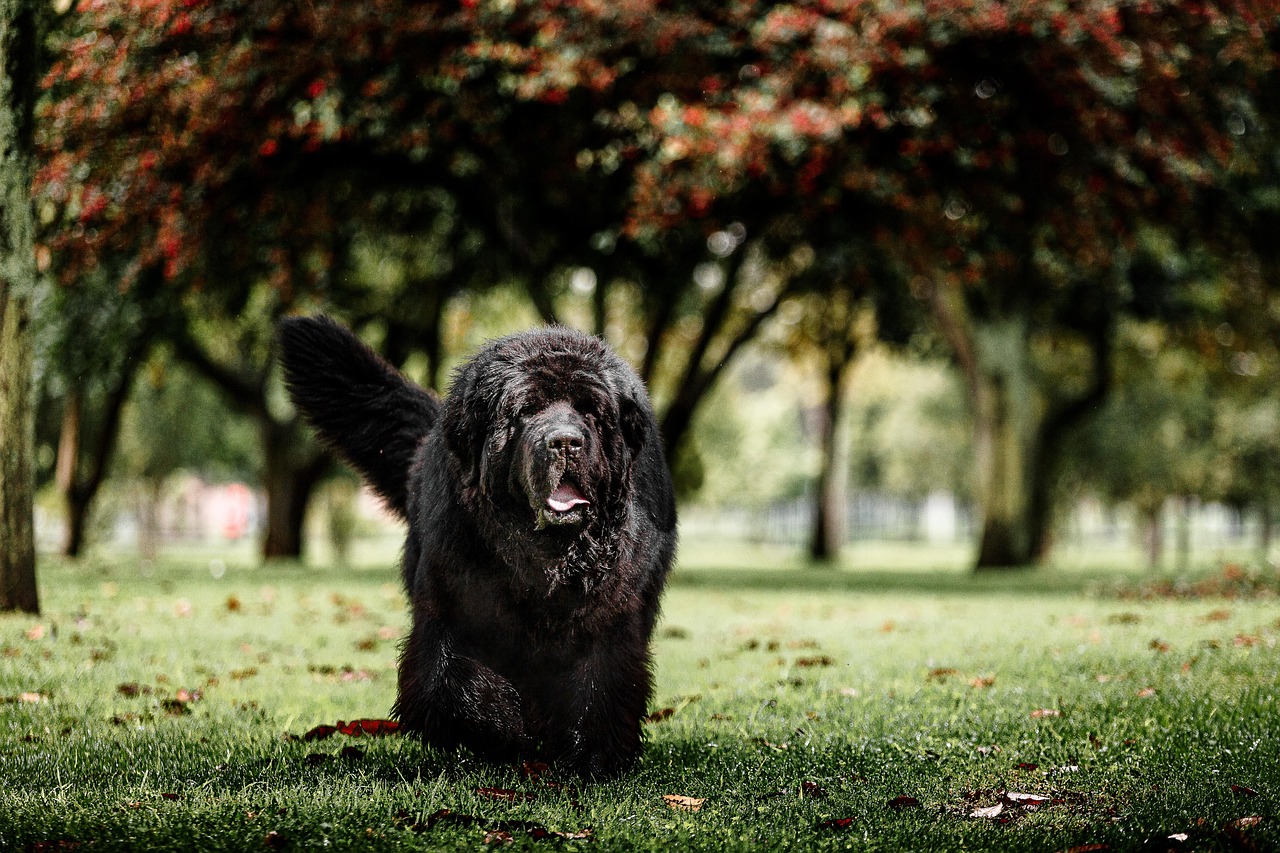
This giant breed belongs to the working group, with large Newfoundlands living between nine and eleven years. Despite their reputation as excellent water rescue dogs and gentle family companions, their massive size creates numerous health challenges.
Maine veterinarians appreciate Newfoundlands’ calm, patient nature, especially around children, but their size-related joint problems, heart conditions, and shortened lifespan create ongoing concerns. The breed’s thick coat also makes them prone to overheating, which can be dangerous given their breathing and heart challenges.
Chihuahuas – Tiny Dogs, Big Problems

Smaller breeds like Chihuahuas are at risk for physical injury from falls or rough play. While they may live longer than many larger breeds, their fragile bone structure creates constant injury risks. Maine vets frequently treat Chihuahuas for fractures from seemingly minor incidents.
Beyond injury risks, Chihuahuas face dental problems due to their small mouths, luxating patella (kneecap dislocation), and heart conditions. Their feisty personalities often mask pain, making it difficult for owners to recognize when their tiny companions are suffering from these various conditions.
Yorkshire Terriers – Small Packages, Multiple Issues
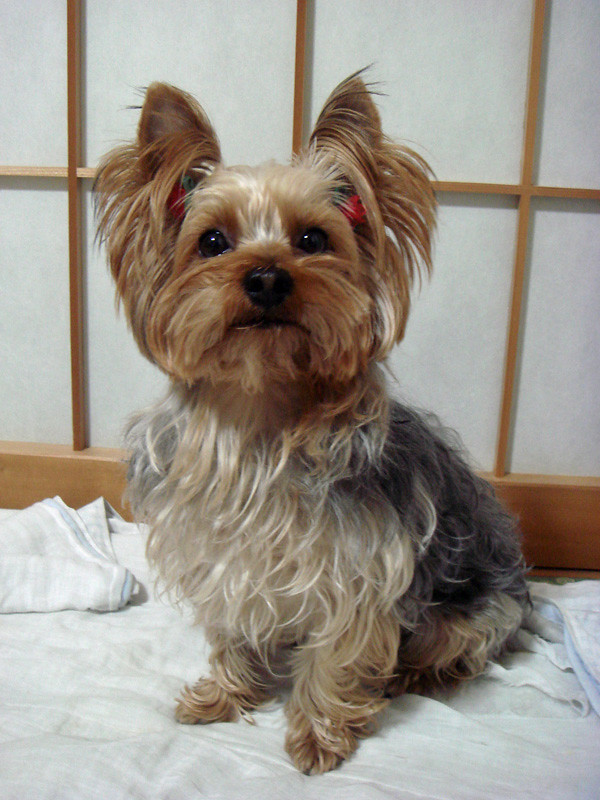
Yorkshire Terriers may be small, but they face numerous health challenges including luxating patella, tracheal collapse, dental problems due to their tiny mouths, and liver shunts. Their silky coat requires extensive grooming, but more concerning is their fragile trachea that can collapse under stress or excitement.
Maine veterinarians often see Yorkies struggling with breathing difficulties that worsen with age. Their portable size makes them popular apartment dogs, but their delicate health needs require vigilant owners who can recognize early signs of the breed’s common problems.
Border Collies – Intelligence with Hidden Health Costs
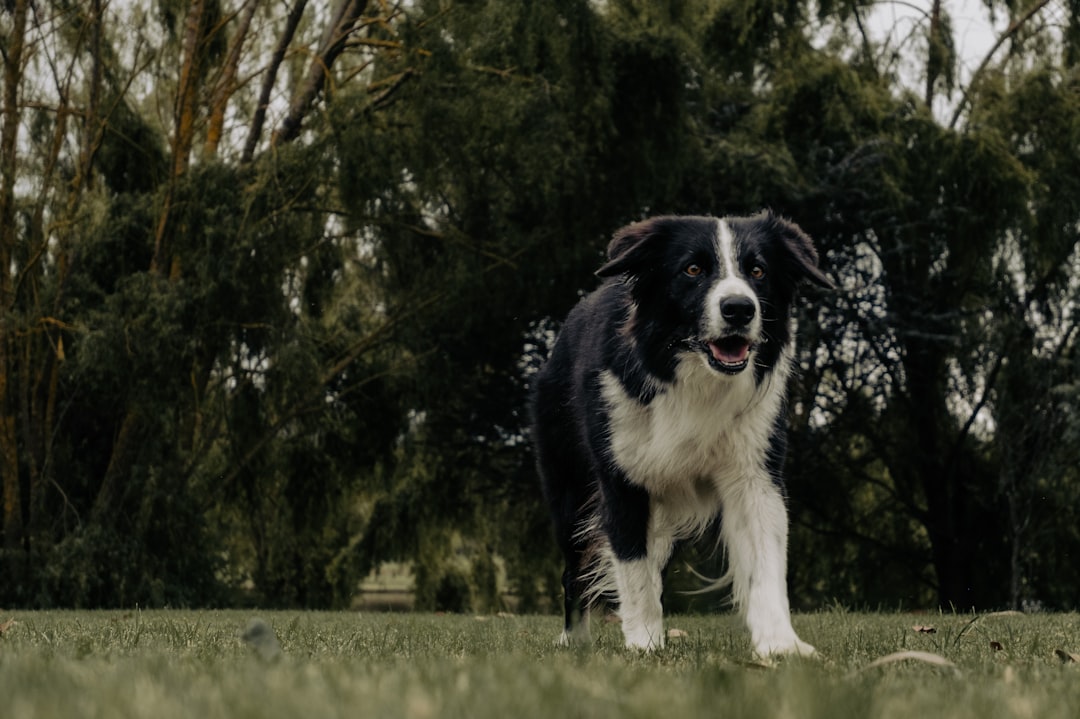
Border Collies’ remarkable intelligence and agility come with health problems such as hip dysplasia and epilepsy, requiring regular exercise and healthy weight maintenance for this breed, with epilepsy being manageable through medication under veterinary guidance. Their intense drive to work can sometimes mask early signs of health problems.
While generally healthier than many breeds, Border Collies’ high energy requirements and intelligence can create challenges when they develop mobility issues. Maine vets often see frustrated Border Collies whose joint problems limit their ability to engage in the physical and mental activities they crave.
Bulldogs (American) – Breathing and Joint Struggles
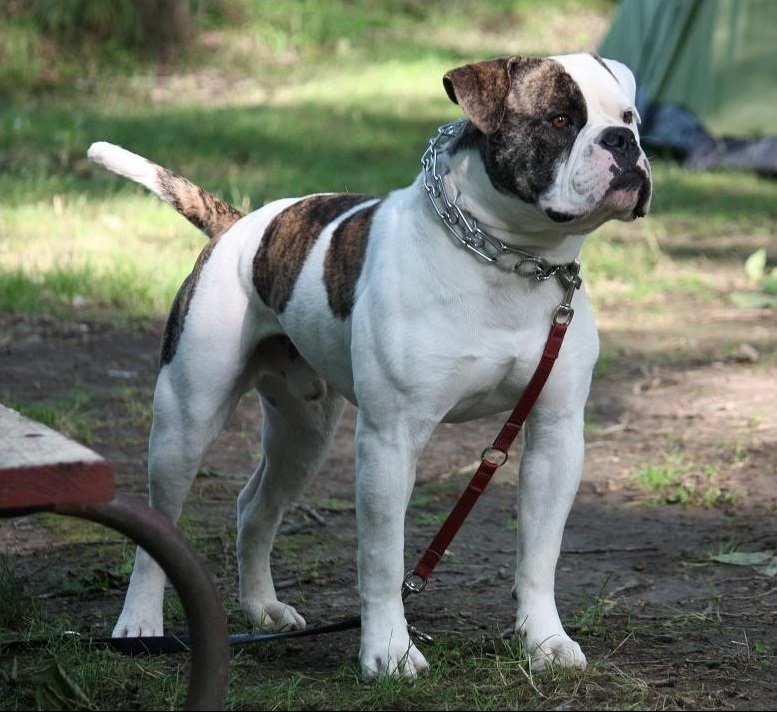
American Bulldogs, while different from English Bulldogs, still face many brachycephalic-related problems including breathing difficulties and overheating risks. Their muscular build and athletic appearance can fool owners into thinking they’re healthier than their English cousins, but they share many of the same respiratory challenges.
Maine veterinarians frequently treat American Bulldogs for joint problems exacerbated by their stocky build and active lifestyle. The breed’s determination and high pain tolerance often means that problems are advanced by the time owners notice symptoms, making treatment more complex and expensive.
Mastiffs – Massive Hearts, Massive Problems
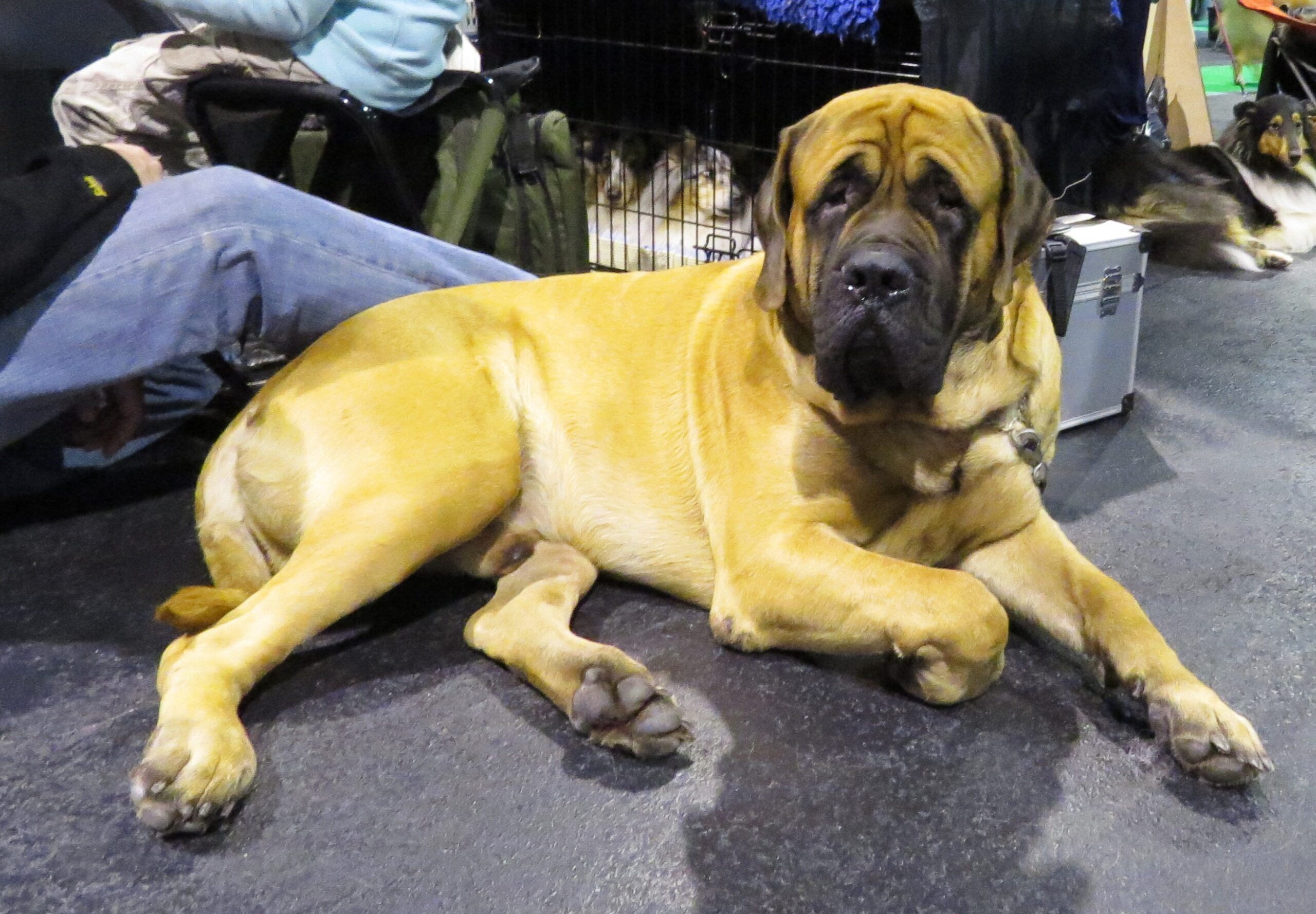
Mastiffs of all varieties face the challenges common to giant breeds: shortened lifespans, joint problems, and heart conditions. Their gentle, protective nature makes them excellent family guardians, but their size creates numerous practical and health challenges.
Maine vets often counsel Mastiff owners about the realities of caring for such large dogs, including the difficulty of providing emergency care when a 200-pound dog needs immediate medical attention. The breed’s drooling and size also create hygiene challenges that can affect their quality of life.
Weimaraners – Athletic Bodies, Bloat Risks

Weimaraners are athletic, intelligent dogs bred for hunting, but their deep chest makes them susceptible to bloat, a life-threatening condition requiring immediate emergency surgery. Their high energy levels and athletic build can mask early signs of this dangerous condition.
Maine veterinarians appreciate the breed’s intelligence and trainability, but worry about bloat episodes that can occur without warning. The condition requires immediate surgical intervention, and even with prompt treatment, the mortality rate remains significant, creating heartbreaking emergency situations for families.
Doberman Pinschers – Hearts Failing Despite Athleticism
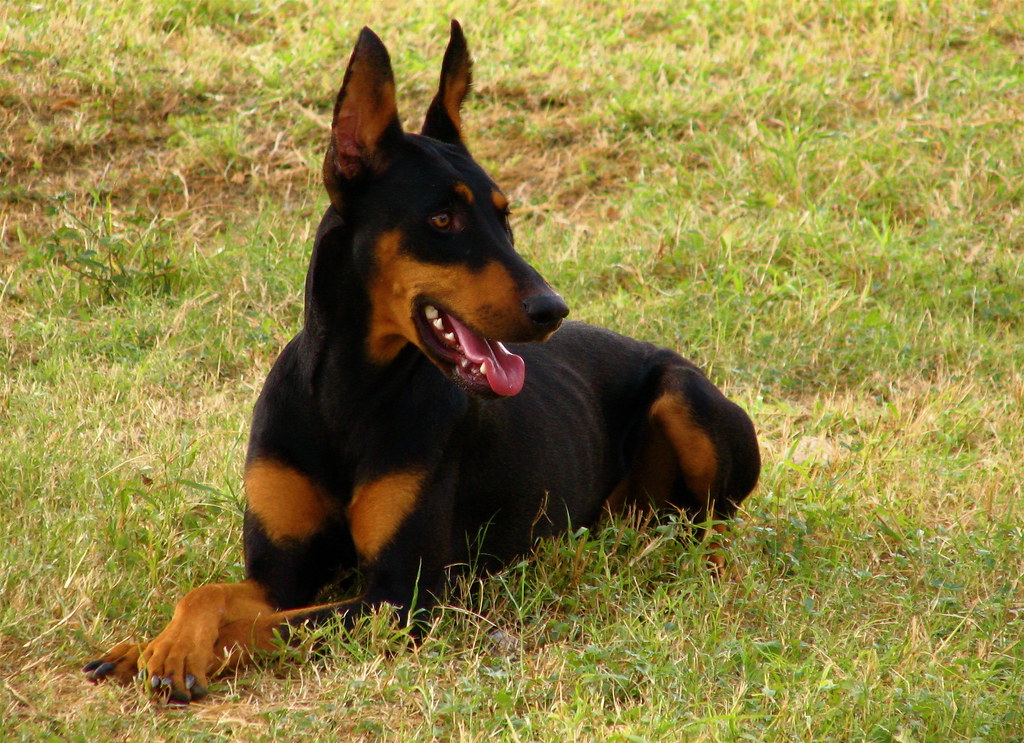
Doberman Pinschers face a high risk of dilated cardiomyopathy, a heart condition that can cause sudden death even in apparently healthy, athletic dogs. Their sleek, powerful appearance gives no indication of the potential heart problems lurking beneath.
Maine vets often see Dobermans in their prime suddenly develop serious heart problems. The breed’s intelligence and loyalty make them excellent companions, but their cardiac risks create ongoing anxiety for owners who never know when their healthy-appearing dog might face a medical crisis.
Irish Wolfhounds – Giants Living Brief Lives
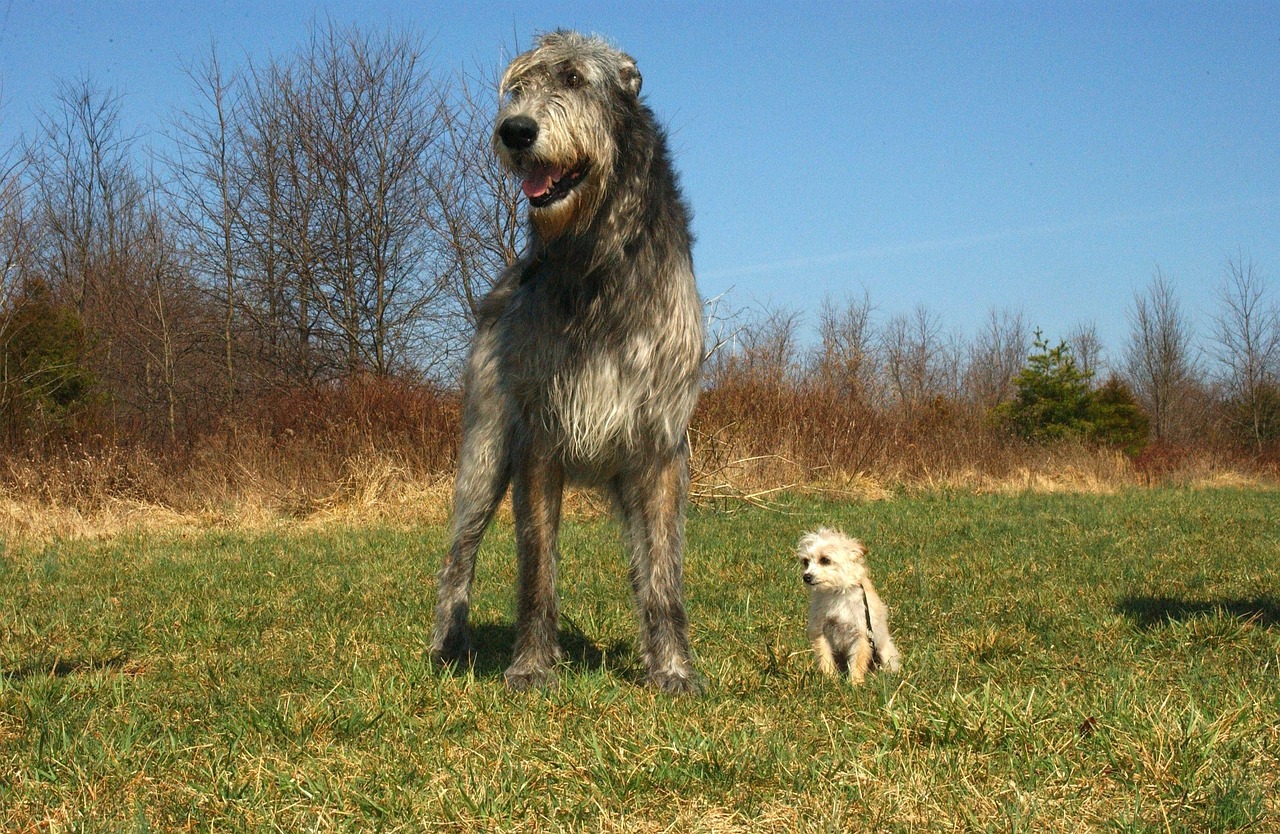
Larger dog breeds like Irish Wolfhounds are more prone to developing hip dysplasia due to their size. As one of the tallest dog breeds, Irish Wolfhounds face all the challenges of giant breeds magnified by their extreme height. Their gentle, calm nature belies the serious health challenges they face.
Maine veterinarians find it particularly difficult to counsel Irish Wolfhound owners because these magnificent dogs typically live only six to eight years despite their calm, healthy appearance. The breed’s susceptibility to bloat, heart problems, and bone cancer creates ongoing concerns throughout their brief lives.
Shih Tzus – Breathing Behind That Adorable Face

As another brachycephalic breed, Shih Tzus struggle with breathing problems similar to other flat-faced dogs. Their long, flowing coat may be beautiful, but their shortened airways create the same suffering seen in Pugs and French Bulldogs. Maine vets frequently see Shih Tzus struggling with overheating and breathing difficulties.
The breed’s eye problems are also common, with their prominent eyes being vulnerable to injury and infection. Their friendly, outgoing personalities make them popular pets, but their grooming needs and health challenges require dedicated owners willing to provide extensive care.
Great Pyrenees – Size and Independence Issues
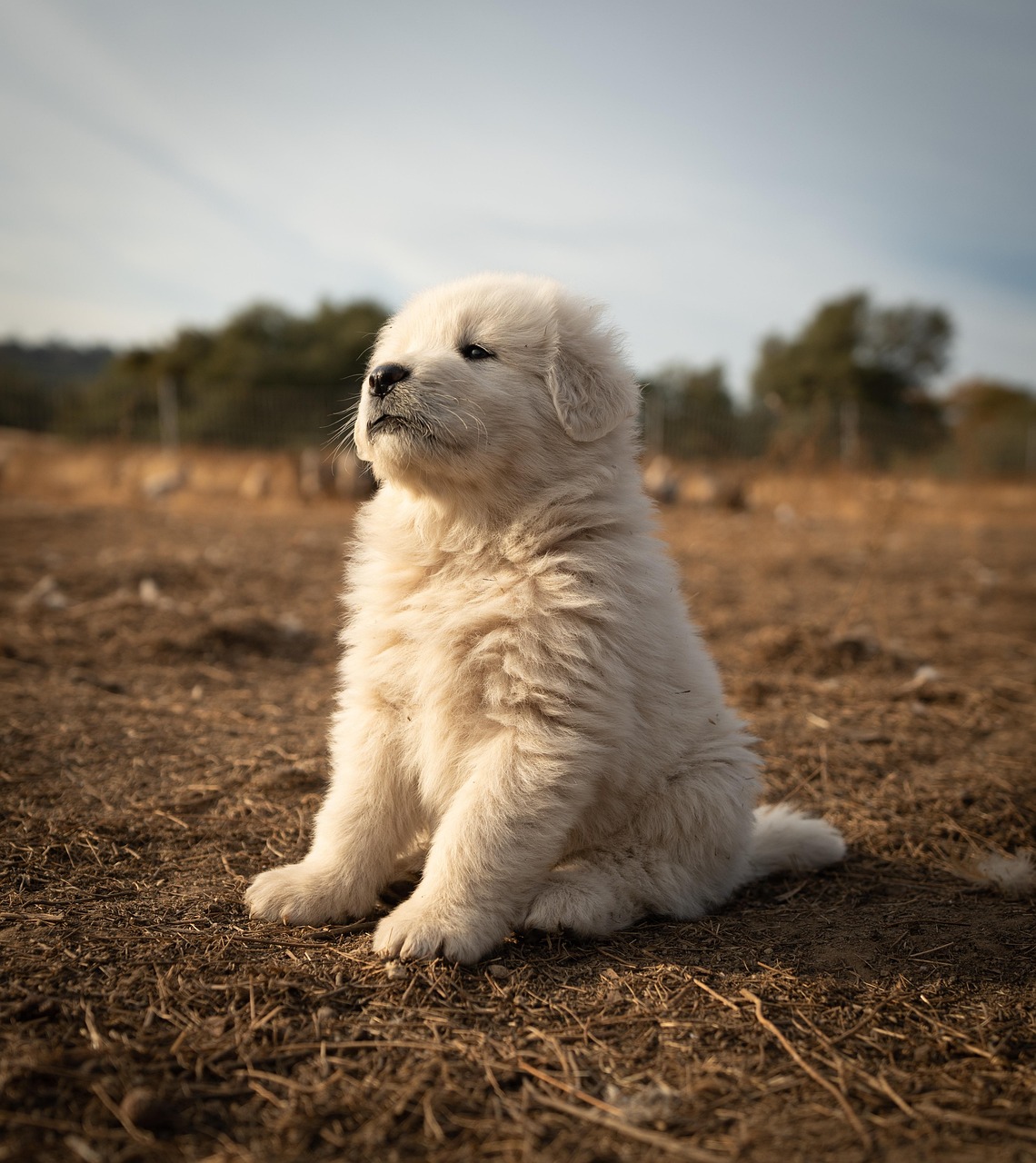
Great Pyrenees are magnificent guardian dogs with thick coats and independent natures, but their size creates the same joint and heart problems seen in other giant breeds. Their thick double coat makes them prone to overheating, especially during Maine’s humid summers.
Maine veterinarians appreciate the breed’s calm demeanor but find their independent nature can complicate medical care. These dogs were bred to work independently, making them resistant to handling and medical procedures, which can delay necessary treatments and create additional stress during health crises.
Bloodhounds – Following Scents into Health Problems
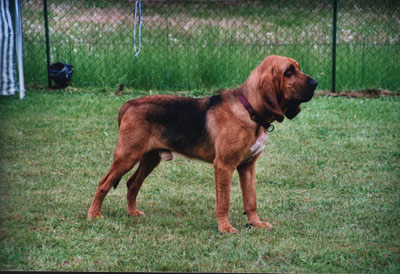
Bloodhounds face bloat risks due to their deep chests, plus their prominent eyes and long ears create ongoing maintenance challenges. Their incredible scenting ability and gentle nature make them excellent companions, but their physical structure creates multiple health vulnerabilities.
Maine vets frequently treat Bloodhounds for ear infections and eye problems, plus the ever-present risk of bloat that can turn a normal day into a life-threatening emergency. Their wrinkled faces also trap dirt and moisture, creating skin fold infection risks similar to other wrinkled breeds.
Akitas – Independent Spirits with Health Challenges
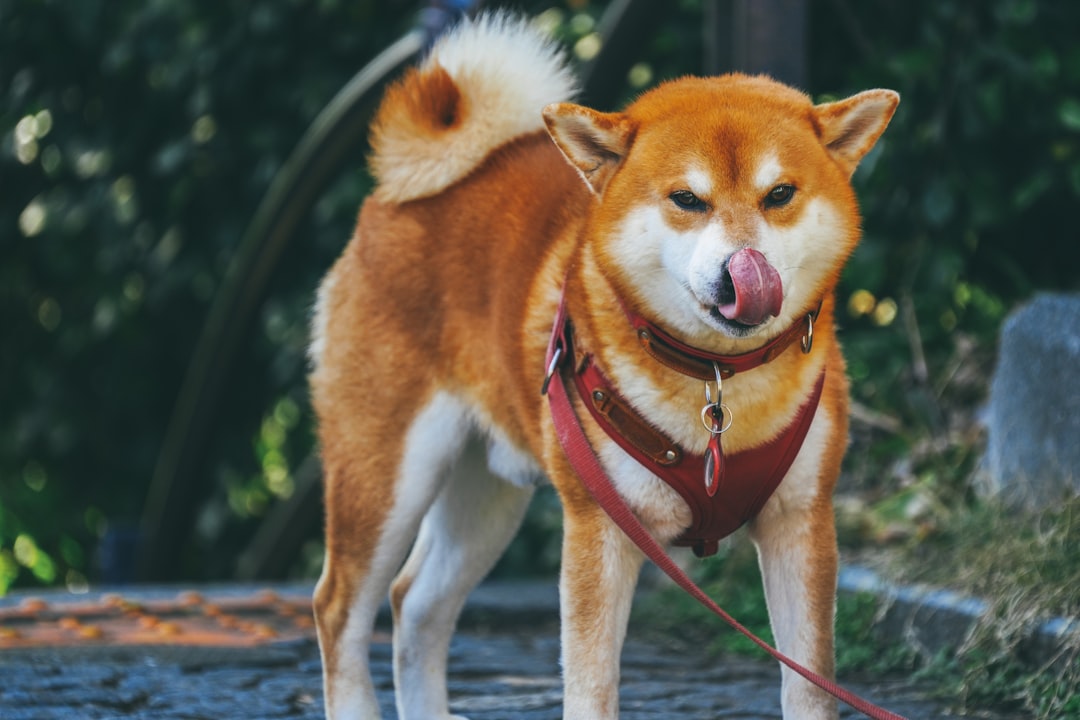
Akitas face hip dysplasia, bloat risks, and autoimmune conditions that can affect their skin and overall health. Their thick double coat and spitz-type build create additional challenges in hot weather. Their independent, strong-willed nature, while admirable, can complicate veterinary care.
Maine veterinarians find Akitas challenging patients because their stoic nature means they often hide pain and discomfort until problems become severe. Their loyalty and protective instincts make them excellent guardians, but early detection of health problems requires vigilant owners who understand the breed’s tendency to suffer in silence.
Bull Terriers – Unique Heads, Unique Problems
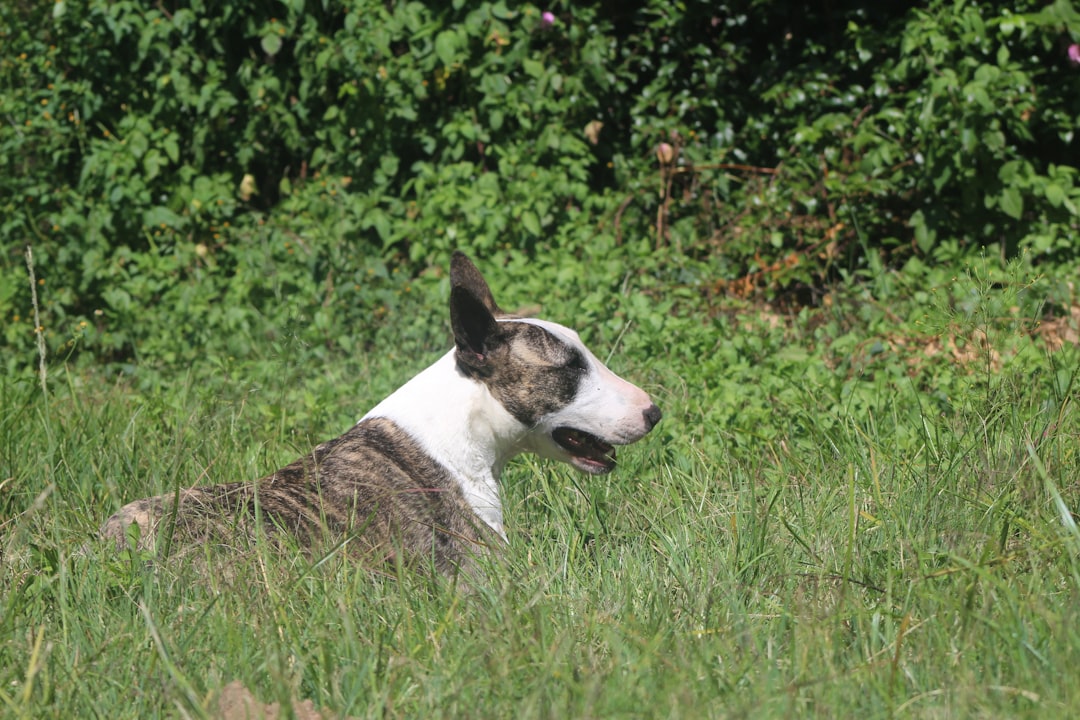
Bull Terriers’ distinctive egg-shaped heads come with unique health challenges including kidney problems, heart conditions, and deafness. Their energetic, playful nature can mask developing health problems, and their strong will can make medical care challenging.
Maine vets often see Bull Terriers with skin problems and obsessive behaviors that can lead to self-injury. The breed’s high energy levels and strong personalities require experienced owners, but their health challenges add additional complexity to caring for these distinctive dogs.
Afghan Hounds – Beauty Requiring Intensive Care

Afghan Hounds are stunning sight hounds with flowing coats, but they face hip dysplasia, eye problems, and bloat risks common to deep-chested breeds. Their sensitive nature and high grooming needs make them challenging pets for many families.
Maine veterinarians appreciate Afghan Hounds’ gentle, quiet nature, but their health challenges combined with their intensive grooming requirements create ongoing care demands. Their thin skin is easily injured, and their sensitive digestive systems require careful diet management throughout their lives.
Conclusion
The reality behind these beloved breeds isn’t meant to discourage dog ownership, but rather to promote informed decision-making. Maine veterinarians don’t share these concerns to be pessimistic – they’ve simply seen too many heartbroken families facing unexpected medical bills and difficult decisions. Each of these breeds can make wonderful companions when owners understand and prepare for their unique health challenges.
The key is choosing with your eyes wide open rather than your heart alone. If you’re set on one of these breeds, research reputable breeders who health test their breeding dogs, budget for extensive veterinary care, and consider pet insurance before problems develop. Sometimes the most loving thing we can do is choose a healthier breed that will suffer less and live longer. After all, wouldn’t you rather have fifteen healthy years with a mixed breed rescue than eight struggle-filled years with a purebred that can barely breathe?

- The Best Dog Breeds for Coastal Life in California - May 26, 2026
- Magpie Holds Firm as Australia’s Most Frequently Recorded Bird - May 25, 2026
- Animal Rights Slams Pig Marking on Belgian Farms - May 22, 2026