
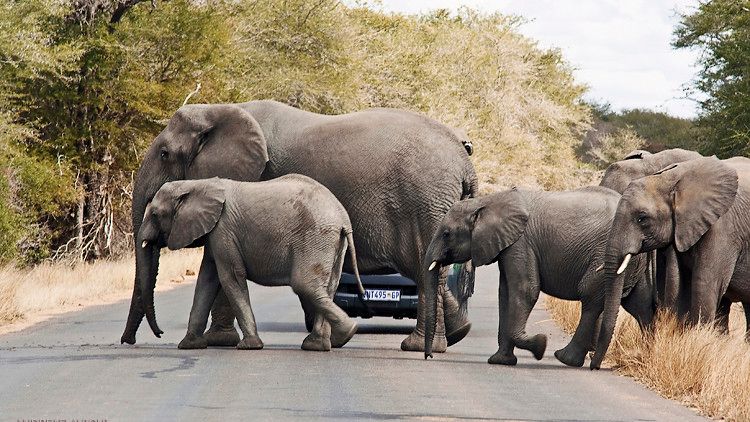
Every year, millions of animals attempt to cross American roads. Most don’t make it. The scale of the problem is hard to absorb: the U.S. records more than one million wildlife-vehicle collisions each year, and that’s likely an undercount due to unreported incidents. These crashes cost more than $10 billion annually in repairs, medical care, and lost productivity, and cause around 200 deaths and 26,000 injuries every year.
Wildlife bridges, also called overpasses or ecoducts, are one of the most practical answers to this crisis. They don’t just save individual animals from oncoming traffic. They’re quietly reshaping how conservation works across the country, connecting fragmented landscapes, protecting endangered species, and even keeping drivers safer in the process. The results, in many cases, are remarkable.
Slashing Collision Rates to Near Zero
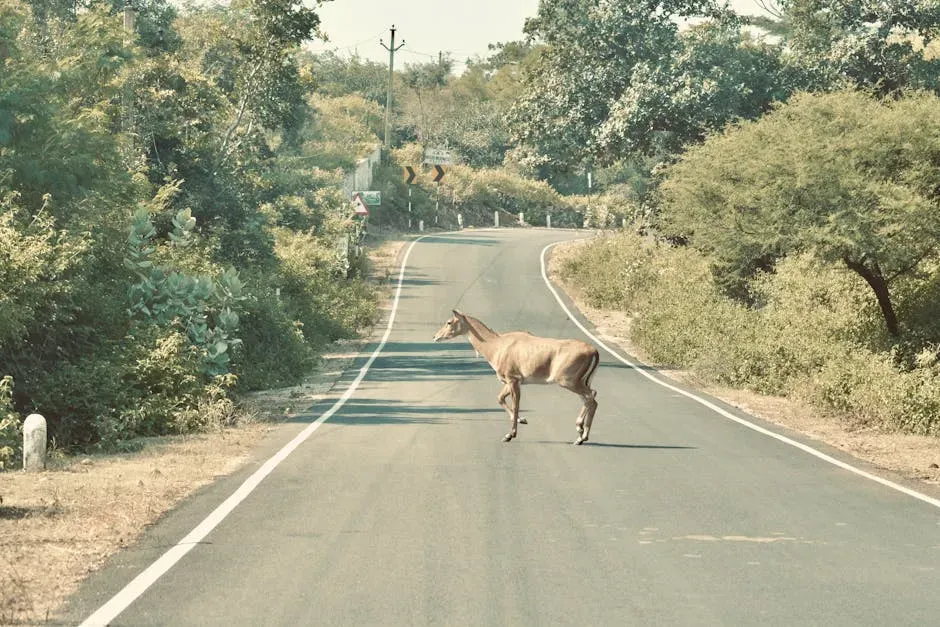
The most immediate and measurable impact of wildlife bridges is simply fewer crashes. Wildlife crossing structures such as overpasses, underpasses, and fencing that provide safe passage for migrating animals across busy roads can reduce wildlife-vehicle crashes by more than 90 percent. That’s not a modest improvement. That’s a near-elimination of a problem that kills and injures thousands of people each year.
In Colorado, the results have been especially striking. The Colorado Department of Transportation reports that since two overpasses and five underpasses were completed in 2016, collisions decreased in those affected areas by 90 percent. What once were dangerous stretches of road became dramatically safer for drivers and animals alike.
Installing crossing structures and fencing can reduce crashes by up to 97 percent, according to researchers at Animal Road Crossings (ARC) Solutions, a nonprofit think tank that works with state, federal, and Tribal partners. For communities near major migration corridors, that figure translates directly into lives saved and emergency rooms that stay quieter.
Giving Migratory Animals Their Routes Back
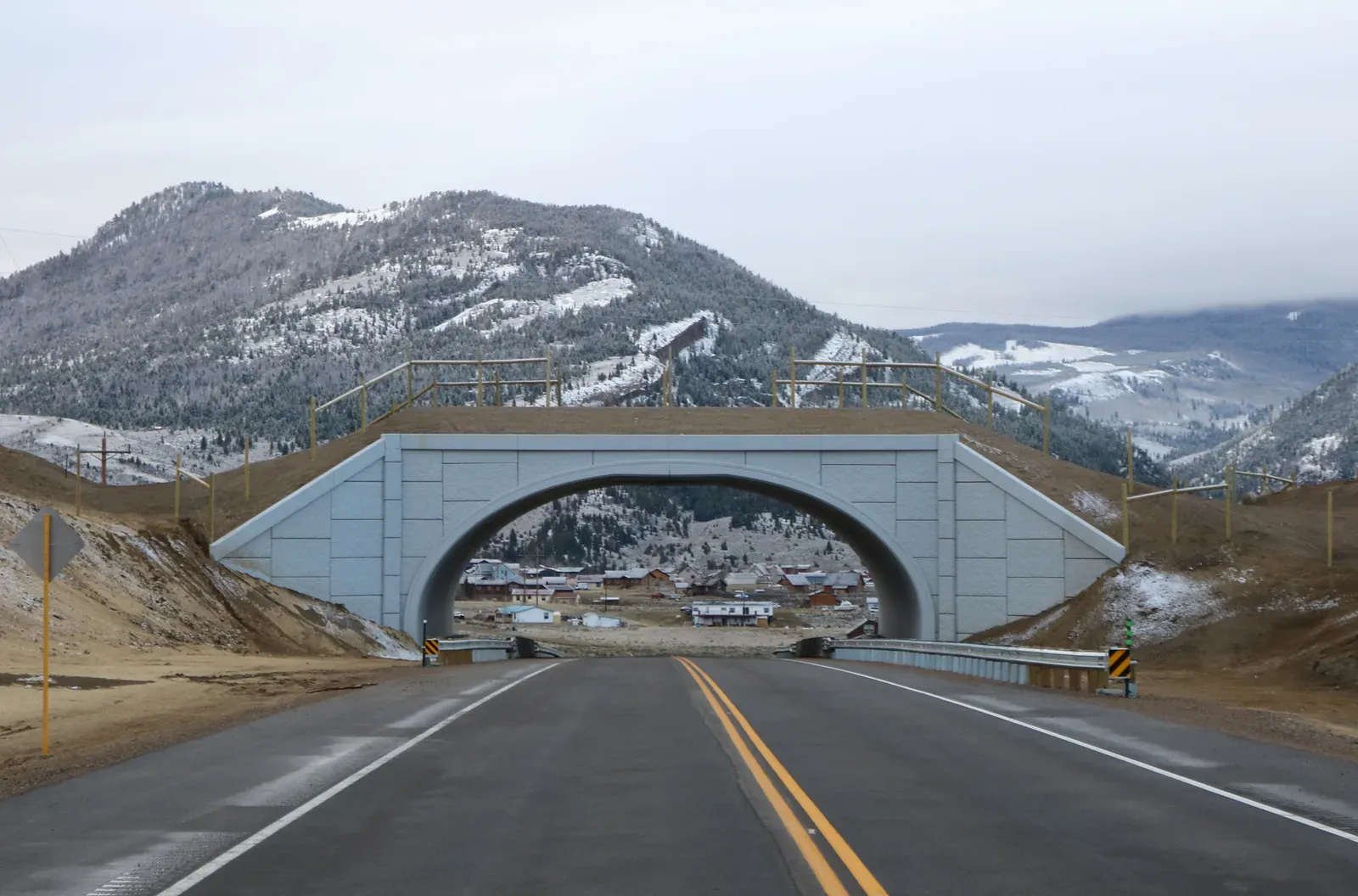
Animals don’t stay in one place. They move seasonally, seeking food, water, and mates across landscapes that, for thousands of years, had no barriers. Roads changed that overnight, ecologically speaking. When roads sever the natural corridors that deer, elk, moose, and other migratory species rely on to move safely between habitat areas in search of food, mates, and shelter, it forces animals and drivers into dangerous conflict and cuts wildlife off from critical territory.
Wildlife bridges give those ancient routes back. The Trappers Point wildlife overpass in Wyoming, for example, was built to provide safe passage for migrating pronghorn, which have used the area as a migration corridor for thousands of years. For the pronghorn, the bridge isn’t an amenity. It’s a restoration of something that was taken from them.
More than 35,000 mule deer crossed an overpass along Nevada’s Highway 93 between fall 2010 and spring 2014, and researchers documented that these crossings kept tens of thousands of deer off the road and away from potential vehicle collisions. Once animals learn a safe route, they use it reliably, season after season.
Protecting Genetic Diversity and Long-Term Species Health
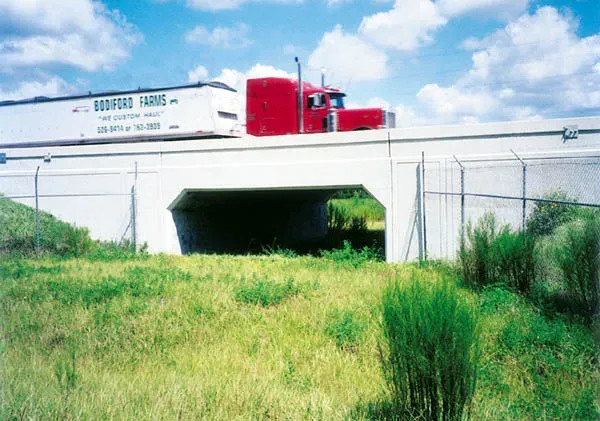
This is perhaps the least visible but most consequential benefit of wildlife bridges. When roads divide animal populations into isolated pockets, those groups stop interbreeding. Over time, that isolation becomes a biological crisis. When animals are barricaded into small, isolated patches, their natural movement significantly decreases, which can lead to inbreeding and lack of gene flow, reducing the long-term health of the population and increasing the risk of disease and vulnerability to predators.
The consequences play out slowly but unmistakably. Over the last several decades, the Santa Monica Mountains’ mountain lion population has declined and become genetically isolated, primarily due to the Ventura Freeway. Since 2002, at least a dozen mountain lions have been killed on the freeway, and GPS tracking collars show that most approach the freeway then turn back. By 2020, biologists found the first evidence of physical abnormalities in the isolated population.
Wildlife corridors can help animals move and occupy new areas when food sources or other natural resources are lacking in their core habitat, and animals can find new mates in neighboring regions so that genetic diversity can increase. A bridge over a freeway, in this light, is also a bridge toward a healthier genetic future for entire species.
Delivering Real Economic Savings
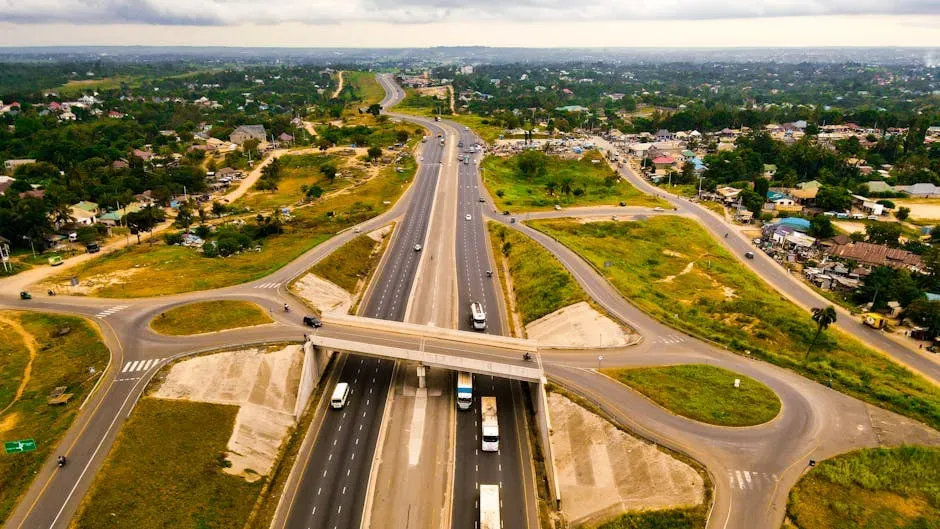
There’s a practical, financial argument for wildlife bridges that often goes underappreciated. The upfront cost of building a crossing can seem steep, but it’s modest compared to the ongoing economic toll of doing nothing. Research has found that one wildlife crossing can prevent about 1,400 accidents over a 70-year lifespan, which translates into billions of dollars in savings.
Each prevented wildlife-vehicle collision can save thousands of dollars, including more than $19,000 per deer crash, $73,000 per elk, and $110,000 per moose, in vehicle, injury, and wildlife costs, making well-placed crossings a strong investment. Those numbers add up fast, especially along busy migration corridors where dozens of collisions might occur in a single season without intervention.
A study in Washington state documented crossings saving as much as $433,000 in crash costs per year. For a structure that can last decades, that’s a return on investment that most public infrastructure projects would struggle to match. The financial case, in other words, is just as compelling as the conservation one.
Serving a Surprisingly Wide Range of Species
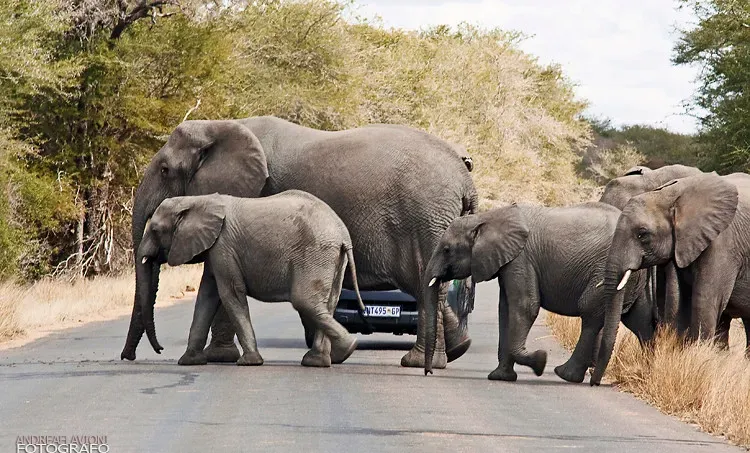
Wildlife bridges are often pictured in the context of large, charismatic mammals. Elk crossing a vegetated overpass. A mountain lion padding across a highway. Those images are real, but they tell only part of the story. Already built wildlife crossings are saving the lives of bighorn sheep, black bears, bobcats, coyotes, deer, desert tortoises, elk, Florida panthers, flying squirrels, wolverines, and many more species.
Smaller and less obvious species benefit too. Underpasses along Washington’s I-90, which connect wetlands and streams back to the Yakima River, have been critical for aquatic species. Bull trout, a threatened species, responded to four new tributaries they hadn’t used in recent history, and researchers noted the immediacy of that response.
Design matters enormously. Grizzly bears, elk, deer, and moose prefer big structures that are open, while cougars and black bears prefer smaller, more constricted crossings with less light and more cover. Getting those details right is what separates a crossing that animals actually use from one they avoid. The science of designing for specific species has become remarkably refined in recent years.
Inspiring Landmark Projects Across the Nation
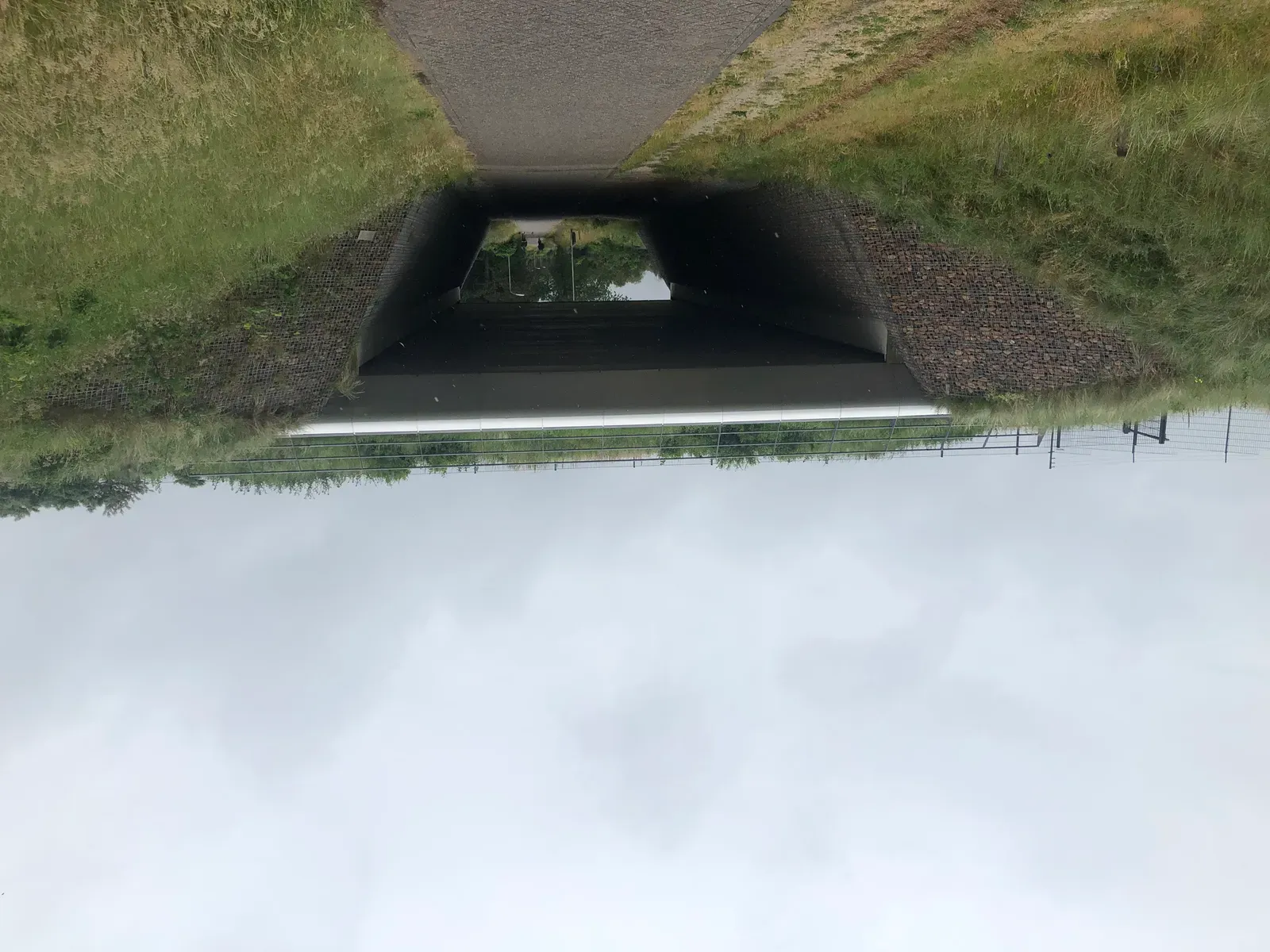
The growing success of wildlife crossings has sparked some genuinely ambitious projects. In Montana, the Confederated Salish and Kootenai tribes ensured that plans to reconstruct parts of Highway 93 would include 42 new wildlife crossings. Today, more than 22,000 animals use those crossings annually, and collisions with wildlife have declined by over 70 percent.
The most talked-about project currently underway is in Southern California. What will soon be the world’s largest wildlife crossing is connecting open space on both sides of US Highway 101 in Agoura Hills, with completion expected by fall 2026. The Wallis Annenberg Wildlife Crossing spans ten lanes of one of the nation’s busiest freeways, and species expected to benefit include bobcats, coyotes, gray foxes, birds of prey, skunks, American badgers, American black bears, fence lizards, and mule deer, in addition to mountain lions.
The number of wildlife crossings has increased significantly thanks to the federal Infrastructure Investment and Jobs Act passed in 2021, and so far more than half of the states and five Indian tribes have received funding for wildlife crossing projects. Momentum, at this point, is genuinely on the side of the animals.
Conclusion: Infrastructure That Works for Everyone
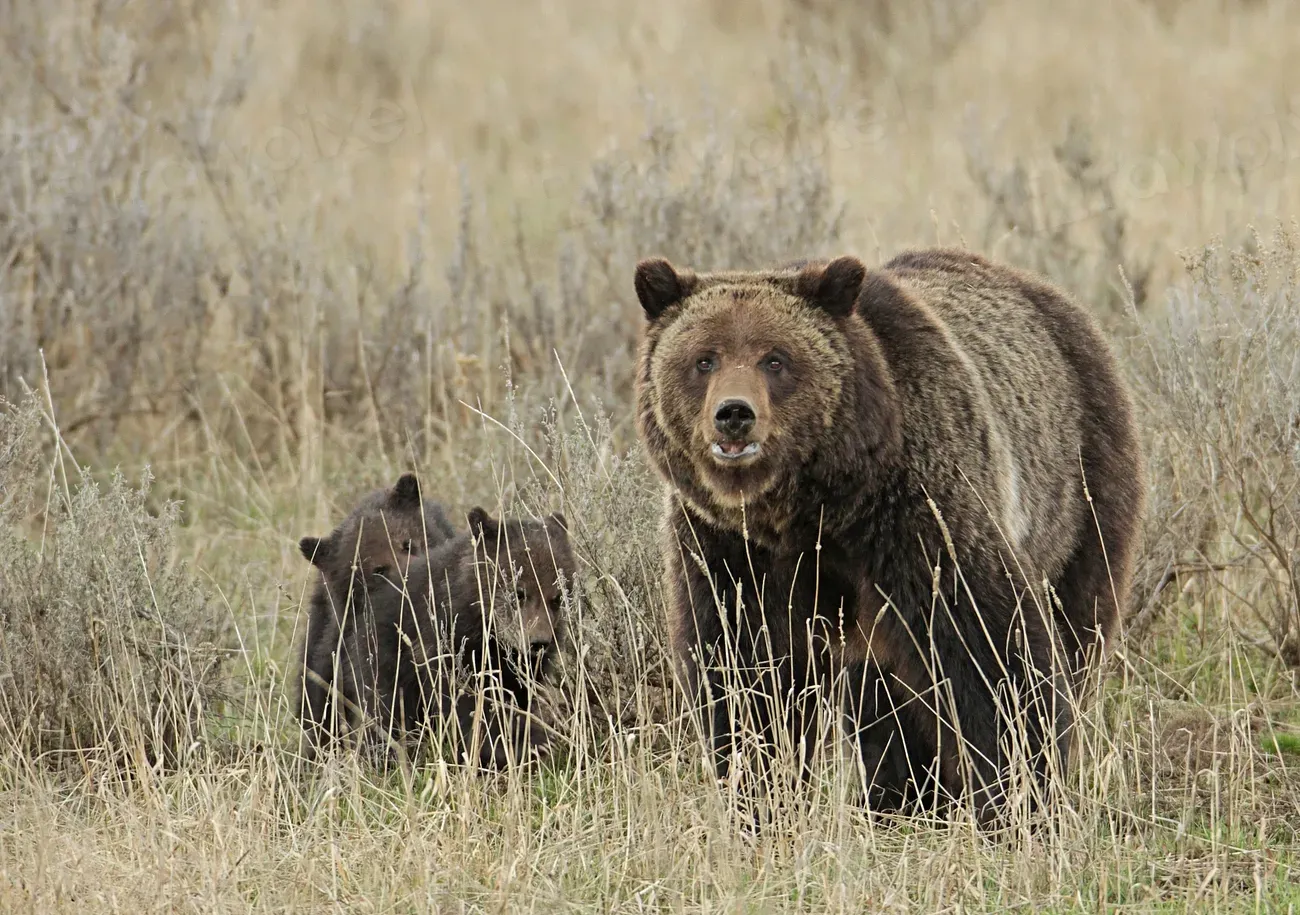
Wildlife bridges occupy a rare space in public policy. They protect animals, lower costs, reduce human deaths, and restore ecological balance, all at once. They’re also one of the few conservation tools that tends to draw support from both sides of the political aisle, because the benefits are concrete and the evidence is hard to argue with.
The challenge ahead is scale. There are over four million miles of roads across the United States that slice through the home ranges of countless animals, and building crossings everywhere they’re needed will take sustained investment and long-term planning across many levels of government.
Still, the direction is clear. Every new crossing built is a small act of repair, stitching back together landscapes that roads divided. Over time, those repairs accumulate. Species stabilize. Populations reconnect. Drivers go home safely. It turns out that building a bridge for a mountain lion is, in many ways, building one for all of us.
