

Mississippi gardens offer abundant growing opportunities throughout much of the year, but this extended growing season also creates perfect conditions for numerous insect pests. The state’s warm, humid climate means that many insects remain active longer than in cooler regions, creating ongoing challenges for home gardeners. Understanding which pests pose the greatest threats to your vegetables is crucial for protecting your harvest and maintaining healthy plants throughout the growing season.
From tiny aphids that drain plant juices to larger bugs that can devastate entire crops overnight, Mississippi gardeners face a diverse array of challenges. Let’s explore the five most problematic garden pests you’re likely to encounter and discover effective ways to manage them before they ruin your hard work.
Stink Bugs: The Shield-Shaped Plant Destroyers
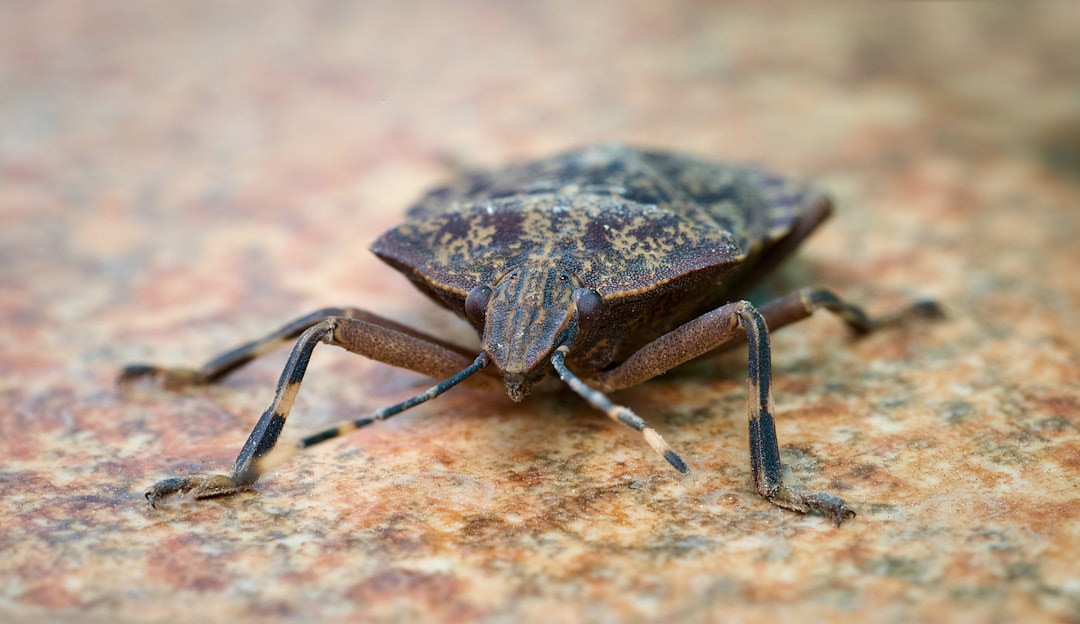
Stink bugs cause damage to many vegetables, including tomatoes, peas, okra, corn, and more by feeding on the fruit, with several different species found in Mississippi gardens. These shield-shaped insects are easily recognizable by their brown or green coloration and their distinctive body shape that resembles a medieval shield.
What makes stink bugs particularly frustrating is their feeding method. They pierce fruits and vegetables with their needle-like mouthparts and suck out the plant juices, leaving behind dimpled, discolored areas that often lead to rot. Early crops normally have lower infestations than late-summer and fall crops. The damage becomes especially noticeable on tomatoes, where feeding sites create unsightly blemishes that make the fruit unsuitable for fresh consumption.
Squash Bugs: Rapid Killers of Cucurbit Crops
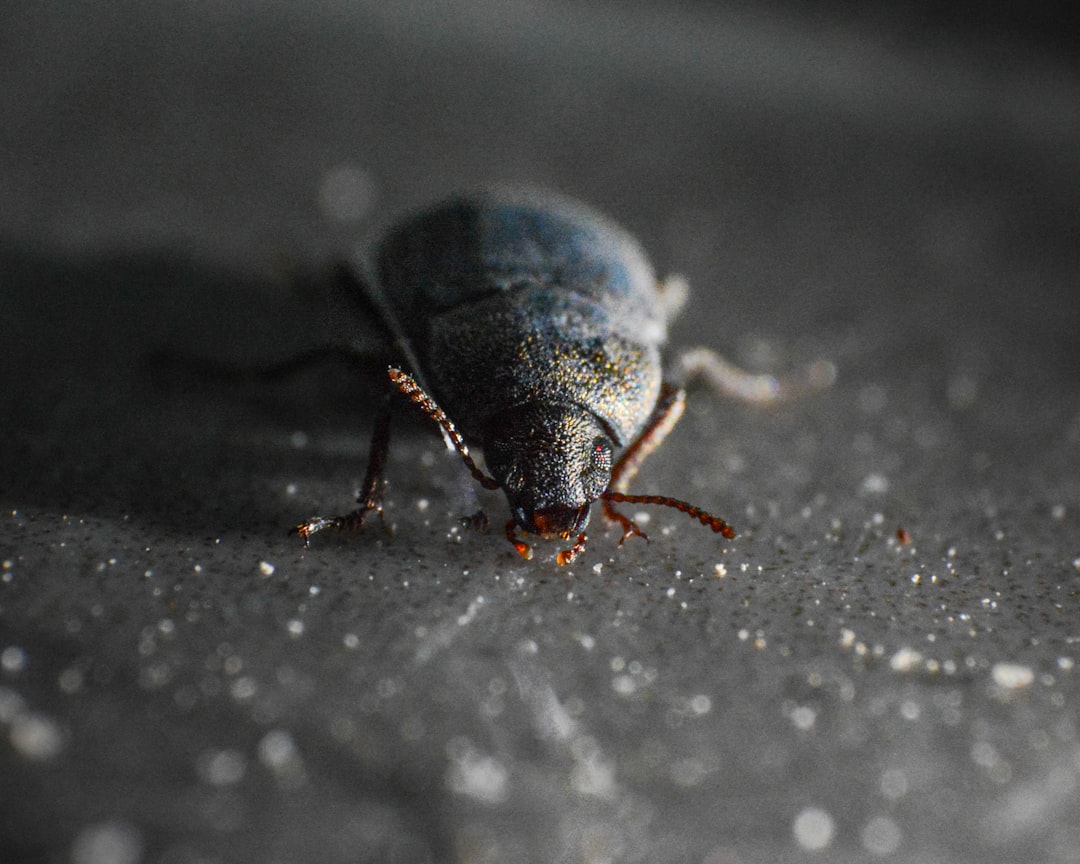
Squash bugs damage other crops, including cucumbers, pumpkins, squash, and watermelons, bearing a resemblance to the stink bug, but they are longer in length and more oval-shaped. These destructive pests pose one of the most serious threats to cucurbit family plants in Mississippi gardens.
They feed on the leaves of plants by sucking on their juices and can even cause small plants to die overnight! The speed at which squash bugs can destroy young plants is truly alarming, particularly early in the season when seedlings are most vulnerable. To minimize the bug population, make a habit of removing any abandoned or unharvested produce in your garden. This simple cleanup practice eliminates overwintering sites and breeding grounds for the next generation of pests.
Flea Beetles: Tiny Jumpers with Big Appetites
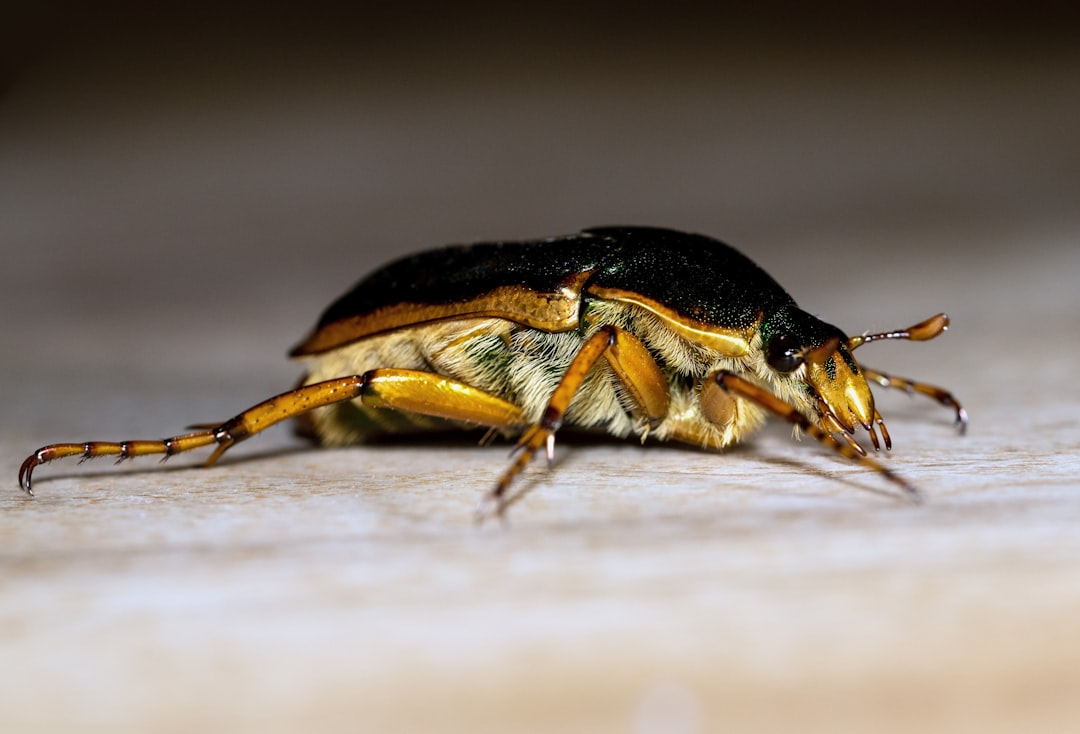
Flea beetles attack eggplant, tomatoes, peppers, potatoes, sweet potatoes, cucumbers, and other vegetables. These small, dark beetles earn their name from their impressive jumping ability when disturbed, much like fleas on a pet.
Despite their tiny size, flea beetles can cause significant damage through their feeding habits. They create small, round holes in leaves, giving plants a characteristic shot-hole appearance that weakens them considerably. Treat especially susceptible species, such as eggplant, immediately after transplanting, with soil drench treatment with imidacloprid, applied at planting or immediately after planting, helping prevent flea beetle damage on especially susceptible crops. Young transplants are particularly vulnerable, making early protection essential for successful crop establishment.
Leaf-Footed Bugs: The White-Striped Fruit Attackers
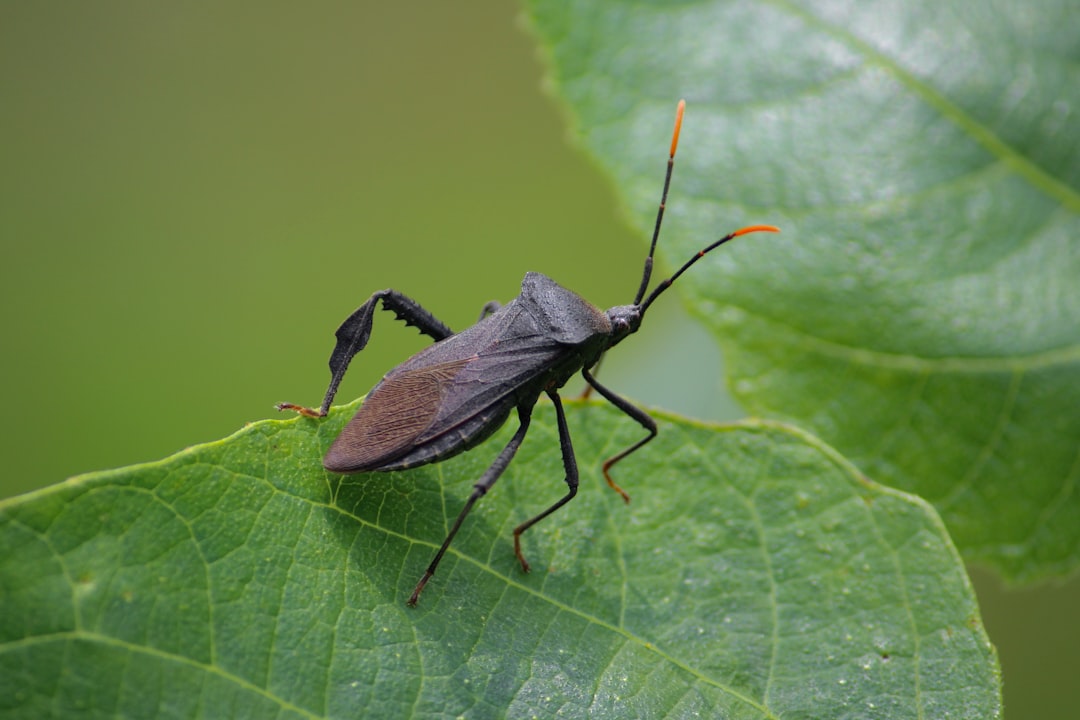
Leaf-footed bugs are another insect similar to stink bugs that tend to damage tomatoes, peppers, and eggplants, easily distinguished by a white stripe across their back and leaf-shaped hind legs. These distinctive insects are among the most recognizable garden pests due to their unique appearance.
Early planting can help avoid the high numbers of leaf-footed bugs that appear in late summer and fall, while sunflowers can be used as a “trap crop” where heavy numbers often congregate on developing sunflower blooms. The trap crop strategy offers an organic approach to management, though it requires careful timing and follow-up treatment. You must spray adult leaf-footed bugs directly to have control, which can be difficult because of the insect’s habit of flying away when disturbed.
Squash Vine Borers: The Hidden Internal Destroyers
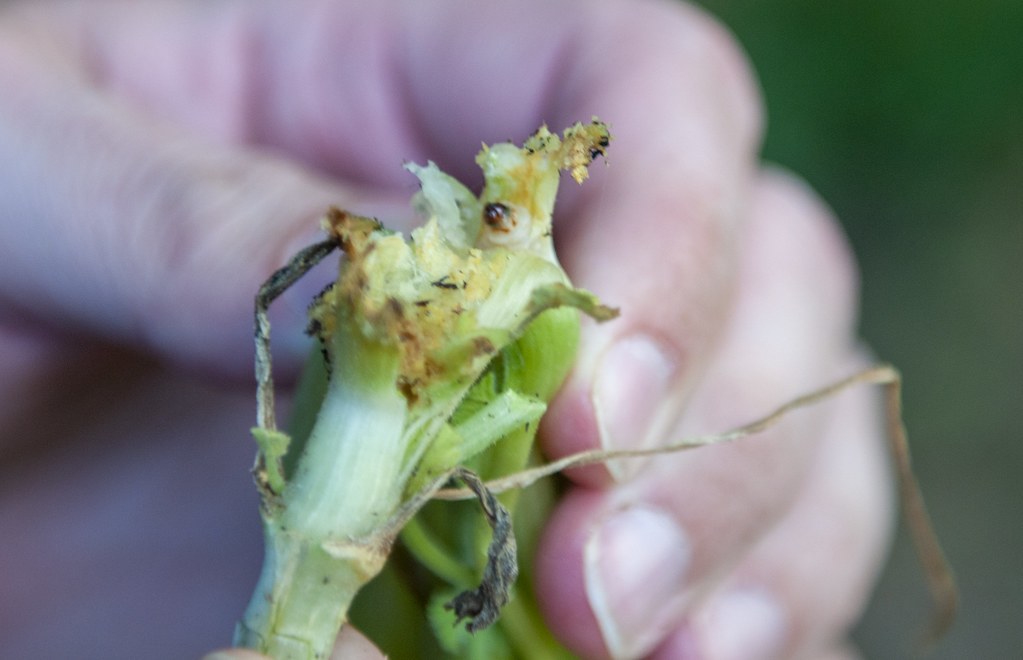
Repeated, thorough sprays are necessary to control squash vine borers with insecticides, spraying the vines, base of plant, leaf petioles, and undersides of leaves with sprays including permethrin, bifenthrin, acetamiprid, or lambda-cyhalothrin. These moths lay eggs that hatch into larvae that bore directly into plant stems, making them one of the most challenging pests to control.
The difficulty with squash vine borers lies in their hidden lifestyle once they enter the plant stem. You must control newly hatched larvae before they bore into the plant, being sure to spray the vines and base of the plant adequately, as well as leaf petioles and the undersides of leaves. Once inside the stem, the larvae are protected from most treatments, making prevention through timing and thorough coverage absolutely critical. The wilting and collapse of entire vines often serves as the first sign of infestation, by which time significant damage has already occurred.
Conclusion
Managing garden requires vigilance, proper identification, and timely intervention. These five common insects represent the most persistent challenges facing home gardeners in the state, each requiring specific strategies for effective control. The key to success lies in regular monitoring, understanding pest life cycles, and implementing both preventive measures and targeted treatments when necessary.
Remember that healthy plants are more resistant to pest damage, so maintaining good garden hygiene, proper nutrition, and adequate water management forms the foundation of any pest management program. What strategies have worked best in your Mississippi garden battles?
