
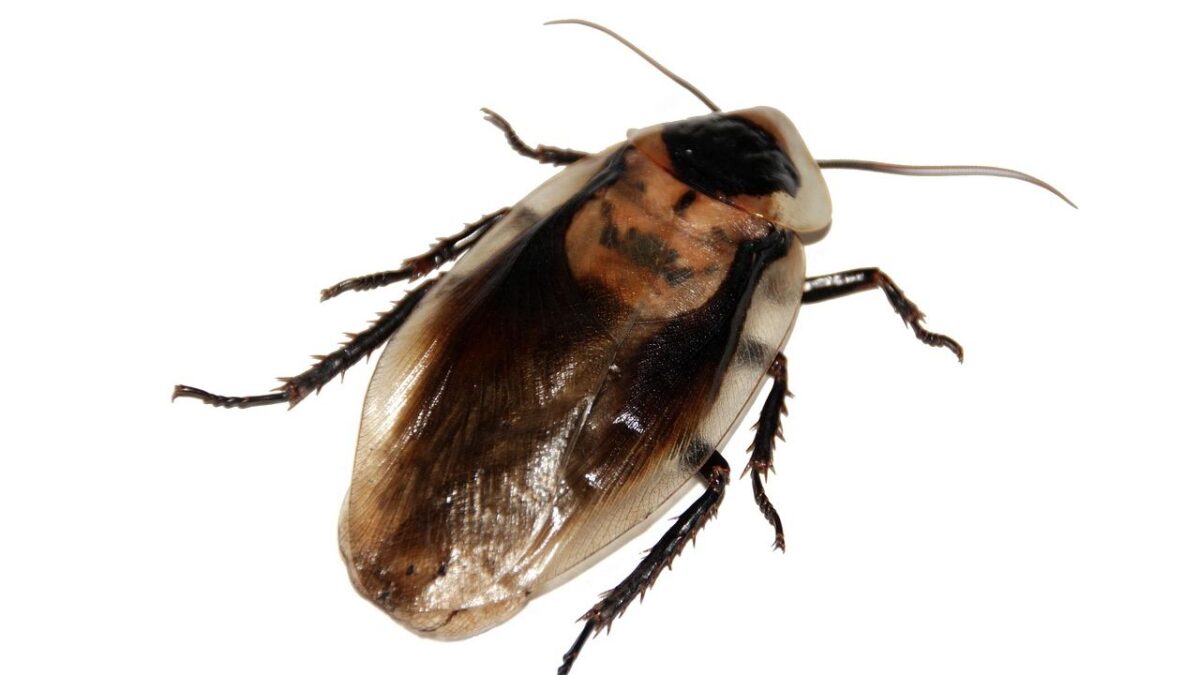
There’s something deeply unsettling about spotting a cockroach scurrying across your kitchen floor late at night. That moment of horror quickly turns into determination to find a solution that doesn’t involve filling your living space with harsh chemicals. Here’s the thing: nature has already provided us with some surprisingly effective answers, and they’ve been hiding in plain sight, often right in your spice rack or garden.
I think most people don’t realize just how powerful certain herbs can be when it comes to pest control. These aren’t miracle cures that will wipe out a massive infestation overnight, but they’re genuinely helpful tools for keeping these unwelcome visitors at bay. The best part? Your home will smell wonderful instead of like a chemistry experiment gone wrong. So let’s dive into five herbs that cockroaches genuinely can’t stand.
Peppermint: The Fresh-Scented Powerhouse
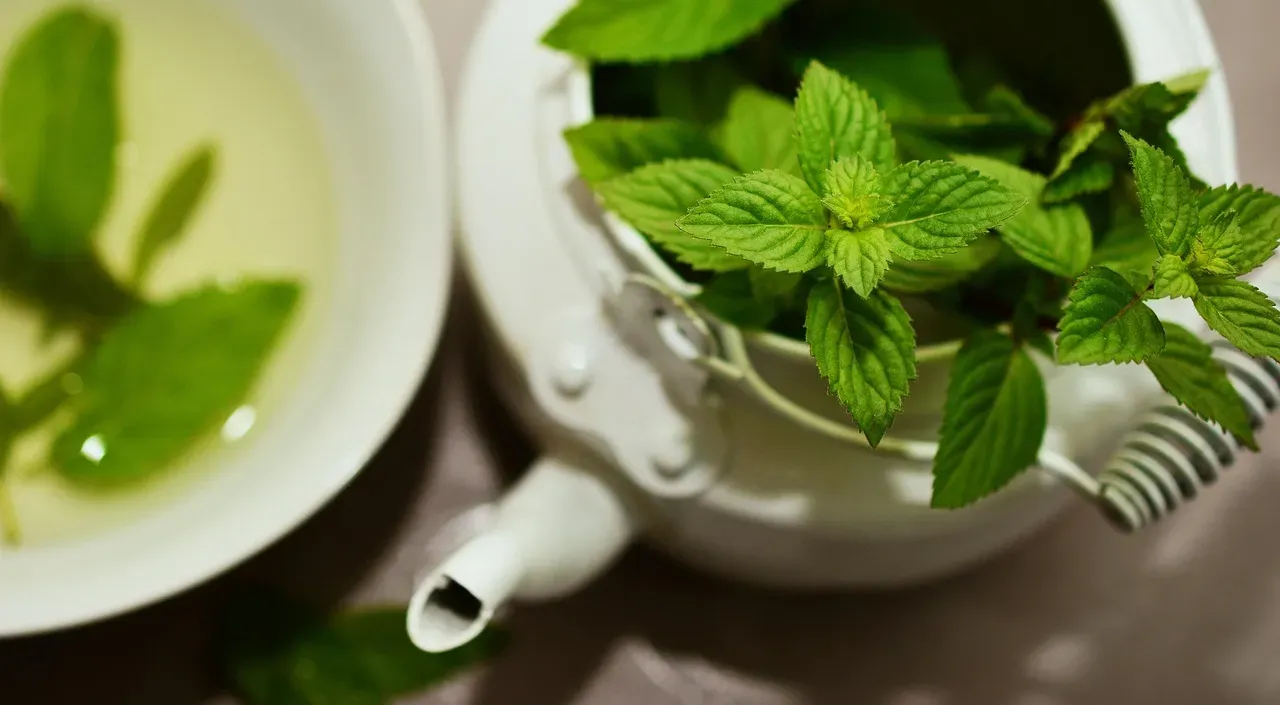
Peppermint serves as a natural deterrent for cockroaches through its aromatic and repellent qualities, and mixing peppermint oil with water creates a spray that can be applied to vulnerable areas. What makes this herb particularly fascinating is that it doesn’t just mask odors or create an unpleasant environment. Research has found that mint is toxic to at least two species of roaches, the American cockroach and the German cockroach.
You can use peppermint in multiple ways around your home. The simplest approach involves growing a potted peppermint plant on your kitchen windowsill or near entry points where cockroaches might enter. Cockroaches as well as aphids, moths, fleas, and beetles avoid this plant. If you prefer a more direct application, grab some peppermint essential oil and dilute it with water in a spray bottle.
Not only does peppermint oil discourage cockroaches, but it also leaves your home smelling fresh. That’s a win-win situation if you ask me. Peppermint oil works only as a repellent and may keep roaches away from certain areas, but it does not kill them or reach hidden nests. Still, when you’re trying to create zones these pests won’t cross, peppermint does the job beautifully.
Keep in mind that peppermint plants spread quickly, so consider keeping them in containers rather than planting them directly in your garden where they might take over. The plant thrives with regular watering and full sun exposure, though it can survive with partial sunlight too.
Bay Leaves: The Aromatic Kitchen Defender
Bay leaves, known for their aromatic properties in culinary applications, also serve as a natural deterrent against cockroaches, and crushing bay leaves and leaving them in areas prone to infestation can repel cockroaches. Let’s be real, you probably already have these sitting in your pantry right now. Bay leaves contain eucalyptol and linalool, chemical properties that are toxic to roaches in high concentrations, so cockroaches tend to avoid bay leaves.
The beauty of bay leaves is their versatility. You can scatter whole leaves in cupboards, drawers, and under sinks where cockroaches like to hide. For enhanced effectiveness, try crushing dried bay leaves into a powder. Crushing dried bay leaves into a powder helps release the aromatic properties of these compounds, and this powder can be sprinkled in areas that show cockroach activity.
Fresh bay leaves have a more bitter aroma, are more potent and may work better in keeping the cockroaches away. However, dried leaves are more convenient and easier to store. The scent gradually fades over time, so you’ll need to replace them regularly to maintain their effectiveness.
While bay leaves might deter some roaches, they might not be effective against an existing large infestation. Think of them as a preventative measure or supplementary tool rather than a complete solution. They work best when combined with proper cleaning habits and other natural deterrents.
Rosemary: The Woody Warrior
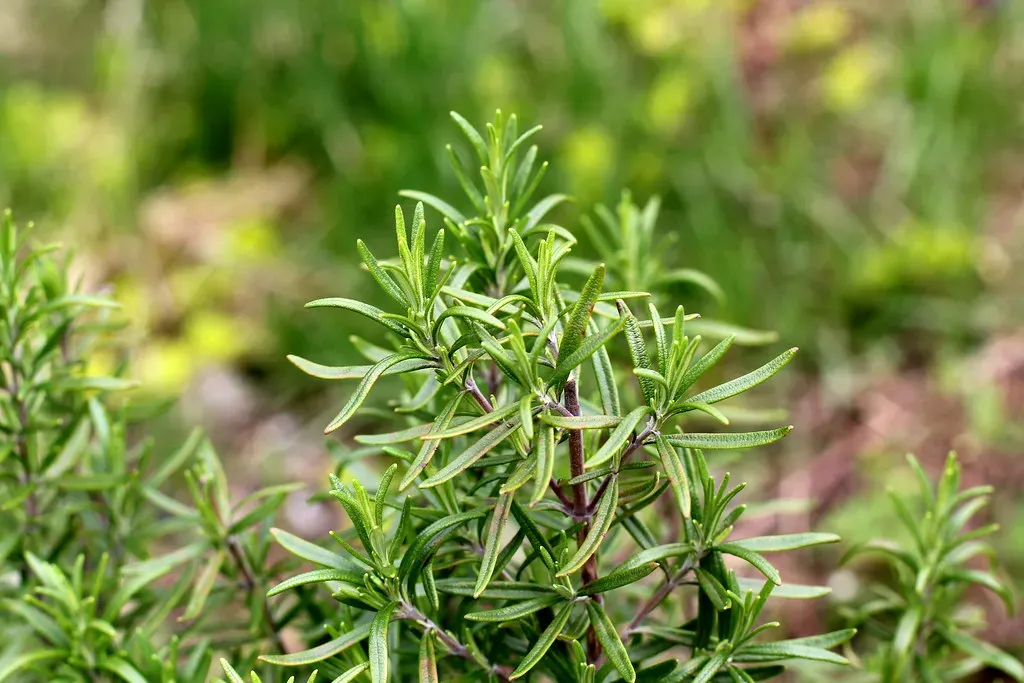
Rosemary is remarkable not just for adding flavor to your roasted potatoes. Rosemary oil is one of the few essential oils that are actually proven to be effective as a cockroach deterrent, and it acts as a natural pesticide in high enough concentrations. What surprised me most when researching this was just how effective rosemary actually is. Studies have shown a 100% cockroach mortality rate when concentrations of rosemary oil fell between 5% to 30%.
You can plant rosemary in your garden or keep potted plants near areas where you’ve noticed cockroach activity. The fresh odor of rosemary is too much for cockroaches, and a pot of this plant or even a few sprigs keeps these bugs away. The herb prefers sunny, warm conditions and requires well-draining soil that stays on the dry side, though you’ll still need to water it regularly.
If you don’t have space for plants, rosemary essential oil offers a concentrated alternative. Mix it with water in a spray bottle and apply it to baseboards, corners, and anywhere cockroaches might travel. The strong scent of rosemary oil interferes with roaches’ ability to navigate, and you can apply a few drops to cotton balls and leave them near roach-prone areas.
The pleasant woody aroma makes rosemary one of my favorite options. Your home smells like a Mediterranean kitchen instead of a pest control facility, which honestly makes the whole process much more enjoyable. Fresh sprigs can be cut and placed strategically around your home, and they’ll remain effective for several days before needing replacement.
Catnip: The Surprising Super Herb
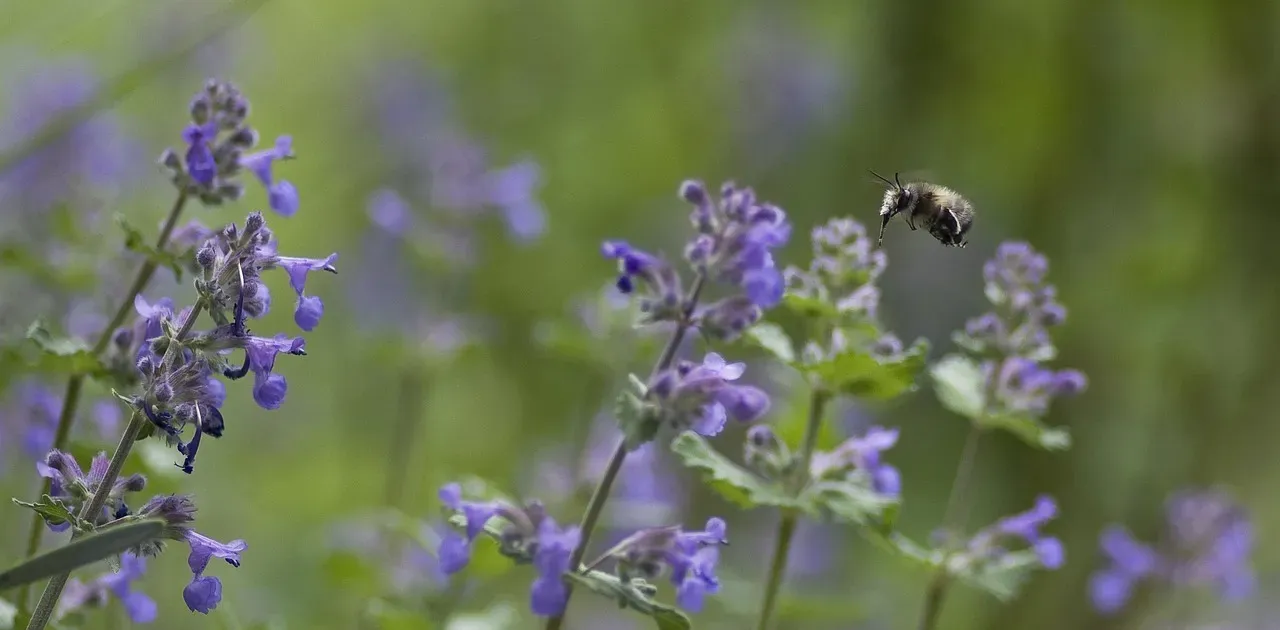
I know it sounds crazy, but catnip might be your secret weapon against cockroaches. Catnip is a herb beloved by cats which also acts as a natural repellent against cockroaches, and it contains a compound called nepetalactone which is a known insect deterrent. The effectiveness is genuinely impressive. A study by researchers at Iowa State University found that catnip is 100 times more effective at repelling cockroaches than DEET, the most common active ingredient in insect repellents.
The chemical nepetalactone confuses cockroach nerves, causing them to lose all sense of direction. They become disoriented and want nothing more than to get away from the source of that confusion. While catnip won’t exterminate roaches, it can effectively prevent them from frequenting areas where it’s present, and homeowners can place fresh catnip leaves in sachets and position them in roach-prone areas.
You can also create a catnip tea by steeping dried catnip in boiling water, letting it cool, and transferring it to a spray bottle. This liquid repellent can be applied to surfaces and corners where cockroaches travel. Growing catnip plants ensures you always have a fresh supply available.
There’s one obvious caveat: if you have cats, they’re going to love this solution maybe a little too much. It is important to note that catnip will attract and prompt interesting behavior from cats. You might solve your cockroach problem only to have overstimulated felines bouncing off the walls. Still, if you don’t have cats or can place the catnip strategically out of their reach, this herb is incredibly effective.
Oregano: The Potent Pest Fighter
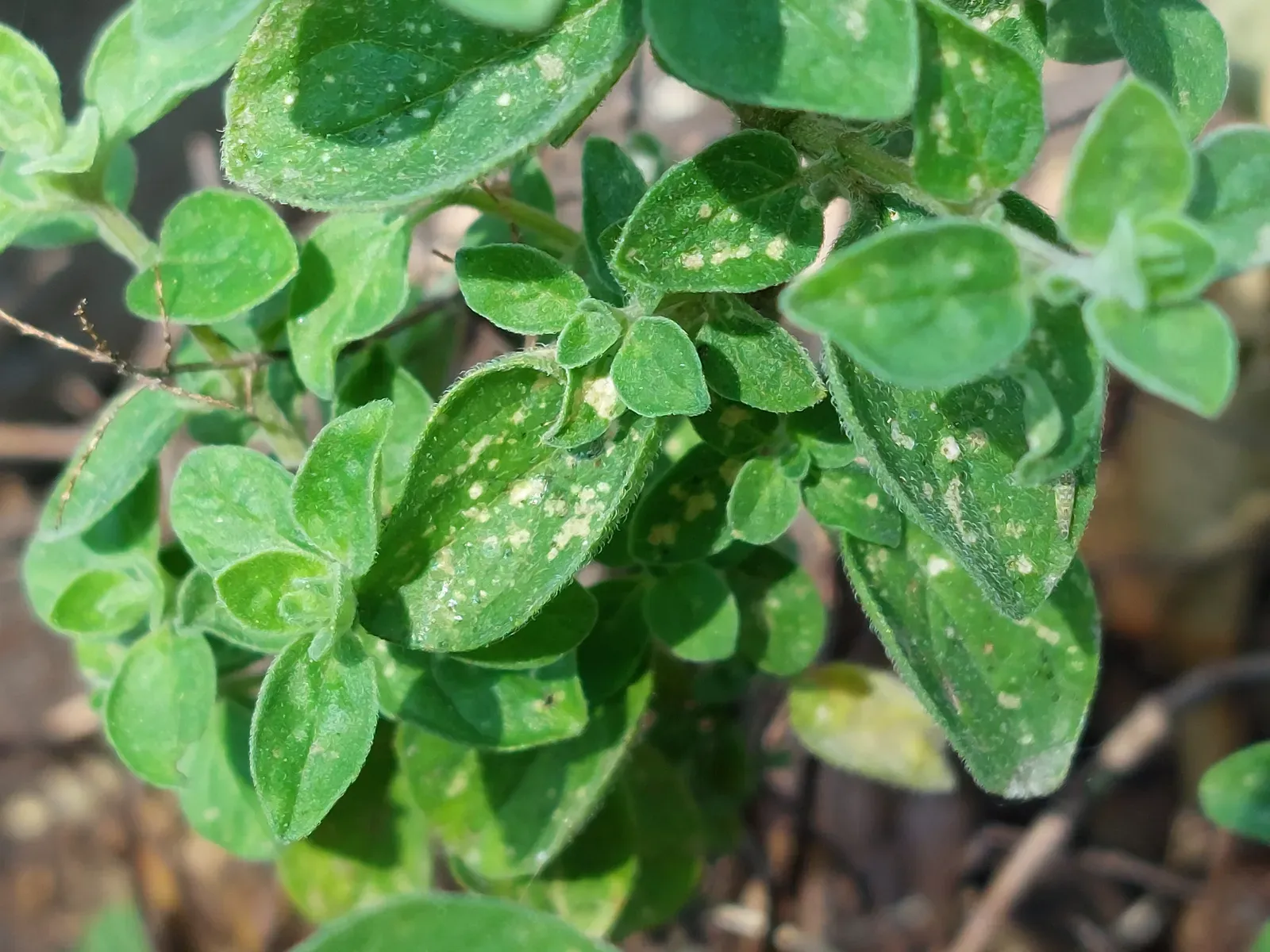
Oregano oil is scientifically proven as a cockroach deterrent, and its strong spicy scent is effective at driving cockroaches away because it disturbs their sensitive sense of smell. What sets oregano apart from many other natural remedies is its longevity. Oregano can repel roaches up to one week after application, which means you won’t need to reapply it constantly like some other options.
Oregano oil showed considerable repellent effect and could be recommended as a potential repellent compound. The oil can be diluted with water and sprayed liberally in areas where cockroaches hide or travel. This oil is safe to use around food and food preparation areas so it can be applied throughout kitchens where cockroaches are most likely to be active.
If you prefer working with the actual herb rather than essential oil, you can dissolve dried oregano in boiling water to create a natural spray solution. Both methods work effectively, though the concentrated essential oil tends to be more potent. Just a few drops mixed with water creates a powerful deterrent that cockroaches find unbearable.
This oil is also proven to last the longest when compared against other essential oil combinations that dissipated relatively quickly. That staying power makes oregano particularly valuable for busy households where constantly reapplying treatments isn’t practical. The spicy, herbal scent is pleasant to most people, adding another layer of appeal to this natural solution.
Making These Herbs Work For You

Let’s be honest about expectations here. These herbs are powerful tools, but they’re not magic bullets. Several natural remedies can serve as effective deterrents against cockroaches, though they are not foolproof, and these natural remedies will do little to combat an active cockroach infestation. They work best as preventative measures or for managing minor cockroach problems rather than eliminating major infestations.
Consistency matters tremendously when using natural repellents. You’ll need to replace fresh herbs regularly as their potency fades and reapply essential oil sprays every few days to maintain effectiveness. Combining multiple herbs often yields better results than relying on just one. Think of it as creating layers of defense that cockroaches find increasingly difficult to navigate through.
Natural repellents are most useful when paired with sanitation and targeted baiting. Keep your kitchen clean, store food in sealed containers, fix leaky pipes, and eliminate standing water. Cockroaches need food and moisture to survive, so removing these attractants while simultaneously deploying herbal deterrents creates an environment these pests find inhospitable.
Consider growing several of these herbs in pots near entry points like doors and windows. Not only does this create a natural barrier, but you’ll also have fresh herbs available for cooking whenever you need them. Essential oils work well for treating specific problem areas like under sinks, behind appliances, and in cabinets where growing plants isn’t practical.
What do you think about using these natural alternatives? Have you tried any of these herbs to keep pests away? I’d genuinely love to hear about your experiences because sometimes the best tips come from real people dealing with real problems in their own homes.
