
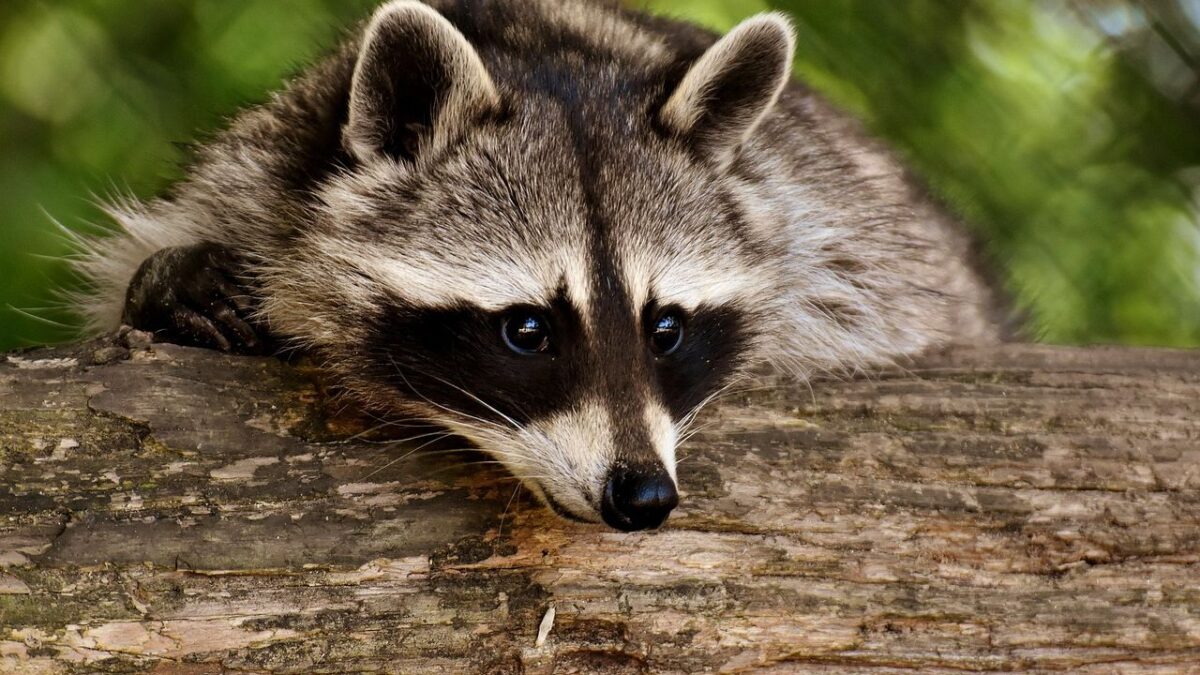
California gardeners face unique challenges when it comes to protecting their plants from unwanted visitors. The state’s mild climate and abundant water sources create ideal conditions for various mammal pests that can transform your carefully tended garden into their personal dining hall. From underground tunnelers that mysteriously swallow plants whole to nocturnal raiders that leave your fruit trees bare overnight, these creatures can be both fascinating and frustrating.
Understanding which pests you’re dealing with becomes crucial for effective management. Each species has distinct behaviors, preferences, and telltale signs that can help you identify the culprit behind your garden damage. Let’s explore the five most problematic mammal pests that California gardeners encounter, so you can protect your green spaces more effectively.
Pocket Gophers: The Underground Garden Destroyers
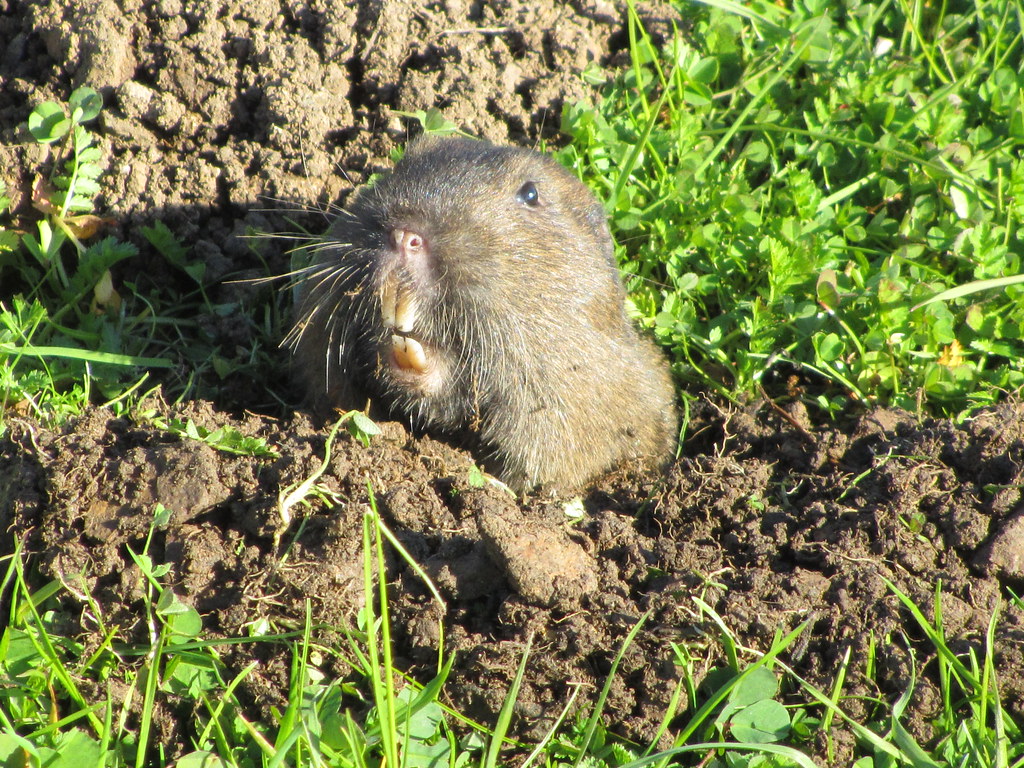
Gophers are small burrowing rodents that feed on roots of many types of plants. A single gopher can ruin a garden in a short time, and gopher gnawing can damage irrigation lines and sprinkler systems. There are seven species of gophers, known as pocket gophers, in California. In the Los Angeles area, the Valley or Botta’s pocket gopher is the most common species.
The damage from these furry excavators goes far beyond simple plant loss. These burrowing rodents are well-suited to digging the burrows and long tunnels that disrupt your landscape, leaving mounds of soil as they dig. A single gopher can make several mounds per day. Did you know that one pocket gopher can churn up to one ton of soil a year?
Ground Squirrels: The Persistent Seed Thieves
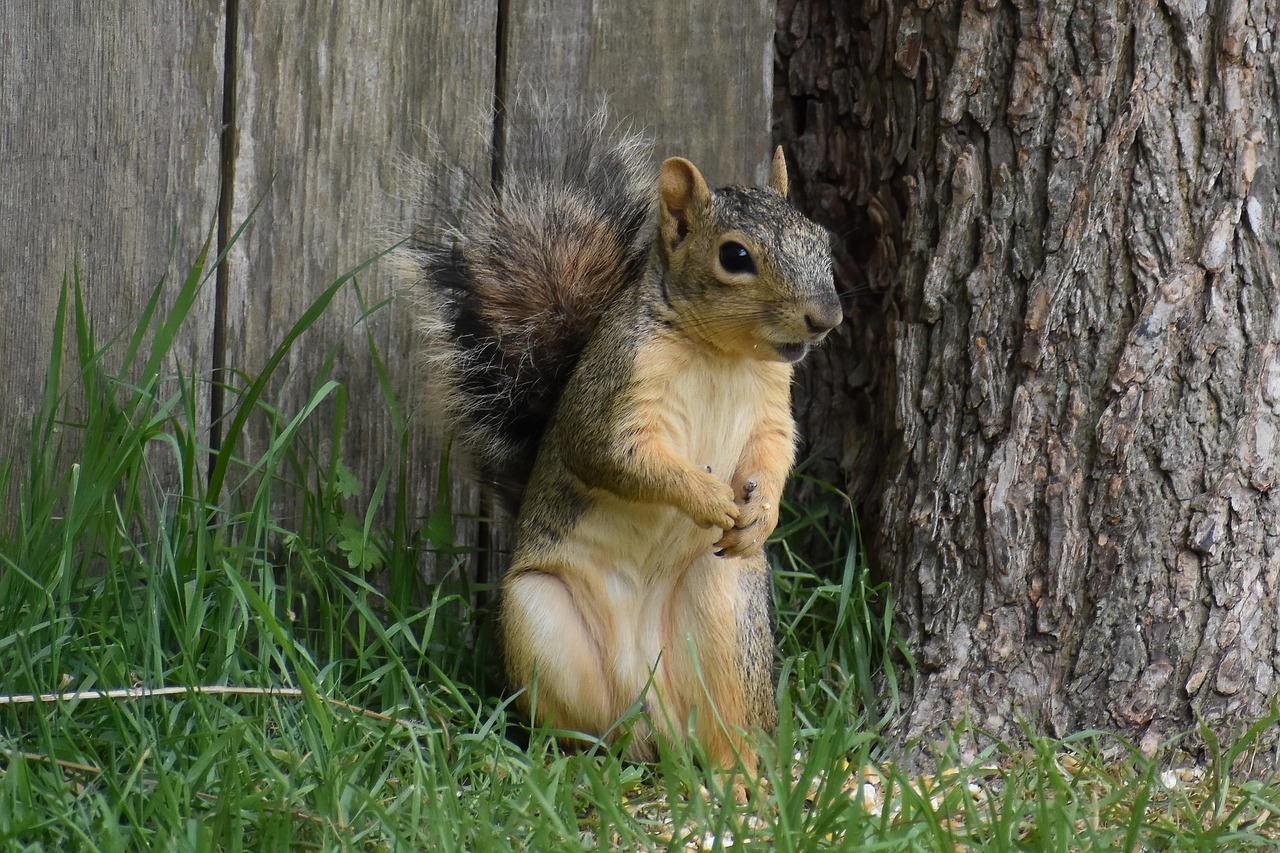
There are two main types of squirrels in California: ground squirrels and tree squirrels. Ground squirrels are troublesome rodent pests for many home gardeners, and are found throughout the state, generally near open grassy areas. Squirrels can cause damage to homes and gardens, where they feed on a variety of fruits, nuts, and other crops and plants (including tomatoes and strawberries!)
They can also dig holes in garden soil or in turf, where they bury nuts, acorns, or other seeds (they often forget about these caches and don’t come back for their bounty!) Unlike their tree-dwelling cousins, ground squirrels create extensive burrow systems that can damage root systems and irrigation lines underneath your garden.
Raccoons: The Masked Midnight Marauders
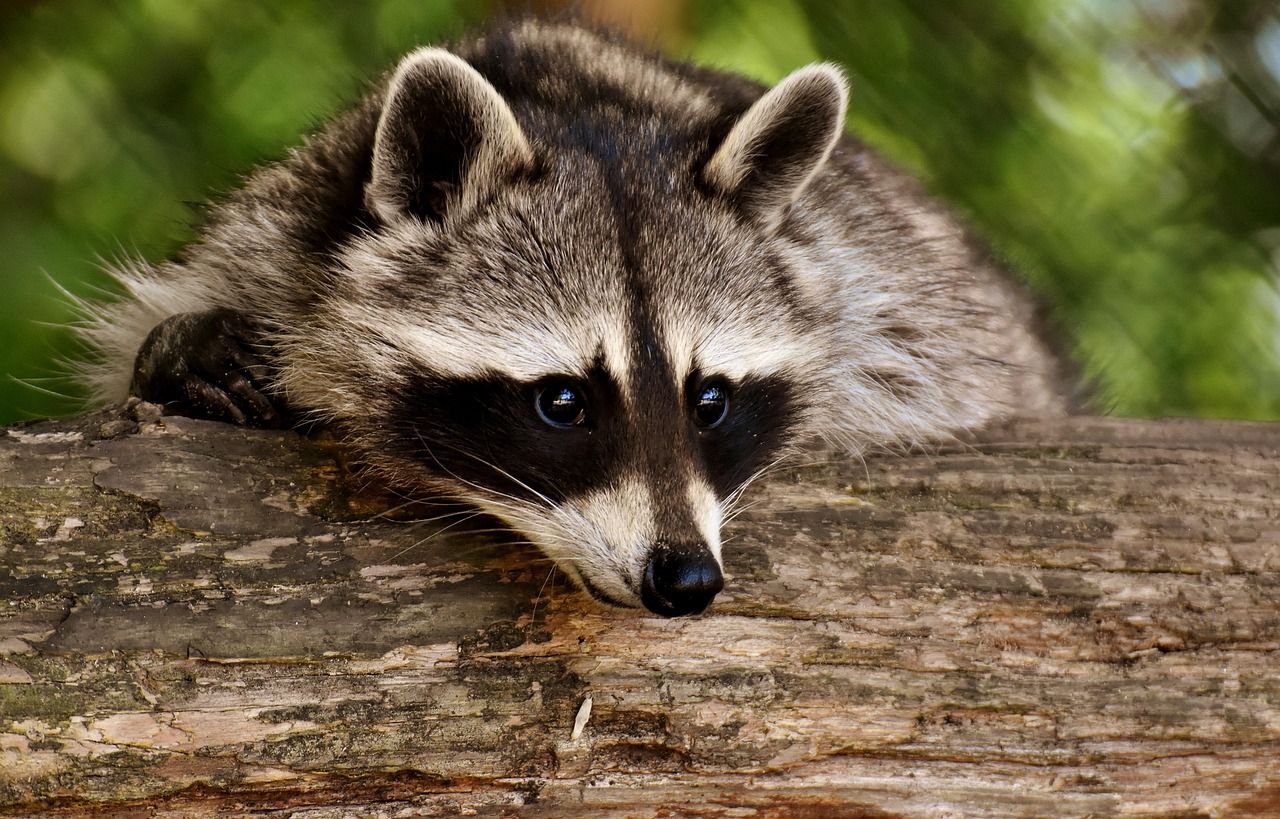
Plant foods including all kinds of fruits, berries, nuts, acorns, corn, and other types of grain. Animal foods including crayfish, clams, fish, frogs, snails, insects, turtles, rabbits, muskrats, and the eggs and young of ground-nesting birds, including waterfowl. Raccoons often raid vegetable gardens and fruit patches, making away with ears of corn, berries, and fruits of all kinds.
If there is a raccoon in your garden you will typically find destroyed and dug up fresh-laid sod. Their dexterous paws allow them to manipulate objects and tear through protective barriers that might stop other pests. This may also stop raccoons, but the furry bandits are both smarter and more dexterous than squirrels. Any cage arrangement designed to keep hungry raccoons away from your tomatoes and zucchinis should be well secured and sturdy.
Rabbits: The Selective Plant Pruners
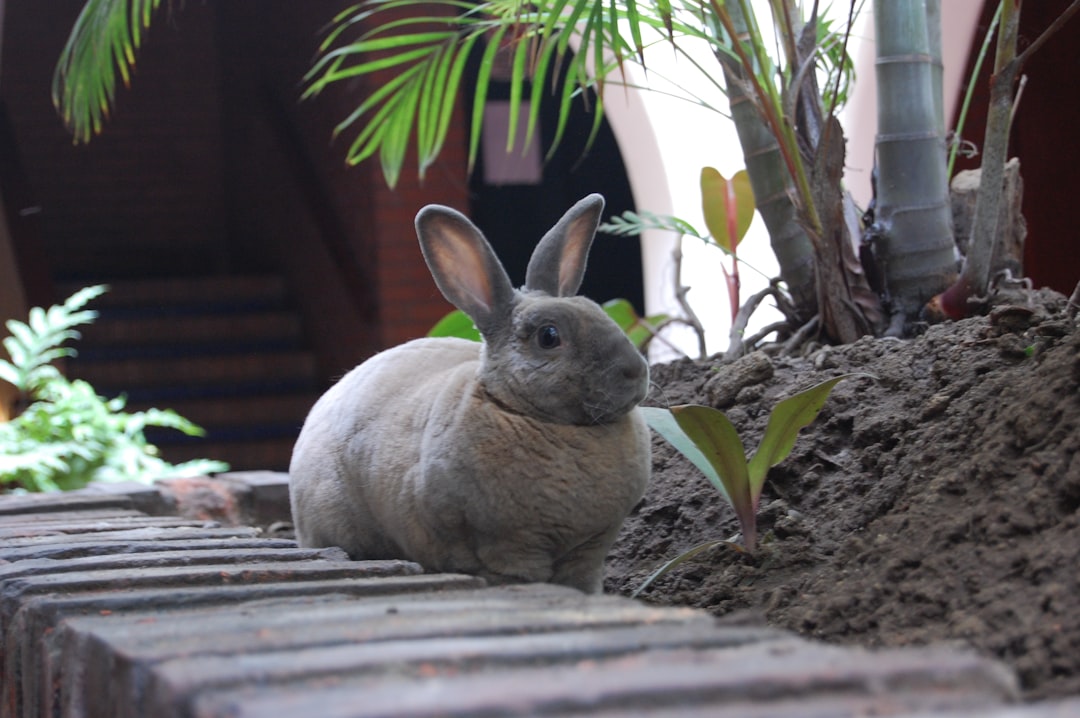
Rabbits are a type of animal people might enjoy seeing in the wild, but they also are an animal that can be very destructive to gardens and landscaped areas. Seven species of rabbits are found in California and three of these species – the black-tailed hare or jackrabbit, Lepus californicus, the desert cottontail, Sylvilagus audubonii, and the brush rabbit, S. bachmani – are widespread and cause the majority of problems.
If rabbits are in your garden you will find cleanly cut damage to your plants and leaves. Rabbits are most destructive early in the season when plants are small. Their feeding patterns create characteristic damage that looks almost surgical compared to the ragged tears left by deer or the complete disappearance caused by gophers.
Moles: The Unintended Saboteurs
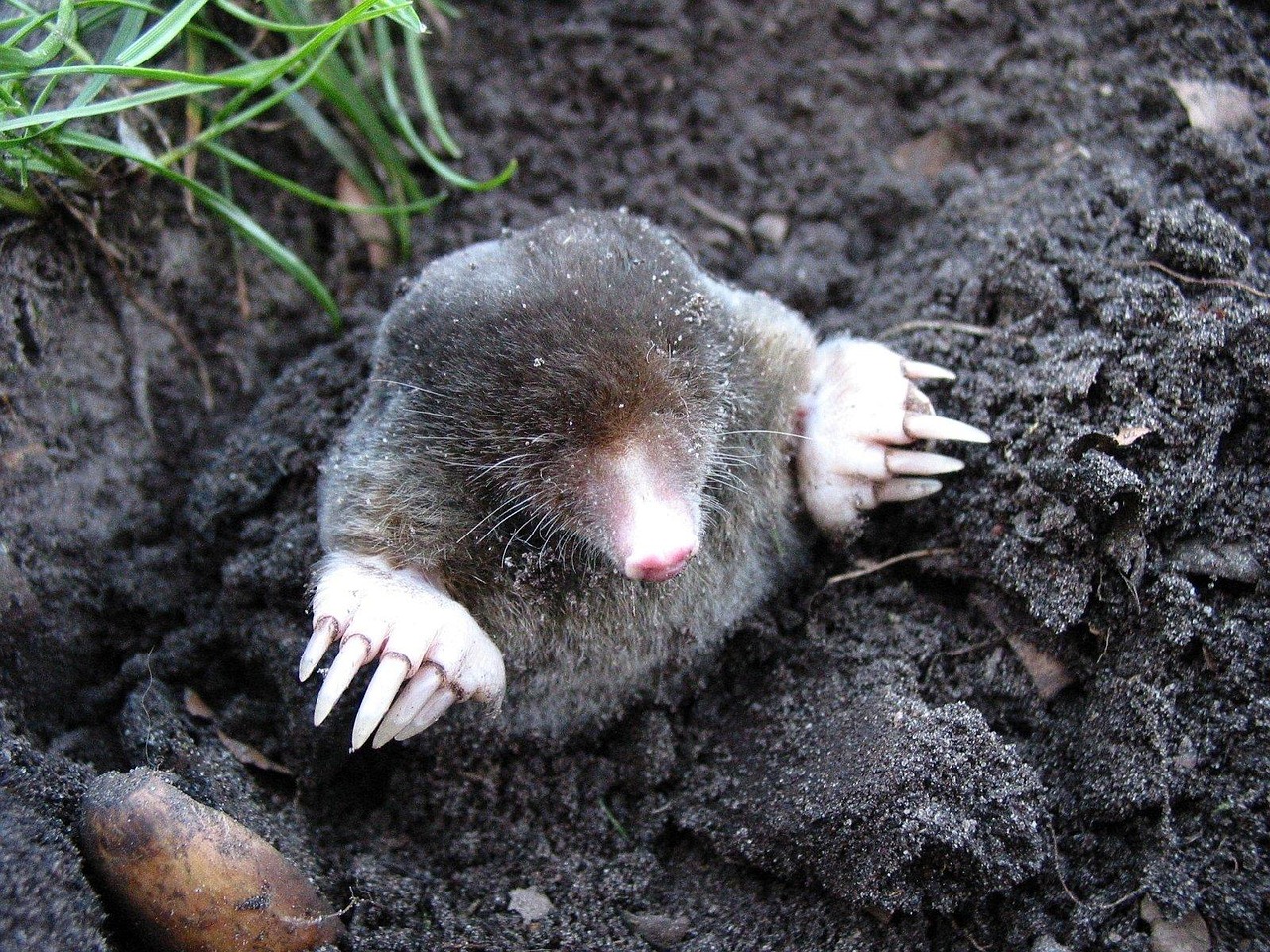
Moles are small insect-eating mammals. Contrary to a commonly held belief, the mole isn’t part of the rodent family. In California, moles inhabit the Sierra Nevada, coastal range mountains and foothills, and (important to us), the entire coastal zone. While they may sometimes consume roots, bulbs, and other plant material, they are really looking for insects to eat.
The greatest damage from moles occurs just through their burrowing activity, which dislodges plants and can kill them by drying out their roots. The resulting mounds and ridges are also unsightly and can disfigure your garden. Though often blamed for more damage than they actually cause, moles can still create significant problems through their tunneling activities alone.
Conclusion
Dealing with gardens requires patience, persistence, and the right identification skills. Each of these five major pests brings its own set of challenges, from the gopher’s underground assault on root systems to the raccoon’s clever nighttime raids on your ripest produce.
The key to successful pest management lies in early detection and understanding each animal’s behavior patterns. Remember that complete elimination is rarely possible or even desirable, as these animals play important roles in the ecosystem. Instead, focus on protecting your most valuable plants while maintaining a balance that allows both your garden and local wildlife to thrive. What strategies have you found most effective in your own garden battles?
