
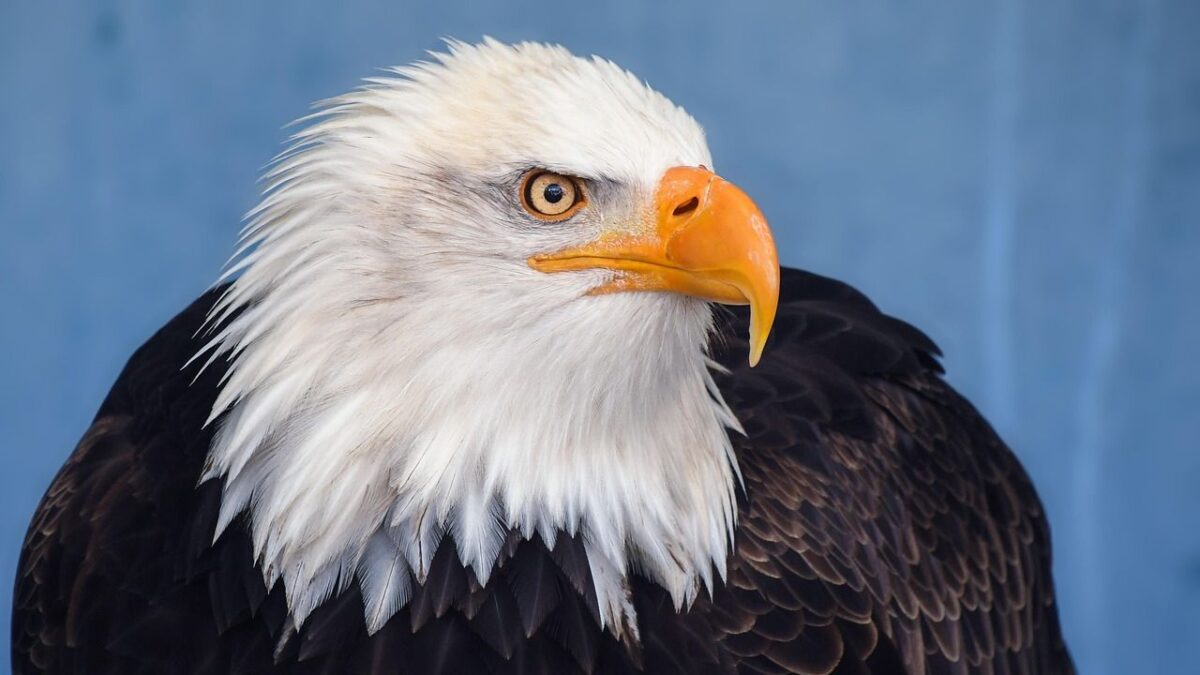
There’s something about looking up at the sky and catching the silhouette of a bird of prey that stops you in your tracks. Maybe it’s the effortless way they glide on thermal currents, or the knowledge that you’re witnessing one of nature’s most efficient hunters in action. America’s landscapes host an incredible variety of raptors, from coastal cliffs to desert scrublands, from northern forests to southern swamps. These magnificent birds have adapted to nearly every habitat imaginable, and honestly, once you start paying attention to them, you’ll be amazed at how often they’re right above you.
I think what surprises most people is just how diverse these birds really are. Some are tiny enough to fit in your hand, while others boast wingspans that rival small airplanes. Each species has carved out its own niche in the ecosystem, developing specialized hunting techniques and physical adaptations that make them perfectly suited to their environment. Let’s dive in and explore six of the most beautiful and remarkable birds of prey that call America home.
Red-Tailed Hawk: The Sky’s Most Familiar Sentinel
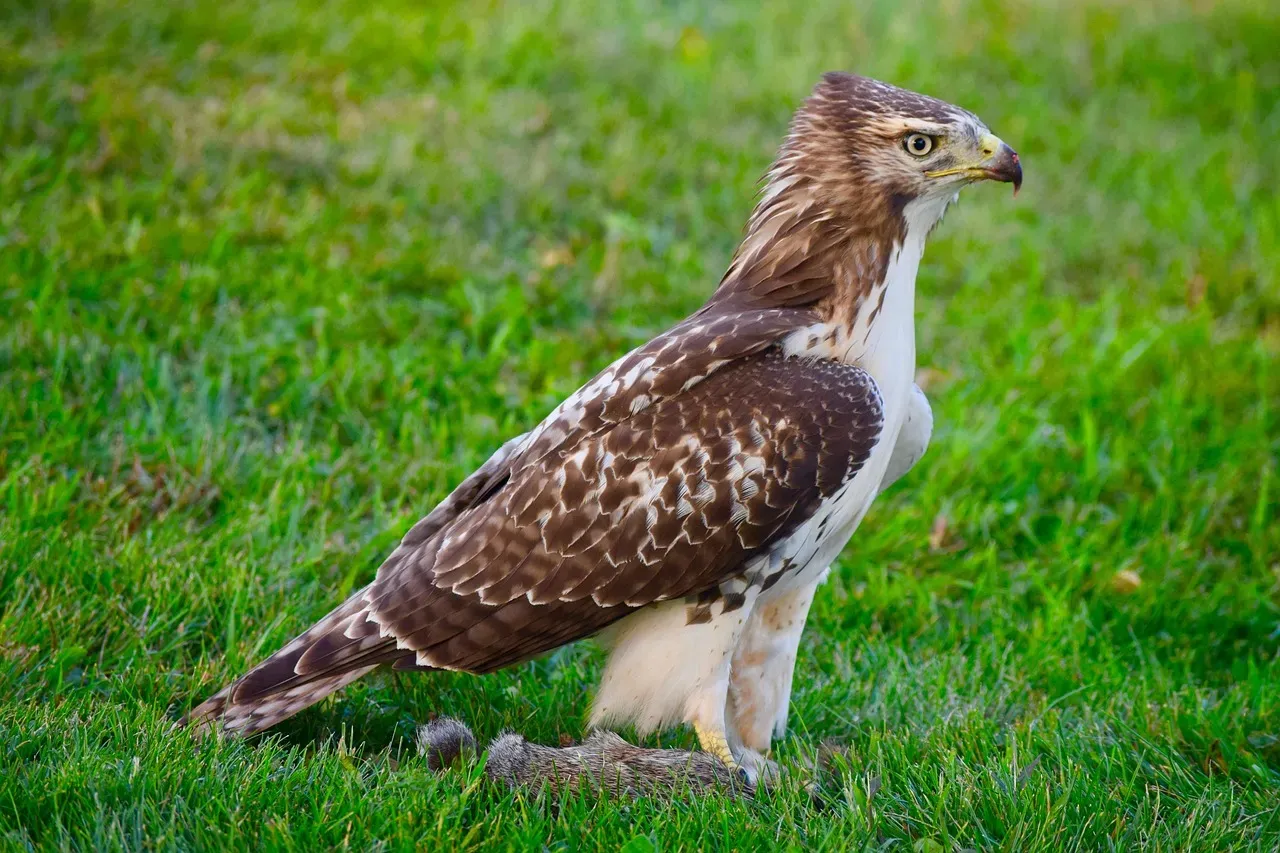
This is the most widespread and familiar large hawk in North America, and chances are you’ve seen one without even realizing it. The red-tailed hawk occupies a wide range of habitats and altitudes including deserts, grasslands, coniferous and deciduous forests, agricultural fields and urban areas.
What makes them so recognizable? The signature rust-colored tail that gives them their name, though you might only catch a glimpse of it when they’re soaring overhead. Red-tailed hawks possess vision that is eight times more powerful than that of humans, allowing them to spot prey from great distances, even while soaring high above the ground.
These raptors are surprisingly adaptable. You’ll spot them perched on telephone poles along highways, sitting completely still as they scan the fields below for movement. The species feeds on a wide range of small animals such as rodents, birds, and reptiles. Their hunting style is patient and calculated, waiting for the perfect moment to strike.
Peregrine Falcon: Nature’s Speed Demon
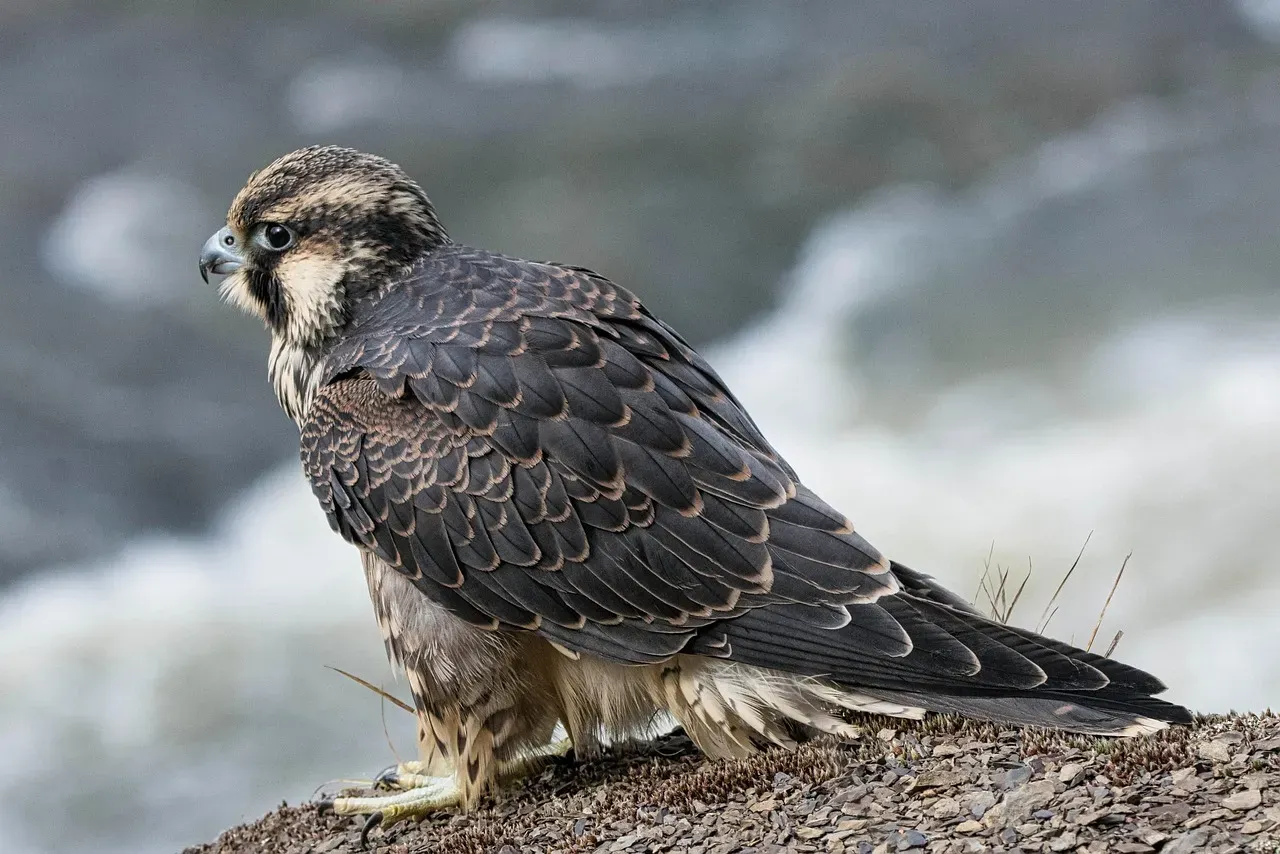
Let’s be real, this bird is basically the fighter jet of the animal kingdom. In power-diving from great heights to strike prey, the Peregrine may possibly reach 200 miles per hour. That makes them the fastest animals on the planet, bar none.
Peregrines have made a remarkable comeback story. Although it is found on six continents, the Peregrine is uncommon in most areas; it was seriously endangered in the mid-20th century because of the effects of DDT and other persistent pesticides. Their recovery is one of conservation’s greatest success stories.
Peregrine falcons are well-distributed all over North America and into Central America, found year-round in some parts of the Appalachian mountains, on the west coast, some parts of New England, around the great lakes, and from Arizona through central Mexico. What’s truly spectacular is watching them hunt, as they use their incredible speed in dramatic dives called stoops to catch prey mid-flight.
Bald Eagle: America’s Iconic Powerhouse
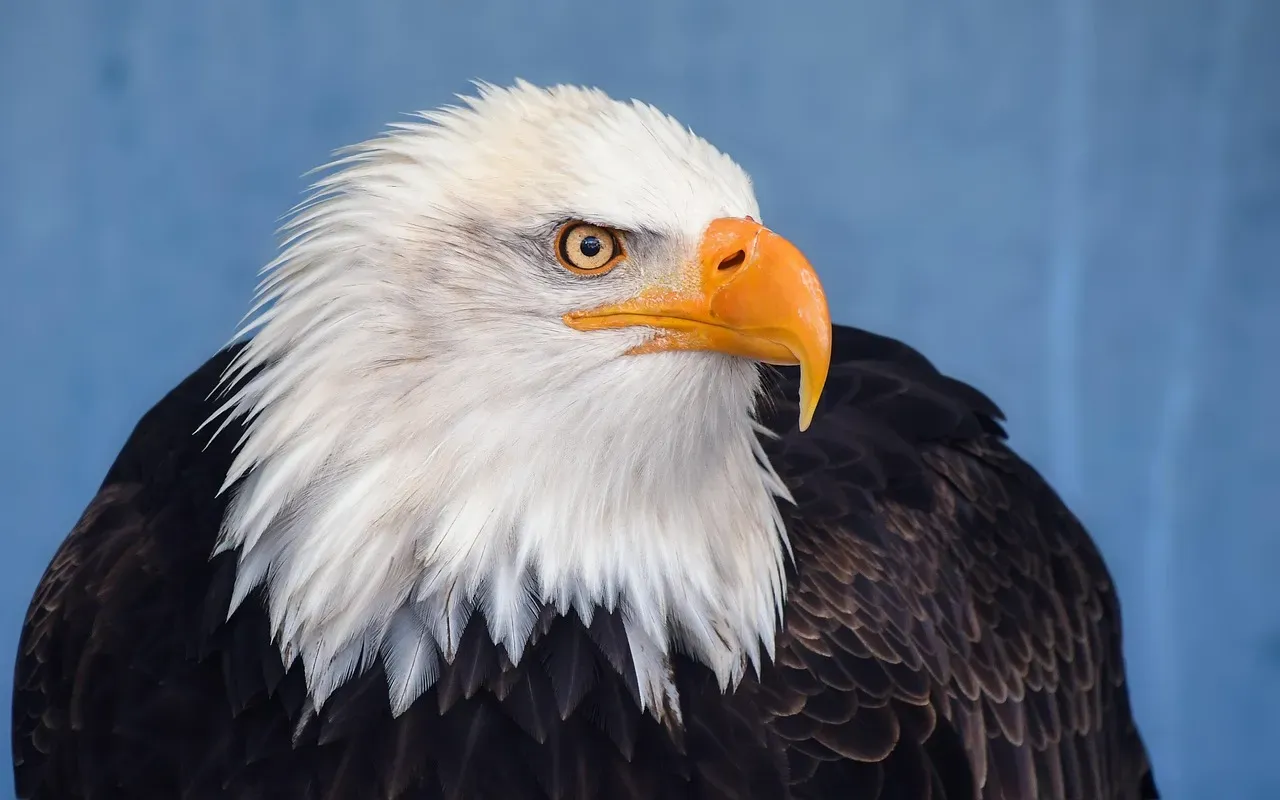
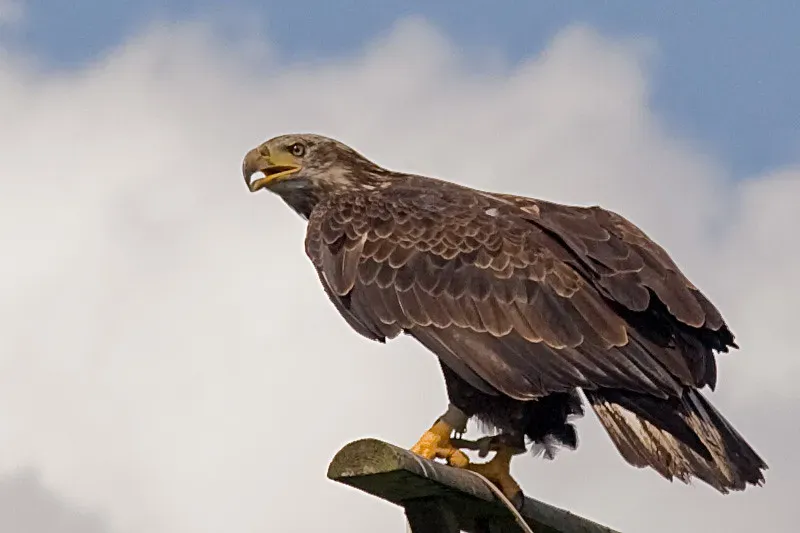
The bald eagle, the national bird and symbol of the United States, is one of the most iconic raptors in North America, known for their striking white heads and powerful presence. Seeing one in the wild never gets old, no matter how many times it happens.
These eagles are surprisingly opportunistic hunters. While bald eagles prefer fish, they are opportunistic hunters and scavengers, able to hunt live prey or feed on carrion, making them highly adaptable to different environments. Their preferred habitat? Anywhere near water where fish are abundant.
Here’s something that might surprise you: the bald eagle’s talons are incredibly strong and capable of exerting a force of about 400 pounds per square inch. That’s more than twice the grip strength of a typical hawk. They’re powerful enough to take down prey much larger than themselves, though they’re also perfectly content to steal a meal from another hunter if the opportunity presents itself.
American Kestrel: The Pocket-Sized Predator
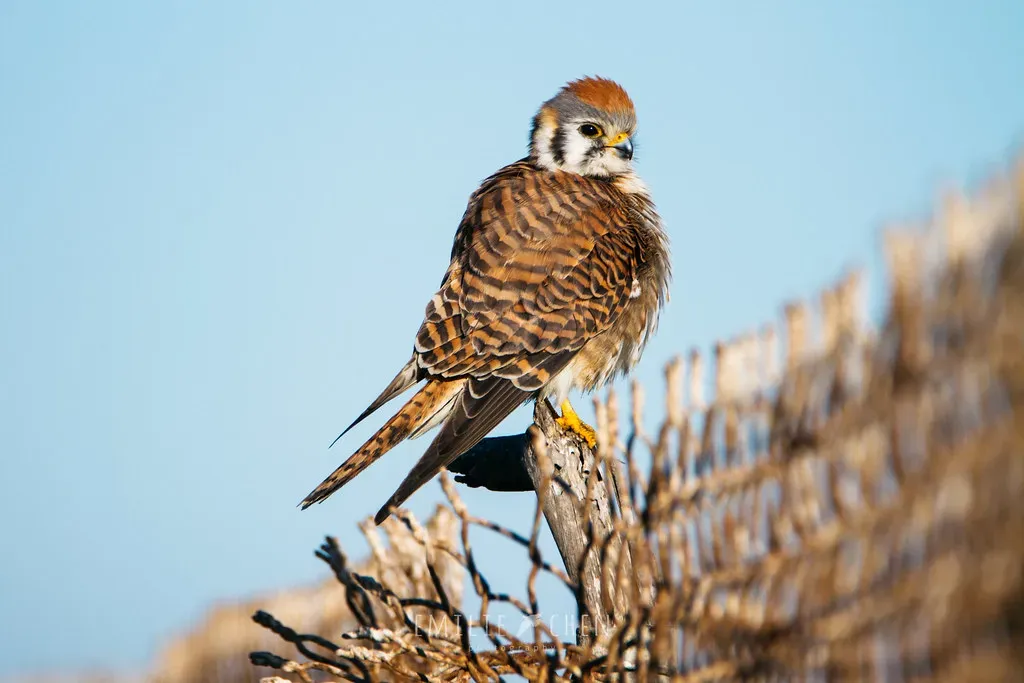
If the red-tailed hawk is the most common large raptor, the American kestrel holds the title for smallest falcon in North America. Don’t let their diminutive size fool you though. These colorful little hunters pack serious attitude into their compact frames.
The American kestrel is a small falcon with dark marks framing its eyes, characteristic of falcons, preferring to dwell near open fields where it can perch in tall trees and watch for prey such as insects and reptiles in the grass below. What I find fascinating is their hunting technique: they hover in place, wings beating rapidly as they lock onto their target below.
If you see a small, long-winged bird hovering over an open field, most of the time it will be an American Kestrel, using this hunting pattern by facing into the wind, flapping its wings and spreading its tail. They’re also beautifully colored, with blue-grey wings and rusty backs that make them stand out among North America’s raptors.
Osprey: The Fish Hawk Extraordinaire
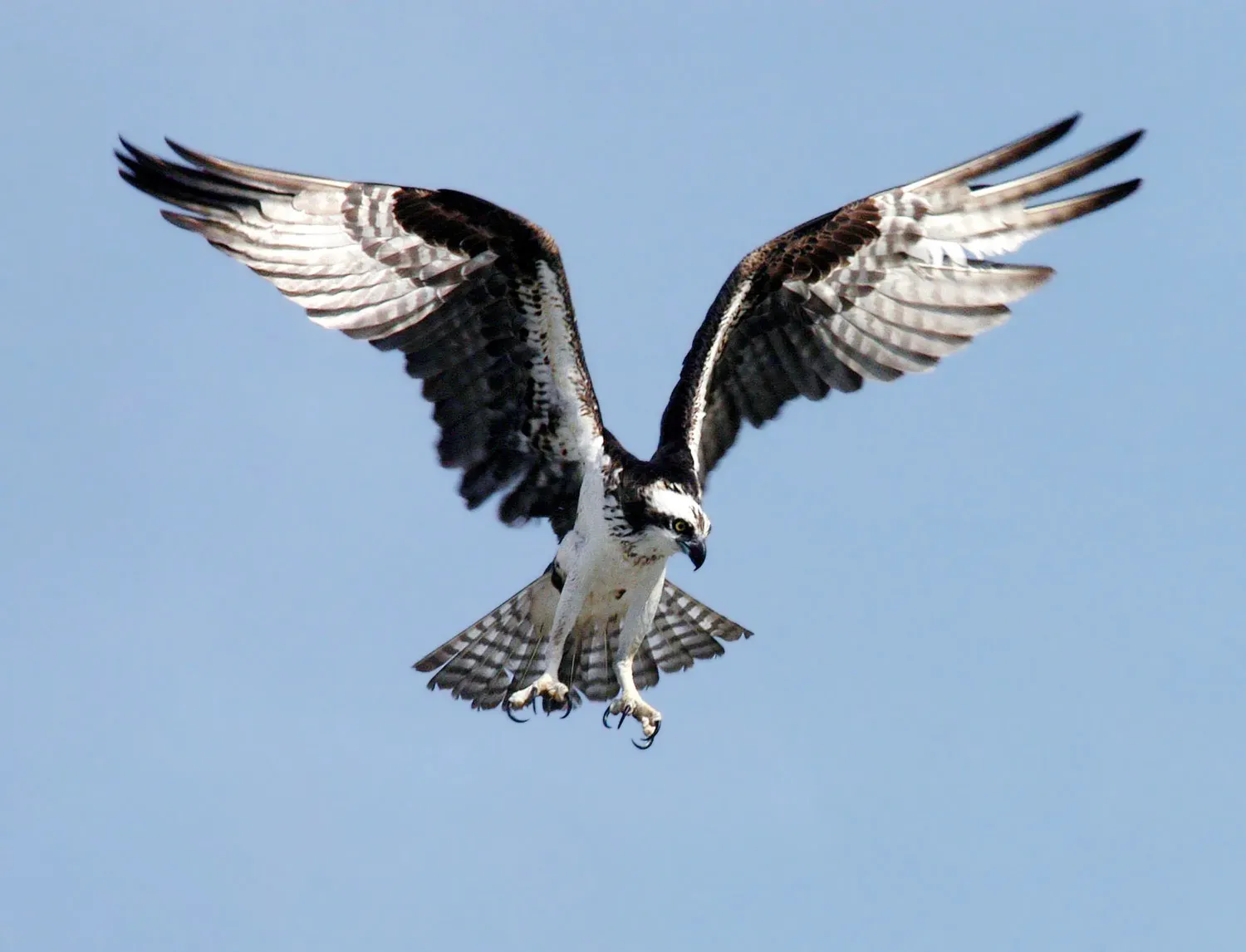
Known as the “fish hawk,” the osprey is a raptor with a specialized diet almost exclusively consisting of fish, often seen soaring above lakes, rivers, and coastal waters. Their fishing technique is nothing short of spectacular to witness.
What sets ospreys apart from every other raptor? The osprey has sharp, rounded talons for grasping its prey, and is unique as the only raptor with a reversible outer toe, which allows it to grab prey with two front talons as well as its two back toes. This specialized adaptation makes them incredibly effective fish catchers.
Ospreys hunt by hovering over water and then plunging feet-first to snatch fish with their powerful talons, a dramatic hunting method that is a spectacle to witness. They’re found near water across the continent, and their large stick nests are often built on human-made structures like channel markers and utility poles, making them relatively easy to observe.
Great Horned Owl: The Nighttime Apex Predator
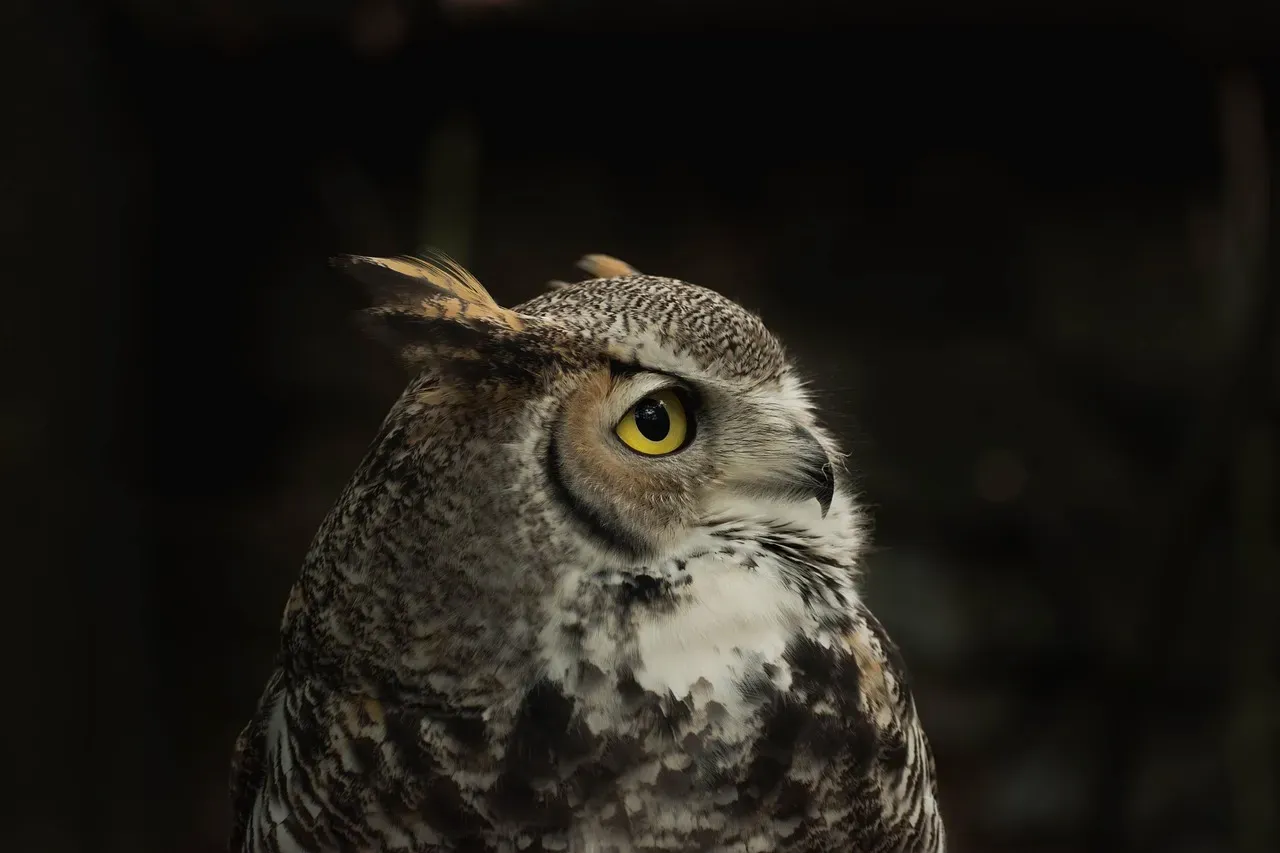
Found almost throughout North America and much of South America, the Great Horned Owl is aggressive and powerful in its hunting, taking prey as varied as rabbits, hawks, snakes, and even skunks. These owls are the stuff of nightmares if you happen to be a small mammal.
With its long, earlike tufts, intimidating yellow-eyed stare, and deep hooting voice, the Great Horned Owl is the quintessential owl of storybooks, a powerful predator equally at home in deserts, wetlands, forests, grasslands, backyards, cities, and almost any other semi-open habitat. That adaptability is key to their success across such a vast range.
What really sets them apart is their strength. When clenched, a Great Horned Owl’s strong talons require a force of 28 pounds to open, using this deadly grip to sever the spine of large prey. They’re also surprisingly common, though their nocturnal habits mean many people never realize these powerful hunters live right in their neighborhoods. Great Horned Owls begin nesting very early in the north, and their deep hoots may be heard rolling across the forest on mid-winter nights.
Conclusion
America’s birds of prey represent some of the most successful and adaptable hunters in the natural world. From the lightning-fast peregrine falcon to the patient red-tailed hawk, from the fish-specialized osprey to the powerful great horned owl, each species has found its place in our diverse ecosystems. The next time you’re outside, take a moment to look up. You might just spot one of these magnificent raptors gliding overhead, going about the ancient business of survival that their ancestors perfected millions of years ago.
These birds aren’t just beautiful to observe. They’re vital indicators of environmental health and play crucial roles in controlling rodent and pest populations. The fact that many of these species have recovered from near-extinction speaks to the power of conservation efforts and gives us hope for the future. What’s your favorite raptor? Have you ever had a memorable encounter with one of these incredible birds?
