
Weather has a way of commanding attention. It shapes daily decisions, fuels dinner table debates, and has inspired more folklore, old wives’ tales, and half-remembered science lessons than almost any other topic. The problem is that a surprising number of things people believe about storms, lightning, heat, and tornadoes are simply wrong. Not slightly off, but genuinely, sometimes dangerously, incorrect.
Some of these myths have been passed down for generations, long before modern meteorology gave us the tools to actually understand what’s happening in the atmosphere. Others were cemented by viral moments, popular films, and well-meaning but misguided advice. Whichever way they spread, they have a stubborn tendency to stick. Here are six of the most persistent weather myths, and what the science actually says about each one.
#1: Lightning Never Strikes the Same Place Twice
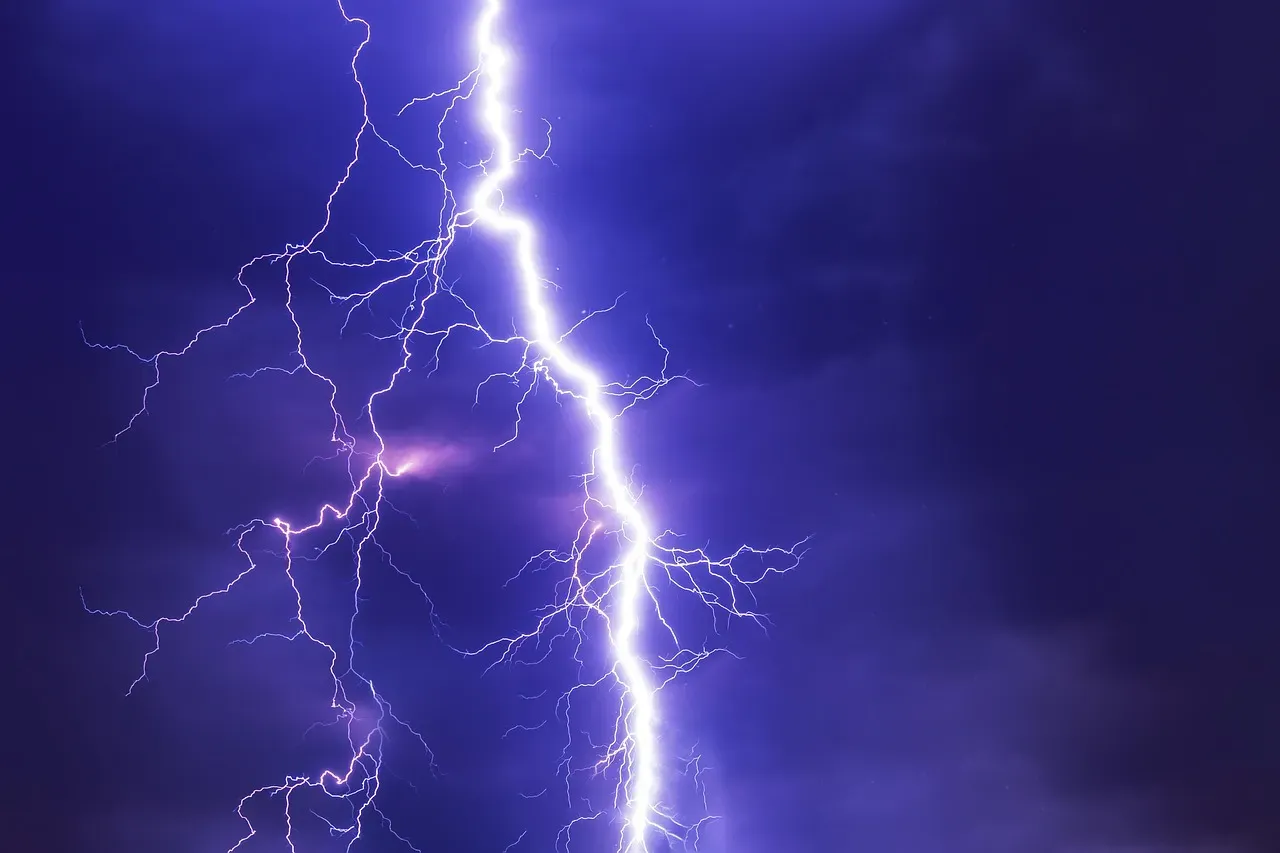
Few phrases are repeated more confidently during a thunderstorm than this one, yet it is one of the most thoroughly debunked statements in popular weather knowledge. In reality, lightning can and will strike the same place twice, whether it be during the same storm or even centuries later. When we see a lightning strike, we’re witnessing the discharge of electricity that has built up in a cloud, which is so strong that it breaks through the ionized air. The physics of how lightning travels don’t suddenly reset after a single strike.
Lightning is electricity. It follows the path of least resistance. If a building, tree, or mountain peak offers a direct route to the ground, lightning will strike it again and again. The Empire State Building is perhaps the most cited example. Lightning often strikes the same place repeatedly, especially if it’s a tall, pointy, isolated object. The Empire State Building was once used as a lightning laboratory because it is hit nearly 25 times per year, and has been known to be hit up to a dozen times during a single storm. That’s not bad luck; that’s physics doing exactly what it’s designed to do.
#2: “Heat Lightning” Is a Unique Weather Phenomenon
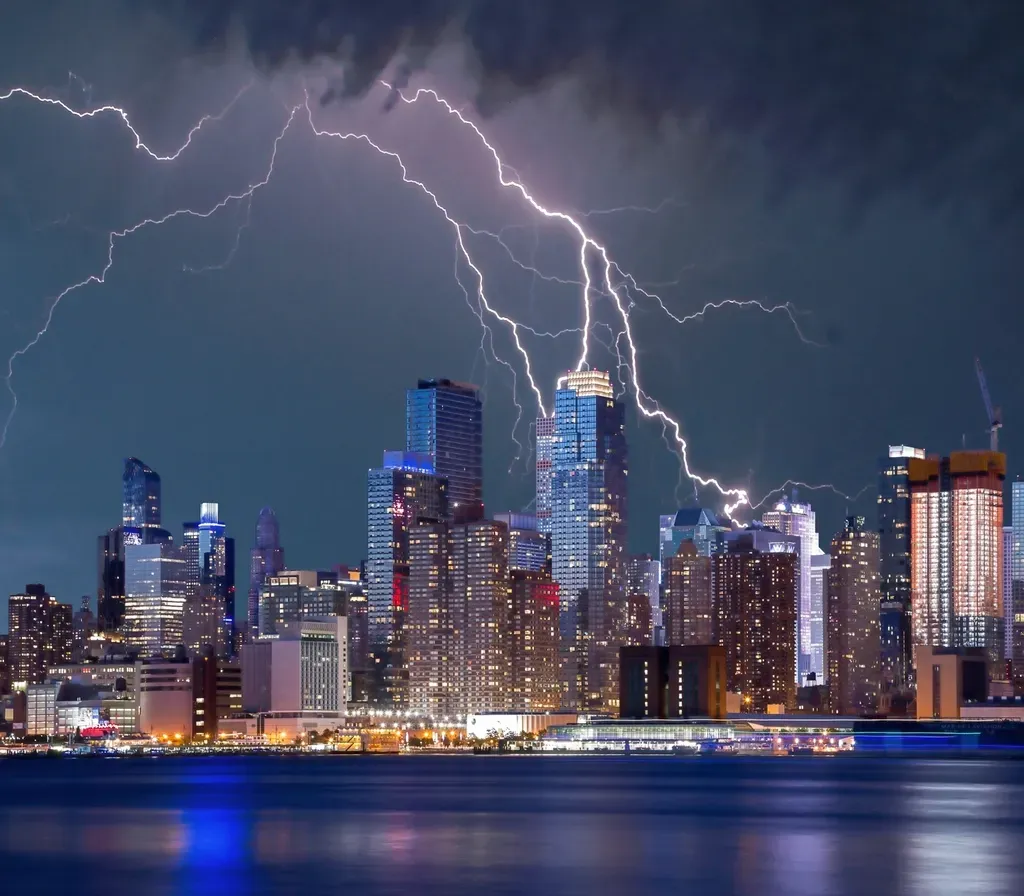
On a warm summer evening, you might look toward the horizon and see flashes of light rippling through a clear sky with no thunder in earshot. Many people call this “heat lightning” and assume it’s some distinct weather event generated by warm temperatures alone. “Heat lightning” is actually just regular lightning from a thunderstorm that’s too far away to hear the thunder. Since light travels significantly faster than sound, you can sometimes see the bright flashes in the distance without hearing the thundering booms.
When most people think about the term “heat lightning,” they think that high temperatures and dry air can lead to spontaneous lightning. While heat alone cannot cause this, lightning can travel over 5 miles from the storm it originated from. This means that while there may be blue skies overhead, there is still a chance that lightning may jump from a nearby storm cell to an area barren of clouds. Those silent flashes are not harmless atmospheric decorations. They are a real storm system, just positioned far enough away that the sound doesn’t carry. The storm is still there, still active, and still capable of producing dangerous conditions.
#3: Opening Your Windows During a Tornado Will Protect Your Home
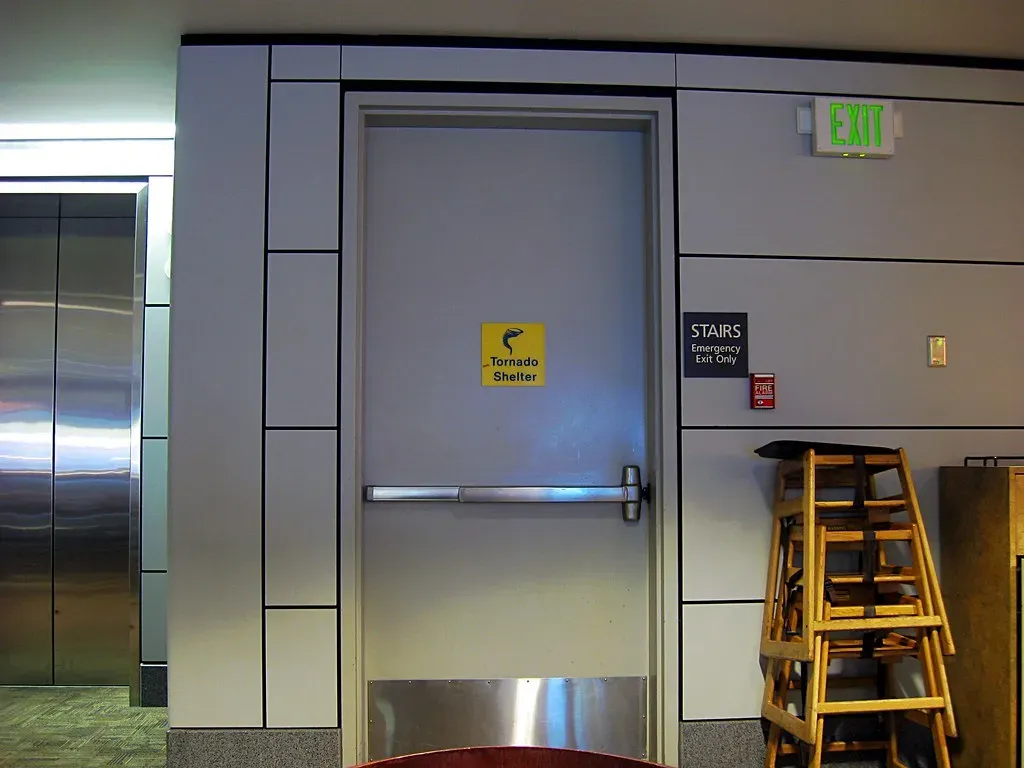
This myth has genuinely cost lives. The idea is that a tornado creates such a drastic pressure difference that your house will “explode” from the inside out unless you open windows to equalize that pressure. It sounds logical, but it’s wrong. The idea suggests that opening windows during a tornado will prevent your house from “exploding” due to pressure differences. In reality, the pressure drop inside a tornado isn’t nearly as dramatic as once believed. According to the National Weather Service, opening windows actually wastes precious seconds that should be spent seeking shelter. The real damage comes from flying debris and powerful winds, not pressure differences.
Homes are damaged and destroyed by the extremely strong winds in a tornado, not pressure. If a tornado is approaching, you should seek shelter immediately. Taking the time to open all of your windows will put you in danger and will not protect your home from forceful winds. Every second spent fumbling with window latches is a second not spent getting to an interior room, a basement, or a bathtub. Current advice is that opening windows in advance of a tornado wastes time that could be spent seeking shelter. Also, being near windows is very dangerous during a severe weather event, possibly exposing people to flying glass.
#4: Highway Overpasses Are Safe Tornado Shelters
This particular myth gained traction after a widely circulated 1991 news report showed people apparently surviving a tornado by sheltering under a highway overpass. The footage spread quickly, and a dangerous idea was born. Meteorologists insist that overpasses are insufficient shelter from tornado winds and debris, and may be among the worst places to take refuge during a violent tornado. The embankment under an overpass is higher than the surrounding terrain, and the wind speed increases with height. Additionally, the overpass design may create a wind tunnel effect under the span, further increasing the wind speed.
Research shows that overpasses actually create a wind tunnel effect, accelerating tornado winds significantly. The concrete structure offers no protection from flying debris, and the confined space can trap multiple people with no escape route. The consequences have been documented and are serious. During the F5 tornado that struck the Oklahoma City Metro on May 3rd, 1999, there were multiple fatalities resulting from people seeking shelter under highway overpasses. The safest option during a tornado is always a low-level interior room, a basement, or, if caught completely in the open, a flat ditch with your head covered.
#5: Tornadoes and Hurricanes Spin the Way They Do Because of the Coriolis Effect on Toilets
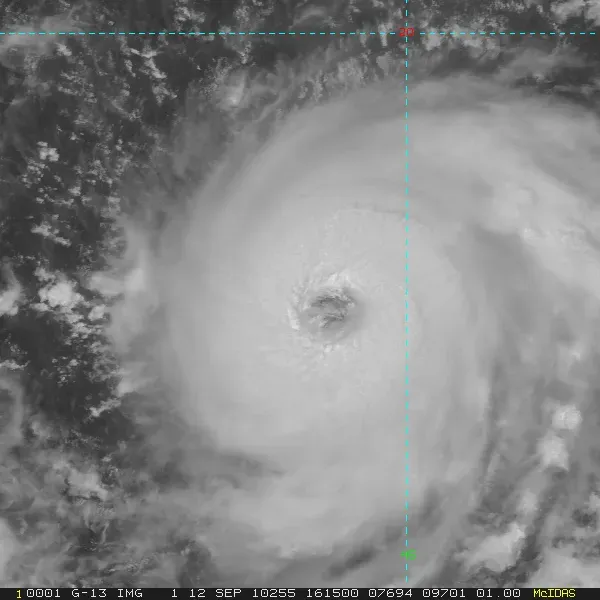
This one deserves to be split in two, because it bundles a real scientific fact with a stubborn fiction. The Coriolis effect is very real, and it absolutely does influence large-scale weather systems. The Coriolis Effect is the deflection of an object due to the rotation of the Earth. However, the Coriolis force does not affect an object’s trajectory unless it is traveling quite a long distance, such as hundreds of miles. Hurricanes and other low pressure systems are large enough and travel far enough to be affected: hurricanes of the Northern Hemisphere rotate counterclockwise, whereas they rotate clockwise in the Southern Hemisphere.
The toilet myth, though, is a different story entirely. Many people believe that water drains in opposite directions depending on which hemisphere you’re in. Toilet flushes spin one way or the other based on the design of the toilet, nothing more. A toilet is simply too small for the subtle Coriolis effect to come into play. The Coriolis effect does not impact toilet water because of the minuscule mass of the water. The Coriolis effect on its own is a very weak force and only comes into play when dealing with large entities such as hurricanes and cyclones. Therefore, the Coriolis effect definitely does not have any correlation with toilet water flushing in different directions in different hemispheres. The Coriolis effect is real and important. Toilets, however, simply don’t care about it.
#6: Tornadoes and Lightning Are the Deadliest Weather Events

When people picture deadly weather, they tend to picture something dramatic: a twisting funnel cloud, a lightning strike, a crashing wave. The image of danger is vivid and visceral. The reality is quieter and far more alarming. Extreme heat is the number-one weather-related cause of death in the U.S., and it kills more people most years than hurricanes, floods and tornadoes combined. There are no dramatic visuals, no sirens, no spectacular footage. Heat simply overwhelms the body’s ability to regulate its own temperature, and people die without anyone nearby even noticing.
Research shows that compared with their thinking about dramatic events such as storm surges and wildfires, people tend to feel more uncertain about what to do under the threat of extreme heat and don’t perceive as much personal risk. This mismatch between the reality of the danger and the actions people take to protect themselves extends beyond individual perception to the policy level. Heat risks to human health are not often prioritized in climate mitigation and adaptation plans. The disconnect between the perception of danger and its actual scale is one of the most consequential gaps in public weather literacy. While certainly less dramatic, heat waves cause nearly twice as many fatalities as tornadoes each year in the US, more than any other extreme event. Spectacle is not the same as threat level, and treating them as equivalent could be a fatal mistake.
Conclusion: What We Think We Know Can Be the Most Dangerous Thing
These six myths share a common thread: they feel intuitive. Opening windows sounds sensible. Sheltering under a bridge sounds practical. Heat lightning sounds harmless. Lightning not striking twice sounds statistically reassuring. The problem with weather, and with nature in general, is that it operates on physics, not common sense.
Weather superstitions and myths have been passed down through generations, often rooted in cultural beliefs and observations of natural phenomena. While these beliefs may have historical and cultural significance, they do not align with modern scientific understanding. Meteorology, as a science, provides us with a more accurate and evidence-based approach to understanding and predicting weather patterns.
What concerns me most is not that these myths exist, but that they persist even when better information is readily available. In an era where the weather forecast is a thumb-tap away, there’s genuinely no excuse for making life-or-death shelter decisions based on a film from the 1990s or a phrase passed down from a great-grandmother. Weather is indifferent to what we believe. It will behave exactly as it intends to, regardless of our assumptions. The only sensible response is to get the facts right, and act accordingly.
