

You love your pet. You’d do anything for them. You’ve probably spent hours Googling their behavior, scrolling through forums at midnight, seeking answers to the smallest questions. Here’s the thing though: a lot of what you’ve been told is complete nonsense.
Honestly, I get it. Pet care advice gets passed down like old recipes, from your neighbor’s cousin who swears by it to that viral TikTok video with millions of views. The problem? Much of this so-called wisdom is outdated folklore dressed up as fact. Some of it is harmless. Some of it could actually hurt your furry friend.
Let’s be real, separating truth from fiction in pet care feels impossible sometimes. There’s just so much noise out there. So let’s dive in and clear up six of the most persistent myths that veterinarians wish would just disappear already.
A Warm, Dry Nose Means Your Pet Is Sick

We’ve all heard this one before. Your dog’s nose feels a bit warm, maybe a little dry, and panic sets in. You start wondering if you need to rush them to the emergency vet. Take a breath.
The temperature and moisture level of your pet’s nose fluctuates throughout the day and can be impacted by genetics, environment, activity level, and more. There’s no direct correlation between nose temperature/moisture and illness. Think of it this way: your nose temperature changes throughout the day too, doesn’t it? It doesn’t mean you’re sick.
A warm nose simply means your pet has a warm nose. Nose temperature is a reflection of the surrounding environment (such as room temperature and humidity) more than a measurement of health. If your pet is acting totally normal otherwise, eating well, playing, and being their usual self, there’s likely nothing to worry about. Now, if they’re lethargic, not eating, or showing other genuine symptoms, that’s different.
Cats Always Land on Their Feet

This myth drives veterinarians absolutely crazy. Sure, cats are incredibly agile creatures with an impressive ability to twist mid-air. Cats do have an impressive righting reflex (ability to orient ‘up’), but they can still be seriously injured, or worse, from falls.
The reality is far less magical than the myth suggests. More often than not, cats will land on their feet when they fall from a reasonable height due to their incredible instinctive ‘righting reflex’. But, this is not always the case. Even if they do land on their feet, they can still get seriously injured as their body may not be able to absorb the shock of the fall.
Falls from high places can cause broken bones, internal injuries, and respiratory problems. Veterinarians even have a term for this: Falls from heights – commonly known as “high-rise syndrome” – can result in serious injuries, including broken legs or trauma. So please, keep those windows secured and don’t assume your cat has magical landing powers.
Dogs Eat Grass Because They’re Sick

Ever catch your dog munching on grass like it’s a gourmet salad? Most people immediately assume their pup has an upset stomach. Not necessarily true.
Less than 25% of dogs vomit after eating grass, and only 10% show signs of illness before eating grass. So, chances are, in most cases, the two behaviors are unrelated. Dogs eat grass just to eat grass, get roughage, and be dogs. Some dogs simply enjoy the taste and texture. Others might be seeking extra fiber or nutrients missing from their diet.
It’s hard to say for sure, but unless your dog is constantly eating grass and then vomiting or showing other signs of distress, it’s probably just normal dog behavior. Dogs are weird sometimes. They just are.
A Dog’s Mouth Is Cleaner Than a Human’s

Let’s tackle this gem. People have believed this for ages, maybe because dog saliva was thought to have healing properties. Spoiler alert: it doesn’t.
Dogs’ mouths can be full of bacteria, which can spread to the humans they love to lick. Think about what your dog does with their mouth during the day. They lick all sorts of things you probably don’t want to think about. When pets lick their wounds, they deposit all of the bacteria living in their mouth directly into the sore, setting the stage for infection. Plus, the rough barbs on the tongue inflame and irritate the tissue around the wound.
So while those doggy kisses are adorable, they’re definitely not sterile. It’s fine to let your dog show affection, just maybe discourage them from licking open wounds or your face right after they’ve been exploring the great outdoors.
Cats Only Purr When They’re Happy
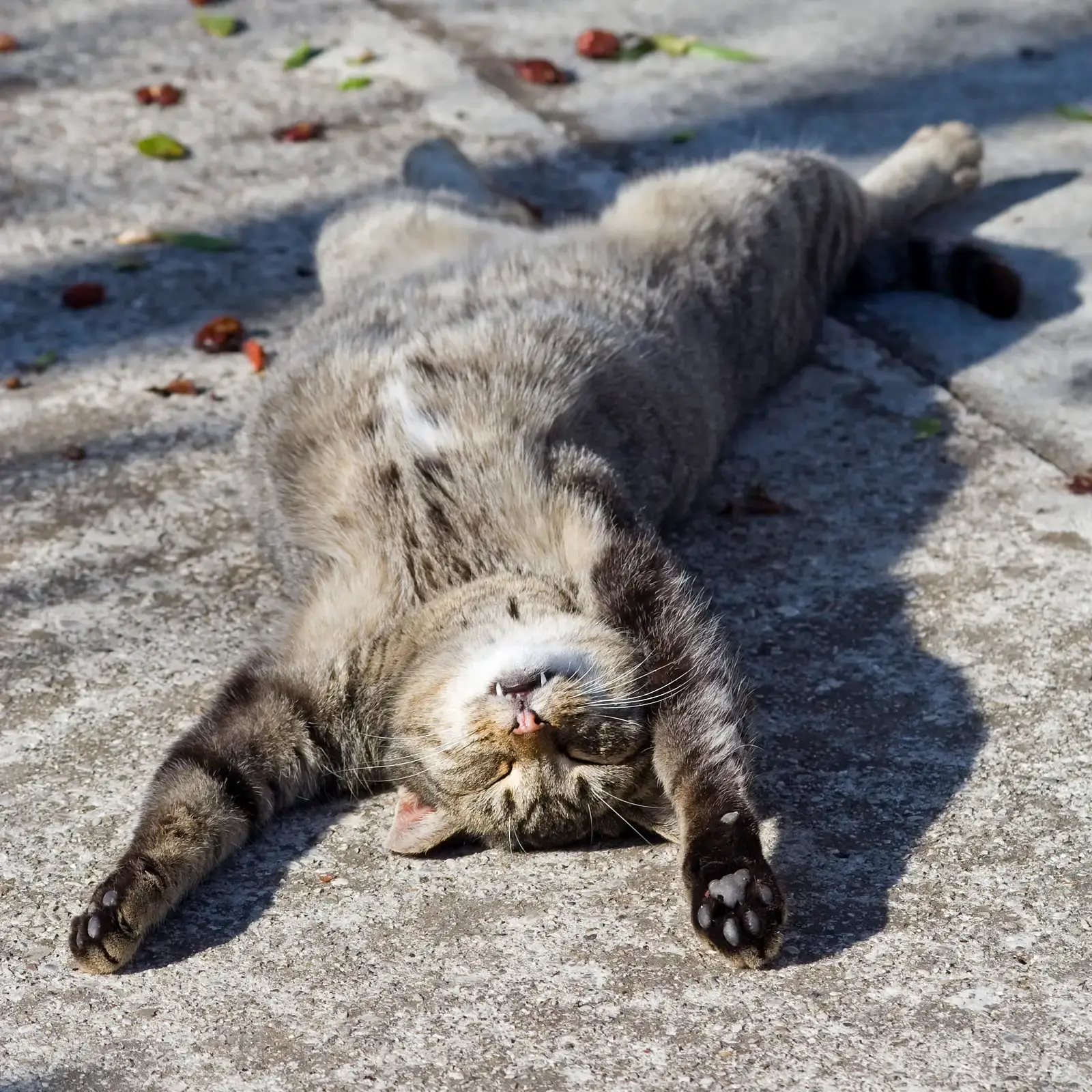
This one surprises a lot of people. That gentle rumbling sound seems like the ultimate sign of feline contentment, right? Well, yes and no.
While cats do purr when they’re relaxed and comfortable, they also purr to self-soothe when stressed, sick, or in pain. Cats are mysterious creatures like that. They might purr when they’re at the vet, when they’re frightened, or even when they’re seriously ill. Some researchers believe purring helps cats calm themselves during stressful situations, almost like a self-soothing mechanism.
Yes, cats purr when they are happy and content. However, cats also purr in times of fear, pain, or distress. So next time your cat is purring, look at the bigger picture. What’s their body language saying? Are they relaxed or tense? Context matters more than you’d think.
Indoor Pets Don’t Need Vaccinations or Vet Visits

I know it sounds crazy, but this myth is shockingly common. People figure their indoor cat or dog never goes outside, so why bother with vaccinations or regular checkups? This thinking is seriously flawed.
Even pets that live indoors can be exposed to diseases. Viruses and bacteria can be brought into the home on shoes, clothing, or other pets. Vaccinations are crucial for protecting your pet from common diseases and ensuring their long-term health. You could track something in from outside without even realizing it. Other pets could bring things in. Windows get left open.
The best way to prevent serious illness in your pet is to have regular veterinary visits so that problems can be noticed, identified, and corrected early. Not all problems can be prevented, but seeing your veterinarian at least once a year (twice a year if your pet is over the age of 7), whether your pet is due for vaccines or not, will likely prevent a larger problem down the road. Prevention is always easier and cheaper than treatment.
Conclusion
Pet myths are everywhere, embedded in our collective consciousness like stubborn stains. Some are harmless quirks we repeat without thinking. Others can genuinely put our beloved companions at risk. The good news is that modern veterinary science has debunked most of these old wives’ tales, replacing them with evidence-based care that actually works.
Your pet relies on you to make informed decisions about their health and wellbeing. That means questioning the advice you hear, even when it comes from well-meaning friends or viral social media posts. When in doubt, trust your vet over random internet strangers.
What other pet myths have you heard that seemed too bizarre to be true? Maybe it’s time we all stopped believing everything we read online and started asking better questions.
