
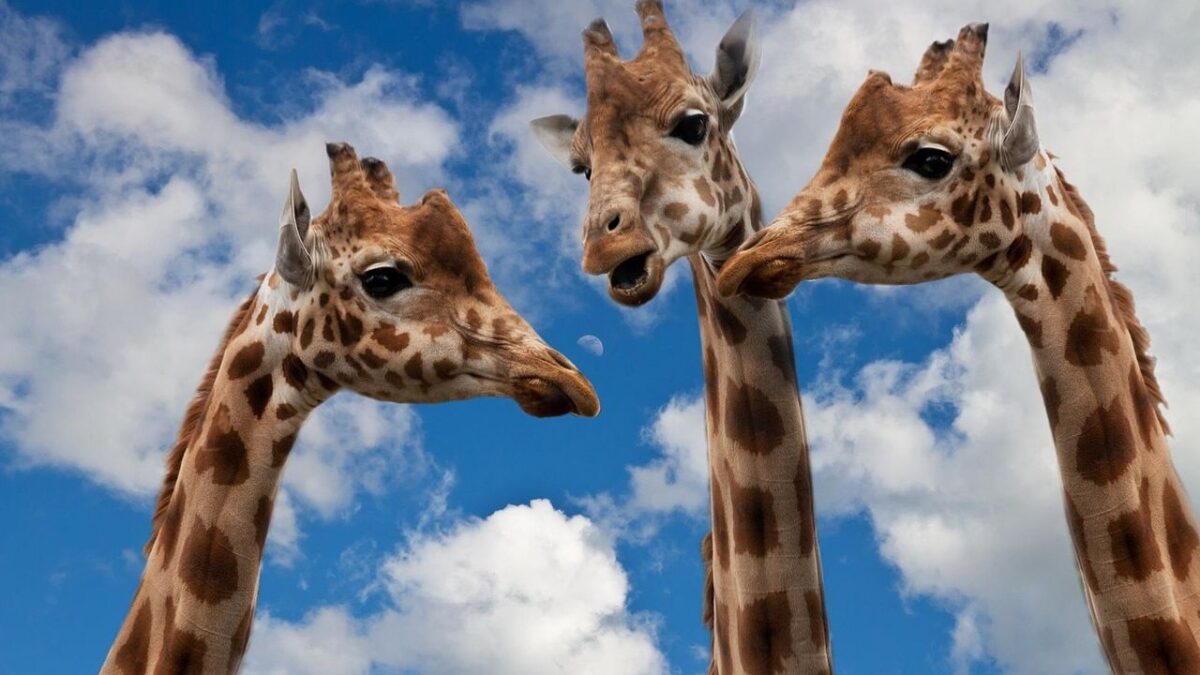
There’s something almost mythical about giraffes. When you see one at the zoo or in photographs, you might think you know everything there is to know about these lanky creatures. They’re tall, they eat leaves, and they have those adorable spots. Simple, right?
Not even close. The more researchers dig into the life of giraffes, the more bizarre and astonishing details emerge. These animals are walking contradictions of engineering, biology, and social dynamics. Some of their adaptations sound more like science fiction than reality. So let’s dive in and uncover what makes these gentle giants so remarkable.
Their Cardiovascular System Is an Engineering Marvel

A giraffe’s heart has a powerfully muscular left ventricle to pump blood against gravity to its head, and maintaining sufficient blood flow to the brain requires high blood pressure. We’re talking about pressures that would cause serious damage in most mammals.
The giraffe heart can weigh approximately 11kg, making it the biggest of any land mammal, and it can pump 60 litres of blood around its body every minute at a blood pressure twice that of an average human. Think about that for a second. The sheer power required to push blood all the way up that impossibly long neck is staggering.
Here’s where it gets even wilder. To protect the giraffe’s brain from sudden changes in blood pressure while drinking, its jugular veins have elastic walls and large one-way valves that allow the veins to expand significantly and prevent blood from flowing back to the brain when the giraffe’s head is lowered. Without this system, a giraffe would black out every time it bent down for a sip of water. The skin on their legs is so tight that it acts like giant compression socks, helping to fight gravity and return blood to the heart, and these unique features have inspired scientists at NASA in designing human space suits.
They Sleep Less Than Almost Any Mammal
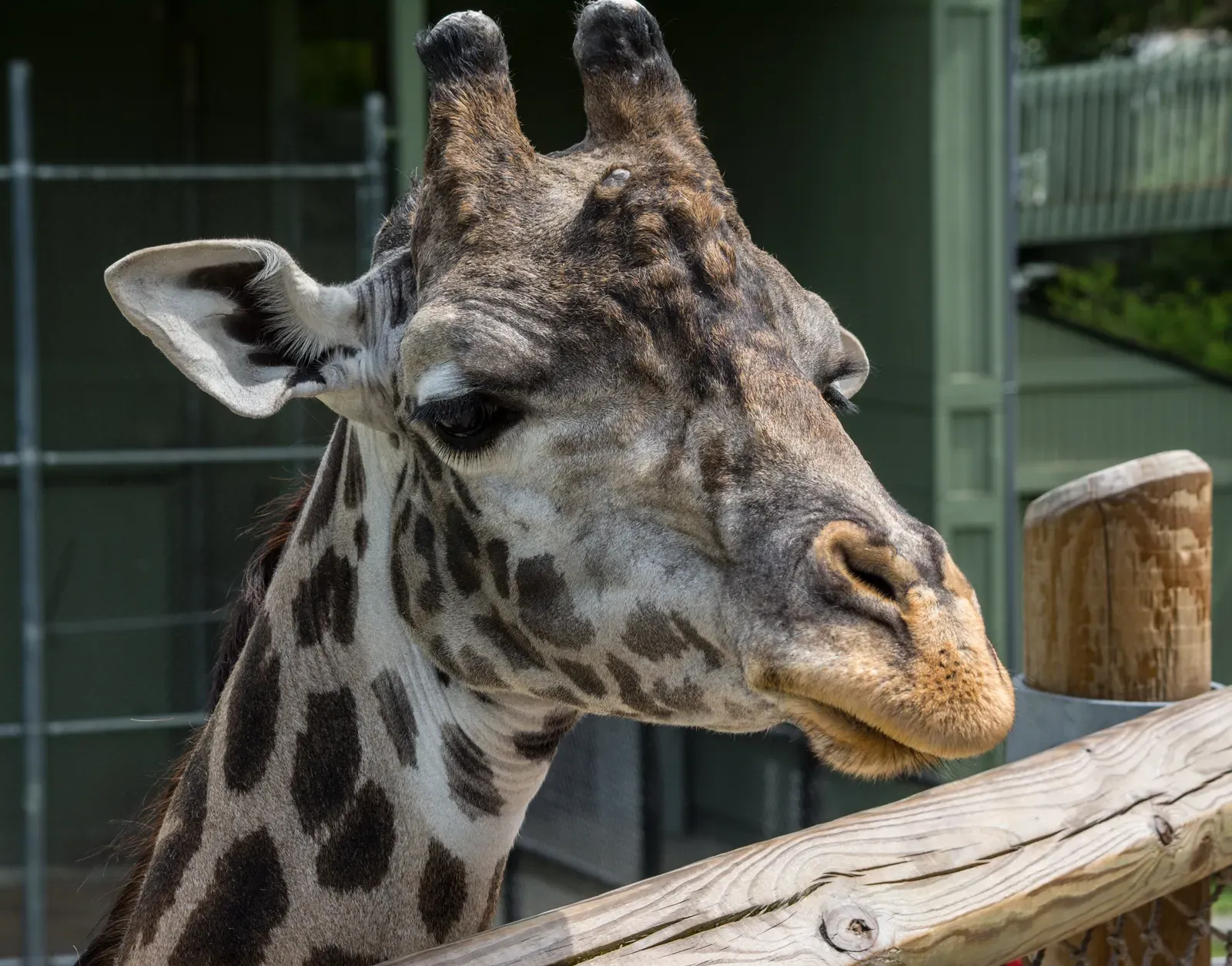
If you think you’re sleep deprived, meet the giraffe. Giraffes get by on only 30 minutes of sleep (or less) a day. Not hours. Minutes. Let that sink in.
Genetic variants in genes that regulate sleep patterns could explain why giraffes only sleep 40 minutes per day and about three to five minutes at a time. Honestly, it’s hard to imagine functioning on such minimal rest. Most of us can barely survive a bad night’s sleep.
Why such extreme sleep deprivation? Part of it comes down to vulnerability. Giraffes usually sleep standing up, which helps them quickly escape from predators if needed, and they rarely lie down. When you’re that tall and live in a landscape filled with lions and hyenas, every moment of deep sleep is a gamble.
They Almost Never Drink Water
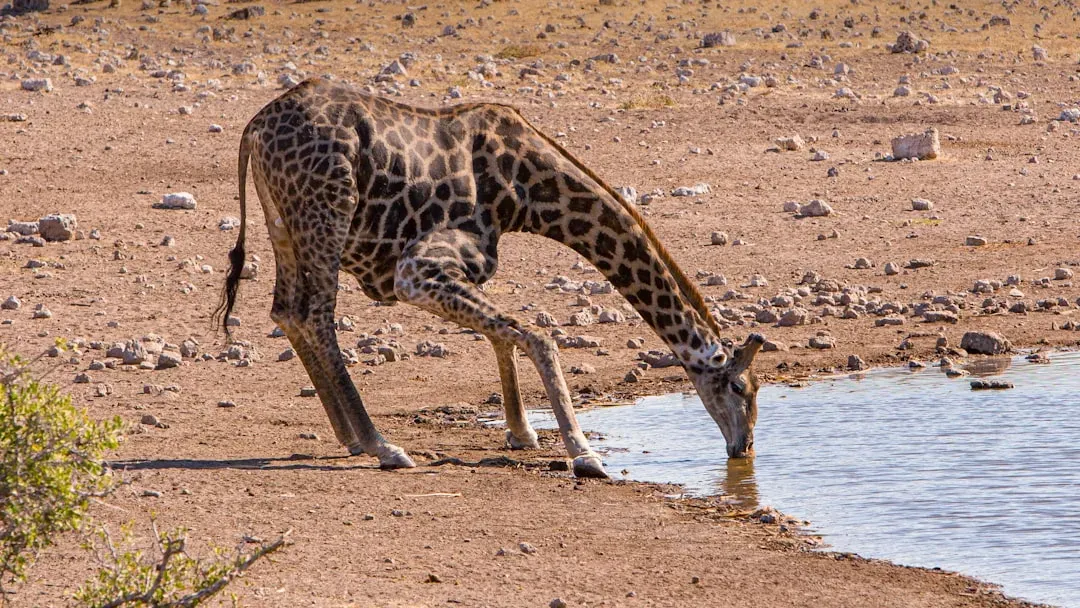
This one always surprises people. Giraffes surprisingly drink only once every few days, even when water is readily available, and evidence suggests that many giraffes do not drink regularly, and sometimes not at all.
Most of their hydration comes from the leaves they eat. The plants they munch on contain enough moisture to keep them going for days. I think it’s a brilliant adaptation when you consider the alternative.
Their necks are too short to reach the ground, so they must splay their forelegs and/or bend their knees to lower their necks to the water’s surface. It’s an awkward, vulnerable position that puts them at risk. Adult giraffes must still be careful of lions when they are bending down to drink water or rest, and usually giraffes will drink or rest in shifts so that at least one giraffe is always on the lookout for approaching predators. By minimizing trips to the watering hole, they’re essentially avoiding one of the most dangerous situations they face.
They Have Better Vision Than Any Other Hoofed Mammal
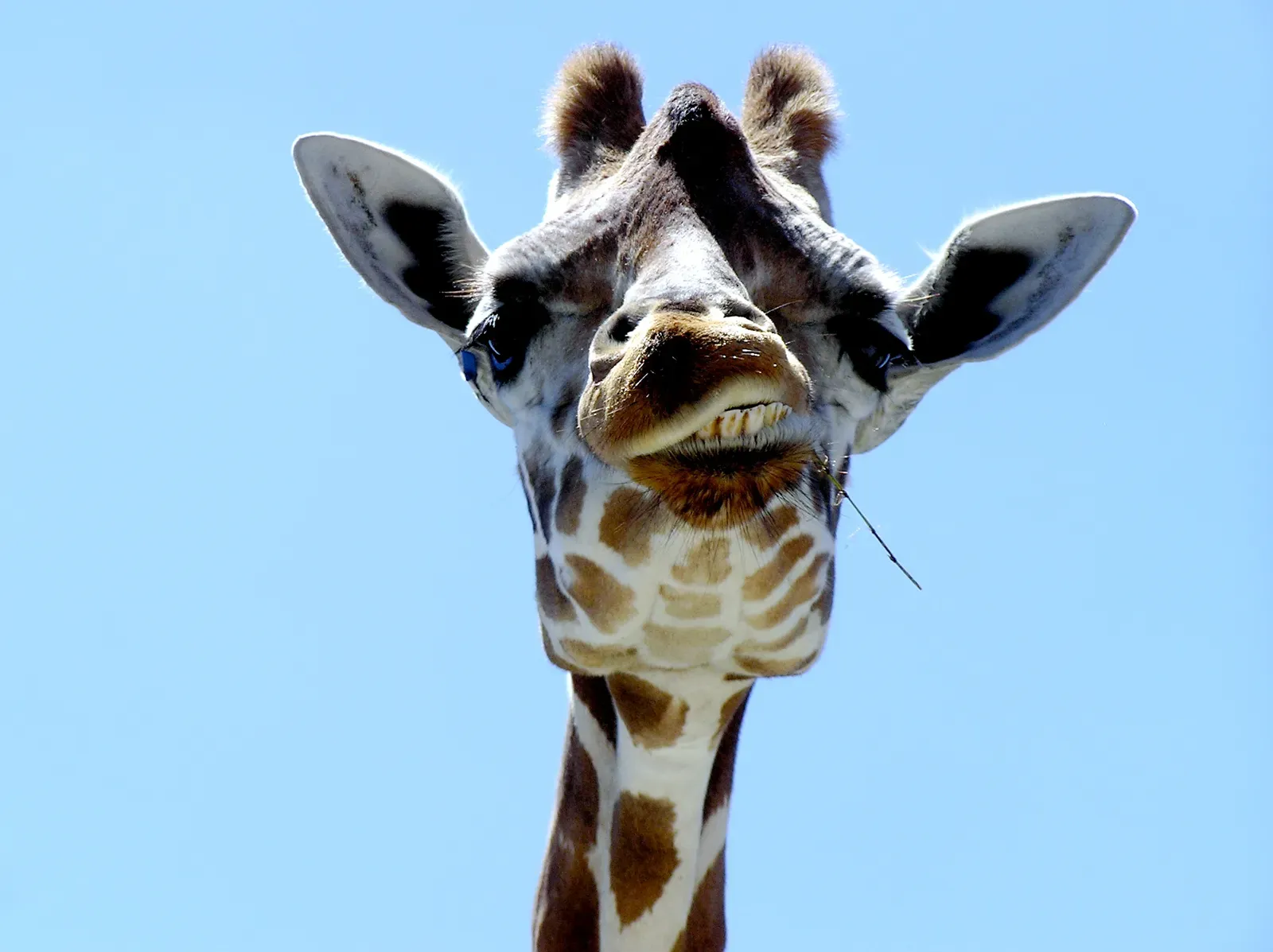
Giraffes have the best vision of all hoofed mammals, which with their height allows them to scan the horizon more effectively than other animals. Their eyes aren’t just big and beautiful. They’re precision instruments.
What’s really fascinating is the trade off they made. The giraffe lost at least 53 olfactory genes compared with the okapi, so it traded its sense of smell for improved eyesight, a definite benefit for their height. They literally evolved away a sense they didn’t need in favor of one they desperately did.
As inhabitants of open savannah environments, giraffes rely on sight to find food, mates, escape predators, and form social relationships, and other species rely on the visual capabilities of giraffes for predator detection, with smaller ungulates such as zebras relying on giraffes for spotting large carnivores at a distance and using giraffe snorts as run-away signals. They’re basically the neighborhood watch for the entire savanna.
They Communicate in Frequencies We Can’t Hear
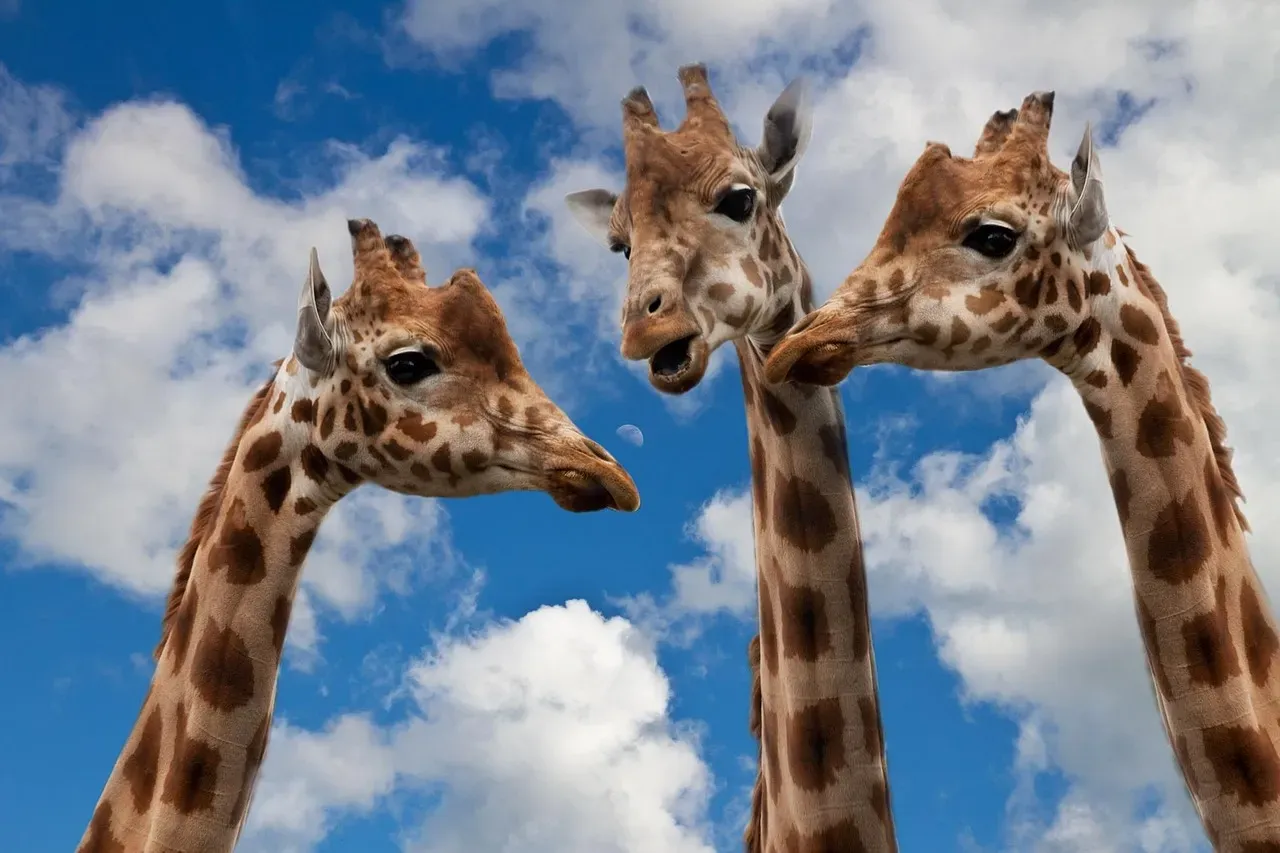
For years, people thought giraffes were silent. Turns out, we just weren’t listening properly. Infrasonic communication means that giraffes talk to one another with sounds that are extremely low pitched, with frequencies so low that the human ear cannot hear them, though scientists have recently been able to record giraffes with special recording equipment and listen to these sounds with computers.
Giraffes communicate via a range of different noises, including snorts, sneezes, coughs, snores, hisses, bursts, moans, grunts, growls, and flute-like sounds. They do make audible sounds sometimes, especially during mating season or when mothers call to their calves.
One of the distinct features of infrasonic communication is that it can travel over longer distances than higher pitched sounds, and it is thought that animals may be able to communicate with other animals several miles away, which can become vital to warn of danger. The savanna is vast and open, so long-distance communication makes perfect sense. They’ve found a way to stay connected across distances that would leave other animals isolated.
Their Spots Are as Unique as Human Fingerprints
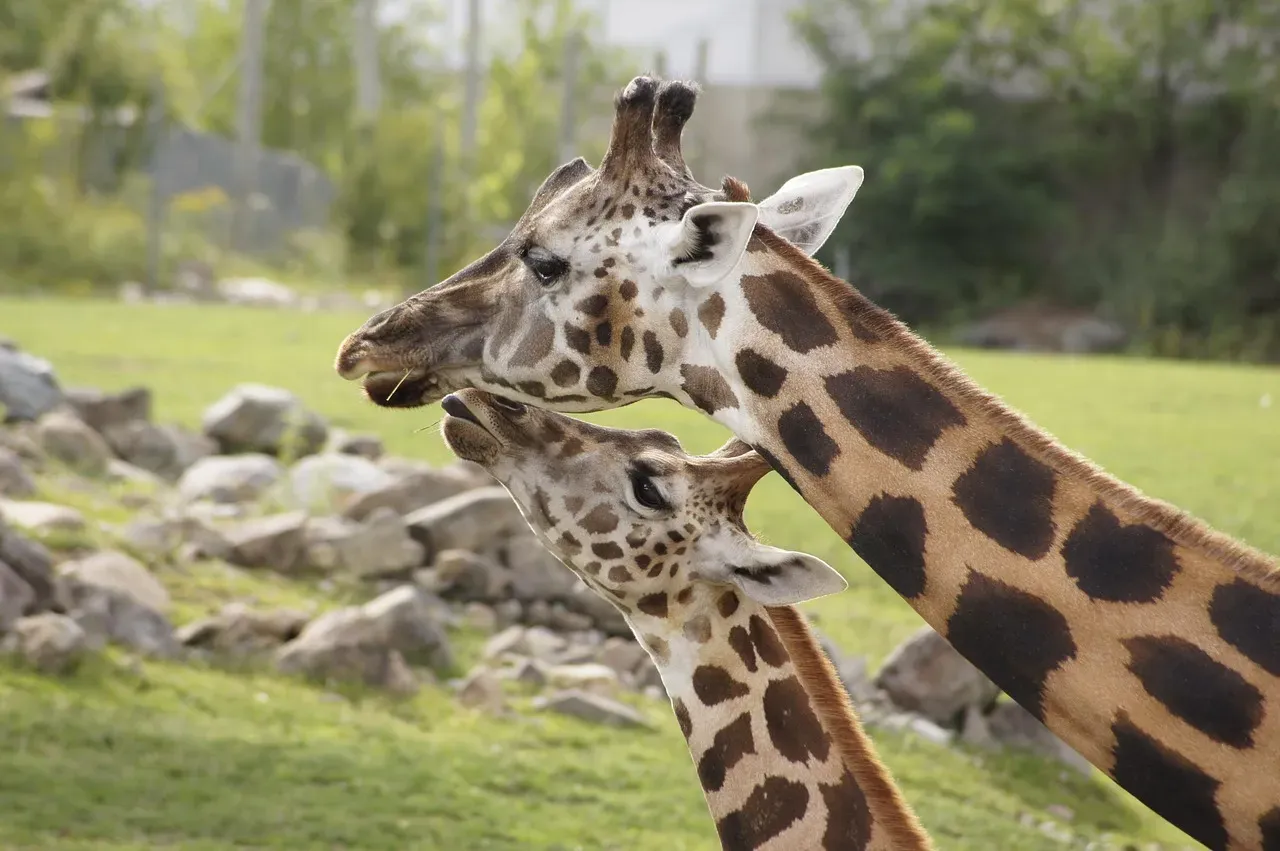
Every giraffe’s spot pattern is unique to them, their spots don’t change throughout their lives, and scientists have used giraffe’s spot patterns to identify individuals since the 1950s. No two giraffes look exactly alike.
The giraffe’s distinctive patches not only serve as camouflage but also function as a cooling system, with each patch containing a network of blood vessels. So those beautiful markings aren’t just for show. They’re functional radiators that help regulate body temperature in the intense African heat.
Each giraffe has a unique coat pattern, and calves inherit some coat pattern traits from their mothers, with variation in some spot traits correlated with calf survival. The patterns might actually influence whether a young giraffe makes it to adulthood. Researchers are still unraveling exactly how, though camouflage effectiveness likely plays a role.
Conclusion
Giraffes have quietly perfected survival in one of the planet’s harshest environments. From cardiovascular systems that would make engineers weep to communication channels we can’t even detect, these animals are far stranger and more sophisticated than most of us realize. They’re proof that evolution can create solutions we’d never dream up ourselves.
Next time you see a giraffe, take a moment to appreciate just how improbable they really are. What other secrets do you think they’re hiding? Let us know in the comments.
