
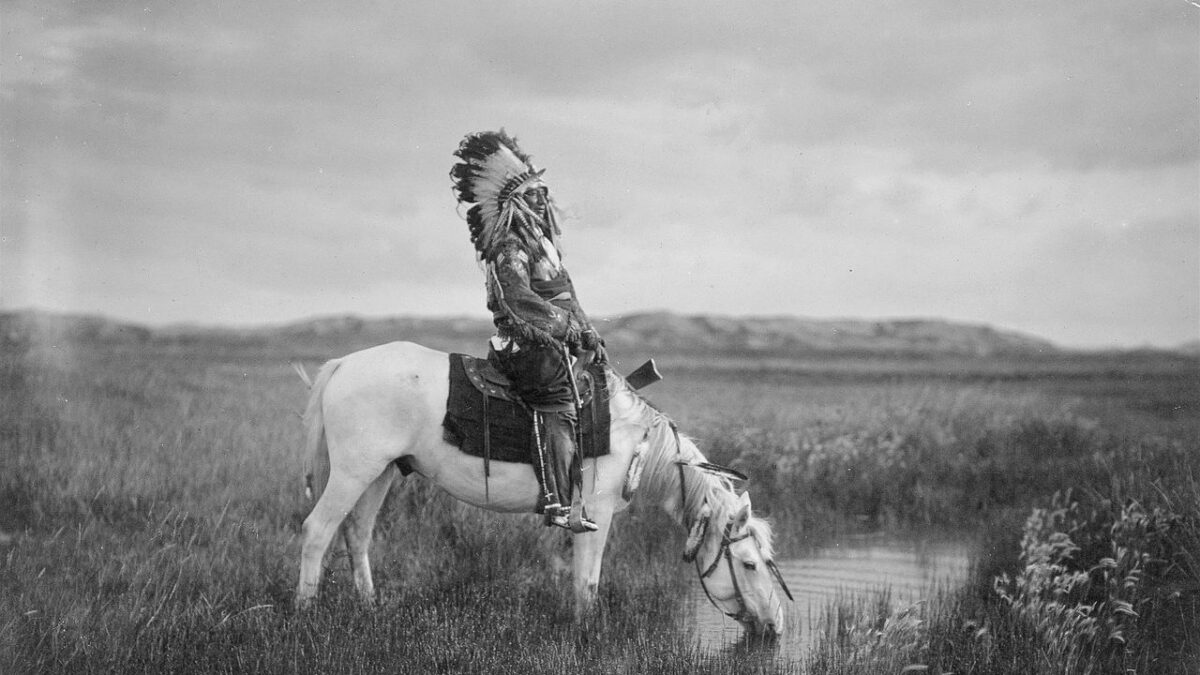
When most folks think about Native American tribes, they might recall history class stories or old westerns. The reality, though? These are thriving, complex communities that continue to shape modern America in profound ways. From sprawling reservations larger than some states to tens of thousands of enrolled members, the biggest tribes represent not just impressive numbers, but vibrant cultures that survived centuries of hardship.
What makes a tribe truly “large” anyway? Is it the sheer count of enrolled members, or maybe the vast territory under their sovereign control? Honestly, it’s both. Let’s be real, some tribes have massive enrollment numbers but scattered populations, while others command enormous land bases where traditions run deep. So let’s dive in and explore these six remarkable nations that stand among the largest in the country.
Cherokee Nation: The Enrollment Giant
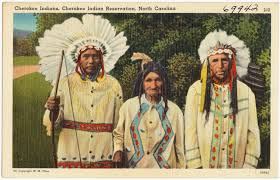
The Cherokee Nation holds the title as the largest tribe in the United States with more than 466,000 enrolled tribal citizens as of 2024. Their headquarters sits in Tahlequah, Oklahoma, but here’s the thing: Cherokee citizens live scattered across all 50 states. More than 141,000 Cherokee Nation citizens reside within the tribe’s reservation boundaries in northeastern Oklahoma, which means the majority actually live outside their ancestral territory.
The Cherokee Nation has a reservation spanning 14 counties in the northeastern corner of Oklahoma. Their growth story is remarkable when you consider the devastating Trail of Tears that forced their ancestors westward in the 1830s. Unlike some other tribes, blood quantum is not a factor in Cherokee Nation tribal citizenship eligibility, which partially explains their large enrollment numbers compared to tribes with stricter requirements.
Navajo Nation: The Land Powerhouse
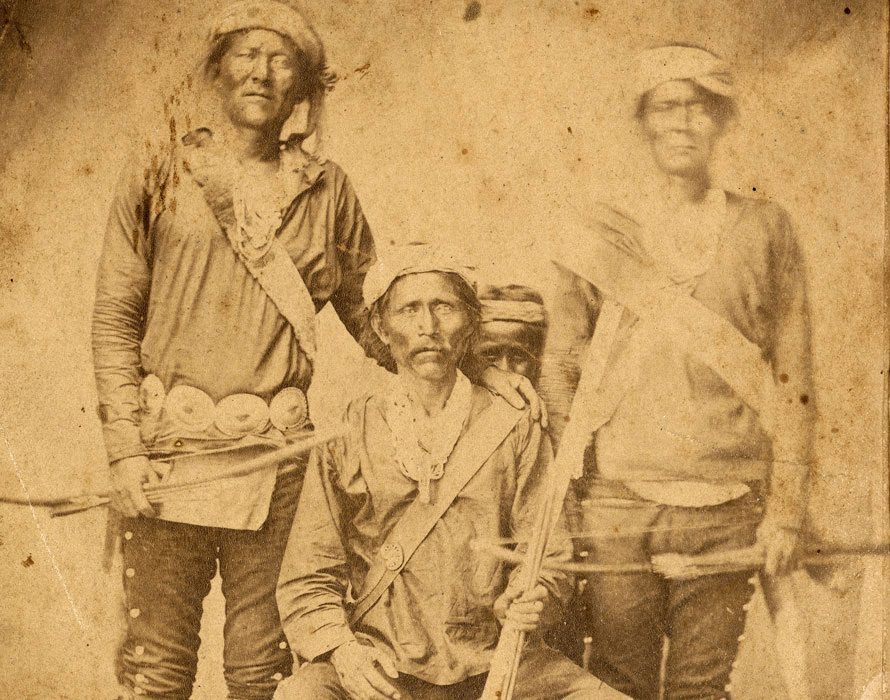
At roughly 17,544,500 acres, the Navajo Nation is the largest Indian reservation in the United States, and with more than 399,494 enrolled tribal citizens as of 2021, the Navajo Nation is the second largest federally recognized tribe in the United States. The sheer scale of their territory is mind-boggling. The reservation straddles the Four Corners region and covers more than 27,325 square miles of land in Arizona, Utah, and New Mexico.
What’s fascinating is that in 2010, the reservation was home to 173,667 out of 332,129 Navajo tribal members, with the remaining tribal members living outside the reservation, in urban areas, border towns, and elsewhere in the U.S. Their language even played a crucial role in World War II when Navajo Code Talkers used their native tongue to create an unbreakable military code. The Navajo continue preserving their heritage through language immersion schools and cultural programs that keep traditions alive for younger generations.
Choctaw Nation: Oklahoma’s Third Giant
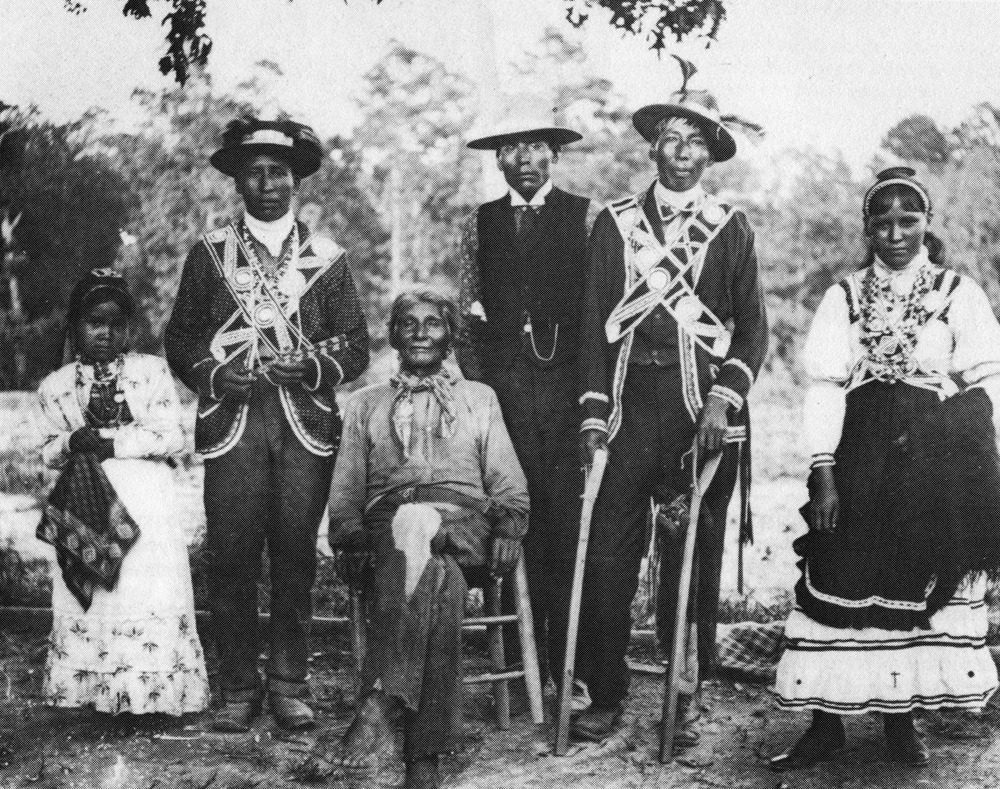
The Choctaw Nation of Oklahoma is the third-largest tribe in the United States with more than 225,000 tribal citizens. Their story began with forced removal from Mississippi in the 1830s, the first major tribe to walk the devastating Trail of Tears. Today, their jurisdiction covers significant territory. A total of 233,126 people live within these boundaries, with the Choctaw Nation’s reservation being the second-largest in area after the Navajo Nation, exceeding that of the seven smallest U.S. states at roughly 6,952,960 acres.
The Choctaw have become economic powerhouses through gaming operations, manufacturing, and various business ventures. Their tribal government, based in Durant, Oklahoma, provides extensive services to members including healthcare, education, and housing assistance. They’ve managed to preserve cultural elements like language classes while simultaneously building a modern, economically successful nation.
Chippewa/Ojibwe: The Scattered Nation
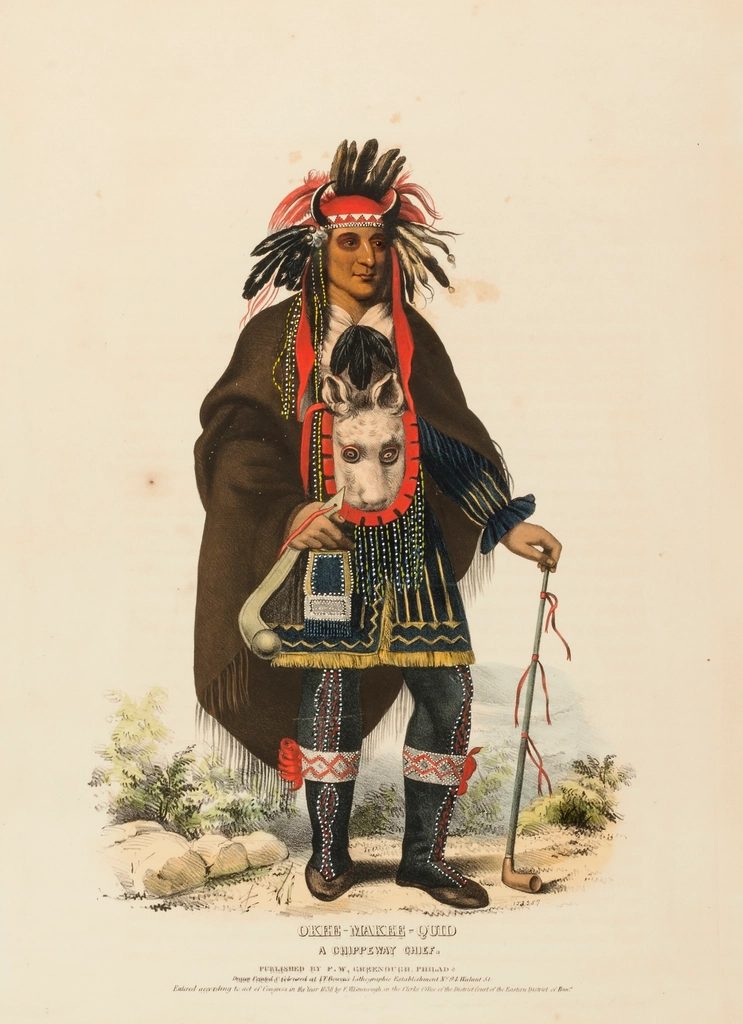
According to the 2020 Census, the Chippewa had 214,026 people identifying with the tribe. Here’s where it gets complicated, though. Unlike the Cherokee or Navajo, the Chippewa aren’t one unified political entity. Instead, they’re composed of numerous separate bands and tribes scattered primarily across the northern United States, from Michigan to Montana, with many also in Canada.
Different Chippewa bands maintain their own governments, reservations, and enrollment criteria. Some have casino operations that generate substantial revenue, while others struggle economically in remote locations. The Chippewa language remains spoken in many communities, though efforts to revitalize it among younger generations continue. Their traditional connection to the Great Lakes region influences their contemporary identity, with fishing rights and environmental stewardship remaining important tribal concerns.
Sioux Nations: The Great Plains Survivors
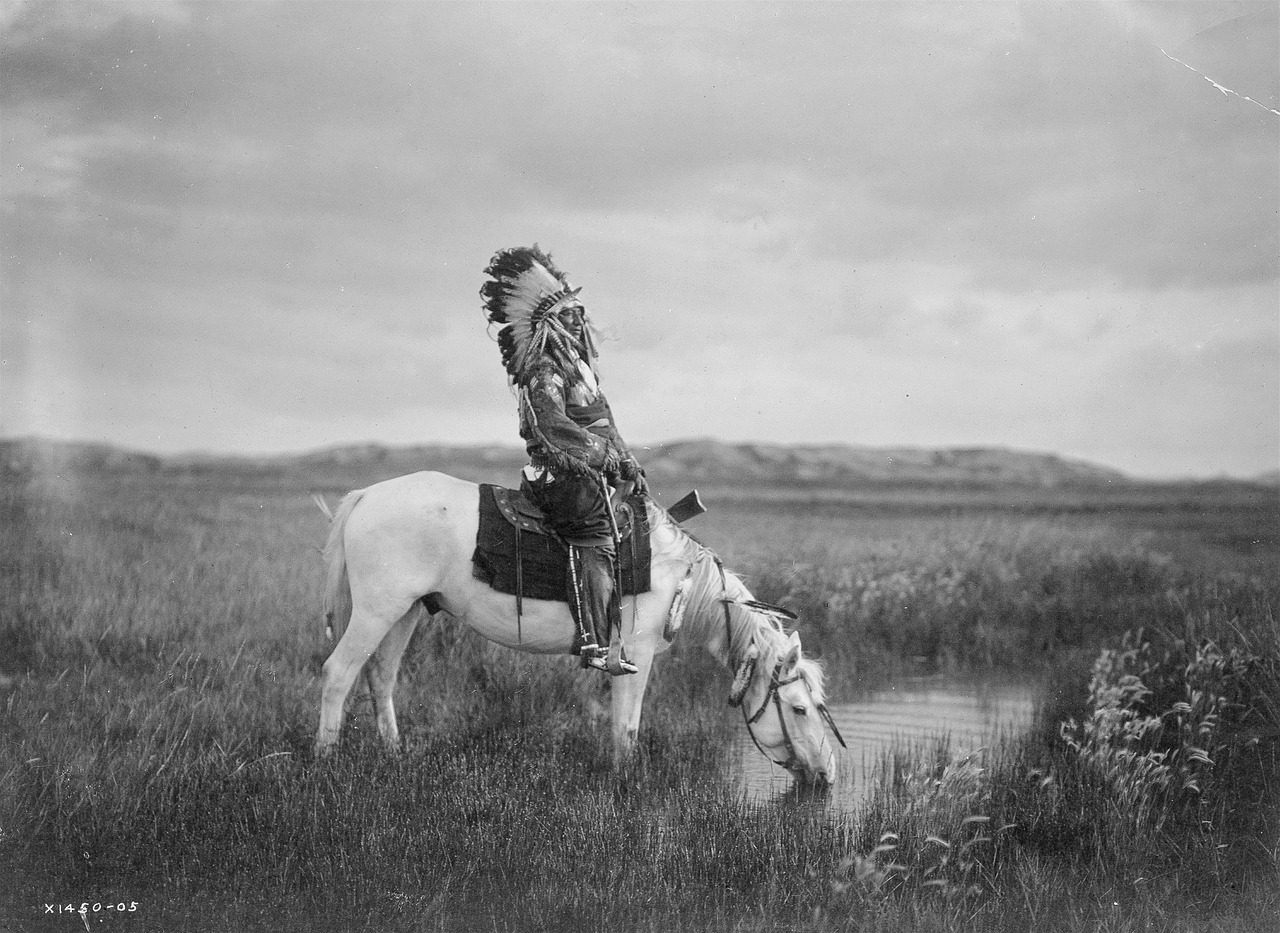
The Sioux had a population of 207,684 according to the census, though like the Chippewa, they’re actually multiple distinct nations. The term “Sioux” itself encompasses the Lakota, Dakota, and Nakota peoples, each with their own language dialects and cultural traditions. Major Sioux reservations dot the Dakotas, Montana, Nebraska, and Minnesota.
The Oglala Sioux on South Dakota’s Pine Ridge Reservation represent one of the largest concentrations. Life on some Sioux reservations remains challenging, with poverty rates and health disparities exceeding national averages. Yet Sioux communities continue fighting for sovereignty, treaty rights, and cultural preservation. Their resistance to the Dakota Access Pipeline showed how these nations still battle to protect ancestral lands and resources in the modern era.
Lumbee Tribe: The Eastern Exception
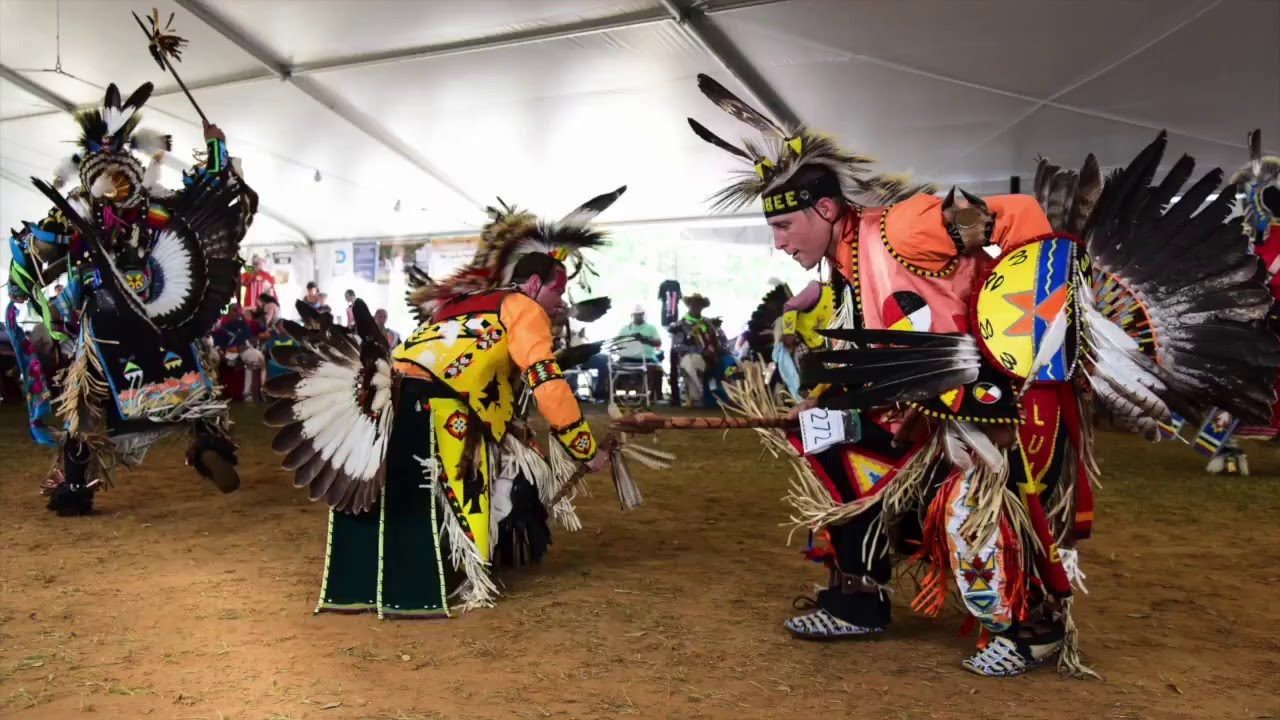
The more than 55,000 members of the Lumbee Tribe make it the largest tribe in North Carolina, the largest tribe east of the Mississippi River. Their situation is unique and honestly, kind of frustrating. In 1956, the U.S. Congress passed the Lumbee Act, which recognized the Lumbees as being American Indians but denied them the benefits of a federally recognized tribe.
The Lumbee Tribe members reside primarily in Robeson, Hoke, Cumberland and Scotland counties, with Pembroke serving as the economic, cultural and political center of the tribe. Despite lacking full federal recognition, they’ve built strong community institutions including tribal government structures, educational programs, and social services. The Lumbee have pursued federal recognition for decades, navigating complex bureaucratic and political obstacles that prevent them from accessing benefits available to fully recognized tribes.
Conclusion
These six tribes represent more than just impressive population statistics or vast territories. They’re living proof that Native American nations didn’t vanish into history books but adapted, survived, and continue thriving despite centuries of colonization, forced removal, and government policies designed to erase their cultures. From the Cherokee’s massive enrollment numbers to the Navajo’s sprawling reservation, from the Choctaw’s economic success to the Lumbee’s persistent fight for recognition, each tribe writes its own chapter in an ongoing story.
The diversity among these largest tribes also reminds us that there’s no single “Native American experience.” Each nation maintains distinct traditions, faces unique challenges, and charts its own path forward. What do you think is most surprising about these tribal nations today?
