
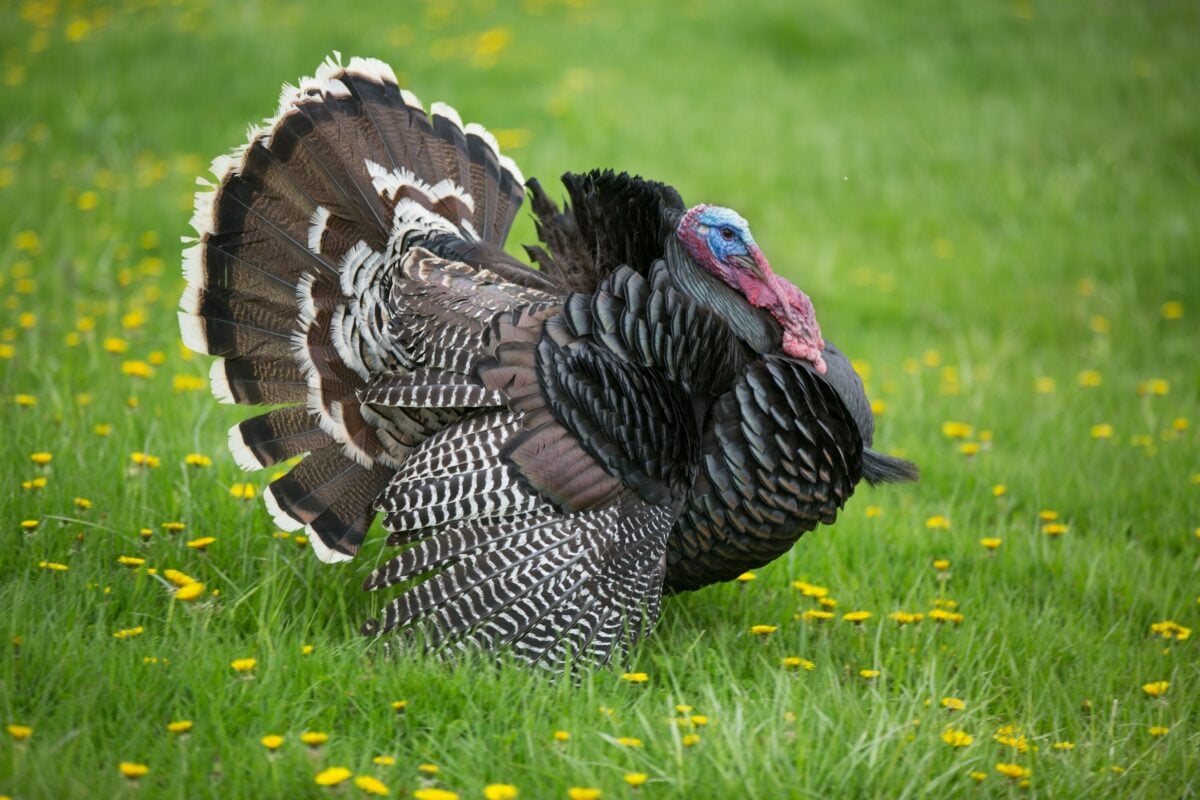


Picture a mail carrier on an ordinary route who suddenly has to decide whether to keep walking or retreat to the truck. The thing blocking the sidewalk isn’t a dog. It’s a bird roughly as tall as a second grader, and it looks like it has opinions about trespassing.
Wild turkeys were once rare across much of America. Now they’re regulars in cul-de-sacs, parking lots and front yards, and some of them have stopped acting like timid wildlife. Here are six states where recent reports show just how comfortable, and sometimes how pushy, these birds have become.
Massachusetts: The Boston Suburb Gangs
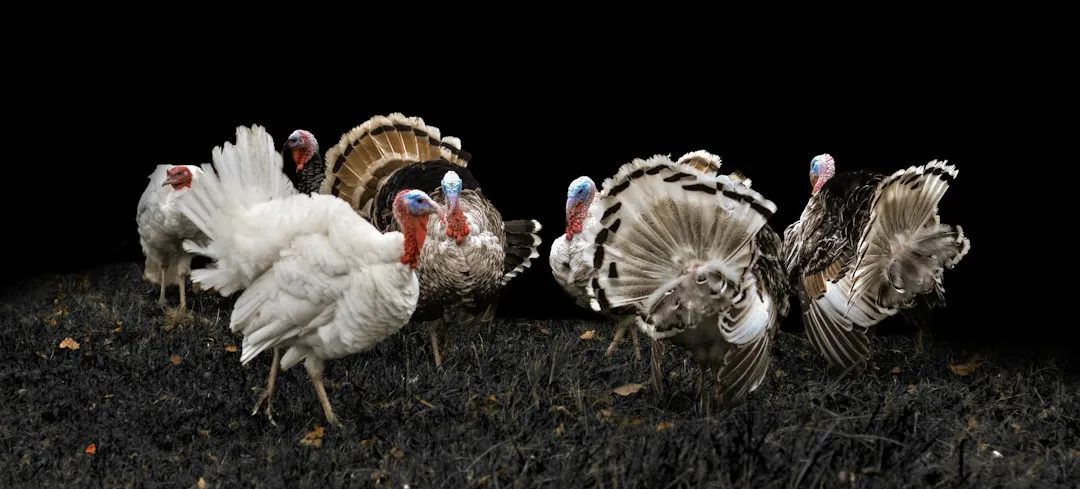
Massachusetts may be the best known example. Turkeys in Cambridge and nearby Boston suburbs are commonly called “the gang” because of their aggressive behavior and their habit of hanging around neighborhoods and stopping traffic. The nickname says plenty about how locals see them.
The stories can get serious. One account from Cambridge involved a postal carrier attacked by a group of adult gobblers, which ended in hip surgery. More recently, Brookline police issued a warning about turkeys that chased an officer into a building. Still, plenty of residents enjoy having them around, so opinions in town are split.
Wisconsin: Janesville’s Mail Route Standoff
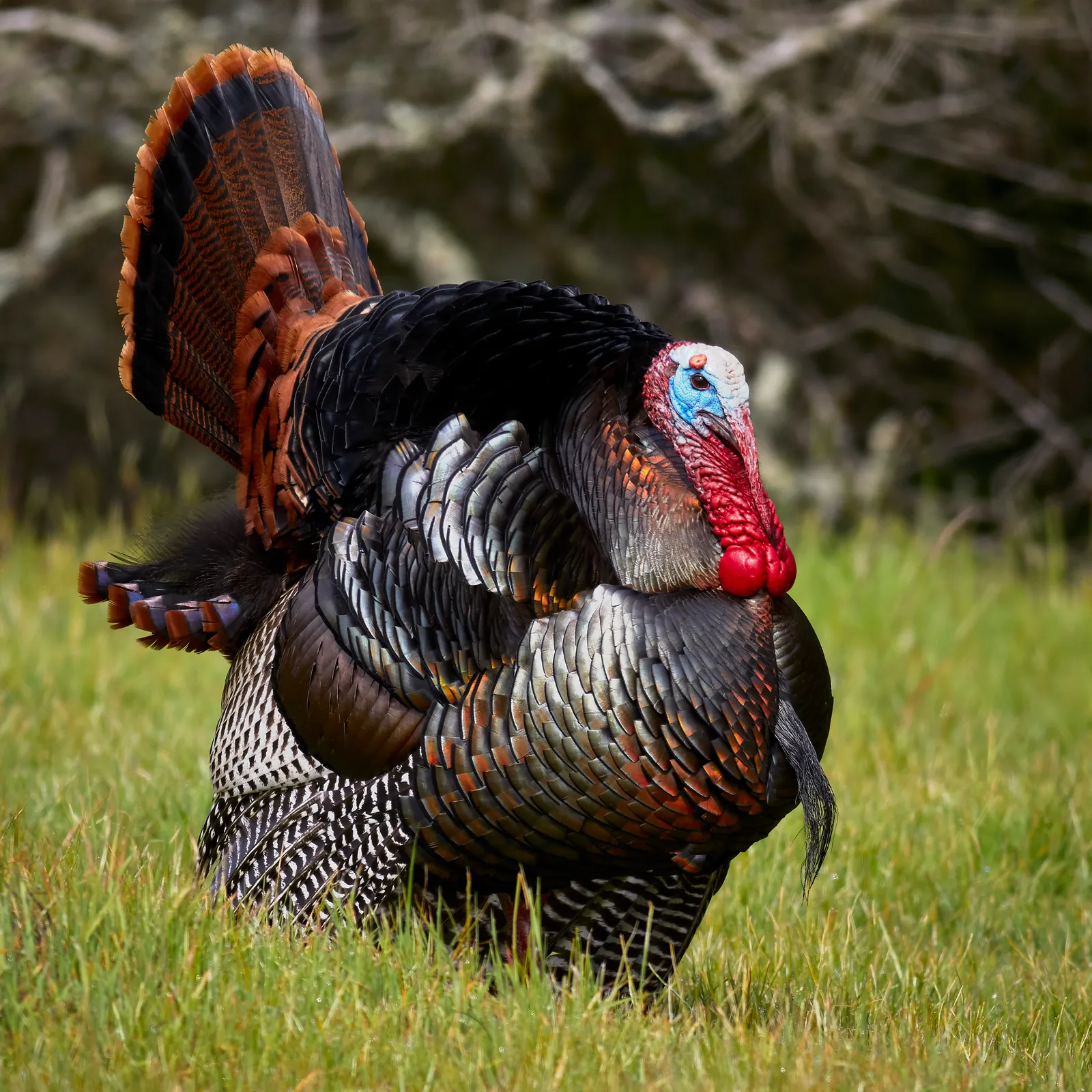
Wisconsin has plenty of turkeys, so a flock in town wouldn’t normally be news. What got attention in early 2026 was the behavior. The state DNR described the aggression as unusual.
In Janesville, turkeys were reported chasing postal workers, blocking traffic and even going after children. One father said the birds were charming at first and turned into a nuisance as the neighborhood developed. That arc, from cute visitors to daily obstacle, shows up in a lot of these stories.
California: Alameda’s Breeding Season Troubles
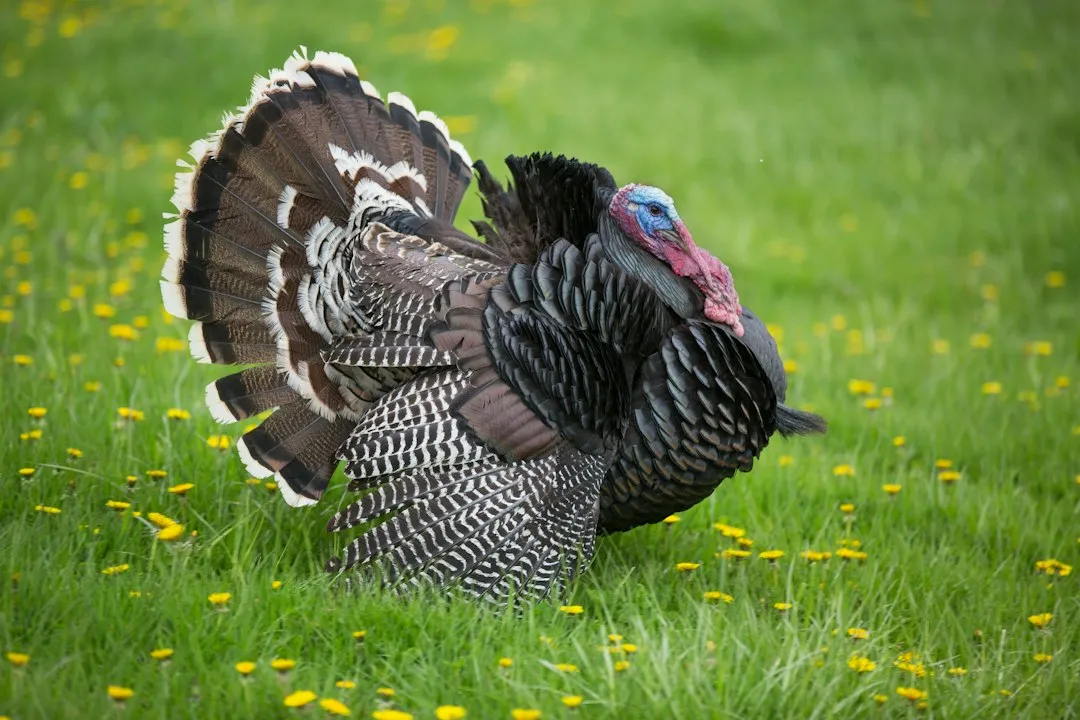
California has its own turkey hotspots, and Alameda made headlines in 2026. Animal Control officers there had received multiple calls reporting aggressive behavior from wild turkeys. Police urged residents to give the birds space.
Their explanation was fairly simple. The department said the behavior is normal, especially during mating and nesting season, which can run from late February through June. Not every encounter is harmless, though. An elderly woman out for a walk in Alameda was mobbed by a flock, knocked down from behind, and left bleeding and needing stitches.

Dog Stairs for Bed 18" H, 4-Step Dog Steps for High Bed
Check Price on AmazonAs an Amazon Associate, we earn from qualifying purchases.
10/9/2026 2:42 pm GMTi

Professional 7 in 1 Dog Paw Cleaner for Dogs & Cats - Includes 1 Portable Paw Washer, 1 Bath Brush
Check Price on AmazonAs an Amazon Associate, we earn from qualifying purchases.
10/7/2026 1:26 pm GMTi

Orthopedic Extra Large Dog Bed, Waterproof Washable XL Pet Bed 44"
Check Price on AmazonAs an Amazon Associate, we earn from qualifying purchases.
10/7/2026 1:32 pm GMTi

Glass Hummingbird Feeder for Outdoors Hanging
Check Price on AmazonAs an Amazon Associate, we earn from qualifying purchases.
10/7/2026 1:21 pm GMTi

Halloween Cat Costume Cloak Witch Hat Pet Accessories
Check Price on AmazonAs an Amazon Associate, we earn from qualifying purchases.
10/9/2026 2:44 pm GMTi
Wyoming: Casper’s Long Running Turkey Saga
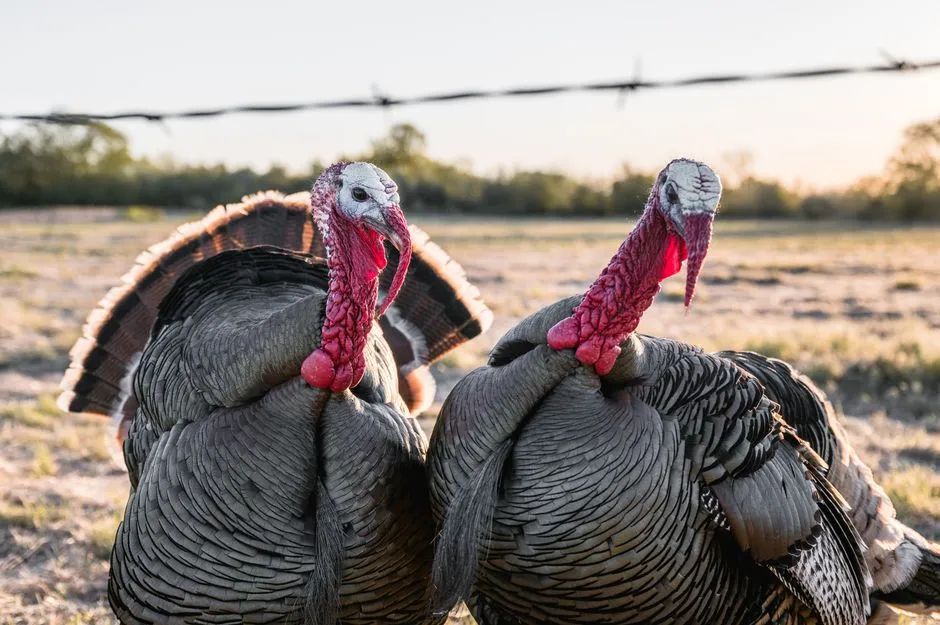
Casper isn’t the first place you’d expect to see turkeys strolling through town, yet they do. The Wyoming Game and Fish Department says people there should give the birds a wide berth. That advice comes from experience, not from a one off incident.
The agency has said the city’s urban turkeys have built a reputation for aggressive, bold and disruptive behavior over several years. For a state better known for wide open range, that’s a slightly funny image. It also shows that this isn’t just an East Coast or West Coast suburban story.
Oregon: Phoenix Weighs Its Options
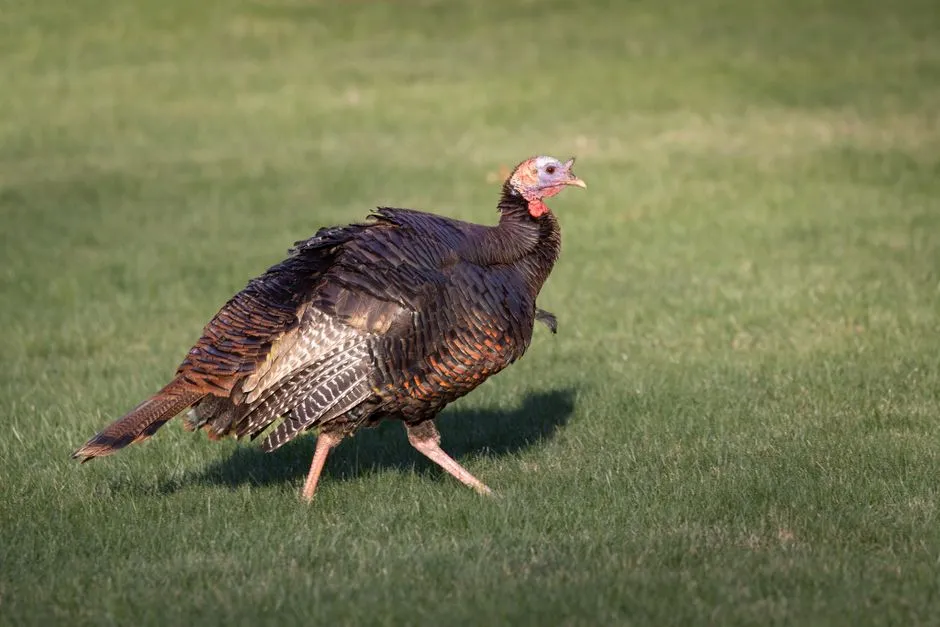
In the small southern Oregon city of Phoenix, the debate has moved into the council chamber. City officials said they would gather information on possible non lethal removal of wild, sometimes aggressive turkeys that have been harassing, chasing and attacking residents in recent months. That was reported in April 2026.
What’s interesting is the public reaction. Citizens at the council meeting advocated for ignoring the birds or relocating them rather than trapping and killing them. It’s a good example of how tangled these situations get when neighbors love the wildlife and fear it at once.

Glass Hummingbird Feeder for Outdoors Hanging, 16 oz Leak-Proof Nectar Feeder with Bee Guards & Ant Moat
Check Price on AmazonAs an Amazon Associate, we earn from qualifying purchases.
10/7/2026 1:22 pm GMTi

Hand Blown Glass Hummingbird Feeders for Outdoors Hanging, 24oz Wild Bird Nectar Feeder
Check Price on AmazonAs an Amazon Associate, we earn from qualifying purchases.
10/7/2026 1:23 pm GMTi

Smart Bird Feeder with Camera Solar Powered, 2K HD Live Video, 10,000+ Bird Species AI Identification
Check Price on AmazonAs an Amazon Associate, we earn from qualifying purchases.
10/7/2026 1:22 pm GMTi

Air Purifiers for Home Pets Large Room Up to 3000 Ft²,HEPA Air Cleaner with Washable Double-Side Filter, PM2.5 Air Quality Monitor,15dB Sleep Mode for Bedroom Odor Dust Pollen,White
Check Price on AmazonAs an Amazon Associate, we earn from qualifying purchases.
10/8/2026 8:23 am GMTi

2 Pcs Halloween Pet Hat Bandana Set, Witch Pumpkin Costumes for Dogs
Check Price on AmazonAs an Amazon Associate, we earn from qualifying purchases.
10/9/2026 2:45 pm GMTi
Colorado: Denver’s Growing Flock Sightings
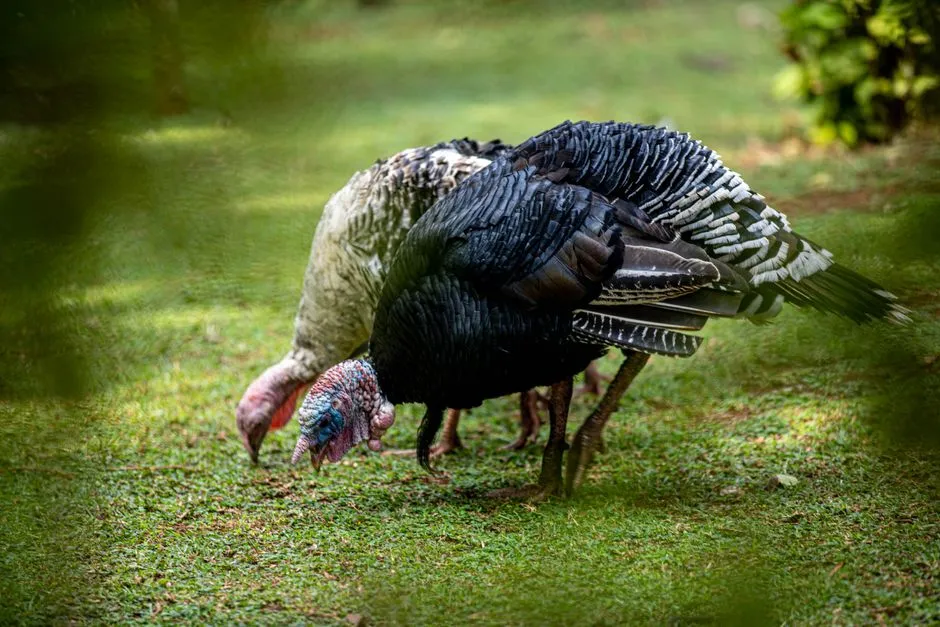
Colorado belongs on this list with a caveat. The reports I found describe visibility more than attacks. Wild turkeys have been spotted throughout the Denver metro, from downtown garages to residential neighborhoods.
That matters because boldness often starts with familiarity. Birds that get used to people, streets and yards can lose their natural caution, and that’s usually when conflicts begin. I wouldn’t call Denver a problem spot based on this evidence, but it’s worth watching.

Halloween Dog Collar with Bow, Orange Cute Ghost Collar,
Check Price on AmazonAs an Amazon Associate, we earn from qualifying purchases.
10/9/2026 2:43 pm GMTi

Portable Dog Water Bottle Foldable Dog Travel Water Bottle
Check Price on AmazonAs an Amazon Associate, we earn from qualifying purchases.
10/7/2026 1:29 pm GMTi

Earth Rated XL Dog & Puppy Pee Pads, Discreet Top, Max Absorbency
Check Price on AmazonAs an Amazon Associate, we earn from qualifying purchases.
10/7/2026 1:28 pm GMTi

PetSafe Oasys Pet Fountain, 1/2 Gallon (64 oz), Small Dogs & Cats
Check Price on AmazonAs an Amazon Associate, we earn from qualifying purchases.
10/8/2026 8:14 am GMTi
Final Thoughts
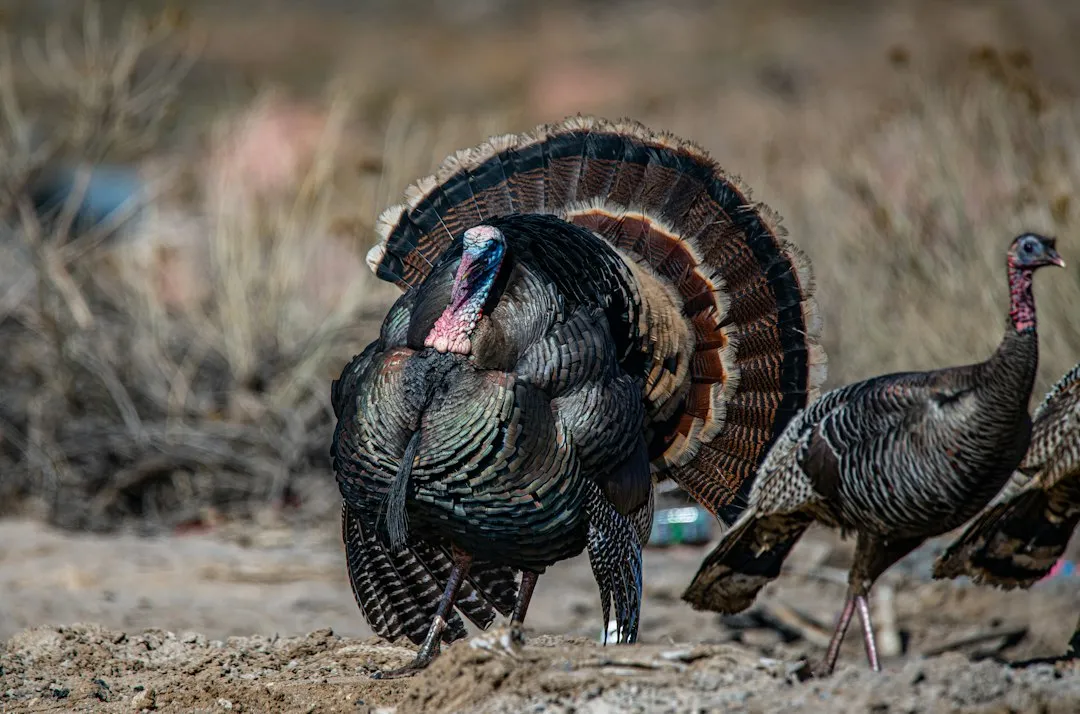
My view is that the turkeys aren’t the villains here. Wildlife officials point to breeding season and territorial instincts, and that sounds right to me. When birds meet people who feed them, flinch from them or treat them like pets, they sometimes see humans as rivals.
The sensible response is boring but effective. Don’t feed them, keep your distance, and stand tall and confident if one approaches. Towns that want to coexist should plan for turkeys before the complaints start, because by the time a postal route is rerouted, everyone’s already tired of the fight.