
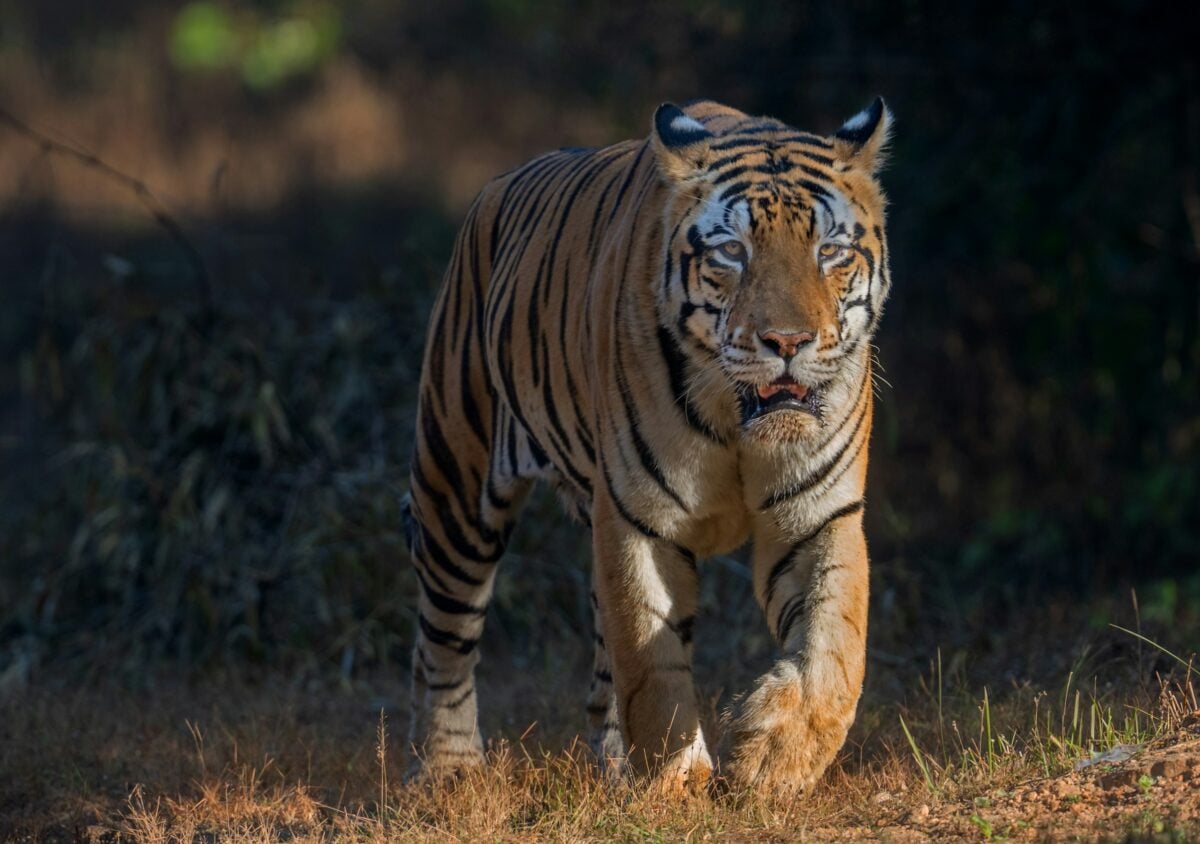

Tigers have long captured attention with their bold markings, yet many people assume those stripes stop at the surface. A closer look at the animal reveals something more layered. The pattern actually runs deeper than the fur itself.
This detail comes from careful study of how pigmentation develops in big cats. It raises questions about what else might hide beneath the obvious. Exploring the skin level adds a fresh angle to something familiar.
Understanding the Biology of Tiger Coloration
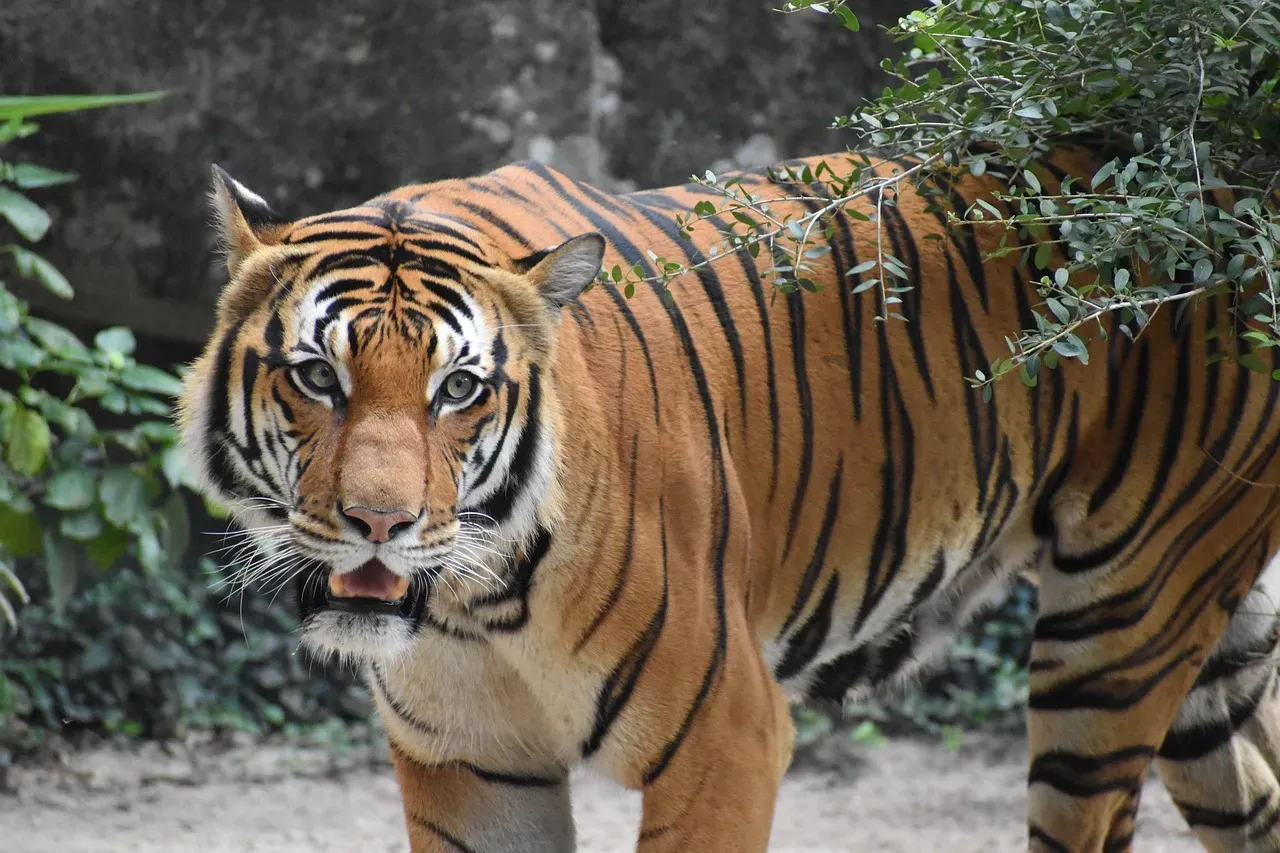
Tiger stripes arise from specialized cells called melanocytes that produce pigment in specific patterns. These cells sit in the skin and determine where dark and light areas form long before fur grows in. The result is a blueprint that the coat simply follows once it emerges.
Researchers have noted that the arrangement stays consistent even when fur is removed or altered. This consistency points to a fixed structure in the dermis rather than a temporary surface feature. Such findings help explain why the markings look so precise across individuals.
The Role of Melanocytes in Pattern Formation
Melanocytes migrate during early development and settle into positions that create the familiar stripe layout. Once in place they deposit melanin at regular intervals along the body. The process locks in the design at a cellular level inside the skin tissue.
Because the pigment sits below the hair follicles the pattern remains visible on the bare skin. This deeper placement means the stripes do not shift or fade with normal fur changes. It also means the design can be observed directly on the animal without relying on the coat alone.

Smart Bird Feeder with Camera Solar Powered, 2K HD Live Video, 10,000+ Bird Species AI Identification
Check Price on AmazonAs an Amazon Associate, we earn from qualifying purchases.
10/7/2026 1:22 pm GMTi

Glass Hummingbird Feeder for Outdoors Hanging, 16 oz Leak-Proof Nectar Feeder with Bee Guards & Ant Moat
Check Price on AmazonAs an Amazon Associate, we earn from qualifying purchases.
10/7/2026 1:22 pm GMTi

2 Pcs Halloween Pet Hat Bandana Set, Witch Pumpkin Costumes for Dogs
Check Price on AmazonAs an Amazon Associate, we earn from qualifying purchases.
10/9/2026 2:45 pm GMTi

Hand Blown Glass Hummingbird Feeders for Outdoors Hanging, 24oz Wild Bird Nectar Feeder
Check Price on AmazonAs an Amazon Associate, we earn from qualifying purchases.
10/7/2026 1:23 pm GMTi

Halloween Dog Collar with Bow, Orange Cute Ghost Collar,
Check Price on AmazonAs an Amazon Associate, we earn from qualifying purchases.
10/9/2026 2:43 pm GMTi
Observations from Captive and Wild Tigers
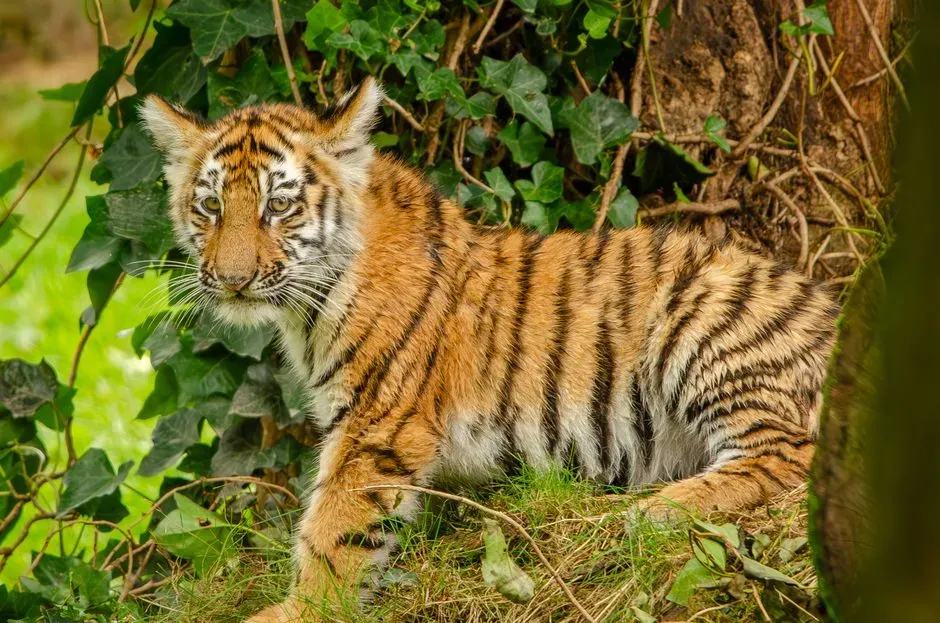
Handlers at sanctuaries have documented the stripes on shaved or injured tigers where skin becomes exposed. The markings match the fur pattern exactly in shape and spacing. These real world cases confirm the skin level presence without needing laboratory equipment.
Wild observations add further support when tigers lose patches of fur during fights or molting seasons. The underlying skin shows the same dark bands that appear on the coat. Such sightings occur across different subspecies and regions.
Genetic Factors Influencing the Stripe Pattern
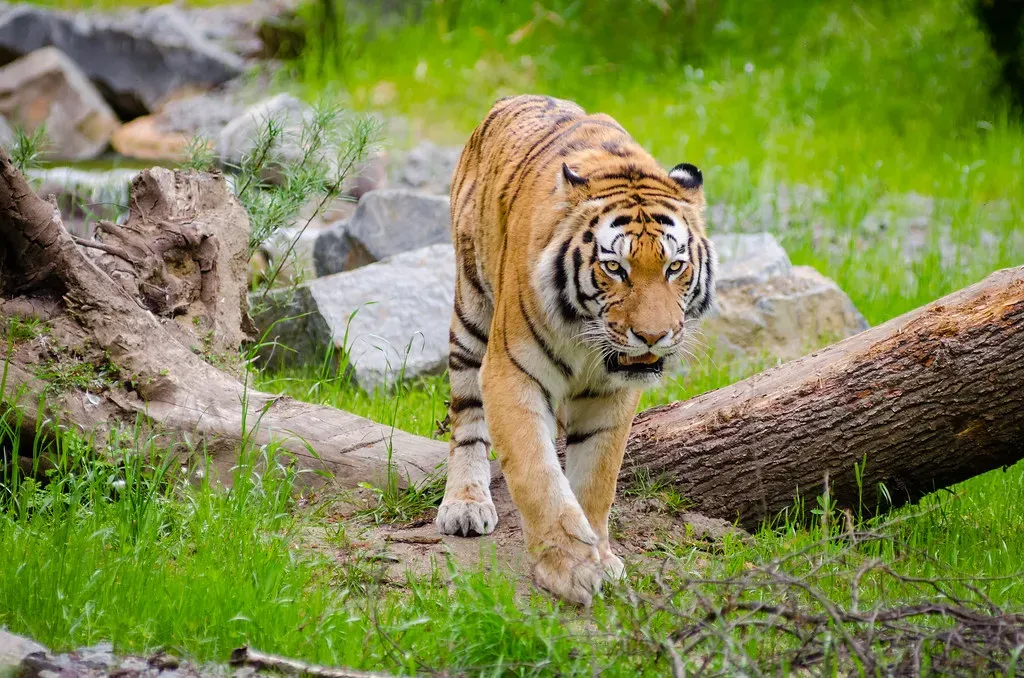
Genes control the distribution of melanocytes and the timing of pigment production during fetal growth. Variations in these genes can lead to differences in stripe width or number while keeping the overall skin based structure intact. Studies of related big cats show similar mechanisms at work.
The genetic instructions operate early enough that the skin pattern forms independently of the fur that will later cover it. This separation allows the design to stay stable even as the animal grows and sheds. It also means the trait passes reliably from one generation to the next.

Orthopedic Extra Large Dog Bed, Waterproof Washable XL Pet Bed 44"
Check Price on AmazonAs an Amazon Associate, we earn from qualifying purchases.
10/7/2026 1:32 pm GMTi

Halloween Cat Costume Cloak Witch Hat Pet Accessories
Check Price on AmazonAs an Amazon Associate, we earn from qualifying purchases.
10/9/2026 2:44 pm GMTi

Air Purifiers for Home Pets Large Room Up to 3000 Ft²,HEPA Air Cleaner with Washable Double-Side Filter, PM2.5 Air Quality Monitor,15dB Sleep Mode for Bedroom Odor Dust Pollen,White
Check Price on AmazonAs an Amazon Associate, we earn from qualifying purchases.
10/8/2026 8:23 am GMTi

PetSafe Oasys Pet Fountain, 1/2 Gallon (64 oz), Small Dogs & Cats
Check Price on AmazonAs an Amazon Associate, we earn from qualifying purchases.
10/8/2026 8:14 am GMTi

Dog Stairs for Bed 18" H, 4-Step Dog Steps for High Bed
Check Price on AmazonAs an Amazon Associate, we earn from qualifying purchases.
10/9/2026 2:42 pm GMTi
Implications for Conservation and Study
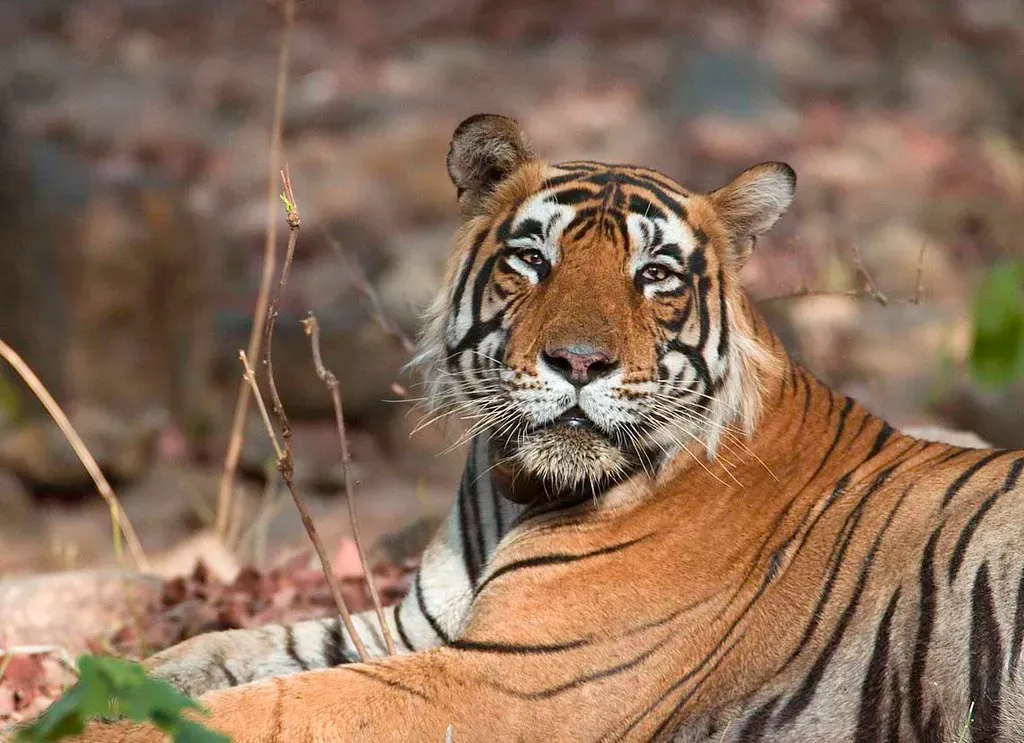
Recognizing the skin level pattern helps researchers track individual tigers more accurately in the field. Camera traps and direct sightings can use the markings even when fur condition varies. This reliability supports better population estimates and anti poaching efforts.
Conservation teams sometimes examine skin samples or photos of bare areas to confirm identities. The deeper pattern provides a consistent reference point that fur alone might obscure during certain seasons. Such details strengthen long term monitoring programs.

Portable Dog Water Bottle Foldable Dog Travel Water Bottle
Check Price on AmazonAs an Amazon Associate, we earn from qualifying purchases.
10/7/2026 1:29 pm GMTi

Glass Hummingbird Feeder for Outdoors Hanging
Check Price on AmazonAs an Amazon Associate, we earn from qualifying purchases.
10/7/2026 1:21 pm GMTi

Earth Rated XL Dog & Puppy Pee Pads, Discreet Top, Max Absorbency
Check Price on AmazonAs an Amazon Associate, we earn from qualifying purchases.
10/7/2026 1:28 pm GMTi

Professional 7 in 1 Dog Paw Cleaner for Dogs & Cats - Includes 1 Portable Paw Washer, 1 Bath Brush
Check Price on AmazonAs an Amazon Associate, we earn from qualifying purchases.
10/7/2026 1:26 pm GMTi
Reflecting on Nature’s Hidden Designs
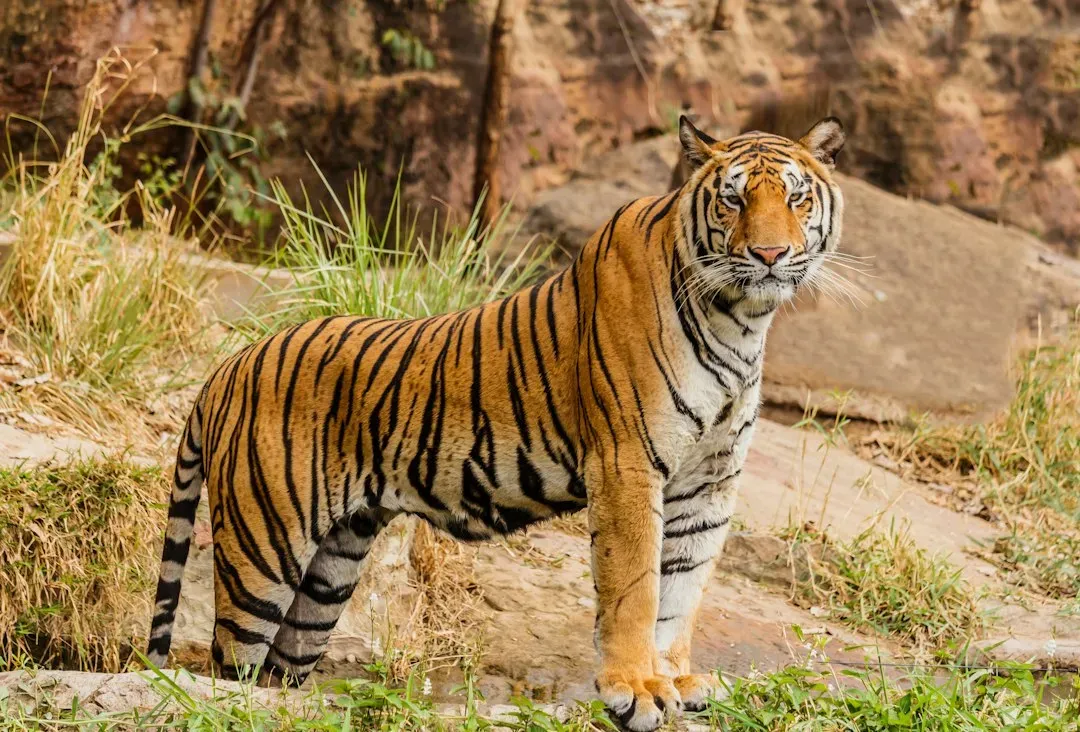
The fact that tiger stripes live in the skin as well as the fur reminds us how much of the natural world operates below the surface. Simple assumptions about appearance often miss these layered realities. Paying attention to the skin level adds depth to our view of these animals.
Continued observation and study keep revealing small but meaningful details like this one. They encourage a more careful approach to understanding wildlife rather than stopping at the obvious. In the end the tiger stands as a quiet example of complexity that rewards closer inspection.

- Zoology Says a Tiger’s Stripes Aren’t Only on Its Fur – the Pattern Shows on Its Skin Too. - November 12, 2026
- Science Says Sponges and Other Animals Were Found Living on a Boulder Beneath Nearly 900 Meters of Antarctic Ice - November 12, 2026
- The Ancient Redwoods of California Are Home to 6 Unique Animals You Won’t Believe - November 12, 2026