
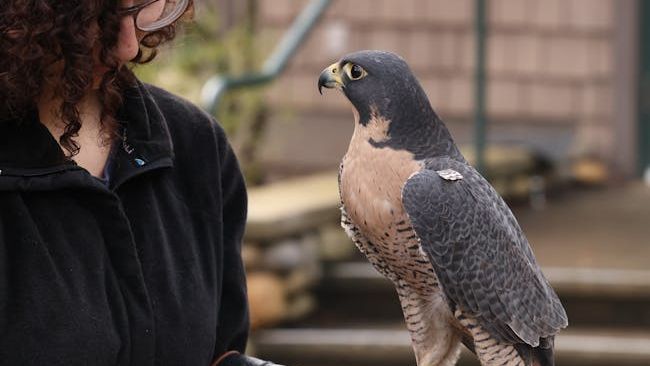
There’s something undeniably compelling about birds of prey. A red-tailed hawk sitting perfectly still on a gloved fist, or a peregrine falcon banking sharply against a grey sky, captures a kind of wildness that few other animals can match. It’s no surprise people become fascinated enough to want one in their lives.
The reality, though, is more complicated than the image. Raptors sit in a completely different category from conventional pets, bound up in federal law, specialized husbandry, and a relationship that demands far more than most people anticipate. Before you take any steps toward working with a bird of prey, here are six things you genuinely need to understand.
It’s Not Quite “Adopting” – The Legal Framework Is Strict
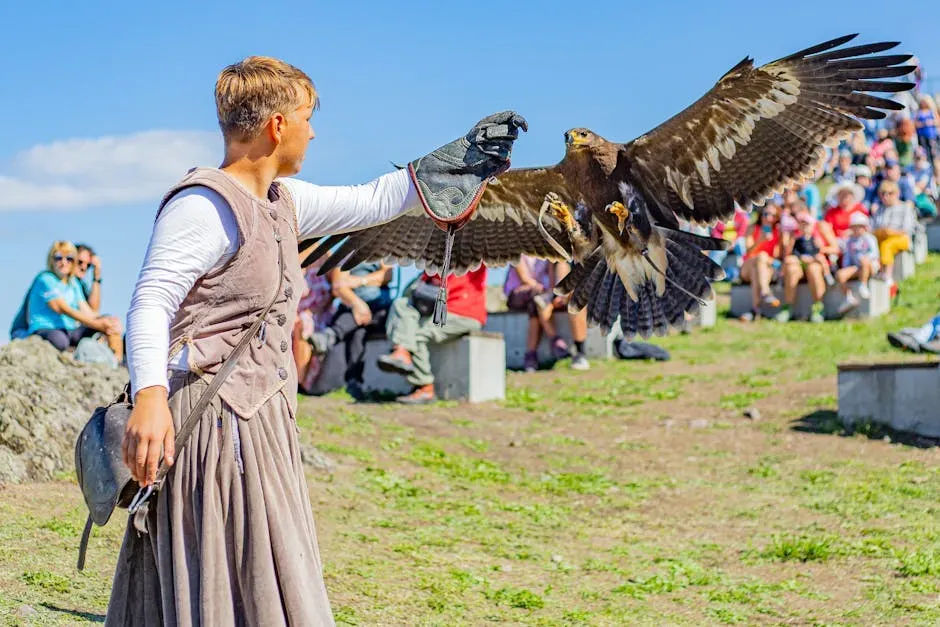
In the United States, all native birds of prey, including hawks, falcons, eagles, and owls, are protected under the Migratory Bird Treaty Act. That protection is sweeping and serious.
The Migratory Bird Treaty Act prohibits any person from taking, possessing, purchasing, bartering, or selling raptors unless the activities are allowed by a federal permit. Casual ownership simply isn’t an option.
Owning a bird of prey is generally illegal without a special permit, and these permits are usually issued for falconry, education, or rehabilitation purposes. Even with the right permit in hand, the obligations don’t stop there. Fines of up to $15,000 and imprisonment of up to six months can result from violations under the Migratory Bird Treaty Act, in addition to potential state penalties like confiscation of birds and revoked permits.
You’ll Need to Become a Licensed Falconer First
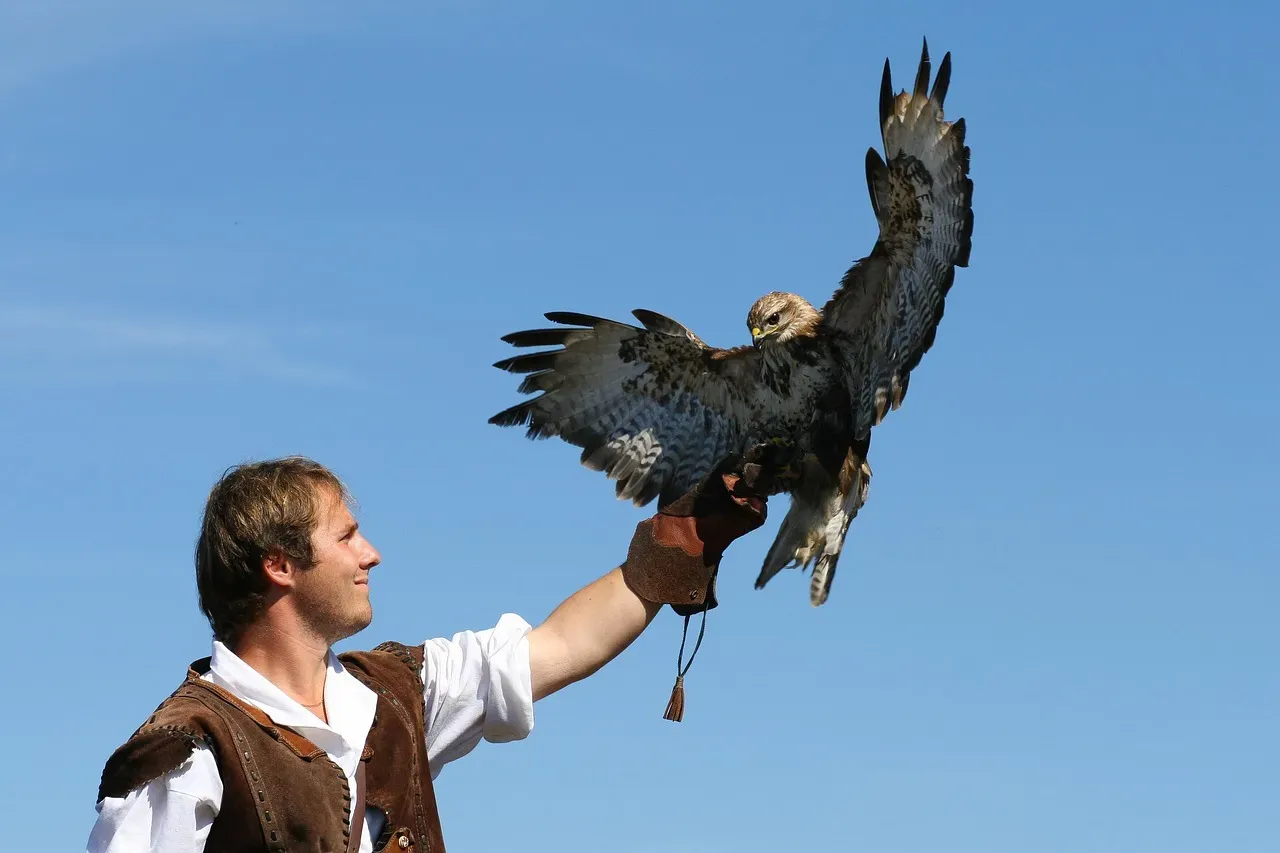
There are three levels of falconry permits: apprentice, general, and master. Working through them takes years, not weeks. All falconers must have proper facilities and federal and state permits before possessing a bird.
Prerequisites usually include passing a written exam, building an approved mews (housing) and perch, obtaining a sponsor or mentor for the apprentice level, passing inspections, and completing minimum experience and time-in-grade requirements to advance. It’s a structured process that exists for good reason.
Falconry is legal in 49 U.S. states, excluding Hawaii, but requires years of apprenticeship, mentorship under a licensed falconer, and passing exams. Apprentice falconers must practice the sport under a general or master level sponsor for two years before upgrading to general class. Think of it less like getting a fishing license and more like earning a professional qualification.
Housing Requirements Are Regulated and Non-Negotiable
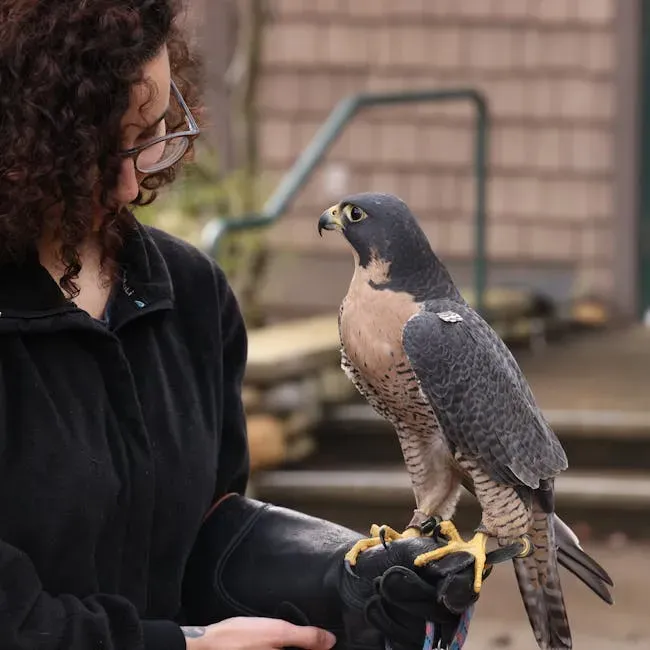
You must have raptor housing facilities approved by your state, tribe, or territory before you may obtain a bird to use in falconry, and your state may require that you have both indoor and outdoor facilities. These aren’t loose guidelines.
Whether they are indoors (called a “mews”) or outdoors (a “weathering area”), your raptor facilities must protect raptors from the environment, predators, and domestic animals, and you are responsible for the maintenance and security of raptors you possess under your permit.
Each raptor must have an area large enough to allow it to fly if untethered or, if tethered, to fully extend its wings without damaging its feathers or contacting other raptors, and the enclosure must be large enough to ensure that tethered birds cannot strike the structure when flying from the perch. Security against free-ranging predators must also be provided, as domestic cats and even rats can actually kill smaller birds of prey, especially in an urban environment.
Their Diet Is Specialized and Demands Consistency
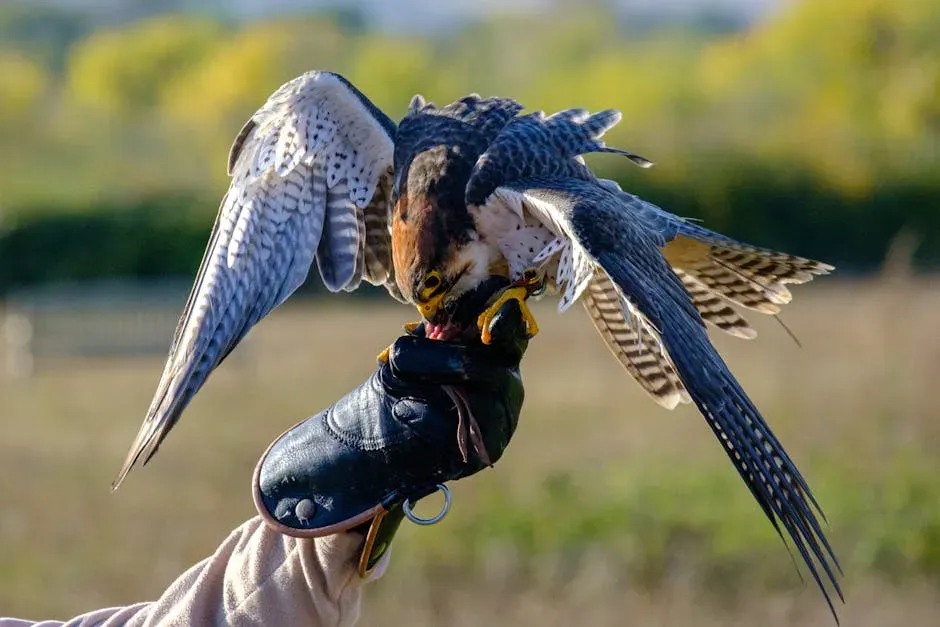
Raptors require a diet that closely replicates what they would eat in the wild, specifically whole prey that provides not only muscle meat but also bones, feathers or fur, and organs. This isn’t something you can shortcut or simplify.
Commonly fed items include mice, rats, day-old chicks, quail, and pigeons, depending on the raptor species, with smaller species preferring day-old chicks and adults of larger species generally preferring rats and pigeons. Raptors have high metabolic rates and require fresh, whole prey diets to remain healthy, and improper feeding leads to malnutrition, bone deformities, and organ failure.
Captive raptors should be weighed regularly, and food volume adjusted as needed to prevent both emaciation and obesity. Meeting a raptor’s feeding needs is genuinely challenging, as whole prey is expensive and not always readily available. Sourcing, storing, and preparing food becomes a regular part of your week.
The Time Commitment Is Daily and Long-Term
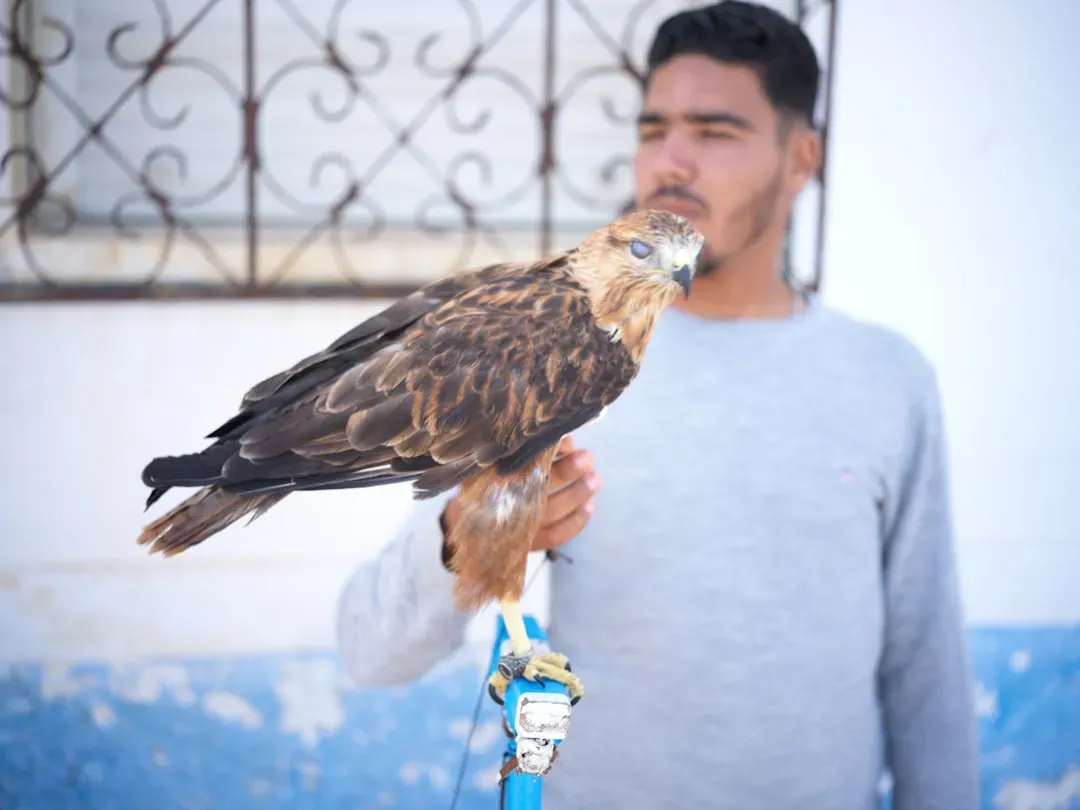
Falconry requires a great deal of commitment – you or someone you trust has to train and feed your bird every single day, and birds of prey live for a long time, meaning you’re committing to an enduring relationship with a wild animal.
Each morning, the falconer weighs the bird with precision, since a bird’s weight is a primary indicator of its health and readiness to hunt. This daily weighing allows the falconer to make adjustments to food portions, and regular health checks of the feathers, feet, and beak are also performed to catch early signs of illness or injury.
The daily care of raptors in falconry is a complex and time-consuming process that requires dedication, knowledge, and attention to detail, covering everything from feeding and exercise to health monitoring and environmental maintenance. There’s no casual version of this. Vacations require trusted, licensed substitutes, and there’s no skipping days simply because life gets busy.
Raptors Are Not Pets – The Relationship Is Fundamentally Different
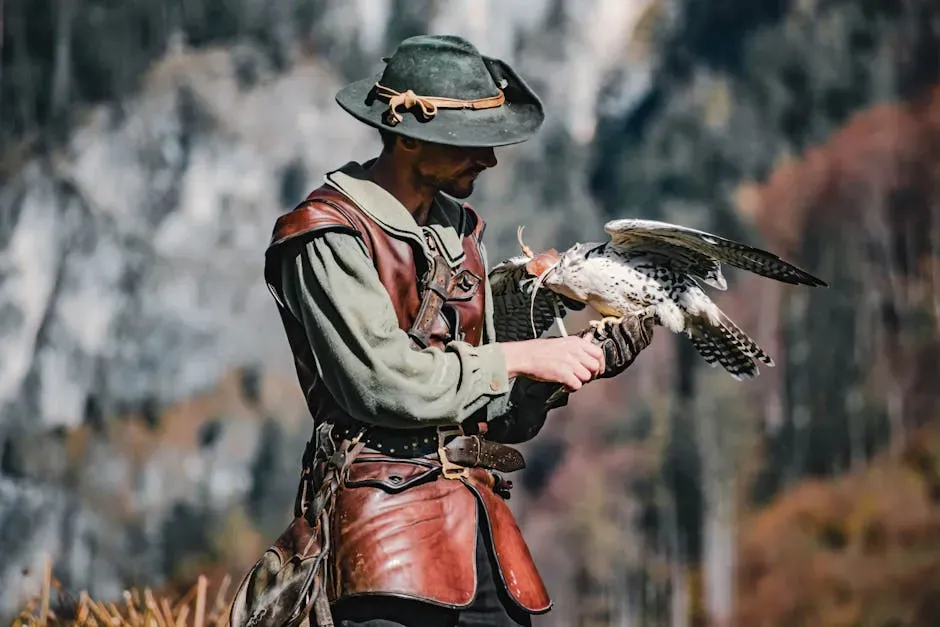
Birds of prey are not domesticated and do not enjoy human contact in the way pet animals do. Unlike dogs or cats, raptors generally value their personal space, even from trained handlers. That’s not a problem to be solved through bonding – it’s simply their nature.
Unlike parrots or canaries, no bird of prey has undergone domestication over generations, meaning their instincts remain fully wild, making them unsuitable for life as household pets. The working relationship between a falconer and a raptor is built on mutual conditioning and trust, not affection in the conventional sense.
The relationship is not one of pet and owner, but of a cooperative team, and it is a demanding endeavor requiring dedication, specialized knowledge, and a deep respect for the bird’s wild nature. Defensive and predatory behaviors are always a possibility even with trained birds, and careful handling and protective gear like thick gloves help reduce risks. Understanding this distinction before you start is arguably the most important thing on this list.
Conclusion: A Rewarding Path, But an Honest One
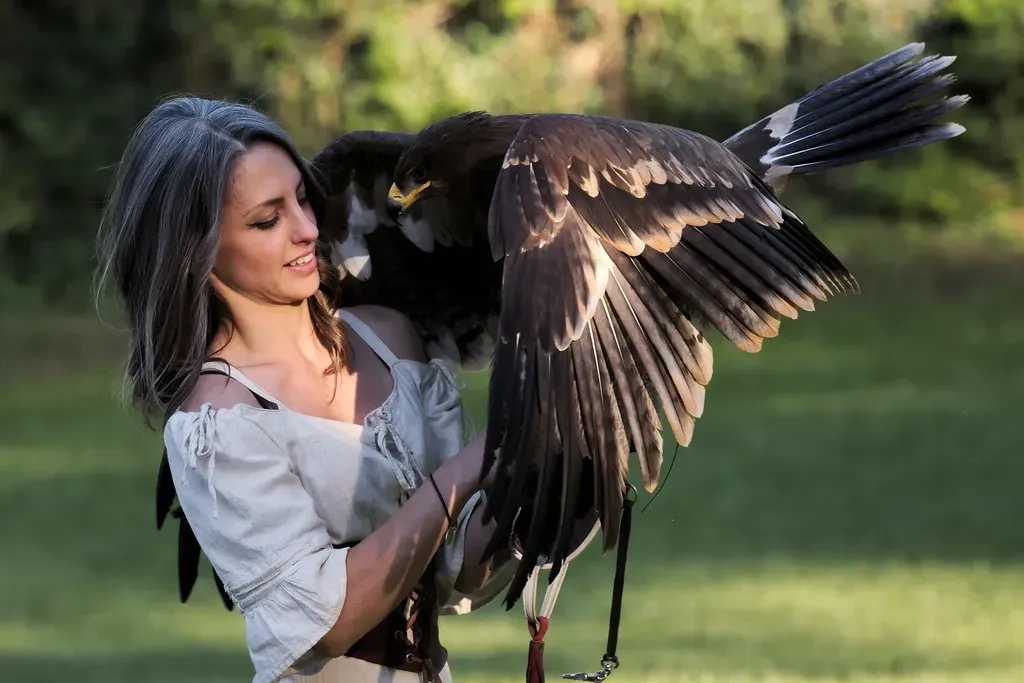
There’s a reason falconry has survived for thousands of years. The relationship between a person and a trained bird of prey is unlike almost anything else in the natural world. It’s earned slowly, maintained daily, and grounded in respect for an animal that remains wild at its core.
The legal protections, the housing standards, the dietary demands, and the time involved aren’t bureaucratic obstacles – they’re reflections of what these birds actually need. Getting into falconry the right way, through proper permits, a licensed sponsor, and genuine preparation, is the only version worth pursuing.
For those willing to do that work honestly, the experience is, by most accounts, genuinely profound. For those who aren’t, there are still meaningful ways to engage with raptors, through conservation donations, volunteer work at wildlife rehabilitation centers, or simply appreciating them where they belong most naturally: in the sky.
