
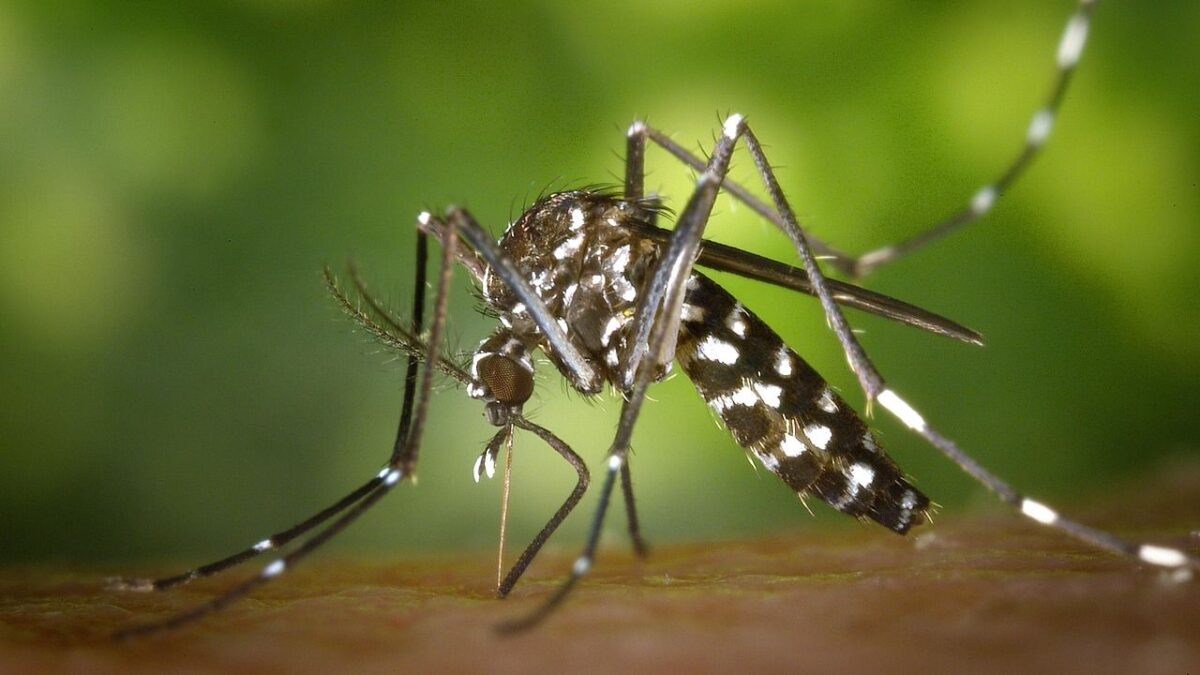
Worried about unexpected vet bills?
Pet insurance can cover thousands in unexpected vet costs. Get a free quote from Lemonade in under 2 minutes.
Get My Free Quote →Sponsored · Opens Lemonade.com
Most of us think of household pests as nothing more than a nuisance. A minor inconvenience requiring a quick spray or trap. We swat at mosquitoes when they buzz around our heads during summer barbecues, or grimace when we spot a cockroach scurrying across the kitchen floor at night. These tiny intruders seem harmless enough in the grand scheme of things.
Yet here’s something that might make your skin crawl. The creatures sharing your home could be secretly harboring some of the deadliest diseases known to humanity. These aren’t just old wives’ tales or exaggerations designed to sell pest control services. The health risks are real, documented, and in many cases, grossly underestimated by the average homeowner.
Rats and Mice: The Ancient Plague Carriers Still Among Us

Let’s be real, nobody wants rodents in their home. These furry invaders have been terrorizing human dwellings for thousands of years, and they’re not slowing down anytime soon. Rats and mice are known to spread more than 35 diseases.
Think about that number for a moment. Three dozen different ways these little creatures can make you seriously ill. Rats and mice spread many diseases, including bubonic plague, salmonella, leptospirosis, rat-bite fever, hantavirus pulmonary syndrome (HPS), hemorrhagic fevers like the Ebola virus, Lassa fever virus, and so much more. The scariest part is how easily they transmit these pathogens.
Rodent urine and feces contain bacteria that can make you very sick. You don’t even need direct contact with the rodent itself. Simply breathing in dust contaminated by their droppings can expose you to hantavirus, a potentially fatal respiratory disease. Your kitchen countertops, your pantry shelves, even your toothbrush could be contaminated if rodents have been exploring your home at night while you sleep.
The transmission methods are disturbingly varied. Worldwide, rats and mice spread over 35 diseases. These diseases can be spread to humans directly, through handling of rodents, through contact with rodent feces, urine, or saliva, or through rodent bites. Diseases carried by rodents can also be spread to humans indirectly, through ticks, mites or fleas that have fed on an infected rodent.
Honestly, the persistence of these creatures makes them even more dangerous. They reproduce rapidly and can establish colonies inside your walls within weeks. One pregnant female can lead to dozens of offspring in just months, multiplying your exposure risk exponentially.
Rats will carry a bacteria called leptospirosis, which can cause liver and kidney failure. That’s not something you recover from with a few days of rest. Some rodent-borne illnesses can leave lasting damage or prove fatal if not caught early. The thing is, many people don’t realize they’ve been exposed until symptoms appear, and by then, the infection may have already progressed.
What makes this situation particularly unsettling is how common rodent infestations actually are. These aren’t rare occurrences happening only in neglected properties. Clean, well-maintained homes in suburban neighborhoods can harbor mice and rats. They squeeze through openings the size of a dime, making prevention extraordinarily difficult.
I know it sounds crazy, but your best defense is vigilance. Check for droppings regularly, seal any cracks or gaps in your home’s exterior, and store food in airtight containers. The moment you spot signs of rodent activity, take immediate action. This isn’t just about property damage or the ick factor anymore. It’s about protecting your family’s health from diseases that have killed millions throughout human history and continue to pose serious threats today.
Cockroaches: The Kitchen Nightmare with a Toxic Secret
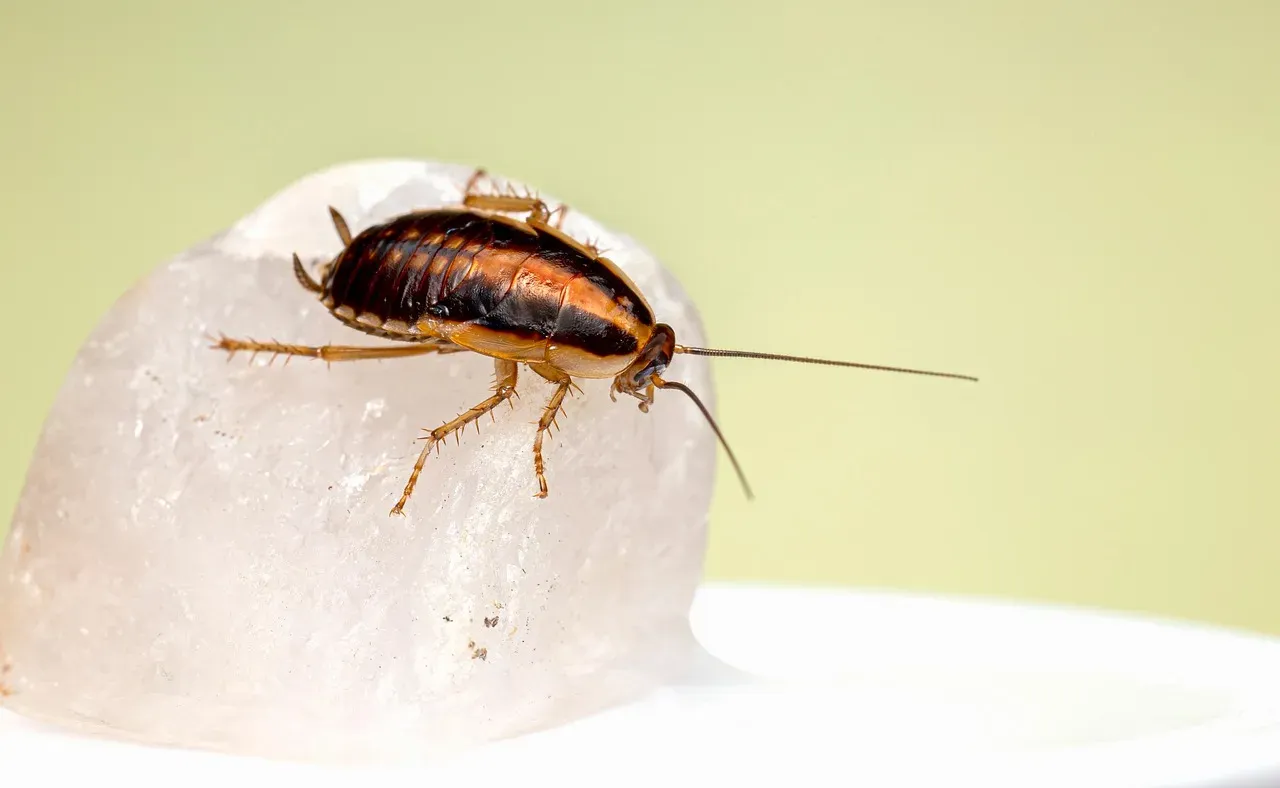
There’s something uniquely revolting about cockroaches. Maybe it’s the way they scatter when you turn on the lights, or how they seem to appear from nowhere. Cockroaches have an amazing ability to adapt and survive just about anywhere. These dirty bugs harbor bacteria and carry a host of potential health problems such as dysentery, roundworm, tapeworm, fungus, and viruses.
These insects are basically biological hazard zones with legs. Cockroaches are often seen as harbingers of uncleanliness and are well-known carriers of multiple pathogens due to their feeding and nesting habits. These pests can pick up bacteria, viruses, fungi, and parasites as they traverse through some of the most unsanitary conditions imaginable. This makes them potent vectors for the contamination of food products and surfaces which significantly increases the risk of disease transmission in environments they infest.
Picture this. A cockroach crawls through sewage pipes, waddles across garbage, picks up every imaginable pathogen, and then walks across your cutting board. That’s not a horror movie scenario. That’s Tuesday night in millions of homes where cockroach infestations go unnoticed.
The respiratory issues they cause are particularly concerning for families. Cockroach droppings are a major trigger for asthma symptoms, especially in children. Their saliva, feces, and shedding body parts can quickly turn into airborne allergens. Over time, this can cause flare-ups for those with asthma or sensitive respiratory systems.
Children are especially vulnerable because they spend more time on floors where cockroach debris accumulates. The proteins in cockroach waste become airborne and mix with household dust. Every breath in an infested home could be triggering an immune response, especially in those with existing sensitivities.
Flies carry pathogens that cause E. coli, cholera, typhoid fever, shigellosis, and more. While that’s about flies, cockroaches carry similar dangerous bacteria. They contaminate far more than they actually consume. One roach can spread bacteria across dozens of surfaces in a single night.
What’s truly frightening is their resilience. Cockroaches have survived for millions of years and can go weeks without food. They’ve developed resistance to many common pesticides, making professional intervention often necessary. Spotting one cockroach usually means there are hundreds hiding in your walls, under appliances, and in the dark corners of your cabinets.
The psychological toll shouldn’t be dismissed either. Living with cockroaches creates constant anxiety and disgust. People become hypervigilant, afraid to enter their own kitchens at night. It affects sleep quality, mental health, and overall wellbeing. These aren’t just pests you can ignore until you get around to dealing with them. They’re health hazards that require immediate, comprehensive elimination efforts.
Mosquitoes: Tiny Aerial Assassins in Your Backyard
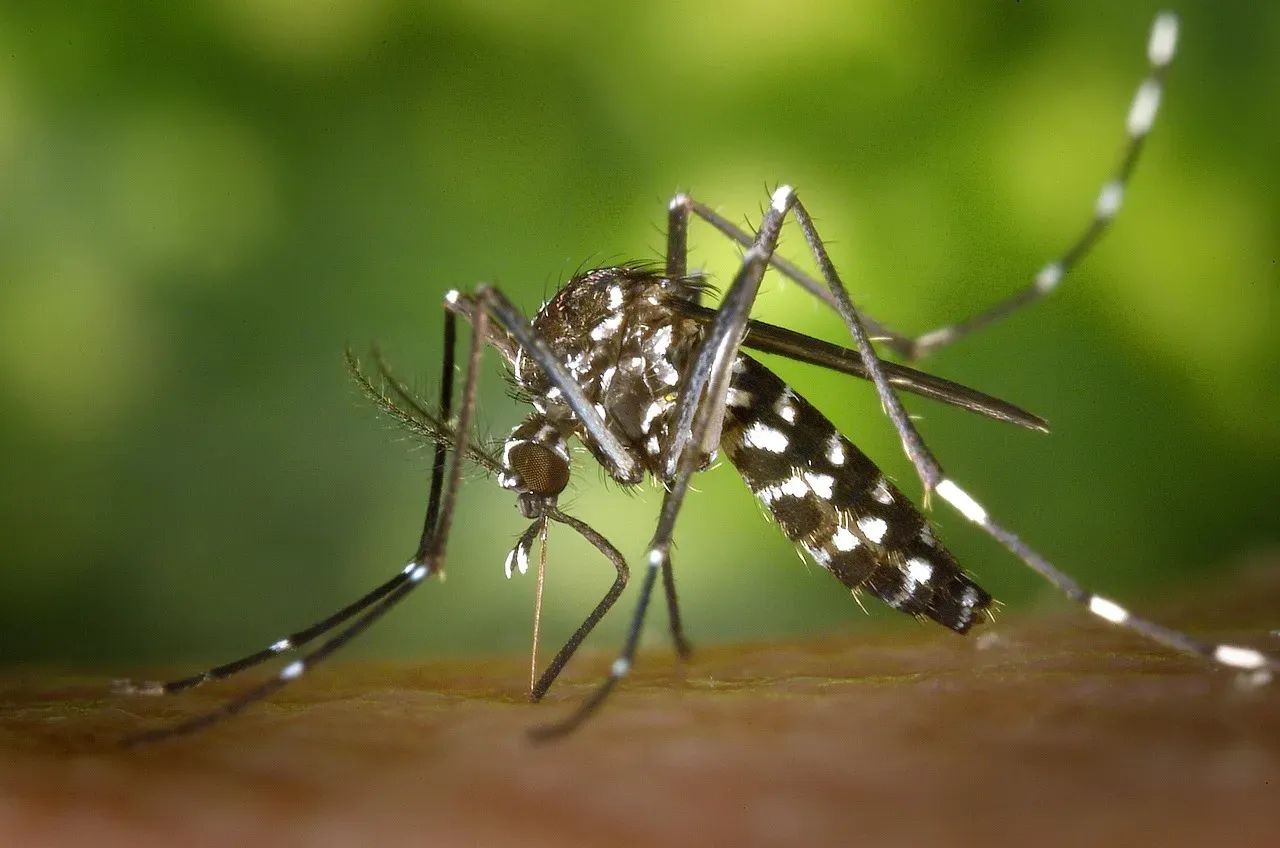
That annoying whine near your ear at night carries more threat than you might imagine. Mosquitoes may be small, but they are one of the most dangerous insects on Earth. They can harbor diseases such as malaria, West Nile, Zika, and Eastern Equine Encephalitis (EEE).
Globally, mosquitoes are responsible for more human deaths than any other creature. While malaria isn’t commonly transmitted within the United States, other mosquito-borne diseases are increasingly prevalent here. West Nile virus is the most common mosquito-borne disease in the US, followed by rising cases of dengue, chikungunya, and Zika virus.
The thing about mosquitoes is they don’t just bite and move on. Every annoying mosquito bite expels a small amount of mosquito saliva and exposes the victim to the viral load present in the mosquito from previous bites. They’re essentially flying hypodermic needles, injecting whatever pathogens they’ve picked up from previous hosts directly into your bloodstream.
Climate change is making this problem worse. Mosquitoes and ticks and the germs they spread are increasing in number and moving into new areas. As a result, more people are at risk for infection. Areas that once experienced only brief mosquito seasons now deal with these pests for longer periods each year.
Standing water is their breeding ground, and it doesn’t take much. A bottle cap filled with water, a clogged gutter, an old tire in the yard – these tiny water sources can produce hundreds of mosquitoes. One female mosquito can lay up to 300 eggs at a time, and those eggs can hatch within just a few days under the right conditions.
West Nile virus can cause severe neurological illness in some people. Most infected individuals experience no symptoms, but roughly one in five will develop fever, headache, body aches, and sometimes a skin rash. About one in 150 infected people develop a serious, sometimes fatal, illness affecting the central nervous system.
Protection requires consistent effort. Eliminate standing water around your property weekly. Use EPA-registered insect repellents when outdoors during peak mosquito activity hours, typically dawn and dusk. Install or repair window screens to keep these disease vectors outside where they belong. It’s hard to say for sure, but experts estimate that better mosquito control could prevent thousands of serious illnesses annually in the United States alone.
Fleas: More Than Just a Pet Problem
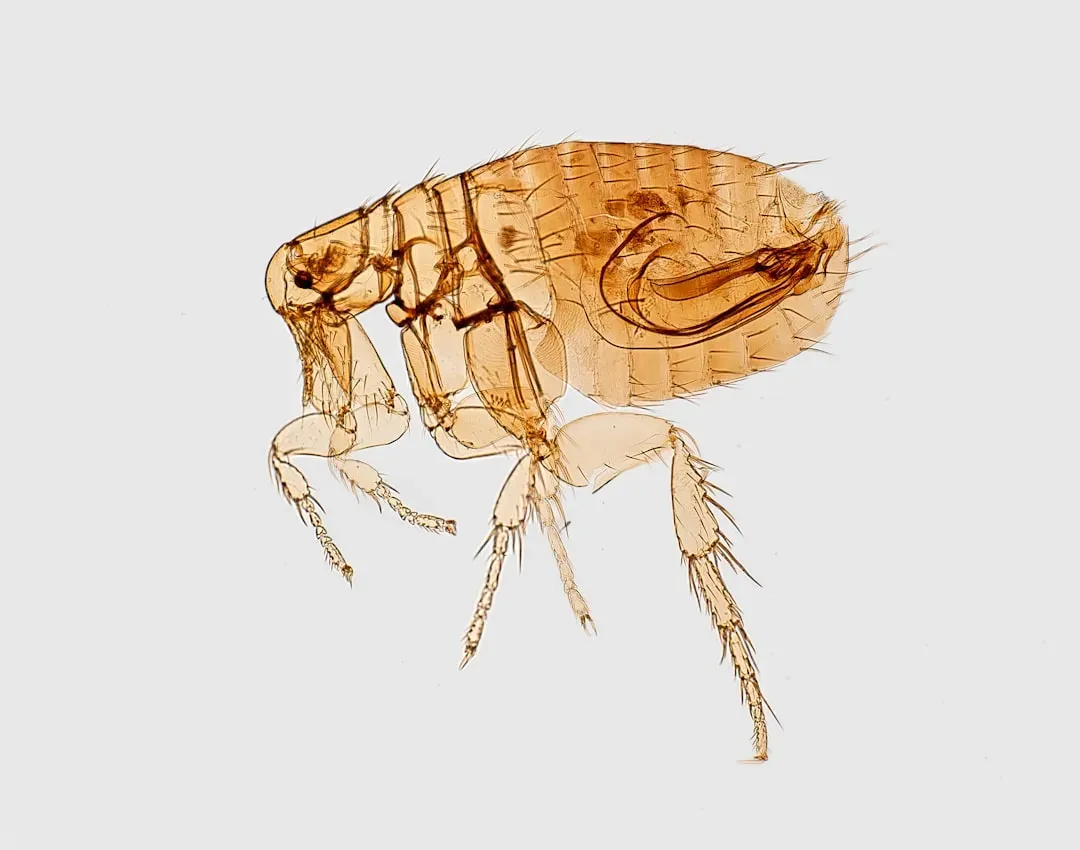
Most people associate fleas exclusively with pets, assuming that if they don’t have dogs or cats, they’re safe. That’s dangerously wrong. Fleas carry serious potential diseases, including Lyme Disease, Typhus, cat scratch disease, and others.
Fleas are incredibly resilient parasites that can survive in your home even without pets present. They can lie dormant in carpets, furniture, and cracks in flooring for months, waiting for a warm-blooded host to pass by. When they do, they latch on and begin feeding immediately.
These pests are aggressive parasites that are known for feeding on the blood of humans and animals. Because they have to bite their hosts in order to drain their blood for sustenance, these parasites can often transfer diseases they carry with their saliva while feeding. Fleas and ticks can carry a variety of diseases because of the environment they live in, including a host of dangerous ones like Lyme disease, tick paralysis, and rocky mountain spotted fever.
The bubonic plague, which killed roughly one third of Europe’s population during the Middle Ages, was transmitted primarily through fleas that had fed on infected rats. The plague is primarily transmitted through fleas carried by infected rats. Flea bites can spread the bacteria, leading to infection. While plague cases are rare today, they still occur in the western United States, proving these ancient threats haven’t disappeared.
What makes flea infestations particularly challenging is their rapid reproduction cycle. A single female flea can lay up to 50 eggs per day. Those eggs fall off the host and scatter throughout your living environment, hatching into larvae that hide in carpet fibers, under furniture, and in bedding. Within weeks, a few fleas can become thousands.
Flea bites themselves cause intense itching, leading to scratching that breaks the skin and creates entry points for secondary bacterial infections. For individuals with flea allergy dermatitis, the reaction is even more severe, causing painful welts and requiring medical treatment.
Wild animals like squirrels, raccoons, and stray cats can introduce fleas to your property. If your home is near wooded areas or if wildlife frequents your yard, the risk increases substantially. Once fleas establish themselves indoors, professional pest control is often the only effective solution. Over-the-counter treatments rarely eliminate entire infestations because they don’t address eggs and larvae hiding in your environment.
Prevention is far easier than elimination. Keep lawns trimmed, seal entry points that might allow wildlife near your home’s foundation, and vacuum frequently to remove any fleas before they can establish breeding populations. Don’t wait until you see fleas jumping on your ankles. By that point, you’re already dealing with a significant infestation that will require serious intervention to resolve.
Ticks: Stealthy Bloodsuckers Spreading Lyme and Beyond
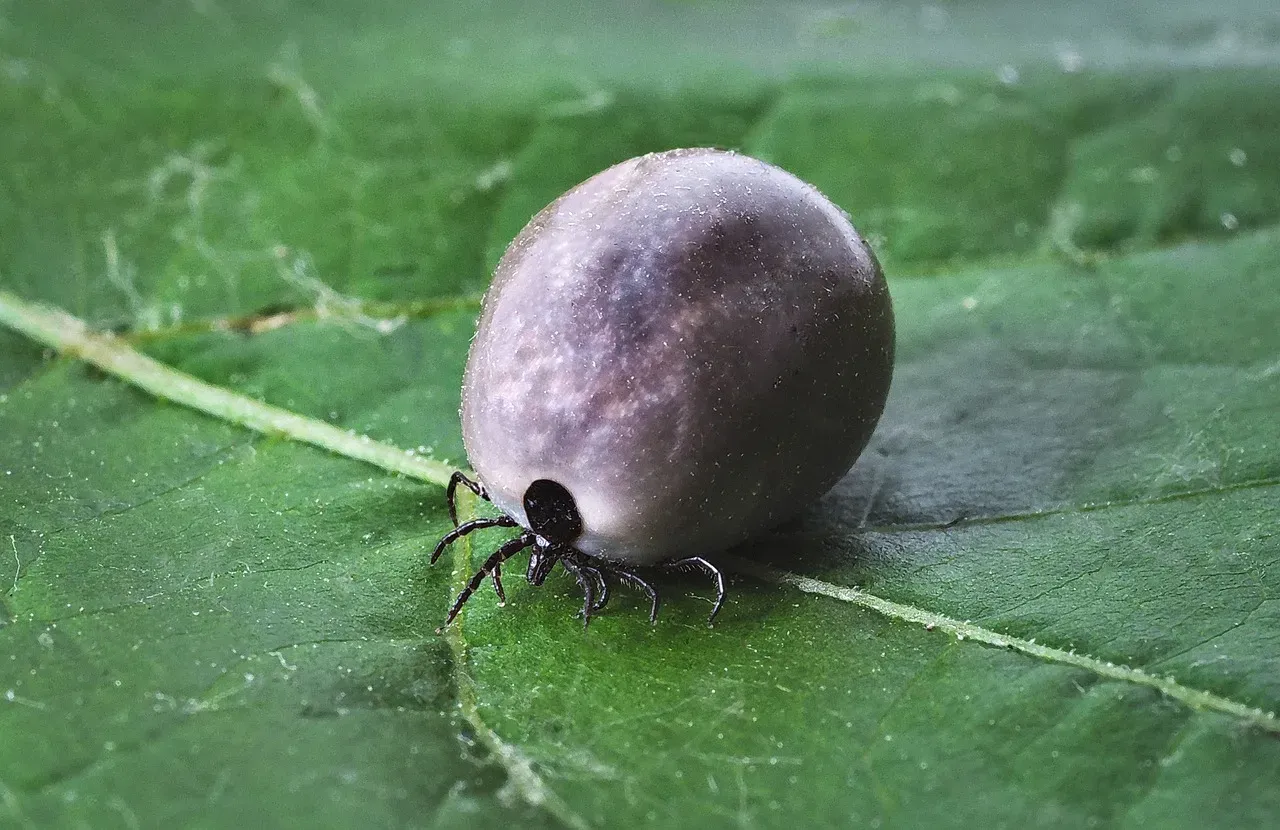
Ticks might be small, but the diseases they carry pack a devastating punch. In the US, roughly 20,000 to 30,000 people contract Lyme disease per year. The disease is widespread across North America, and the tick population can be up to 50% infected with Lyme, depending on where you live.
Let that sink in for a moment. In some areas, half of all ticks are carrying Lyme disease bacteria. Every time you walk through tall grass, brush against vegetation, or sit on the ground outdoors, you’re potentially exposing yourself to these tiny disease vectors.
West Nile virus and dengue fever, both spread by mosquitoes, and Lyme disease, transmitted by deer ticks are among the biggest threats because effective vaccines and guaranteed cures don’t exist for them. If an infected tick clings to your skin and feeds on your blood for 36 to 48 hours, you may develop the bull’s-eye rash, flulike symptoms, and joint pain that signal infection. If you’re infected with Lyme disease and don’t get treated right away, there can be long-term effects such as debilitating and persistent fatigue.
The insidious nature of tick-borne diseases lies in how easily they go unnoticed. Ticks spread disease by injecting a small amount of saliva into their victims whenever they bite. Tick saliva includes a numbing chemical that can make it hard to feel their bite. Ticks can stay attached and feed for several days, which is why it’s important to inspect exposed skin and wear the right clothing when spending time in tick habitats.
Many people never see the tick that infected them. These arachnids are remarkably small, with some species’ larvae being no bigger than a poppy seed. They wait on the tips of grass and leaves, sensing carbon dioxide and body heat from potential hosts. When you brush past, they grab on and begin searching for the perfect feeding spot, often ending up in warm, hidden areas like armpits, behind knees, or along the hairline.
Fleas are also responsible for other diseases such as Lyme disease and typhus. Ticks spread the same diseases as fleas and also cause babesiosis and anaplasmosis. The range of illnesses ticks transmit extends far beyond Lyme disease. Rocky Mountain spotted fever, ehrlichiosis, and anaplasmosis all come from tick bites, each with its own set of potentially serious symptoms.
Climate change is expanding tick habitats northward and to higher elevations. Areas that never had to worry about ticks now see them regularly. The tick season is lengthening, meaning protection is needed for more months each year.
After any outdoor activity in areas where ticks are present, conduct a thorough full-body check. Shower within two hours of coming indoors, which can wash off unattached ticks. Use a mirror to inspect hard-to-see areas, and don’t forget to check your scalp. If you find an attached tick, remove it immediately using fine-tipped tweezers, grasping as close to the skin as possible and pulling straight out with steady pressure. Save the tick in a sealed container in case you develop symptoms and need to have it tested. Early detection and treatment of tick-borne diseases significantly improve outcomes, so never ignore symptoms that develop after a tick bite.
Bed Bugs: The Nighttime Parasites Disrupting Sleep and Health
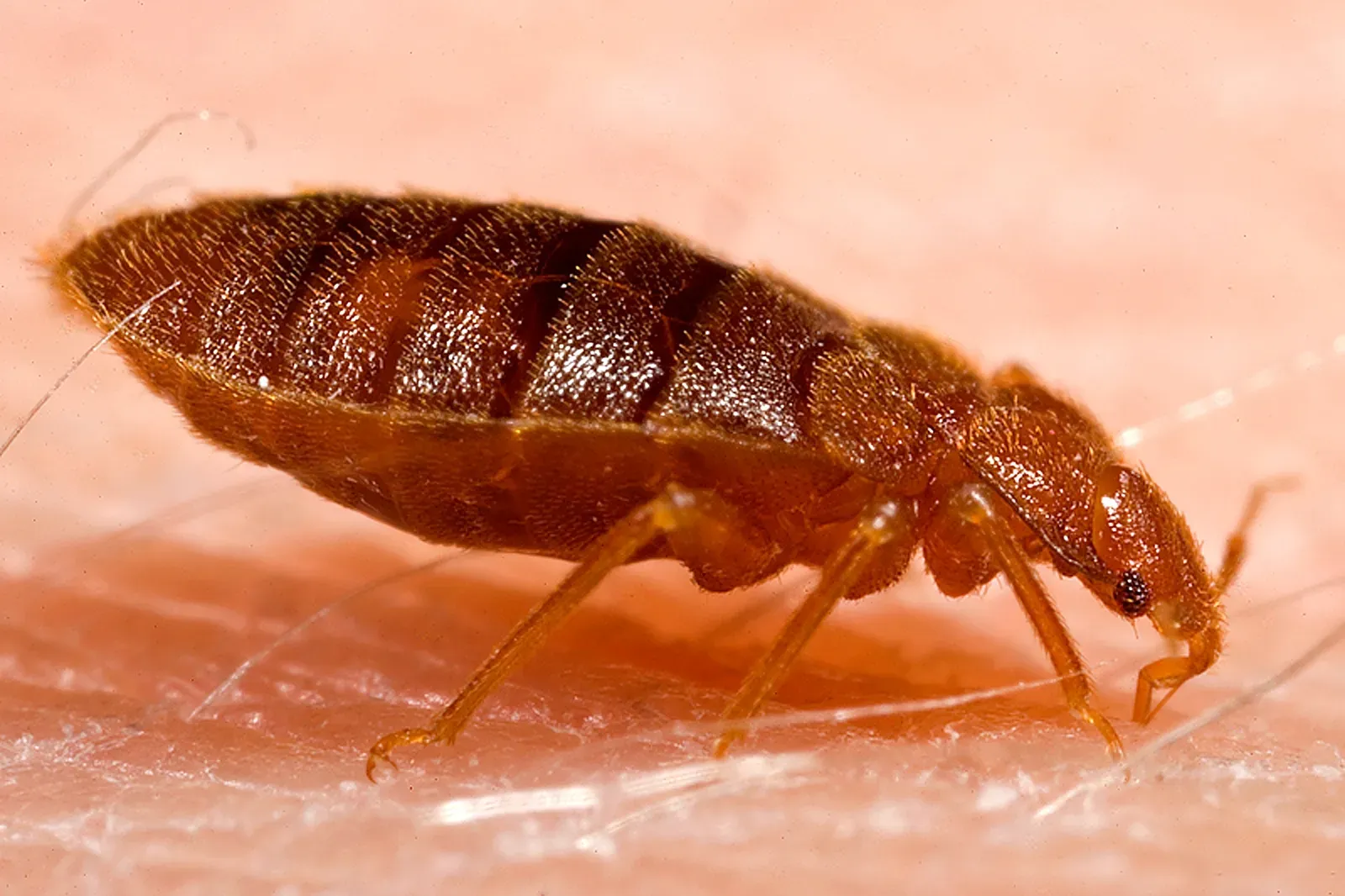
Few things inspire more horror than discovering bed bugs in your home. These parasites have made a massive comeback in recent decades, infesting homes, hotels, and even public transportation. Bedbugs spread more than 30 different kinds of diseases through their bites, including hepatitis B, herpes, and typhus.
Bed bugs are masters of stealth. They hide in the tiniest crevices during the day and emerge at night to feed on sleeping humans. Their flat bodies allow them to squeeze into spaces as thin as a credit card. You’ll find them in mattress seams, behind headboards, in electrical outlets, behind picture frames, and inside furniture joints.
The bites themselves vary in reaction from person to person. Bed bugs are not considered a direct health risk in terms of disease. Some people may not even notice bed bug bites. For others, however, bed bug bites result in painful red lumps, itching, and swelling. This variation makes infestations harder to detect, as one family member might be covered in bites while another shows no reaction.
Beyond physical health impacts, bed bugs wreak havoc on mental wellbeing. Bedbug infestations can have a heavy impact on the mental health of those affected. People living with bed bugs experience anxiety, insomnia, and hypervigilance. They become afraid to sleep in their own beds, constantly checking sheets and feeling phantom crawling sensations even when no bugs are present.
Bed bugs are notoriously difficult to eliminate. They can survive for months without feeding, waiting patiently for hosts to return. They’ve developed resistance to many common insecticides. Their tiny eggs are glued to surfaces and can survive many DIY treatment attempts. A single pregnant female smuggled into your home can establish an entire colony within weeks.
These parasites are expert hitchhikers. They travel in luggage, on clothing, in used furniture, and even in backpacks. You can pick them up from hotels, movie theaters, office chairs, or public transportation and unwittingly bring them home. Once established, they spread from room to room through wall voids and electrical conduits.
Effective bed bug elimination typically requires professional intervention using multiple treatment methods. Heat treatments that raise room temperatures to lethal levels, chemical treatments applied to all potential hiding spots, and follow-up inspections are usually necessary. The process is expensive, time-consuming, and emotionally draining. Prevention is far preferable. Inspect hotel rooms before unpacking, wash and dry clothes on high heat after traveling, and carefully examine any used furniture before bringing it into your home. These simple precautions can save you from one of the most stressful pest infestations you’ll ever face.
House Flies: The Deceptively Dangerous Dinner Guests
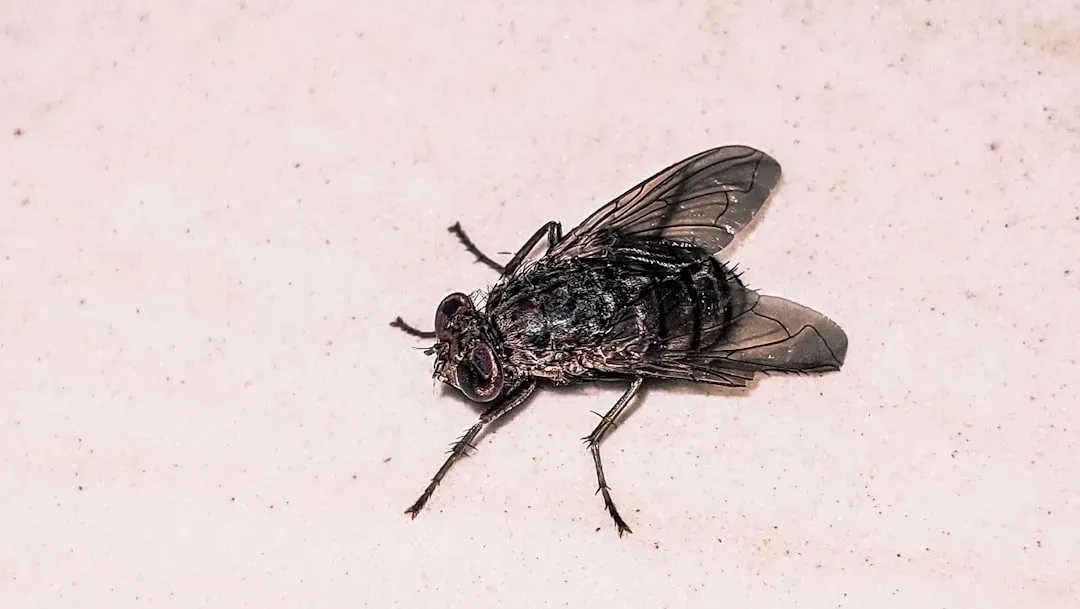
Most people consider house flies nothing more than annoying. That buzzing around your head, landing on your food, then flying away seems like a minor inconvenience. The common housefly isn’t as innocent as you might think. Flies carry pathogens that cause E. coli, cholera, typhoid fever, shigellosis, and more.
Here’s the disgusting reality of how flies contaminate your environment. Flies carry more than 100 pathogens that can cause dangerous diseases in humans and animals, such as typhoid, polio and tuberculosis. They spend their time feeding on garbage, animal waste, and decaying organic matter. When they land on these materials, pathogens stick to their legs and bodies. Then they fly into your kitchen and walk across your sandwich.
Flies don’t just carry disease on their bodies. They also regurgitate digestive fluids onto food to break it down before eating. If that fly was previously feeding on something contaminated, those pathogens are now on your food. They also defecate frequently, depositing whatever bacteria they’re carrying wherever they land.
The speed at which flies reproduce makes them particularly problematic. A single female can lay up to 500 eggs in her lifetime. Those eggs hatch into maggots within 24 hours in warm conditions. Within a week, those maggots become adult flies, ready to reproduce again. One fly problem can explode into a massive infestation in just weeks.
Spotting a few flies can indicate a dead animal like a mouse or rat behind your walls. This attracts flies who come in to lay their eggs in the decaying matter. If you suddenly notice more flies than usual, it often signals a larger problem requiring investigation. Ignoring flies means accepting continued contamination of your living space.
The diseases flies transmit are serious. Typhoid fever, cholera, and dysentery have killed millions throughout history. While these diseases are less common in developed countries with modern sanitation, they still occur. Salmonella and E. coli infections from fly contamination send thousands to hospitals each year.
Effective fly control requires multiple approaches. Eliminate breeding sites by properly disposing of garbage, cleaning up pet waste immediately, and ensuring trash cans have tight-fitting lids. Seal entry points around doors and windows. Use screens on all openings to your home. Inside, don’t leave food uncovered, wash dishes promptly, and clean up spills immediately. These simple sanitation measures dramatically reduce fly populations and the health risks they represent.
Conclusion: Taking Back Control of Your Home’s Health

The tiny creatures sharing our living spaces pose far greater threats than most people realize. From rats spreading hantavirus to mosquitoes carrying West Nile virus, these common household pests aren’t just nuisances. They’re legitimate health hazards that deserve serious attention and prompt action.
Knowledge is power when it comes to pest-related diseases. Understanding which pests carry which diseases, how transmission occurs, and what symptoms to watch for can literally save lives. Many of these illnesses are treatable when caught early, but delays in diagnosis can lead to serious complications or even death.
Prevention remains your best defense. Seal entry points, eliminate food and water sources, maintain cleanliness, and remove breeding habitats. These straightforward measures dramatically reduce your exposure risk. When prevention fails and infestations occur, don’t hesitate to seek professional pest control services. The cost of elimination is far less than the potential medical bills from pest-borne illnesses.
Regular inspections of your property allow early detection before small problems become major infestations. Check for rodent droppings, inspect for bed bug signs after traveling, eliminate standing water, and address any pest sightings immediately. The earlier you act, the easier and less expensive resolution becomes.
Your home should be your sanctuary, not a breeding ground for disease-carrying pests. Take these threats seriously, implement preventive measures, and don’t let embarrassment prevent you from seeking help when needed. Every household deals with pests at some point. How you respond determines whether they remain minor inconveniences or become serious health threats to your family.
What surprised you most about these common pests? Did you realize just how dangerous they could be? Share your thoughts and experiences in the comments below.
Worried about unexpected vet bills?
Pet insurance can cover thousands in unexpected vet costs. Get a free quote from Lemonade in under 2 minutes.
Get My Free Quote →Sponsored · Opens Lemonade.com

- How Muskrat Behavior Can Indicate Climate Change in The Carolinas - June 6, 2026
- What Ancient Animal Symbolizes Prosperity for Your Zodiac Sign? - June 6, 2026
- The US States With the Most Elk - June 6, 2026