
Most people assume ants show up at random, appearing from nowhere the moment warm weather hits. The truth is far more calculated. Ants are running a highly coordinated intelligence operation every single day, and your kitchen is the target. They’re not stumbling in by chance. They’re following invisible chemical roadmaps, laid down by scout ants who detected something in your home long before you noticed a single insect on your counter.
Their secret lies in their antennae, which act like tiny chemical detectors, constantly “tasting” the air for smells. An ant’s olfactory system is so sensitive that it can detect certain chemical compounds at concentrations as low as a few parts per billion, which means they can follow faint, hours-old scent trails or locate a hidden food source from a significant distance. That’s a genuinely unsettling level of precision aimed squarely at your pantry.
Knowing which smells are sending the invitation is the first step to rescinding it. Here are the seven kitchen smells that consistently .
#1: The Sweet, Syrupy Scent of Sugar and Honey
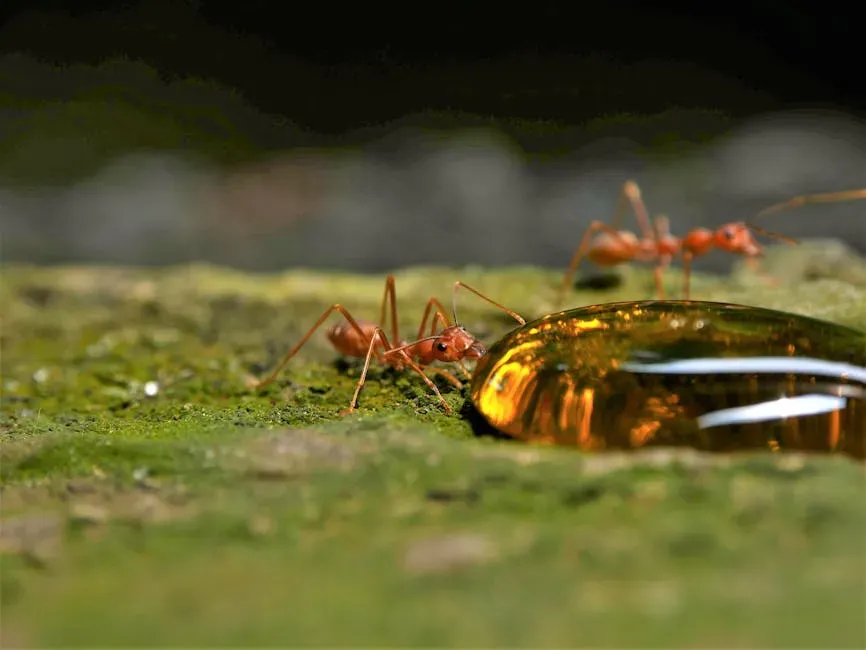
Ants absolutely love sugar. You’ve no doubt seen the impact after dripping an ice cream cone on the ground or spilling a can of soda at a barbecue. Within minutes, there’s a long streak of ants lined up to carry it home. This isn’t coincidence. Sugar is a primary energy source for ant colonies, and their ability to lock onto it is almost mechanical in its precision.
Ants especially love melty or syrupy sugar, and one of their favorite natural foods is honey, because it is easier for them to carry these thick liquids or semi-solids. A forgotten honey drizzle on the counter, an open jam jar, or even a sticky residue from a soda bottle cap can be enough. Simple spills or crumbs left on counters can act as a beacon that will draw ants inside your home. Clean the counter, but don’t just wipe. Use soap and water, not just a damp cloth, to actually break down the sugar residue that remains invisible to you but unmistakable to them.
#2: Ripe and Overripe Fruit Left on the Counter
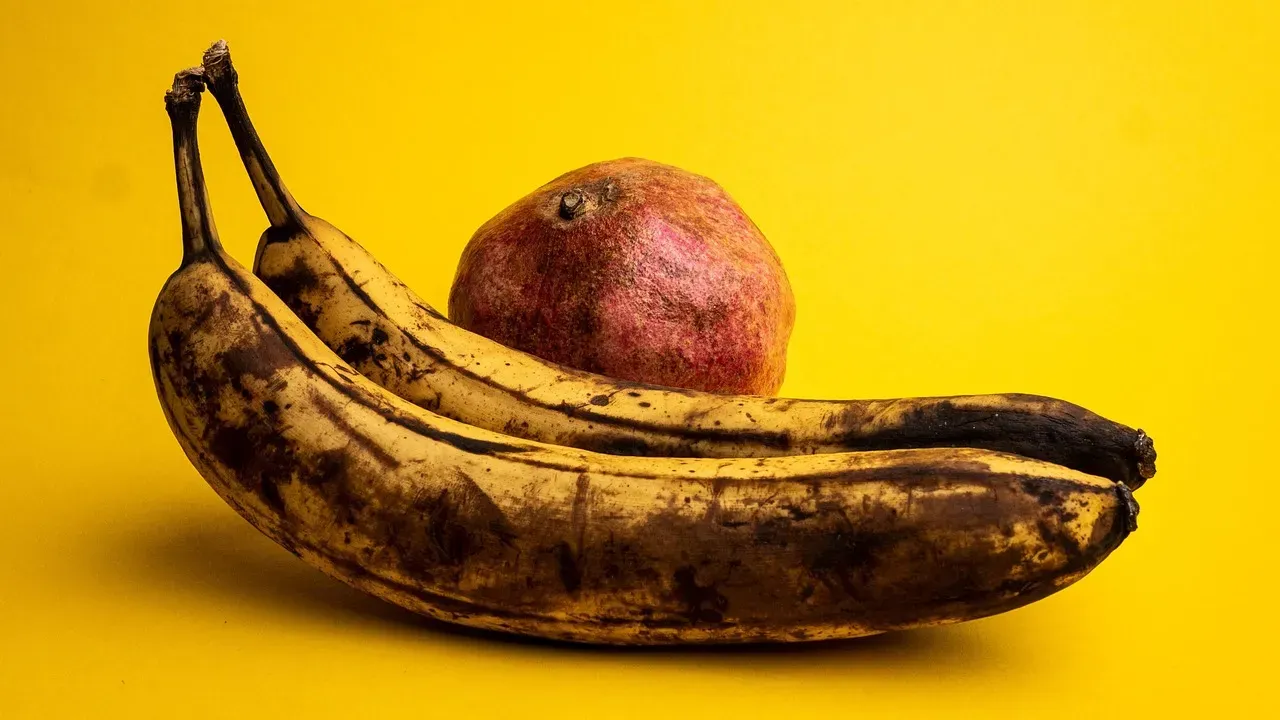
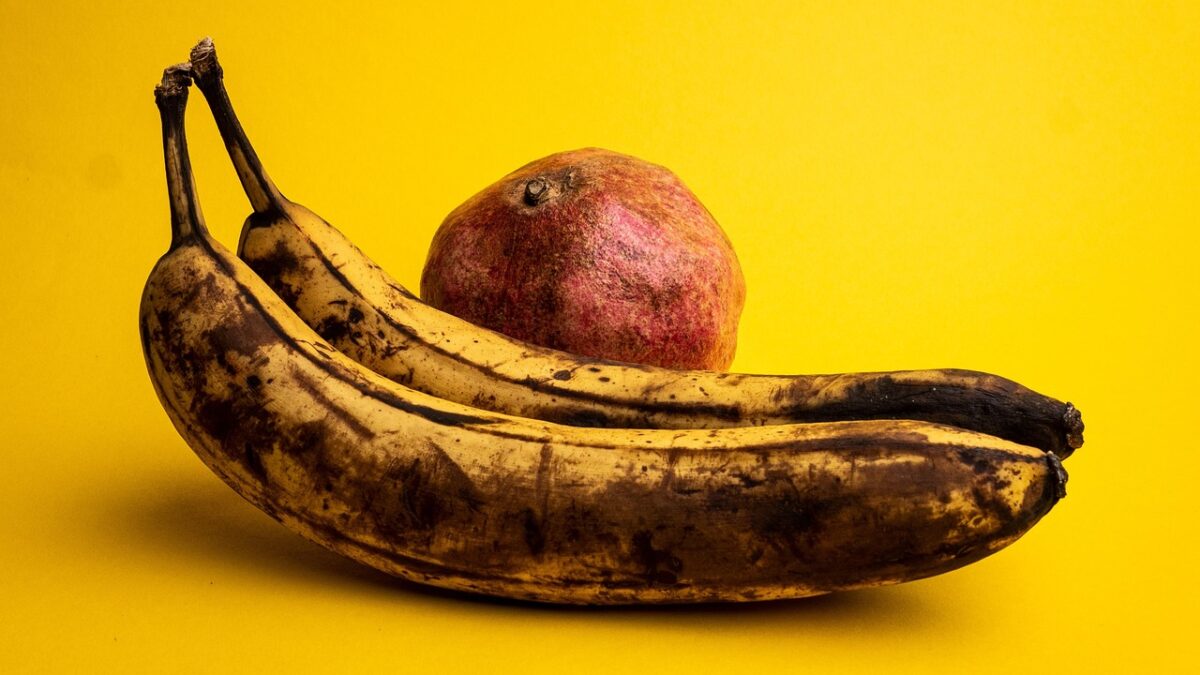
Ants will be especially attracted to any ripe fruit you have around your kitchen, particularly on the countertops. It’s a timing issue more than most people realize. Fruit that was fine yesterday becomes a broadcasting station for ant scouts today once it starts to soften and ferment. Ants will indulge in fruit of any kind, but they are especially attracted to fruit that is really ripe. Those ripe bananas left on the counter for too long? They’ll be all over that.
The problem isn’t just the sugars in the fruit. Sugary or spilled foods ferment slightly, attracting ants and intensifying the scent. That fermentation process amplifies the chemical signal, making overripe fruit one of the most reliable ant attractants in any kitchen. Refrigerating fruit once it reaches peak ripeness, or consuming it promptly, removes the trigger before a scout ever gets wind of it.
#3: Greasy Stovetop Residue and Cooking Oils
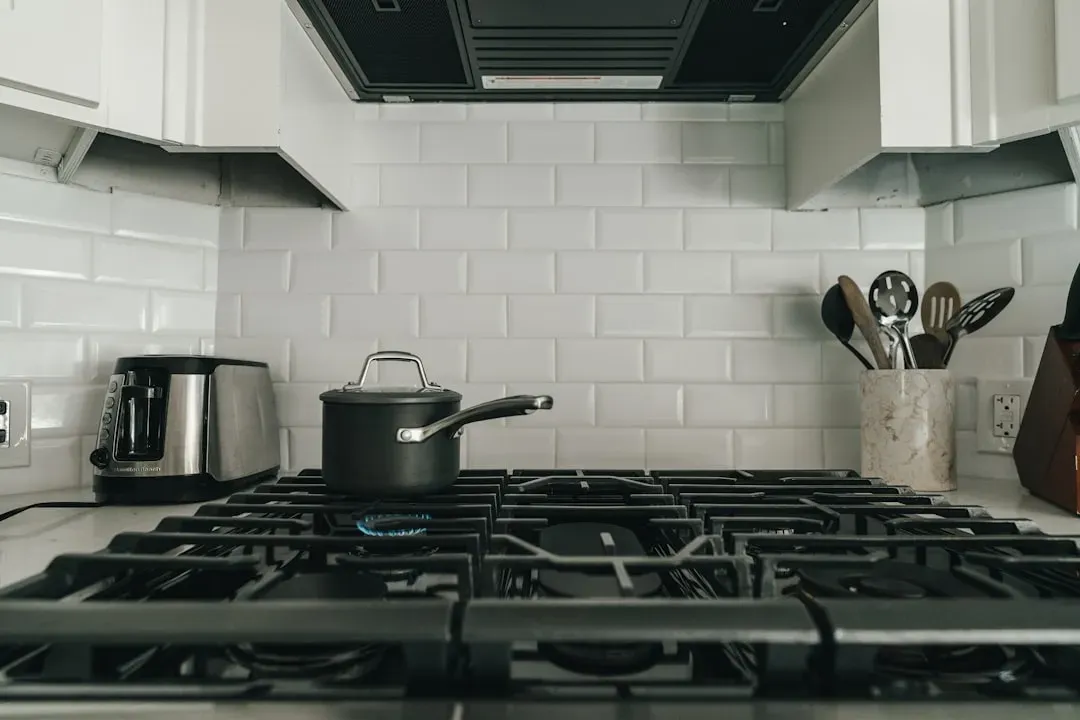
Greasy foods are another indulgence that will attract ants. They need some grease and fat in their diet as well, and if they smell any greasy food in your kitchen, they are going to be on the lookout for it. Most people focus exclusively on sugar when thinking about ant attractants, but this is where a lot of ant problems quietly begin. That film of cooking oil around the burner or the grease splatter behind the pan is a protein and fat source colonies actively seek out.
It’s not just sweets. Greasy residue on the stovetop, crumbs from pet food, or tiny bits of meat are also highly attractive, as these provide building blocks for the colony’s growth. Wiping down the stovetop and backsplash after cooking isn’t just about keeping the kitchen looking clean. It’s actively removing one of the most consistent chemical signals that draws ants indoors. A degreasing cleaner works better than a standard surface wipe for this particular job.
#4: The Smell of Raw and Cooked Meat
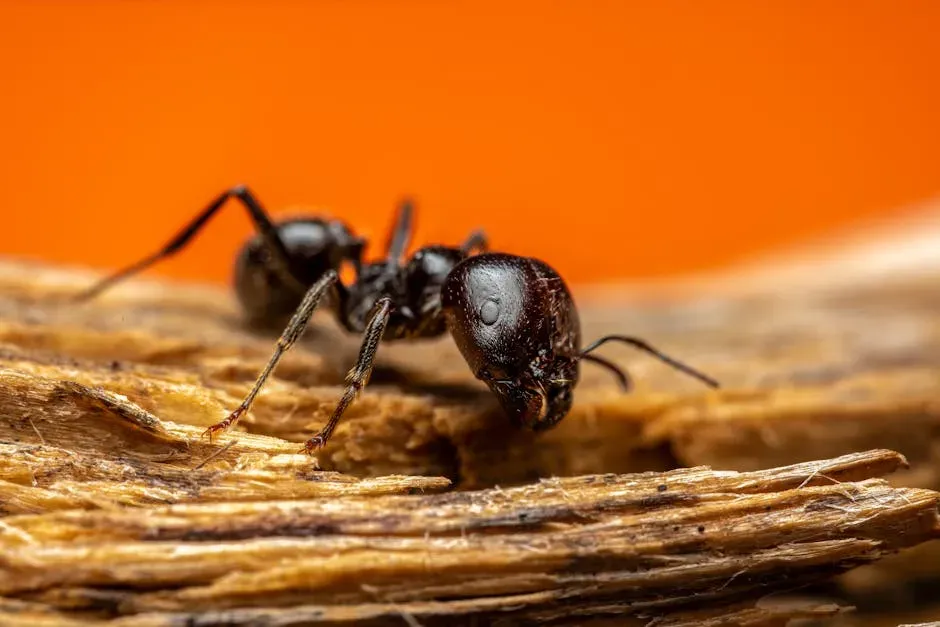
While ants might be primarily attracted to sugar, they also need to have a balanced diet that includes protein to survive. Any raw or cooked meat in your home and the smell of preparing it can attract ants as well. This surprises a lot of people. The idea of ants swarming a protein source feels counterintuitive when we’ve spent years thinking of them purely as sugar-seekers. In reality, they’re opportunistic omnivores with real nutritional requirements.
Ants are scavengers and opportunists, and meat or other foods left out or dropped on the floor will attract them. Leaving cooked chicken on the counter while you prepare the rest of dinner, or setting a cutting board with meat residue aside and forgetting it, can be enough. Covering food while it rests and cleaning up meat prep surfaces immediately is especially important, since the protein scent lingers on surfaces longer than most people expect.
#5: The Persistent Odor of an Uncovered Trash Bin

Garbage is one of the biggest ant magnets. It makes perfect sense when you consider what a kitchen bin actually contains: decaying food waste, meat residue, sticky packaging, and a concentrated mix of every scent that ants find appealing. When garbage stays too long, even tiny spills or residues inside the bin become a strong food signal for ants, leading them straight into your kitchen.
Odorous house ants, Argentine ants, and pavement ants are the species most likely to be attracted by uncovered kitchen waste. They are notorious for finding and feasting on food in the home, and kitchen trash cans are a main source. Odorous house ants tend to prefer sweet, sugary foods, while Argentine ants and pavement ants target more savory foods like meat, bread, oils, and fats. The fix here is straightforward: use a bin with a tight-fitting lid, empty it frequently, and wipe down the inside of the bin regularly to remove residue that continues broadcasting even after the bag is gone.
#6: Pet Food Left Out in the Open
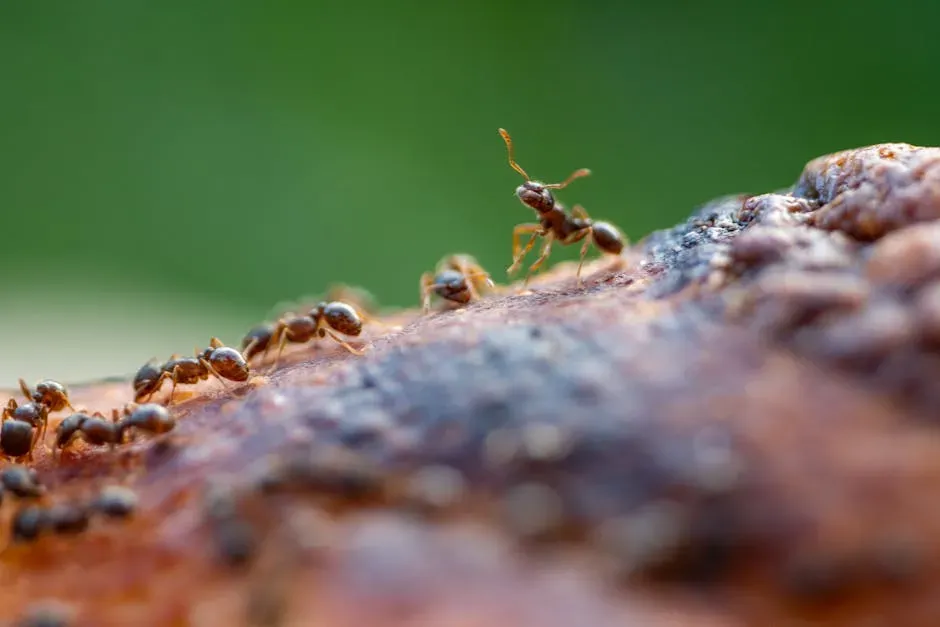
A bowl of pet food left out all day is a constant, fragrant food source for ants. Both wet and dry food emit strong scents. This is one of the most overlooked ant attractants in the average household, partly because people assume the food is “contained” in a bowl. From an ant’s perspective, that bowl is an open buffet broadcasting a steady signal across a large area of floor space.
Odorous house ants are drawn to sugary foods, grease, and protein-based substances. Open containers of food, pet food, and even food scraps in garbage cans can attract them. The solution isn’t to stop feeding your pet, obviously. It’s a matter of timing and storage. Store food in airtight containers, including pet food, which should not be left out overnight. Picking up food bowls between feeding times, particularly after dark when ant activity often peaks, removes the invitation entirely.
#7: The Lingering Smell of Dirty Dishes and Drain Residue
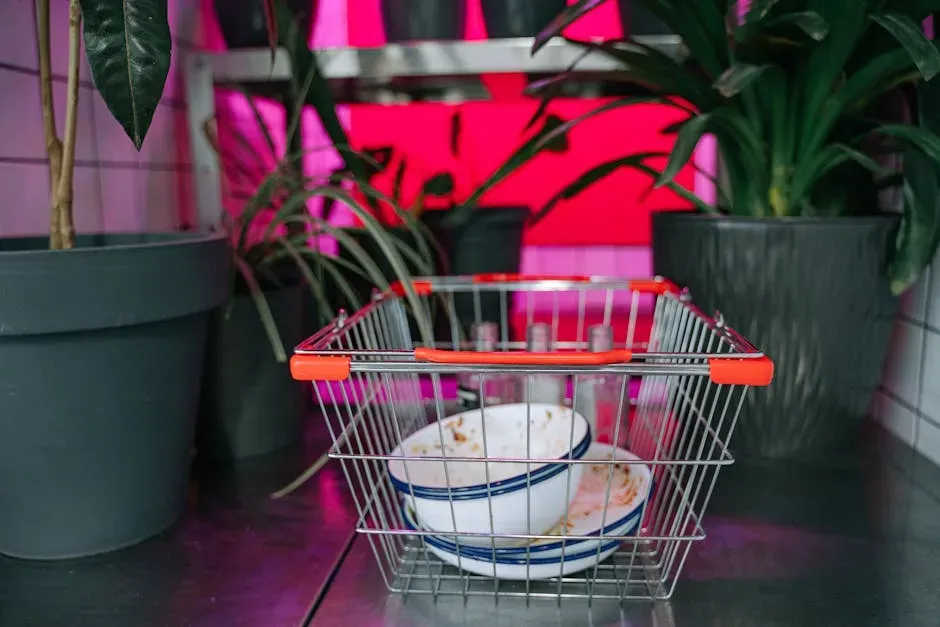
Leaving dirty dishes in the sink or on the counter can attract odorous ants, as the residue on plates and utensils acts as a food source for them. It’s one of the most normalized kitchen habits, and one of the most reliably problematic ones when it comes to ant activity. A stack of dishes with a thin coating of sauce, egg, or cereal milk is essentially a plated meal sitting at ground level from an ant’s point of view.
Ants are attracted to organic residue inside drains as well, including grease, food particles, and soap scum. Even if the sink looks clean, small bits of food trapped in pipes can sustain a colony. This means the problem can persist even when the counter is spotless. Regularly cleaning the drain using a mixture of hot water, vinegar, and baking soda, or using enzyme-based drain cleaners to break down food buildup targets one of the less obvious but surprisingly consistent sources of ant attraction in a kitchen.
What to Do Once You Know the Problem
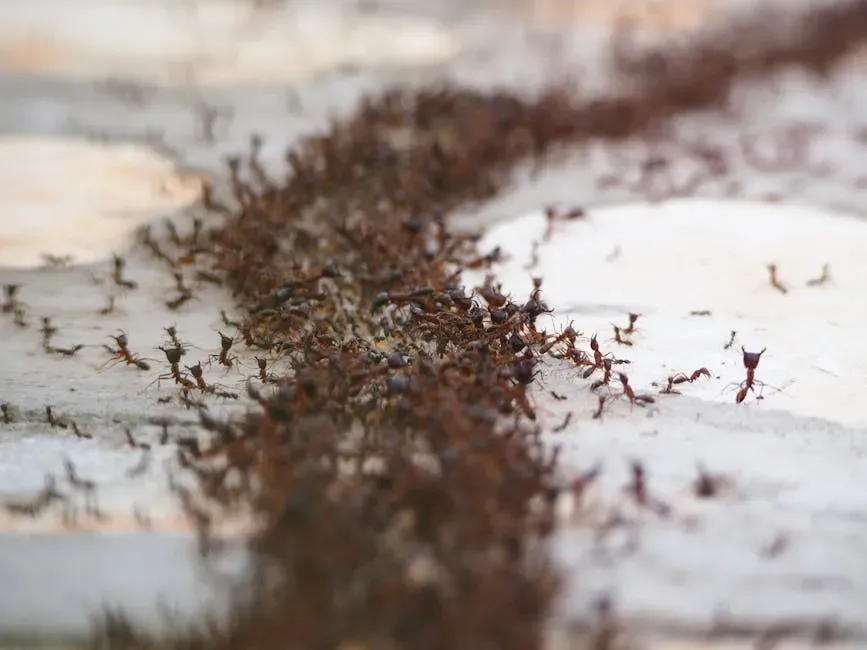
Understanding what’s triggering an invasion is genuinely more powerful than reaching for a can of spray. Treatments address the symptom. Removing the scent removes the reason for ants to show up in the first place. When ants find a smell that attracts them, they lay down a pheromone scent which alerts other workers, causing a domino effect: every one of them who comes into contact with the original aroma or the pheromone also lays it down. Breaking that chain early, before the trail becomes well established, is where the real leverage is.
Once ants have entered, simply removing them will not stop more from coming due to existing scent trails. Clean areas where ants have been with strong soap or window cleaner to erase these trails. For natural deterrence, ants don’t like the smell of cinnamon because cinnamaldehyde disrupts their pheromone trails and irritates them. Meanwhile, ants dislike the smell of lemon and other citrus because the d-limonene and acidity mask their pheromone trails, making it hard for them to navigate. These aren’t magic solutions, but they work well as part of a consistent cleaning routine.
The honest takeaway here is that ants aren’t invading your kitchen because they’re bold or opportunistic in some grand sense. They’re responding to signals you’re sending them. Change the signals, and they’ll find somewhere else to be. That’s less a pest control strategy and more a quiet renegotiation of terms with the insect world.
