

The cold snap is coming faster than you think. While some gardeners focus on winterizing their hardy perennials, there’s a group of precious plants hanging in the balance that won’t survive even a light frost. These botanical beauties have graced our patios and gardens all summer long, but their tropical origins make them sitting ducks for frost damage.
Unlike their cold-hardy counterparts, these tender treasures can’t simply tough it out through winter. They need your immediate attention and a cozy indoor spot to call home until spring returns. Let’s explore seven plants that absolutely must come inside before that first killing frost steals them away forever.
1. Tropical Hibiscus – The Stunning Show-Stopper

Tropical hibiscus (Hibiscus rosa-sinensis) are tropical plants that must be overwintered as houseplants because they simply cannot tolerate freezing temperatures. These magnificent bloomers produce those show-stopping flowers in vibrant reds, pinks, yellows, and oranges that make every garden feel like paradise. However, their tropical heritage means they’ll turn into mush at the first hint of frost.
The key is timing your rescue mission properly. Many tropicals will start struggling when nighttime temperatures drop into the low 40s, so plan ahead. Don’t wait until you hear frost warnings on the weather report. Cut back the hibiscus when you bring them inside, and expect some leaf drop as they adjust to indoor conditions.
2. Geraniums – The Classic Container Companions
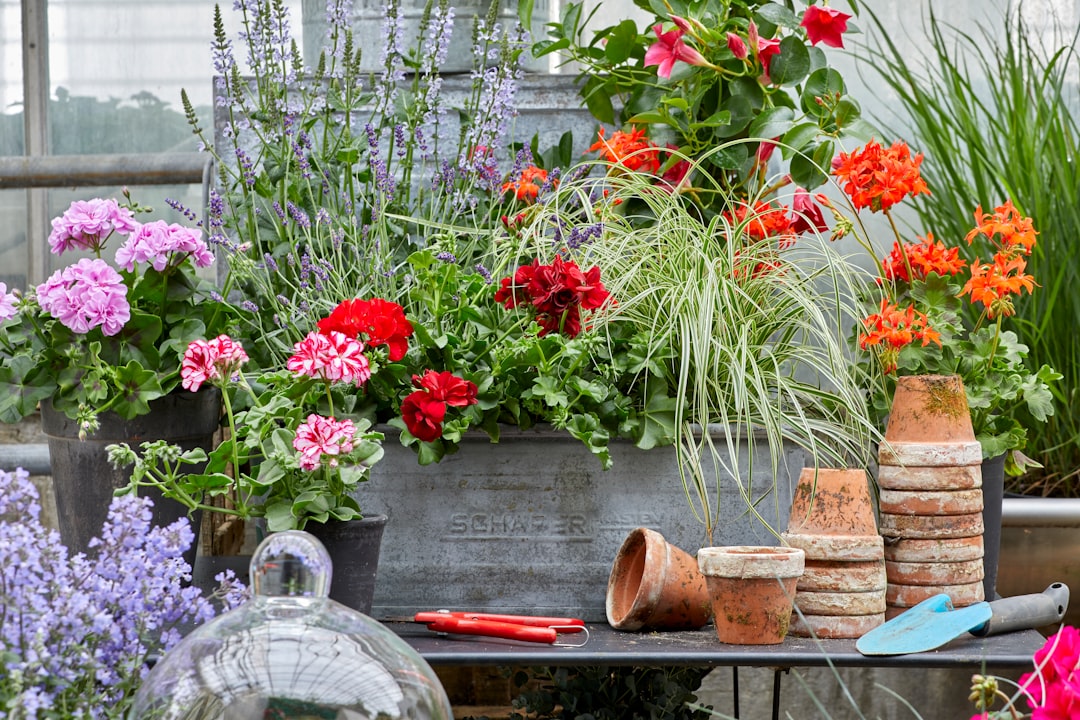
Those cheerful geraniums that have been brightening your window boxes and containers all season are actually tender perennials masquerading as annuals. Geraniums (Pelargonium spp.) are among the most frost-sensitive plants in your garden. Some varieties of pelargoniums (commonly known as geraniums) are particularly vulnerable to frost damage.
The beauty of geraniums lies in their adaptability to indoor life. Pelargoniums (geraniums) can be tidied up and brought inside as houseplants, though they may need time to adjust to the drier indoor air. In autumn, take cuttings from plants like pelargoniums and discard the parent plant if you’re short on indoor space.
3. Begonias – The Delicate Beauties
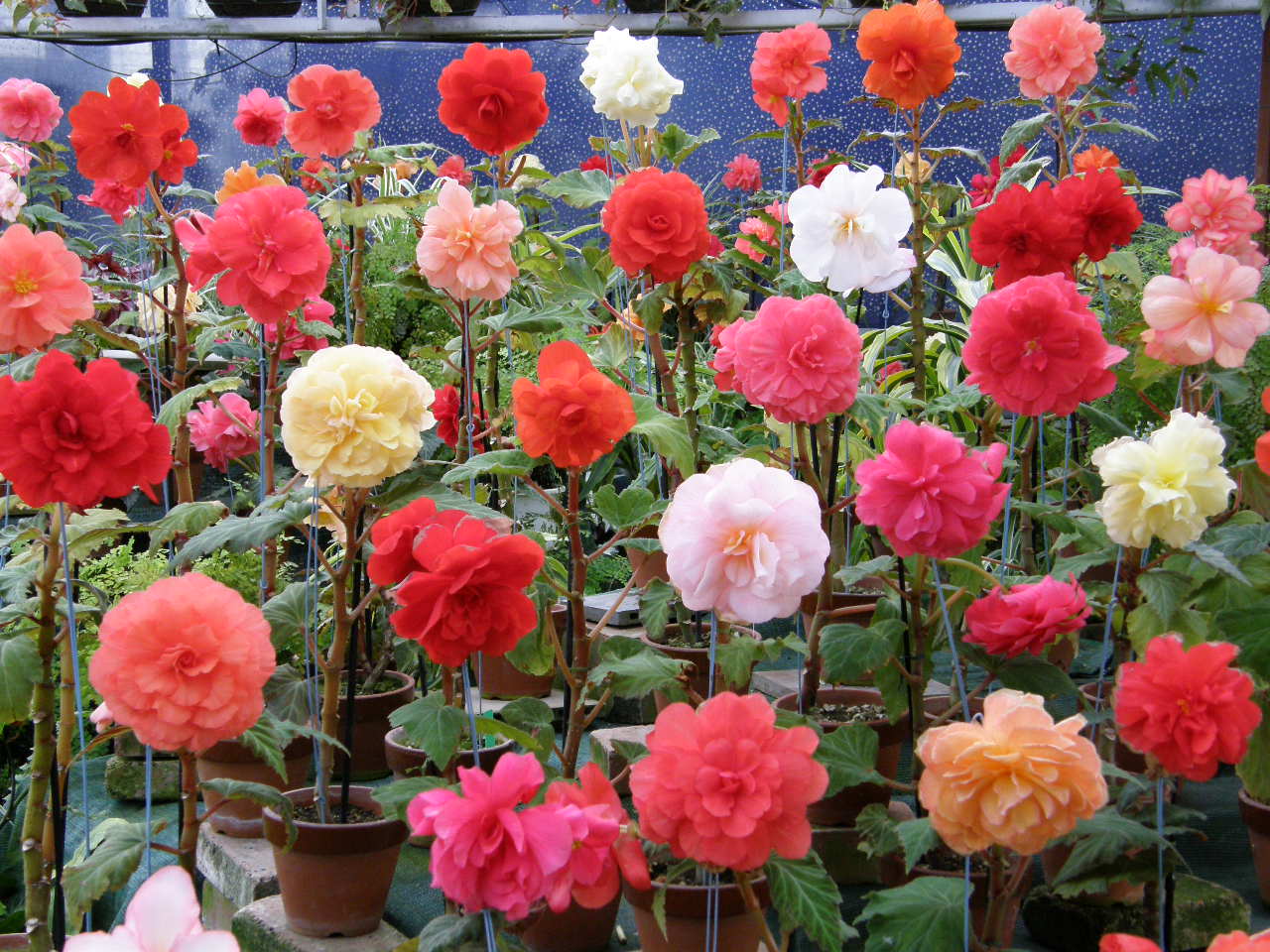
Tuberous Begonias (Begonia tuberhybrida) rank among the most frost-tender plants you’ll encounter in the garden. Bedding plants commonly used for summer displays are vulnerable to frost. These include begonias, which will turn black and collapse at the first touch of freezing air.
These plants require gentle handling when transitioning indoors. Some begonias have stems so fragile they break if you look at them sideways, so support them with stakes when covering or moving. Take cuttings from plants like begonias and fuchsias as insurance against losing the parent plant during winter storage.
4. Coleus – The Foliage Superstars
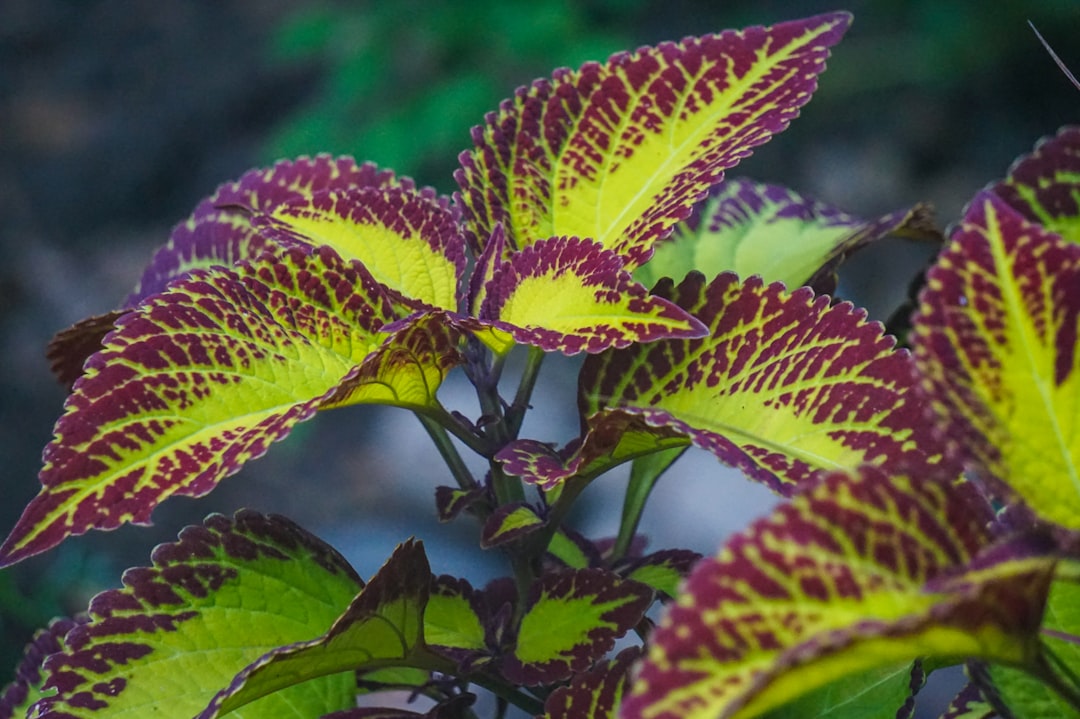
Coleus are popular foliage plants, thanks to their unique leaves in striking shades ranging from deep purple to lime green. But they are sensitive to frost. These stunning foliage plants have become garden favorites precisely because of their incredible color combinations and patterns that rival any flower display.
Coleus (Plectranthus scutellarioides) are easily carried from one year to the next by propagating through rooting stem cuttings. This makes them perfect candidates for winter propagation projects. Coleus can be tidied up and brought inside as houseplants, where their colorful leaves will continue brightening your home through the dreary winter months.
5. Fuchsias – The Elegant Danglers
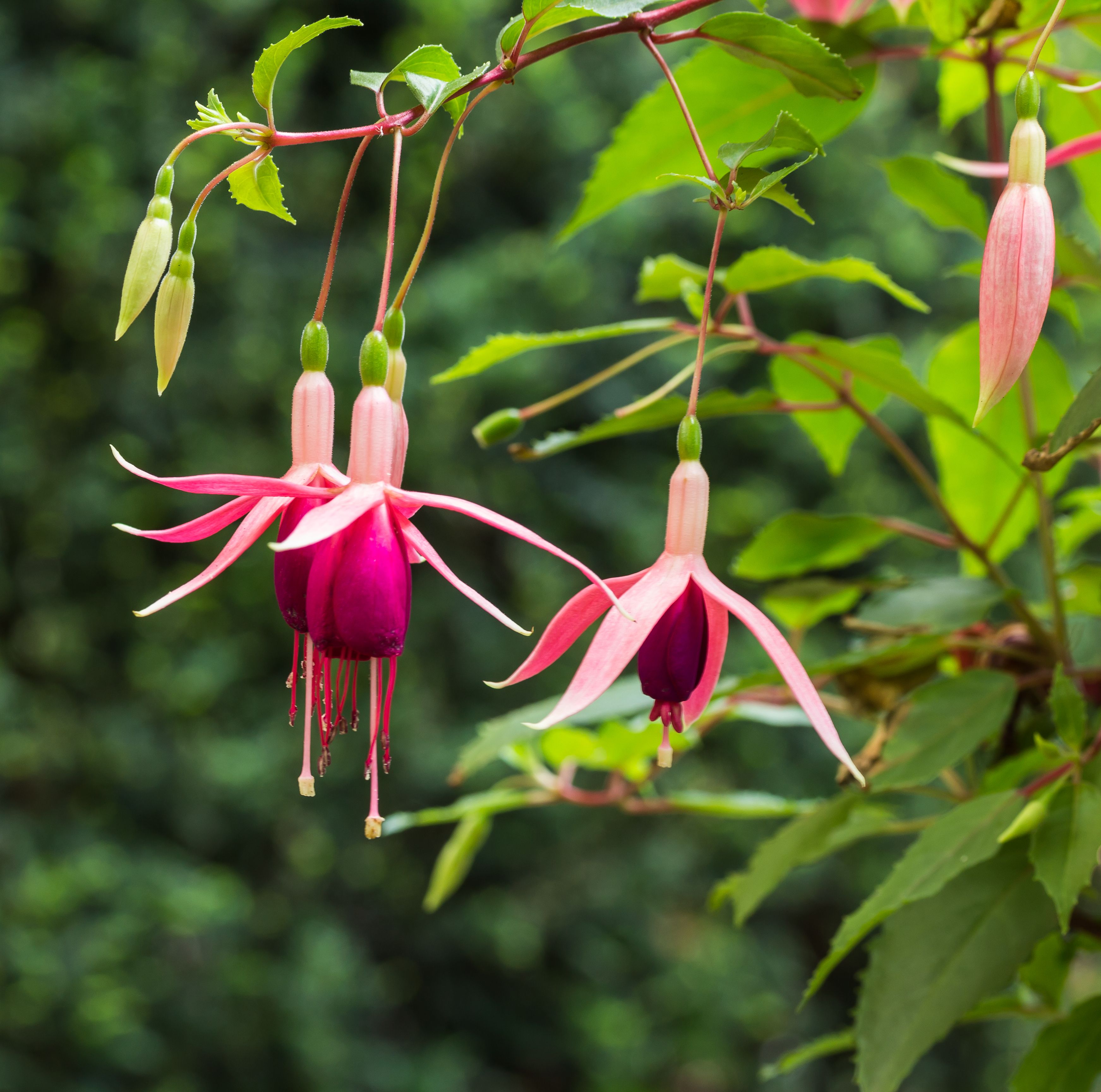
Fuchsias (Fuchsia spp.) are among the most beloved hanging basket plants, with their distinctive pendant flowers that dance in the breeze like tiny ballerinas. Some varieties of salvias, fuchsias, and pelargoniums are particularly vulnerable to frost damage, making indoor protection essential.
These graceful plants require special care during their indoor transition. Fuchsias can be tidied up and brought inside as houseplants, although they may struggle to adapt to the warm, dry conditions indoors. Consider placing them in a cool, bright room where they can rest through winter without the stress of trying to bloom continuously.
6. Citrus Trees – The Fragrant Fruit Producers
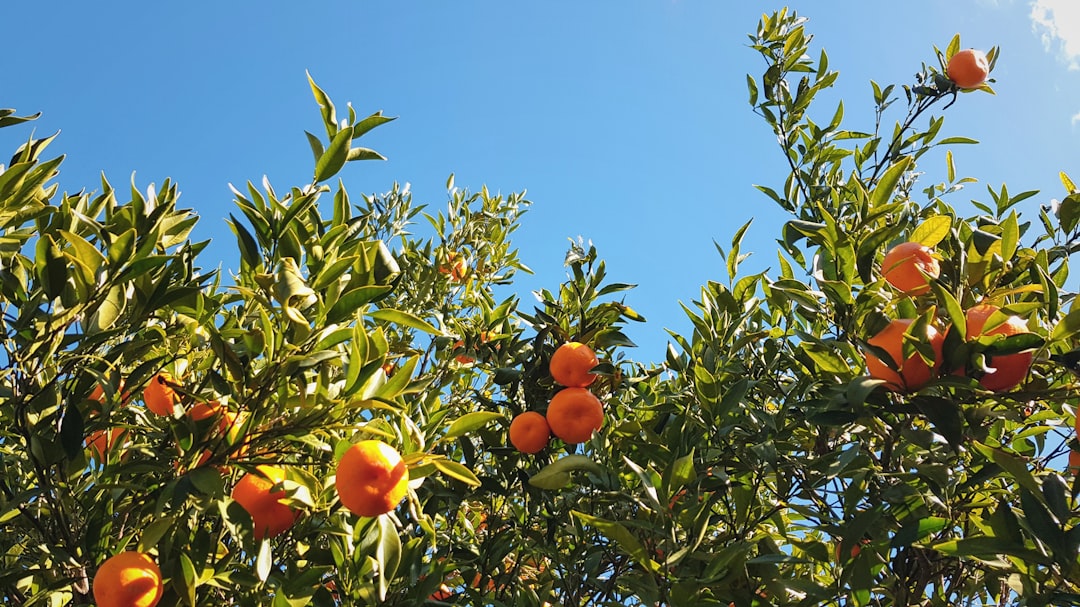
Citrus plants can surprise you, seemingly running on fumes when other fruiting plants have started packing up operations for the year. However, that’s contingent on the right blend of warmth and light lasting beyond the softening rays of autumn. Although some citrus varieties can cope with temperatures in the low single digits (celsius), it’s not a great idea to risk the ravages of tissue damage caused by significant exposure to frost.
Container-grown citrus trees have become incredibly popular, and for good reason. Examples include palms, bougainvillea, and some citrus trees which are at greater risk of frost damage. Citrus trees are sensitive to cold. It’s a good practice to cover them when temperatures drop to or near freezing, but bringing potted specimens indoors provides the ultimate protection.
7. Bird of Paradise – The Exotic Showpiece
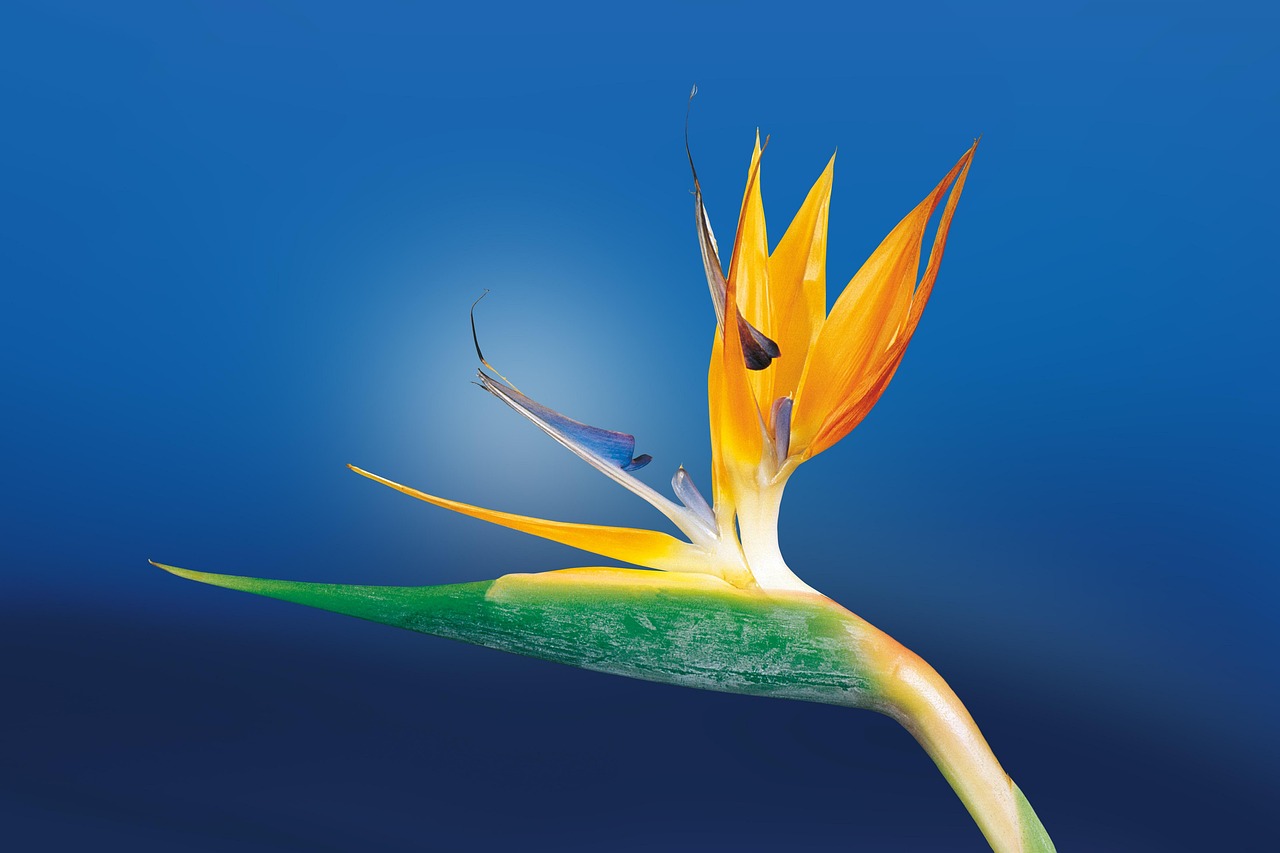
The magnificent Bird of Paradise has become the ultimate statement plant for modern gardeners seeking that tropical resort feel. If there’s a chance that the mercury is going to drop below 50°F (10°C) in your area, this in itself is a reason to bring your plant indoors. Their tender nature won’t abide prolonged exposure to anything below that level – at best, the cold will stunt or damage flower production. At worst, they could sustain severe tissue damage and give up the ghost.
So to protect outdoor plants from frost, bring your container-based strelitzia indoors in the fall and treat them as fancy houseplants until spring is well underway. A conservatory or greenhouse is ideal, but they can also do well near a sunny window indoors, somewhere you can keep the temperature above 57°F (14°C). These architectural beauties will reward your winter care with spectacular blooms when temperatures warm up again.
Conclusion
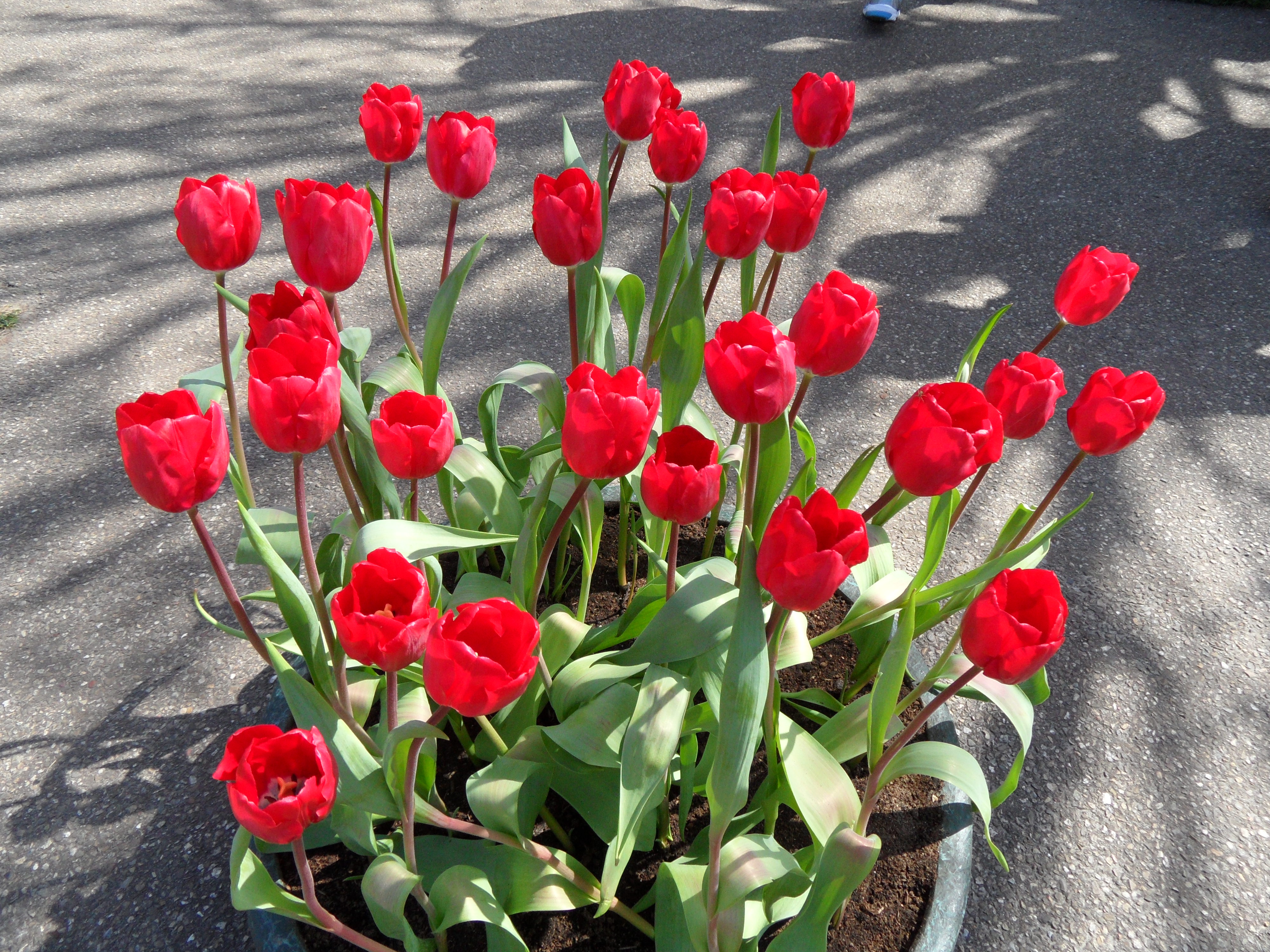
The difference between thriving plants and heartbreaking losses often comes down to one crucial decision: acting before that first frost hits. Bringing plants indoors is the easiest way to protect them from frost or freeze damage. These seven tender treasures have given you months of beauty and joy, and with just a little preparation, they’ll continue brightening your indoor spaces through winter and return to outdoor glory next spring.
Don’t let procrastination cost you these precious plants forever. The weather can change quickly in late fall, and Don’t wait until the first frost (they won’t survive that)! The sudden shock of cold will be too stressful for plants. Ideally, when nighttime temperatures dip below 55°F (13°C), it’s time to start transitioning your plants indoors. Have you checked your weather forecast lately? Your plants are counting on you to be their hero before winter arrives.
