
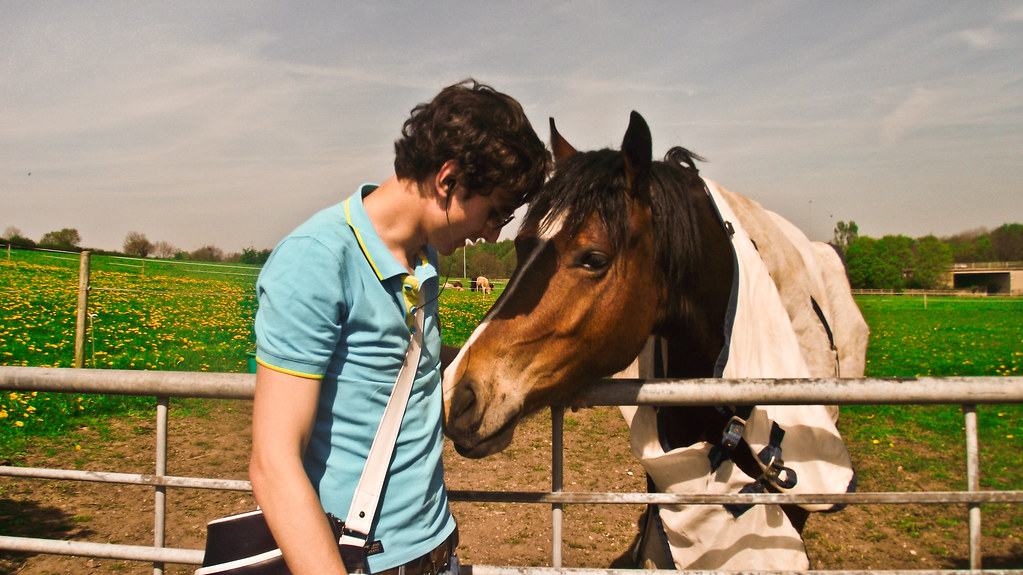
We tend to think of the animal kingdom as a place ruled by survival of the fittest. Competition, predation, danger at every turn. It’s the story nature documentaries love to tell. Yet beneath all of that, something far more tender is happening – something most of us never expected science to confirm.
Animals form genuine, deep, sometimes jaw-dropping friendships. Not just within their own species, but across wildly different ones. A bear and a tiger. An elephant and a dog. A narwhal welcomed into a pod of beluga whales. Honestly, it sounds like a children’s book, except every bit of it is real. Let’s dive in.
Predator and Prey Can Actually Become Best Friends
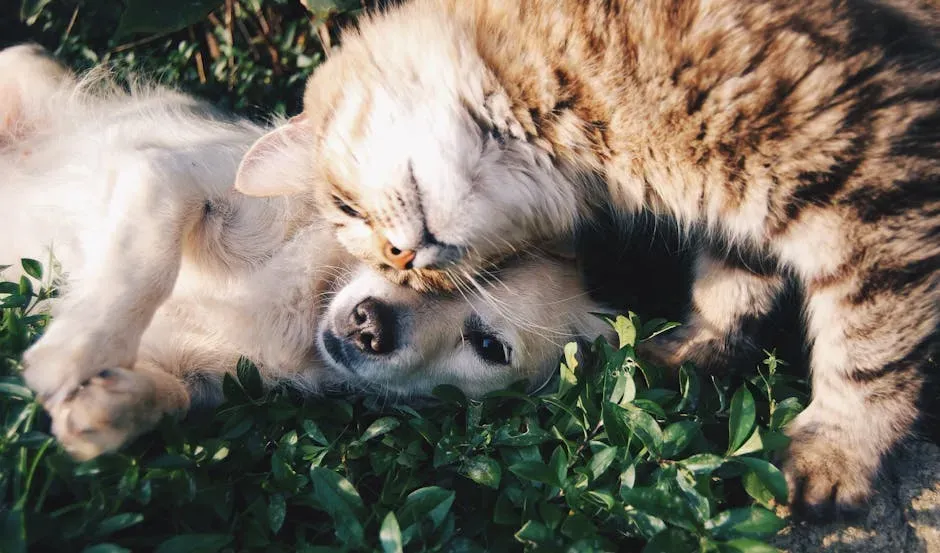
Here’s the thing that should stop you in your tracks: some of the most documented animal friendships exist between animals that would, under normal wild circumstances, be on completely opposite sides of the food chain. In many cases of interspecies friendship, the species are not normally seen together, and sometimes one is of a species that ordinarily preys on the other in nature.
Think about what that means for a moment. The prey animal has to extend a level of trust so profound it almost defies instinct. Animals are very selective about the other individuals they let into their lives, and when a rabbit or a deer chooses to accept a natural predator as a companion, that’s not a small thing. It’s an extraordinary leap.
Strong attachments often arise in captive animals, and two very stressed individuals may lean on each other for comfort. In most cases, cross-species friendships are forged most strongly when animals are young. Shared vulnerability, it turns out, is a universal bridge.
A Tiger, a Bear, and a Lion Became Inseparable After Shared Trauma

This one hits differently. The tale of Shere Khan the tiger, Baloo the bear, and Leo the lion is truly touching. The three of them were rescued together from a drug dealer who had abused them extensively. Baloo even needed surgery to remove a harness that had grown into his skin and caused deformities. Because of what they suffered together, the three friends are now inseparable.
At Noah’s Ark animal sanctuary in Georgia, BLT stands for bear, lion, and tiger, inseparable friends who grew up together and share a cabin at this wild animal refuge. Three animals that would never coexist in the wild, bonded by the one thing that transcends species: shared pain and recovery.
It’s hard not to feel something when you hear that. There’s a kind of poetry in it. Suffering brought them together, and companionship kept them whole.
Wild Chimpanzees and Gorillas Form Bonds That Last Decades
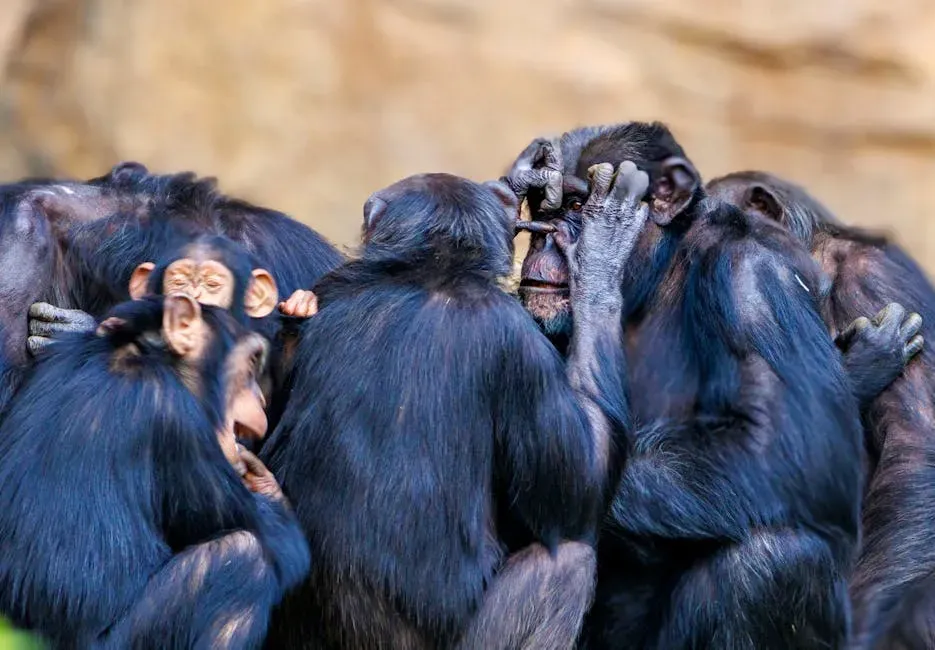
If you think cross-species friendships only happen in zoos or sanctuaries, think again. In 2022, a groundbreaking study showed that wild chimpanzees and gorillas in the Republic of Congo can reach across the species barrier to form friendships lasting 20 years or more. Twenty years. That’s longer than most human relationships last in practice.
Scientists who study primates have found that neurochemistry plays a big part in reinforcing such bonds. In primates, grooming releases the behavior-regulating hormone oxytocin, which then feeds into the reward center, presumably giving a positive feedback system so that grooming is more likely to happen again.
Grooming a friend also reduces cortisol, a hormone associated with stress. In contrast, cortisol levels are unaffected when apes groom a group member they haven’t bonded with. In other words, friendship is literally written into animal biology. The body rewards it.
Coyotes and Badgers Hunt Together – and Seem to Actually Like Each Other
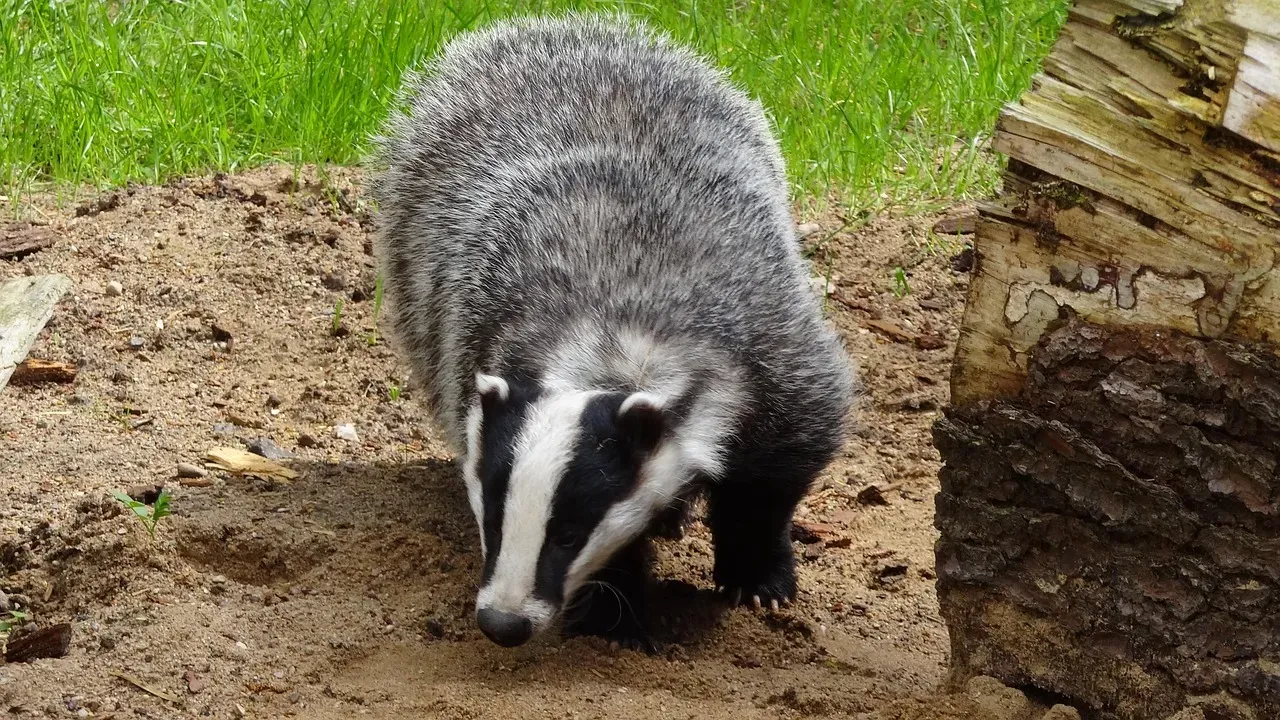
Coyotes are often known to hunt badgers, but mutualistic relationships can develop between these rival species. Coyotes and badgers engage in ground squirrel hunting together, in which the badgers dig into ground squirrel nests and hunt any they come across. Ground squirrels that manage to flee the site are captured by coyotes nearby. This hunting behavior benefits both the coyotes and badgers because it allows each species to obtain food.
But it goes beyond a simple business transaction. The coyotes initiate ground squirrel hunting through friendly behaviors such as play-bowing, tail-wagging, and scampering. Play-bowing. Tail-wagging. With a badger. That’s not just strategy. That’s relationship.
A badger biologist named Steven Minta observed that on the National Elk Refuge, more coyotes hunt with badgers than hunt alone, and coyotes with badger companions catch a third more ground squirrels than solo coyotes. The friendship pays off, literally. But I think what makes it beautiful is that they seem to genuinely enjoy each other’s company in the process.
An Elephant Grieved the Loss of Her Dog Best Friend
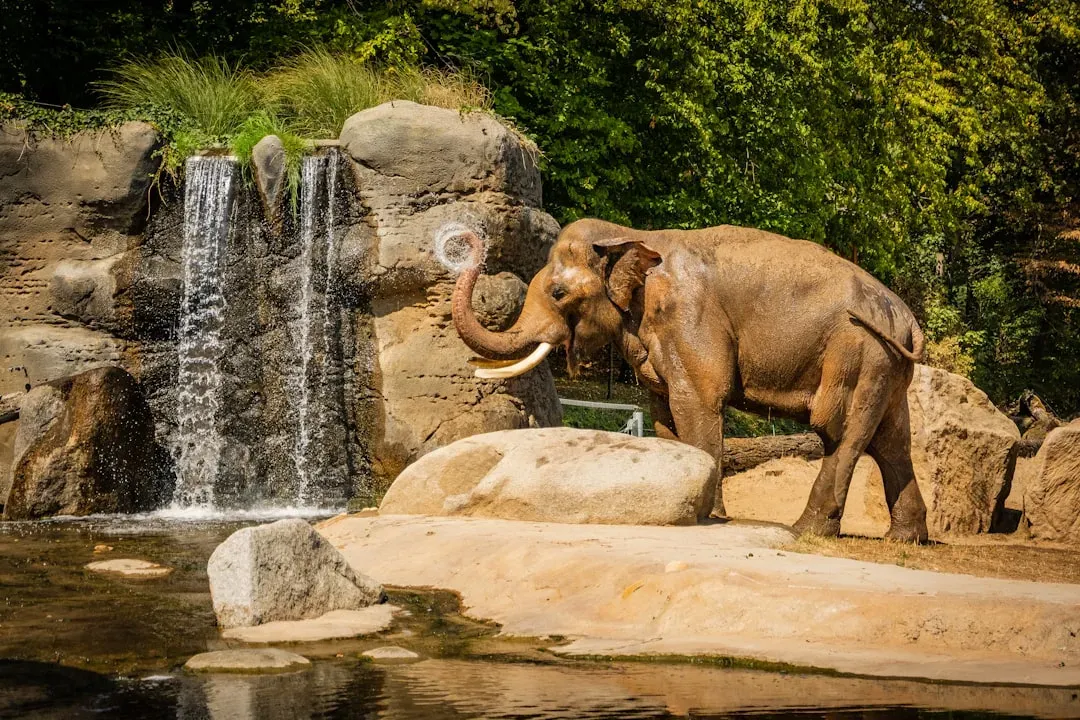
Few stories in the world of animal friendship are as moving as this one. An elephant named Tarra was close to a dog named Bella and grieved after Bella was killed by coyotes. The grief was documented and observed. An elephant. Grieving a dog.
Anthropologist Barbara King from the College of William and Mary says she and other scientists have documented a number of animals, ranging from dogs to hippos to apes, that make bonds with animals of another species. If one dies, the survivor grieves.
In some cases, the biggest risk in cross-species friendships isn’t getting eaten. It’s emotional loss. Let that sink in. Animals invest emotionally. They hurt when they lose someone. The capacity for grief is, perhaps, also the measure of how real the love was.
A Narwhal Was Adopted by a Pod of Beluga Whales
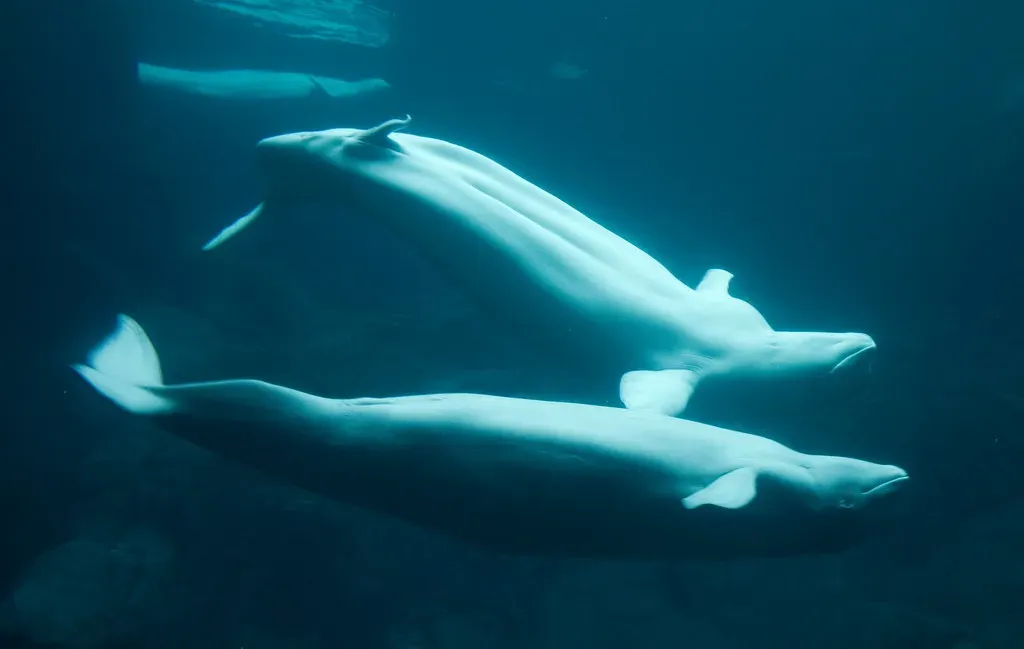
I know it sounds crazy, but this actually happened. A social relationship was observed between a narwhal and a group of beluga whales in the St. Lawrence River. The narwhal had been accepted into the group of beluga whales and continued to travel with them. A lone narwhal, far from its Arctic home range, found belonging among a completely different species of whale.
Interspecies friendships are indeed a very curious thing. They contradict the more common assumption and observation that different species stick with their own kind. The narwhal story is almost a metaphor for finding your people in unexpected places. Think of it as the animal kingdom’s version of moving to a new city and somehow finding a community you never expected.
This points to a more fluid understanding of social behavior, where animals don’t just categorize others as predator, prey, or rival, but sometimes as potential companions. That shift in scientific thinking is significant, and stories like the narwhal’s are part of what’s driving it.
Animal Friendship Is Now Understood to Be Evolutionarily Hardwired
For a long time, scientists were reluctant to even use the word “friendship” when talking about animals. For years some researchers actually debated whether or not animals made friends, even among members of the same species. They would put the taboo “F” word, friends, in quotation marks, to reflect their uncertainty. Hard to imagine now, but that was the scientific consensus not so long ago.
That’s changed dramatically. Animals living in stable groups often exhibit interesting social behaviors, including cooperation and mutual aid. Biologists have long observed that individuals within these groups form social bonds or friendships, characterized by prosocial actions such as food sharing. However, the evolutionary explanations of these friendships have remained a subject of debate.
Biologists from Stockholm University and University of Neuchâtel presented groundbreaking research shedding new light on the evolution of social bonds and cooperation among group-living animals. The study was published in the journal PNAS. Building friendships is a complex social behavior that scientists now believe evolution encoded into the DNA of humans and other species. Friendship, it seems, isn’t a human invention. It’s a survival tool that nature figured out long before we came along.
Conclusion: The Animal Kingdom Has Always Known What We’re Still Learning
There’s something deeply humbling about all of this. We spent decades assuming that forming meaningful bonds across difference was uniquely human. Turns out, a tiger was already doing it with a bear in Georgia, and a coyote was play-bowing to a badger on the prairie.
The idea that nature is a place of constant, brutal competition is being replaced by a more accurate view: nature is also a place of collaboration and resilience. Perhaps another explanation for why humans are so intrigued by interspecies friendships is because they feed a human desire for peace and harmony. These connections may be symbolic of what many people yearn for: a world where differences can be put aside in favour of peaceful coexistence.
Honestly, if a narwhal can find a home among beluga whales, and an elephant can grieve a dog like family, then the natural world is telling us something we really should be listening to more carefully. Whatever the reason may be, unusual friendships like these show that animals may be far more emotionally complex than many of us believe.
Which of these seven friendships surprised you the most? Drop your thoughts in the comments. Something tells me the narwhal one is going to win.
