
We share this planet with millions of species, yet somehow we still think we’re the only ones having a real conversation. Honestly, that assumption is starting to look more and more embarrassing the more science digs into it. From secret alphabets tapped out in the deep ocean to vibrating love letters sent through spiderwebs, the animal world is buzzing, clicking, humming, and flashing messages all around us – and we’ve barely scratched the surface.
What’s genuinely exciting right now, in 2026, is that new technologies like artificial intelligence are helping scientists decode signals that have been hiding in plain sight for centuries. The picture that’s emerging is extraordinary. Let’s dive in and meet the planet’s most surprising communicators.
1. Elephants That Call Each Other by Name
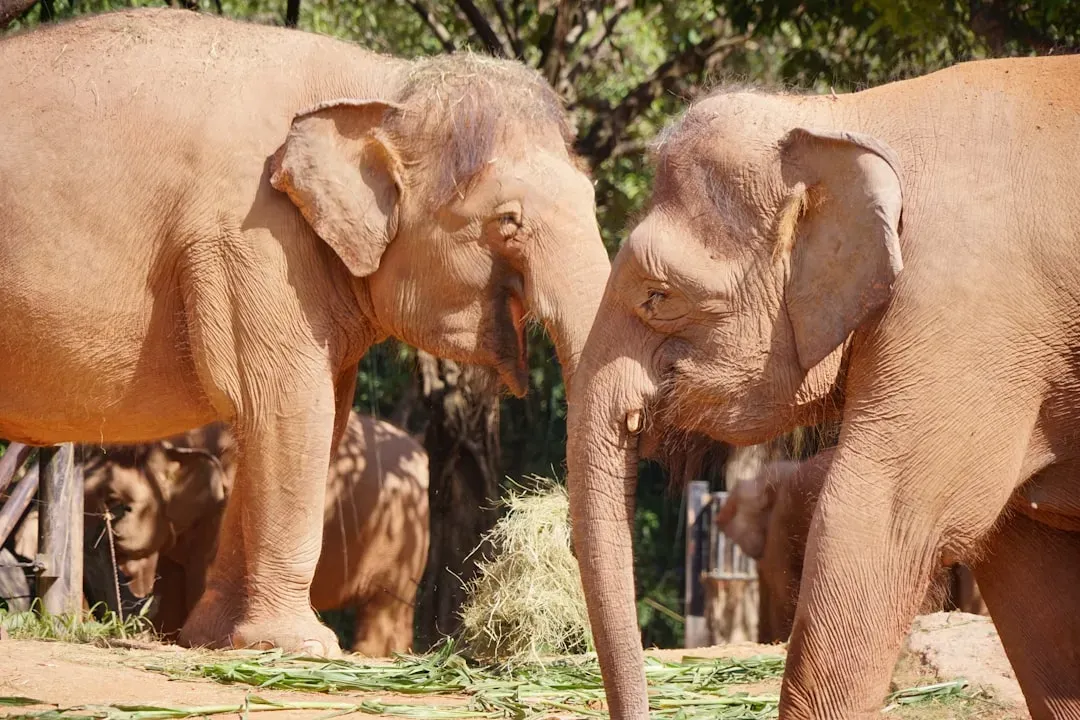
Here’s the thing most people don’t realize: elephants don’t just trumpet and rumble at each other randomly. A recently published study found that African elephants have names for each other, and address one another by name. It’s a significant finding, as very few creatures have this ability.
African elephants speak to one another by using the vocal folds in their larynxes to create a constant, low-frequency rumbling, known as an infrasound. It’s inaudible to humans, but elephants can pick it up from up to just over six miles away, and scientists believe this is how multigenerational, matriarchal herds maintain cohesion and know where they’re going.
Elephants appear to come up with names for other elephants independently, without imitating another’s call, and this is an ability that no animal other than humans were previously known to possess. Think about that for a second. We didn’t invent names. We just got there first.
Elephants also use touch, including trunks, nudges, and embraces, to comfort, reassure, and strengthen social connections. It’s a full, rich language of both sound and physical contact that puts most human small talk to shame.
2. Sperm Whales Speaking in a Living Alphabet
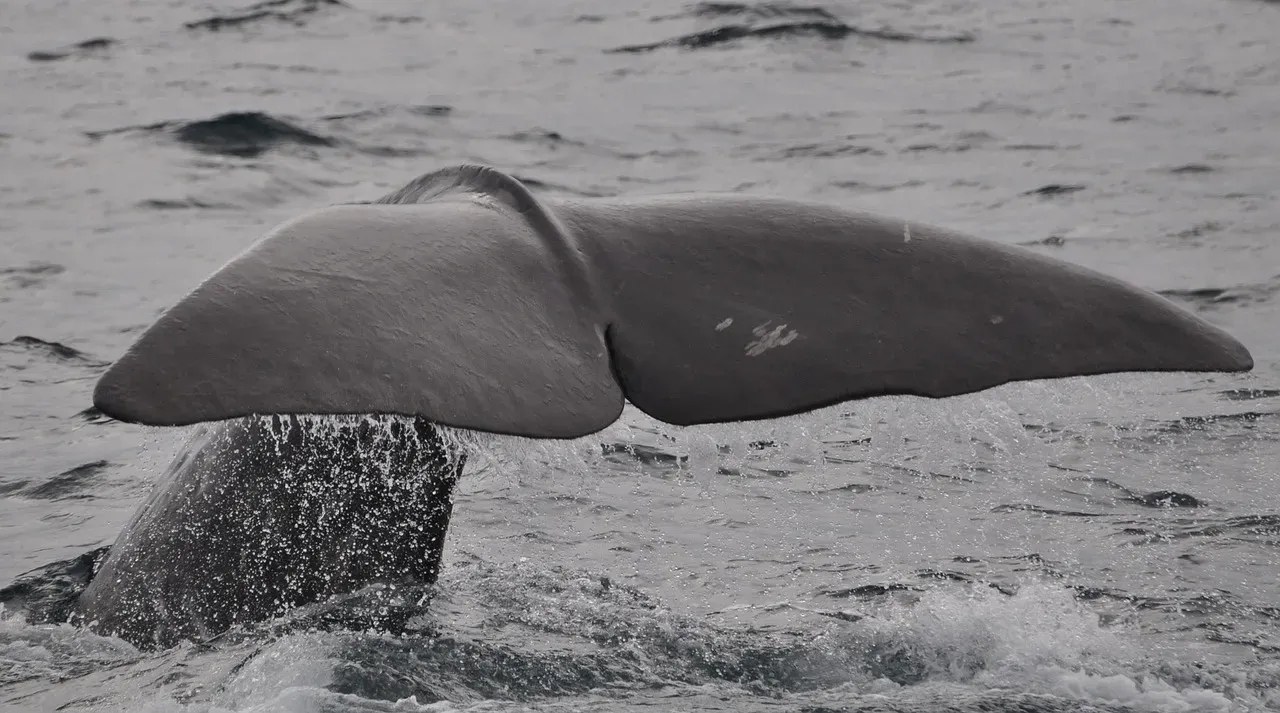
If you thought whales just sang melodic songs, prepare to be seriously surprised. Scientists now understand how sperm whales vary the rhythm, tempo, and duration of their clicks, in the same way that humans combine words in different orders with different tones to change the meaning of what they say. That led to the discovery that sperm whale clicks work like an alphabet, where elements can be combined differently to mean different things.
This kind of system, which humans, primates, and some birds use, is rare in nature. The fact that sperm whales independently evolved something resembling structured language is, I think, one of the most mind-bending findings in modern biology.
Sperm whales have the largest brains of any animal on Earth. They make clicks to communicate and socialize. Using artificial intelligence, researchers are working to learn how to translate what these clicks mean. The research project known as Project CETI is leading that charge, using AI to sift through thousands of hours of underwater recordings.
3. Prairie Dogs Describing What You’re Wearing
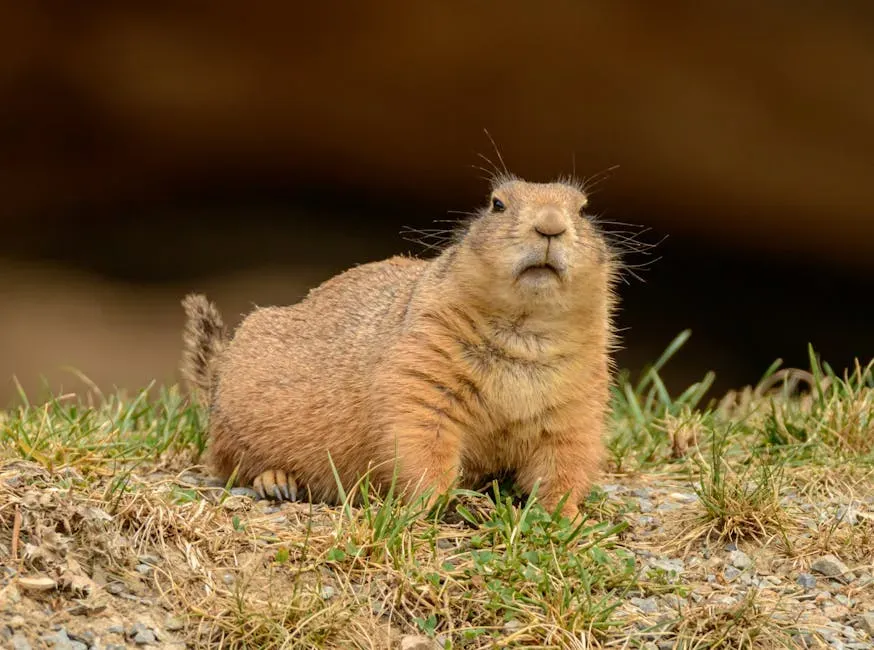
Let’s be real – nobody thinks of the prairie dog as a linguistic genius. Yet these small, burrowing rodents have developed what may be the most descriptively specific alarm system in the animal kingdom. Like vervet monkeys, prairie dogs call out to identify different threats. They have unique “words” for people, hawks, coyotes, and pet dogs.
Prairie dogs possess one of the most sophisticated alarm call systems known, with their vocalizations containing specific information about predator type, size, color, and speed of approach. Research has shown they can even describe whether a human is carrying a gun or wearing certain colors.
In one 2009 experiment with a colony of Gunnison’s prairie dogs, three women of similar sizes took turns walking through a prairie dog colony. Their outfits were identical except that each time they walked through, they wore either a green, blue, or yellow T-shirt. Each woman passed through about thirty times. The prairie dogs consistently produced different calls depending on which color was worn. Honestly, they’re paying more attention to our outfits than most people do.
4. Bats That Argue Using Tone of Voice
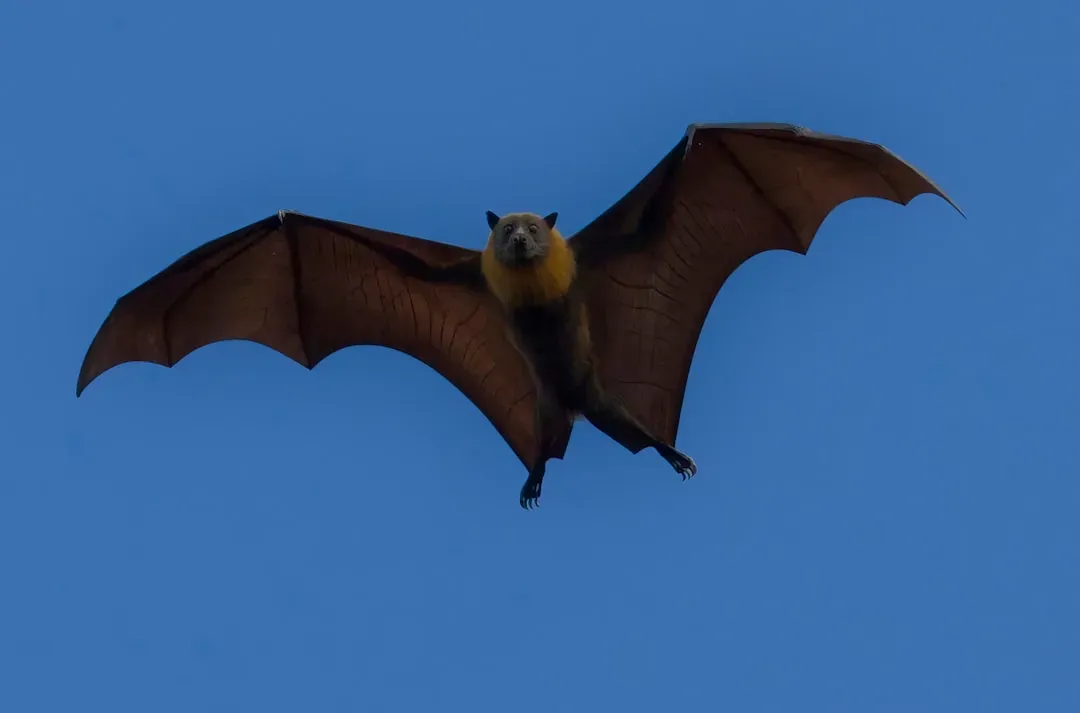
Fruit bats are highly social creatures who live in enormous colonies, so it’s no surprise that they’re adept at communicating with one another. Only recently have scientists begun to decode bat vocalizations, and as it turns out, they’re much more complex than previously thought.
After analyzing almost fifteen thousand distinct bat sounds, researchers found that a single vocalization can contain information about who the speaker bat is, the reason the vocalization is being made, the speaker bat’s current behavior, and the intended recipient of the call. Rather than using “names” for each other as elephants do, the bats used different intonations of the same “words” to signal who they were talking to, sort of like using a different tone with your boss than with your parents.
The study also found that when bats talk, they’re usually arguing. So the next time you hear a colony of bats squealing away at dusk, just know – there’s probably a very heated debate happening about who ate whose share of the insects. Relatable, honestly.
5. The Cuttlefish That Shows Two Faces at Once
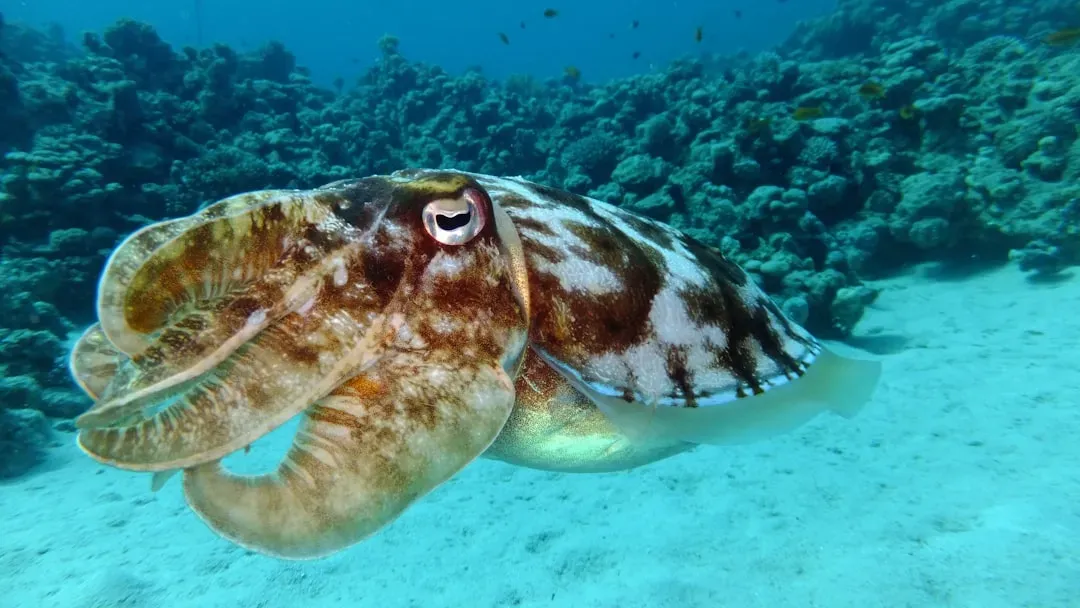
This one sounds like something out of a science fiction story. Cuttlefish, those alien-looking relatives of the squid, are capable of something truly staggering: sending two completely different messages simultaneously to two different animals. Cuttlefish can display one pattern on the side of their body visible to a potential mate while simultaneously showing a different, female-mimicking pattern on the side facing rival males, essentially communicating two different messages to two audiences at once.
Cuttlefish are masters of visual communication. These intelligent sea creatures use rapid color changes and skin texture variations to convey messages to potential mates or rivals. Think of it like texting two people at the same time, telling each one something completely different, except the cuttlefish does it with its entire body.
Researchers from Paris discovered that cuttlefish also communicate by waving their arms in expressive patterns. So they combine full-body color messaging with arm gestures. It’s theatrical, it’s sophisticated, and it makes our emoji usage look embarrassingly primitive.
6. Naked Mole Rats With Regional Accents
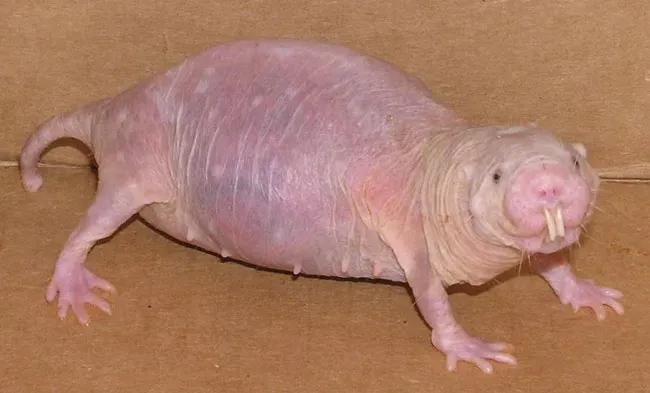
You would be forgiven for not thinking deeply about naked mole rat communication. They’re blind, hairless, and look like something from a nightmare. Yet their social lives are remarkably complex. Recent research has found that naked mole rats have at least one thing in common with humans, other than possessing relatively little body hair: accents. It’s been known for some time that naked mole rats chirp and squeak to communicate with one another, but a 2021 study found that each colony has its own distinct accent.
It’s a bit like how someone from New York sounds nothing like someone from Alabama, even though they’re both speaking English. Each naked mole rat colony develops its own sonic dialect over time, a shared sound identity that seems to bind the group together.
Even if they didn’t look like aliens, naked mole rats would still be some of the strangest creatures on Earth. The blind, hairless rodents can survive without oxygen for up to eighteen minutes by metabolizing fructose instead of glucose, an ability normally reserved for plants. They have an extraordinarily high pain tolerance, are almost completely immune to cancer, and perhaps most impressively, don’t die of old age. They are, in short, absolutely extraordinary animals hiding behind an unfortunate face.
7. Honeybees That Rewrite Their Dance for the Weather
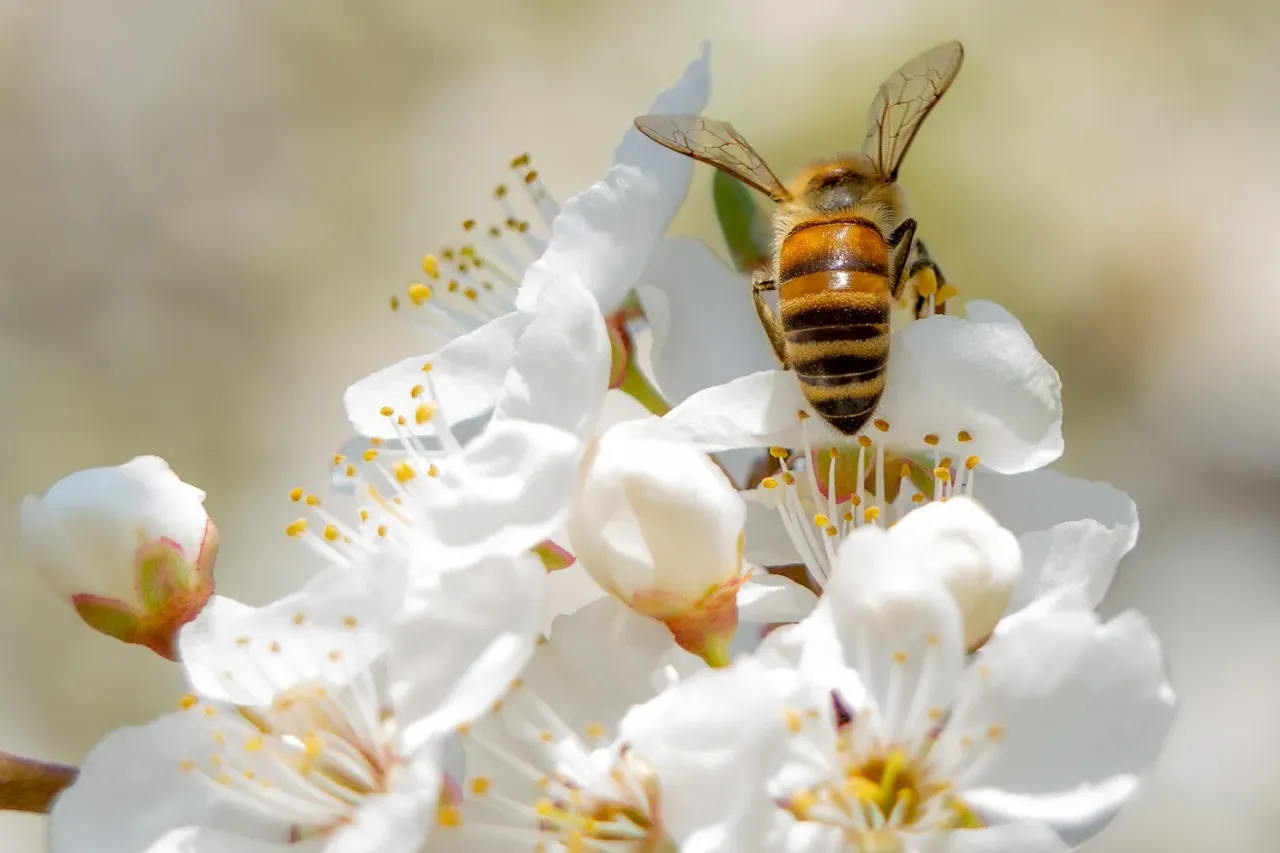
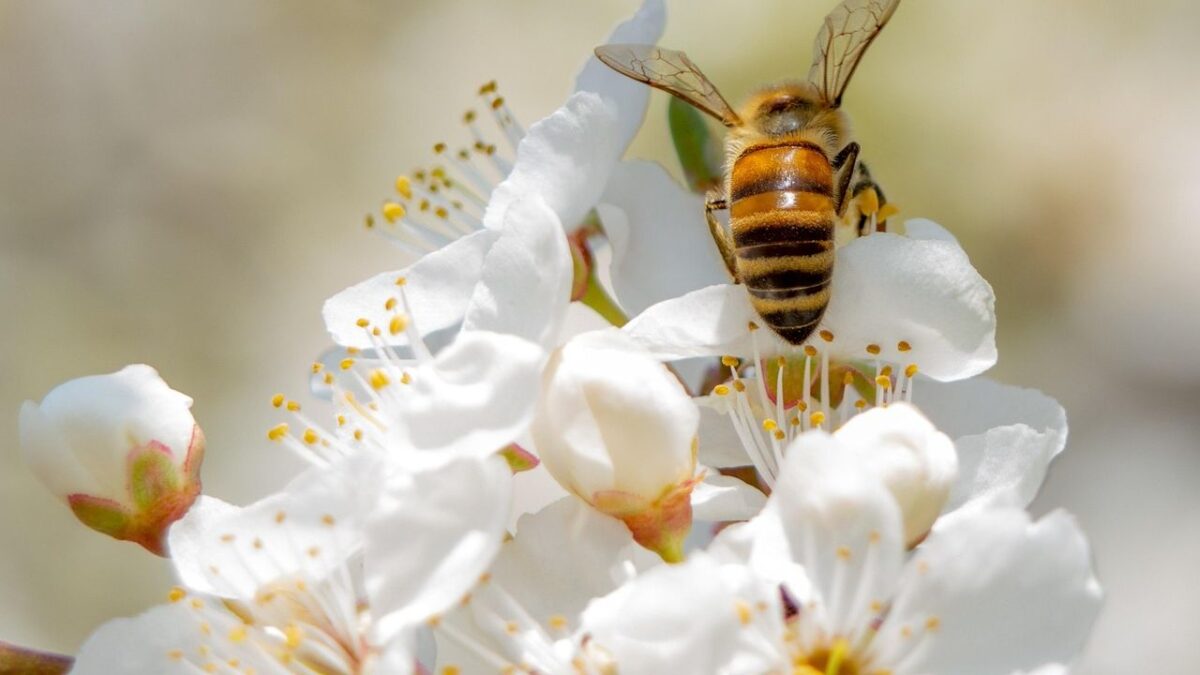
The waggle dance of the honeybee is one of biology’s greatest legends, first decoded by Karl von Frisch, who won a Nobel Prize for the work. A bee returns to the hive and performs a specific figure-eight movement to show other bees exactly where to find food, including distance and direction. It’s remarkable on its own. But it turns out the story goes even deeper.
Research has shown that honeybees may even modify their dance in response to environmental factors like wind speed and obstructions between the food source and the hive. Honeybees communicate through intricate dances, pheromones, and vibrations to share vital information about food sources, hive safety, and more.
Think of it like a bee GPS system that recalculates in real time based on current conditions. It is not a fixed script. It is a living, adaptive language. Frisch observed bees “waggling” inside their hives, a “dance” of sorts, which he concluded informs other bees as to the direction and distance to food sources. What we’ve learned since is that this system has layers of complexity we’re still unpacking today. For a creature with a brain the size of a sesame seed, that’s genuinely humbling.
The World Is Talking – We’re Just Learning to Listen
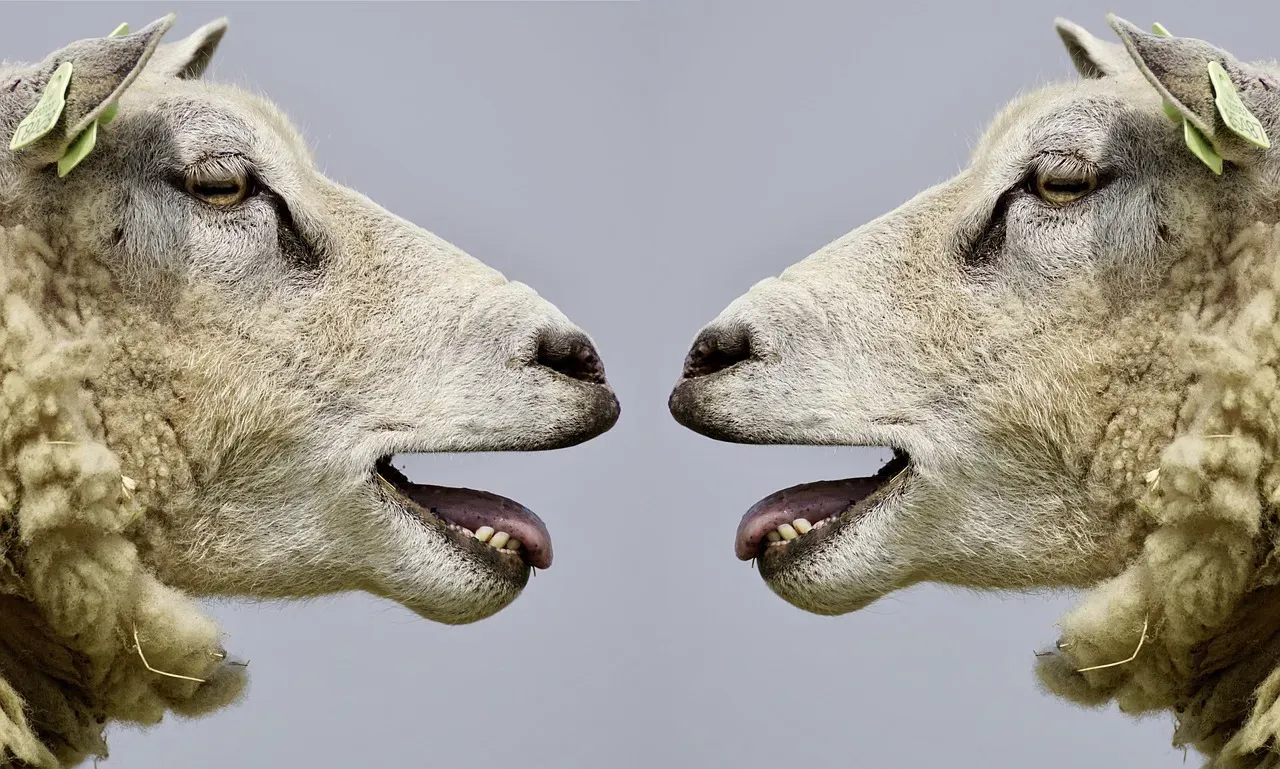
Research on wild birds and mammals opens a window into the rich world of animal communication while challenging long-held views that language evolved only in humans. Scientists are now coming to see language as a constellation of different capabilities that each evolved on the evolutionary tree before our time, granting many other animals unique ways of conversing about their world.
Our knowledge of animal communication is growing by the year, and some have suggested that this knowledge might eventually lead to stronger animal welfare laws. That’s a meaningful shift. When we realize that animals aren’t just reacting to the world but actively discussing it, debating it, naming each other within it, our moral responsibility toward them deepens considerably.
The honest truth is, we’ve been living surrounded by conversation we couldn’t hear. Now, slowly, we’re beginning to tune in. And what we’re finding is that the animal world isn’t quieter than ours – it’s just speaking in frequencies we never thought to listen for. What would you have guessed was out there, if someone had asked you ten years ago? Tell us in the comments.
